

For decades, the conversation around Soldier load has often been treated like a comfort issue. Lighter gear was something nice to have. Easier on the back. Better for morale. A quality-of-life improvement for the individual Soldier.
But that way of thinking does not match the reality of the problem.
The weight problem is a readiness problem.
Every extra pound a warfighter carries affects speed, endurance, mobility, recovery, and the ability to stay effective over time. That weight does not just sit in a ruck or hang from a plate carrier. It is connected to a human being. It compounds over hours, miles, training cycles, deployments, and years.
Eventually, weight becomes fatigue.
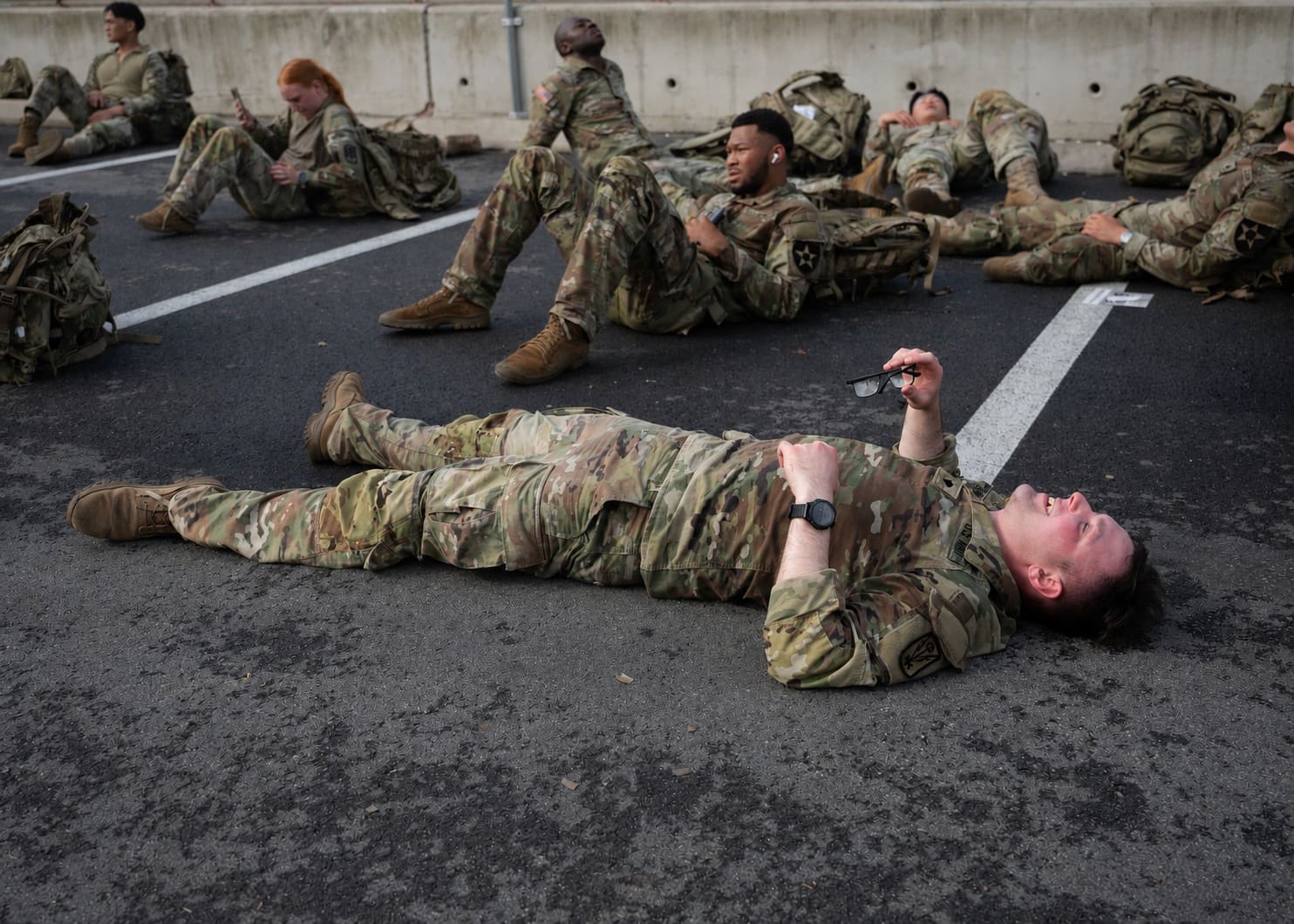
Fatigue slows movement. Slower movement reduces effectiveness. And in combat, reduced effectiveness can carry serious consequences.
The Army has acknowledged this plainly. In Soldier Load: The Art and Science of Fighting Light the issue is framed as more than a comfort concern. Excessive Soldier load creates risk to the force and risk to the mission, especially inside formations that depend on speed, endurance, and the ability to maneuver under pressure.
That is the point.
This is not about making the load feel better. It is about making the force more capable.
Heavy loads reduce maneuverability, increase energy demand, slow reaction time, and accelerate wear on the body. Knees, hips, backs, and feet absorb that cost over time. Research on the biomechanics of load carriage has shown that carried loads can change movement patterns, increase stress on the lower extremities, and add to the physical burden placed on military personnel.
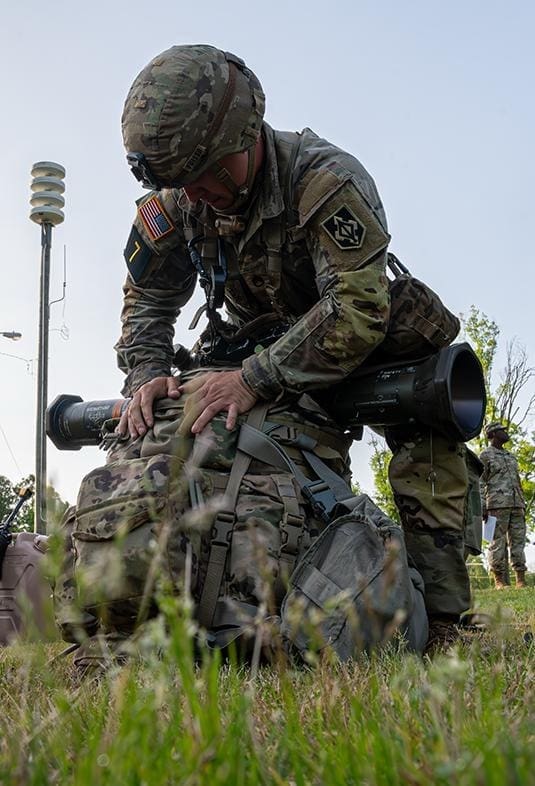
Photo credit: U.S. Air Force photo by Senior Airman Olivia Bithell
The damage does not always show up immediately. It builds quietly through training, field problems, deployments, schools, movements, and repetitions. Eventually, it can affect performance, recovery, and the long-term health of the people who have carried that weight for years.
The cost is cumulative.
A few extra ounces on one pouch may not seem like much. Neither does a heavier attachment system, a bulky platform, or one more piece of unnecessary material. But multiply those ounces across a full fighting load. Then multiply that across every mile, every movement, every range, every training cycle, and every Soldier in the formation.
The burden was never just one item.
It was the totality of all of it.
That is why fighting light is not a trend. It is not a slogan. It is not a marketing angle.
It is a design responsibility.
A lighter load can help a warfighter move better, conserve energy, recover faster, and stay effective longer. It can support better awareness, better decision-making, and better performance under stress. When the body is less consumed by the burden of carrying unnecessary weight, more energy is available for the mission.
None of this means reducing capability. That has never been the right answer.
The answer is not to ask Soldiers to carry less of what they need. The answer is to examine every piece of equipment with greater discipline. Every pouch. Every platform. Every attachment method. Every material choice. Every ounce that does not need to be there.
Military leaders routinely study vehicles, fuel, logistics, sustainment, and mobility because movement wins wars. The same level of scrutiny should apply to individual warfighters.
If unnecessary weight slows the force, then unnecessary weight affects readiness.
This is why Blue Force Gear has always been so focused on weight reduction. Not because lighter gear sounds better on paper, but because weight matters in the real world. It matters when a Soldier is climbing, crawling, sprinting, patrolling, recovering, reacting, or fighting through fatigue.
It matters when the mission lasts longer than expected.
It matters when seconds count.
The answer is not carrying less capability.
It is carrying capability, smarter.
At Blue Force Gear, we have always believed that weight matters because the person carrying it matters. Fighting light is not about comfort. It is about movement, endurance, readiness, and survivability.
Because every ounce matters.
For units seeking to increase survivability and operational performance through reduced load carriage by upgrading to Helium Whisper, contact the Blue Force Gear Military Department or visit BlueForceGear.com.