Lowa Zephyr Mk 2 GTX

Archive for the ‘Advertiser’ Category

BlackPoint Tactical Duty Holsters See Widespread Adoption Across Agencies Worldwide

Monday, September 28th, 2026

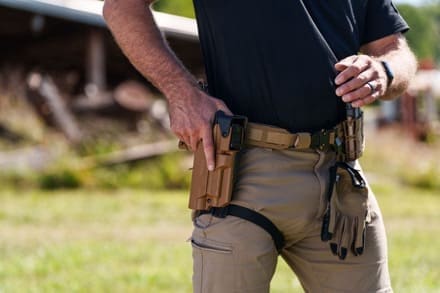
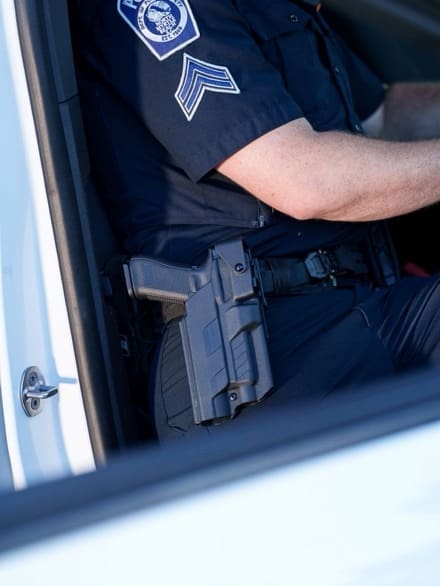
ALPHARETTA, G.A. – September 28, 2026 – BlackPoint Tactical, a High Speed Gear Products Group brand, is seeing widespread adoption of its duty holsters among law enforcement and military agencies around the globe. As agencies evaluate modern alternatives for their officers and operators, the BlackPoint Duty Series is gaining momentum for its combination of reliable retention, intuitive operation and adaptability across evolving equipment requirements.

The growing adoption reflects a shared need across agencies: a duty holster that provides uncompromising weapon security without sacrificing a fast, consistent draw. The BlackPoint Duty Series, which includes the Enhanced Duty Holster (EDH), Slick Duty Holster (SDH), Concealed Duty Holster (CDH), and the Taser 10 Ark-Lock, was designed and engineered around direct input from real-world users operating in demanding environments.

At the center of the platform is BlackPoint’s patented Master Grip Concept. The retention lever is positioned so users can establish a natural master grip and deactivate the retention mechanisms without the additional hand articulation required by many traditional duty holsters. The result is a smooth, repeatable draw stroke designed to support faster, more accurate rounds on target. The same core activation mechanics carry across retention levels and into BlackPoint’s TASER® holsters, helping agencies reduce training hurdles when deploying multiple systems.

The Duty Series is available in light-compatible and non-light-compatible configurations and includes the patent-pending SHIM system. By changing the installed SHIM, agencies can configure the holster for multiple weapon lights, allowing the platform to adapt as equipment needs change. Supported configurations continue to expand as BlackPoint responds to agency and end-user demand.

Key features of the BlackPoint Duty Series include:

• Retention Levels: Available in 3 level (EDH family) and 2 level models (SDH family).

• Full Coverage Trigger Guard: Minimizes any object from entering trigger guard while pistol is holstered.

• Optics Cover: Optional Optic Cover to help enclose the optic cavity when holster hood is closed

• Barrel Plug: Allows the holster to function with or without the weapon light attached.

• Retention Lever Overdrive: Lever range of travel beyond release enhancing draw performance.

• Lever Extender: Extends the retention lever to enhance ergonomics based on user preference.

• Material Thickness: Holster features durable unibody 0.125” KYDEX® design.

• Mounting: Compatible with mounts from popular 3rd parties. *Adapter Plate Required  

“We are seeing agencies around the world recognize that they do not have to choose between security, speed and adaptability,” said Gary Robbins, Director of Law Enforcement Business Development at High Speed Gear. “The Duty Series was built around the realities officers and operators face in the field, and its growing adoption is strong validation that the platform is meeting those needs.”

“A duty holster must perform every single time,” said Tyler Johnson, VP of Finance and Holster Sales. “The confidence agencies are placing in BlackPoint reflects the work our team has put into delivering a modern, dependable alternative. We are proud to support more professionals globally and will continue expanding the platform as their requirements evolve.”

BlackPoint Duty Series holsters are available through BlackPoint Tactical and authorized dealers. Firearm, light and mounting compatibility options continue to expand. Agencies and dealers interested in product evaluations, fitment information or purchasing support are encouraged to contact the High Speed Gear Products Group team.

For more information about the BlackPoint Duty Series, visit blackpointtactical.com/shop/category/duty-series.

MATBOCK Monday: MWAD 2.0

Monday, September 28th, 2026

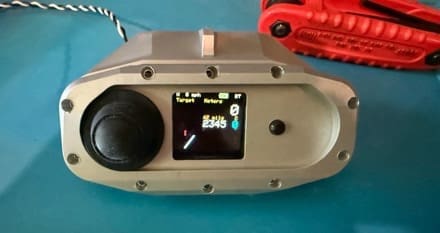
Building on the success of the Multi Weapon Aiming Device (MWAD) 1.0, we are proud to introduce the next generation: the MWAD 2.0. This new and improved model enhances the user experience and provides even greater accuracy and reliability for indirect fire weapon systems.

The MWAD 2.0 is a multi-platform capable digital firing solution device that displays range

and azimuth of your target. It provides real-time ballistic solutions that account for environmental conditions, round type, platform, and lot deviations, allowing the user to put rounds on target more accurately and in less time than with legacy aiming systems.

Key upgrades in the MWAD 2.0 include:

  • Software Update: A comprehensive software update delivers a more intuitive user interface and faster processing for even quicker targeting solutions.
  • Glenair Hardwire Connector: A new Glenair hardwire connector ensures a secure and reliable connection in the most demanding environments.
  • Tri-Axial Gyroscope: The addition of a tri-axial gyroscope enhances motion tracking for more precise ballistic calculations, even on the move.
  • Robust Thumbstick: A new, more robust thumbstick offers improved

To learn more about the MWAD, check out their youtube channel: youtu.be/dLALK_5Z0OU or email sales@matbock.com

SIG SAUER KILO Micro LRF

Monday, September 28th, 2026

They really pulled out all the stops during last week’s SIG NEXT event, but of all of the new products, my favorite is the smallest.

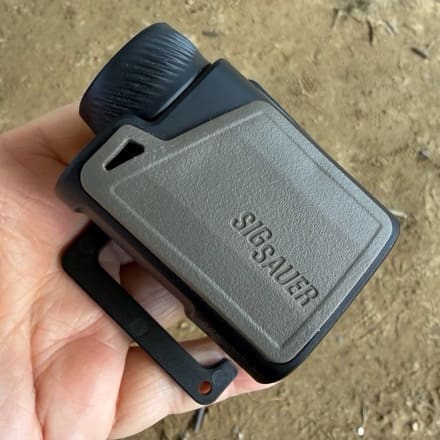
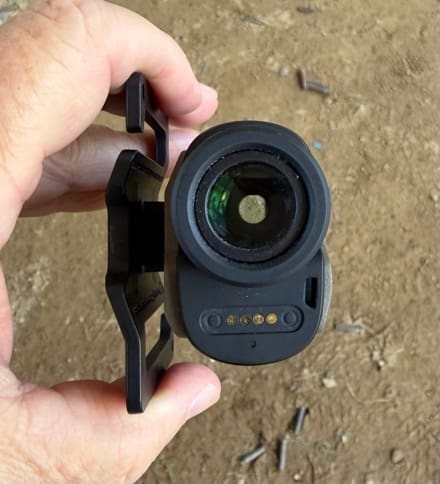
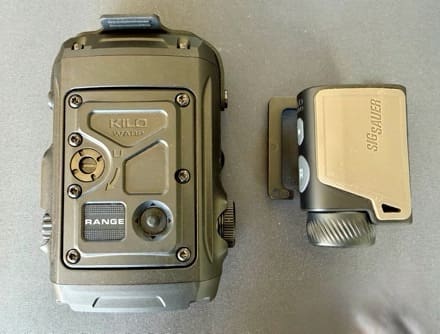
I first saw it in a photo with no frame of reference for its size. Turns out, it’s truly palm sized. Below you can see it next to the WARP, SIG’s full featured LRF.

It started out as an archery LRF but proved to be much more versatile and they’ve added eight onboard firearm ballistic groups to the archery setting.

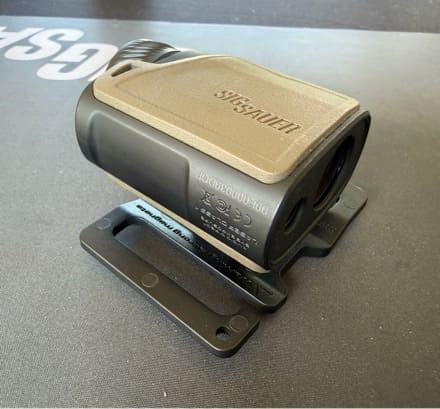
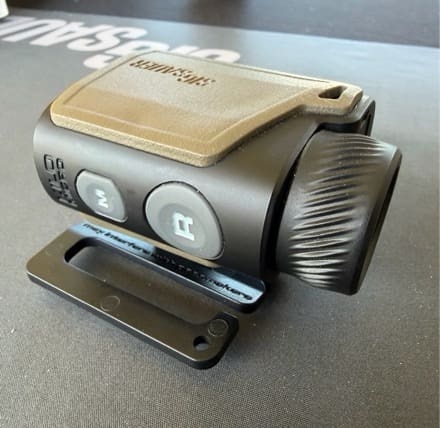
Weighing just 3.4 ounces, this small, handheld laser range finder features a 4x18mm Monocular can which range past the 1000 yards promised by SIG using their GEN II LIGHTWAVE DSP.

KILO Micro relies on a rechargeable battery for up to 3,000 ranges per charge. They’ve included a QDI magnetic harness mount but I’m trying to figure out a way to mount it to coaxially to a weapon mounted optic.

Top all of that off with an IP67 waterproof rating and $249.99 MSRP and I’d recommend everyone pick one up.

www.sigsauer.com/kilo-micro-4x18mm

The Medical Kit You Stopped Knowing Why Familiarity and Readiness Fade Long Before the Emergency

Monday, September 28th, 2026

The Problem on the Pavement

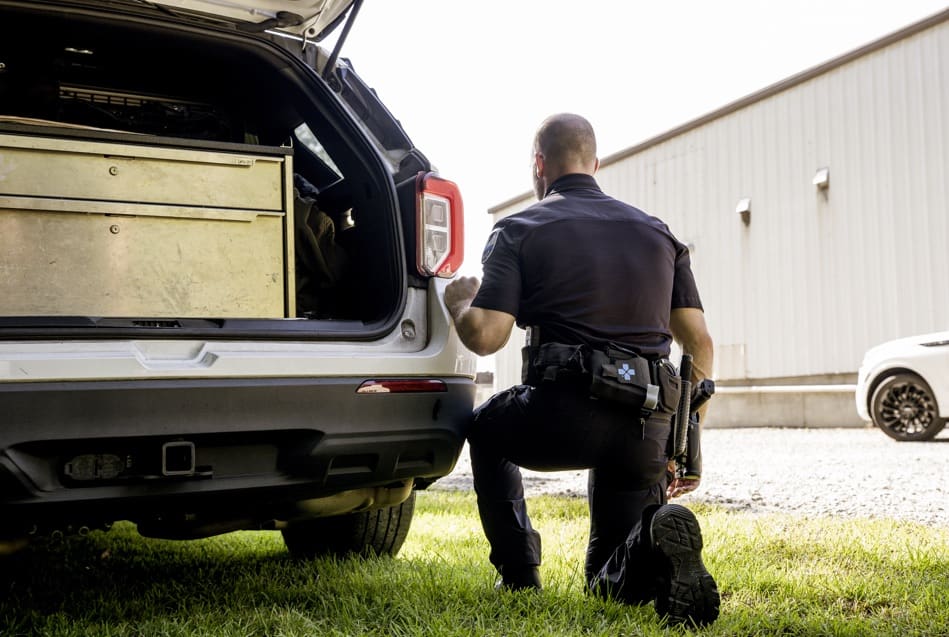
I arrived at the crash a few minutes behind another officer.

His trauma kit was already open on the pavement. Gauze wrappers moved in the wind and caught against the edge of the road. Under the rotating emergency lights, he dug through the pouch, lifting one item after another and putting each one back as if the answer might be underneath it.

The patient was nearby. The ambulance was still miles away.

The officer was not panicked. He was not frozen.

He was lost.

The kit had been issued years earlier. He had trained with it once, mounted it to his equipment, and carried it through countless shifts without opening it again. Now, kneeling on the shoulder of a rural road, he had equipment in front of him but no working familiarity with what it contained.

This was not a tactical incident. It was an ordinary car crash, the kind that happens every day in communities where professional medical help may still be fifteen or twenty minutes away.

The officer carried the kit.

What he no longer carried was familiarity.

Nothing about that scene was unusual. In fact, it represents one of the most common medical-readiness gaps I encounter, and it has very little to do with the quality of the equipment inside the pouch.

The kit was present.

Readiness was not.

When Presence Becomes a Substitute for Capability

Somewhere between issue day and the emergency, a trauma kit can stop being working equipment and become a symbol.

The officer knows it is there. The pouch occupies the same place on a carrier, duty belt, or inside a patrol vehicle. Its presence creates reassurance, and over time, that reassurance begins to stand in for capability.

The kit gets mounted and forgotten.

Inspections come and go. Elastic stretches. Supplies expire. Someone borrows an item and does not replace it. A tourniquet staged incorrectly on day one may remain that way for years because nobody opens the pouch and questions it.

The equipment still looks ready from the outside.

That is what makes the problem dangerous.

Carrying medical equipment is not the same as maintaining medical capability.

Capability has an expiration date when it is not renewed.

Training Does Not Remain Fresh Because the Certificate Does
Almost every officer I meet has received medical training.

Far fewer have received it recently.

There was an academy block, a certificate, and a successful evaluation. The officer demonstrated the required skills, returned to duty, and moved on to the next responsibility.

Then the years began to pass.

The certificate does not change.

The responder does.

Knowledge becomes less immediate. Confidence remains even as fluency declines. Five years may pass before an emergency finally asks whether the skill is still usable.

That is a brutal time to discover the answer.

Medical intervention is especially vulnerable to decay because it requires judgment and action at the same time. Applying a tourniquet, packing a wound, managing an airway, or assessing a casualty are not simply physical tasks. They require decisions made under stress.

The responder still remembers taking the course. The steps may still sound familiar when someone explains them.

But recognition in a classroom is different from performance beside a damaged vehicle in poor light while another person waits for help.

Skill does not need to disappear completely to become insufficient.

It only needs to fall below the level the emergency demands.

The Emergency May Not Match the Kit

The officer at that crash faced another challenge.

His kit had been assembled primarily for penetrating trauma. It contained a tourniquet, hemostatic gauze, and a chest seal. For a gunshot wound, those items may have been exactly what he needed.

That was not the emergency in front of him.

Patrol officers routinely encounter vehicle crashes, falls, overdoses, industrial injuries, medical emergencies, and prolonged waits for EMS. There is nothing wrong with carrying a specialized trauma kit. The problem begins when responders expect one specialized solution to solve every problem.

Training reveals what equipment is missing, what equipment is unnecessary, and what emergencies are most likely to occur in a particular community.

The requirement should drive the equipment.

The equipment should not be purchased first and justified later.

Sustainment Training Reveals the Truth

Sustainment training does more than preserve skill.

It diagnoses readiness.

You cannot identify weaknesses in equipment you never open. You cannot evaluate skills you never test. You cannot know whether a medical system works under pressure by looking at it mounted neatly on a duty belt.

Realistic repetitions expose gaps quickly.

Missing supplies become obvious. Poor placement becomes frustrating. A kit that seemed organized becomes confusing when opened in low light. Equipment that seemed easily accessible becomes difficult to reach from a vehicle seat.

Those discoveries should be welcomed.

A failure discovered during training is a problem that does not have to be discovered beside a real casualty.

Without those repetitions, readiness is based on memory and assumption.

Sustainment training replaces assumption with evidence.

A Practical Sustainment Standard

Maintaining familiarity does not require a major budget increase or a dedicated training day. It requires consistency.

• Inventory the kit from memory.

• Open and inspect it quarterly.

• Practice access under realistic conditions.

• Train for the emergencies you are most likely to encounter.

• Put sustainment training on the calendar.

Familiarity is perishable. Like any other critical skill, it must be renewed deliberately before it is needed.

Five Questions Worth Answering Now

Before purchasing another piece of equipment, answer these questions honestly:

1. When was the last time you opened your medical kit and handled its contents under pressure?

2. Can you identify everything inside it right now without looking?

3. Can you access the kit and deploy the tourniquet using only your support hand while seated and in low light?

4. What emergency was the kit originally built to address, and what emergencies do you encounter most often?

5. If you had to work from a partner’s kit instead of your own, could you use it effectively?

If those answers create discomfort, pay attention to it.

Discomfort is information.

It means a gap has been identified before an emergency exposed it.

Know the Kit Before the Kit Is Needed

I still think about the officer kneeling on that rural road.

The gauze wrappers moving across the pavement. The open pouch beneath the emergency lights. The ambulance somewhere in the distance. The officer holding equipment that had been beside him for years but had become unfamiliar when he finally needed it.

Nothing inside that pouch had suddenly changed.

The distance between the officer and the equipment had grown one unopened shift at a time.

Somewhere tonight, another trauma kit is sitting untouched on a duty belt, mounted to a carrier, stored inside a patrol vehicle, or tucked behind the seat of a truck.

Its owner may have carried it for years.

Maybe that confidence is justified.

There is only one honest way to find out.

Open the kit.

Lay out the contents.

Train with the equipment until every item has a purpose, every position is familiar, and every movement has been practiced before urgency takes control of the moment.

The solution may not be another purchase.

It may be an afternoon of repetitions, a training partner, and the willingness to confront what has faded.

Do it before gravel is beneath your knees, blood is on your gloves, and the ambulance is still miles away.

Do it before somebody else’s life depends on what you remember.

Learn More About Blue Force Gear® Medical Solutions

Familiarity should never begin while kneeling beside a casualty.
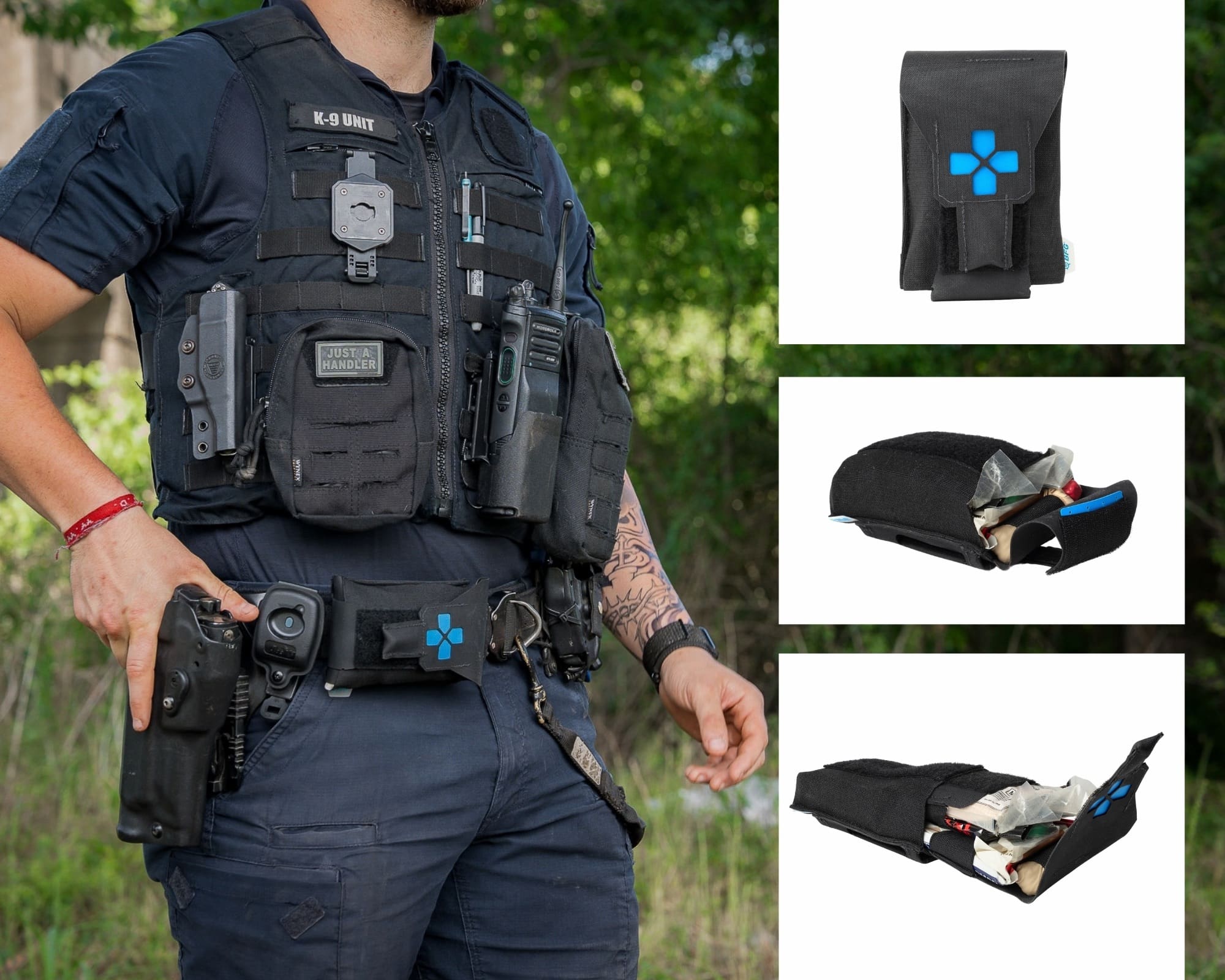
Whether you’re evaluating an existing setup or building a medical capability from the ground up, Blue Force Gear’s trauma kits are designed to provide rapid access, consistent placement, and secure organization so responders can focus on the problem in front of them, not the equipment on their belt.

Explore the Micro Trauma Kit NOW!® Nano ES, and the full line of Blue Force Gear trauma kit solutions.

This article is intended for general educational purposes and is not a substitute for certified medical training, agency protocols, product instructions, or guidance from qualified medical professionals.


By John Chapman, Task Force 70 Foundation

About the Author

John Chapman, known widely as Chappy, is a law enforcement professional with more than 34 years of experience spanning operations, leadership, curriculum development, applications engineering, and training. A published author and nationally recognized instructor, he has spent nearly three decades developing and delivering patrol and tactical law-enforcement training programs.

Chappy currently serves as Executive Director of the Task Force 70 Foundation, a nonprofit dedicated to training, mentoring, and supporting underserved rural and small-town law-enforcement agencies throughout the United States.


UF PRO Striker Challenge 2026 Brings Competitors from 16 Countries to Pokljuka

Saturday, September 26th, 2026

KOMENDA, SLOVENIA (24 September 2026)

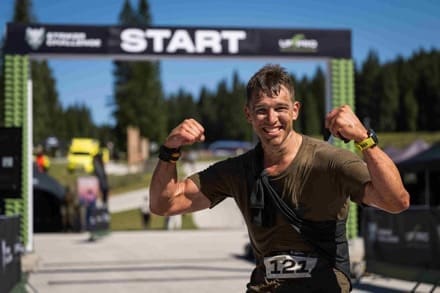
On 12 September 2026, UF PRO, part of Mehler Systems, hosted the fourth edition of the Striker Challenge at Pokljuka, Slovenia.

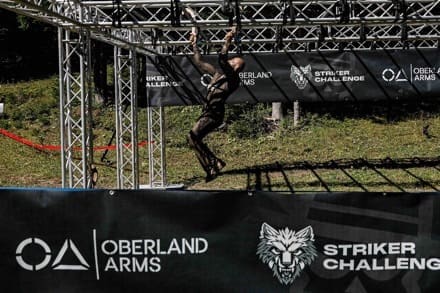
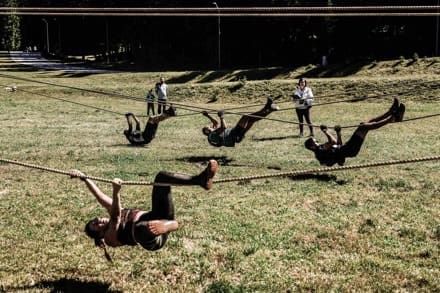
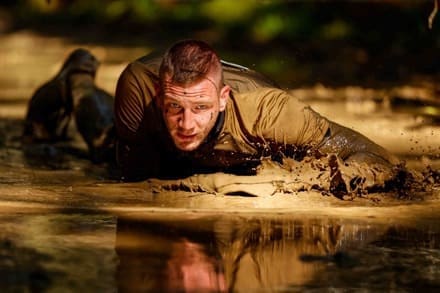
The event received 226 applications from 16 countries. Competitors faced a 15-kilometre alpine course with 19 military-inspired obstacles testing their strength, endurance and focus.


The team category returned in 2026 with a new format. Teams of three faced the same demanding terrain and obstacles, but completing the course required coordination, communication and shared effort.

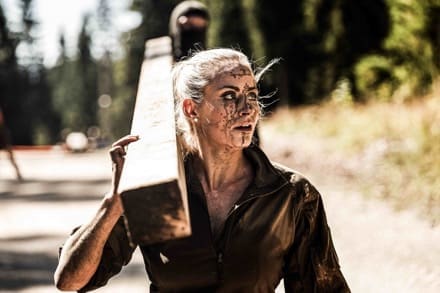
Each team also had to carry a large wooden Striker Challenge baton from start to finish. The three members had to transport it together while completing the course, adding another challenge to every obstacle and transition.

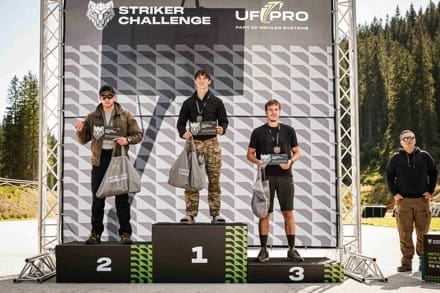
Competitors could also enter the individual male and female categories. Final rankings were based first on the number of obstacles completed and then on total course time, placing execution ahead of speed. The top three finishers in each category received UF PRO gear vouchers.


The 2026 edition also introduced the Striker Junior Challenge, featuring a one-kilometre course with age-appropriate obstacles in a fun, non-competitive format.

The new course gave younger participants the opportunity to test their abilities and experience their own version of the Striker Challenge, with every child receiving a gift after crossing the finish line.

The accompanying programme brought together UF PRO, Mehler Protection, Oberland Arms, Stryx Motors, Masters of Gloves and the Slovenian Police in the expo area. Visitors could explore products, meet representatives and take part in Stryx Motors vehicle test drives, while the Red Bull DJ truck provided music and drinks.

Partners also contributed directly to the challenge. Mehler Protection, Lindnerhof and Oberland Arms supported dedicated course obstacles, while UF PRO, Lindnerhof, Oberland Arms, Masters of Gloves and Red Bull provided additional prizes and promotional gifts.

Watch the full Striker Challenge 2026 recap on the UF PRO YouTube channel.

Crye Precision and MultiCam Prevail in Two Intellectual Property Actions in China

Saturday, September 26th, 2026

Court finds Chinese manufacturer culpable for copyright and trademark infringement of the MultiCam® pattern

Crye Precision is pleased to announce that it has prevailed in two separate actions before a premier intellectual property court in China. In both rulings, the Court found a Chinese manufacturer culpable for willful copyright and trademark infringement, and in doing so, held that Crye owns enforceable Chinese copyrights and trademarks in its MultiCam® camouflage pattern.

The outcome benefits the wider industry, from the licensed printers who produce genuine MultiCam® materials to the manufacturers and brands who build finished products with it. Most importantly, it protects the people the MultiCam® brand exists to serve: the uncompromising professionals who trust that genuine MultiCam® products deliver the performance and protection they depend on.

These decisions are precedent setting: Crye is the first foreign rights holder to establish and enforce copyright and trademark rights in a camouflage pattern before a Chinese Court. Counterfeit MultiCam® operations have long built their business models on the assumption that Crye would not, or could not, enforce its intellectual property in certain regions. These rulings put that assumption to rest, and hopefully mark the beginning of a broader shift in how foreign intellectual property is protected in China and in the other regions where counterfeiters operate.

Please email press@cryeprecision.com with any questions.

DRYOUT and Blue Force Gear Bring Active Moisture-Removal Technology to Tactical Nylon

Friday, September 25th, 2026

Blue Force Gear becomes DRYOUT’s first defense industry brand partner, introducing reusable moisture-removal technology for mission-critical gear

SOUTH JORDAN, Utah (September 25, 2026) — DRYOUT®, the advanced materials company behind Active Moisture-Removal Technology™, today announced its partnership with Blue Force Gear (BFG), a leader in lightweight load carriage and tactical equipment, marking DRYOUT’s first brand partnership in the defense industry.

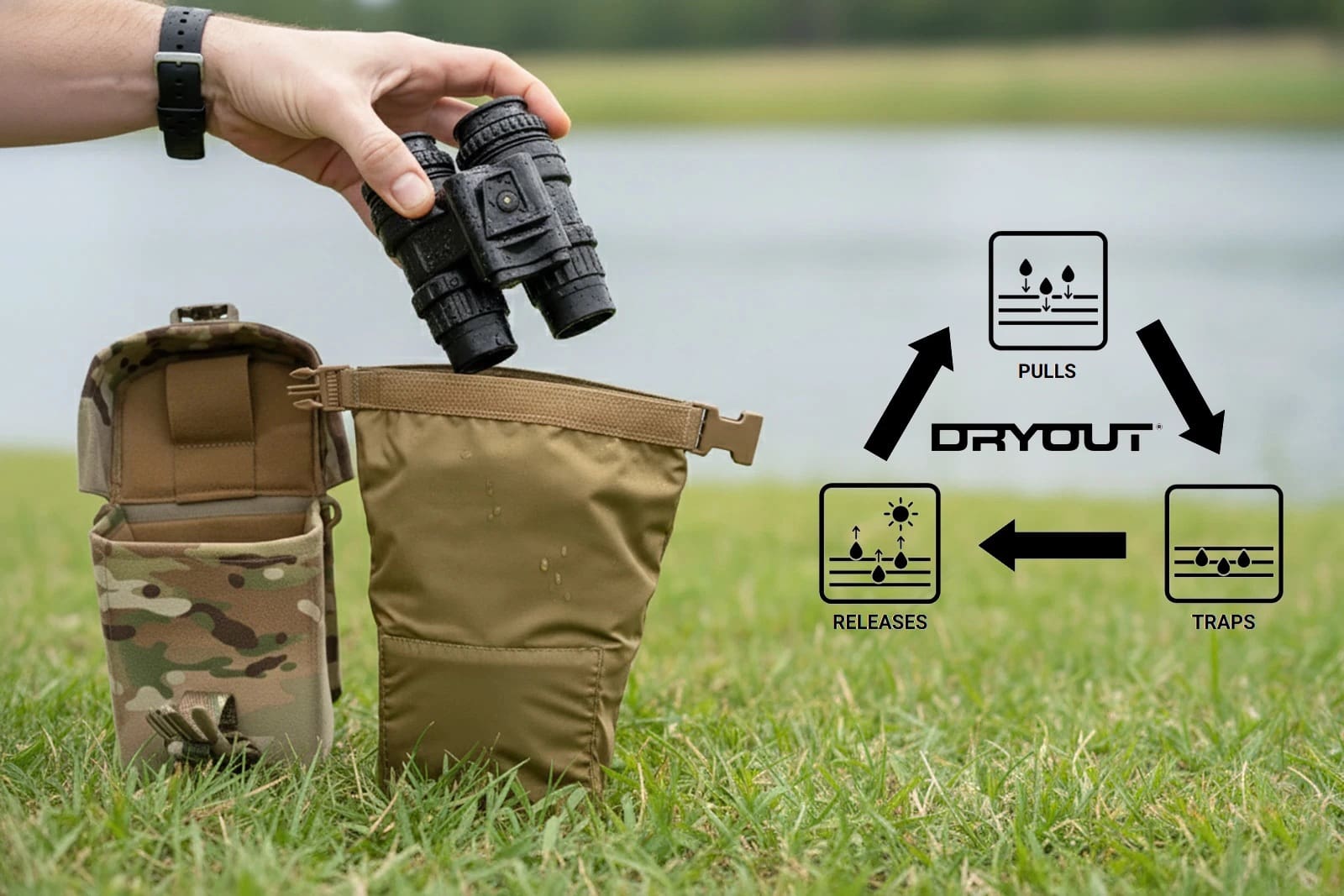
The collaboration brings DRYOUT’s patented moisture-removal technology to tactical nylon, beginning with the DRYOUT 1L, an accessory engineered for use inside Blue Force Gear’s existing Night Vision Goggle (NVG) pouch. Designed to help protect sensitive optics and electronics from moisture encountered during transport, storage, and field use, the reusable insert requires no electricity or batteries to operate.

Tactical gear is routinely exposed to rain, humidity, condensation, sweat, temperature changes, and other sources of moisture. Night vision devices are frequently used in these same conditions, often becoming wet or accumulating moisture during operations before being placed back into storage or transport systems. DRYOUT is designed for exactly that challenge.

DRYOUT Active Moisture-Removal Technology™ creates a new category of gear protection built on a layered fabric design that pulls moisture away from gear, traps it, and releases it. For Blue Force Gear, that technology is engineered into the DRYOUT 1L, a dedicated insert designed to work inside BFG’s NVG pouch, where it pulls both visible and unseen moisture away from gear, helping reduce moisture-related risks, including corrosion, shorted circuits, and lens fogging.

“Blue Force Gear has spent more than two decades rethinking tactical equipment around the realities warfighters face in the field, which makes them an ideal first defense industry brand partner for DRYOUT,” said Romney Williams, CEO of DRYOUT. “Moisture is one of those realities. With DRYOUT, BFG can extend protection beyond the pouch itself to help remove moisture from the sensitive equipment carried inside. For high-value gear like night vision, that can mean better protection for both the equipment and the warfighter who depends on it.”

Night vision equipment presents a natural first application for the collaboration. NVGs combine sensitive optics, electronics, connectors, and other components in equipment expected to perform reliably across demanding environments. Moisture that remains on or around this equipment can contribute to fogging, corrosion, and electrical issues even after visible water is gone.

“We’re thrilled to partner with DRYOUT to bring a new layer of protection to warfighters who depend on their optics to perform in demanding environments,” said Ashley Burnsed, Founder and CEO of Blue Force Gear. “Our goal has always been to equip service members with gear and accessories they can trust. DRYOUT gives us an innovative way to help protect the mission-critical equipment carried inside that gear from one of the most persistent environmental threats — moisture.”

The DRYOUT 1L is reusable and designed for repeated field deployment. Once it has absorbed moisture, DRYOUT can be reset by releasing the trapped moisture using sunlight, direct heat, or forced airflow, depending on environmental conditions.

Additional details on the DRYOUT 1L and Blue Force Gear are available at BlueForceGear.com. Learn more about DRYOUT Active Moisture-Removal Technology™ at DRYOUT.com.

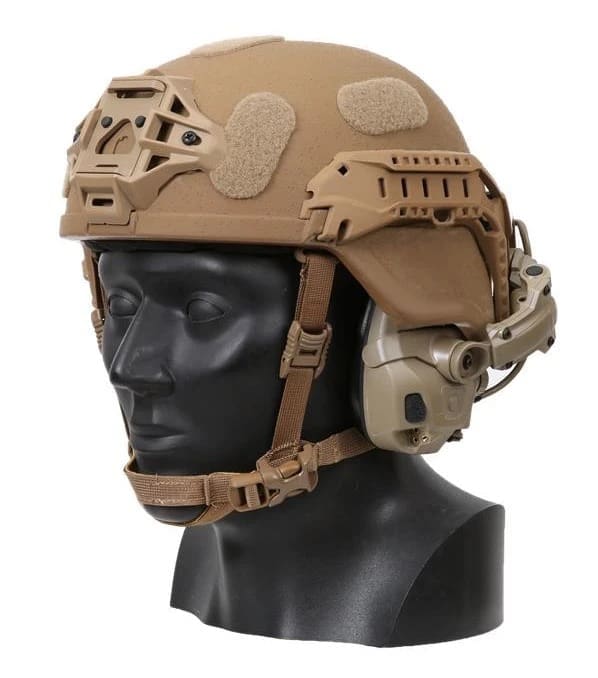
Great News for IHPS Sufferers: Ops-Core ARC Rails Now Available

Friday, September 25th, 2026

That’s right, those of you who wear the US ArmyMs done of obedience can now get IHPS compatible ARC Rails from Gentex.

Key Benefits:

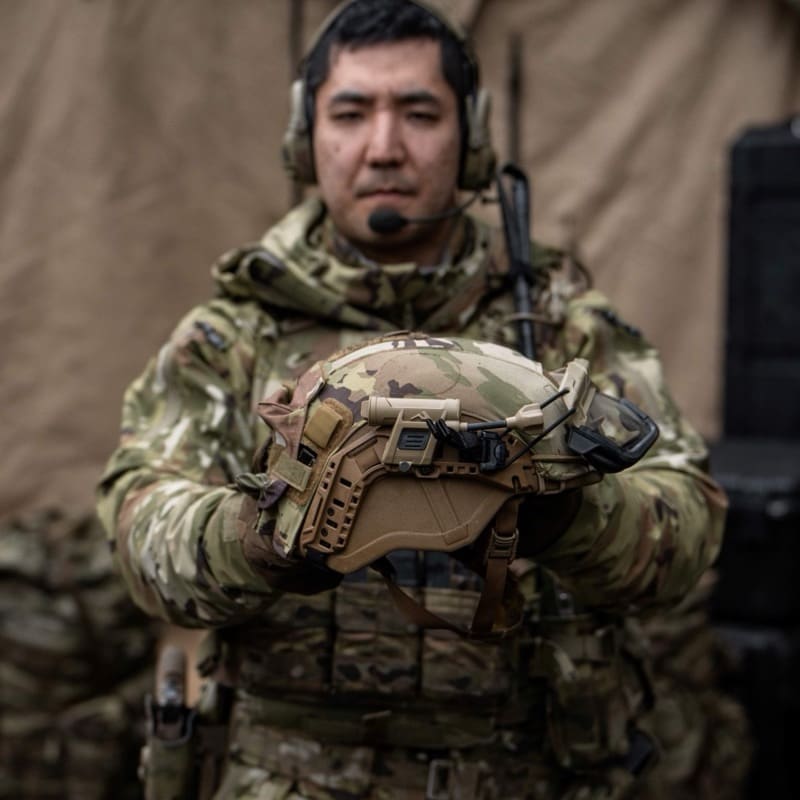
  • Upgrade Fielded NG-IHPS Helmets — Adds Ops-Core ARC Rail capability to existing NG-IHPS helmets.
  • Expand Accessory Integration — Provides a mounting interface for compatible communications and mission-enhancing accessories.
  • Configure for the Mission — Enables users to adapt their helmet setup as equipment and operational requirements change.
  • Proven Ops-Core Platform — Brings the established ARC Rail accessory ecosystem to the NG-IHPS helmet.
  • Support an Integrated Headborne System — Creates a foundation for connecting protection, communications, and other helmet-mounted capabilities.

shop.gentexcorp.com/ihps-arc-rails-kit