This video from Realm of History describes the unit structures of the Roman Army. It’s very interesting if you’re a history buff like me.
RAM Roman Army Structure from ISO on Vimeo.


This video from Realm of History describes the unit structures of the Roman Army. It’s very interesting if you’re a history buff like me.
RAM Roman Army Structure from ISO on Vimeo.
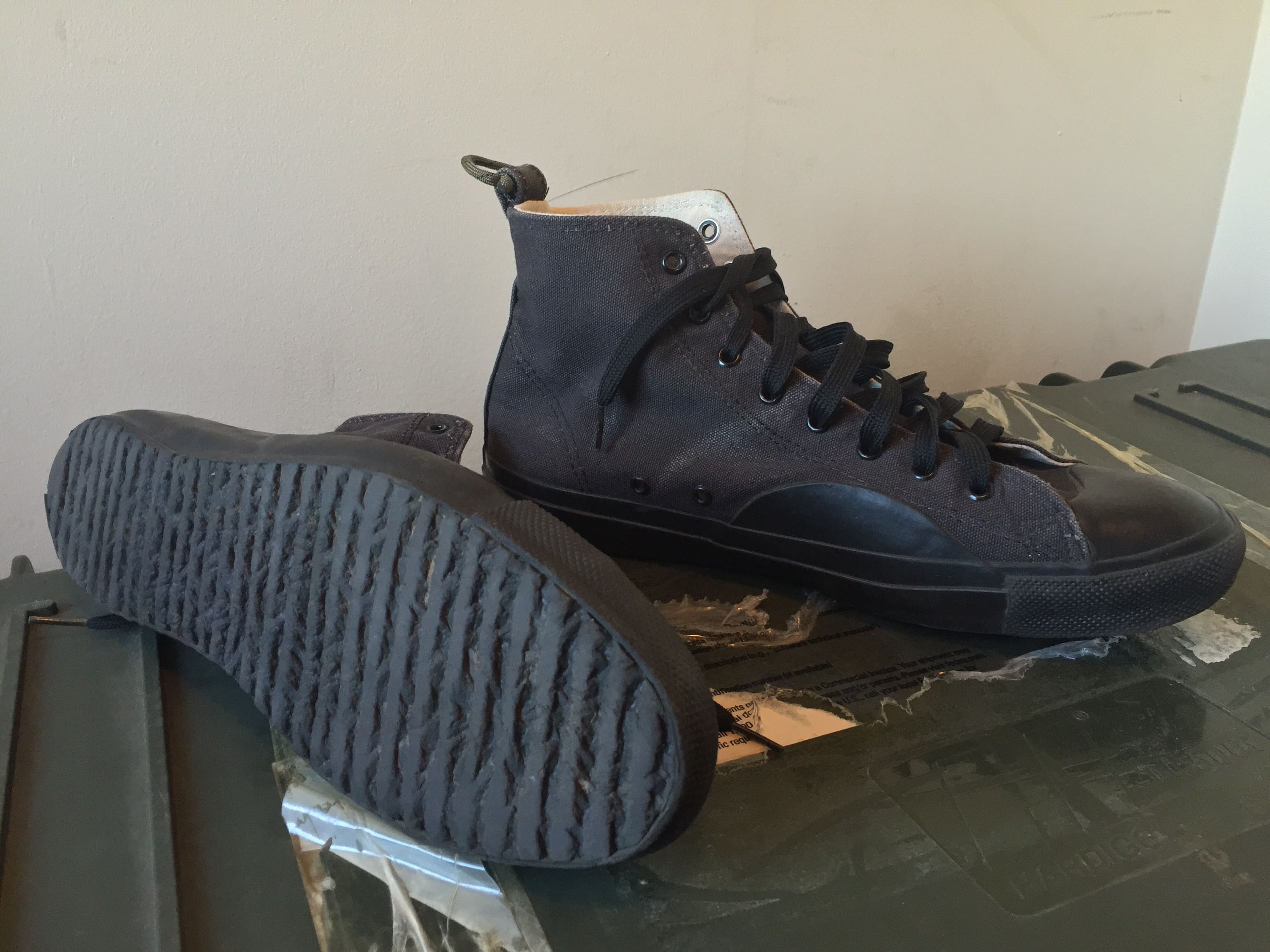
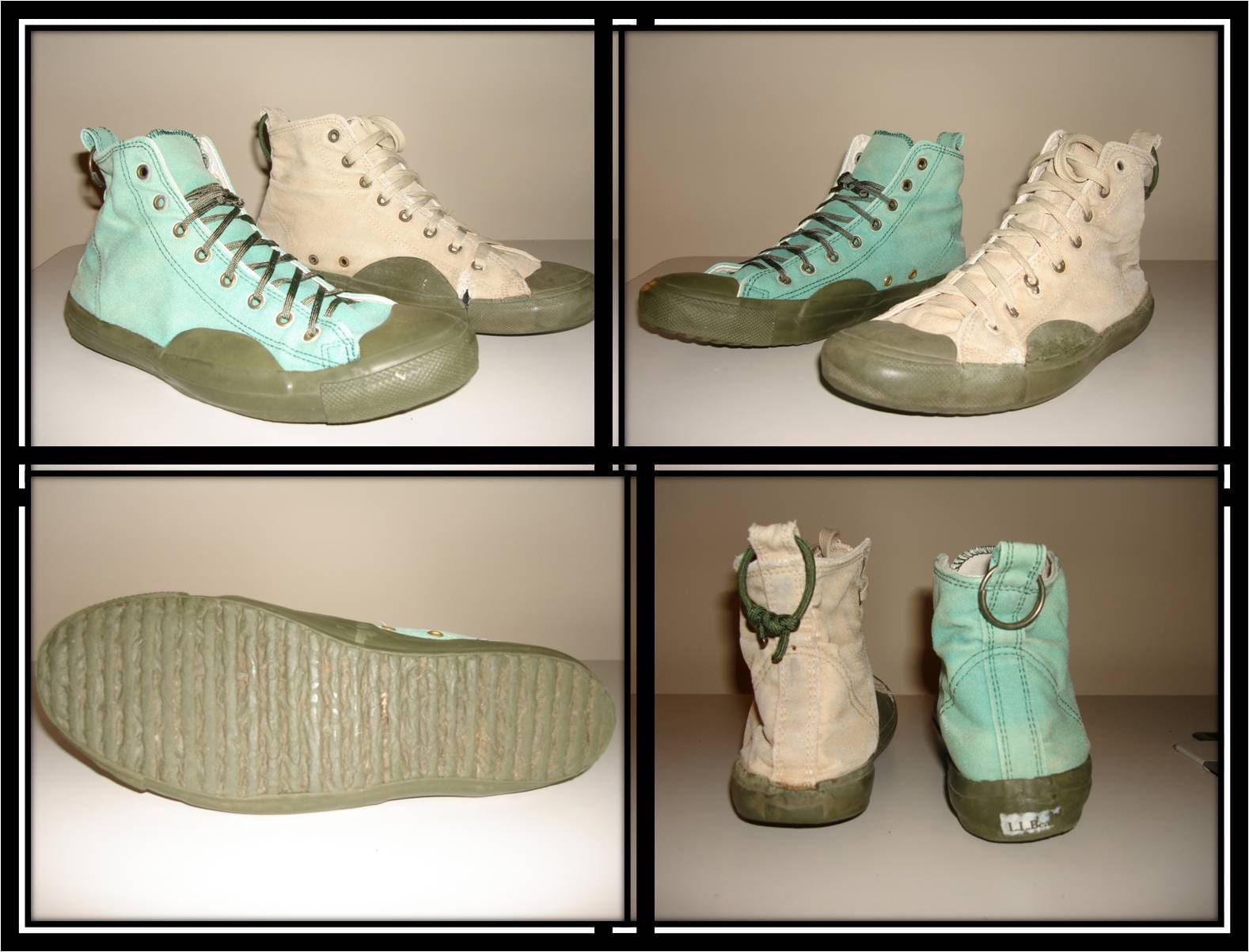
Here’s something you don’t see everyday, a pair of issue Coral Shoes by Converse, dating from Operation Desert Storm.
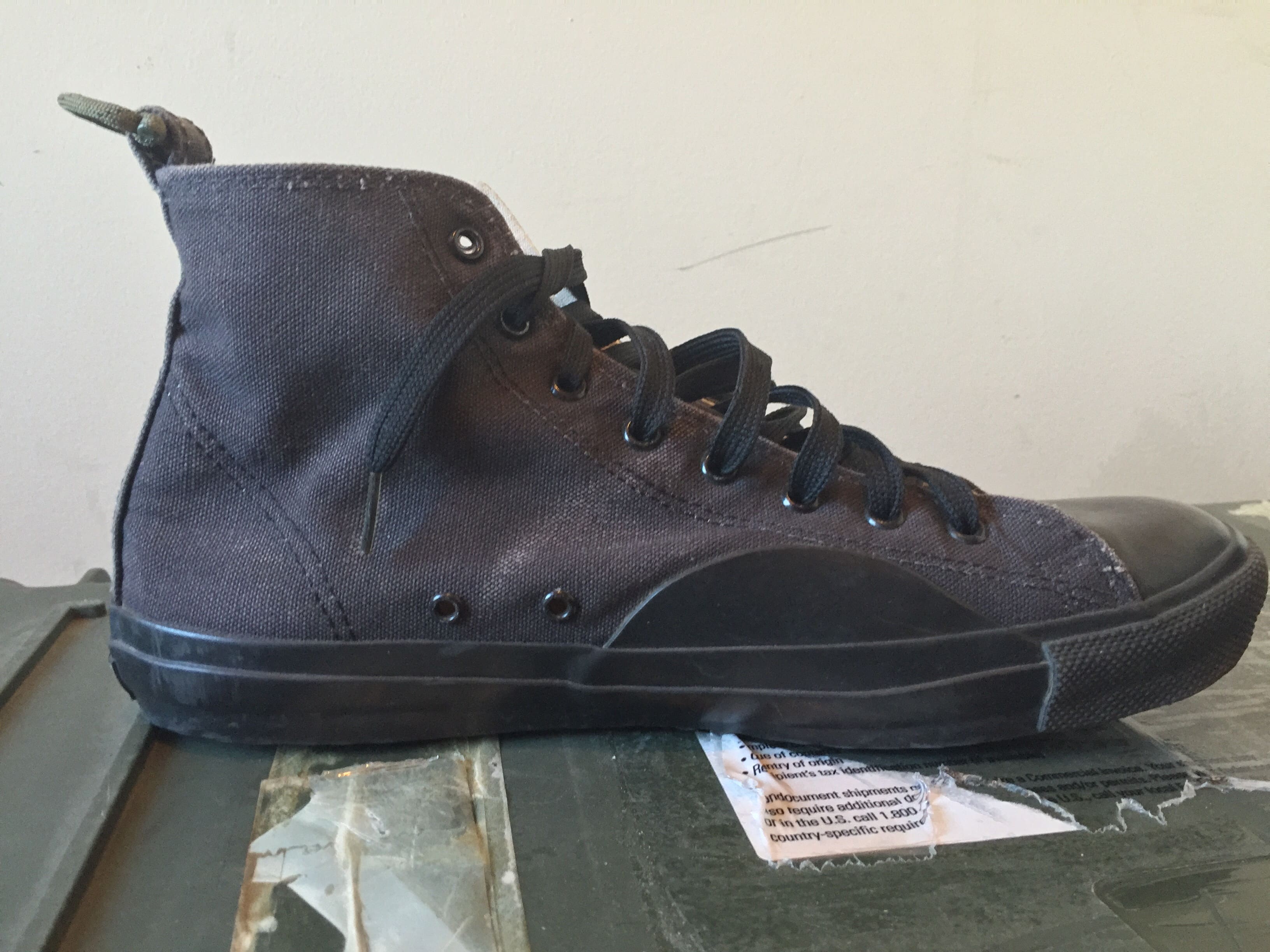
I’m curious, does anyone have any additional details on these?


Thanks Cool Arrow Kicker!
UPDATE: Here’s a photo from Travis at Mayflower of his Tan and Green pair from when he was on a dive team.
One of the greatest advantages to living in America’s first region is the proximity to such historic sights as Jamestown, Williamsburg and Yorktown. Why, just down the street from our home is the site of the Revolutionary War’s Battle of Great Bridge.
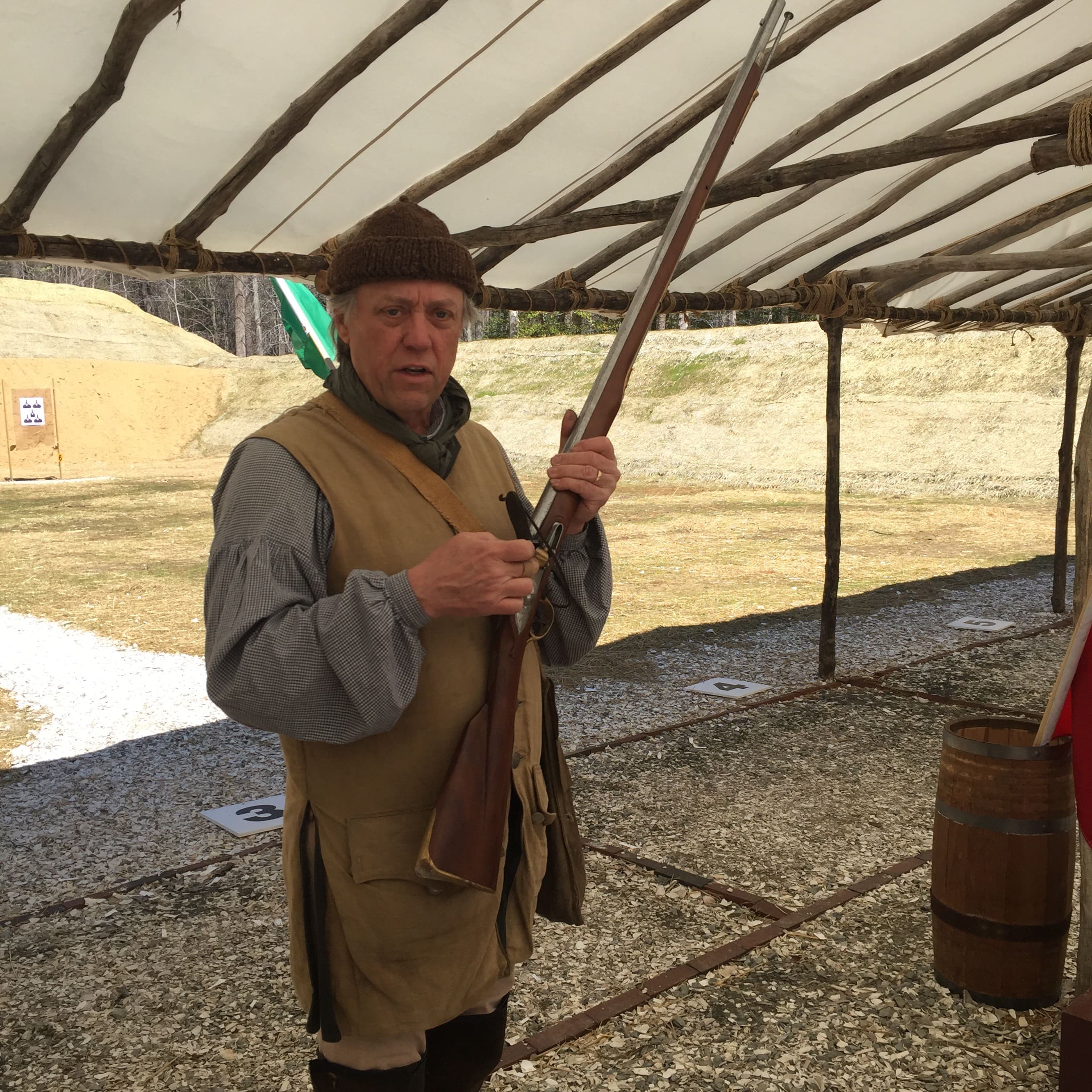
When Colonial Williamsburg recently announced that they’d begin offering livefire of flintlocks, it was something I was determined to experience. This week, I had my chance. Although it is Spring Break and quite crowded, I was able to get spots for me and one of my sons. There are four hour-long sessions and we turned up at the appointed time. A van took us to the nearby covered 25 yard range which was manned by four role-player instructors. They went over range safety, some basics about the operations of the weapons we would fire and then split us off into three two-man groups.
First, we fired the .75 Brown Bess Musket which would have been used by British troops throughout the latter half of the 18th century as well as by the Continental Army when available. However, these were supplemented later in the Revolutionary War with French arms. Although a .75 smoothbore, Soldiers fired .69 balls from it as they were quicker to load. The goal was high rates of volley fire followed by infantry advances with fixed bayonets to drive one’s enemy from the field. Naturally, that .69 ball in a .75 tube is going to bounce around as it goes down the barrel. With only a bayonet lug at the end of the barrel to use as a front sight, it was more point in the general direction of your foe and squeeze the trigger than a concerted aim.
Next up was the Fowling piece or “Fowler” which was the common hunting shotgun of the time. This 20 ga (.64) smoothbore was used to hunt birds, hence the name, and was most often loaded with shot. But when used for war by the Minute Men at Lexington and Concord, they fired a .64 ball. This was the common weapon of the militia.
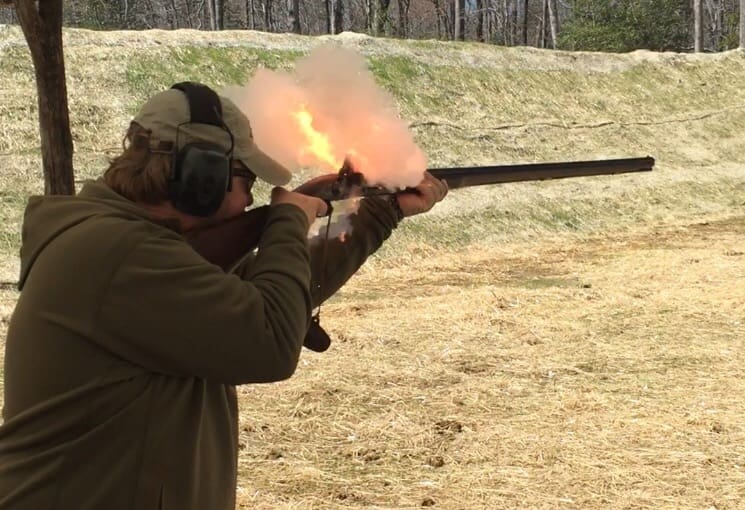
We fire three rounds with each weapon as familiarization and then got to pick which type we wanted to use to fire an additional three rounds. I chose the Fowler as it seemed more accurate and actually incorprated a front sight (although no rear sight).
Of the nine shots total, I had a couple of misfires which were remedied by swapping out the flint, as well as a hangfire with a very slight delay between flash in the pan and firing of the projectile in the barrel. But don’t let that mislead you. The weapons were very well maintained. It’s just an example of the technology of the time and it certainly made me appreciate our modern arms.
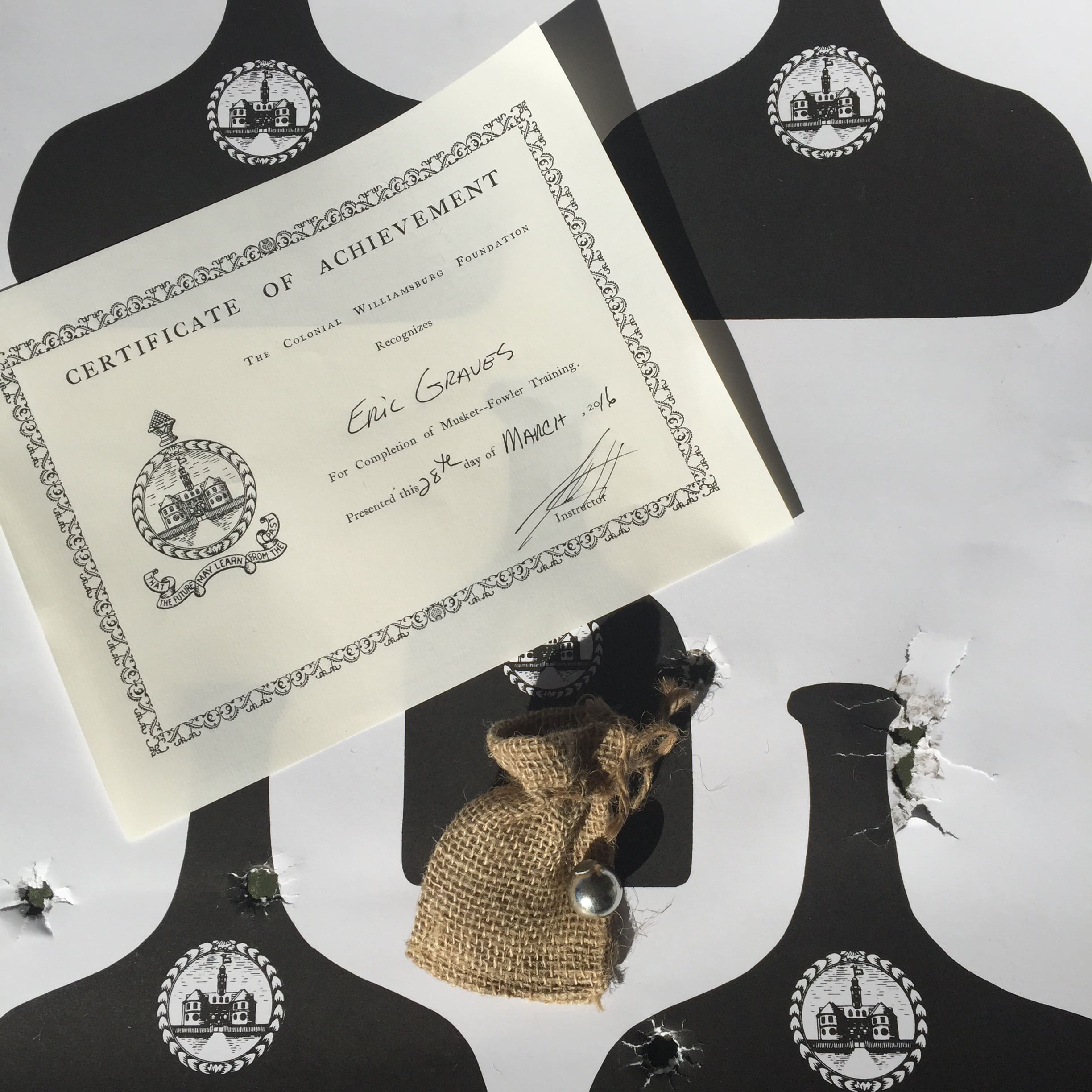
While the experience wasn’t cheap, it was a blast and in addition to memories, you receive a certificate, your target and a pewter version of the .69 musket balls you use. It’s definitely worth doing, if you find yourself in Colonial Williamsburg.

This previous weekend, the 19th and 20th, The Jamestown Settlement in Colonial Wiliamsburg was hosting a Military Through The Ages event, where volunteer reenactors played the part of military personnel of various ages, from the Roman Legions of the 1st century AD all the way through the modern day. At each encampment, visitors could view the weaponry, outfits, food, and other elements from the respective time periods.
Below, you can see a few highlights from our favorite encampments from the event:
Roman Legio IX – 62 AD


The Fendvald Vikings – 1000


Das TeufelsAlpdrucken Fahnlein (The Devil’s Nightmare Regiment) – 1529


MACV RECONDO School – 5th Special Forces Group (Airborne) – 1st Special Forces – 1966-1970


Every encampment was staffed by eager volunteers who were more than willing to impart any knowledge that we requested, although the level of detail did vary between the various groups. The volunteer we spoke with at the Das TeufelsAlpdrucken Fahnlein encampment, for example, was very knowledgeable about the weaponry and tactics of the Germanic mercenaries, although we did stump him when we asked him exactly what part of Bavaria his ‘character’ hailed from; to be fair, we asked him about that level of detail mostly for fun, rather than trying to poke holes in his story.
Additionally, there was an artillery section, where groups from the various time periods fired off cannons and the like. There was a modern-day Howitzer being fired with blank canisters that as we’re sure you can imagine made quite the noise report.
All in all, it was a fun day to be had, and seeing various periods of warfare on display, enacted by passionate volunteers in period-accurate dress was a nice touch. We’re eager to see what next year’s event holds.
To learn more about ‘Military Through the Ages’, check out www.historyisfun.org/jamestown-settlement/military-through-the-ages.
Around 1999 SOCOM started issuing a pack system by Gregory/Bianchi, commercially called the UM21. It was affectionately known by many who used it, as the StrapMaster 2000 for the outrageously long Black 1″ webbing found all over the main pack. Usually issued in Woodland there were a limited number manufactured in 3-Color Desert camo, primarily for 5th Group.

This photo of a burdened mule was taken very early in Operation Enduring Freedom during the so-called Horse Soldier operations. It remains my favorite photo of the UM-21 because one look at the mule’s face and you’ll see how everyone felt while carrying that beast. In fact, you won’t run across many photos of troops actually wearing the Main Pack. Although it did incorporate a few innovative features, the Main Pack was partially manufactured from rubberized fabric and was heavy even when empty. The Main Pack (with PALS compatible side pockets), Patrol Pack and Butt Pack along with 5 stuff sacks made up the system weighing 17 lbs all told.
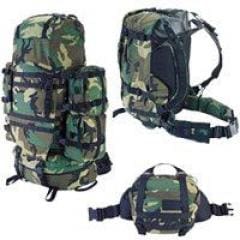
Although it was fielded as part of the Special Operations Forces Personal Equipment Advanced Requirements (SPEAR) program, it’s design and selection pre-dated the team that fielded such great items as the MICH, MLCS, PCU and SOF Handwear. In fact, it was developed before the Family of Packs was broken out as a separate program from Body Armor/Load Carrying System (BALCS). BALCS ALSO included body armor as well as an Enhanced Load Carrying System subsystems in addition to the UM21.
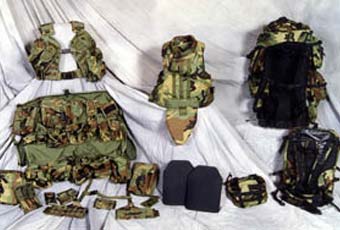
To learn more, download the UM21 manual.
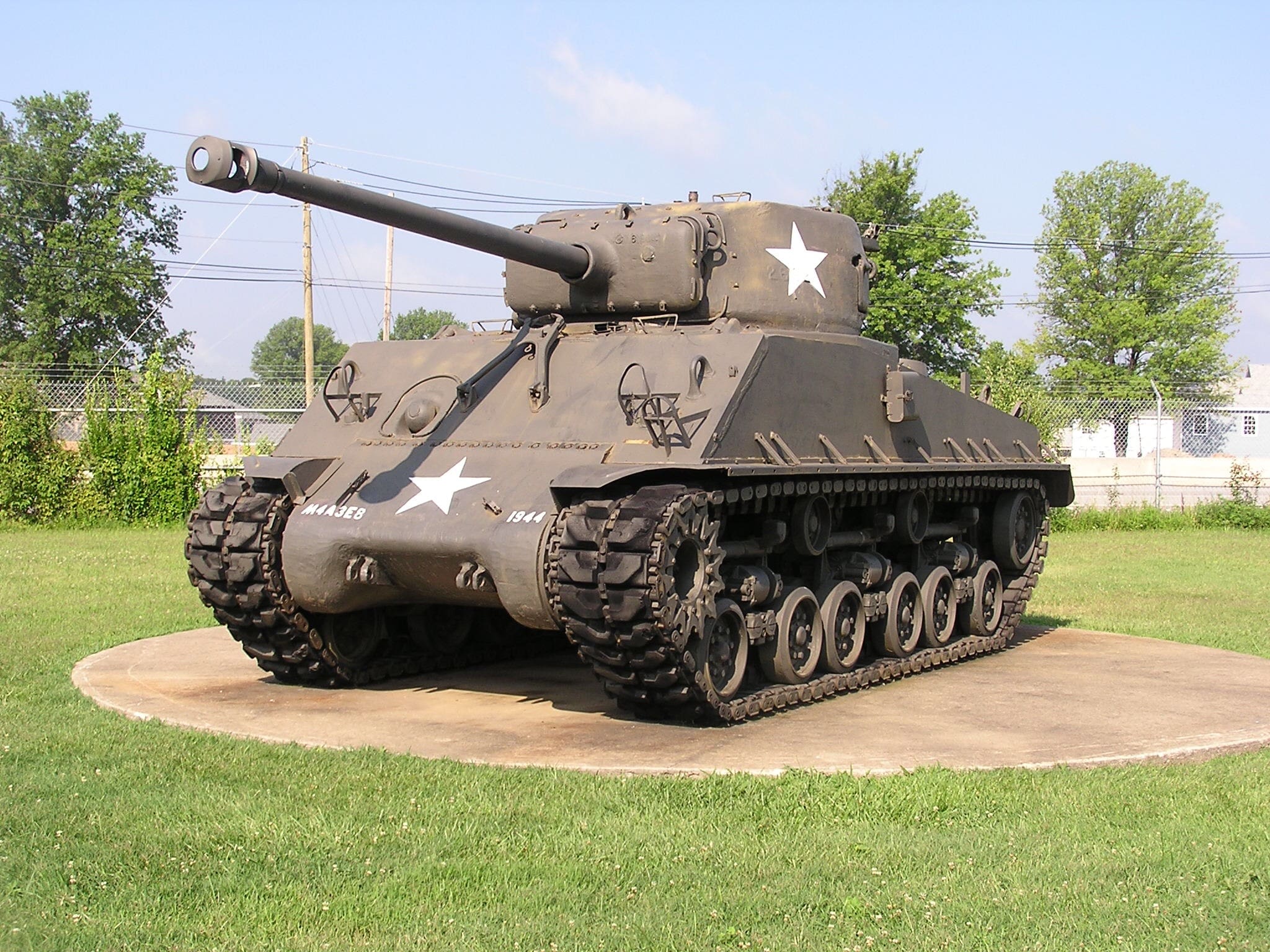
This is an M4 Sherman tank. This workhorse helped us win World War II.
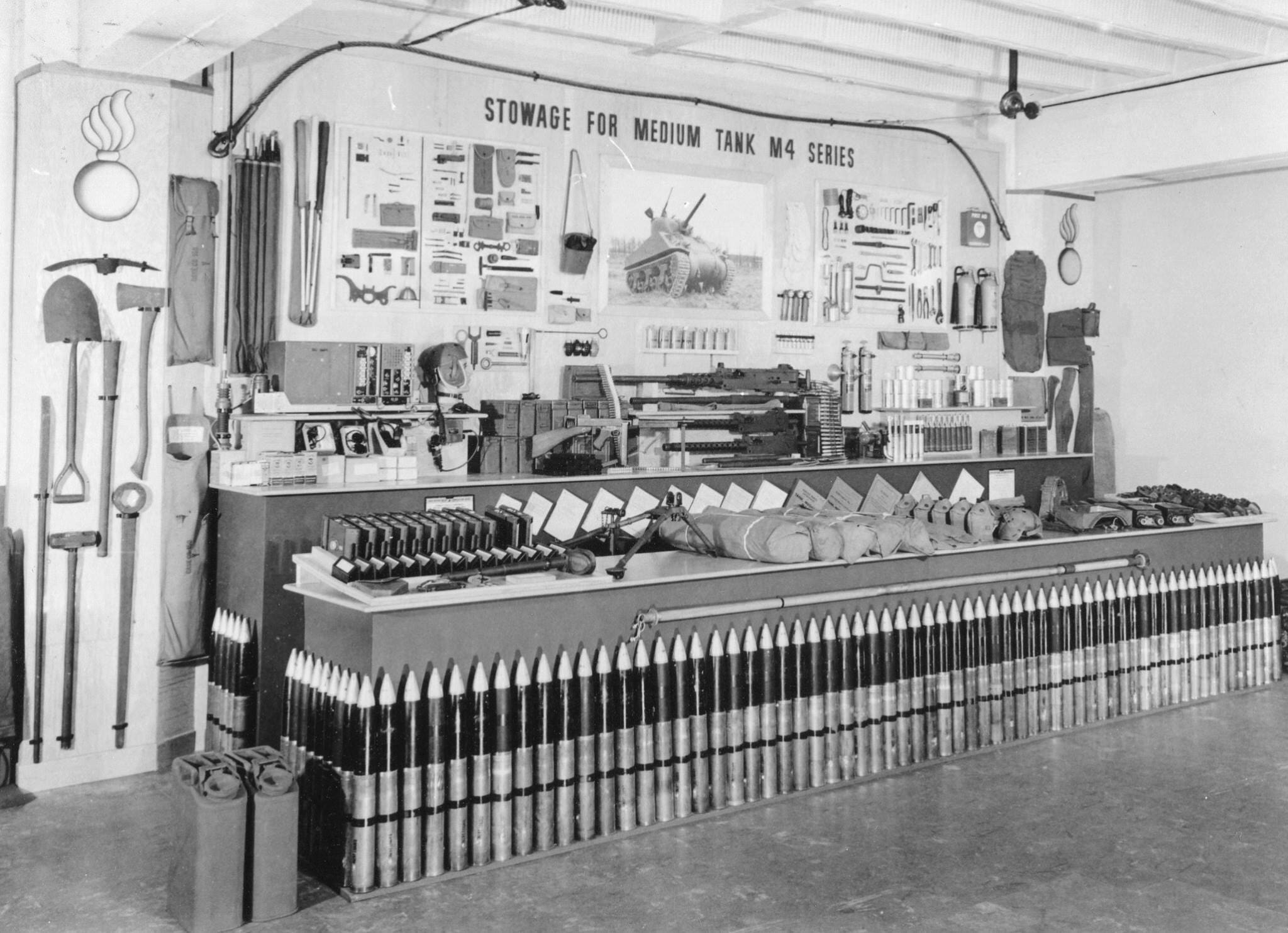
This is the basic load and BII for the M4.
Technically the Coat, Field M-65, the “Field Jacket” as it was commonly known, was an upgrade to an iconic piece of American military outerwear tracing its roots to the beginning of World War II. Propper produced these over the years as a US military contractor and this new production model is the same as the one you were issued in basic training. It also comes complete with the liner which had to be turned back in at the end of your tour.

Features:
50% nylon / 50% cotton sateen
Built from military specification
DWR (durable water repellent) finish repels stains and liquids
Button-in removable liner provides insulation
Packable hood stows in collar
Shoulder epaulets
Four-pocket front with snap closure
Zippered front with storm flap
Adjustable drawstring waist and hem
Bi-swing shoulders for enhanced movement
Hook and loop adjustable cuffs

Offered in OD, Black and Woodland, sizes Small – 4XLarge in Regular and Long lengths. What’s more, the price will astound you.
www.propper.com/mens/outerwear/propperr-m65-field-coat
The Days of Old Podcast covers elements of WWII from the perspective of ordinary people. Using letters, interviews and diaries, the show focuses on the human side of history.

The third episode is all about food, rations and field cooking which should be of some interest to SSD readers.
Thanks Bill!