Tactical Maturity And Growth
Aaron Barruga
July 22, 2015
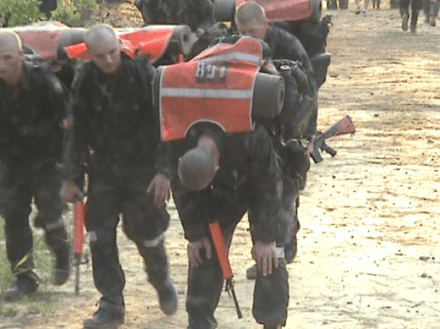
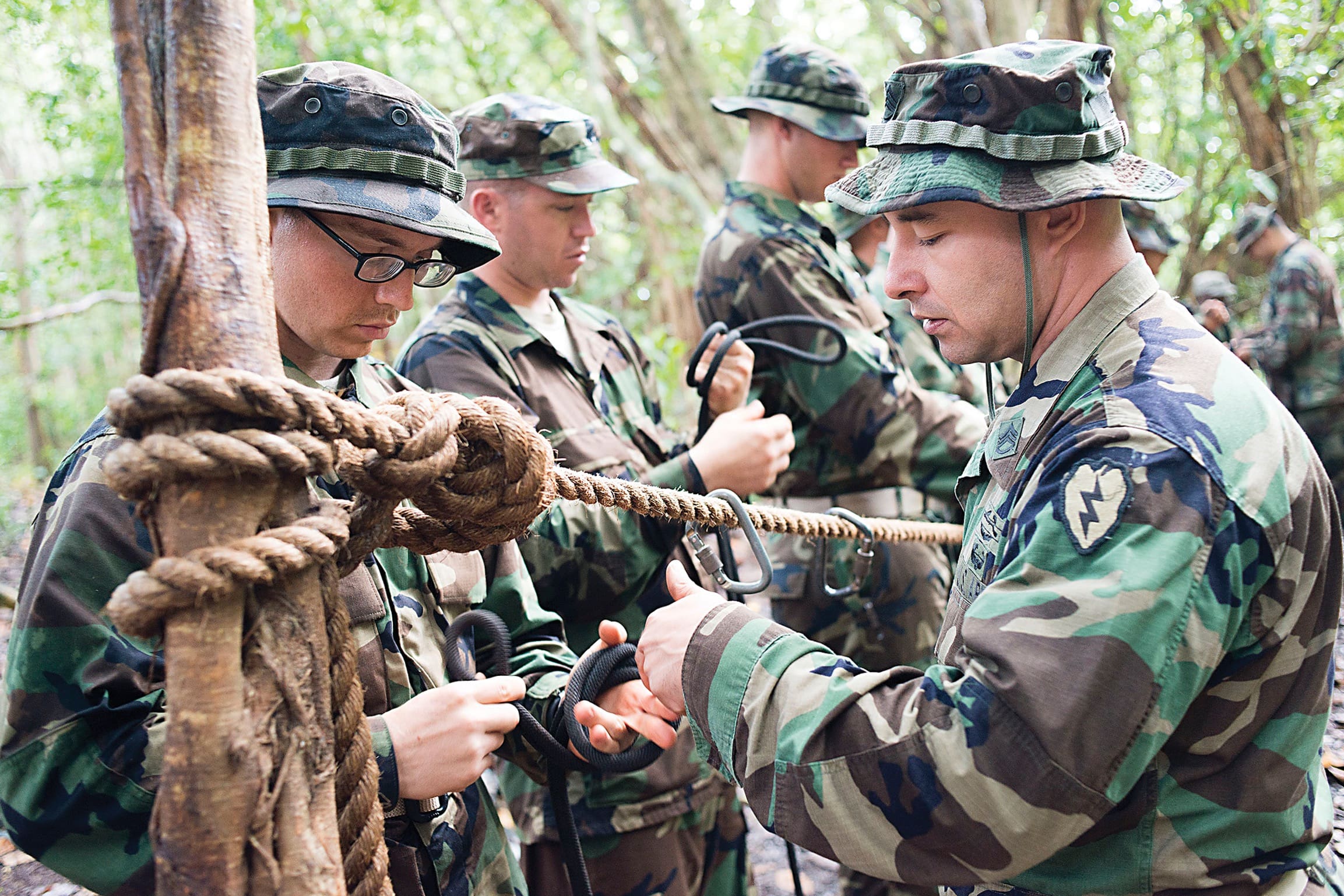
As a young recruit going through the Special Forces Qualification Course, I was naively upset with how uncool I thought training was. I wanted to learn how to fast-rope out of helicopters and hotwire cars; instead I endured months of boring training that emphasized small unit tactics that the Army learned from Vietnam. There was nothing special about this training because it focused on basic infantry patrolling techniques.
During a class about movement formations, an instructor caught me falling asleep. I was appropriately punished with a healthy amount of calisthenics, and afterwards he pulled me aside and said:
“I get it, with you young guys you expect to do something cool, and that’s alright. But first, I need you to show me that you can handle the basic stuff before we teach you anything else.”
Although studying Vietnam-era tactics lacked sex appeal, it formed the invaluable foundation from which I would build combat judgment and tactical maturity.
Tactical Adolescence
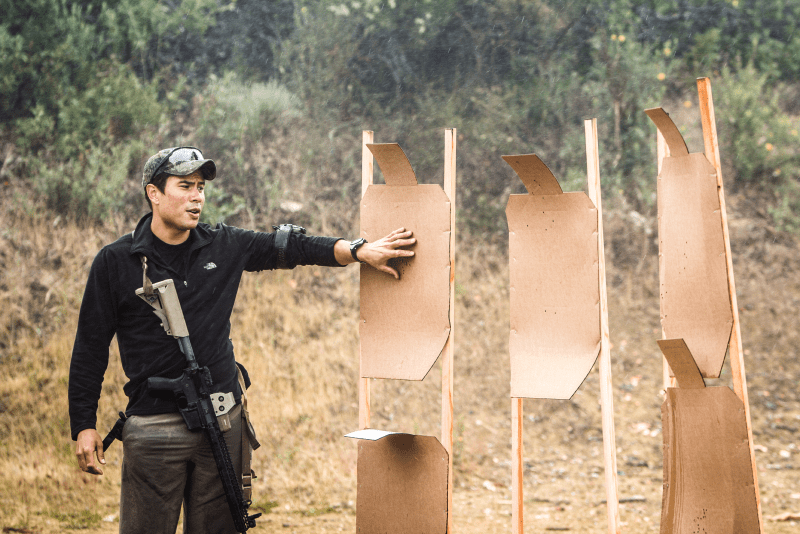
Two years later I was a junior Operator in Special Forces. At range events my primary focus was often on how cool I felt wearing body armor instead of the day’s learning objectives. Tied to ego, wearing kit satisfied the most dominant territories of my vanity, but completely obstructed my mastery of fundamental tactical skills.
I spent an obnoxious amount of money on gear during the first year I was on an ODA. Despite being issued shopping carts full of equipment from my Unit, I would still seek out commercial gadgets purported as newer and better. This behavior attracted a healthy amount of criticism and I was often the subject of jokes in the Team Room.
However, my teammates understood the underlying cause of my behavior. Because they too had been “the new guy,” my teammates understood that my behavior was both infatuation and anxiety. In my mind, maximizing the layout (or uniqueness) of my kit correlated with improved combat performance.
Although gear is a prerequisite for battle, it is not be the determinant that influences our judgment. Gear does not lead a chalk of Rangers onto a beachhead in France, or a platoon of Afghan militia in the Hindu Kush. Gear certainly does not help you make hard decisions, in which there are no respectable outcomes.
What Others Think
In Iraq, my ODA was located on a small FOB that was relatively secure. Our team house was the target of sporadic rocket and small arms fire, however, we were able to walk around in normal clothes with just a pistol on our hip. A few compounds from my team house lived a contractor named “Carl” (real name redacted) that would perform logistical tasks for my team. Despite force protection protocol only requiring a pistol for personal safety, Carl wore body armor at all times.
Driving on the camp, body armor. Liaising with other units, body armor. Eating in the chow hall, body armor.
This individual was so enchanted with the idea of combat (something he would not participate in) that he didn’t realize he was portraying himself as a liability. Because he behaved outside of the social norms of our FOB, and lacked professional credibility (in regards to realistic combat expectations), individuals that understood his situation did not take him seriously.
However, Carl was real popular with the lowest ranking soldiers on the FOB. Because these soldiers lacked judgment and were still developing their tactical maturity, Carl looked like the real deal.
My recollection of Carl makes him an easy character to dislike. However, I’m sure that at certain points in my career I was disliked for exhibiting similar qualities. Fortunately I had mentors that would recalibrate my errant focus and misperceived abilities.
In order to mature tactically, we need to reevaluate both the physical aspects of our shooting abilities, and the mental constructions we have about ourselves. If a shooter is incapable of identifying areas for improvement in both of the aforementioned, he is being dishonest with himself.
So… when have you been a Carl?
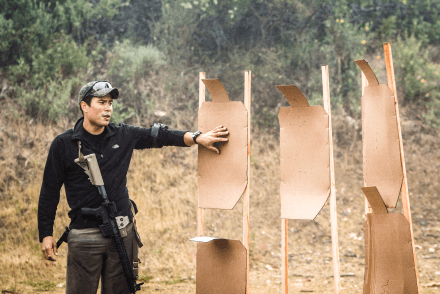
Aaron is a Special Forces veteran and competitive shooter. He teaches classes in Southern California for law enforcement and civilians. Check out his company’s website and Instagram for more information. (www.guerrillaapproach.com, instagram.com/guerrilla_approach)
This article was first posted at the RE Factor blog and is reposted here at the request of the author and full cognizance of RE Factor in the interest of increased dissemination. I want to thank Aaron and the team at RE Factor for thinking of us.