TYR Tactical

Archive for the ‘Training’ Category

HSP Winter Problem Solver AAR – TD1

Tuesday, April 16th, 2013

Tactical Fanboy attended the recent Haley Strategic Partners Winter Problem Solver course in Telluride, Colorado from March 31st through April 4th. This was my first time attending a mountaineering/survival course.

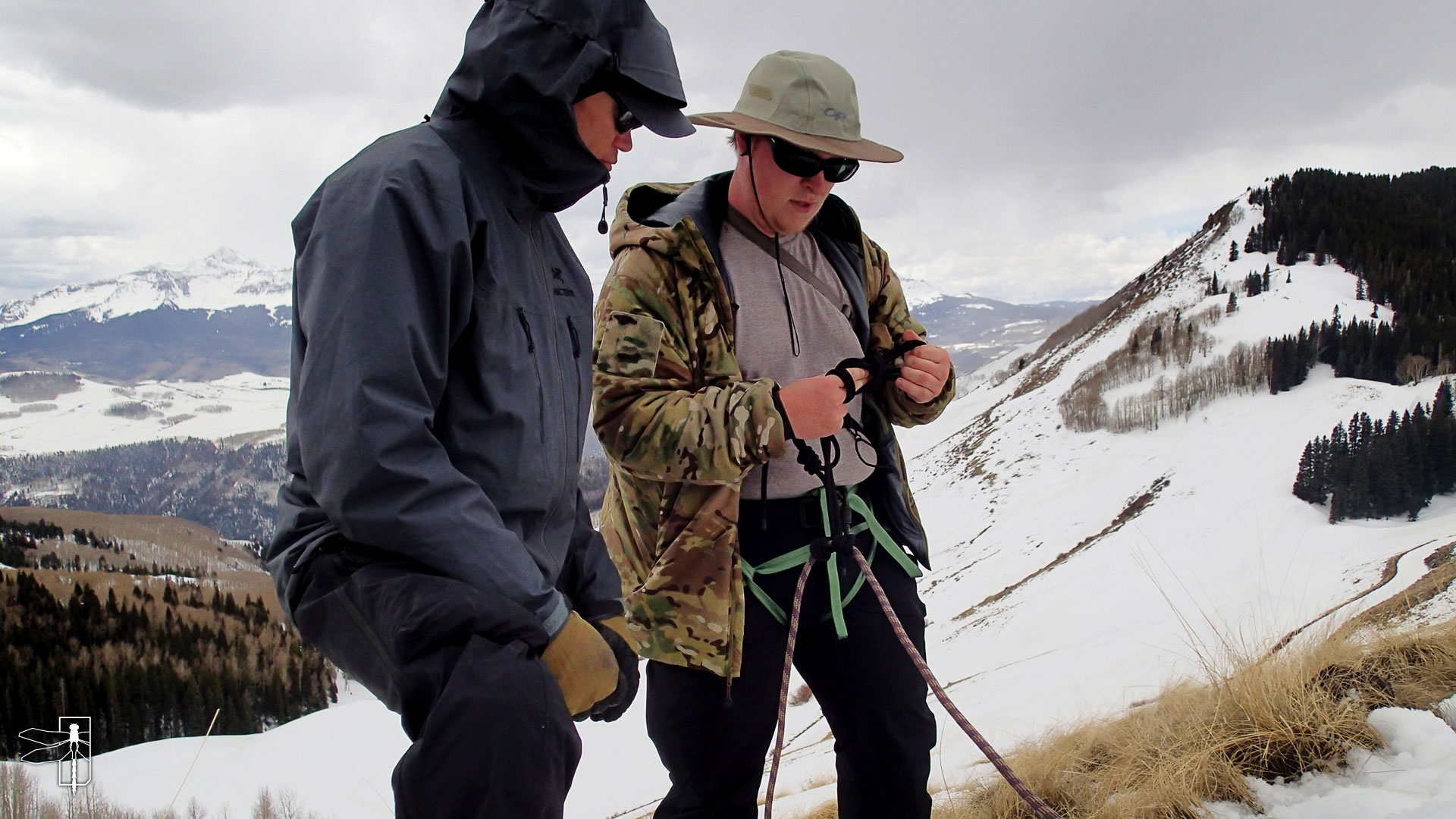
It was a bright, sunny, early morning when we all met up at the Haley Strategic Partners headquarters for Training Day 1. The day started with an opportunity for introductions, as we all stood in a circle and one-by-one we gave our name, occupation, goals for the class, and one thing we were good at. Students came mostly from all over the States, with one student hailing from Canada. It was great to hear all the various occupations people held (doctor, arborist, software programmer, writer…) and that a few of the students were taking a class like this for the first time, myself included. This also gave us an opportunity to meet our instructors, two Search and Rescue personnel/Sheriff’s Deputies in addition to our host, Travis Haley.

IMG_0895

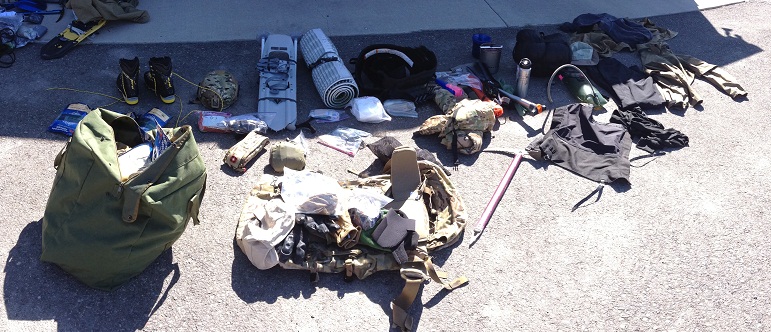
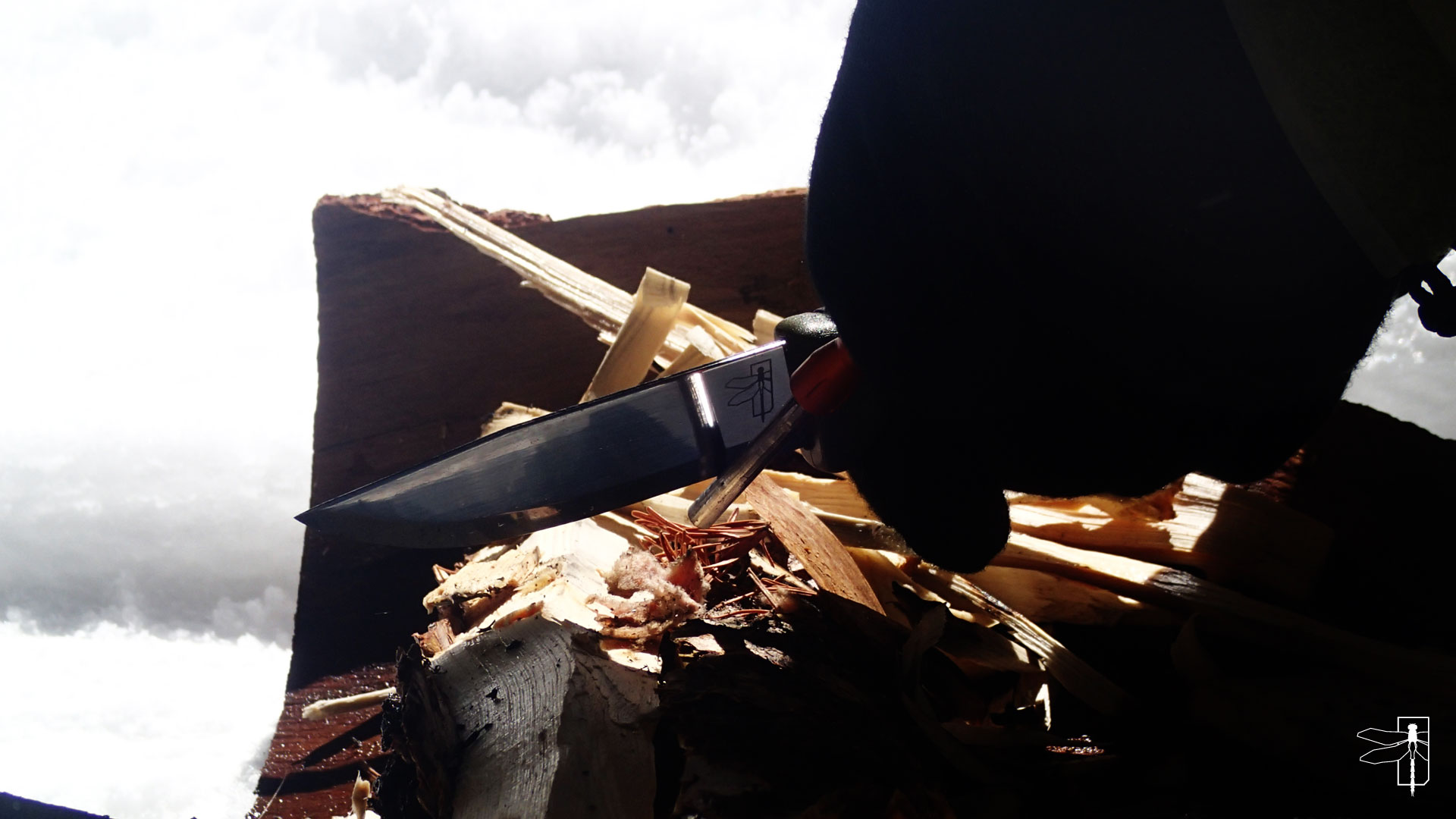
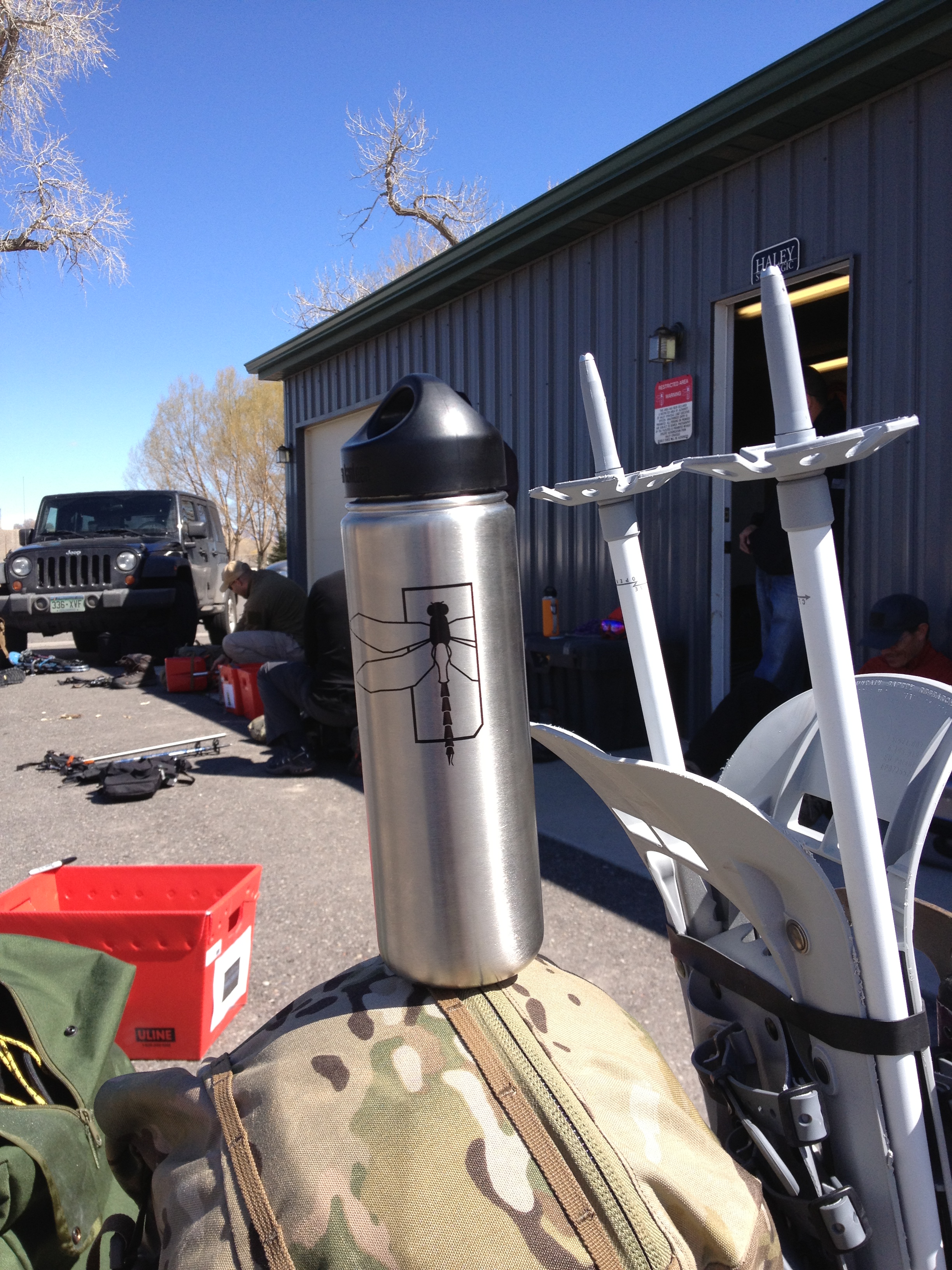
We then stripped our rucks and went over every item to ensure we were properly equipped for the class. We were also issued a logo’d Klean Kanteen and Moira fixed blade knife (more on these later) as well as additional class items and equipment as needed. After this, we repacked our rucks and stored them for the next day. The calass was also introduced to our beacons and completed a simple exercise to make sure they were functioning properly; this involved us sweeping for a signal at the far end of Travis’ yard that one of the SAR personnel had with them.

We stepped out for lunch, and upon our return convened to Travis’ office which was filled with, among other things, memorabilia from his military service. It’s here that we viewed a video presentation on avalanches. This was followed by a PowerPoint on weather identification and a PowerPoint on avalanches, headed by Travis and one of the SAR personnel respectively.

IMG_0897

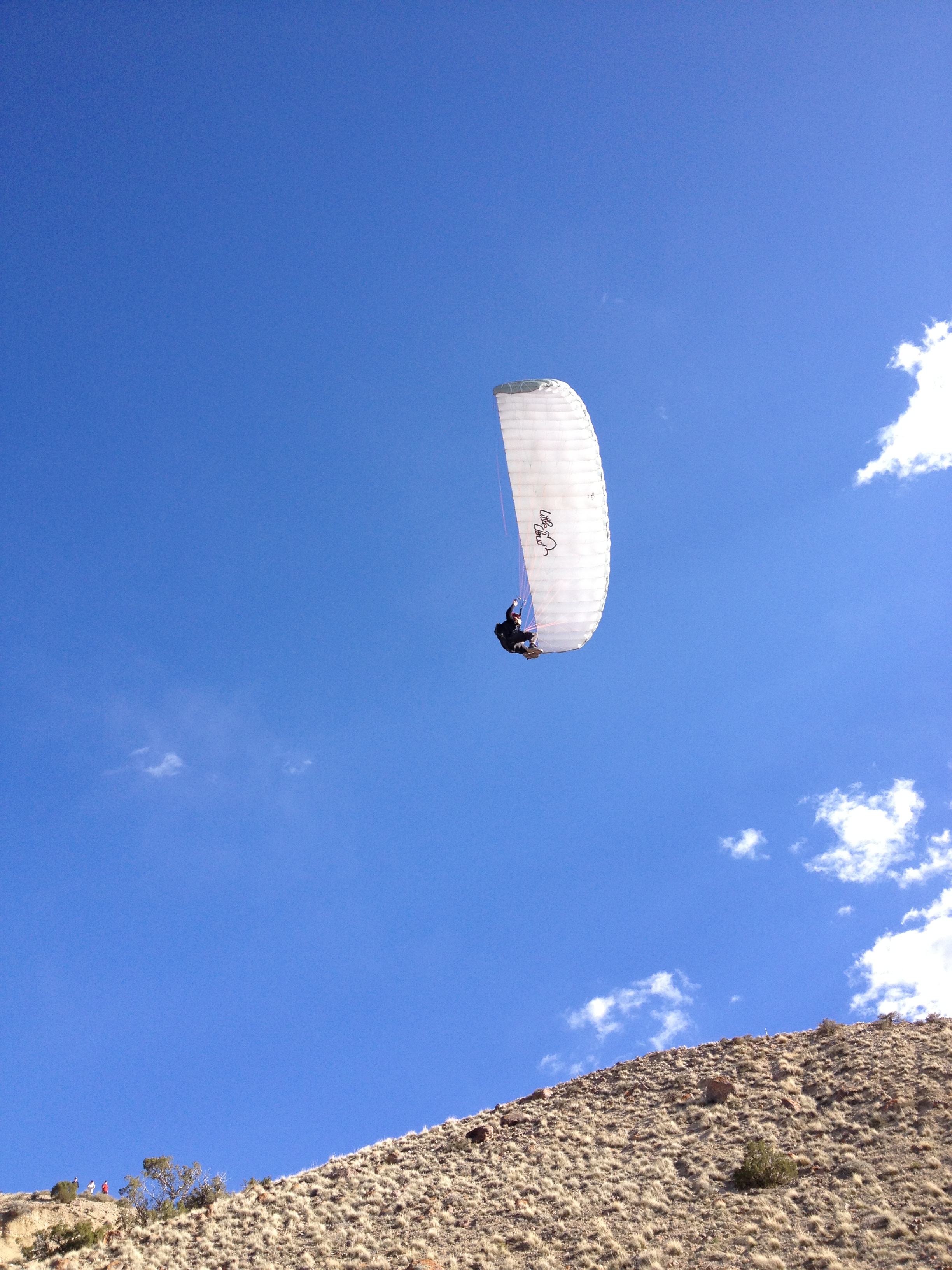
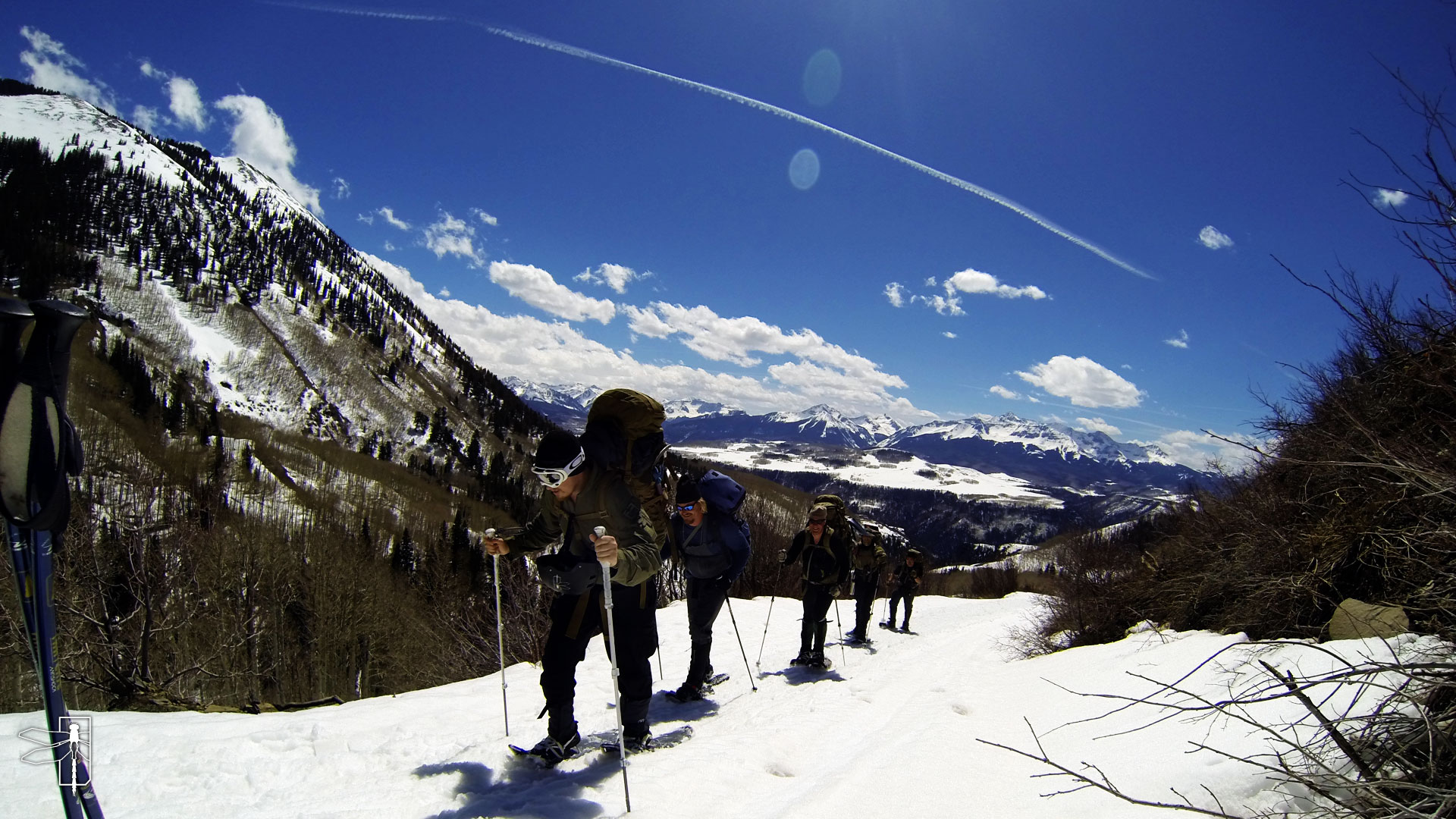
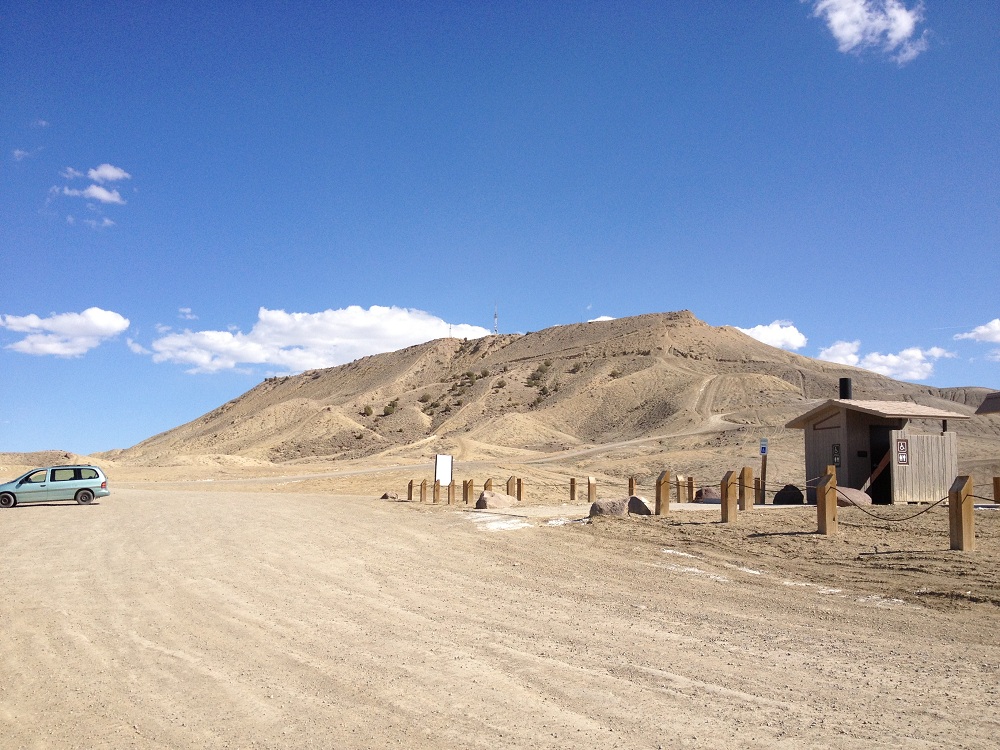
As a final exercise for the day we drove out to the hill above the classroom which we climbed as a group. Once at the top, we did a lap around the perimeter of the summit; both exercises served as a test of our general endurance for the trip ahead. Despite being acclimated to the environment, I didn’t find myself ahead of the rest of the group when it came to ascending or running. When we descended, Travis, instead of marching down with the rest of us, decided to paraglide down; the below picture doesn’t do the act justice.

IMG_0907

With the exercise done, we returned to HSP for our final briefing of the day, followed by returning to our respective hotels in wait for TD2.

Stay tuned for a continuation of the HSP Winter Problem Solver AAR.

WOTG Carbine and Pistol Shooting and Moving

Saturday, April 13th, 2013

These are some pretty cool drills from www.wayofthegun.us. What do you think?

Gunfighter Moment – Pat McNamara

Saturday, April 13th, 2013

As there are techniques, there are just as many gun related gizmos, gadgets, gimmicks, and gossip. Bolt and strap on. Theatrical movements and dance steps. Tales of woe or implausible performance enhancers. Some live long and become center of debate issues while others die off quickly. One of the things I encourage on the range is discovery or tactile learning. In other words, learn by doing vice taking one’s word for it. One can now make the determination for himself on whether to shit-can or to maintain a technique or piece of gear for he sees that it will or will not offer positive development in a gunfight. Battlefield multipliers are often the simplest in solutions versus high tech gear or high motor skill movements.

Patrick McNamara
SGM, US Army (Ret)

McNamara_pistol
Patrick McNamara spent twenty-two years in the United States Army in a myriad of special operations units. When he worked in the premier Special Missions Unit, he became an impeccable marksman, shooting with accurate, lethal results and tactical effectiveness. McNamara has trained tactical applications of shooting to people of all levels of marksmanship, from varsity level soldiers, and police officers who work the streets to civilians with little to no time behind the trigger.

His military experience quickly taught him that there is more to tactical marksmanship than merely squeezing the trigger. Utilizing his years of experience, McNamara developed a training methodology that is safe, effective and combat relevant and encourages a continuous thought process. This methodology teaches how to maintain safety at all times and choose targets that force accountability, as well as provides courses covering several categories, including individual, collective, on line and standards.

While serving as his Unit’s Marksmanship NCO, he developed his own marksmanship club with NRA, CMP, and USPSA affiliations. Mac ran monthly IPSC matches and ran semi annual military marksmanship championships to encourage marksmanship fundamentals and competitiveness throughout the Army.

He retired from the Army’s premier hostage rescue unit as a Sergeant Major and is the author of T.A.P.S. (Tactical Application of Practical Shooting).

tmacsinc.com

Gunfighter Moment is a weekly feature brought to you by Alias Training & Security Services. Each week Alias brings us a different Trainer and in turn they offer some words of wisdom.
You Never Know Where They’ll Show Up

Thursday, April 11th, 2013

Zeroing KCRF

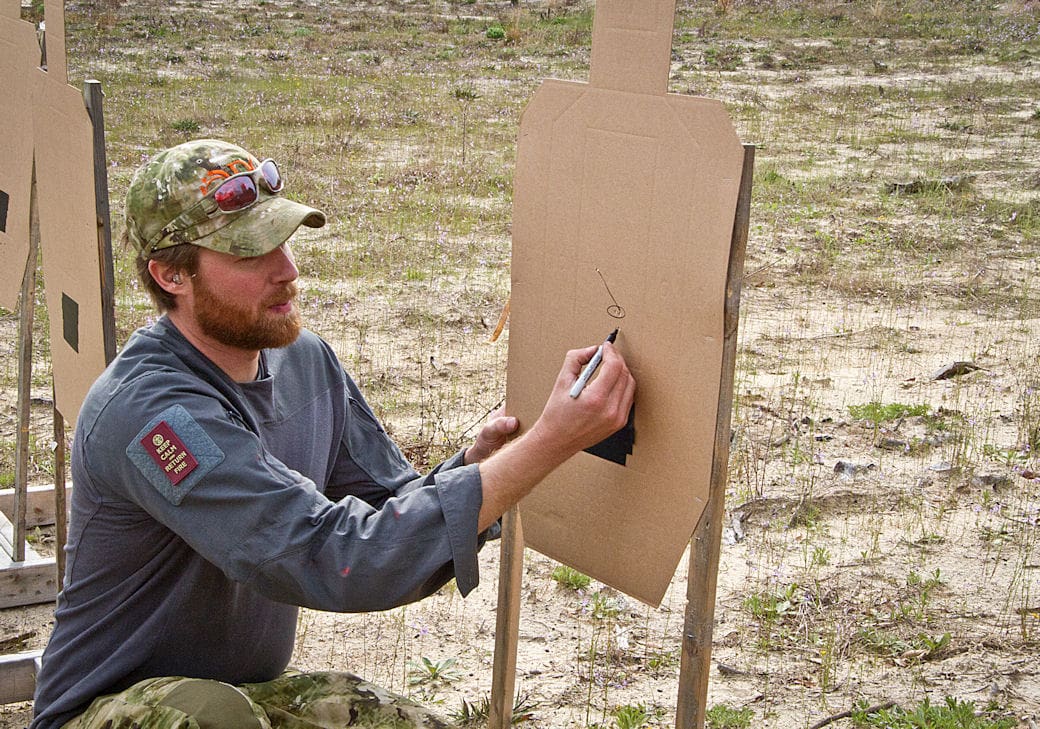
Here trainer Brian Bishop wears a ‘Keep Calm and Return Fire’ patch while talking about zeroing the carbine with a student during a recent hosted by Daniel Defense.

Tactical Fanboy Presents – HSP Winter Problem Solver AAR – The Equipment

Wednesday, April 10th, 2013

I attended the HSP Winter Problem Solver course in Telluride, Colorado from March 31st through April 4th. This was my first time attending a mountaineering/survival course.

IMG_0894

Like any course, the Winter Problem Solver had its required equipment list:

-Winter appropriate clothing
-Winter hiking boots
-Cold weather hat, shade hat with brim
-Practical knife or multitool
-Sun screen
-Sun eye pro
-Water hydrating device
-Individual first aid/trauma kit or IFAK
-Quality headlamp + batteries
-Snowshoes
-Retractable ski poles
-Quality lightweight sleeping bag rated to 0*F
-Lightweight durable air mattress
-2 aluminum climbing rated locking carabiners

11

To meet these requirements, the entire time I wore the Helly Hansen Dry Fly Pant, Arc’teryx LEAF Combat Pants, and an Arc’teryx Envoy SS shirt; the socks I used were the Darn Tough Vermont Extreme Cold Weather/Mountaineering Sock. The weather, surprisingly, wasn’t that cold with some days reaching highs up to the mid 50s. The addition of an extra layer or two, mostly a Crye Precision WindLiner and/or an Arc’teryx Atom SV Hoodie in MultiCam, proved more than enough clothing wise. The boots I wore were the Salewa Pro Guide Insulated Mountaineering boot, which I supplemented with a pair of OR Crocodile gaiters. Throughout the course, I wore an OR Seattle Sombrero because of its waterproof properties in addition to the wide brim which kept the sunlight out of my eyes, although I did have several other options for head covers, including an Outdoor Research Radiant Beanie, Outdoor Research Novo Watch Cap, Under Armor ColdGear Tactical Hood, The North Face Windstopper High Point Hat, and a black neoprene half-face mask. I also carried a pair of OR PS150 gloves and a pair of Arc’teryx Alpha SV gloves.

06

Each member of the class was issued an HSP-branded Mora knife and Klean Kanteen before going out in the field, so although I brought my own knife, multitool, and hydration bladder, these items were ultimately unused and only added weight to my pack. We were issued, if needed, a climbing harness, helmet, shovel*, and ice axe. Mountain meals, rope and tubular nylon, beacons*, probes*, and other class materials were also provided by HSP. I had my own cooking stove, an MSR Reactor, and helmet, a Team Wendy Exfil Tactical Bump Helmet. My snowshoes and poles were both MSR Denali. The sleeping bag was a The North Face 0 degree Dark Star which I used with an REI Minimalist bivy sack. I paired this with a Therm-a-Rest RidgeRest SOLite; being a closed-cell foam pad, it didn’t suffer from deflation or potential puncture damage like an inflatable pad would. I also brought sunscreen, two carabiners, a Tikka 2 headlamp, an ITS Tallboy trauma kit and pouch, and a pair of Smith Cascade Classic Snow Goggles in addition to my personal sunglasses; I ended up not needing the goggles.

One thing that wasn’t mentioned on the list but ended up being required was a pair of camp shoes, slippers or other lightweight shoes for moving around a cabin. I just used my socks and changed out to a new pair just before sleeping, although this isn’t suggested. Other miscellaneous items I brought that weren’t on the list included a fire starting kit, snacks, a GSI Fairshare Mug, and toilet paper.

10

All together, my fully-loaded pack, an Arc’teryx Khyber 80 in MultiCam, weighed in at just under 50 lbs, quite a bit heavier than what would be suggested. Unnecessary items included the aforementioned knife, multitool, hydration bladder, and goggles, along with additional hard shell layers, heavyweight base layer, trauma kit w/ pouch, and (arguably) my sleeping pad. Ultimately, given the planned environment, it was better to have these items and not need them than suffer without.

It’s also worth mentioning that I didn’t feel at all under prepared with the equipment I brought with me. I did, however, manage to snap my Light My Fire Spork Extra-Medium in half while I was cleaning it; going in with an extra spork, or possibly one made of metal would have been a solid decision.

26

*The beacons, probes, and shovels were graciously provided by Backcountry Access.

Stay tuned for more information on the HSP Winter Problem Solver, including a full report on the course proper.

This article was originally posted on Tactical Fanboy.

LBT HIGH GEAR Combatives Training Ensemble

Tuesday, April 9th, 2013

The thing about HIGH GEAR suits that is different from other protective suits out there is that it is designed to provide feedback and maximize mobility. You won’t get hurt but you are going to be able to tell that you were struck and, your mobility won’t be as hindered as it is in other ‘Michelin man’ suits. HIGH GEAR is an Impact Reduction combatives training ensemble.

It can be used for all types of combatives training from detainee handling drills and CQB (including Simunition, UTM and airsoft) to more conventional training, such as MMA, grappling and the striking arts.

HIGH GEAR equipment is manufactured in the USA by LBT Inc and available for unit or agency purchase from ADS Inc.

Gunfighter Moment – Larry Vickers

Saturday, April 6th, 2013

‘One thing that I want to stress is that the K.I.S.S. principle is alive and well – complexity is the enemy in a life or death situation. Complexity can be overcome with quality training and repetition implanting the complex task into the subconscious mind. If that is not feasible for you in your given situation then fall back to the tried and true method of keeping things simple; meaning adhering to the K.I.S.S. principle religiously. It has worked for many years and it can work for you.’

-Larry Vickers
Vickers Tactical Inc.
Host of TacTV

20130202-083903.jpg

Larry Vickers of Vickers Tactical in a retired US Army 1st SFOD-Delta combat veteran with years of experience in the firearms industry as a combat marksmanship instructor and industry consultant. In recent years he has hosted tactical firearms related TV shows on the Sportsman Channel with the latest being TacTV of which Bravo Company is a presenting sponsor.Larry Vickers special operations background is one of the most unique in the industry today; he has been directly or indirectly involved in the some of the most significant special operations missions of the last quarter century. During Operation Just Cause he participated in Operation Acid Gambit – the rescue of Kurt Muse from Modelo Prison in Panama City, Panama. As a tactics and marksmanship instructor on active duty he helped train special operations personnel that later captured Saddam Hussein and eliminated his sons Uday and Qusay Hussein. In addition he was directly involved in the design and development of the HK416 for Tier One SOF use which was used by Naval Special Warfare personnel to kill Osama Bin Laden. Larry Vickers has developed various small arms accessories with the most notable being his signature sling manufactured by Blue Force Gear and Glock accessories made by Tangodown. In addition he has maintained strong relationships with premium companies within the tactical firearms industry such as BCM, Aimpoint, Black Hills Ammunition, Wilson Combat, Schmidt & Bender and Daniel Defense.

Larry Vickers travels the country conducting combat marksmanship classes for law abiding civilians, law enforcement and military and has partnered with Alias Training to coordinate classes to best meet the needs of the students attending the class.

www.VickersTactical.com

Gunfighter Moment is a weekly feature brought to you by Alias Training & Security Services. Each week Alias brings us a different Trainer and in turn they offer some words of wisdom.
Exum Mountain Guides

Friday, April 5th, 2013

We mentioned Exum Mountain Guides several years ago when we first met them at OR in SLC. At the time there wasn’t much to say as we hadn’t heard anything about them.

Exum Mountain Guides was walking the show and discussing their XMS3 (Exum Mountain Systems Safety Survival) course offerings. They provide several standard courses including multi-day mountain movement and avalanche training. Visit www.exumguides.com for more information.


Here is a video that will show you a little more about the company’s guide programs.