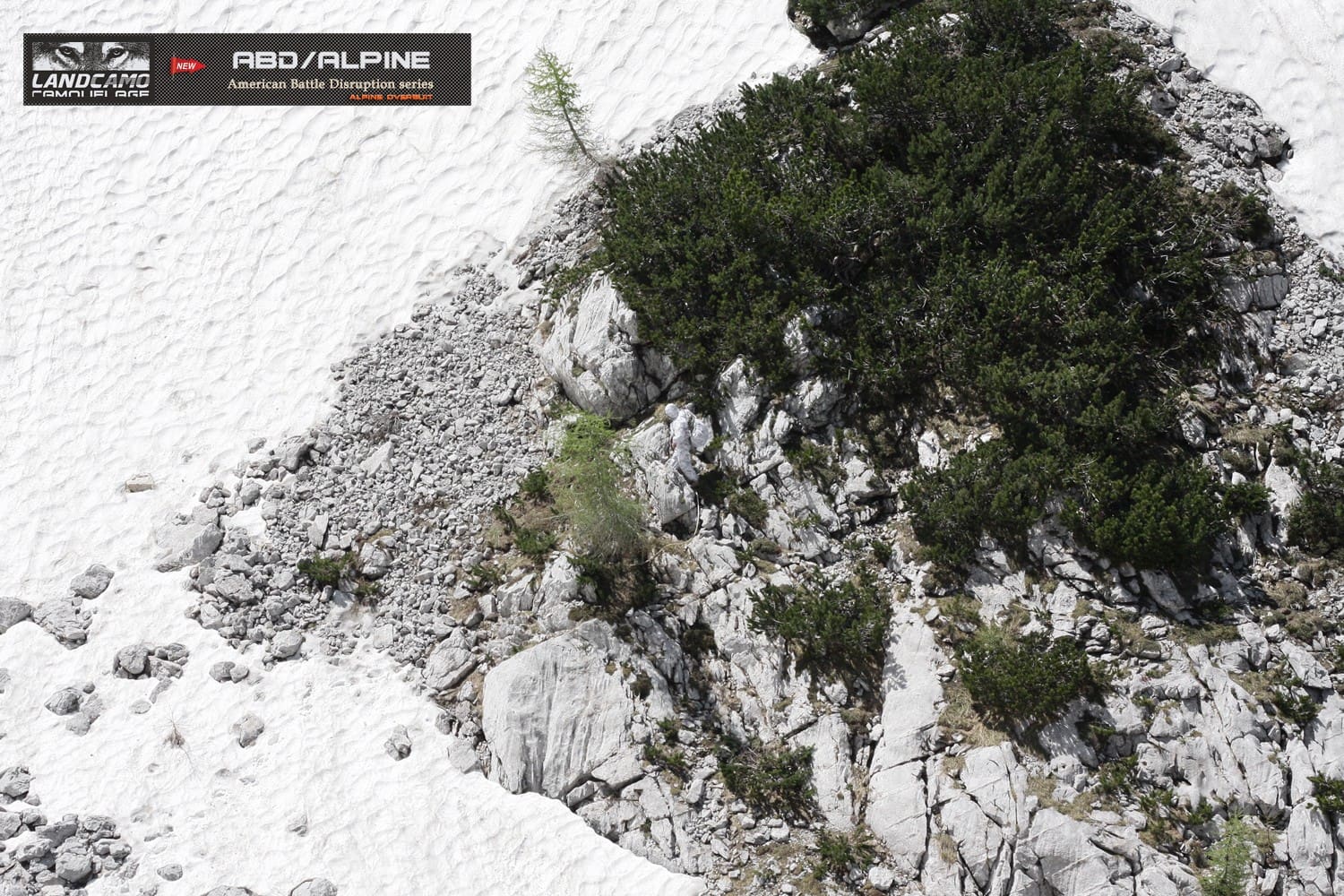
The above image shows SSFN’s Landcamo ABD/ALPINE pattern in use at a glacier beneath Skuta Mountain in the Slovenian Alps. Thanks to the www.specopshop.com/ for the photos.
www.survival-nature.com/english/index.html


The above image shows SSFN’s Landcamo ABD/ALPINE pattern in use at a glacier beneath Skuta Mountain in the Slovenian Alps. Thanks to the www.specopshop.com/ for the photos.
www.survival-nature.com/english/index.html
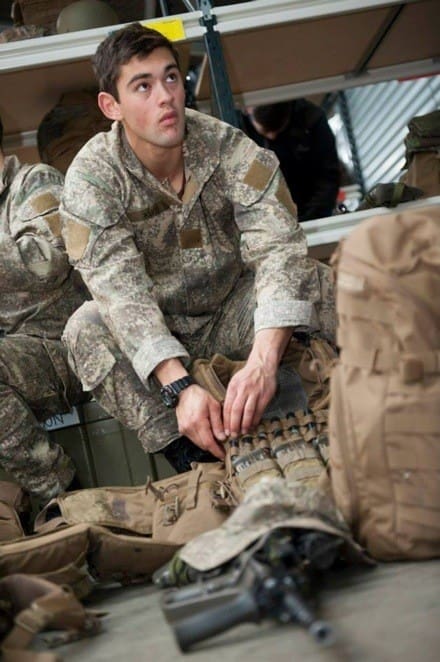
The New Zealand Army’s 1st Brigade has begun to field the new Multi-Terrain Camouflage Uniform.
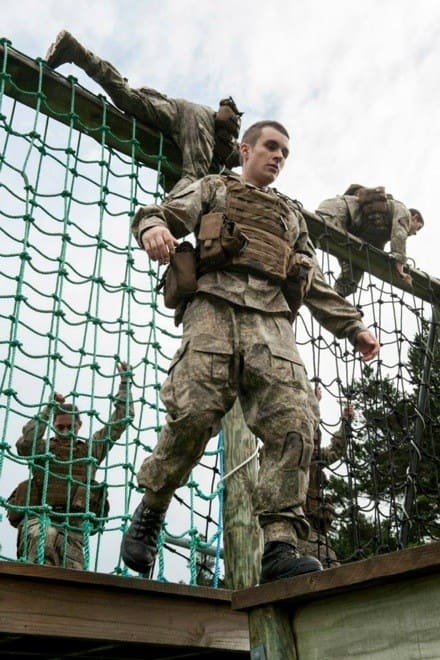
The new garb features incorporated knee and elbow pads and there is also an FR version for operational deployments. They are part of a new layered clothing system includes wet and cold weather layers which are designed to fit underneath and over top of the MCUs.
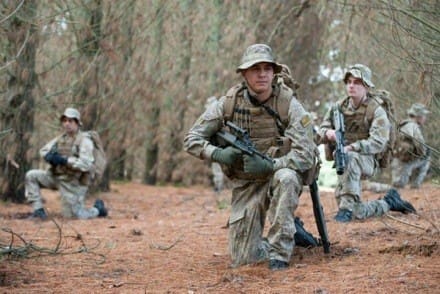
The NZ Army will be rolling the uniforms out over the next six months. The now ‘old’ uniform worn by NZ Army will be inspected and all serviceable items will be placed into a clothing pool to equip recruits, officer cadets and the NZ Air Force until stocks are exhausted.
One significant aspect of this new uniform and associated camo pattern developed by HyperStealth Biotechnology Corp is that it is not a pixelated pattern. Additionally, the Kiwis opted for a single pattern, acknowledging that troops find themselves in multiple environments over the course of an operation. According to Project Manager, Captain Ian Leabourne, “We have traditionally had our two patterns of uniform, one for the jungle and one for the desert. However, with the operational environments we face today, we can be operating in a variety of terrains within one area. We needed something which would do the job in whatever environment we deploy to. This uniform, with its unique NZ Defence Force pattern, solves this issue. The MCUs are a layered clothing system, so it is not just a case of a new look. We have included the full range of clothing which our soldiers need to perform well on operations and in training.”
Everyone knew that the tactical industry was bound to get smaller as the war winds down. At one point, business was almost too easy. It wasn’t just spearing fish in a barrel. If you had gear ready to deliver, the fish literally jumped into your boat. But those days are over. And, with them comes the inevitable. Companies are going to close. Others will change strategies and expectations and survive.
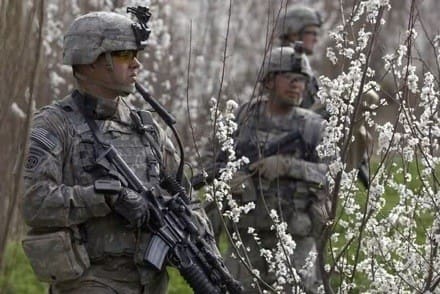
Yet, the are two additional stressors on industry that are avoidable, yet doing some serious damage. The first is sequestration. The Government and particular, the military, long industry’s largest single customer, isn’t buying much. Not for lack of need, but for lack of cash. And the blame for that lies with forces outside their control; politics. Reportedly, sequestration has caused the second stressor; the delay in announcing the US Army’s new family of camouflage patterns.
Many companies have figured out that they have to switch back to a pre-war, retail-based business model. But now, even that is fraught with problems. Normally, the purchase of many Soldier System items would fall back on the individual as the military itself stops buying. Individual service members would buy socks, boots, daypacks, eyepro, gloves, flashlights, knives, etc. with their own cash. Soldiers universally abhor the current issue Universal Camouflage Pattern and according to the Army itself, they don’t want it anymore either. But due to the delay Army’s in announcing new camo, Soldiers in particular are wont to spend money on anything lest they buy the wrong pattern. And this has many in industry worried.
The retail market isn’t the only side that is skittish over Army camouflage. For the Government, DLA has delayed several procurements in anticipation of a new camouflage. But even then, crunch time is coming for some commodities that will have to be purchased before the Army runs out. At the very least, Soldiers will need uniforms.
You see, no one wants to be left holding the bag, ie a huge inventory of fabric or finished goods in UCP. Already, it’s practically being given away in fire sales by vendors. Manufacturers are afraid to order fabric because they fear the few orders for UCP they have will be cancelled at any any moment as the client specifies delivery in the new pattern. As one industry insider put it, “the supply chain is getting crushed due to lack of orders on top of drawdown and sequestration.”
The longer the Army delays announcement of a new camouflage pattern, the more it hurts the industrial base it relies on. Additionally, the Army is forced to purchase clothing and equipment that will have to be abandoned after the switch. And finally, delays impact readiness. The American Soldier (as well as members of other services/organizations that must use Army camouflage) deserve to use effective camouflage.
This was originally published on 13 August, 2009. Unfortunately, nothing has changed in the ensuing four years.
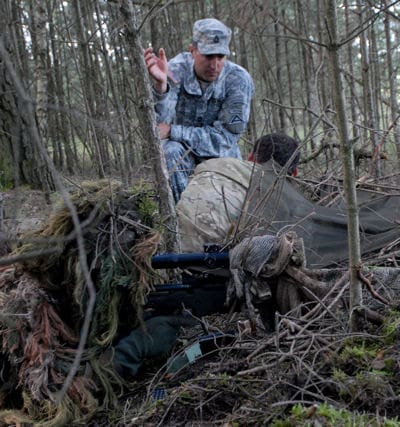
U.S. Army Photo by Staff Sgt. Gina Vaile-Nelson, 133rd MPAD
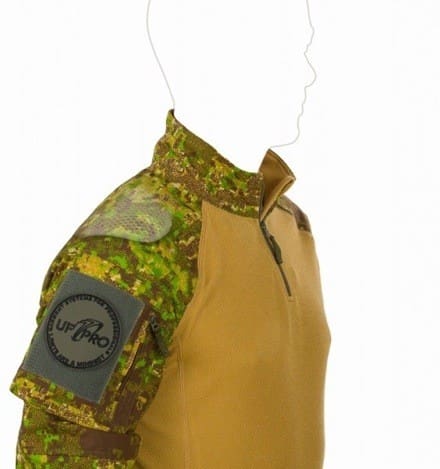
Recently, we told you that we’d have info on the UF PRO® STRIKER GreenZone™ Combat Shirt in a few weeks and here it is.
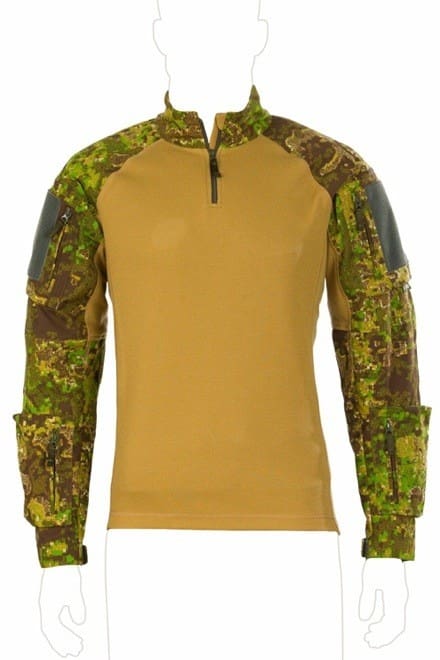
The shoulders incorporate UF PRO® air/pac® inserts.
And the elbow patches accept D3O® Trio Mid protectors.
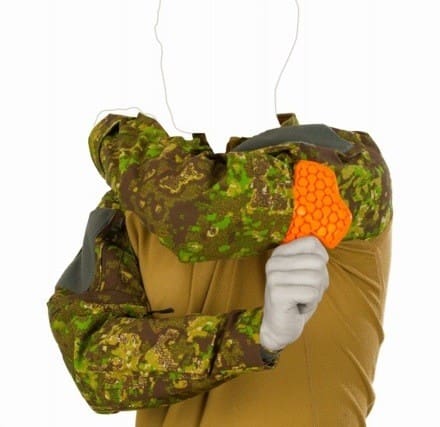
Finally, there are both upper and lower arm pockets.
Consider this. The US Marine Corps completed their MARPAT program in 18 months. Phase IV of the US Army Camouflage Improvement Effort has been ongoing since June of 2010 with the initial Sources Sought Notice.
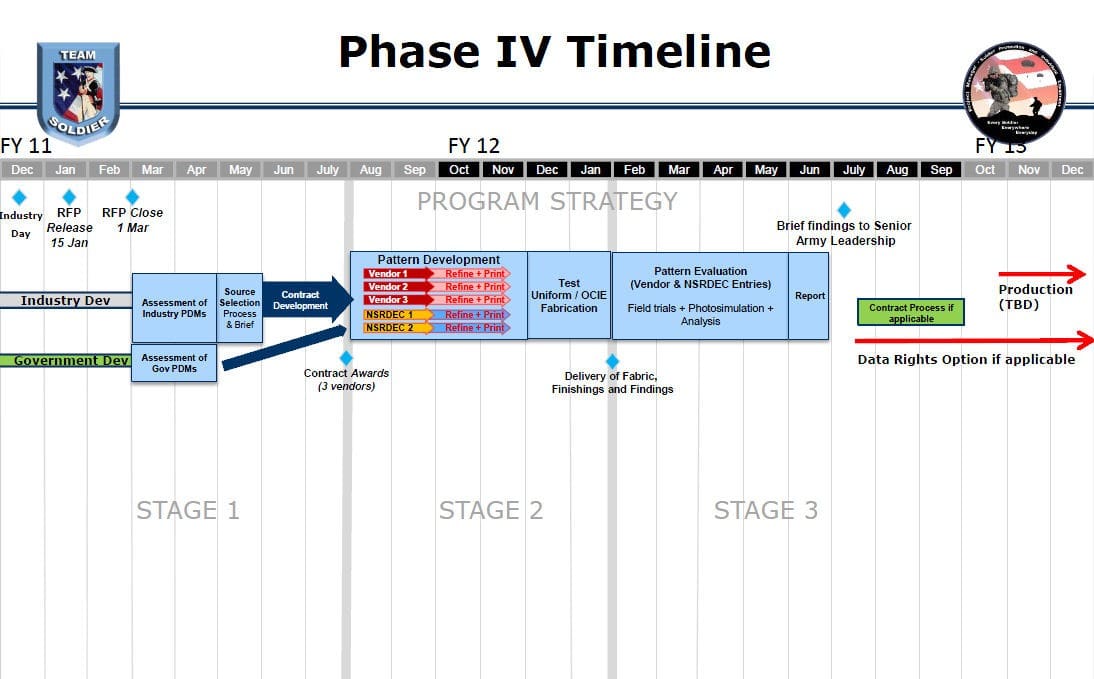
In fact, based on their initial timeline, they should have been moving into a contract almost one year ago.
The Army did not announce their winner. Nothing follows….
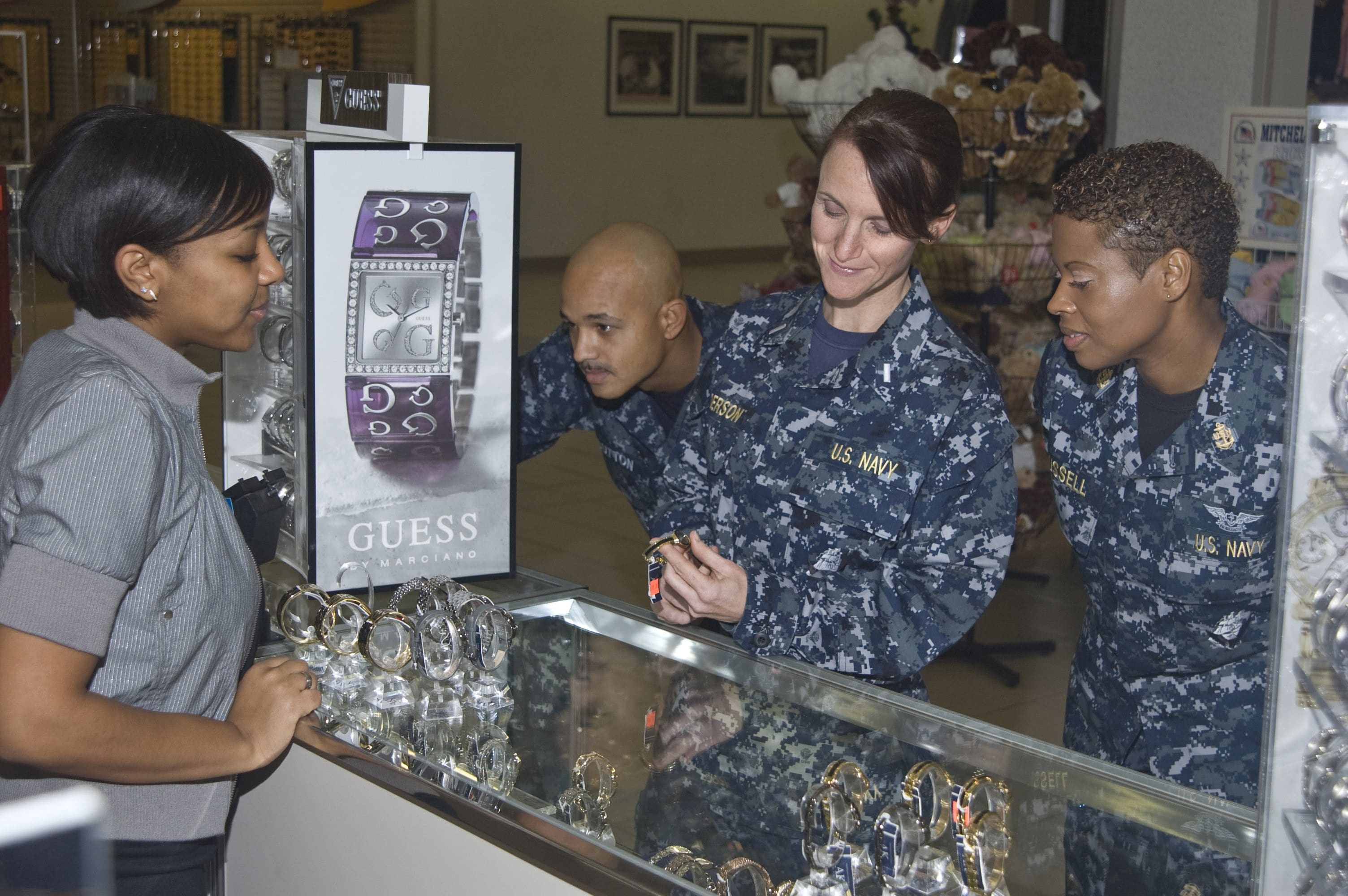
The Navy ‘blueberries’ – I don’t know what the name is, that’s what sailors call them – the great camouflage it gives is if you fall overboard,” said Navy Secretary Ray Mabus at a Thursday meeting with reporters. Mabus points to what has become a macabre joke among sailors, highlighting the dangers of a shipmate falling into the sea wearing a sea-colored uniform
No, that isn’t from the DuffelBlog, it’s real-life, and is a direct quote from a story in US News and World Report by Paul D. Shinkman regarding the Navy’s superfluous camouflage pattern.
PS Make sure you go read the article. It’s pretty good.