Danner Reckoning GTX

Archive for the ‘Cyber’ Category

Army Cyber Corps – A Prehistory

Sunday, June 15th, 2025

On September 1, 2024, the U.S. Army Cyber Corps turned ten years old. Some may chuckle at the thought of this branch still teetering on the verge of adolescence compared to the more grizzled veteran branches like Infantry, Field Artillery, and Signal just to name a few. However, there is more than meets the eye with cyber, and as I communicate to my students at the U.S. Army Cyber and Electromagnetic Warfare School (which also turned ten) at Fort Eisenhower, GA, the Cyber Corps has accomplished much in its first decade. While still a pre-teen so to speak, the rate of change in this domain has always necessitated that Cyber act mature for its age. What follows is the first part of a planned series chronicling the history of the U.S. Army Cyber Corps and its school. This first essay provides a general synopsis of the emergence of cyber and how it became a key focus for the U.S. military, tracing its early connections to information warfare and operations. It also details the origins of cybersecurity, alongside the creation of Army Cyber Command and West Point’s Army Cyber Institute. Finally, a major theme of this essay focuses on the cyberspace areas of concentration developed by the Army Military Intelligence and Signal branches – setting the stage for the eventual adoption of cyber as a standalone career field for Army personnel.

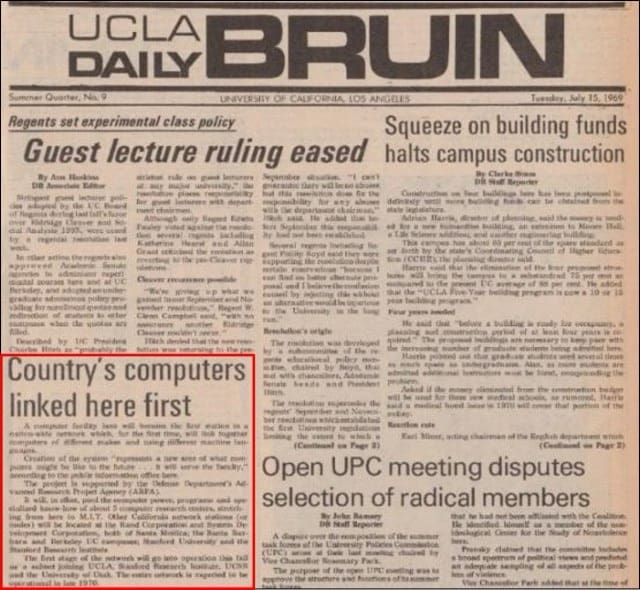
The seeds of this domain germinated in the 1960s as the U.S. military began piecing together computer networks to speed up information sharing and threat detection in the midst of the ever present Soviet nuclear threat. Additionally, throughout the 1960s and 1970s, the NSA had hundreds of “internetted” terminals. It was during this environment of early networking capabilities that the Advanced Research Projects Agency Network (ARPANET) first came online in 1969. By 1976, “Information War” as it pertained to the information flow between weapons systems and the possible digital disruption of Soviet command and control, was viewed as a worthy pursuit. By 1979, NSA leadership recognized that any computer system could be breached by a knowledgeable user, and ideas about “deep penetration” technical capabilities against U.S. adversaries began to take root. By 1986, and possibly earlier, Special Access Programs overseen by the Joint Chiefs and National Security Agency (NSA) began attempting computer network exploitation. As the opportunities for intrusion into adversary networks widened, the U.S. discovered in 1986 that the Soviets were paying hackers to engage in similar tradecraft against U.S. networks.
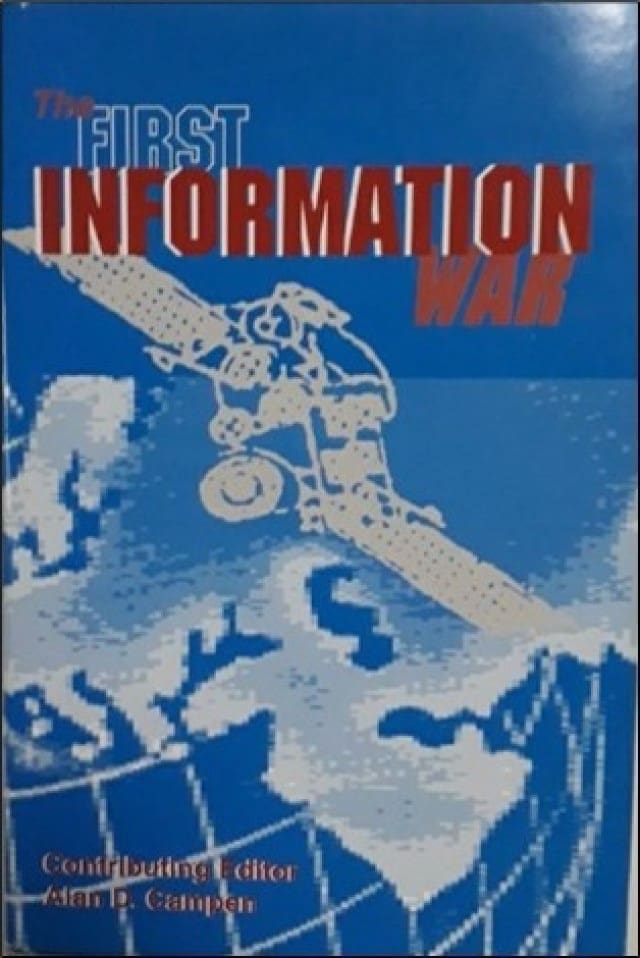
As the proliferation of computer networks spread globally and the ability of these computers to collect, sort, and analyze information at higher speeds, the Department of Defense (DOD) increasingly recognized the high value of information at the strategic and tactical levels of war. During the Gulf War in early 1991 (Operation Desert Storm), information played a crucial role, both in providing Allied forces with enemy intelligence and in disrupting enemy command, control, and communications. Both advantages were greatly increased by technology and computing power, and as one observer declared, “in Desert Storm, knowledge came to rival weapons and tactics in importance…” Unseen, but implicit in the glowing Desert Storm after action reports, were the information systems – “networks of computers and communications that synchronized the awesome air campaign and that turned dumb bombs into sure-kill weapons.” This set the stage for the DOD’s focus on the power of information and further exploration on the role computers could play in this sphere.

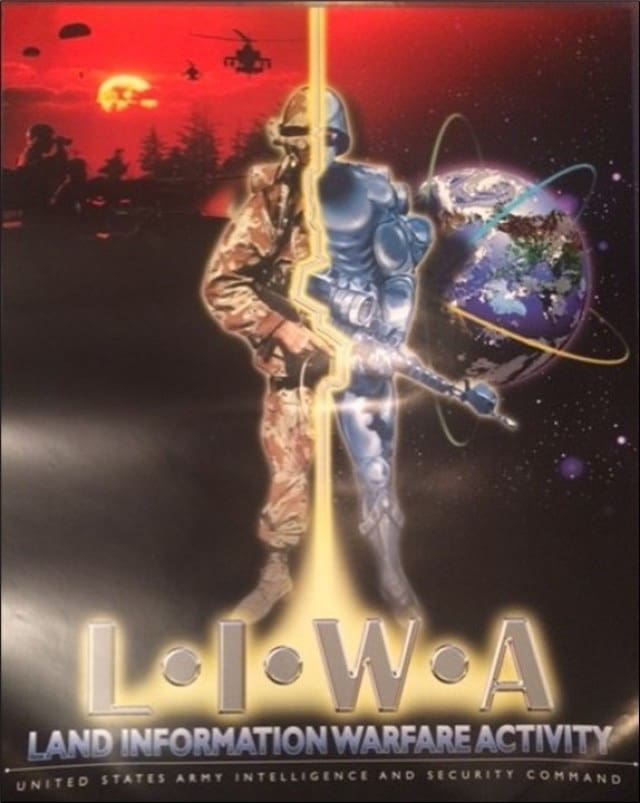
The growing emphasis on computing power and information as a force multiplier dovetailed with the end of the Cold War and the collapse of the Soviet Union in late 1991. With a reduction in defense spending, the Army capitalized on the idea that information dominance could utilize the latest networks, systems, and sensors to gain information superiority while also economizing force in an era of reduced budgets and manpower. For the next several years, the DOD and Army produced doctrinal concepts ranging from Information Warfare, Command and Control Warfare, and Information Operations (IO). For the Army, this culminated in the activation of Land Information Warfare Activity (LIWA) in 1995 at Fort Belvoir, VA. LIWA had personnel engaging in elements of what we now call Offensive Cyberspace Operations (OCO) and Defensive Cyberspace Operations (DCO). The international peacekeeping operation in Bosnia integrated information operations personnel with maneuver staffs, and the success of these missions demonstrated the importance of IO. In order to maintain the permanence of such skilled IO staff, the Army created the first IO career field with Functional Area (FA) 30 in 1997.
While LIWA and the IO community played a large role in forming the concepts and framework of cyberspace within the Army, the Military Intelligence (MI) branch was instrumental in developing the actual cyberspace capabilities associated with OCO today. In the 1990s, the intelligence community began correlating computer network operations within foreign computer networks as another form of signal intelligence (SIGINT). With this mindset, the Army’s SIGINT brigade (704th MI BDE) created a small unit to focus on cyber warfare in 1995; in 1998, B Co, 742d MI BN was tasked to focus on computer network operations. This begat “Detachment Meade” in 2000 – a unit starting with about three dozen Soldiers. Detachment Meade retained a close relationship with LIWA, which by 2002, had been redesignated as 1st IO Command. Over the next decade, the Army OCO unit at Fort Meade grew and changed names often. By 2008, the Army Network Warfare Battalion had close to 200 members. It grew into the 744th MI Battalion and finally culminated in today’s 780th MI BDE (Cyber) in December 2011.

Underpinning all this cyber activity, was the vital need to maintain the security of U.S. digital property. In 1967, RAND computer scientist, Willis Ware issued a clarion call for the military to beef up security of these new networking capabilities. After becoming the Computer Security Task Force lead, Ware further warned U.S. officials in 1970 that corrupt insiders and spies could actively penetrate government computers and steal or copy classified information. In the days before computer networks were regimented into the various classifications we are familiar with today, those with prying eyes had easier access to data they had no business reading.

The Signal Corps utilized and maintained computers early on but became increasingly involved as computers became ubiquitous within the Army and essential for communications devices, whether via email or other network-centric methods. Signal’s role with network defense was emphasized after the 2002 activation of Network Enterprise Technology Command (NETCOM), where it assumed the role of Army proponent for network defense. However, complexities within the chain of command for cyber defense kept this from being a streamlined process. Army Computer Emergency Response Teams (CERTs) received mission priorities from NETCOM, but 1st IO Command operationally controlled the defenders. Additionally, Signal culture shaped the priorities of those working within cyber defense. Network defense and network maintenance are inherently different. The former identifies and seeks to defeat threat actors while the latter strives for information assurance through securely maintained networks and is less concerned with outside threats. The aforementioned culture of signaleers leans hard toward the goal of properly functioning networks. Network defense might hinder network assurance, and this mentality contributed to keeping the two spheres distinct.

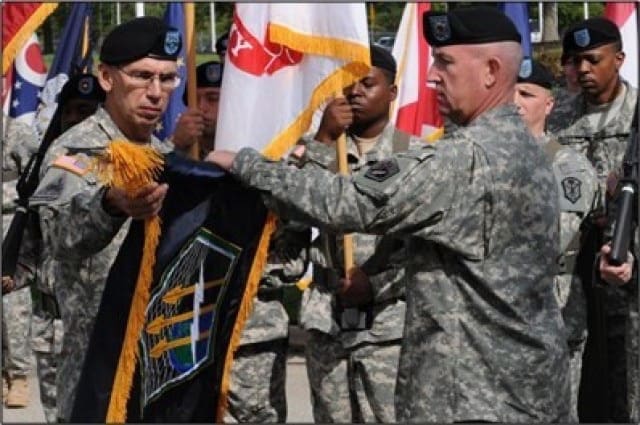
While the Joint Chiefs of Staff labeled cyberspace a “domain” of military operations in the 2004 National Military Strategy, the Army continued mapping out its overall cyber strategy. A few years prior to this in 1998, the Army designated Space and Missile Defense Command/Army Strategic Command (SMDC/ARSTRAT) as the higher headquarters for cyberspace activity. A decade later, in 2008, the Secretary of Defense (SECDEF) directed the different services to establish cyber commands, and the following year, SMDC/ARSTRAT created an interim unit called Army Forces Cyber Command (ARFORCYBER). As the various Army subcommunities already conducting different aspects of the cyber mission (INSCOM, NETCOM, SMDC/ARSTRAT) jockeyed for lead of this new interim unit, SECDEF Gates announced the creation of U.S. Cyber Command (USCYBERCOM) in June 2009. Per Gates’ memo, the service branches needed to establish component commands to support USCYBERCOM by October 2010. Now the Army reoriented its focus on meeting this requirement, which resulted in the activation of Army Cyber Command (ARCYBER) as a new three-star command on October 1, 2010. The first two ARCYBER commanders held combat arms backgrounds, strongly suggesting that the Army sought leaders who could bring fresh perspectives disconnected from the tribal feuding between the intelligence and signal communities.

In the year prior to ARCYBER’s activation, the Army Training and Doctrine Command (TRADOC) Commander, Gen. Martin Dempsey, released a memo in 2009 summarizing a Combined Arms Center (CAC) led working group’s findings on how the Army should organize cyber, electronic warfare (EW), and information operations. Based on the group’s analysis, Dempsey did not recommend the creation of a new cyberspace career field, opting to retain the status quo of relying on the MI and Signal fields to perform the functions of offensive and defensive cyberspace respectively. Shortly after the activation of ARCYBER and the continued lack of a separate TRADOC governed cyberspace career field, ARCYBER assumed force modernization proponency for cyberspace.
Even after the creation of ARCYBER and its authority over Army cyberspace proponency, leaders continued to favor the model whereby cyber personnel in the Army held certain Additional Skill Identifiers (ASI) that determined their roles within the cyberspace workforce. The Signal Corps and MI communities still desired more stability within this career field and opted to create new military occupational specialties (MOS) to establish more permanency. The Signal Corps looked to their warrant officer cohort to provide the technical expertise necessary to defend the Army’s portion of cyberspace. Announced in 2010, the new 255S – Information Protection Technician would perform Information Assurance and Computer Network Defense measures, including protection, detection, and reaction functions to support information superiority. The MI Branch unveiled the enlisted MOS 35Q in the Fall of 2012. Originally called the Cryptologic Network Warfare Specialist, the title later changed to Cryptologic Cyberspace Intelligence Collector. A senior enlisted advisor to the MOS stated: “A 35Q supervises and conducts full-spectrum military cryptologic digital operations to enable actions in all domains, NIPRNet as well as SIPRNet, to ensure friendly freedom of action in cyberspace and deny adversaries the same.” The Signal Corps also established an enlisted MOS, 25D – Cyber Network Defender, starting at the rank of E-6, reasoning that “an MOS built on an experienced and seasoned Information Assurance (IA) Noncommissioned Officer workforce, highly trained in Cyber Defense, is the only way to mitigate our vulnerability.” The first 25D class graduated from the Signal School in November 2013.

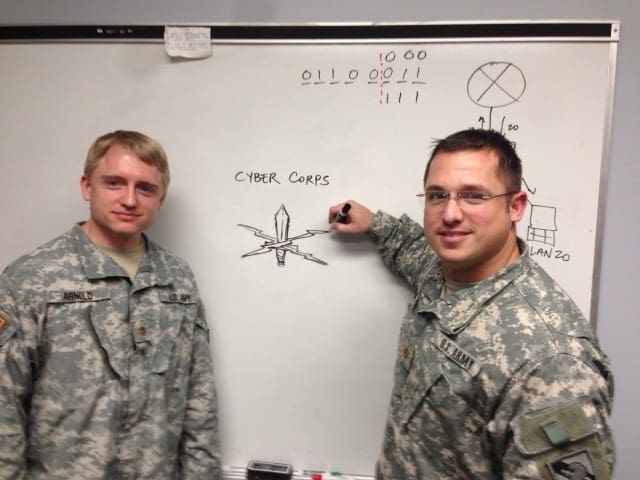
During the first decade of the 21st century, the Electrical Engineering and Computer Science (EECS) Department at West Point advocated for a standalone Army cyber career field. A NSA partnership fueled cooperation and internships between the organizations, and the creation of a cadet cyber security club were just some of the initiatives moving EECS personnel towards advocacy of a new career field. Meanwhile, the EECS program continued training cadets proficient in cyberspace despite not having a branch for them to naturally land. The head of West Point’s Cyber Security Research Center, Lieutenant Colonel Gregory Conti, wrote several articles advocating and theorizing about a dedicated cyber work force within the Army. In 2010, Conti and Lt. Col. Jen Easterly contributed a piece on recruiting and retention of cyber warriors within an Army that still did not seem to understand what to do with these specialists. As a testament to the reputation of the EECS department, the Secretary of the Army in 2012 directed the establishment of a U.S. Army Cyber Center at West Point, to “serve as the Army’s premier resource for strategic insight, advice, and exceptional subject matter expertise on cyberspace-related issues.” This ultimately became the Army Cyber Institute at West Point, which officially opened in October 2014 with Col. Conti at the helm. However, before this occurred, Col. Conti and two EECS instructors, Major Todd Arnold and Major Rob Harrison, wrote a draft theorizing what an Army cyber career path might look like, specifically for officers. While they did not know whether the Army would indeed create a new branch, this detailed study covered multiple courses of action and analyzed the relationships with MI and Signal. The paper even included a proposed cyber branch insignia designed by Arnold and Harrison-with crossed lightning bolts superimposed on a dagger-which ultimately became the basis for the approved insignia.
While the West Point EECS leadership conceptualized the professionalization of a cyber career field, and the MI and Signal branches had created the aforementioned cyber related MOSs, top leadership-including Chief of Staff of the Army (CSA) General Raymond Odierno and General Robert Cone, the Commanding General of Training and Doctrine Command (TRADOC)-was coming to the conclusion over the course of 2012 and 2013 that the existing split-branch solution was inadequate.

With the approval in late 2012 of the Cyber Mission Force (CMF), it became essential that personnel had the right abilities to go through a very long and exquisite training. Normally, by the time an individual completed this training, they had well over 24 months on station, and as members of the MI or Signal branches, they were often reassigned. Besides the issue of losing skilled personnel due to the normal PCS cycle, Generals Odierno and Cone, as well as many of their subordinates, felt strongly that the cyberspace domain needed to be viewed from a maneuver perspective, which was beyond the MI and Signal Corps’ normal mission set. On 20 February 2013, during an Association of the U.S. Army (AUSA) symposium in Ft. Lauderdale, Florida, GEN Cone publicly called for the formal creation of a cyber school and career field. He stated the Army needed to, “start developing career paths for cyber warriors as we move to the future.” After GEN Cone’s remarks, the wheels were in motion to turn this new school and career field into reality.

Endnotes

Called the Semi-Automatic Ground Environment or SAGE, it consisted of hundreds of radars, 24 direction centers, and 3 combat centers spread throughout North America. For more information, see www.ll.mit.edu/about/history/sage-semi-automatic-ground-environment-air-defense-system.

Thomas Misa, “Computer Security Discourse at RAND, SDC, and NSA (1958–1970),” IEEE Annals of the History of Computing Volume: 38, no.4 (Oct.-Dec. 2016): 17, tjmisa.com/papers/2016_Misa_ComputerSecurity.

Researchers at the Advanced Research Projects Agency (now DARPA) created the ARPANET. By 1989, most were calling the network by a more ubiquitous name – “Internet.”

The Boeing Aerospace Company for the Office of the Secretary of Defense, Weapon Systems and Information War, Thomas Rona. (Seattle, WA, 1976).

Craig J. Wiener, “Penetrate, Exploit, Disrupt, Destroy: The Rise of Computer Network Operations as a Major Military Innovation” (PhD diss., George Mason University, Fairfax, VA, 2016), 81; 85.

Wiener, “Penetrate, Exploit, Disrupt, Destroy,” 93; 98; 352.

Clifford Stoll, The Cuckoo’s Egg: Tracking a Spy Through the Maze of Computer Espionage, (New York: Doubleday, 1989).

Alan D. Campen, ed., The First Information War: The Story of Communications, Computers, and Intelligence Systems in the Persian Gulf War (Fairfax, VA: AFCEA International, 1992), x-xi.

MAJ Sarah White, “The Origins and History of U.S. Army Information Doctrine,” (Thesis, U.S. Army Command and General Staff College, Fort Leavenworth, KS, 2022), Chapter 5; MAJ Sarah White, Chapter 3 Edit provided to author from: “Subcultural Influence on Military Innovation: The Development of U.S. Military Cyber Doctrine” (PhD diss., Harvard University, Cambridge, MA, 2019).

White, Chapter 3 Edit, 12-16.

Willis Ware, “Security and Privacy in Computer Systems” (Paper presentation, Spring Joint Computer Conference, Atlantic City, April 17-19, 1967).

The RAND Corporation for the Office of the Director of Defense Research and Engineering, Security Controls for Computer Systems: Report of Defense Science Board Task Force on Computer Security, Willis Ware. (Washington D.C., 11 February 1970).

White, Chapter 3 Edit, 27-29.

Ibid., 24-26.

Secretary of Defense Robert Gates, Memorandum: “Establishment of a Subordinate Unified U.S. Cyber Command Under U.S. Strategic Command for Military Cyberspace Operations,” 23 June 2009.

U.S. Army Cyber Command, “Our History,” www.arcyber.army.mil/About/History.

White, “Subcultural Influence,” 133.

Ibid., 134.

CW5 Todd Boudreau, “Repurposing Signal Warrant Officers,” Army Communicator 35, no. 1 (Winter 2010): 21.

David Vergun, “Army Opens New Intelligence MOS,” Army.mil, 30 November 2012, accessed 18 October 2021, www.army.mil/article/92099/Army_opens_new_intelligence_MOS.

Craig Zimmerman, “SUBJECT: Recommended Change to DA Pam 611-21, Military Occupational Classification and Structure, to Add Military Occupational Specialty (MOS) — Cyber Network Defender,” (Signal Center of Excellence and Fort Gordon, 30 May 2012).

Wilson Rivera, “Cyberspace warriors graduate with Army’s newest military occupational specialty,” Army.mil, 13 December 2013. Accessed 20 March 2025, www.army.mil/article/116564/Cyberspace_warriors_graduate_with_Army_s_newest_military_occupational_specialty.

White, “Subcultural,” 157-160.

Lt. Col. Gregory Conti and Lt. Col. Jen Easterly, “Recruiting, Development, and Retention of Cyber Warriors Despite an Inhospitable Culture.” Small Wars Journal, 29 July 2010, smallwarsjournal.com/jrnl/art/recruitingdevelopment-and-retention-of-cyber-warriors-despite-an-inhospitable-culture. Jen Easterly went on to become the Director of the Cybersecurity and Infrastructure Security Agency (CISA) from 2021-2025.

John M. McHugh, Memorandum, “Establishment of the Army Cyber Center at West Point,” 19 October 2012.

Sgt 1st Class Jeremy Bunkley, “SecArmy officially opens Cyber Institute at West Point, Army.mil, 10 October 2014, www.army.mil/article/135961/secarmy_officially_opens_cyber_ins.

Todd Arnold, Rob Harrison, and Gregory Conti, “Professionalizing the Army’s Cyber Officer Force,” Army Cyber Center, Vol 1337 No II (23 November 2013); Email between LTC Todd Arnold and Scott Anderson, 7 November 2018.

White, Chapter 3 Edit, 36-37.

Mr. Todd Boudreau Oral History Interview with Scott Anderson, 22 February 2021.

Unknown Author, “Army leaders see much cyber work to do,” Taktik(z), 24 Feb 2013.

By Scott Anderson – Cyber Corps Branch Historian

U.S. Army Elevates Analytic Support Officers to Key Developmental Roles

Tuesday, June 10th, 2025

FORT EISENHOWER, GA.—The U.S. Army has officially designated the 17A Analytic Support Officer (ASO) role as a Key Developmental position for Captains (Capt.) and Majors (Maj.), a pivotal step aimed at bolstering the Cyber Mission Force’s ability to detect, analyze and counter sophisticated cyber threats. This designation, effective Fiscal Year 2025, underscores the Army’s recognition of the increasing importance of data analytics in modern warfighting.

The career path adjustments outlined in the Department of the Army Pamphlet (DA PAM) are primarily shaped by senior leaders within the Cyber and Electromagnetic Warfare (EW) communities. These leaders have long emphasized the criticality of ASOs, whose expertise in identifying adversaries within networks absent prior signatures forms a cornerstone of defensive cyber operations.

“Analytic support officers are force multipliers,” said the chief of cyber, Col. John Hosey. “They build the analytic scheme of maneuver that allows us to observe and understand adversaries in contested environments. The Army’s shift toward recognizing data as essential to warfighting functions reflects what we in cyber have understood for almost a decade0, given the nature of the domain.”

A Strategic Move for Talent Retention and Promotion

Elevating the ASO role to a Key Developmental position directly impacts talent management and career progression within the cyber force. Historically, technical expertise has not always translated into promotional advantage within traditional Army structures. With this change, officers specializing in advanced analytics now have a more straightforward pathway for career growth, acknowledging their contributions to mission success.

By formally incorporating the ASO role into the Key Developmental framework, the Army enhances the visibility and prestige of these officers, aligning their career trajectory with leadership expectations. This move also signals to the broader force that analytical prowess and cyber expertise improve mission and lethality and are indispensable components of national defense.

The Analytical Edge in Cyber Warfare

Analytical Support Officers dissect enormous datasets—including network traffic, endpoint logs, and diverse digital intelligence—to uncover adversary tactics. Their advanced methodologies range from statistical modeling to machine learning-driven detection techniques that identify evolving threats.

These officers leverage mathematics, programming, and deep domain expertise to grant commanders essential situational awareness, enabling rapid, informed decision-making. As cyber warfare intensifies globally, ASOs remain at the forefront, pioneering automation techniques to proactively identify and mitigate emerging cyber threats.

“The Army strategically places its most capable individuals in roles with the greatest impact, presenting the most complex challenges,” said the Principal Analytics Officer, U.S. Army Cyber Command, LTC Jacob Youmans. “The ASO exemplifies this, requiring expertise in mathematics, programming, and the cyber domain to effectively translate data into actionable insights, lead the analytic function during operations, and enable commanders’ decision-making. Designating the ASO role as a key developmental position appropriately acknowledges the ASO’s significant impact on the success of defensive cyberspace operations and signifies an important advancement for the Cyber Branch.”

A Long-Term Investment in Cyber Excellence

With this designation, the Army commits to systematically managing, developing, and retaining the specialized talent needed to confront evolving cyber threats. The move serves not only as a personnel management strategy but also as a reaffirmation of advanced analytics’ indispensable role in maintaining information dominance.

As cyber adversaries grow more sophisticated, the Army’s investment in cultivating a formidable analytic workforce ensures that the force remains resilient. The decision to classify ASOs as Key Developmental positions reinforces the ongoing priority on data-driven warfighting. This shift positions cyber operations at the heart of modern military strategy.

Story by MAJ Lindsay Roman 

U.S. Army Cyber Command

Cyber Lethality: Multidomain Training Enhances Readiness at Exercise African Lion 2025

Monday, May 19th, 2025

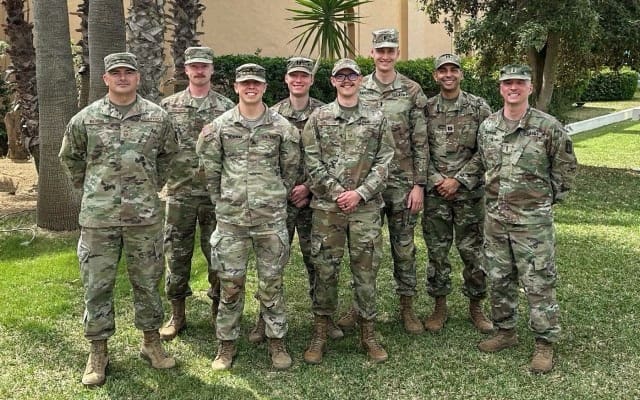
TUNIS, Tunisia – Cyber capabilities are a fundamental function of modern warfighting. During African Lion 2025 (AL25) U.S. Cyber Command Soldiers joined Wyoming National Guardsmen and Tunisian Armed Forces cyber teams for an academic exchange to enhance the protection of critical infrastructure, enable secure communication and streamline battlefield coordination.



This first-ever joint, combined exchange in Tunisia, showcased the capabilities of cyber professionals to adapt, innovate and tackle the challenges posed by increasingly sophisticated adversaries.

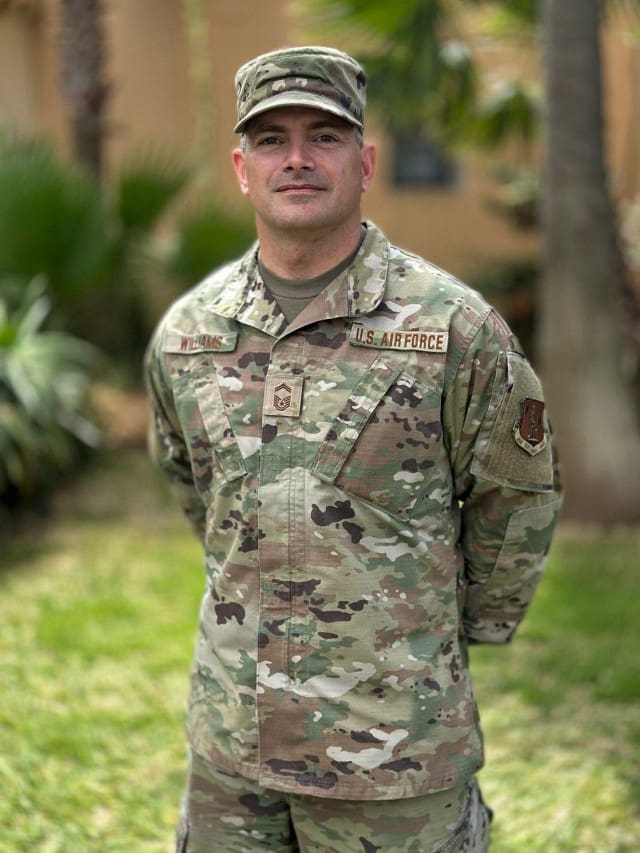
“Cyber operations are vital in warfighting as they protect and disrupt digital networks, ensuring secure, rapid and resilient communication for strategic decision-making and battlefield coordination,” said U.S. Air Force Senior Master Sgt. John Williams, a warfighter communications superintendent assigned to the 153rd Communications Squadron, 153rd Airlift Wing, Wyoming Air National Guard.

Whereas offensive capabilities are often overlooked, the academics-style course highlighted the dual impact of cyber readiness on modern warfare. This was especially significant considering most people tend to think of this domain from a defensive perspective, such as cybersecurity and protection.

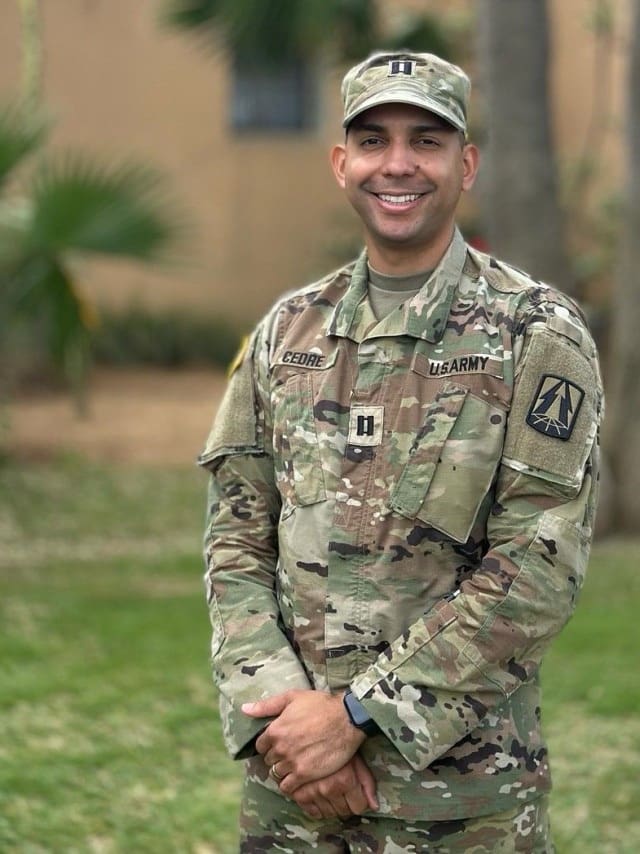
“Cyber enhances warfighting capabilities by ensuring command and control systems are protected and functioning when you need them the most,” said U.S. Army Capt. Jean-Carlos Cedré, a cyber operations officer assigned to U.S. Army Reserve Cyber Protection Brigade (ARCPB), 335th Signal Command (Theater), U.S. Army Cyber Command, and officer in charge of the AL25 Tunisia cyber team.

The defensive cyber portion of the course focused on incident response techniques, as well as computer forensics and frameworks designed to protect against malicious threats from adversaries. Offensive cyber scenarios simulated cyberattacks to identify vulnerabilities, seeking to gain any competitive battlefield advantage.

“From an offensive perspective, cyber can also enable battlefield enhancements by providing windows of opportunity that help tip the battle in favor of our warfighters,” said Cedré.

Joining ARCPB in Tunisia, Wyoming Air National Guard’s cyber team greatly contributed to the mission, bringing significant experience and expertise forged through a 21-year National Guard Bureau State Partnership Program (SPP) with the Tunisian Armed Forces.

SPP military exchanges have enhanced knowledge in aviation, engineering, and medical best practices, including readiness and warfighting capabilities such as cyber proficiency. These engagements foster interoperability, build trust and ensure both forces are better equipped to tackle emerging threats.

“My experience working with the Tunisian Army was eye-opening,” said Cedré. “Their experience, eagerness to learn and natural abilities provided a platform for us to build upon, leading to a highly valuable training event.”


The cyber team from Wyoming agreed.

“Collaborating with the Tunisian cyber team was both insightful and rewarding. Their expertise and dedication are complemented by their exceptional hospitality and professionalism,” said U.S. Air Force Staff Sgt. Thomas Schoening, an information technology network operations specialist, assigned to the 153rd Communications Squadron, 153rd Airlift Wing, Wyoming Air National Guard.

With defensive and offensive cyber skills enhanced, this multinational team is ready to showcase a domain the joint force cannot afford to overlook on an increasingly sophisticated battlefield.

“This training, along with future collaborations, will further solidify our partnership and cultivate highly skilled cyber professionals prepared to meet the challenges of future conflicts,” concluded Williams.

Exercise African Lion 2025 is more than a test of technical prowess; it shows the power of multinational collaboration in the face of evolving cyber threats. By pooling resources, expertise and innovations, these cyber warriors are setting the stage for a resilient and secure future.

About African Lion

AL25 is set to be the largest annual military exercise in Africa, bringing together over 50 nations, including seven NATO allies and 10,000 troops to conduct realistic, dynamic and collaborative training in an austere environment that intersects multiple geographic and functional combatant commands. Led by SETAF-AF on behalf of the U.S. Africa Command, AL25 takes place from April 14 to May 23, 2025, across Ghana, Morocco, Senegal, and Tunisia. This large-scale exercise will enhance our ability to work together in complex, multidomain operations—preparing forces to deploy, fight and win.

About SETAF-AF

U.S. Army Southern European Task Force, Africa (SETAF-AF) prepares Army forces, executes crisis response, enables strategic competition and strengthens partners to achieve U.S. Army Europe and Africa and U.S. Africa Command campaign objectives.

MAJ Joe Legros

VTG Acquires Triaplex, Enhancing Cyber and Signals Intelligence Capabilities

Friday, May 2nd, 2025

CHANTILLY, Va., April 30, 2025 — VTG, an industry-leading national security solutions provider, announced that it has acquired Triaplex, Inc., gaining access to expert signals and cyber warfare expertise. Triaplex is based in Fulton, MD, and expands VTG’s Intelligence Community footprint to new customers in the National Capital Region.

“We are excited to welcome Triaplex and its exceptionally skilled cadre of deep domain experts and specialized engineers to VTG,” said John Hassoun, VTG President and CEO. “Acquiring Triaplex enables VTG to tackle emerging national security challenges and highlights our continued investments in the advanced technical capabilities and expertise the Intelligence Community needs most.”

Triaplex, Inc., founded in 2020, has earned a reputation for delivering radio frequency solutions that protect our nation’s warfighters and their mission-critical systems. Triaplex CEO David Lee said, “This partnership allows us to make the right, focused investments in our talent and technology, bolstering our core RF expertise. The combined resources & talent will scale exponentially across VTG’s diverse Defense and Intelligence Community program portfolio.”

The acquisition of Triaplex is VTG’s fourth since receiving a majority investment from private equity firm A&M Capital and underscores the Company’s commitment to accelerating growth within the Intelligence Community.

About VTG
VTG delivers modernization and digital transformation solutions that expand America’s competitive advantage in the modern battlespace. Headquartered in Chantilly, Virginia, VTG provides full lifecycle engineering for naval, aerospace, network, and digital requirements. Whether at sea, in the air, on land, or in cyberspace, VTG delivers Tomorrow’s Transformation Today. For more information, visit us at www.VTGdefense.com.

Assac Networks Expands Presence in Central America with New Cyber Defense Contract

Friday, April 11th, 2025

Leading Cybersecurity Firm to Deploy ShieldiT Solution for State officials

Tel Aviv, April 10, 2025 – Assac Networks, a member of the Aspis Technologies Group and a specialized provider of cyber solutions for the comprehensive protection of communication devices, is pleased to announce that it has secured a significant contract with a state administration in Central America to deploy its ShieldiT system, Assac Networks’ flagship cybersecurity solution.

This new contract underscores the critical importance of mobile security in government operations. The ShieldiT system will provide high-ranking officials with a robust defense against cyber threats and eavesdropping, ensuring secure communication across widely used smartphones.

ShieldiT: Comprehensive Protection for Mobile Communications
As the most vulnerable endpoint in organizational networks, smartphones are a primary target for cyberattacks. ShieldiT offers a unified, managed anti-hacking and anti-tapping solution that includes real-time link and behavioral analysis, network-layer protection, and application risk assessment. This ensures a fully secured mobile environment, preventing cyber threats such as phishing and unauthorized surveillance.

Shimon Zigdon, CEO of Assac Networks, highlighted the company’s growing presence in the region: “This contract marks another milestone in our global expansion, reinforcing Assac Networks’ position as a trusted provider of cybersecurity solutions for government entities. The growing demand for ShieldiT worldwide reflects the urgent need for comprehensive mobile security against evolving cyber threats. We are proud to support government agencies with best-in-class protection for their communication infrastructure.”

The implementation of ShieldiT will commence in the coming months, enhancing the state’s cybersecurity resilience. This award further solidifies Assac Networks’ leadership in delivering cutting-edge cyber protection for government and enterprise clients worldwide.

For further information please visit assacnetworks.com.

Syracuse’s IVMF Offers No-Cost Google Cybersecurity Certificate to Veterans, Spouses

Saturday, January 25th, 2025

Syracuse University’s D’Aniello Institute for Veterans and Military Families is offering a no-cost Google Cybersecurity Certificate for veterans and military spouses as part of its Onward to Opportunity career training program. Research shows that a successful transition out of the military is predicated on finding the next impactful civilian career in which they can deploy their military-specific skills.

Veterans and military spouses are well-suited toward this career field that addresses threats and protects Americans’ data. Most cybersecurity jobs are fully remote, making them especially adaptable for spouses of active duty service members who move frequently and balance careers with their partners’ military service. Many veterans have IT/cyber experience from their military service that translates well to the civilian sector, and credentials like this make them more competitive in the job market.

Key Benefits:

No cost / no military/VA benefits required—program is fully-funded through a grant from Google

Entry-level program—no experience required

Self-paced, virtual learning

180 hours (target completion: six months)

New cohorts start each month

Access to career resources (resume review, interview prep, career support)

Discount exam voucher code toward CompTIA Security+ Exam

Nine continuing education units (CEUs) that can be applied toward specific college degrees

Cybersecurity Stats: High Demand, High Salaries

Cyberseek.org estimates that in 2023, there were more than 572,000 job openings requiring cybersecurity-related skills, and employers are struggling to find qualified candidates. On average, cyber roles take 21% longer to fill than other IT jobs.

Most entry-level positions offer nearly six-figure salaries.

One cyber attack every 39 seconds

95% of digital breaches caused by human error

$10.5 trillion total American business loss anticipated in 2025

Veteran Transition Stats:

The federal government spends $13 billion annually on military-to-civilian transition programs, primarily on education services, such as the GI Bill

The majority of veterans need – and want – the opportunity to go straight into the workforce.

Nearly two thirds of the nation’s 4.1 million post-9/11 veterans report that their civilian jobs don’t adequately align with their skills and education, even six years after service.

An estimated 200,000 service members transition out of the military each year, and more than half struggle with employment after service.

3rd MDTF Cyber Defenders Partner with Allies During Keen Sword 25

Saturday, December 28th, 2024

SAGAMI DEPOT, Japan — A Cyber mission element from the Multi-Domain Effects Battalion (MDEB), 3rd Multi-Domain Task Force’s, partnered with joint and allied forces to conduct defensive cyber operations as part of Keen Sword 25 from Oct. 23 to Nov. 1, 2024.

A MDEB Defensive Cyber Operations (DCO) Mission Element partnered with Japanese and Canadian cyber professionals to defend mission critical infrastructure from adversary intrusions on a live cyber range. Using various cyber tools, the teams successfully mapped the network, discovered red team intrusions and then conducted hunt operations to restore full network operability.

“Cyber mission elements are a key component of multi-domain effects battalions that provide allies and the joint force additional cyber capability able to protect key infrastructure, enhance overall mission readiness across the full spectrum of military operations, and counter emerging digital threats in today’s complex operational environment,” said Lt. Col. Pablo Diaz, Commander of the 3rd MDEB.

The mission element executed multiple training iterations against a live adversarial red team alongside their allied partners.

The training objectives for the MDEB cyber mission element were to validate the readiness of the DCO mission element, refine standard operating procedures, and to build relationships with allied partner cyber units.

“My team integrated with our partners, leveraged cyber tools, and defended several critical infrastructure networks against a dynamic red team on a live network. It was a great training event where we were able to apply our skills and collaborate with our allies,” said MDEB Cyber Officer in Charge 2nd Lt. Lucas Bires.

Keen Sword is a biennial, joint, and bilateral field-training exercise involving U.S. military and Japan Self-Defense Forces personnel, designed to increase readiness and interoperability while strengthening the ironclad U.S.-Japan alliance.

Keen Sword 25 is the latest iteration of the exercise which was first conducted in 1986. Keen Sword provides realistic, relevant training that increases the Joint Force’s abilities to plan, communicate, and conduct complex multi-domain operations.

By SGT Perla Alfaro

Air Force to Evaluate Hanscom AFB for Air Force Information Dominance Systems Center

Saturday, November 23rd, 2024

ARLINGTON, Va. (AFNS) —  

The Department of the Air Force identified Hanscom Air Force Base, Massachusetts, as the sole candidate location to host the headquarters for the new Air Force Information Dominance Systems Center. 

The Air Force announced the creation of AFIDSC within Air Force Materiel Command as part of the service’s Great Power Competition initiative to strengthen and elevate the Air Force’s focus on Command, Control, Communications, and Battle Management; Cyber; Electronic Warfare; Information Systems; and Enterprise Digital Infrastructure.   

Four existing information dominance-related Program Executive Offices will re-align from AFMC’s Air Force Life Cycle Management Center to create the new center, led by a 3-star commander. The commander will be dual-hatted as the DAF Command, Control, Communications & Battle Management Program Director. 

The PEO directorates aligning under AFIDSC’s command are: 

C3BM 

Cyber and Networks 

Electronic Systems  

Business Enterprise Systems 

The current estimate for the center staff is 136 positions.  There will be minimal impact on the Program Offices designated to become part of this center, as personnel are expected to re-align in place.  

The DAF anticipates making a final basing decision by the end of the year and plans to standup the new center in 2025. 

Secretary of the Air Force Public Affairs