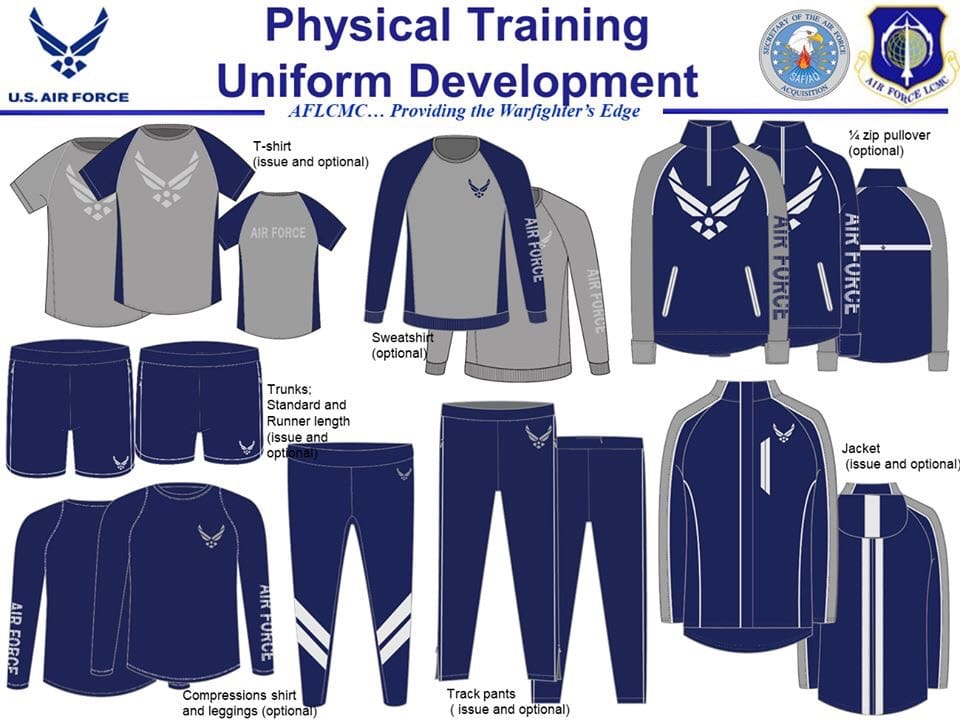
Facebook group Air Force AMN/NCO/SNCO posted a couple of slides of proposed Physical Training Uniform Designs.
What do you think?


Facebook group Air Force AMN/NCO/SNCO posted a couple of slides of proposed Physical Training Uniform Designs.
What do you think?
FAIRCHILD AIR FORCE BASE, Wash. — The Air Force recently implemented an advanced Survival, Evasion, Resistance and Escape Combatives Program to enhance SERE specialists’ capability to instruct self-defense techniques to aircrews, thereby increasing survival chances in an unfriendly environment.
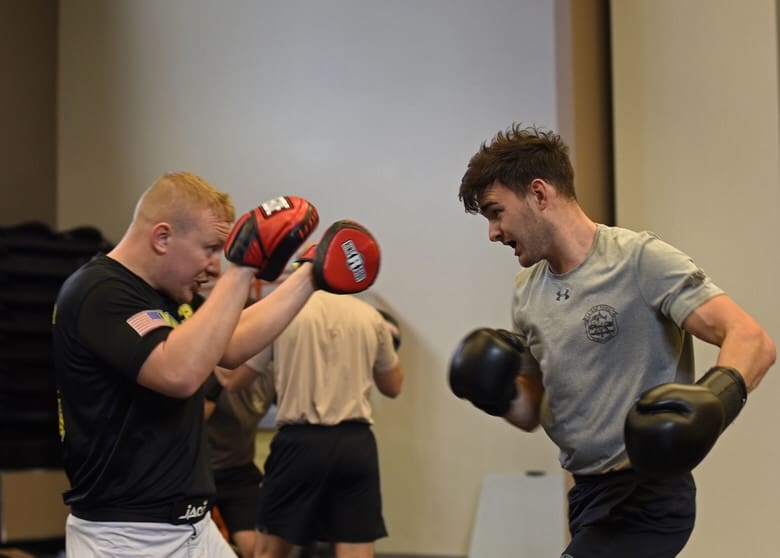
U.S Air Force Senior Airman Skyler Pendleton, 22nd Training Squadron Survival, Evasion, Resistance and Escape specialist and SERE Combatives Program instructor, blocks punches from Airman 1st Class Justin Croteau, 22nd TRS SERE specialist, during a four-hour block of combative training at Fairchild Air Force Base, Washington, Nov. 7, 2018. The 80-hour program trains on projectile, striking, clenching and grappling self-defense techniques. (U.S. Air Force photo/Airman 1st class Jesenia Landaverde)
The combatives class trains in advanced projectile, striking, clenching and grappling self-defense techniques for SERE specialist Airmen.
“The program is not about learning how to fight,” said Senior Airman Skyler Pendleton, 22nd Training Squadron SERE specialist and SERE Combatives Program instructor. “It’s about learning how to defend yourself whether it is downtown, in a deployed location or in a worse environment where you may need to evade or escape.”
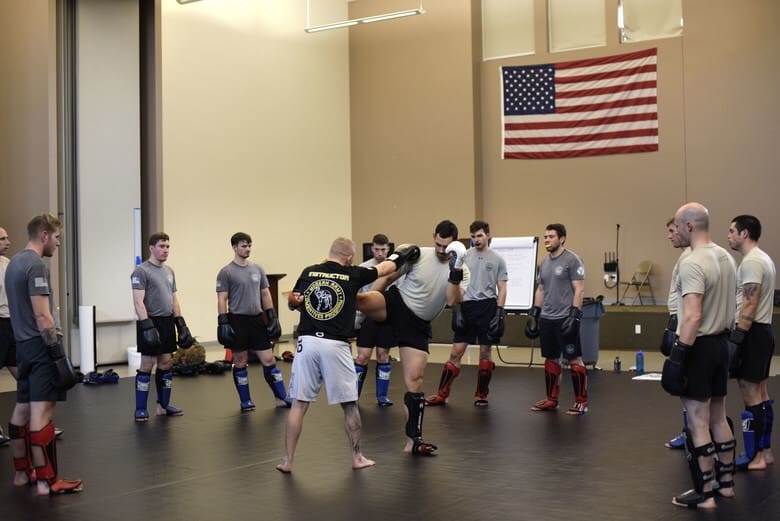
U.S Air Force Senior Airman Skyler Pendleton, 22nd Training Squadron Survival Evasion Resistance Escape specialist and SERE Combatives Program instructor, demonstrates self-defense moves to other SERE specialists during a combatives class at Fairchild Air Force Base, Washington, Nov. 7, 2018. The Air Force recently implemented an advanced SERE Combatives Program to enhance SERE specialists’ capability to provide self-defense techniques and increase survivability in an unfriendly environment. (U.S. Air Force photo/Airman 1st class Jesenia Landaverde)
The 80-hour program is an advancement of the 40-hour course SERE specialists take in technical training.
“Some of the techniques are more complex than we’re used to,” said Staff Sgt. Erik Wieland, 306th Rescue Squadron SERE specialist reservist from Davis-Monthan Air Force Base, Arizona. “It’s challenging to take every step and perform it perfectly- not only to complete the course, but to go back to your unit and teach it to your customers correctly, so they are prepared in the field.”
Instructors evaluate specialists on various moves from across the entire spectrum of combatives through hands-on demonstrations and through a question-and-answer portion. Specialists must explain the importance of combatives moves and tell instructors why certain moves may be more efficient than others in combat scenarios.
“This training is different than MMA, boxing, wrestling, etc.,” Pendleton said. “One must realize this is the game of life, there are no rules and anything is fair play. You might have to knee someone in the face or do whatever it takes to get out of a situation and survive. We keep the training controlled but try not to get stuck in a rule-based system of fighting where you can’t do certain moves because it is considered dangerous.”
SERE specialists prepare isolated personnel for any emergency event or captivity situation. This advanced program will increase mission readiness for aircrew by creating a heightened level of assurance in their ability to prevent or escape precarious situations and return home with honor.
By Airman 1st Class Jesenia Landaverde, 92nd Air Refueling Wing Public Affairs
I know some of you Airmen are trying to game the system, but despite being referred to as a “boot” by several of the companies which sell it, the Altama Maritime Assault – Low is not a boot. It’s a shoe.
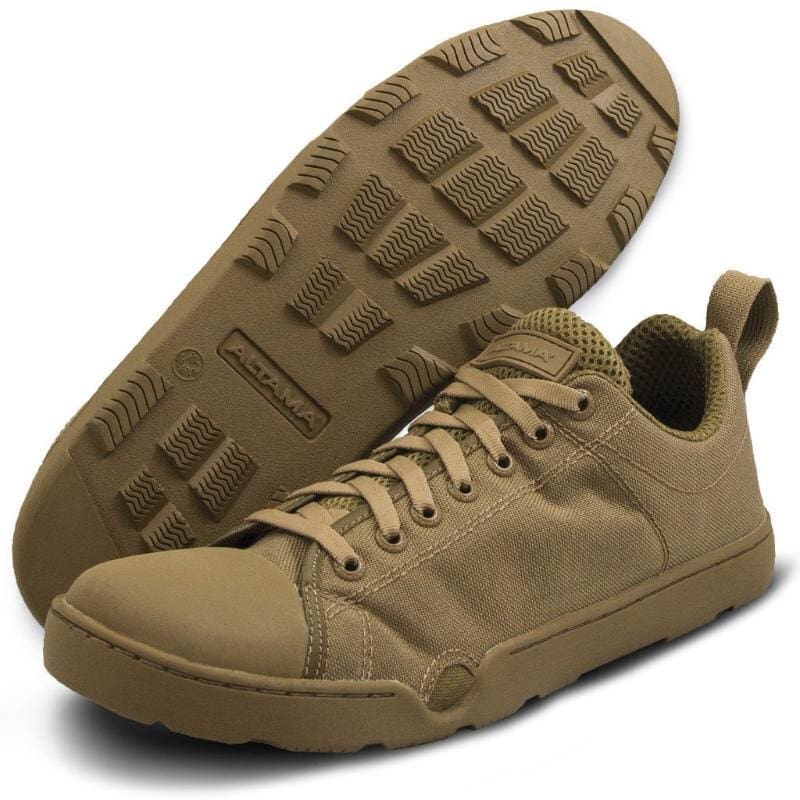
The problem is that the latest changes to AFI 36-2903 (Air Force Guidance Memorandum, AFGM2018-03 to AFI 36-2903, Dress & Appearance), intended to guide wear of the Operational Camouflaged Patterned Uniform and accouterments, no longer stipulates a boot height. However, AFI 36-2903 does say that “Dress and personal appearance standards that are not listed as authorized in the publication are unauthorized.”
So give it a rest and get a pair of boots. You’ll just look like hipster in these with your pants hem rolled up.
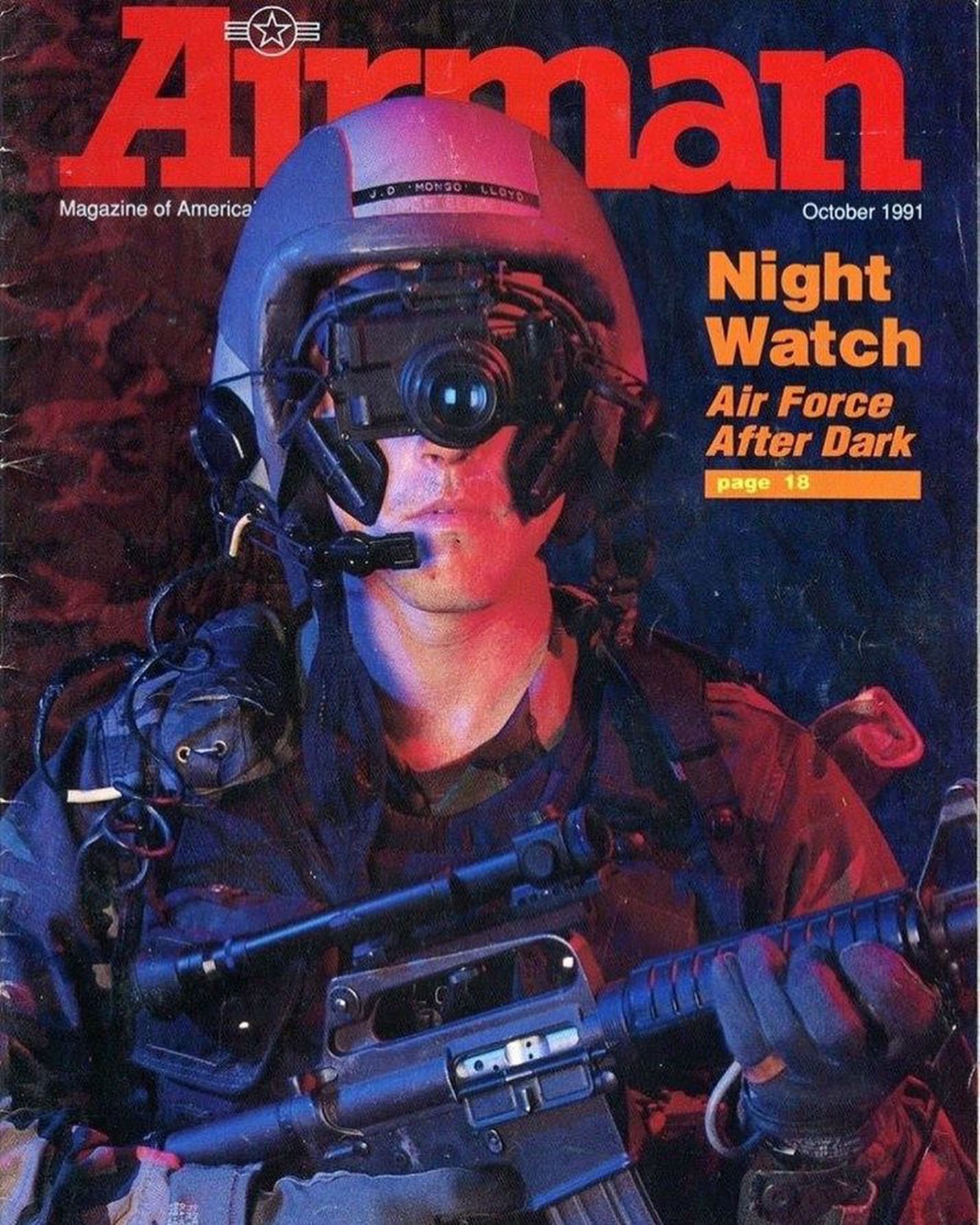
An Air Force Combat Controller circa 1991.
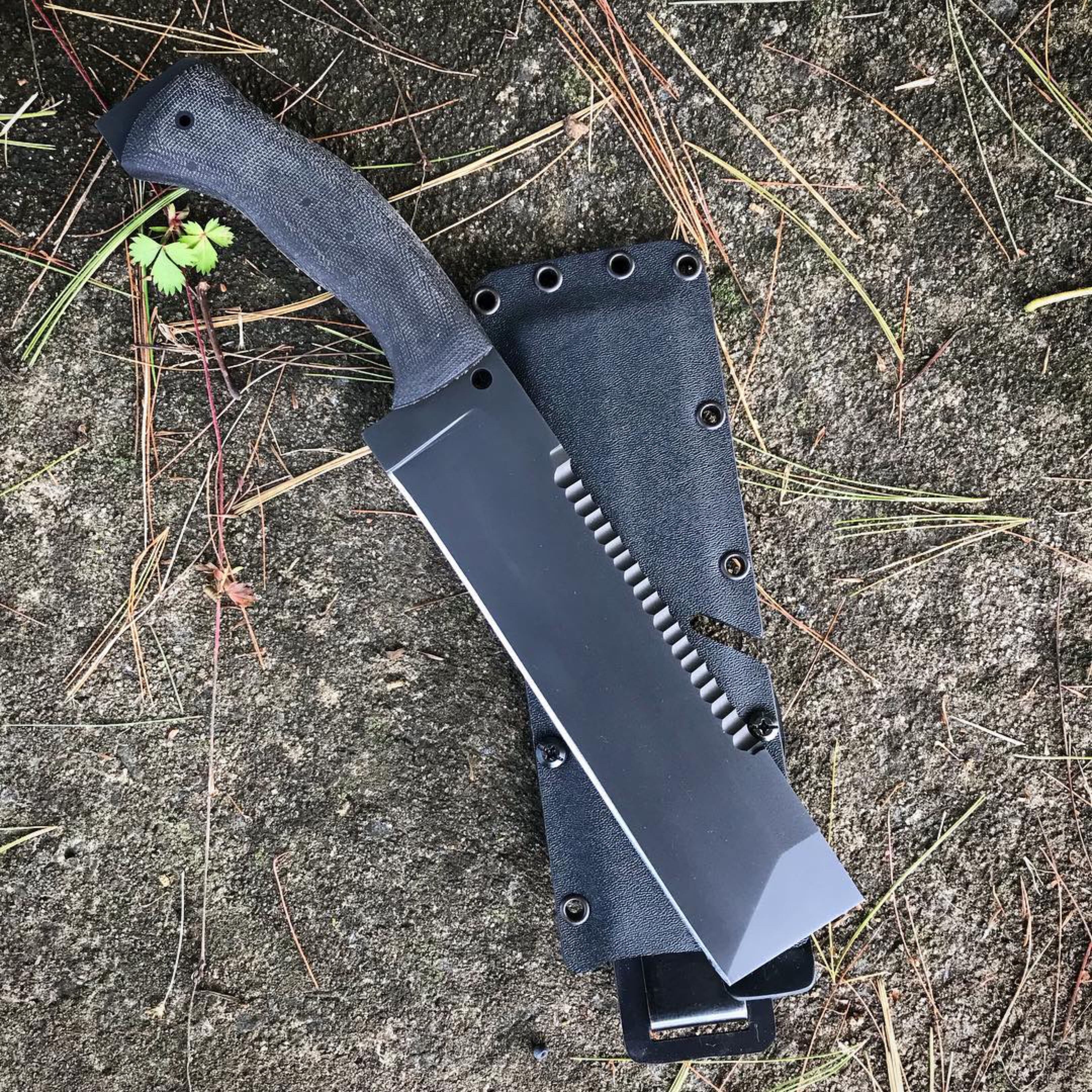
New to Winkler Knives, the AF Survival Knife was designed for the United States Air Force. Unique features include an insulated handle, line cutter opening in sheath, pry tip and a hammer pommel.
Winkler uses 80CrV2 steel and micarta.
To order, email info@winklerknives.com.
HURLBURT FIELD, Fla. – The story of Medal of Honor recipient U.S. Air Force Master Sgt. John Chapman has circulated across the nation for nearly two decades and captivated the special operations world.
The heroics John is credited with during a ferocious battle on Takur Ghar, Afghanistan, in 2002 posthumously earned him the nation’s highest military honor.
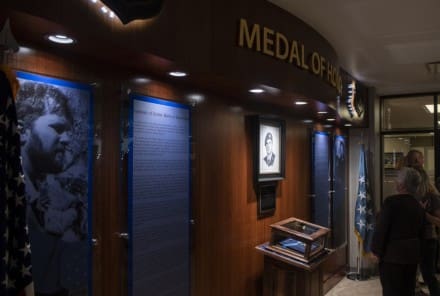
Today, John’s legacy is cemented in Special Tactics and Hurlburt Field history forever after the 24th Special Operations Wing headquarters was dedicated in his namesake.
Amongst an audience of ST legacy warriors, Air Commandos and friends, U.S. Air Force Col. Claude Tudor Jr., commander of the 24th SOW, alongside John’s family, unveiled the new name on the John A. Chapman Building.
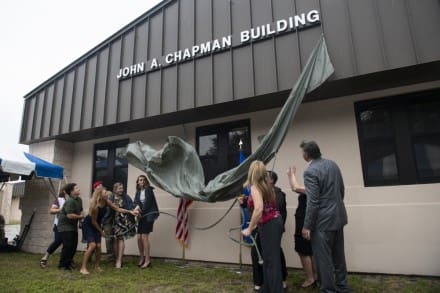
“Today, we will forever bind John’s relentless spirit of honor and courage, his selfless, heroic life and legacy with our headquarters,” Tudor said.
“This building is the home of our Special Tactics headquarters and by adding John’s name to the building, it is not only a symbolic gesture, but it binds his legacy with the legacy of Hurlburt Field and AFSOC [Air Force Special Operations Command].”
In February 2002, the Special Tactics combat controller deployed to Afghanistan as part of a joint special operations team. On the team, his role was to conduct precision strikes by integrating airpower onto the battlefield.
On March 4, 2002, John was killed during Operation ANACONDA, when he knowingly sacrificed his life to fend off a rocket-propelled grenade attack on an incoming MH-47 Chinook helicopter carrying a quick reaction force of U.S. Army Rangers and Air Force ST Airmen.
“This final act was the ultimate expression of his love. His love for his brothers. His love for his country. His love for me, and his love for all of you,” said Kevin Chapman, John’s brother, during the building dedication.
“The act of laying down your life for your friends can only come from one who embodies humility. One who considers others before he considers himself.”
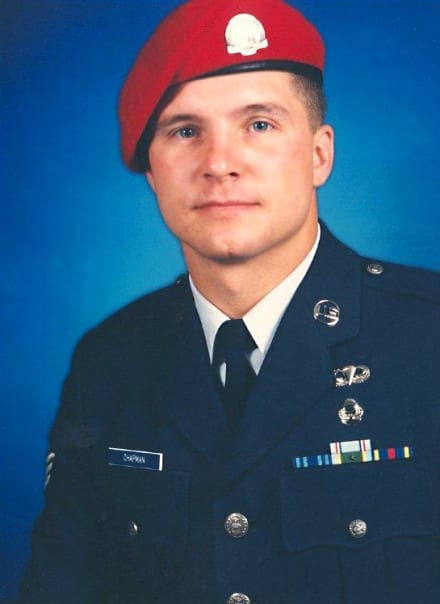
John was initially awarded the Air Force Cross for his actions, but after a thorough review, it was upgraded to the Medal of Honor by President Donald Trump, who presented it to his widow, Valerie Nessel, during a White House ceremony on Aug. 22.
“[John] would want to recognize the other men who lost their lives,” Valerie said in a previous interview. “Even though he did something he was awarded the Medal of Honor for, he would not want the other guys to be forgotten – they were part of the team together. I think he would say his Medal of Honor was not just for him, but for all of the guys who were lost.”
John is the first Special Tactics Airman to receive the Medal of Honor and upon receiving the decoration, John was posthumously promoted to the rank of master sergeant.
The upgraded award and rank serve as a lifelong remembrance and renaming the headquarters to the John A. Chapman building is another way of reinforcing an ST legacy of sacrifice.
“Every time we walk into the John A. Chapman headquarters building, we will continue to push our own organizational velocity and drive innovation to meet multi-domain mission requirements across the full spectrum of conflict and crisis,” Tudor said. “[John] Chapman has long inspired the Special Tactics community, but now, his story will inspire and fuel those passing by every day, and remind them who John Chapman was as a person: a phenomenal human, who fought relentlessly and sacrificed all for his teammates.”
Following the building dedication ceremony, three new displays were revealed within the newly renamed John A. Chapman Building including a Medal of Honor tribute. In that display holds a photo of “Chappy”, a detailed summary of The Battle of Takur Ghar, the history of the Medal of Honor, Chapman’s award citation and a Medal of Honor decoration.
“With a humble heart, and as John’s representative for the family and friends, I accept the honor you have bestowed upon us, upon Master Sg. John A. Chapman, by naming this building after him as a lasting legacy in his memory,” Kevin said.
Along with the name “John A. Chapman” now prominently displayed on the street-side of the building, next to the front doors of the entry way is a replica bronze plaque from John’s upgraded Air Force Cross. The plaque displays a brief summary of John’s actions, and at the bottom reads, “Whom shall I send? And who will go for us? Here am I. Send me!”
By: Senior Airman Joseph Pick, 24th Special Operations Wing Public Affairs
Stop by and see Quantico Tactical Oct. 15-16 in their Quantico Tactical Suite #217 at ANG WEPTAC in at the Double Tree Hotel located at 7051 S Tuscon Blvd, Tuscon, Arizona. As a DLA Gold Superior Supplier, rated for exceptional contract performance(one of twelve in the world), they are a leading supplier of special operations equipment, C4ISR, weapons, and weapon accessories to the Department of Defense, Federal Agencies and state/local Law Enforcement Departments. With Quantico Tactical, you can Count on More™.
You Can Count On:
• Customer Commitment
• Exceptional Performance
• Convenient Contracts
• Simplified Procurements
• Unmatched Service
• Rapid Logistics
• Extensive Brand Selection
• Kitting Solutions
Meet with our specialists to discuss your procurement needs and view a sampling of incredible products from SureFire, TYRTactical, Team Wendy, Magpul, Safariland, Point Blank, Geissele, Vortex, Spuhr, Harris and many more. Our knowledgeable team is standing by to answer your questions and provide in-person support.
To schedule an appointment please email GovtOps@QuanticoTactical.com or call 910.944.5800
For more information on Quantico Tactical, please visit QuanticoTactical.com
After extensive evaluation, the US Air Force has awarded a multi-million contract to purchase High Ground newly re-engineered carriage equipment for their special operations TAC-P, JTAC, ASOG and ASOS units.
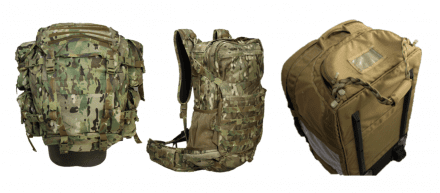
“High Ground’s newly re-designed bags, packs and technology pouches are optimized for the demanding performance and functional requirements of the USAF and its airman. High Ground’s technical staff and application engineers evaluated downrange customer feedback to incorporate new advancements in their gear”,” says Mike Runella, Director of Business Development of High Ground.
For the past three (3) years, High Ground has actively supplied the US Air Force with a variety of bags, packs and equipment on a smaller, “as needed” basis; including High Ground’s Summit 5 Day pack with a patented Quick Release Waist Belt System and their Load Out Bag with their revolutionary wheel design. High Ground Gear, a product division of Ehmke Manufacturing Company, Inc., designs and manufactures the latest in mission-specific, technologically advanced tactical nylon gear and armor systems.
“Ehmke, through our High Ground product line, is honored to continue to serve all the military services. This latest contract commitment by the US Air Force shows their confidence that our gear can meet the rigorous tempo of their Special Operations units”, states Bob Rosania, CEO of Ehmke Manufacturing Company. He further adds. “Our company’s mission is to continually evolve the design of our gear to meet the ever-changing challenges our war fighters face”.
The complete High Ground product catalogue of tactical gear & armor can be found at www.highgroundgear.com.
High Ground; We Make Every Stitch Count…