SIG SAUER - Never Settle

Archive for the ‘Armoured Vehicles’ Category

The Role of Heavy Metal on the Technological Front Line: Where Do Platforms Go From Here?

Saturday, January 31st, 2026

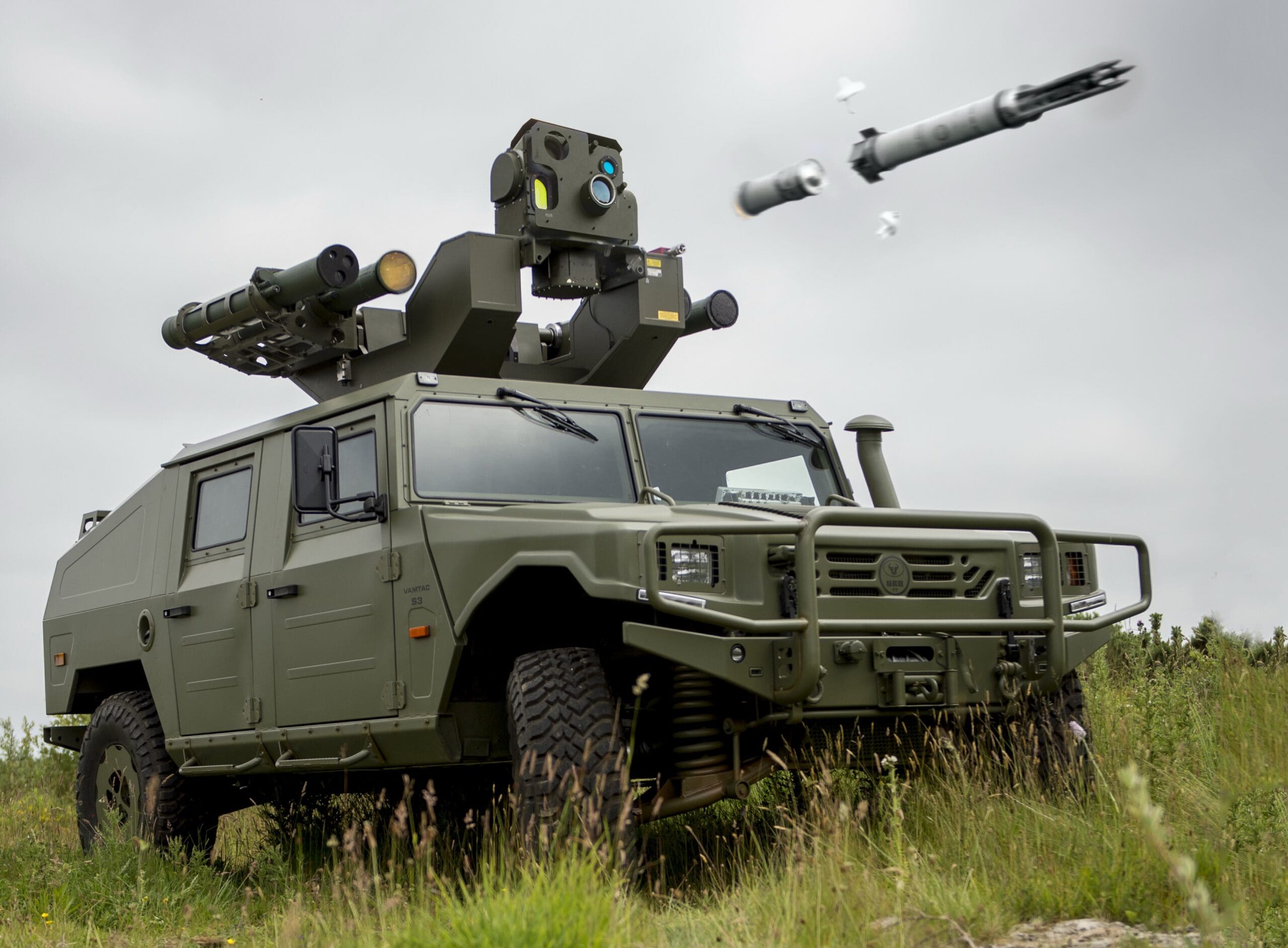
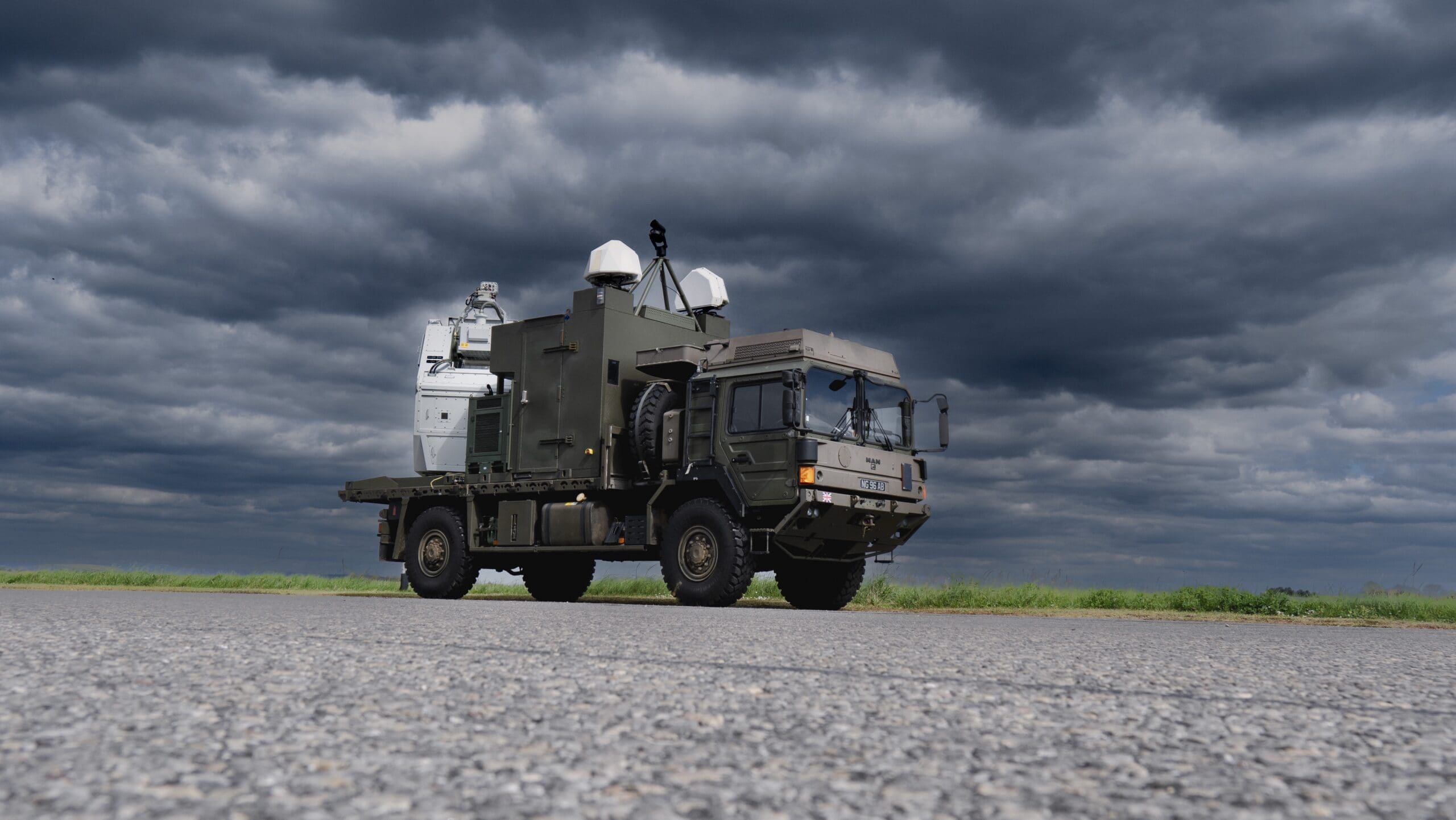
Thales RapidRanger – a modular integrated mobile weapon system – firing StarStreak

On Ukraine’s front lines, a small robot trawls through the dark, laden with supplies. Against long odds, this Uncrewed Ground Vehicle delivers a lifeline to the warfighter who depends on it. Whether platforms can go the distance and deliver the required effect is increasingly defined by the mission systems they’re equipped with – the sensor suites, autonomy modules and C4ISR capabilities that turn a technological edge into an advantage.

As Human Autonomy Teams go, this serves as just one discrete example among many. Platforms, of course, predominate. However, their ability to achieve the desired results increasingly depends on the mission systems they are equipped with, which transform technological superiority into a competitive advantage.

Mission systems: the ‘secret sauce’ behind a platform’s value and lethality

As the Minister of State for the Armed Forces warned of the “shadow of war knocking on Europe’s door”, UK MoD is shifting gears to meet an urgent, unerring need: to keep its armed forces agile enough to stay ahead of the threat and lethal enough to deter it altogether. The role of platforms in meeting this need is not in doubt. But if they are doing the heavy lifting, then it is the mission systems on top that fine-tune the solution.

One only has to consider the £1bn earmarked for the Digital Targeting Web, described by General Sir Jim Hockenhull as bringing “a step change in lethality”, to get an idea of what that solution could look like: an interconnected network of AI-enabled sensors, deciders and effectors to help British Army operators, in the context of Project ASGARD, see first and strike fast.

The timing of the Army’s new framing as a ‘20-40-40’ force is not a coincidence. On paper, 20% of its combat capability will come from technologically advanced, high-spec “survivable platforms”. In practice, these platforms – and their operators – will be able to punch above their weight.

Behind all the speeches, strategies and initiatives is an unequivocally clear desired strategic end state. The British Army must become – and must remain – a protected, connected, digitally-enabled and absolutely lethal force.

Augmenting the platform to enhance the operator

If the ‘ends’ have been well-defined, then the ‘ways and means’ are increasingly delivered by mission systems that can make operators safer, more decisive, more dangerous and more situationally aware beyond the metal hull.

“Take the TrueHunter gimbal sight. Its ability to identify and track targets on the move – and at increased range – helps commanders and gunners deftly coordinate and execute recce-strike operations, enabled by a seamless handover of targets.

“Combine this with the RS4 stabilised weapons system, TrueGuardian Threat Detection and Thales’ DigitalCrew, and hunter-killer teams become – like the platforms they operate – far greater than the sum of the parts: a network of organic and synthetic eyes, ears and instinct to deliver tactical advantage,” says Jonathan, Head of Land Sales at Thales.

DigitalCrew™, a domain, platform and sensor-agnostic suite of algorithms, assists soldiers in armoured vehicles. It enhances and augments what they ‘see’ through sensors and alerts them to what is different, dangerous, or of interest.

Such a reality is neither remote nor unattainable. GVA-compliant platforms like the Hippo Multipower Raptor UGV – designed to UK MoD open-architecture standards that allow rapid integration and upgrade of mission systems – are rolling out of the lab, off the production line and on to where they are needed most.

Rigorous experimentation for real-world implementation

Similarly, initiatives like the Land Digital Robotics and Autonomous Systems Integration Capability (L-DRIC), a DSTL-funded programme, are acting both as vanguard and testbed for this sort of capability. The aim is to give operators the means of sensing the battlefield without stepping foot or training eyes on it. From a technical perspective, this involves beyond visual line of sight operation of multiple uncrewed ground and air systems from a crewed platform that’s positioned away from the immediate action.

“Working alongside DSTL, Catalyst and Digital Concepts Engineering, Thales developed trials for L-DRIC during which a single operator controlled three uncrewed vehicles – including Raptor – demonstrating how robotic and autonomous systems (RAS) can be integrated with crewed command vehicles through a unified digital system,” says Jonathan.

Although three uncrewed vehicles were used in the recent trials, this is by no means the limit of the capability. It would be possible to also include fixed winged capability as L-DRIC emulates a combat platform system with full UK DEF STAN 23-009 GVA installation. With sufficient processing power, the digital twin eco-system could incorporate a whole battlegroup simulation that could be rapidly configured down to individual sensor and effector levels. The extension of GVA electronic architecture into RAS force integration has been critical to enabling the rapid sharing of information across the whole eco-system.

This is a UK first. It will not be the last. The physical platforms and systems involved in L-DRIC were digitally twinned, allowing for rapid testing and scaling of new and existing capabilities in a virtual environment without the effort, cost and risk of buying hardware and conducting physical trials.

The lessons learned and successes earned from L-DRIC can be laced through wider defence business: how to pull a TRL-6 capability through to fieldable product at speed; how to help MOD make the most of its existing investments; and how to keep operators lethal without making them targets.

The procurement imperative: investing in software-enhanced mission systems

With every passing week comes new peril, a stark warning, a technology turned on – then turned on the West. Threats proliferate and cross-pollinate across domains. Any advantage gained by either side is slim and fleeting. This is neither new nor news; the nature of war remains unchanged just as its character can become unrecognisable in months.

When it comes to armoured mobility, heavy metal might be enough to make do but it is not enough to make better. The platforms exist – and where they don’t, the programmes to replace them do. As the shadow of war starts knocking louder and louder, what is needed are three distinct but complementary things:

  • a focus on rapidly upgradable, spirally-developed mission systems;
  • a network of highly qualified, high-quality SMEs to design, develop and deliver the systems, and
  • integrators who can ensure these systems all contribute to a faster, tighter and more lethal sensor-to-shooter chain.

For these to work – and work well – we need common standards, open architectures and a platform-agnostic approach to sensors, data fusion and effectors. Technologically, we are already there. Technically, we are not far behind. But if the UK is to meet its aggressive lethality goals, then procurement and upgrade strategy must recognise that money is best spent on the software-enhanced mission systems that turn platforms into force multipliers.

Thales RapidDestroyer – Radio Frequency Directed Energy Weapons (RFDEW)

Italian Army’s A2CS Programme Kicks Off – First Four New Infantry Fighting Vehicles Delivered by LRMV Joint Venture

Thursday, January 29th, 2026

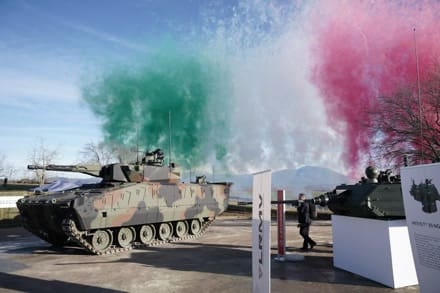
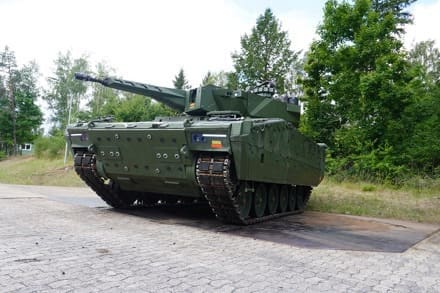
Rome, 27/01/2026 – Today, at the Italian Army Multifuncional Experimentation Center (Ce.Poli.Spe) in Montelibretti, the Leonardo Rheinmetall Military Vehicles (LRMV) Joint Venture delivered to the Armed Forces the first four Lynx KF-41 infantry fighting vehicles. This first delivery marks the official launch of the “A2CS” (Army Armoured Combat Systems) programme, for which an initial contract for the acquisition of 21 new “A2CS Combat” vehicles was signed at the end of last    year.
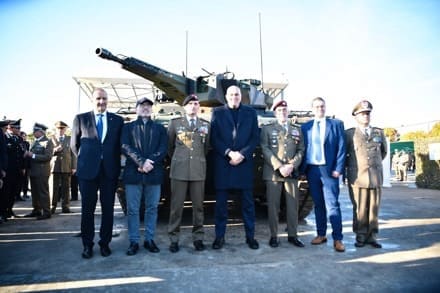
The ceremony was held in the presence of the Minister of Defence, Guido Crosetto, the Chief of Staff of the Italian Army, General Carmine Masiello, the Chief Executive Officer of Leonardo, Roberto Cingolani, and Dr. Björn Bernhard, Head of Rheinmetall’s Vehicle System Division Europe. Also present were the CEO, Laurent Sissmann and the Executive Chairman of the Joint Venture, David Hoeder.

The Minister of Defence, Guido Crosetto, stated: “The international scenario requires a constantly evolving Defence, capable of ensuring the security of the country and safeguarding national interests. This calls for a modern, flexible and credible model, based on high levels of operational readiness, qualified personnel and advanced technological capabilities. Within this framework comes the delivery of the Lynx armored vehicle, the result of Italian-German industrial cooperation, to the Italian Army, aimed at strengthening land systems through the introduction of state-of-the-art platforms. In this process, the Army’s Multifunctional Testing Center (CEPOLISPE) plays a central role, ensuring the testing and technical evaluation of vehicles, equipment and weapon systems to determine their suitability for operational use.”

 “The Army has a clear direction and well-defined requirements for the new vehicles to accelerate the ‘mechanization’ path of the Armed Force, which concretely begins today. After 30 years in which the Italian soldier has demonstrated courage, commitment, determination and professionalism in peace support operations — to the point of coining the ‘Italian Way’ of peacekeeping — we have no doubts about their capabilities. They will be able to operate at their best if equipped with technology that meets the challenges ahead: this vehicle will radically change the way the Army fights”, stated the Chief of Staff of the Italian Army, Gen. C.A. Carmine Masiello, at the presentation of the A2CS “Lynx”.


Roberto Cingolani, Chief Executive Officer and General Manager of Leonardo, stated:
“The start of deliveries of the new armoured vehicles represents an important milestone in the programme we are carrying out with the Italian Army. The international alliance between Leonardo and Rheinmetall continues to stand as a key reference point for strengthening national defence and for the development of a solid, integrated and competitive European industrial base. This is a commitment we consider essential to ensuring national and European security and strategic autonomy.”

Armin Papperger, Rheinmetall Chief Executive Officer said: “With the handover of the first armoured vehicles to the Italian armed forces, we are opening a new chapter in the success story of the Lynx vehicle family. As a next-generation combat vehicle, Lynx not only sets standards in terms of versatility, protection, effectiveness, scalability and future-proofing, but also in terms of enhanced European armaments cooperation.”

The Lynx platform is capable of fulfilling multiple roles, including infantry fighting vehicle, troop transport, mobile command post and ambulance. The 4 vehicles delivered today complement Rheinmetall’s Lance 30mm turret, which will later be replaced by Leonardo’s Hitfist 30mm turret. The latter will equip all the other 16 armoured vehicles of this contract.

The A2CS programme – Army Armoured Combat System, originally named AICS – Armoured Infantry Combat System together with the new Main Battle Tank programme will renew the Italian Army’s heavy vehicle fleet , providing cutting edge technology, characterised by high levels of digitalisation and connectivity, and capable of operating within the most complex multidomain contexts. This will also provide an opportunity for the renewal of the armoured fleets of international partners.

NP Aerospace Enters Full Rate Production with Their Toyota Land Cruiser LC300 Armoured Vehicle

Tuesday, January 20th, 2026

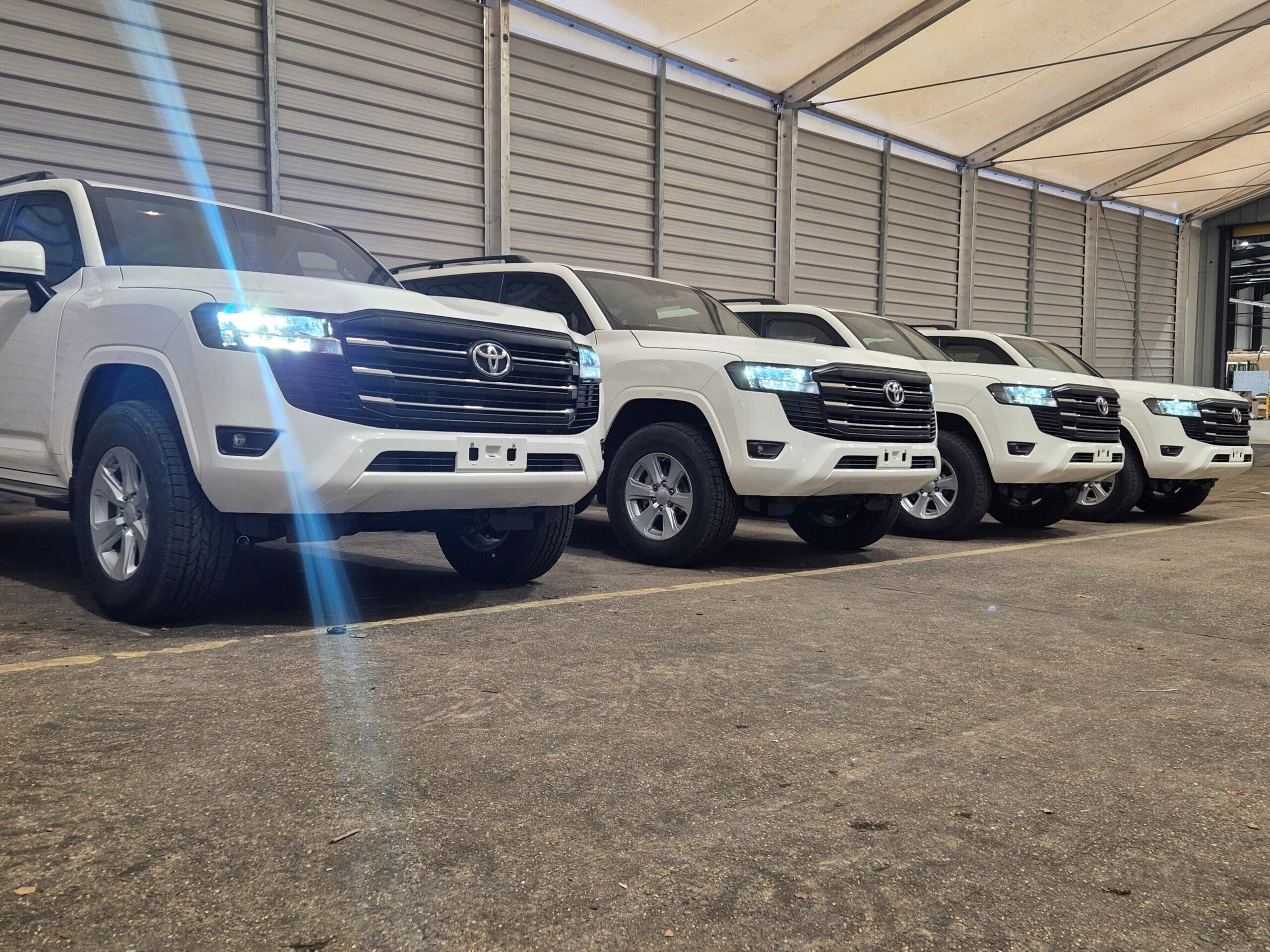
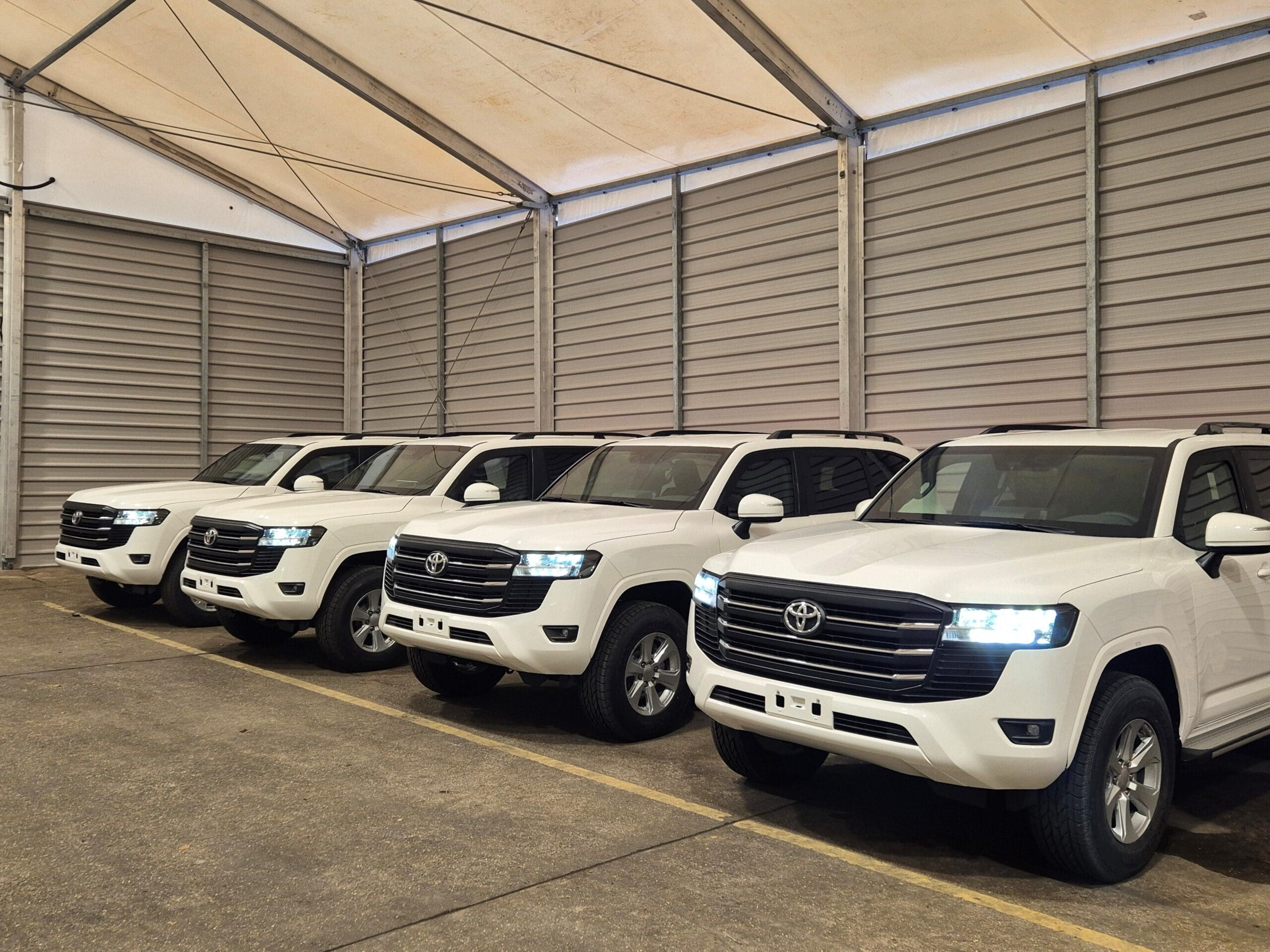
NP Aerospace enters full rate production with their Toyota Land Cruiser LC300 armoured vehicle

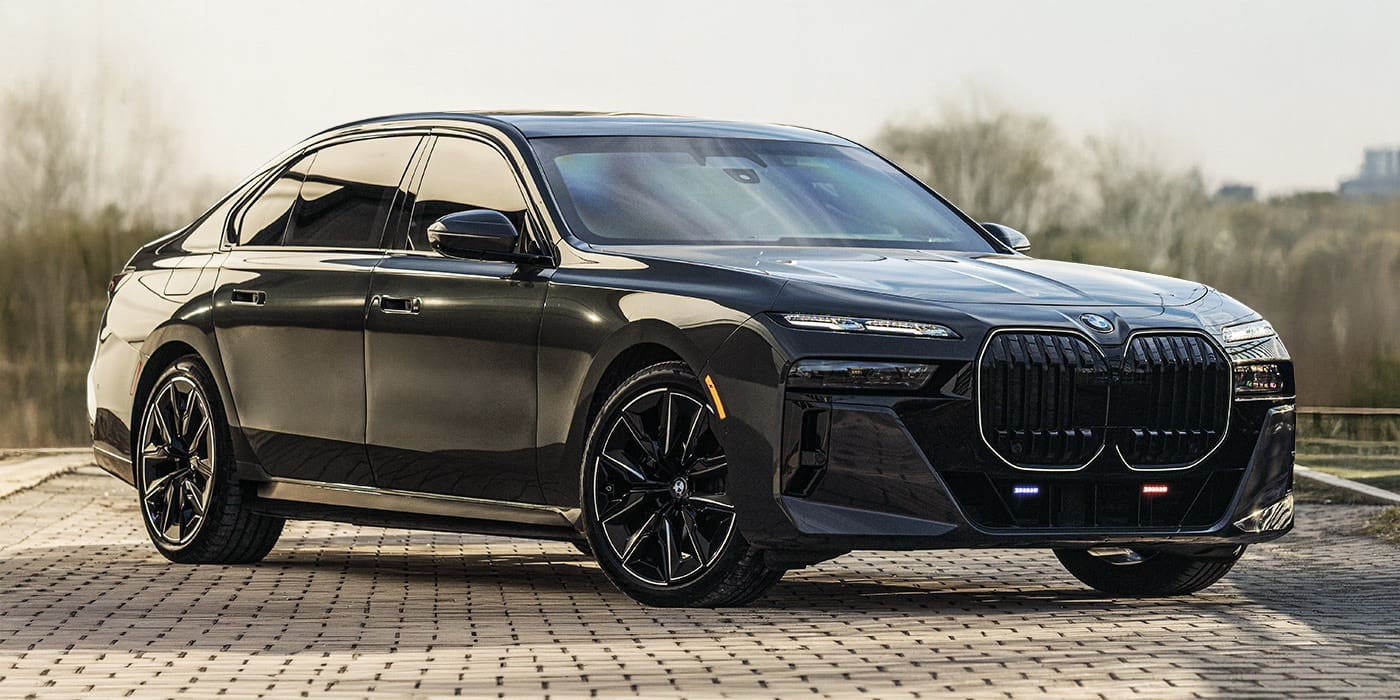
NP Aerospace, the global vehicle integrator and armour manufacturer, has announced the entry into full rate production, with their upgraded armoured Toyota Land Cruiser LC300 vehicle. NP Aerospace acquired the IP for this product, along with certain other assets of Jankel Armouring Limited from Administration, in 2024. Since then, NP Aerospace has applied their acclaimed vehicle engineering and integration, production and supply chain skill sets to this vehicle to reach this important production milestone.

In October 2025 NP Aerospace launched their LC300 product as a significantly refined and upgraded NP Aerospace platform and having recently completed Low Rate Initial Production (LRIP) they are entering their full rate programme, from January 2026. With the current contracted orders and the future product sales pipeline, NP Aerospace are expecting to produce over 100 LC300 vehicles over the next 12-18 months. This announcement coincides with the International Armoured Vehicles (IAV) Conference taking place in Farnborough, 20-22 January 26, where NP Aerospace will have a team in attendance.

Delivering unprecedented levels of protection, functionality and reliability based upon many years of user feedback, the NP Aerospace LC300 is being sought after and contracted by a multitude of global defence ministries and Non-Government Organisations (NGO’s). Having qualified the LC300 to the latest Edition 3 of the international VPAM BRV and ERV (VR7) standards as well as PAS 300 ballistic and blast and PAS 301 vehicle performance criteria, NP Aerospace has ensured the platform provides optimum protection and remains road-legal for NATO and European-based NGO customers, maximising the export potential to wider international user groups. The vehicle was the very first to be certified to VPAM VR7 BRV and ERV with a 2m side blast with a third row of seats in accordance with Edition 3 which uses biofidelic dummies, to understand the true impacts to the vehicle occupants.

As well as entire armoured vehicle products, such as the LC300, add-on or “applique” armour systems is a service provided by NP Aerospace. Integrated add-on armour systems include: internal spall liners; external applique; and seating systems to counter a range of ballistic and blast threats. NP’s survivability services are cross-OEM and global, ranging from Civilian Armoured Vehicles (CAVs) through logistic and utility vehicles to full armoured fighting systems.

NP Aerospace has been selected as the armouring partner by a number of OEM prime contractors, globally, to design and deliver such add-on systems. In May 2025, NPA announced a contract for Armoured Personnel Transport Modules (APTM) being delivered, through Marshall Canada, to the Power Team for the Canadian LVM programme -Canada’s solution for logistic vehicle procurement. There is another significant vehicle armour contract due to be announced imminently – further underlining NP’s position as the survivability partner of choice.

David Petheram, MD & SVP, NP Aerospace Vehicle Systems, Services and Spares said: “we’ve worked very hard to ensure our newly upgraded armoured LC300 is suitably prepared in all regards to enter full rate production this month. Specifically, our integration, production and supply chain skill sets have been applied to this project to optimise the benefits to the procurer, the fleet manager and the user. What we now have is an excellent platform when viewed from all perspectives and we’re pleased to be able to offer it to global markets. The Civilian Armoured Vehicle (CAV) market offers great growth potential and is a significant area of focus for us as we continue to expand our team.”

Rheinmetall to Supply Lynx to Ukraine – Order Value for the First Batch in the Mid Double-Digit Million Euro Range

Wednesday, January 14th, 2026

Rheinmetall is supplying Ukraine with additional systems for national defence. The country is set to receive its first Lynx KF41 infantry fighting vehicles as early as the beginning of 2026. A contract to this effect was signed in December 2025. The order value for the first five combat vehicles is in the mid double-digit million euro range, with the systems being financed by the Federal Republic of Germany.

The decision in favour of the Lynx KF41 was made after extensive testing of the next-generation infantry fighting vehicle (IFV). The IFVs will feature the two-man Lance turret and be configured specifically for the Ukraine’s armed forces. The next step is to procure additional batches, including production in Ukraine. 

‘We are grateful for the trust that Ukraine has placed in us,’ said Armin Papperger, CEO of Rheinmetall AG. ‘We would also like to thank the German government for its support. This order is a fundamental success that underscores our continued efforts to support Ukraine.’

The Lynx KF41 combat vehicle family has been developed to meet current and future requirements. The Lynx KF41 stands for maximum modularity. Thanks to its open electronic architecture and the largest protected interior volume in its class, the vehicle offers exceptional growth potential for future technologies and mission profiles. With a scalable weight concept, a highly efficient drive system and state-of-the-art protection technology, it combines mobility with maximum safety. At the same time, the Lynx impresses with its high level of ergonomics for the crew, which enables efficient and comfortable operation even during long missions.

Rheinmetall to Supply Nine State-of-the-Art Puma Training Simulators to the Bundeswehr – Order Value €118.5 Million

Monday, January 12th, 2026

Germany’s armoured infantry will soon receive nine training systems for firing and combat training (AGSP in German) for the Puma Infantry Fighting Vehicle (IFV). The Federal Office of Bundeswehr Equipment, Information Technology and In-Service Support (BAAINBw) has awarded a corresponding delivery contract to Projekt System & Management GmbH (PSM), a joint venture between KNDS Germany and Rheinmetall, on 19 December 2025. The total gross volume of the procurement is €119.5 million, of which €118.5 million are assigned to Rheinmetall. Rheinmetall Electronics GmbH is playing a key role as subcontractor in the project. The first firing and combat training devices are scheduled for delivery in mid-2027. Additionally, the existing AGSP development model will be upgraded to the new series standard, and transportion containers will be provided for all systems.

Rheinmetall developed the AGSP as a completely new training system for mechanised infantry forces. In September of 2025, the Office for Army Development declared its readiness to take-over the new AGSP training system.

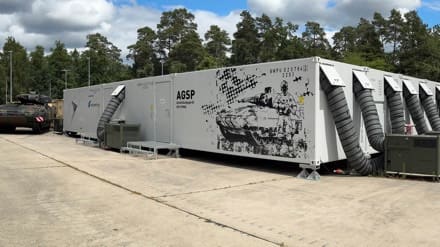
The AGSP is a highly realistic simulator that recreates the battlefield experience for armoured infantry platoons. Its precise replication of key elements, such as vehicle logic, ballistics, haptics and aiming behaviour, enables highly realistic training in line with the ‘train as you fight’ concept.

Each system consists of a control, evaluation and monitoring station (LAKS in German) as well as of four authentically replicated vehicle cabins, which are housed in twelve 20ft containers. The facility is fully relocatable. Its modular architecture allows for maximum flexibility: all central components, such as server racks and driver cabins, are mounted on rail systems and can be easily replaced or updated as required. Maintenance and repair work have also been greatly simplified, as central systems are now accessible from the outside. This eliminates the need for costly return to the plant as well as downtime and logistical effort.

The AGSP provides comprehensive tactical training for armoured infantry troops without having to move an IFV, thereby making a significant contribution to the training of additional armoured infantry soldiers in less time and with less effort on the PUMA IFV. The AGSP has been designed to enable networking with another AGSP. This allows armoured infantry troops to train simultaneously with two AGSPs, i.e. two platoons of PUMA IFVs, or even to incorporate a compatible simulator for main battle tanks into their training. This allows armoured infantry troops to exercise mutually with main battle tanks at company level.

Reinforcement of the Bundeswehr’s Puma Fleet: Rheinmetall and KNDS Deutschland to Supply 200 Infantry Fighting Vehicles to the German Army – Contract Value Around €4.2 Billion

Monday, December 22nd, 2025

It has commissioned Projekt System & Management GmbH (PSM), a joint venture between Rheinmetall and KNDS Deutschland (KNDS), to supply 200 Puma Infantry Fighting Vehicles (IFVs). The corresponding amendment to the existing framework contract has now been signed at the Federal Office for Equipment, Information Technology and In-Service Support of the Bundeswehr (BAAINBw) in Koblenz. The contract will take legal effect in January 2026. The total gross volume of the procurement is €4,2 billion gross of which KNDS will receive €2.1 billion and €2.1 billion will go to the Rheinmetall subsidiary Rheinmetall Landsysteme GmbH. Both companies are implementing the project as subcontractors. The first vehicles are scheduled for delivery in mid-2028. 

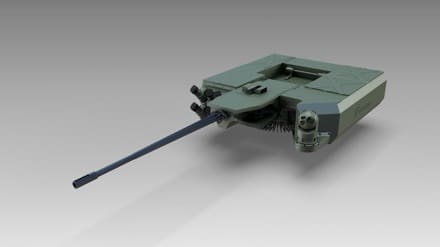
In May 2023, the BAAINBw awarded PSM GmbH a framework contract for the delivery of the Puma IFVs, with an initial order for the first 50 vehicles upon signing the contract. This contract has now been enlarged. In addition to the 200 combat vehicles ordered to date, the contract also includes the procurement of corresponding protection modules and storage containers. Furthermore, a contract amendment for the S2 construction status is planned for mid-2026. The aim is to eliminate obsolescence and implement additional capabilities such as drone defence, based on the turret of the Jackal armoured vehicle. 

 The Puma IFV is the primary weapon system of the German armoured infantry and is one of the world’s most powerful and modern systems of its kind. It can accommodate a crew of nine, including the commander, the gunner and the driver, as well as a unit of six soldiers. In addition to its highly effective modular protection, the Puma has a unique level of assertiveness and the capability to be deployed in networked operations. 

Between 2023 and 2024, the BAAINBw commissioned the comprehensive modernisation of 297 Puma IFVs from the Bundeswehr’s stocks that do not yet comply with the S1 series standard. The retrofit, which will be completed in 2029, includes the integration of high-resolution day and night vision camera systems, the multi-role light guided missile system (MELLS in German) and the integration of digital radio equipment. 

First European RIPSAW M3 Robotic Ground Vehicle Sold To Sweden

Friday, December 5th, 2025

HUNT VALLEY, Md., Dec. 2, 2025 – Textron Systems Corporation, a Textron Inc. (NYSE:TXT) company, and its subsidiary Howe & Howe, announced today a sale of the RIPSAW® M3 robotic ground vehicle to the government of Sweden, the product’s first European customer. The M3 is part of Textron Systems’ RIPSAW family of vehicles, designed as a rugged and reliable robotic ground vehicle that leverages a Modular Open System Approach (MOSA) to simplify integration of new payloads, controllers and autonomy suites.

Building on its reputation as a global leader in uncrewed, robotic and autonomous vehicles for land, air and sea, Textron Systems continues to invest in the design and maturation of a highly scalable, configurable family of robotic ground vehicles that deliver exceptional transportability, mission flexibility and battlefield agility. The RIPSAW M3 provides confidence to the warfighter with a powerful hybrid-electric powertrain, high ground clearance, and composite rubber track system, providing unmatched mobility in offroad, operationally relevant environments, with over 180 miles of range.

“The RIPSAW M3 is ideally suited for operations in the region because of its high performance in challenging climates and terrains,” said Vice President of Programs, Sara Willett. “Textron Systems is excited to be a trusted partner to European customers and remains focused on investing in trusted robotic platforms that enhance user safety and mission success.”

Backed by decades of proven performance and more than three million operational hours of uncrewed experience across air, land and maritime domains, Textron Systems continues to leverage its expertise to meet the demands of modern warfare.

Leonardo and Rheinmetall: First Contract to Supply Armoured Vehicles for the Italian Army

Thursday, November 6th, 2025

The temporary grouping of companies Leonardo and Rheinmentall, as part of the Leonardo Rheinmetall Military Vehicles Joint Venture (50% Leonardo and 50% Rheinmetall AG), was awarded the first supply contract for 21 vehicles “A2CS Combat” for the Italian Army. The delivery of the first vehicle is expected by the end of 2025.

David Hoeder, Executive Chairman of JV Leonardo Rheinmetall Military Vehicles: “This first joint order following the decision to establish a joint venture between Rheinmetall and Leonardo is an important milestone. It brings the two companies, as well as two of Europe’s largest countries closer together. Cooperation is not optional anymore – it is the very essence of our European strategic sovereignity.”

Laurent Sissmann, CEO of JV Leonardo Rheinmetall Military Vehicles, stated: “We are pleased to announce this first step of the industrial synergy between Leonardo and Rheinmetall. We will work side by side to provide cutting-edge armoured vehicles, able to operate in modern operational scenarios.”

Leonardo and Rheinmetall will supply 21 tracked armoured vehicles for the Italian Army, 5 of which are Rheinmetall’s Lynx KF-41 with the Lance turret followed by 16 newly configured vehicles equipped with the same chassis and Leonardo’s Hitfist 30mm turret. The agreement also includes upgrading the whole fleet to the latter configuration, as well as including an additional 30 optional vehicles, and training and simulation systems to better train crews. These are fully digitalized latest generation vehicles based on merger of the best technologies on the market and capable of acting interoperably in a multi-domain context.

The supply falls within the scope of the A2CS – Army Armoured Combat System programme, originally called AICS – Armoured Infantry Combat System, which involves the total acquisition of 1.050 armoured combat vehicles and which, together with the Main Battle Tank programme, will renew Italian Army’s heavy vehicles fleet.