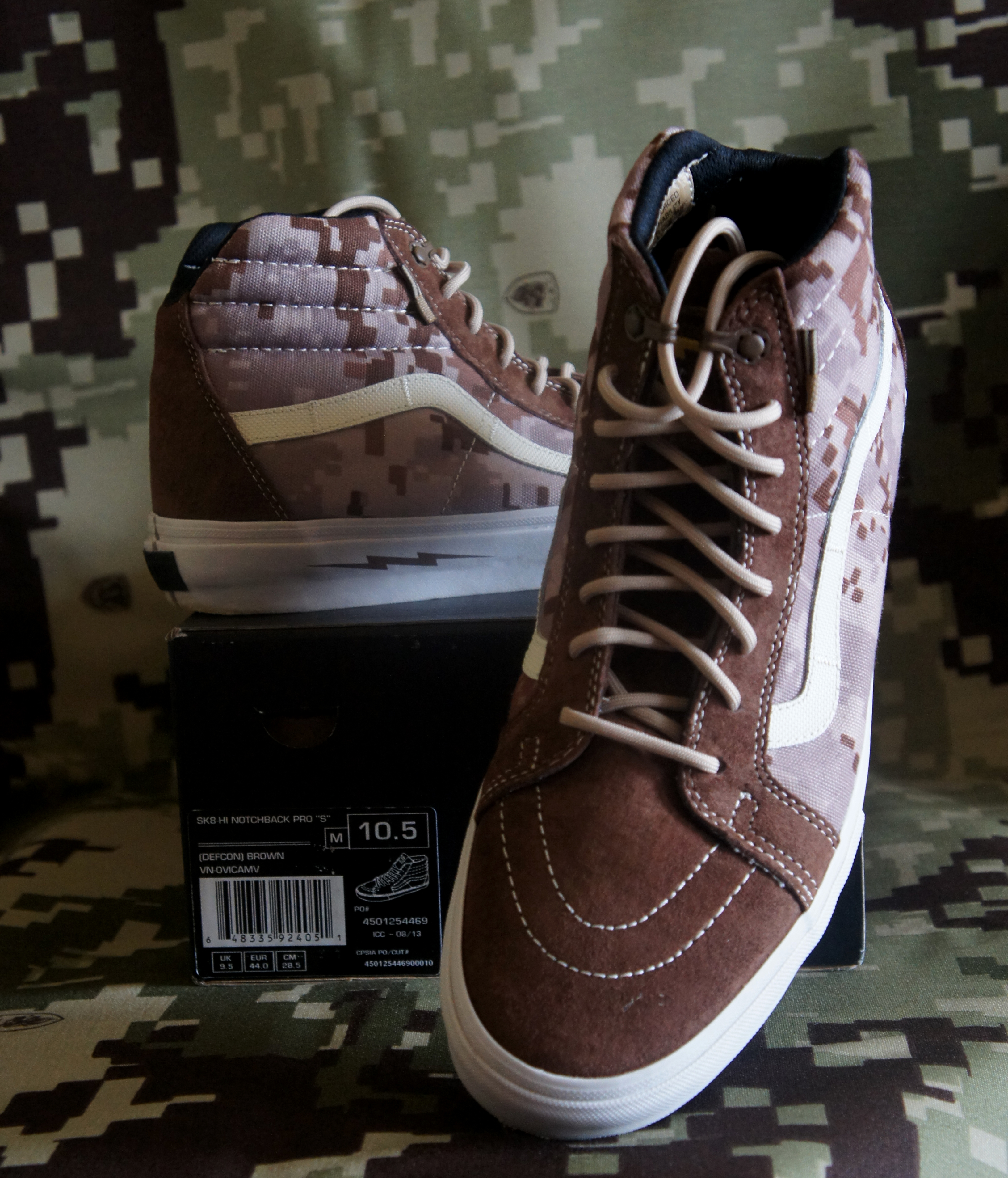
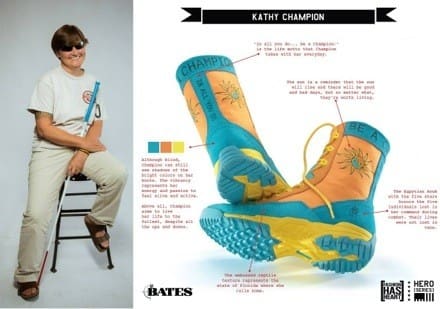
This photo popped up on Facebook last week and a great deal of commenters on the post were ill informed. It wasn’t necessarily that they didn’t know what they were in theory, it was that they didn’t know that this tread pattern was at one point used on issue boots as well as other inaccuracies.

Because so few of currently serving troops have ever worn the “Boot, Combat, Tropical, Mildew Resistant” we are going to fill in some blanks.

Often referred to by collectors as the “Okinawa” boot, these were produced in the 1950s. They are a modification of the WWII 2-buckle boots with canvas uppers. The soles were stitched unto the upper and were worn early in the Viet Nam conflict by advisors deployed from Oki.

In 1965, the company Ro-Search (Wellco) was awarded the first jungle boot contract, producing up to 5000 pairs a day and licensed the Direct Molded Sole technology to 11 other companies. From this point on, Jungle Boots featured a DMS sole although the sole pattern would shift from a Vibram style to the Panama tread which was intended to release mud. At the same time, a metal spike protective plate was integrated into the footbed to protect Soldiers from Punji stakes used by the Viet Cong.

For more info on VN-era jungle boots, which went through a bit of an evolution, visit www.mooremilitaria.com/reference. This style of Jungle Boot continued to be issued through the mid-90s.

The original Desert Combat Boot was a tan, rough out leather version of the Jungle Boot with an improved variant introduced after Operation Desert Storm. Changes included a padded collar and leather ankle reinforcements replacing the webbing along with a Poron insole. Later, these same changes were cut into the Jungle boot along with a color change from Green canvas uppers to Black Cordura to be more like the issue leather boot.

Despite being a CTA 50-900 item, Jungle Boots were unit issue and could not be worn everywhere. For example, during the late 1980s they could not be worn in Germany due to the climate. Although, interestingly enough, the US Jungle Boot was often issued to allied forces such as the British for use in jungle operations.

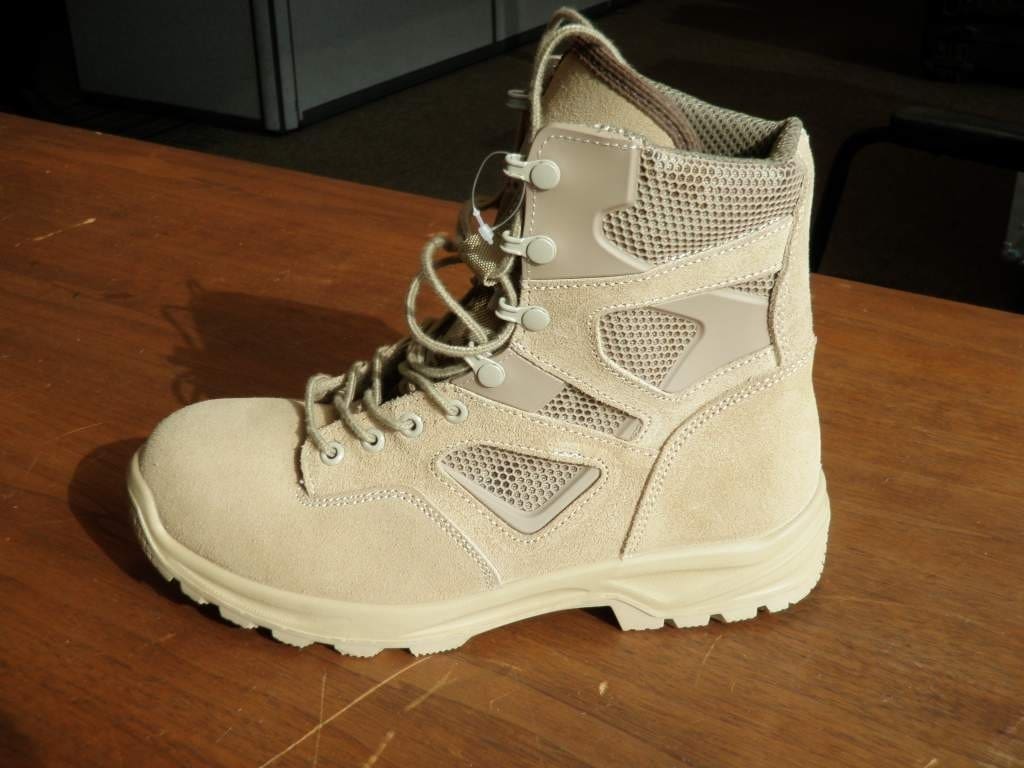
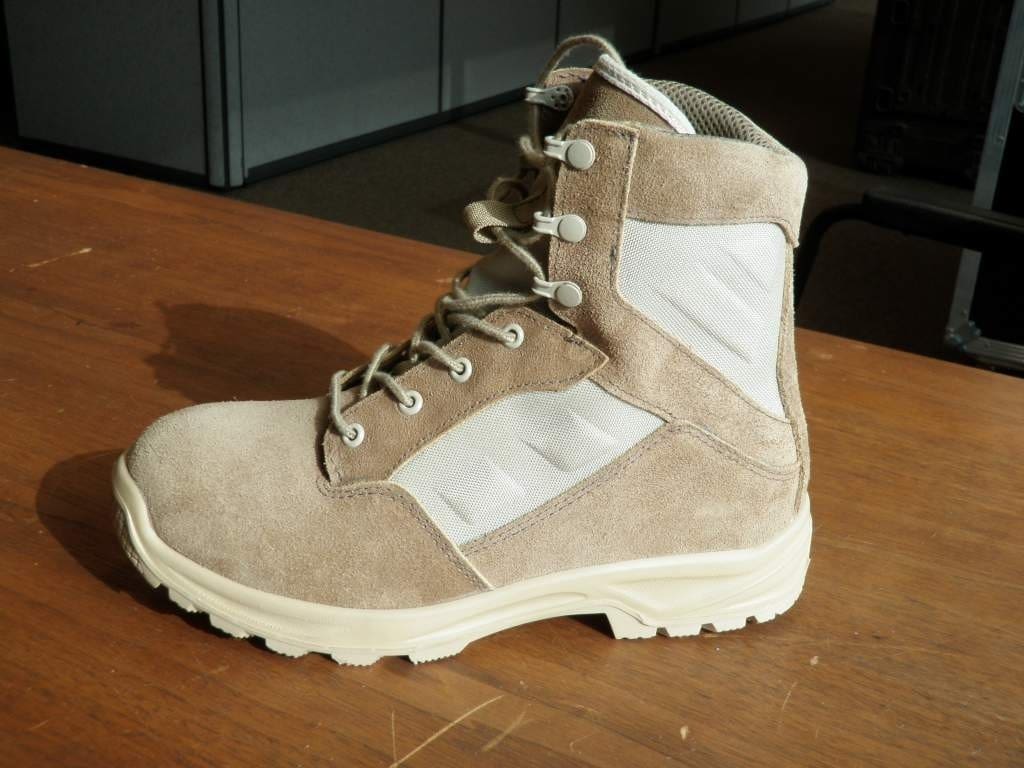
All along, there have been cheap, knockoff boots. Naturally, some guys would rather buy beer than reliable boots. They generally were easy to spot due to their off color and cheap materials. Additionally, these commercial models above, featuring South Korean camouflage uppers were quite common in the 90s on the surplus market.

Several years ago, OTB Boots (now New Balance) introduced a modern jungle boot (above) that is no longer available and Rocky just released their variant (below).

Today, there is no requirement for a tropical boot despite DoD’s shift in attention to the Pacific theater although certain units are interfacing with industry.
-Eric Graves
A lifelong shooter and outdoorsman, Eric is retired from the US Air Force and also served in the US Army. After retiring from military service Eric also worked in industry and has served as the Editor of Soldier Systems Daily since launching the site in May of 2008.