

Lynnwood, WA. – SOG® Specialty Knives and Tools has announced the release of their new line of SOG Packs. A family of six bags ranging in size from a daily sling pack to a full-sized duffel, the SOG Packs break the mold on conventional tactical bags; bringing a line that serve every user ready for outdoor adventures or daily carry.
Not only do the new SOG packs offer typical functions like hydration sleeves, MOLLE attachment points, and durable fabrics, but also premium features such as Hypalon MOLLE fields, Quad-Zip full access compartments, integrated long item carriers, and suspension systems. Contemporary use of tactical packs calls for the need of added comfort, versatility, and durability – SOG packs deliver on all these benefits and more, all while maintaining a sleek unassuming look.
The versatility of the packs offers something for everyone. For longer expeditions, the adaptable Seraphim 35L or Prophet 33L can house all your gear without sacrificing mobility and comfort. For outings shorter than that, the Scout 24L can handle anything for an overnight or day trip while the Ranger 12L makes a great companion for quick escapes.
Modern urban warriors will find that the TOC 20L or EVAC 18L sling can easily organize their daily carry. Whether heading out for a multi-day excursion or a quick morning errand, there is a SOG pack for your needs.
SERAPHIM 35L

The SOG Seraphim is designed to be the pack that does it all by carrying everything in its 35L main compartment. Equipped with shock cord tie downs, any additional equipment can be cinched to the outside of the bag, attached to the Hypalon MOLLE field, or strapped inside the fold-down panel. In addition, the unique integrated long item carry caters to the adventurer who’s travels require an axe, fishing rod, bow, or rifle. The combination of these external features, along with the pack’s internal organizing components, make it one of the best and versatile 35L packs on the market.
PROPHET 33L
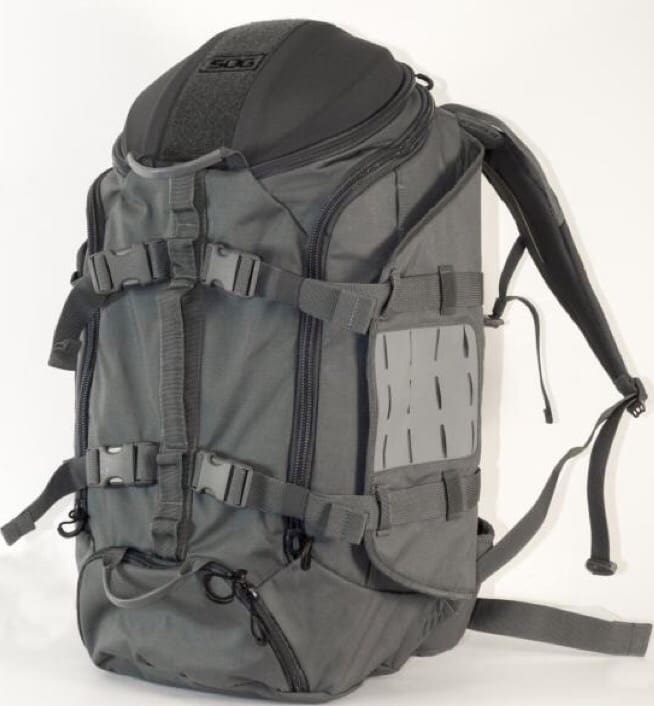
For a pack, the SOG Prophet is one that is adaptable to any purpose. This 33L pack goes from backpack to duffle bag in a snap by stowing the quick-release shoulder straps and hip belt out of the way. Each side of the pack houses lash points for long item carry, compression flaps for keeping the weight of the pack closer to the carrier, and Hypalon MOLLE fields for more external attachment points for extra gear. Accessing the inside main compartment via the Quad-Zip means the once arduous process of finding gear from the bottom of the pack, now doesn’t require unpacking everything on top of it. This pack’s ease of use and functionality make it one of the most versatile packs available.
SCOUT 24L
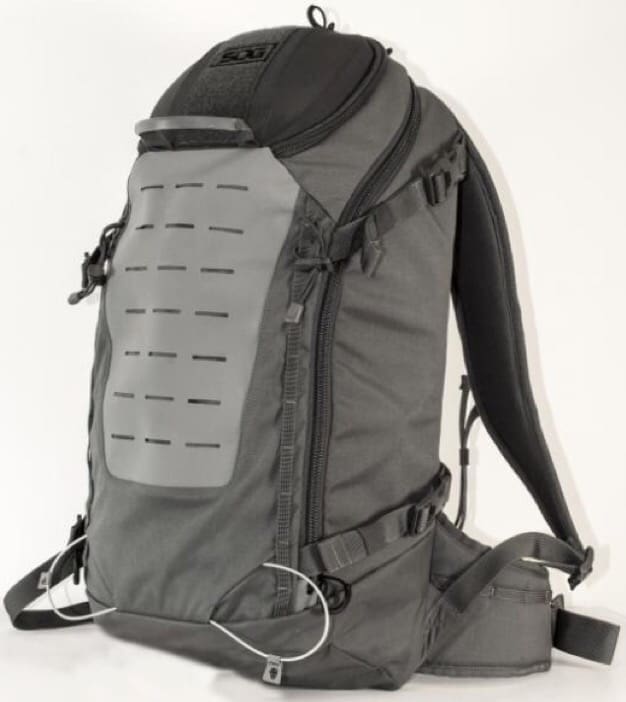
The SOG Scout brings way more to the table than any other 24L pack in the game. The panel loading main compartment comes fully equipped with multiple interior pockets, a padded laptop sleeve, hydration carry and MOLLE loop field. Accessing the main compartment through the Quad-Zip allows for you to find your gear from the bottom of the pack without unpacking everything on top of it. Any extra gear can be cinched to the pack’s side compression straps, attached to the Hypalon MOLLE field, or held on by the Scout’s unique wire long item carry. The top molded panel allows quick access to smaller items, such as sunglasses or phones. Due to the suspension, a fully loaded pack can be carried comfortably whether going for two or twenty miles.
TOC 20L
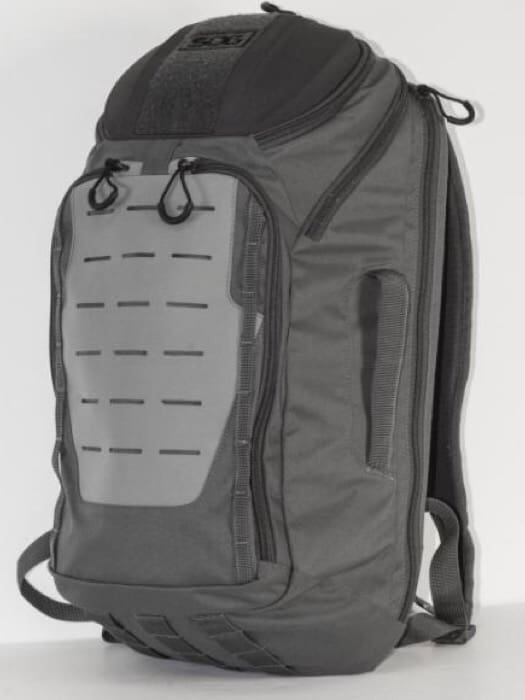
The SOG TOC is the ultimate 20L daypack for the urban warrior or forest adventurer. Its light overall weight makes it easy to carry; and the quick- adjust shoulder straps, padded hip belt and rigid suspension keep it comfortable all day long. As the “Tactical Operating Center,” this pack houses plenty of options for storage and organization: the main compartment has multiple interior zippered pockets and small sleeves, the molded top contains a small organizing system for quick access items, two side access pockets live on the front of the pack, and a pass-through side access laptop compartment keeps your notebook safe. Whether you are hopping on the subway or jumping over creeks, the TOC makes a great companion for the modern user all day.
RANGER 12L
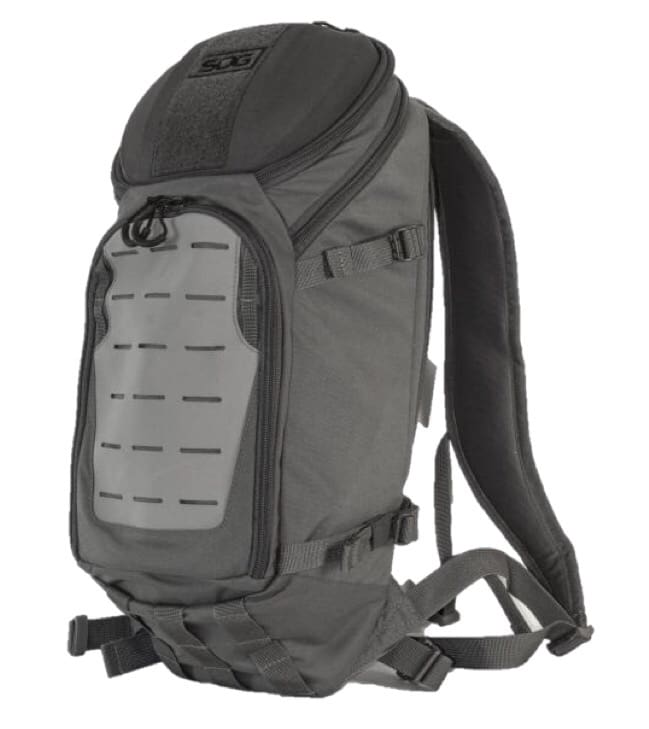
The SOG Ranger is no stranger to a trip scouting new trails or a day hike in the local mountains. It’s fast and light, and the quick-adjust shoulder straps, hip belt, and sheet suspension keep it comfortable all day. This pack houses plenty of options for storage and organization: the main compartment has an interior zippered pocket and a padded tablet sleeve, the molded top contains a small organizing system for quick access items, the front organizer pocket with more interior sleeves, and an hydration carry to keep you hydrated. Any extra gear can be cinched to the pack’s side compression straps or attached to the Hypalon MOLLE field. For quick excursions, this 12L pack carries everything you need.
EVAC SLING 18L
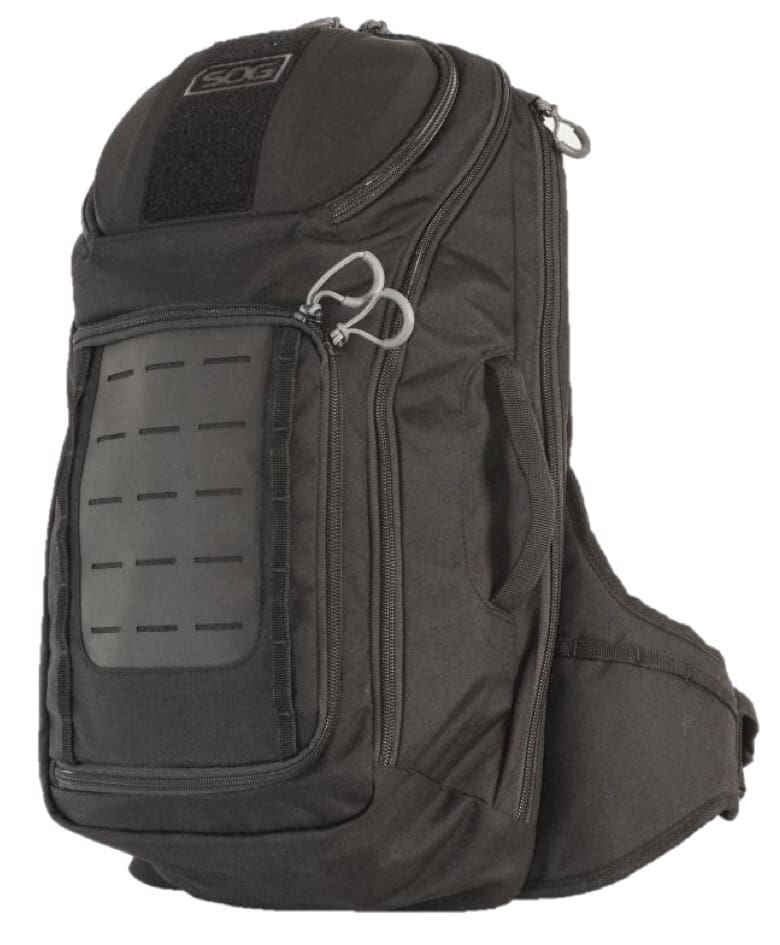
For short distance carry, mobility, and quick on-the-run access to all your gear, the SOG EVAC 18L sling pack is the go-to pack. Side pockets allows for easy entry to your laptop, with the main and secondary compartment providing access to all your gear without taking the pack off. Inside the main compartment lives an organization panel for smaller items that may otherwise get lost in the bottom of the pack. The molded top pocket and front organizer pockets gives you even more storage flexibility. This pack’s design allows for rapid deployment and maneuverability of your gear without slowing you down.
Available March 1st through www.sogknives.com, the full line of packs can first be seen at the SOG booth (#425) during SHOT Show in Las Vegas, Jan. 19-22.
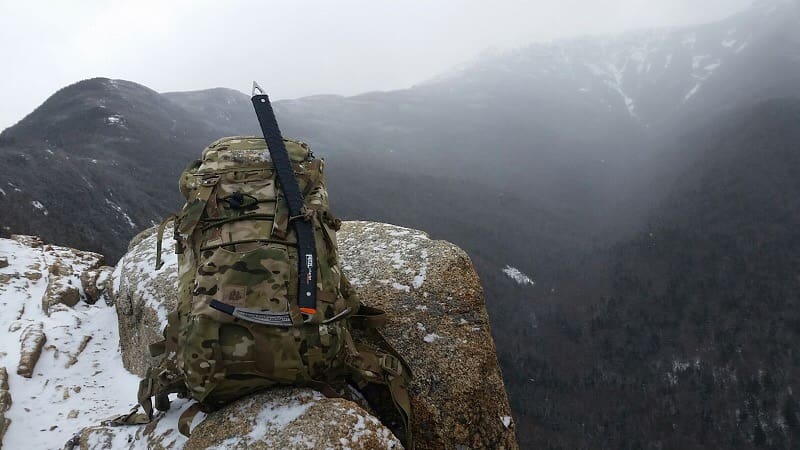
The 30L Summit Pack was designed to fill the gap between the short duration 24HR Assault Pack and a full size rucksack. Combining features of technical climbing packs and traditional military three-day packs it is meant to fill the 48-72 hour roll.
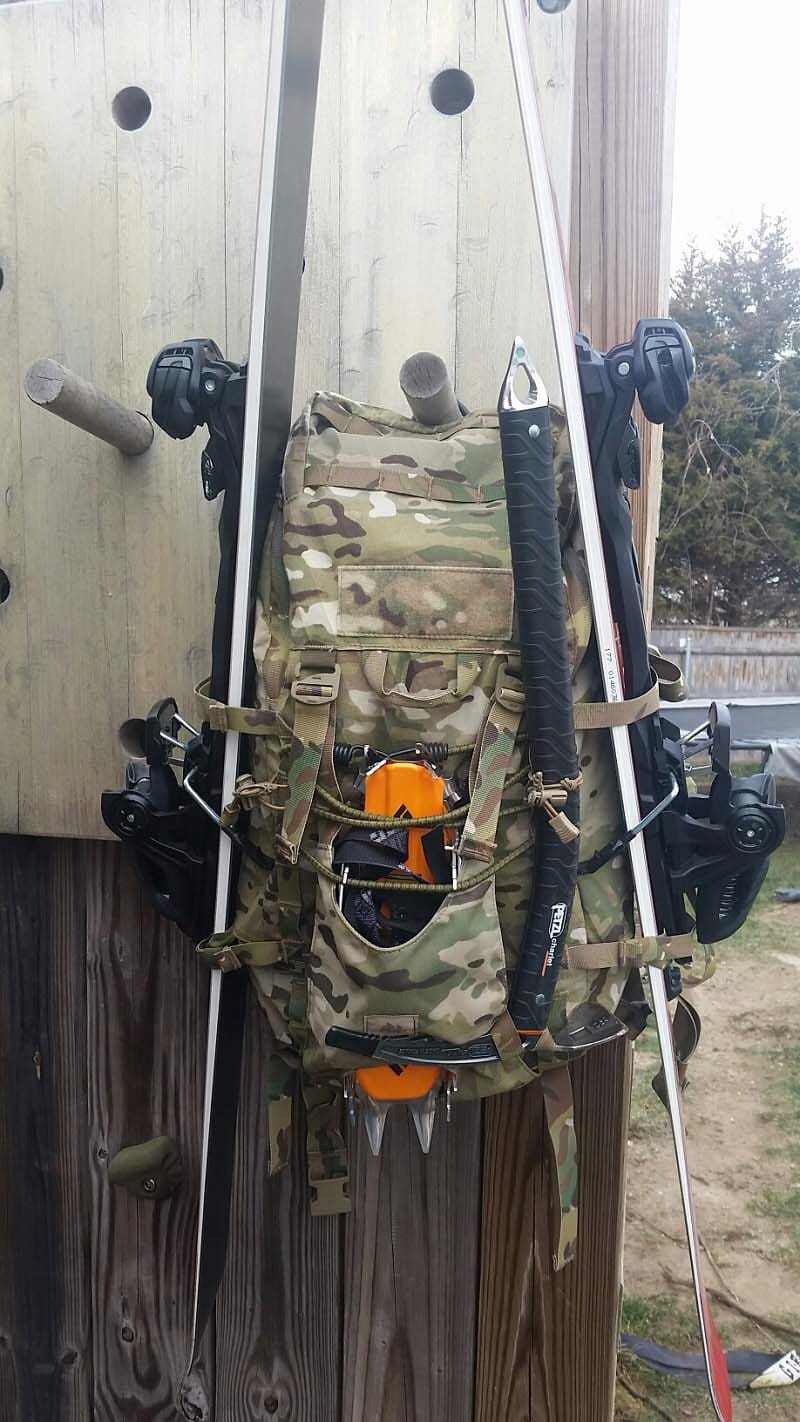
Features include: internal frame sheet and ergonomically shaped aluminum wire frame. Top loading, PALS panels on the sides, top pocket with small internal electronics pocket and two daisy chains. Two hip climbing gear attachment loops, two top hauling handles, internal Velcro panels for gear organization and a water bladder pocket. Webbing on top for attaching crampons of other equipment, attaching points to attach the Mayflower Helmet Carrier accessory piece.
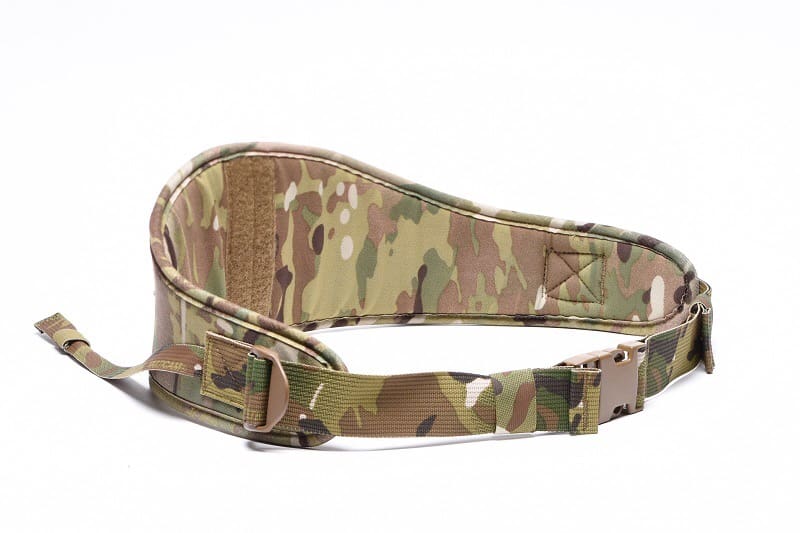
Available colors are: Multicam, coyote brown, ranger green, black, wolf grey, desert digital and select civilian colors.
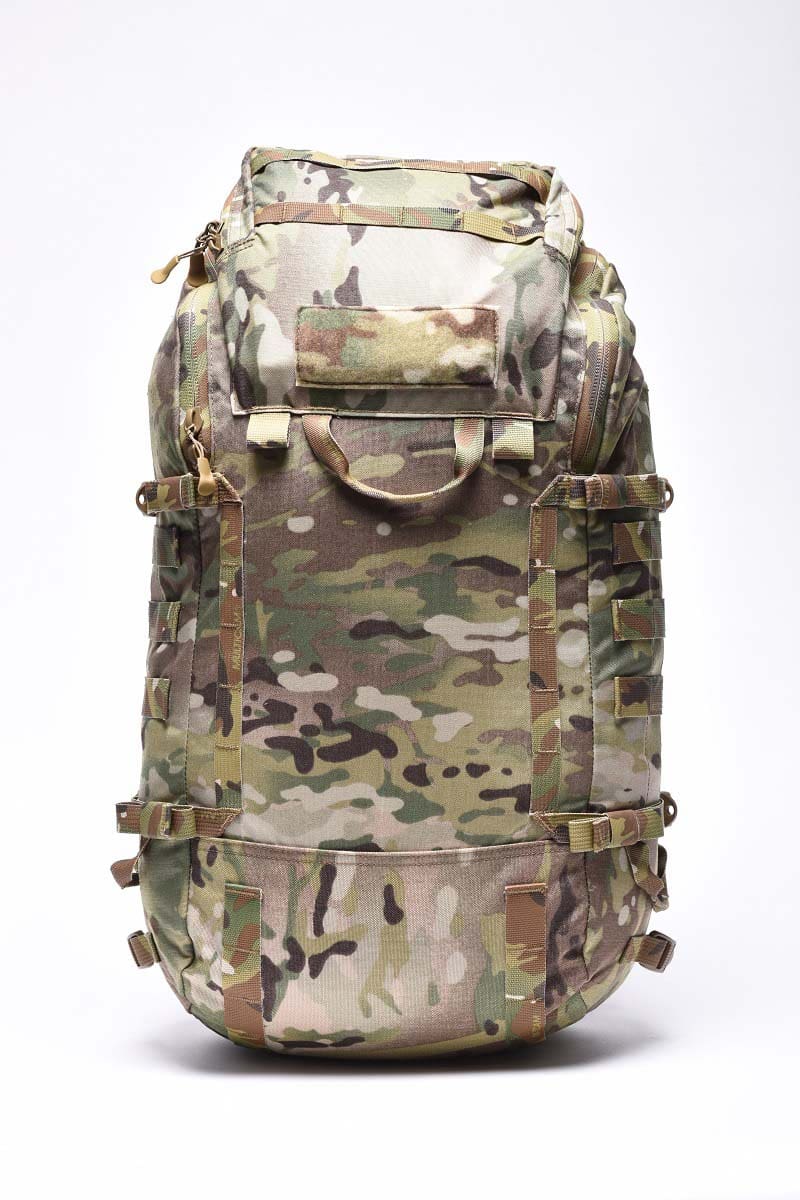

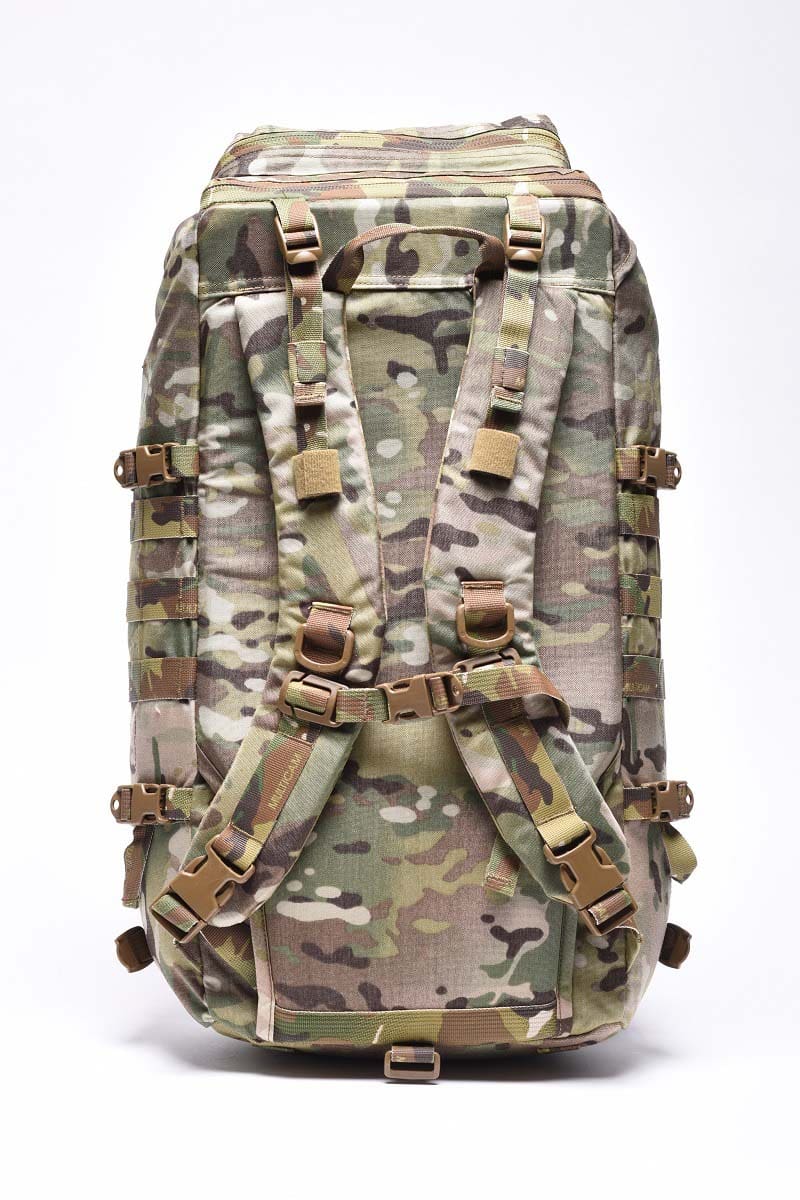
Designed by Steve Fisher of Sentinel Concepts, the Sentinel Pack is manufactured by Sneakybags.
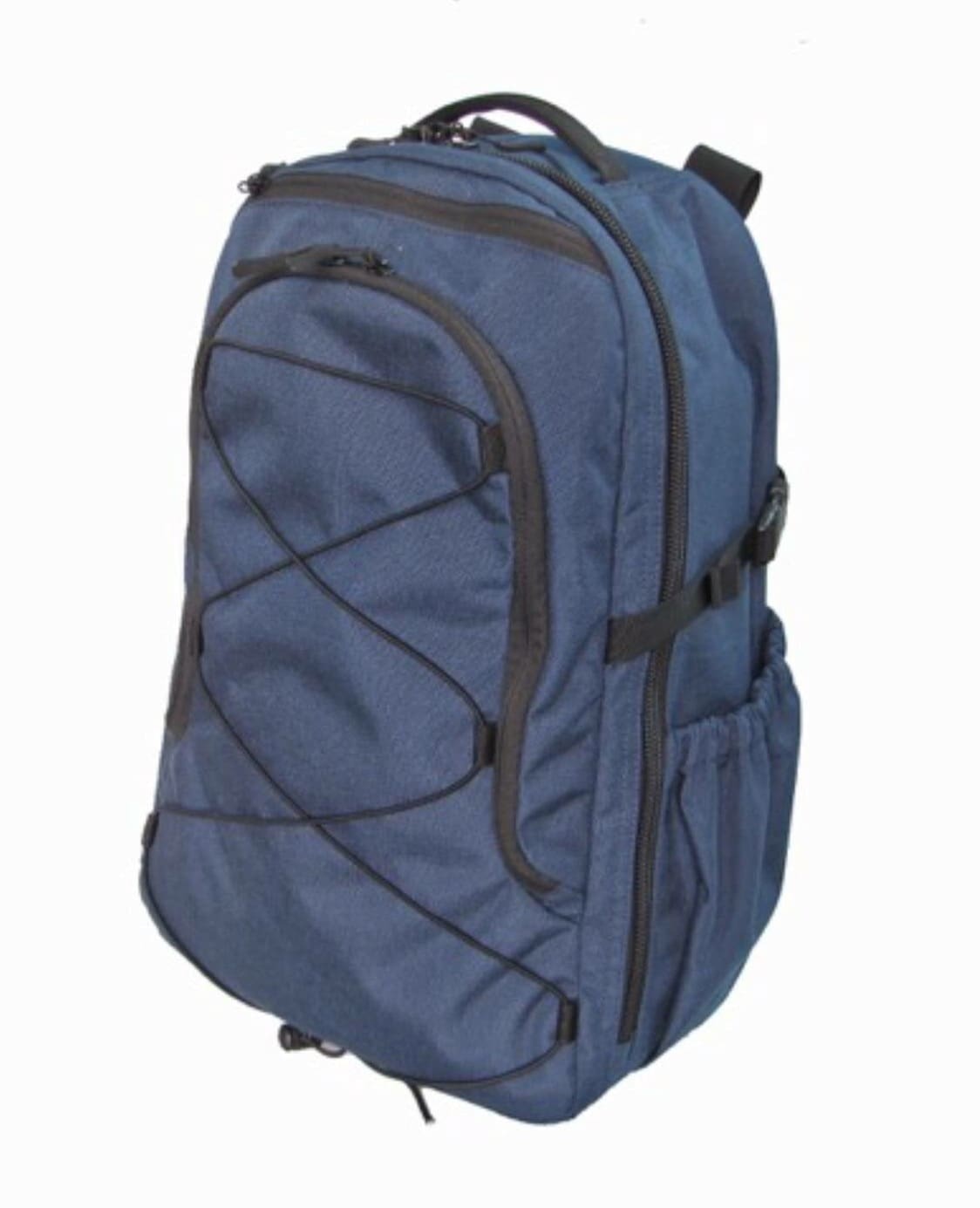
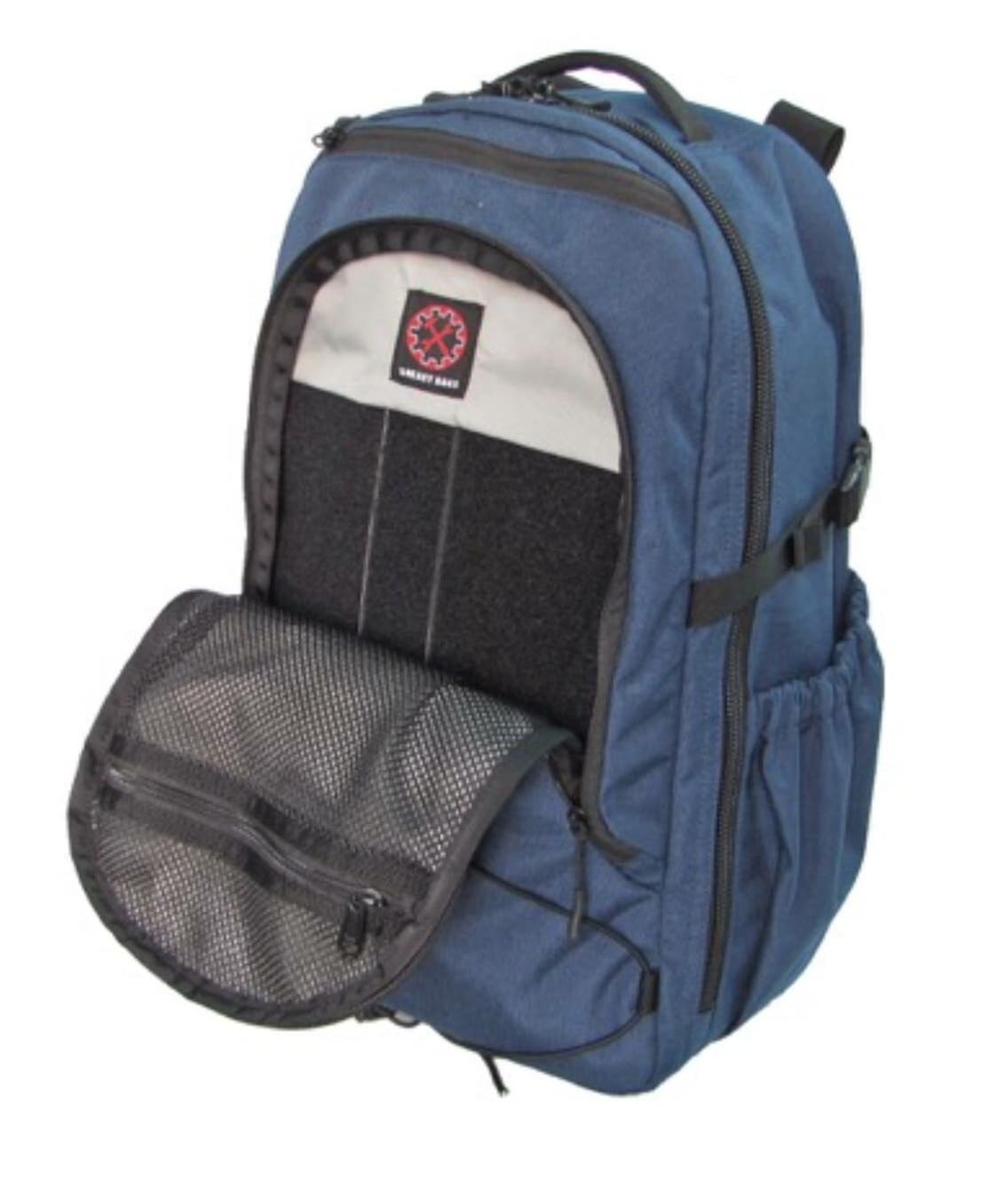
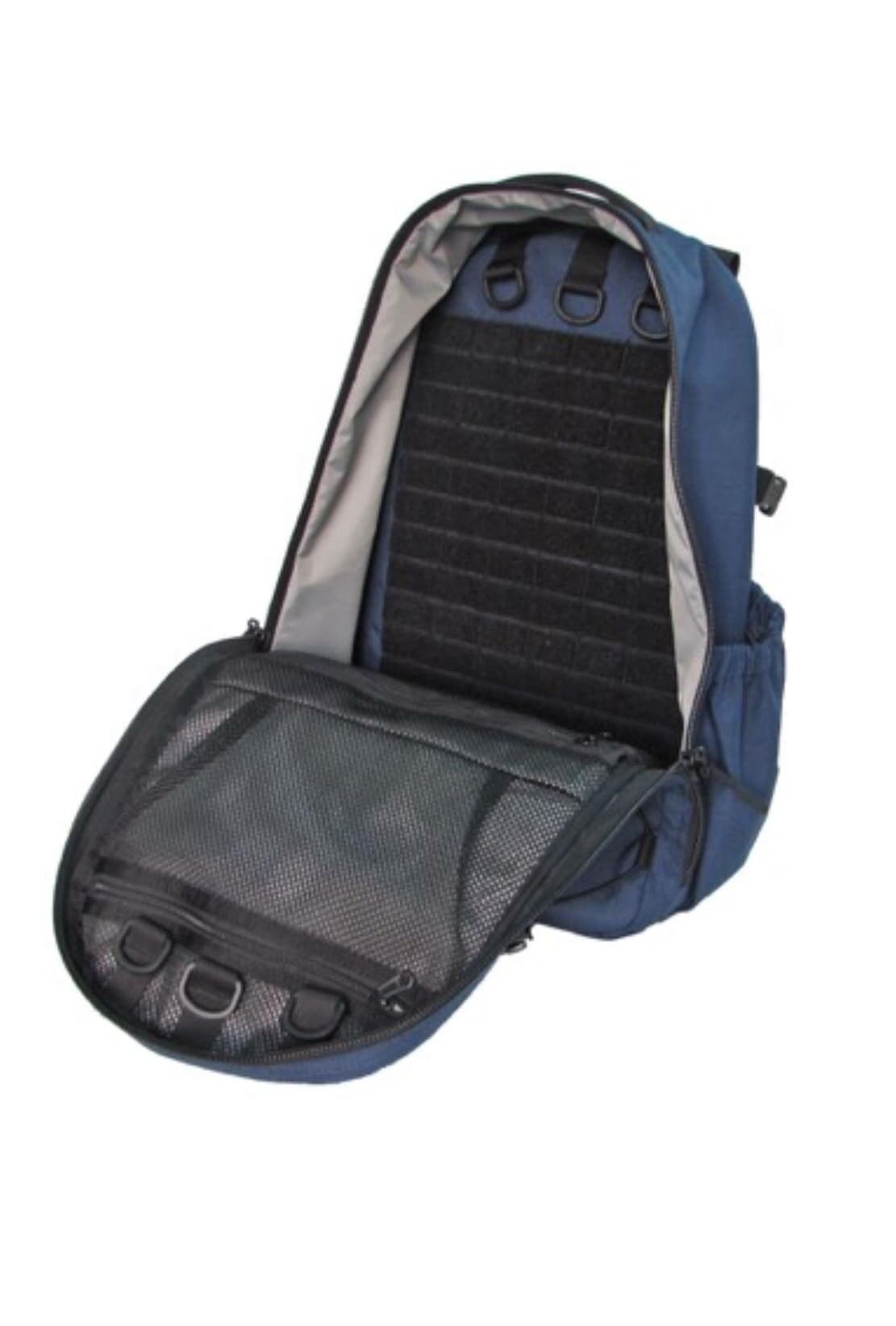
Be sure to check it out at SHOT Show. More designs from Steve Fisher and Sneakybags coming!
Mountainsmith is launching a new line for Fall which are inspired by the packs we grew up with. Made from 610D Cordura, the line has nine styles, including three coolers.

This is the Wizard. Like all of the packs in the Roots collection, it is offered in Barley (shown) , Heritage Black or Heritage Red which makes these great for mil, LE or SAR use. The coolers are in a leaf camouflage pattern. The Wizard is a 29L top loader daypack with hidden backpanel zippered compartment for a laptop, top lid accessory pocket, accessory pockets with flap on either side at the bottom and hung internal pocket and sunglasses holder.
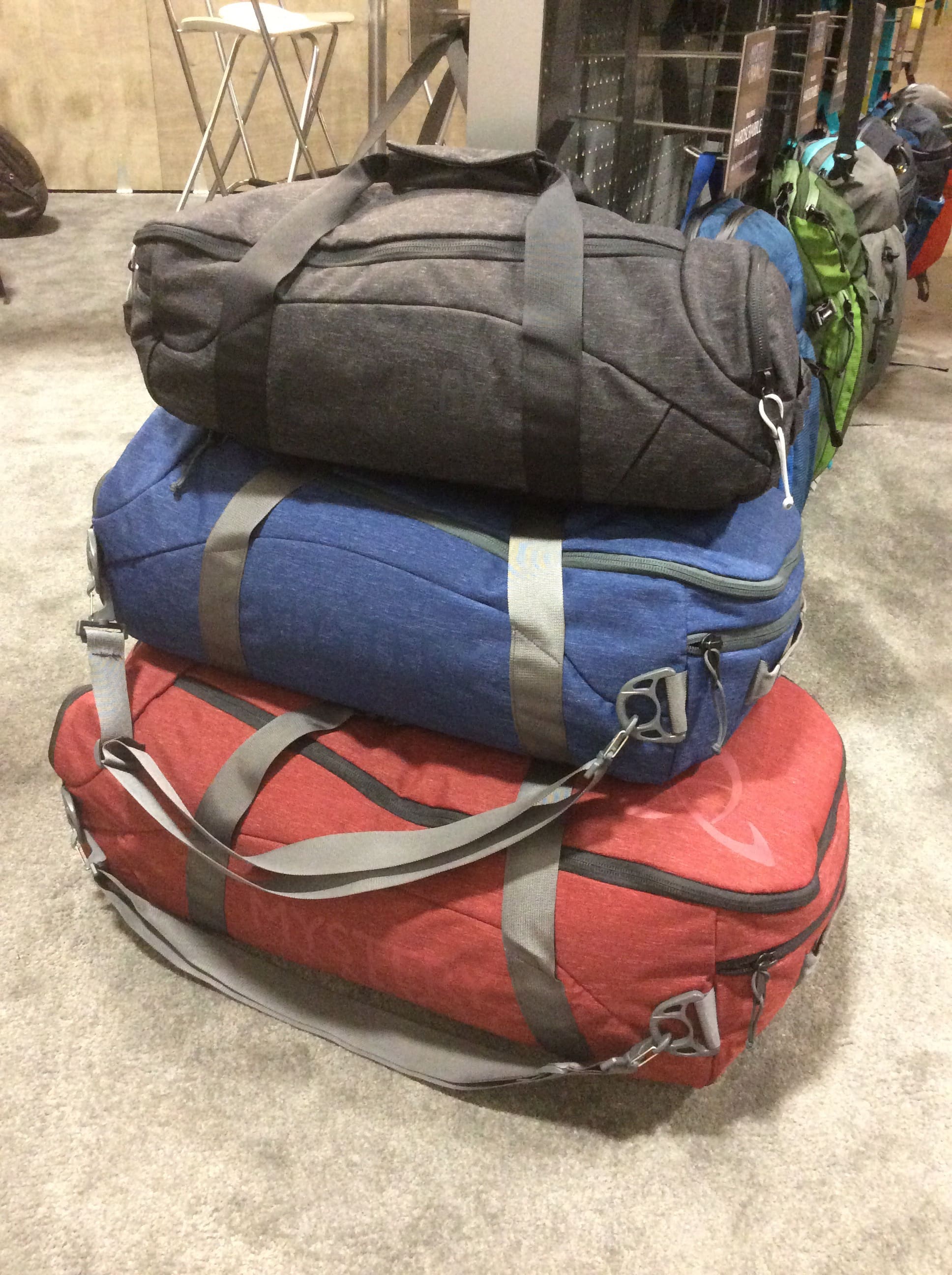
Available in three sizes (90, 55 and 40 liters) the Mission Duffle from Mystery Ranch is offered in three colors (Redwood, Black and Nightfall).
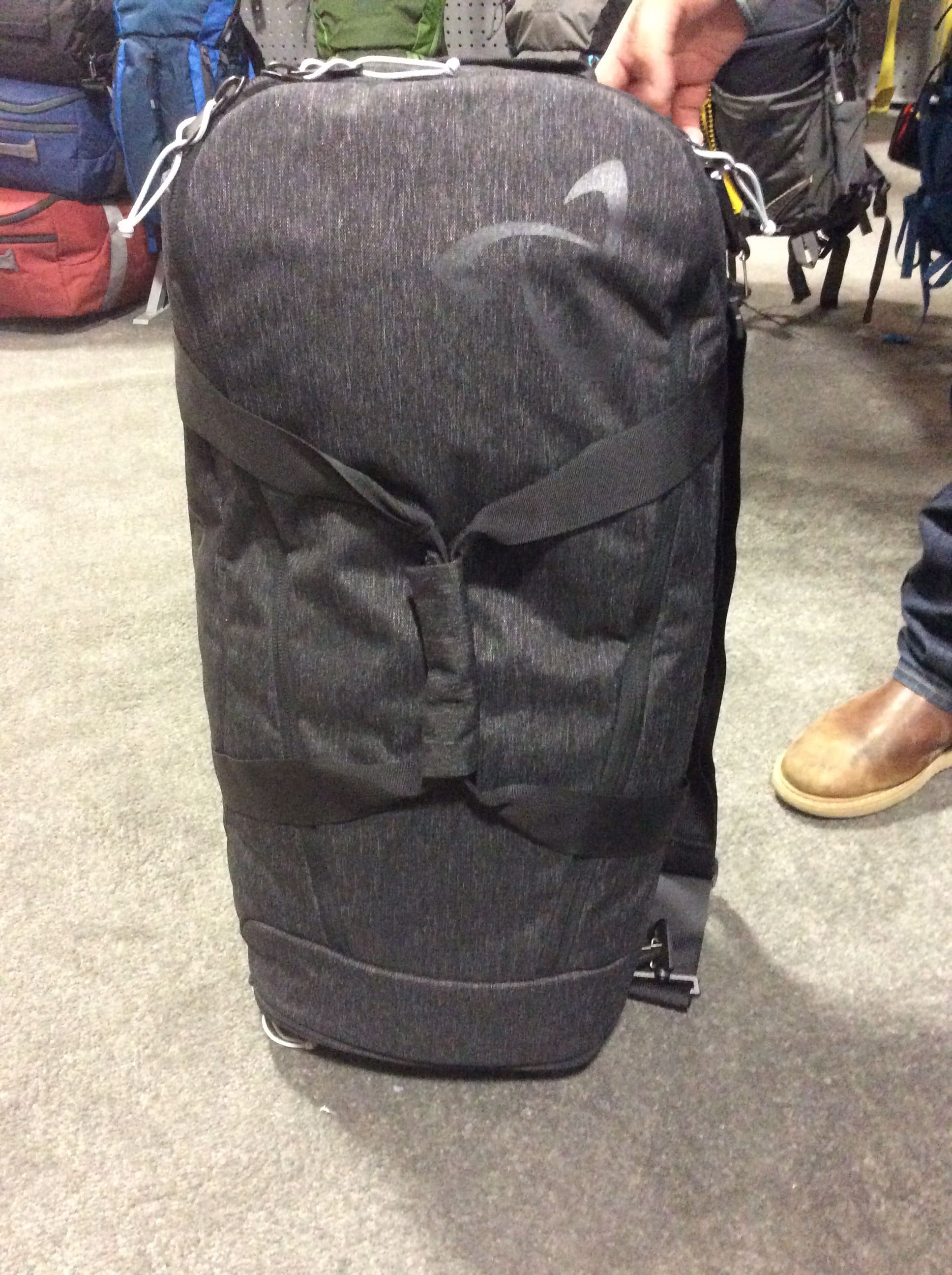
The Mission Duffle is made from a TPU coated 1000D Cordura which makes it very water resistant.
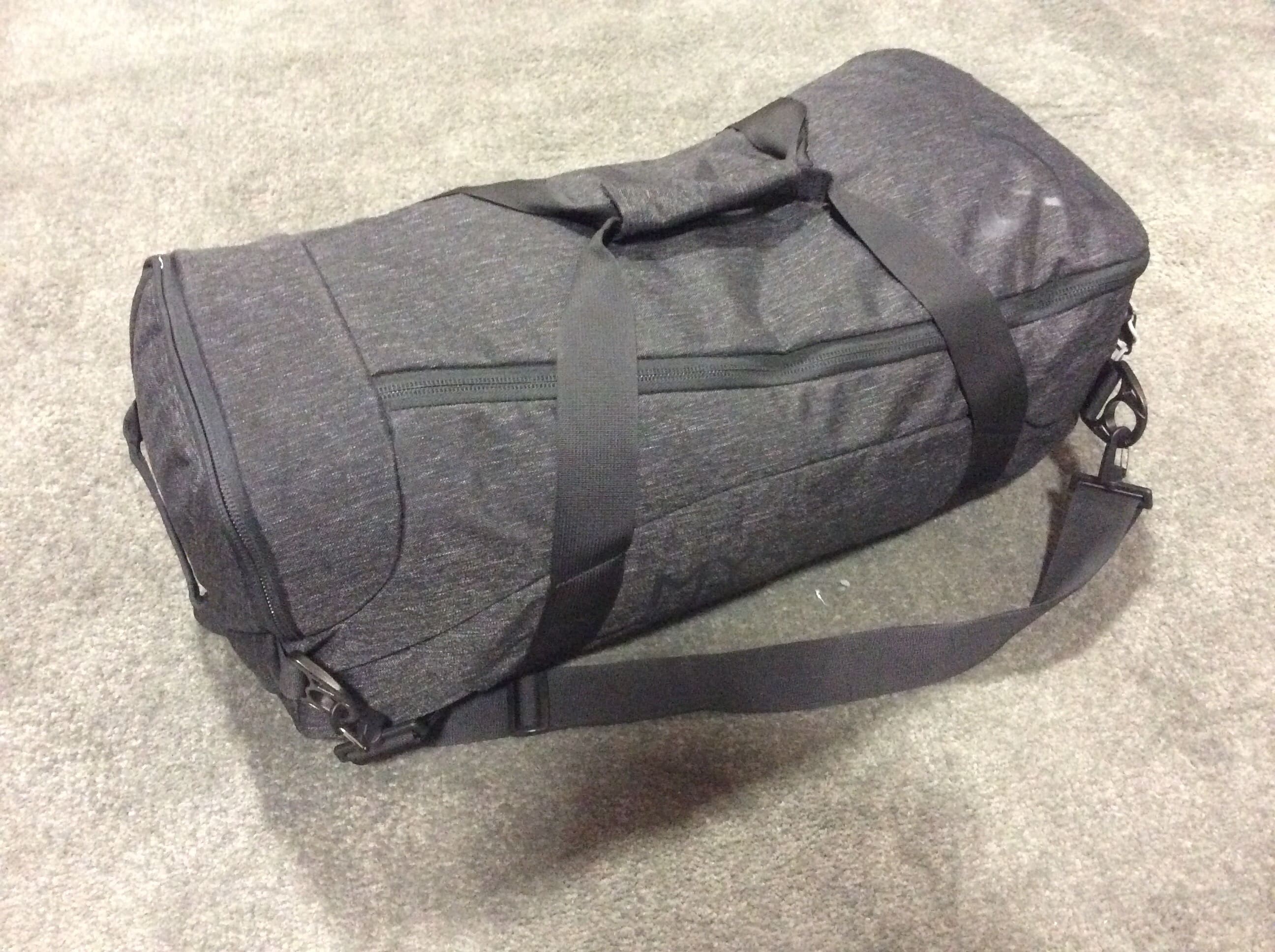
There is a large, horseshoe shaped YKK zippered opening. 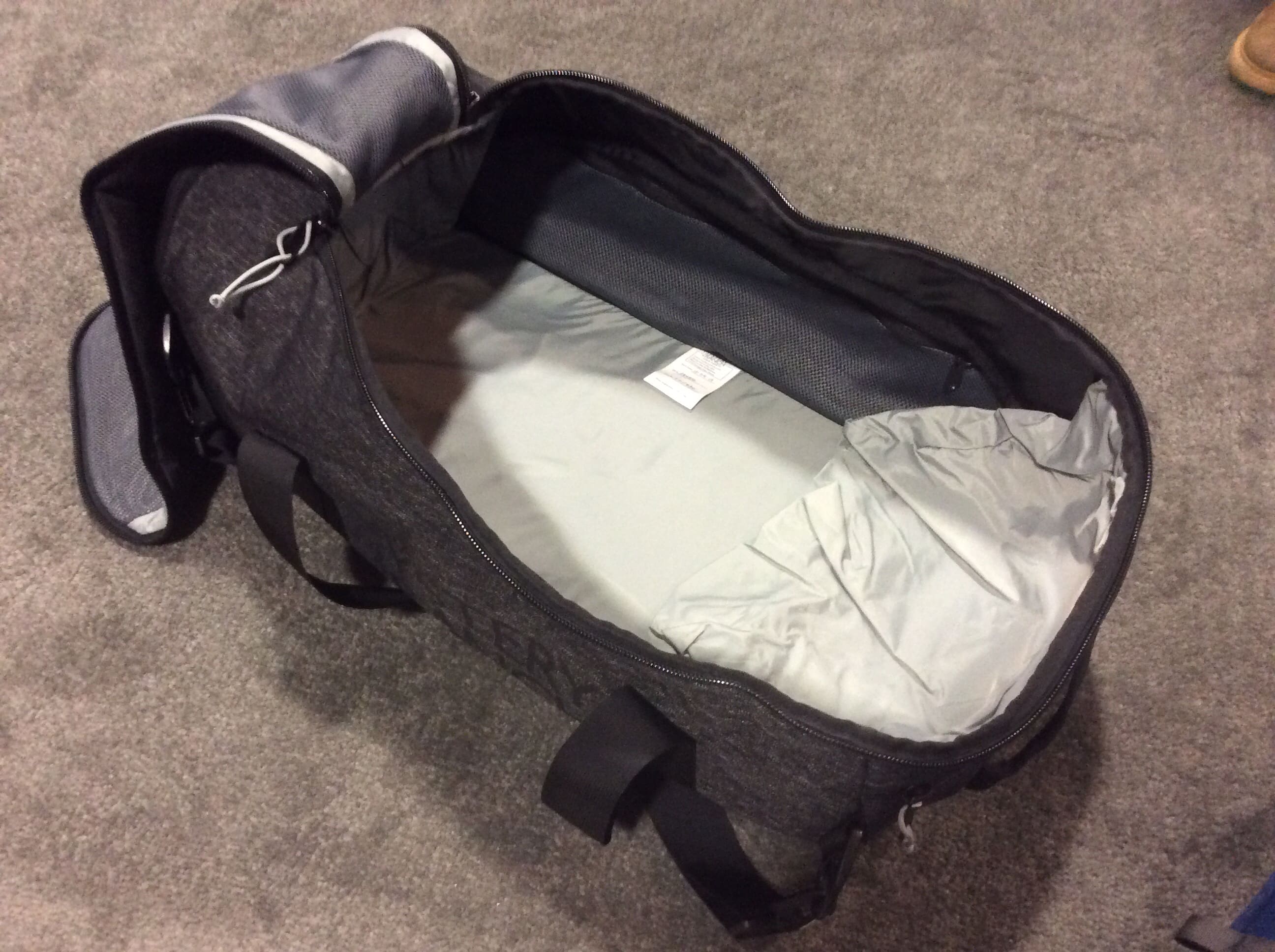
At either end, there are zippered pockets for wet gear, dirty clothing or footwear.
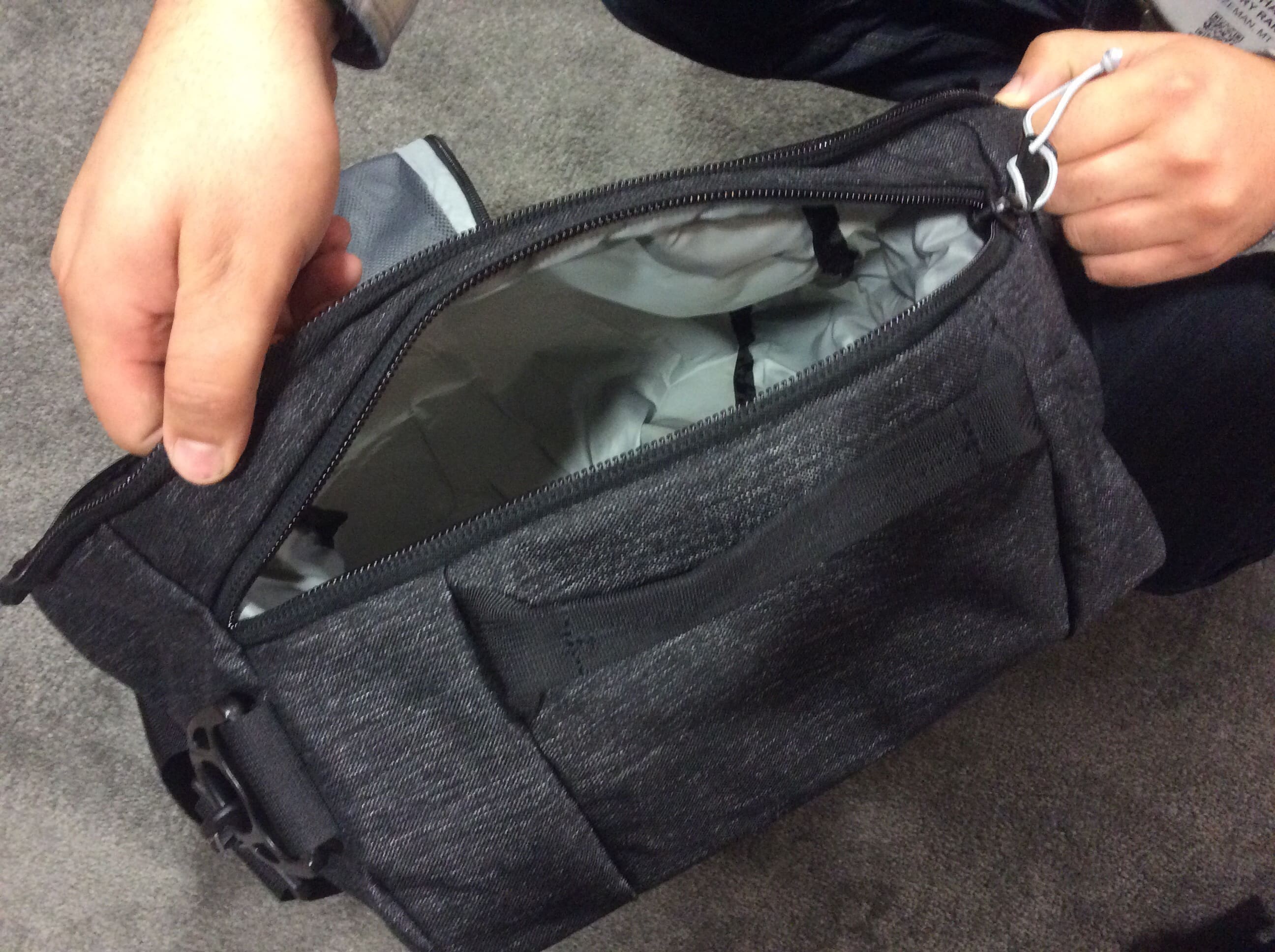
Finally, you can deploy backpack straps from a padded compartment along the back of the bag. Available late Summer, 2016.
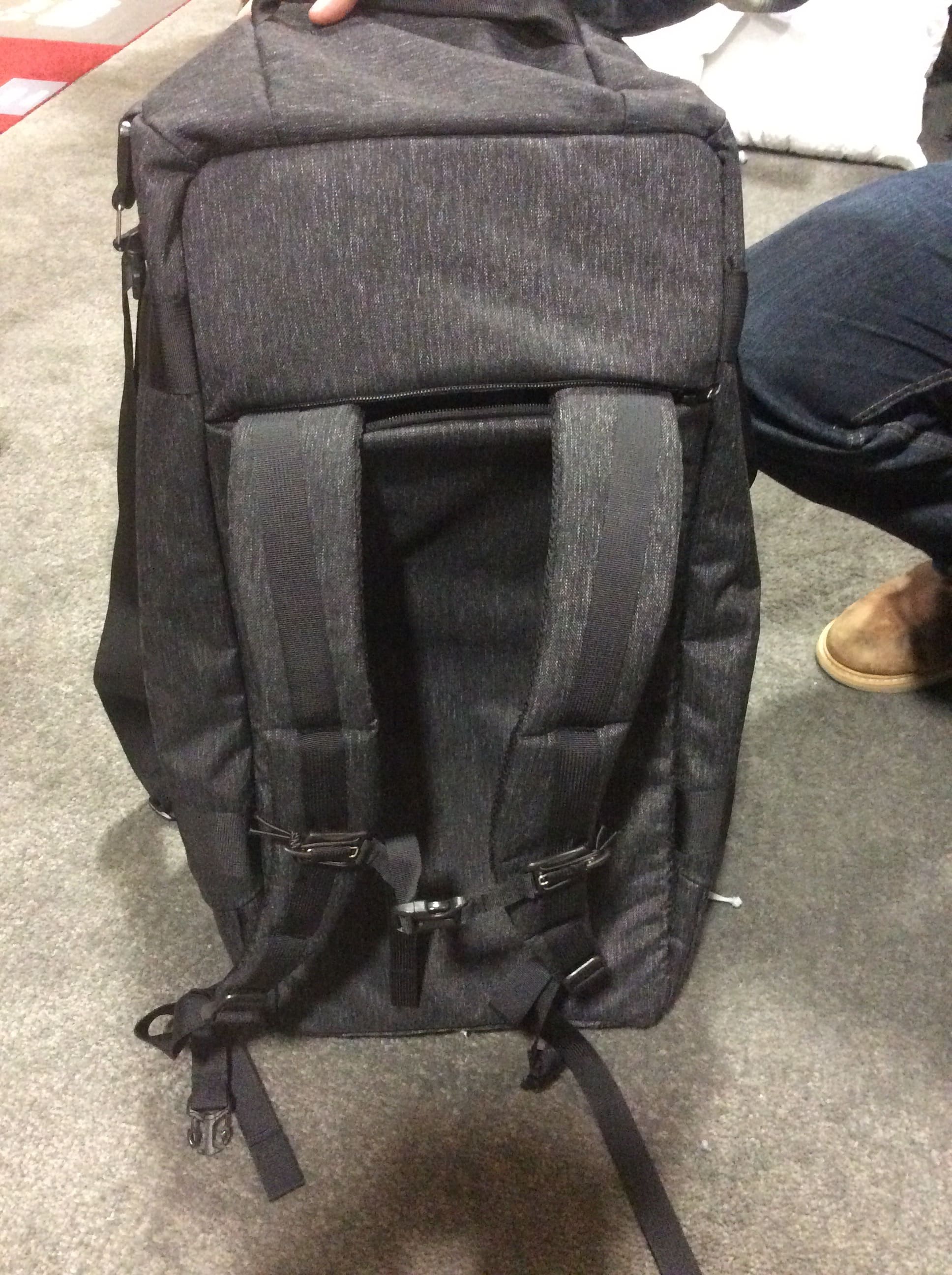
I’d also like to congratulate D3 (Dana Gleason, III) for winning a Backpacker Magazine Editor’s Choice Award for the Sphimx & Mystic packs. They are great packs and this is the first time that this award has been given to multi-generations. MR founder Dana Gleason has won the award a couple of times in the past.
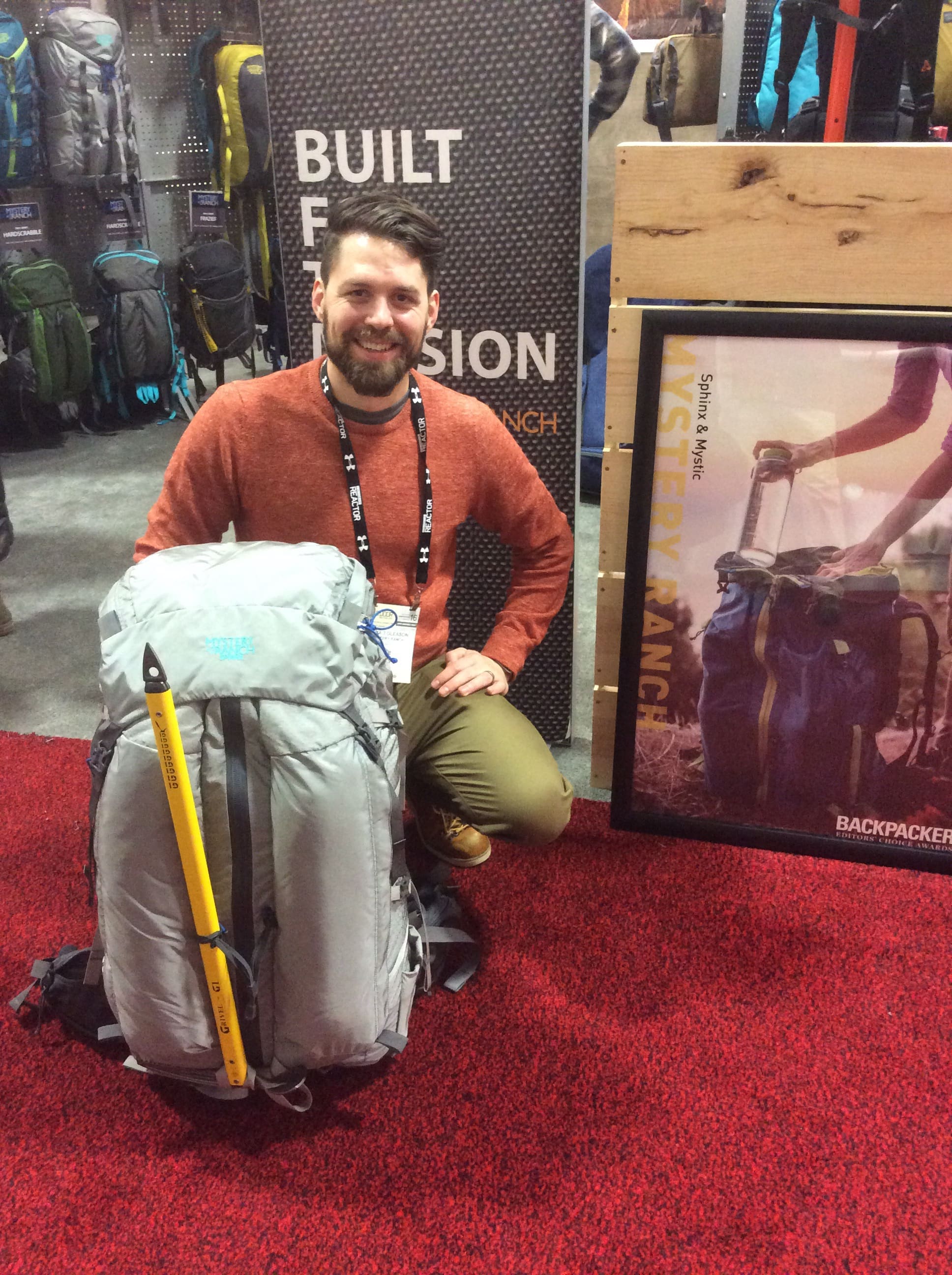
Here they are together.
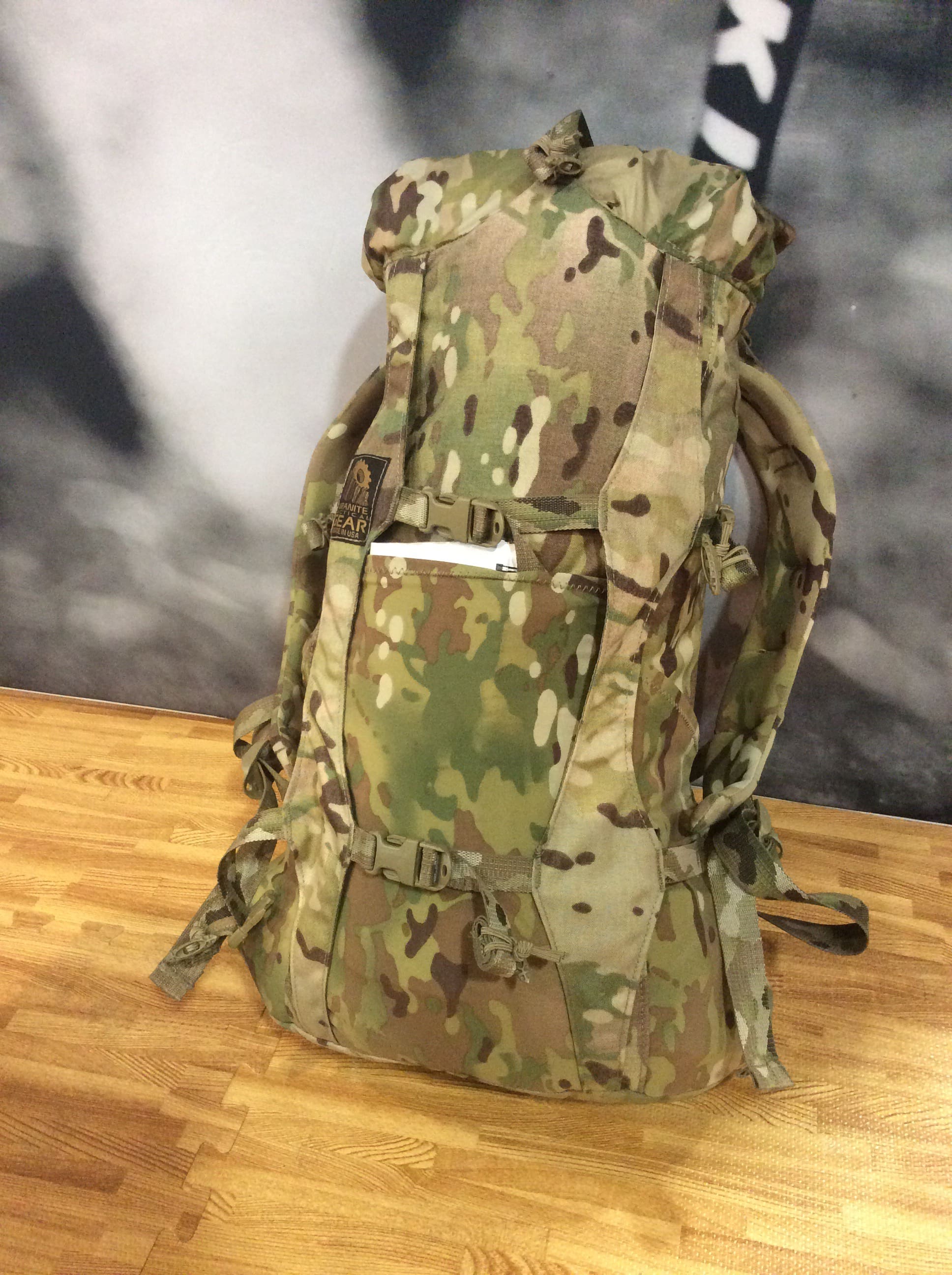
Granite Gear introduced the 223 Pack at Summer OR as an in house development. Since then, they’ve gone into production of this American Made Pack for a Japanese distributor. They’ve also refined the design slightly by taking out some of the extra labor steps and better integrating the back panel into the design.

Made from 500D Cordura, it’s a 26liter pack that weighs in at 1lbs 13oz. The 223 also integrates a roll top closure which is a feature I really like. Hopefully, an American distributor will pick it up as well.
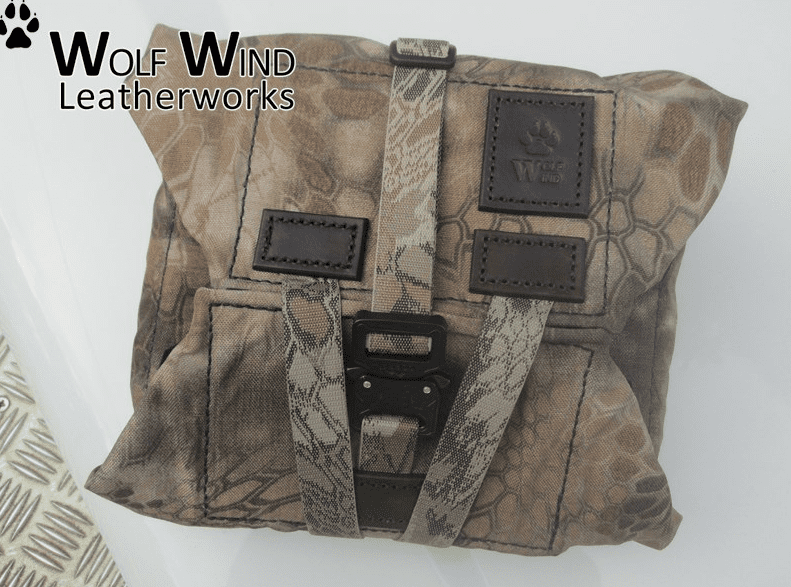
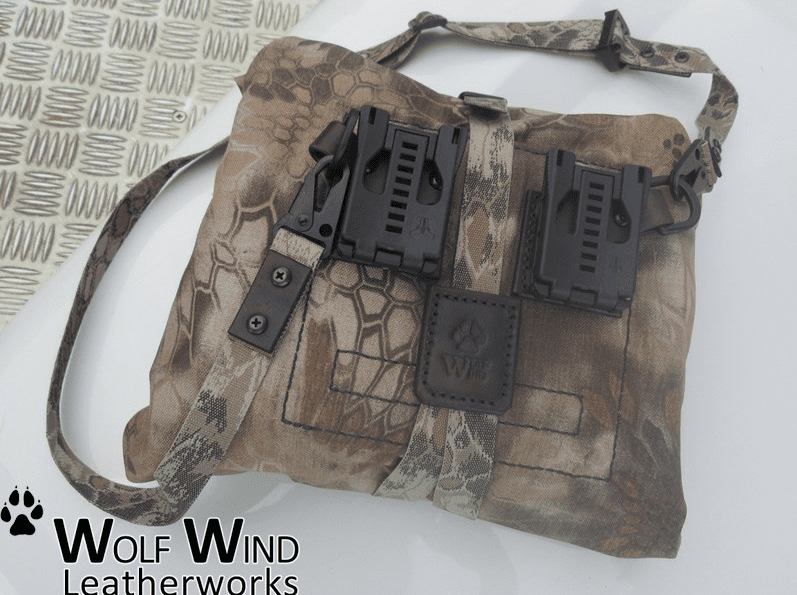
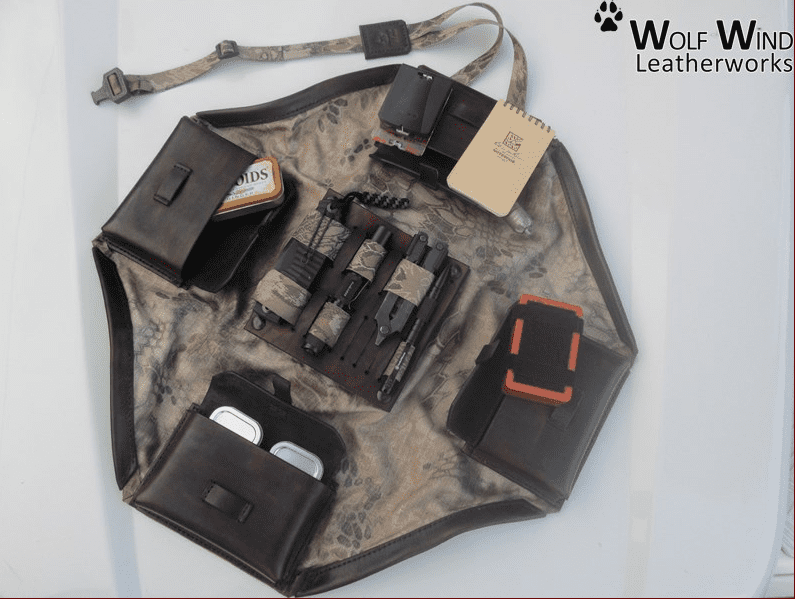
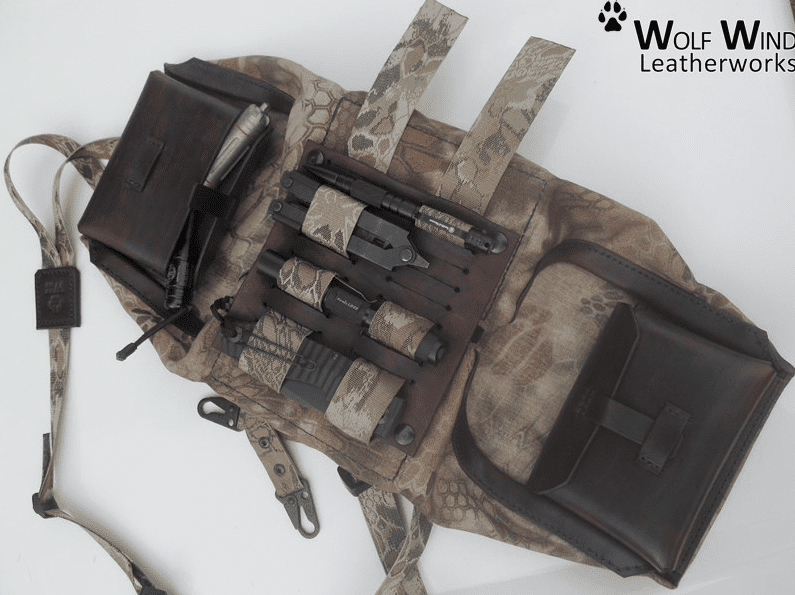
Wolf Wind Leatherworks’ Wolf Heavy Duty Operation Bag was designed to improve the organization of the user’s gear, and to ensure that critical tools are kept secured yet readily accessible. The pack splits open into four parts, and has four integrated leather pouches, as well as a ruggedized detachable leather central painel. The Wolf Heavy Duty Operation Bag attaches to larger packs or plate carriers, and can also attach to a user’s belt or to the included Wolf Utility Sling for off-the-shoulder carry. Additionally, every bag is made-to-order and is personalized with the owner’s name.
Features
Bag:
Sling:
Camo Patterns Options:
Size (approx.):
Weight:
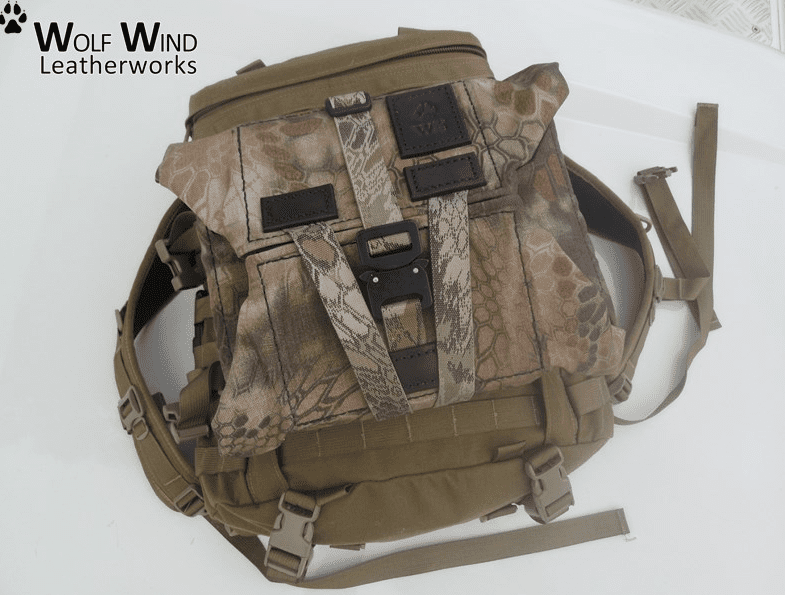
wolfwindleatherworks.com – Wolf Heavy Duty Operation Bag