FirstSpear

Archive for the ‘Training’ Category

US Army Retaining 3 Event PFT

Sunday, August 26th, 2012

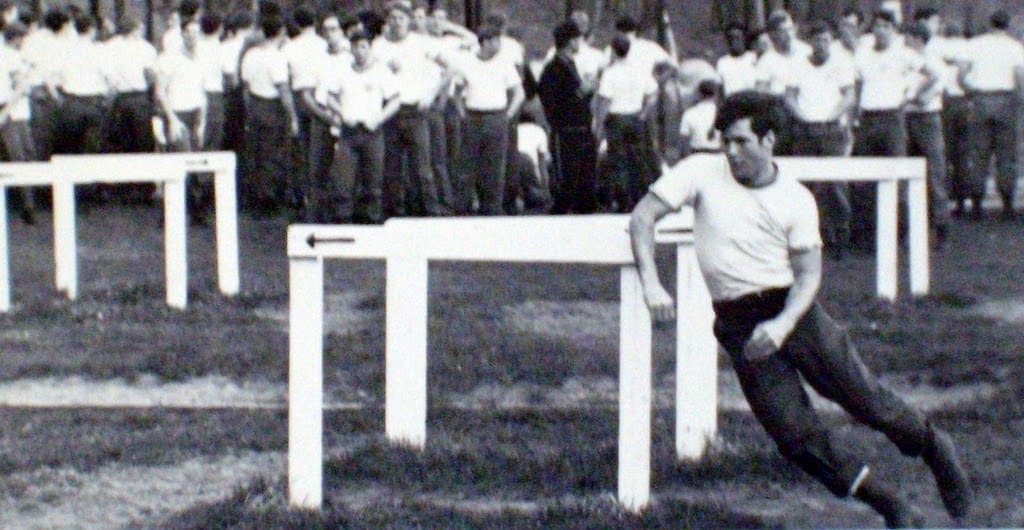
When I attended Basic Training in 1985 you could still see the physical remains of the old Army PT test (run, dodge and jump, the inverted crawl, the horizontal ladder, two mile run in boots). One of the reasons they had moved away from the previous test was that it required apparatus, like the horizontal ladder and set up for the Run Dodge & Jump event. So there would be these little sections of pits and hitching post looking things scattered around. We of course, we’re in a modern Army using a newer 3 event Army Physical Fitness Test (APFT) consisting of the Push up, Sit up and 2-mile Run. This test has remained since the early 80s with minor tweaks in expected form as well as more stringent scores.
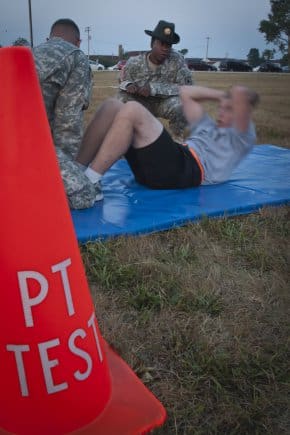
But over the years, the Army has made several moves to institute a test focused more on functional fitness. Every few years the idea comes up, everyone gets excited and just as soon it’s shelved. The usual reasons are that it is too expensive to implement or that it wouldn’t be “fair” across the force, particularly if different MOSs conducted different tests. This last argument holds particular concern as PT performance has been tied to promotion in one way or another.

In 2011 the Army’s Training and Doctrine Command came to the epiphany “that Soldiers are better prepared if they train how they would fight.” They decided that this extended to physical fitness as well. According to an Army press release, “A five-event Army Physical Readiness Test was developed and proposed to replace the current three-event APFT. The proposed test eliminated situps and included the following: 60-yard shuttle run, one-minute rower, standing long jump, one-minute pushup and 1.5-mile run.

More than 10,000 Soldiers worldwide participated in pilot testing of the APRT. After reviewing the data, TRADOC commissioned an independent panel to validate the proposed five-event APRT.”

It looked like the Army was going to implement the switch to this new test this year. But then, a “panel of fitness experts from the Department of Physical Education at U.S. Military Academy, the U.S. Army Medical Research and Development Command, and California State University-Fullerton recommended against moving forward with the proposed five-event APRT and that TRADOC further study the issue.”

Their concern is that this new 5 event test might not properly measure Soldier fitness. Rightly so, “TRADOC has determined that baseline Soldier physical readiness would be most effectively measured if linked to Warrior Tasks and Battle Drills — tasks and drills determined over the last decade of war to be critical while conducting unified land operations.”

In October, yet another study will be conducted. In the interim, “TRADOC is preparing to reestablish the master fitness trainer program. Targeting non-commissioned officers, this program, discontinued in 2001, will eventually provide commanders at all levels certified fitness advisors. A pilot master fitness training course begins Aug. 27, 2012, to ensure that the appropriate steps are taken to restore this previously successful physical fitness asset to all units.”

Ironically, as the Army retains it’s 3-event APFT in use for 3 decades and reinstitutes the Master Fitness Trainer program, TRADOC Command Sergeant Major Daniel A Dailey has the gall to say, “It’s time to break the culture of ‘training to the test’ and focus instead on preparing all Soldiers for the physical challenges of the current and future operating environment.”

We were starting to see a trend where the military looked at its personnel as athletes and with that realization a move toward functional fitness. Hopefully, this decision by the Army to stay with the status quo is a careful step toward greatness but instead, it feels like an attempt to remain stagnant.

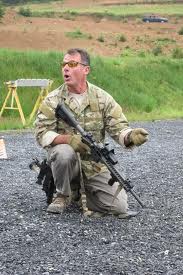
Gunfighter Moment – Mike Pannone

Saturday, August 25th, 2012

“A gun is like a parachute, when you need one to save your life nothing else will do but you have to have one on and know how and when to use it long before then.”

-Mike Pannone

Mike Pannone retired from the Army’s premier assault force (1st SFOD-D) after an explosive breaching injury. A year after his retirement America was attacked on 9/11 and he returned to help serve his country as the head marksmanship instructor at the Federal Air Marshals training course and then moved to help stand up the FAMS Seattle field office. In 2003 he left the FAMS to serve as a PSD detail member and then a detail leader for the State Department during 2003 and 2004 in Baghdad and Tikrit.

In 2005 he served as a ground combat advisor of the Joint Counter IED Task Force and participated on combat operations with various units in Al Anbar province. Upon returning he gave IED awareness briefings to departing units and helped stand up a pre-Iraq surge rifle course with the Asymmetric Warfare Group as a lead instructor. With that experience as well as a career of special operations service in Marine Reconnaissance, Army Special Forces and JSOC to draw from he moved to the private sector teaching planning, leadership, marksmanship and tactics as well as authoring and co-authoring several books such as The M4 Handbook, AK Handbook and Tactical Pistol shooting. Mike also consults for several major rifle and accessory manufacturers to help them field the best possible equipment to the warfighter, law enforcement officer and upstanding civilian end user. He is considered a subject matter expert on the AR based Stoner platform in all its derivatives.

www.ctt-solutions.com

Gunfighter Moment is a weekly feature brought to you by Alias Training & Security Services. Each week Alias brings us a different Trainer and in turn they offer some words of wisdom.

SAGE Ordnance Systems Group Less-Lethal Instructor Course

Friday, August 24th, 2012

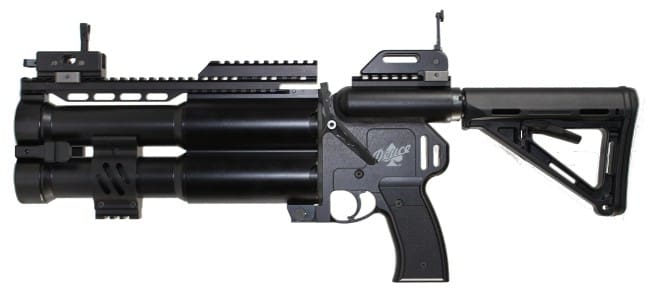
SAGE Ordnance Systems Group, manufacturers of less-lethal launchers like the Deuce is offering a series of Less-Lethal Instructor Courses.

Prerequisites
Each attendee must be physically fit for duty and able to perform physical skills associated with the use of Less-Lethal products. SAGE Ordnance Systems Group trains only sworn law-enforcement officers, correctional personnel or active service military personnel.
Required Equipment
• Eye and ear protection
• Helmet/Armor
• Duty gear normally utilized when deploying Less Lethal munitions
• Flame-resistant gloves
• Gas mask/Respirator
• Launcher
• Whistle
• Hydration equipment

Fit for Duty
This school involves physical exercises and activity. Learners are required to actively participate in the activities as part of instructor-level training. Learners should be physically prepared for the class in order to ensure successful completion of the school. Some of the classes may involve exposure to chemical agents as well as the physical exercises. Learners with physical conditions that may impair their ability to participate are responsible for contacting their physician for medical clearance prior to enrollment. Conditions requiring such consultation include but are not limited to high blood pressure, heart problems, lung problems, to include bronchitis and asthma, or allergies. SAGE Ordnance Systems Group will not assume any responsibility for any learners who do not seek medical consultation prior to course participation. Any learner who is unable to participate in the exercises cannot complete this instructor level school. It is incumbent upon the learner to ensure they are physically capable of meeting the requirements of the school.

They will be presenting the following SAGE Less-Lethal Instructor courses:

Location: Atlanta, Georgia
Host: Georgia State Patrol
Date: September 17, 18, 19

Location: Chicago, Illinois
Host: Ravelin Group, LLC / Addison Police Department
Date: October 2, 3, 4

Location: Simi Valley, California
Host: Simi Valley Police Department
Date: October 15, 16, 17

To enroll, visit www.sageinternationalltd.com/SCOI/training
.

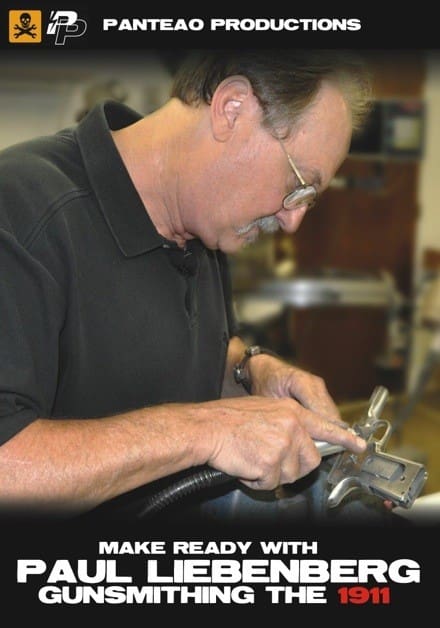
Make Ready with Paul Liebenberg – Gunsmithing the 1911

Wednesday, August 22nd, 2012

Panteao Productions’ newest title examines Pistol Dynamics’ Paul Liebenberg as he customizes a stock 1911. He brings an interesting perspective based on his background. Liebenberg was a member of the World Champion South African Practical Pistol Shooting Team, NRA High Master, certified four-gun firearms instructor and professional pistol shooter who competed successfully in many disciplines in the shooting sports. In 1983 he immigrated to the US and joined Pachmayr Gun Works in Los Angeles CA were he rose to manage the Custom Gun Shop. In 1985 he opened Pistol Dynamics in Los Angeles to build high-end 1911 competition handguns and Pachmayr pistols on contract to that company. Today Pistol Dynamics is based out of Palm Bay FL where Paul continues to build high end 1911 pistols.

20120821-090030.jpg

In this 2 disc video Paul goes over every aspect of customizing the 1911 pistol so that you can tackle doing your own customizing. He shows the proper way to fit a barrel and barrel bushing, installing a grip safety and thumb safety, trigger installation, installing and tuning an extractor, installation of the ejector, relieving the mag well, undercutting the trigger guard, lowering the ejection port, and much, much more. As Panteao says, this is a rare opportunity to learn from a master gun builder like Paul Liebenberg.

Now available for Pre-order.

www.panteaoproductions.com/products/gunsmithing-the-1911

Corps Strength – Olympic Dreaming

Monday, August 20th, 2012


Over the past couple of weeks I’ve spent a bunch of time watching the London Olympics. I’m sure most people would agree with me when I say the unreal athletic ability displayed by the men and women competing there is sometimes hard to comprehend as its so far above what the average person can do. Yes, it would have been great to have the talent get to the Olympics, let alone win a medal, but in reality that’s just a dream for the vast majority of us.

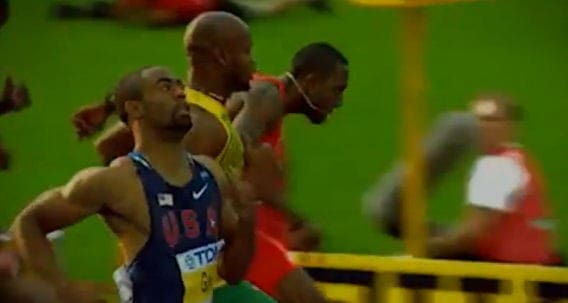
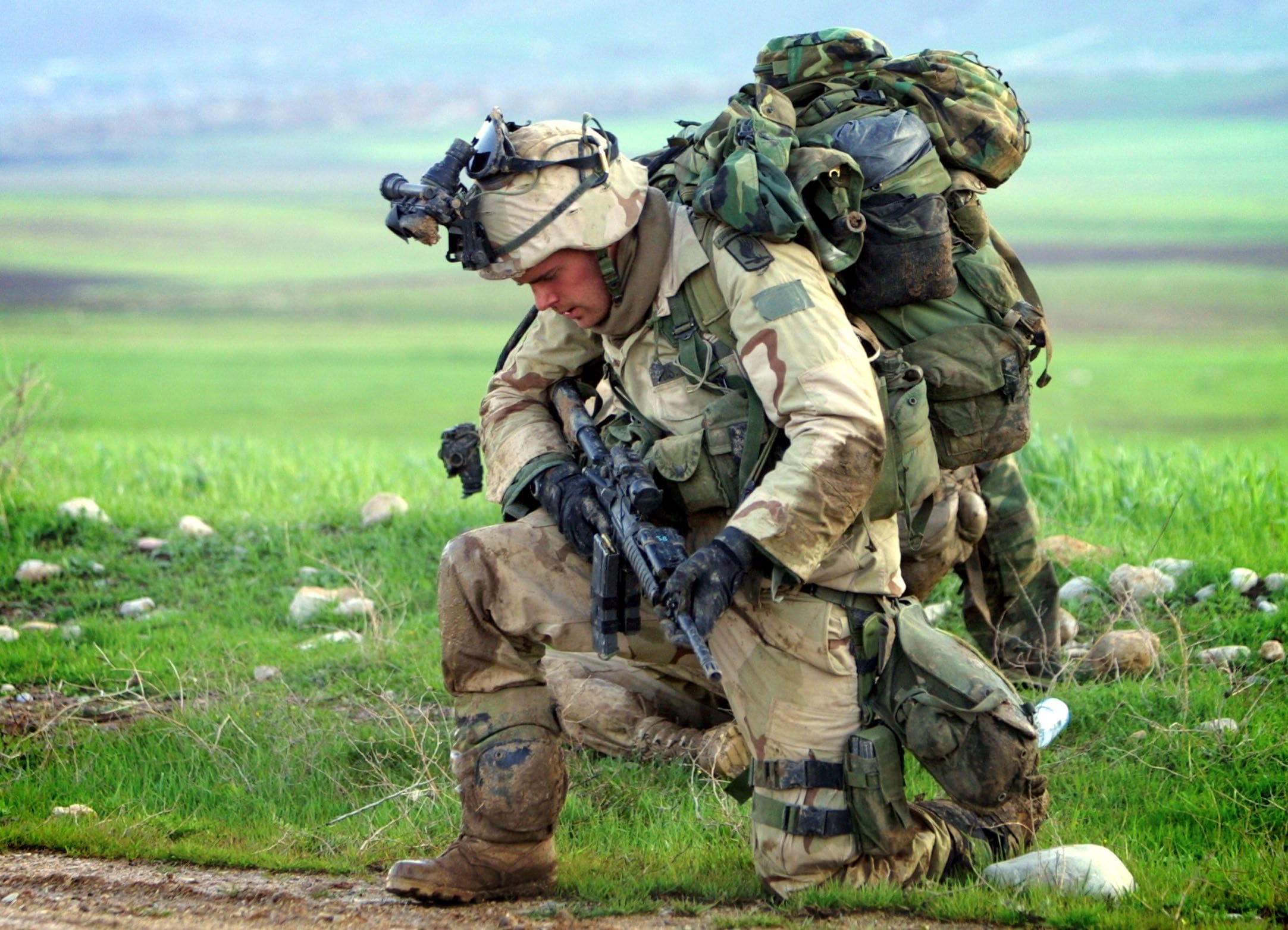
That being said, we need to remember that we have people who must be ready to operate at a world class physical level everyday, and these people aren’t blessed with superhuman genetics, unlimited time, and funds for training. They’re our First Responders; Military, Fire-Fighters and law enforcement. Out there in harms way 24/7 protecting lives at home, and overseas in combat zones. Now these everyday hero’s will never be able to run the 100 with Usain Bolt, but I wonder how Bolt would fare humping a 60+lb pack up a rocky hill in Afghanistan, fueled by cold MRE’s, warm water, on only a few hours sleep (not to mention being shot at in the process)? The point is that the physical requirements of First Responders are fundamentally different than Olympic or professional athletes. In addition, they need to preform at their best not just every four years, but everyday, and sometimes, for days on end. To maintain this high level of conditioning over a long career requires a specifically focused system and training mindset. This has always been the goal of my fitness book Corps Strength. Not to get you ready for the decathlon, soccer or water polo, but well prepared to handle the difficult tasks that you may have to deal with everyday. Like hiking with heavy gear, running with equipment or weapons, climbing and lifting (yours and others) body weight over obstacles, just to name a few. My system was designed and tested in the real world, by real people from all different types of working occupations, and it’s been proven an effective and sustainable program. The bottom line is it works and doesn’t require excessive amounts of training time or special equipment. In any case my exercise system probably won’t get you an Olympic medal, but it can help you accomplish the mission and help keep you healthy on the job for years to come. Try it.




Be safe and Semper Fi
MGunz

Gunfighter Moment – Pat McNamara

Saturday, August 18th, 2012

“Though there is no instant solution to shooting well, I truly believe that the illusive shortcut is in competition. How does one compartmentalize the pressures of a gunfight? Well, you won’t learn to do it during the gunfight. Competition forces pressure on the shooter and it is mostly self-induced. We experience anxiety because of self defeating beliefs. The more one trains under pressure, the more he learns to compartmentalize those pressures.

There are many who believe that competing in the likes of an IPSC match has no tactical relevancy, and it is all just a game.

OK, it’s a game where you are shooting your gun at targets, under time, and with people watching you. You must handle your weapon properly, and follow all rules or be DQed (disqualified). You must discriminate between “shoot” and “no-shoot” targets. You have got to move and make use of cover. You will have to fire from awkward positions. You must find a solution to an ambiguous situation within your skill level.”

Patrick McNamara
SGM, US Army (Ret)


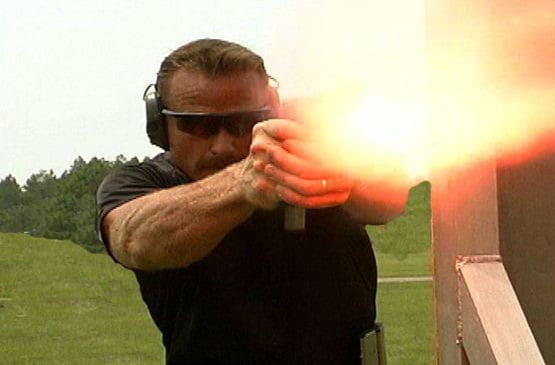
Patrick McNamara spent twenty-two years in the United States Army in a myriad of special operations units. When he worked in the premier special missions unit, he became an impeccable marksman, shooting with accurate, lethal results and tactical effectiveness. McNamara has trained tactical applications of shooting to people of all levels of marksmanship, from varsity level soldiers, and police officers who work the streets to civilians with little to no time behind the trigger.

His military experience quickly taught him that there is more to tactical marksmanship than merely squeezing the trigger. Utilizing his years of experience, McNamara developed a training methodology that is safe, effective and combat relevant and encourages a continuous thought process. This methodology teaches how to maintain safety at all times and choose targets that force accountability, as well as provides courses covering several categories, including individual, collective, on line and standards.

While serving as his Unit’s Marksmanship NCO, he developed his own marksmanship club with NRA, CMP, and USPSA affiliations. Mac ran monthly IPSC matches and ran semi annual military marksmanship championships to encourage marksmanship fundamentals and competitiveness throughout the Army.

He retired from the Army’s premier hostage rescue unit as a Sergeant Major and is the author of T.A.P.S. (Tactical Application of Practical Shooting).

tmacsinc.com/

Gunfighter Moment is a weekly feature brought to you by Alias Training & Security Services. Each week Alias brings us a different Trainer and in turn they offer some words of wisdom.

HSP Announces Disruptive Environments Problem Solver Program

Thursday, August 16th, 2012

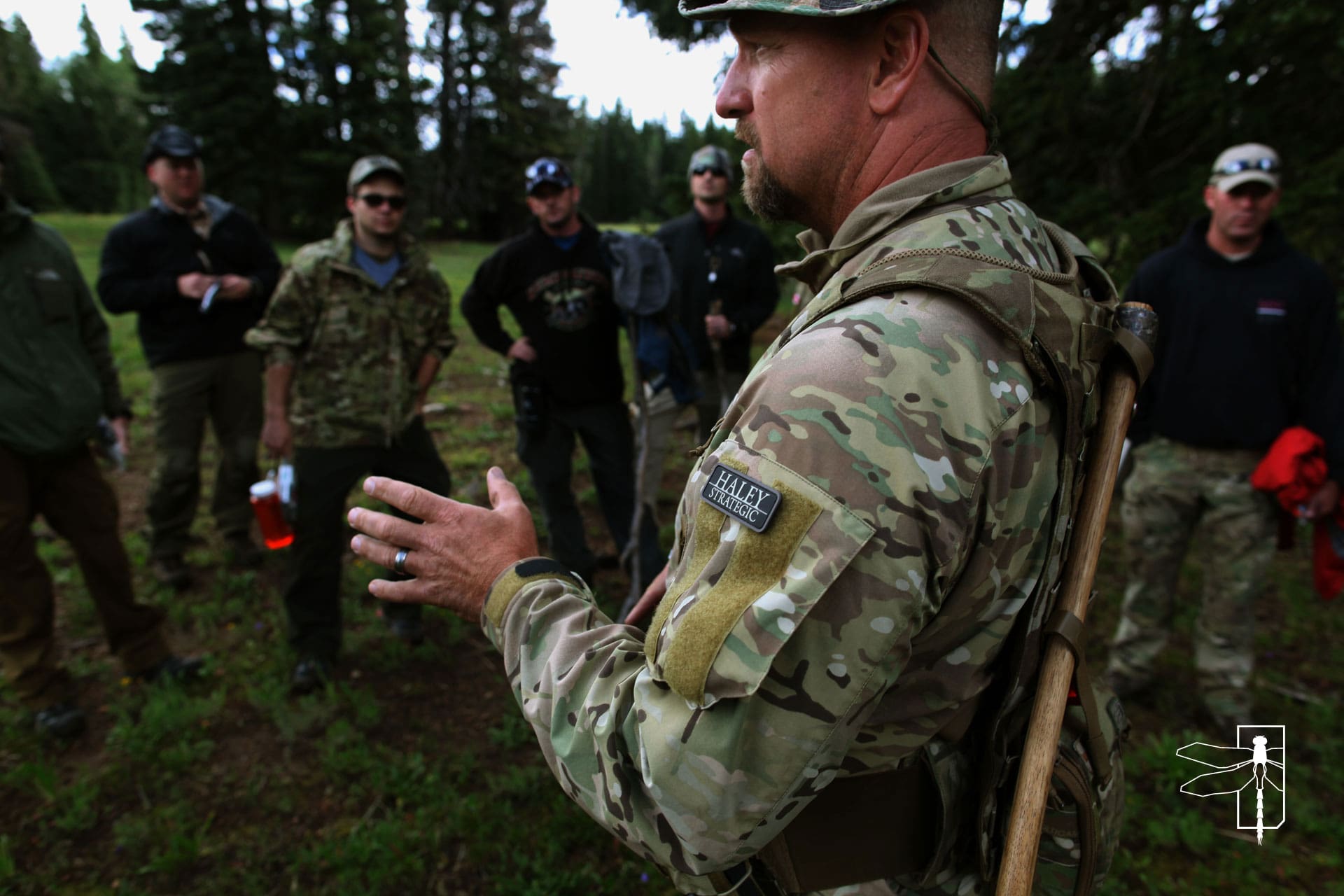
Haley Strategic has announced the launch of the Company’s Disruptive Environments Problem Solver program.

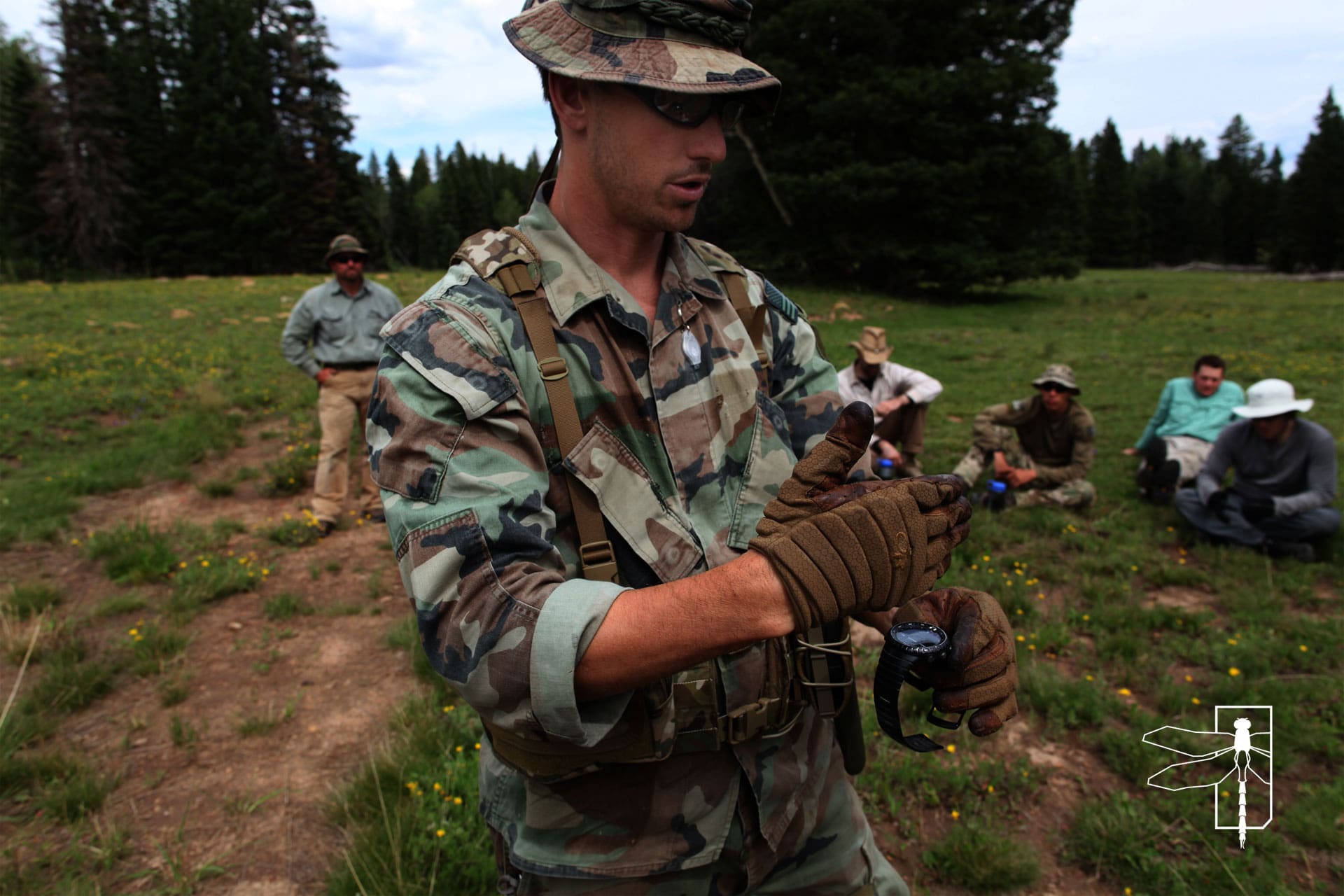
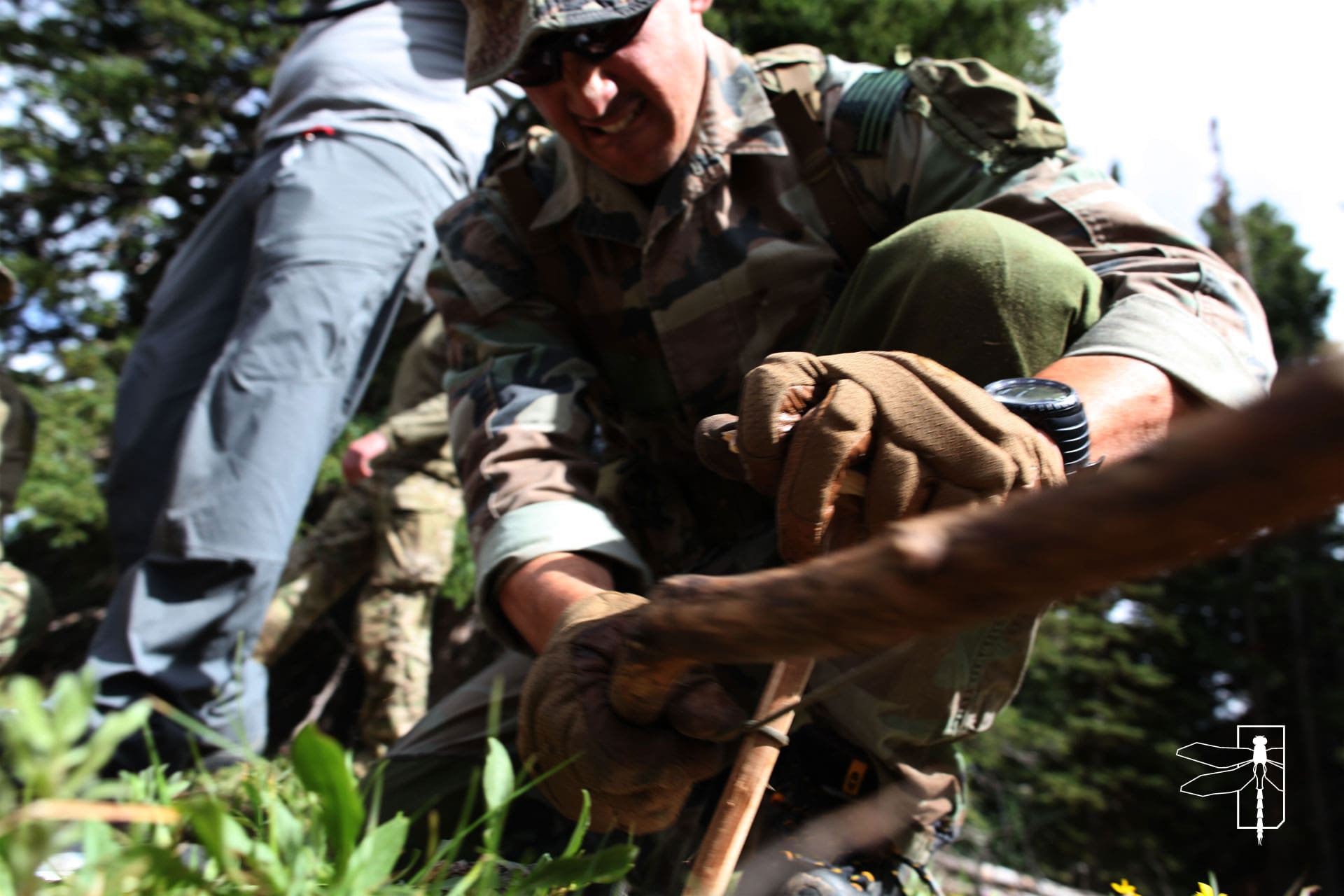
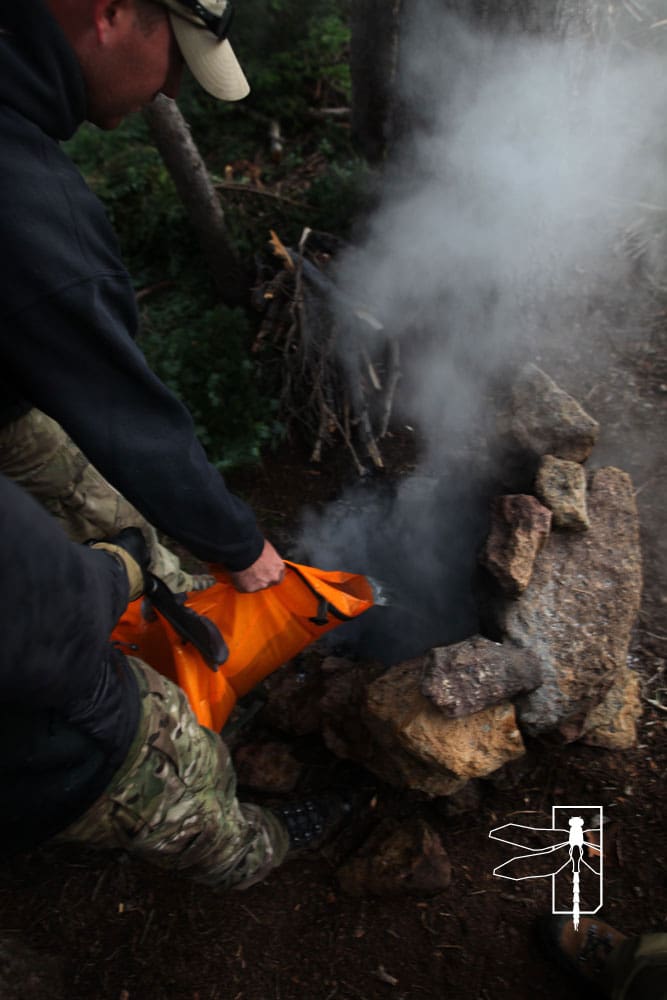
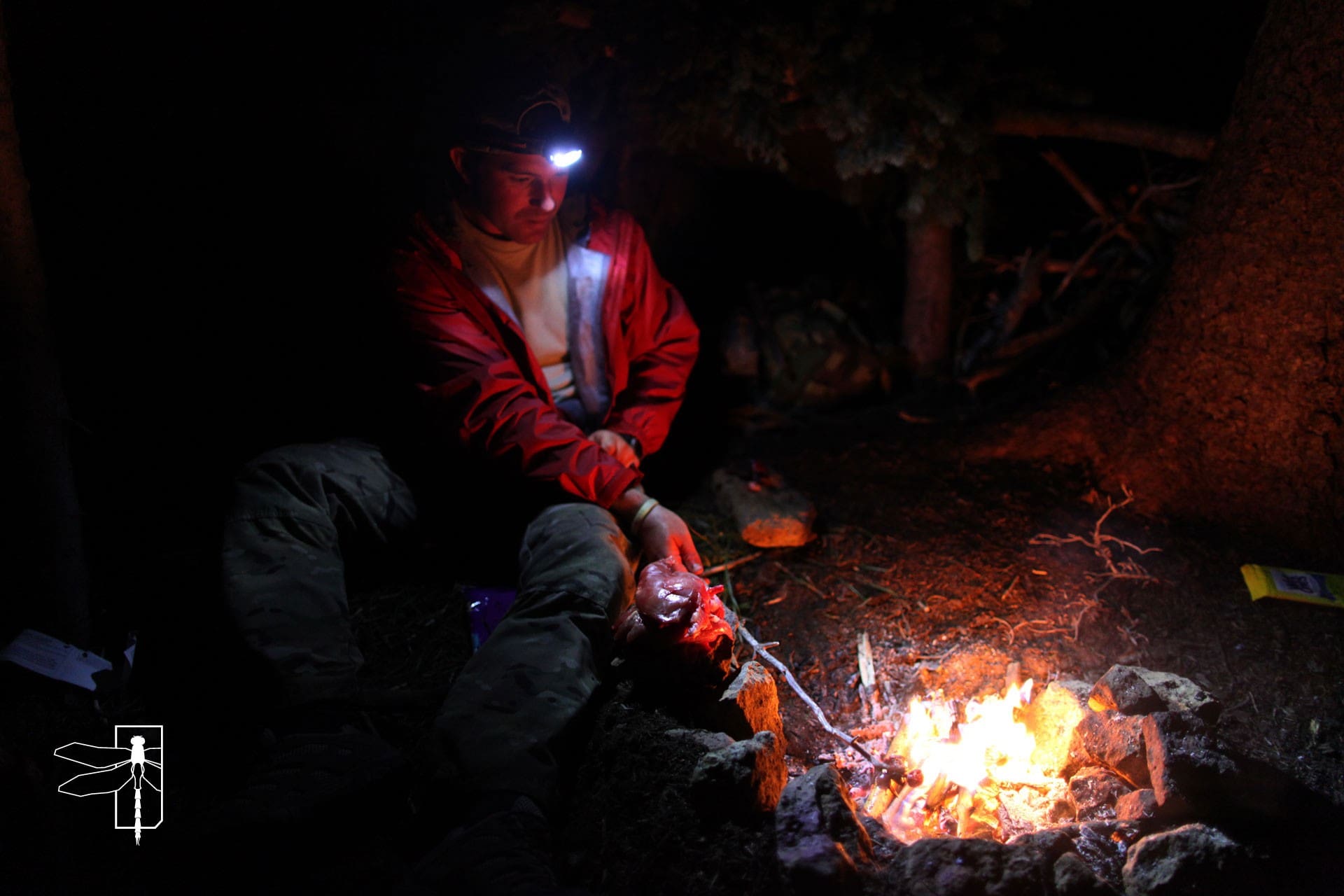
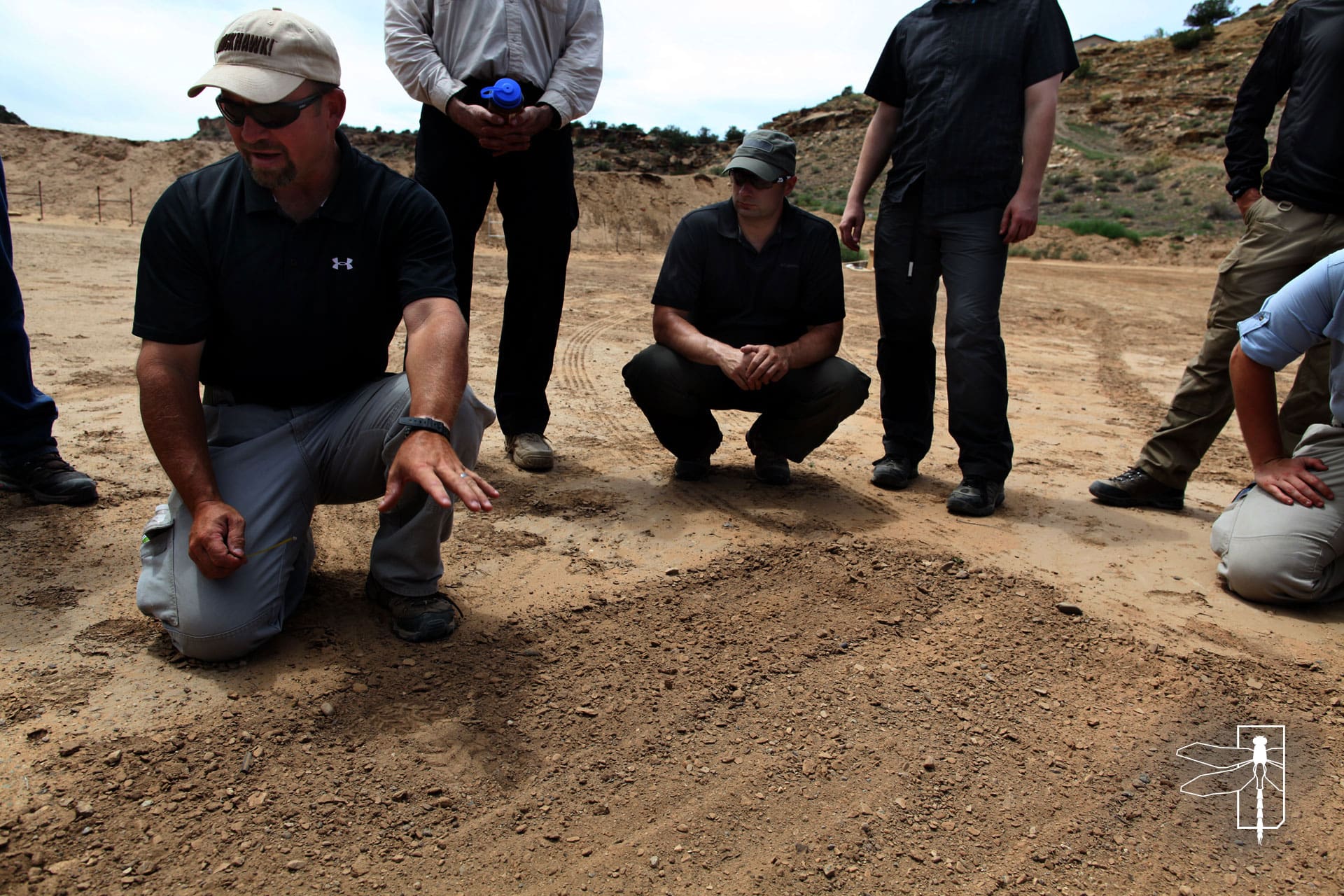
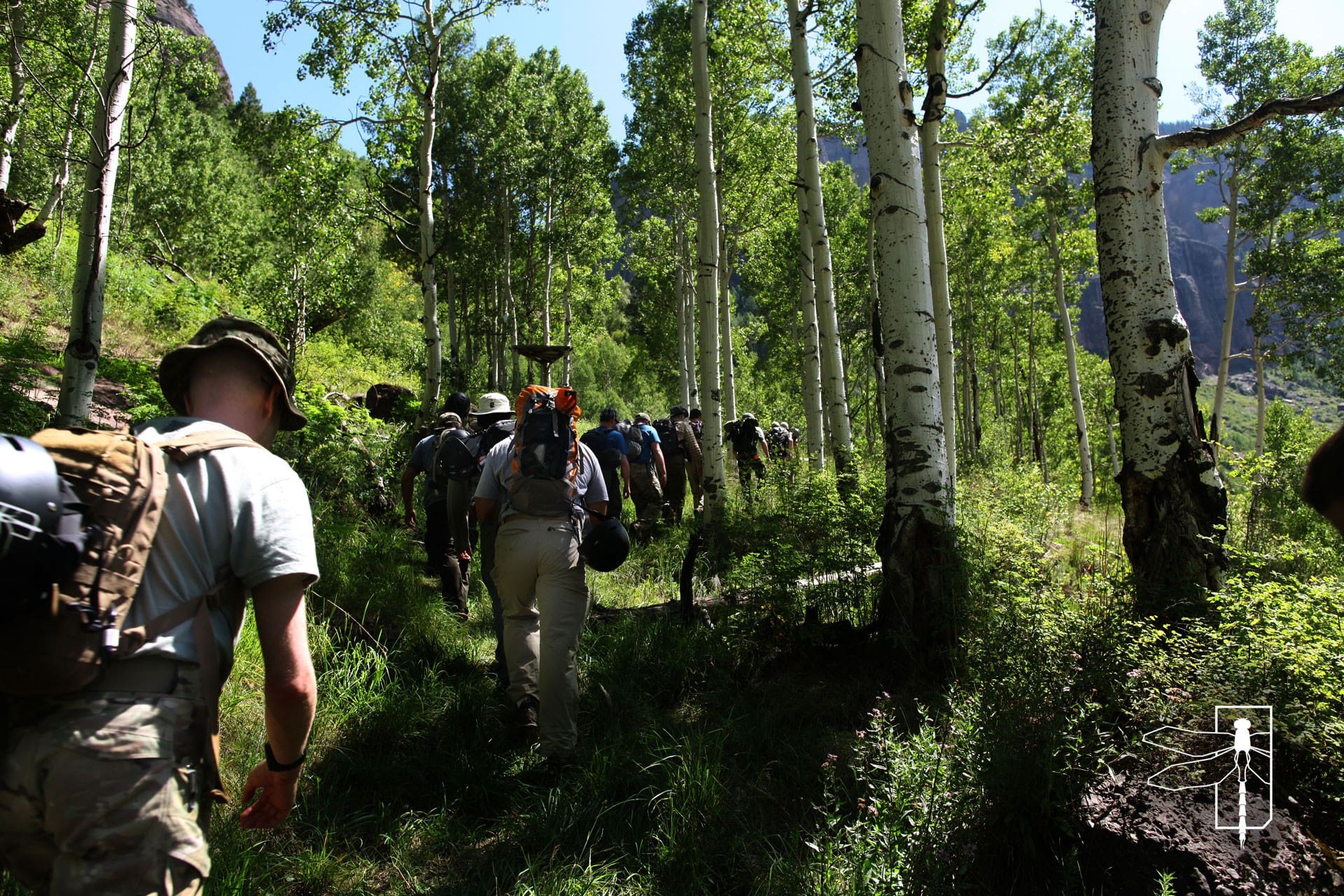
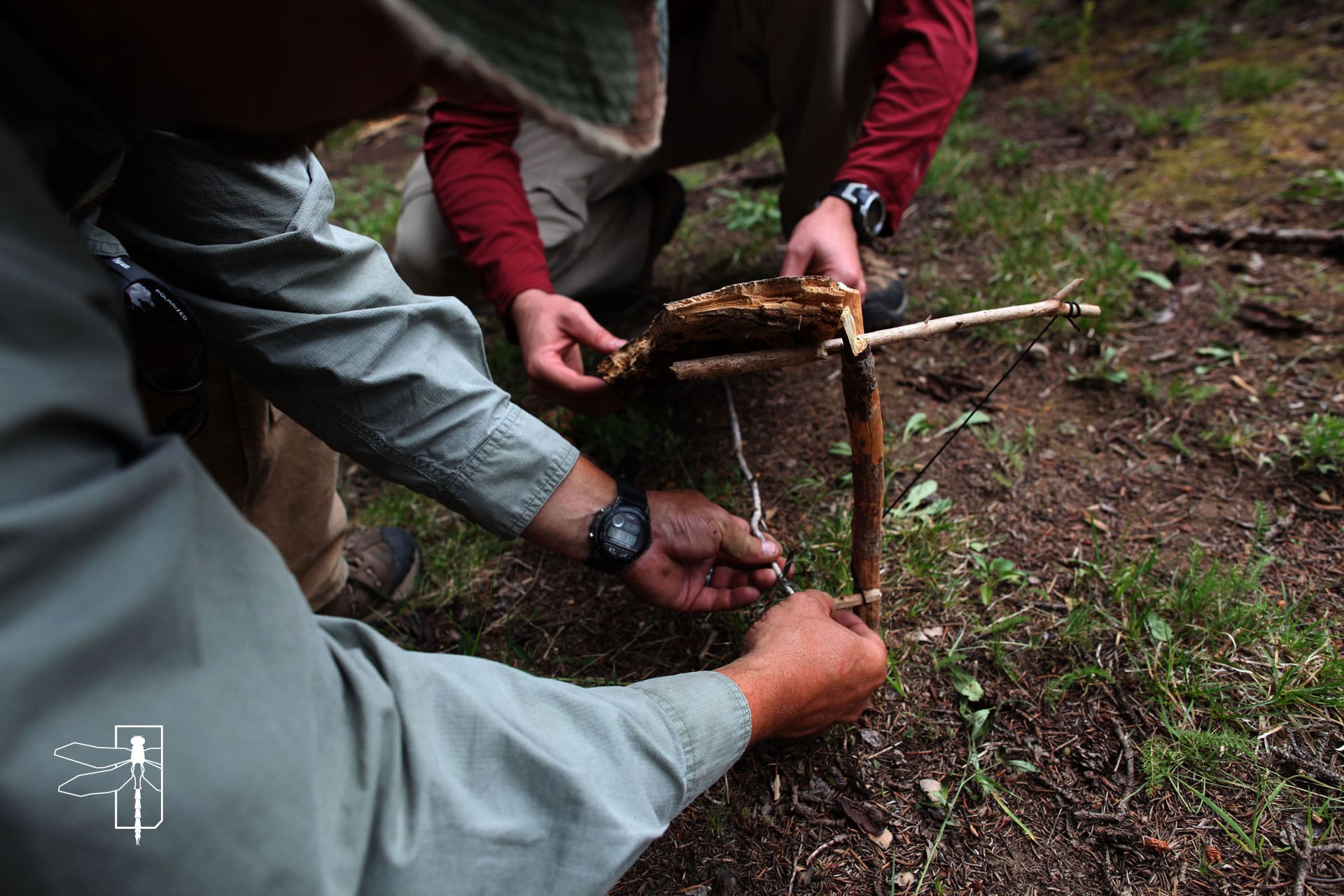
After the successful conclusion of the Disruptive Environment Problem Solver Mountain class, set in the Rocky Mountains the west slopes of Colorado, Haley Strategic will be offering a series of courses including survival, tracking, wilderness medicine and self rescue in environments ranging from wilderness to desert to mountain in summer, fall and winter.

Haley Strategic is pleased to introduce instructors Joe Scott, Steve Collins and Todd Rector; military and law enforcement professionals with extensive experience in combat tracking, sniping, search and rescue and wilderness survival. This team has worked with HSP since the company opened its doors in 2011 co-developing this program. A program that is about being proactive, focusing on self-reliance, rather than waiting for help. Starting with shelter and fire starting, the program includes sustainment tools including land navigation, water collection and purification, tracking and trapping.

Haley said, “When we opened shop at Haley Strategic, 2 years ago, we knew that our new training program would have to excel beyond what had been built in the past 4 years. Off the flat range into a 360º world where pressing a trigger wasn’t the solution…thinking was.

I’ve been fortunate to build a team with incredible people who not only push each other to reach for something better, but can complement each other to make that growth possible in ways that were not possible before.

The diversity and depth of the Disruptive Environments program is a direct result of that collaboration. We’re helping people become their own problem solvers, giving them tools and letting them find what works for them through practical application. ”

The Disruptive Environments program is designed to take people with a base set of skills and put them into controlled, real world situations where they can apply these skills to troubleshoot and problem solve their way to a successful resolution. With programs customized for users ranging from responsible citizens to special operations forces, the Disruptive Environments program is a true classroom for those looking to climb the next rung of the ladder of excellence.

This is very cool, very exciting news. I’ve spoken highly of HSP’s Disruptive Environments courses that not only impart skills but also offer scenarios to apply the training in realistic scenarios. I’ve also attended the Disruptive Industries program and found the method is both sound and effective. Additionally, as a lifelong outdoorsman, I love outdoor training courses, particularly those that concentrate on survival skills. I can’t wait to learn more.

www.haleystrategic.com

TreT – Ukrainian Parkour Dog

Wednesday, August 15th, 2012

It’s amazing to see this K9 go head to head with a human Traceur in a Parkour run.

TreT-Training.com