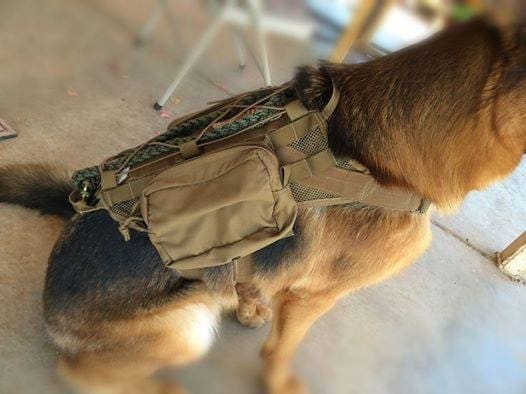
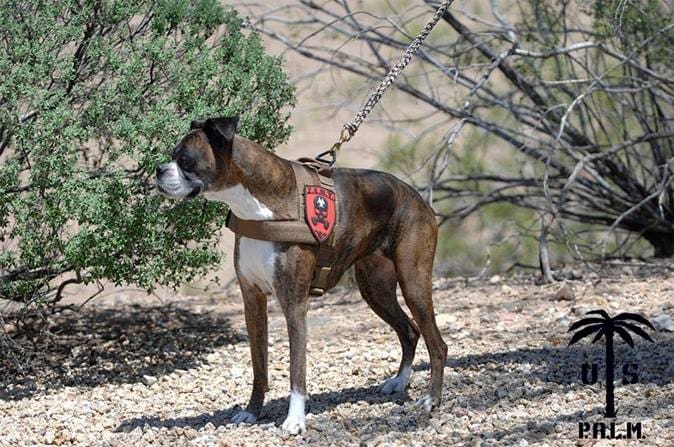
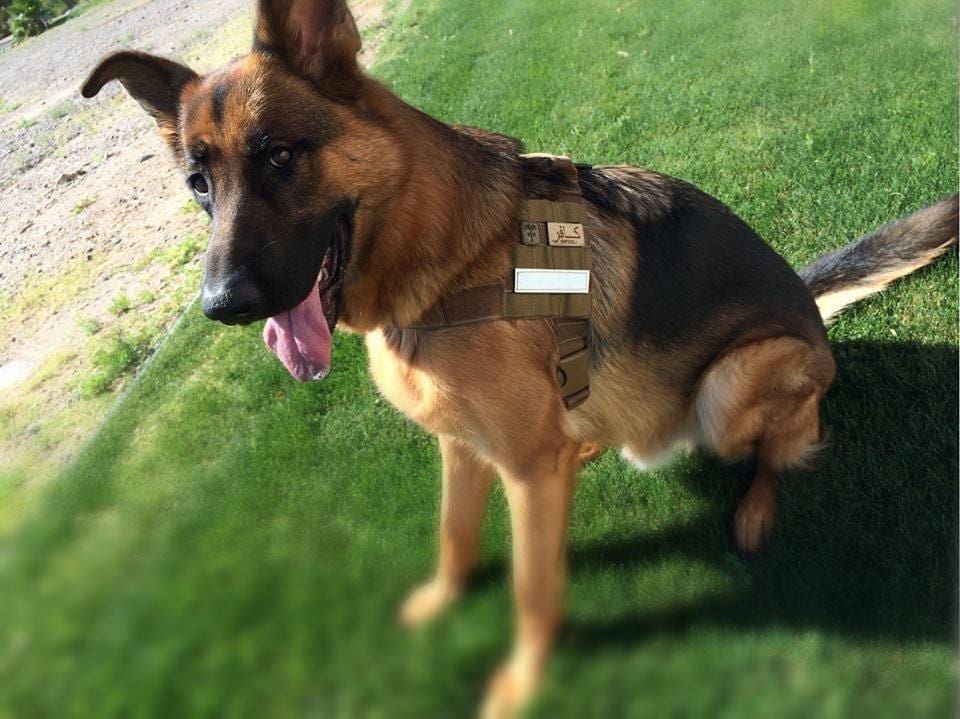
The crew at ZERT shared these photos of US Palm’s upcoming K9 gear called Cynology War Labs.


I love it when people tell me I don’t know what I’m talking about. Just like we told you was going to happen early last week, the 75th Ranger Regiment was in fact, the first US Army unit to don the Operational Camouflage Uniform during their 30th Anniversary ceremony on Friday, 3 October, 2014.
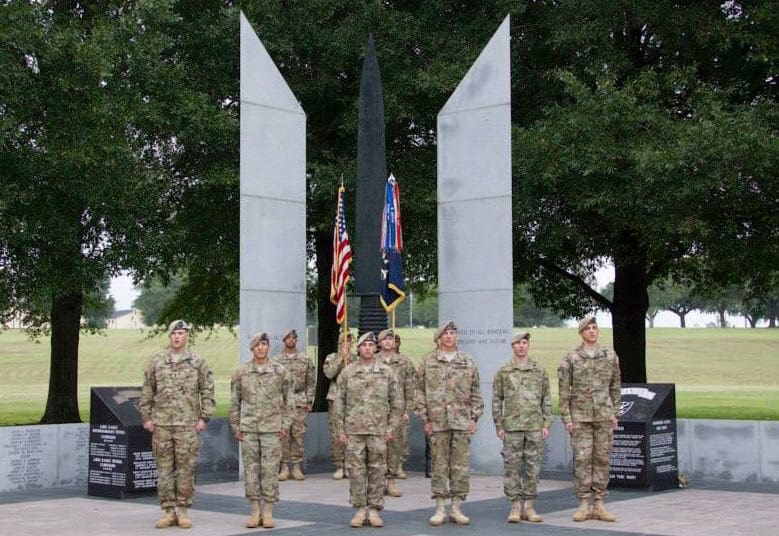
Soldier Magazine photo by SFC Brehl Garza.
The transition is happening. Come hell or high water, the Army is going to make this switch. The road may be a little bumpy but I’m glad to see the Army’s leadership making some smart moves by leveraging the RFI issued clothing in OCP to be used until the new variant of the ACU is ready next Summer. I would expect to see additional implementation across the Army to begin soon. I have been told that GEN Odierno, the Chief of Staff of the US Army will make a presentation regarding the new camouflage pattern and updated ACU during AUSA, just a week away.
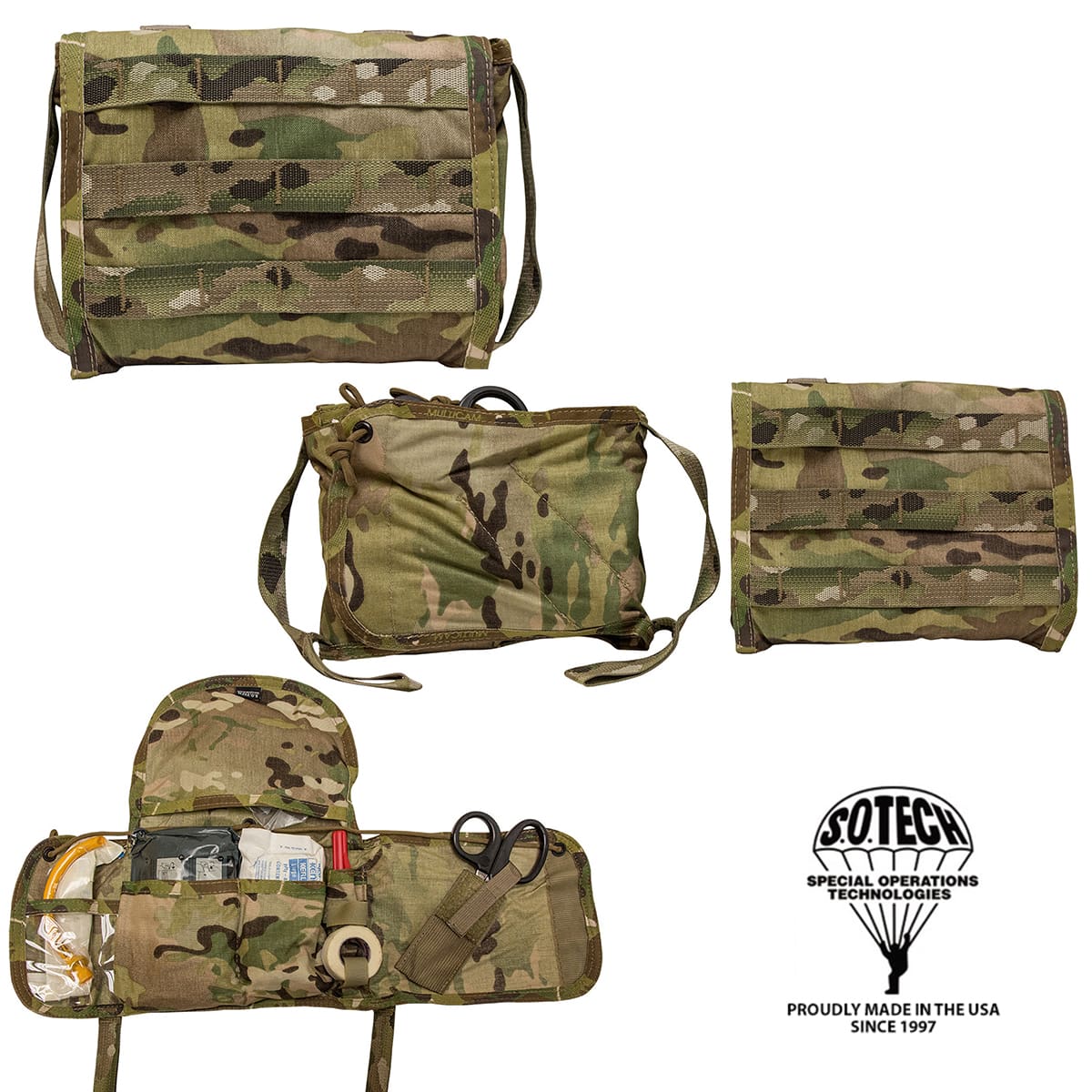
S.O.Tech’s Viper Flat IFAK is an IFAK kit currently being adopted by various Federal agencies and SOF units. Made of 500D Cordura nylon, the Viper Flat IFAK consists of a flat design for an ultra-thin profile and minimal weight. Folding and overlapping flaps offer utility and versatility, and the included cinch strap allows for quick closure. The cinch strap also allows the IFAK to be hung around the neck for hands free use.
The VIper Flat IFAK has the following additional features:
– Carries essential individual first aid items
– Ambidextrous deployment
– Flex-Tab attachment system (Patented)
– 3 rows of MOLLE across front
– Approximately same thickness as standard plate carrier for low profile
– When worn on lower back provides lumbar support
– Rides snug in case and will not dispense without deliberate side force by operator
– Dimensions: 9 in. L x 7 in. W x 1.75 in. D (when stowed)
– Lifetime Warranty
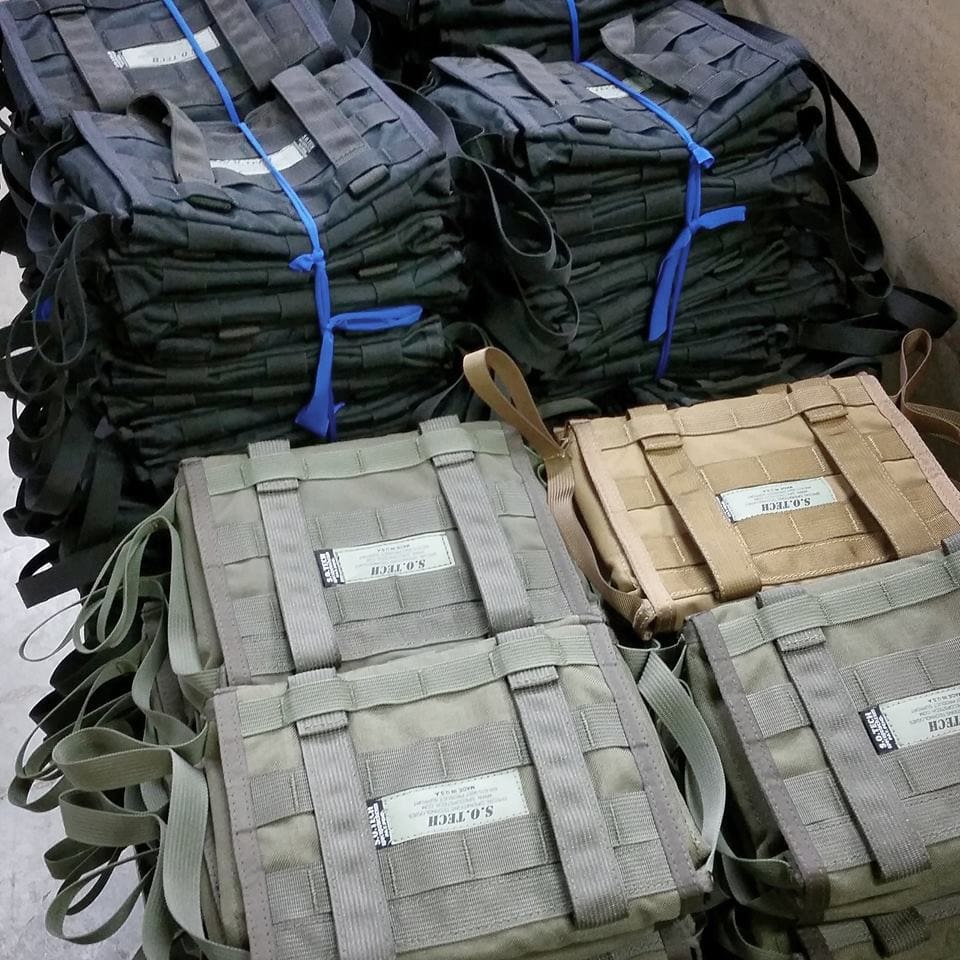
Available in Black, Coyote Brown, and MultiCam. Made in the USA.
sotechtactical.com/products/viper-flat-ifak
Check out this behind the scenes video from the 2015 Hot Shots Calendar photo shoot. The 2015 photo shoot took place in Salt Lake City, Utah, and featured a mix of veteran Hot Shots girls and newcomers.
You can get your Hot Shots 2015 calendar at www.hotshotscalendar.com

The TM14 Mk2 is a lightweight, low profile mount for the standard issue AN/PVS-14 Night Vision Monocular, designed to allow rapid attach and detach from the Aimpoint Twist Mount Base.

The TM14 Mk2 boasts several new features when compared to the original TM14. An integrated low profile lanyard loop has been added to the Mk2, to allow the user to dummy cord their PVS-14 to their helmet or weapon system. The Mk2 also features an improved angle on the underside ramp which facilitates indexing it onto the Aimpoint Twist Mount Base. The overall weight of the Mk2 has also been decreased by removing material from the underside of the unit. Lastly, the edges around the ring have been reduced with a more pronounced chamfer to make them less sharp.
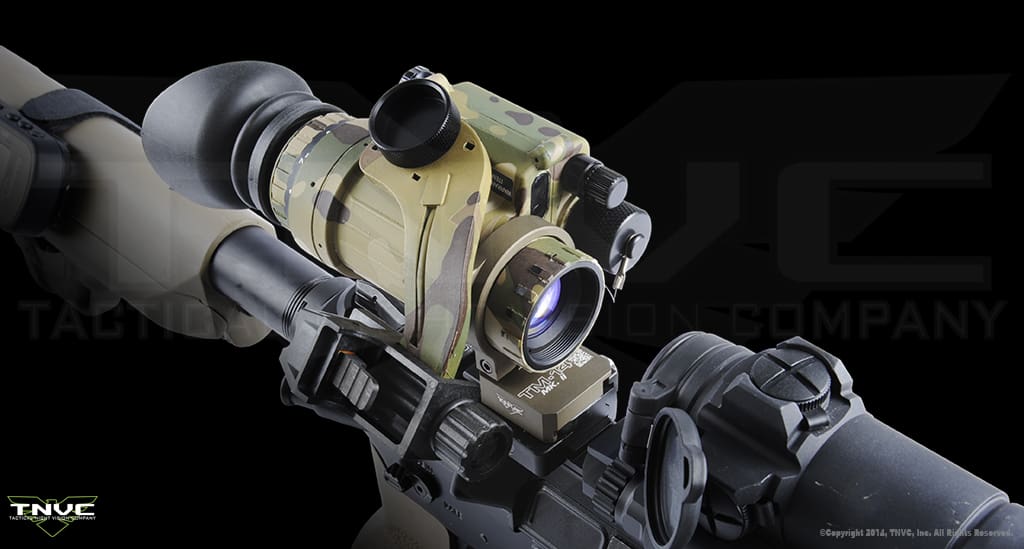
Available in Black and FDE.
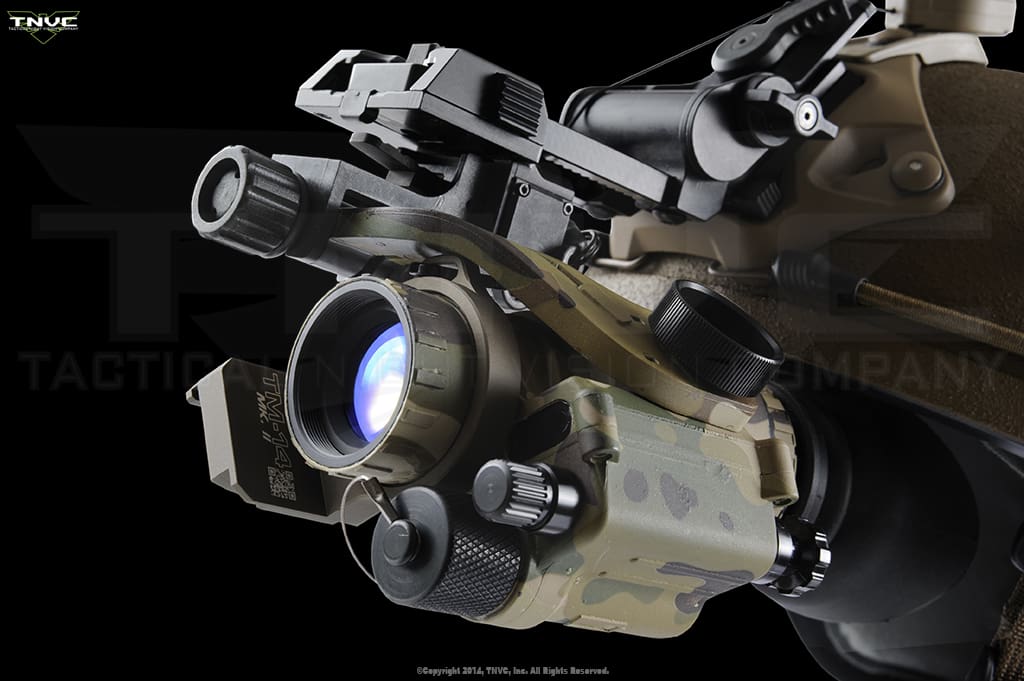
tnvc.com/shop/tnvc-tm14-mk2-pvs-14-weapon-mount

The following two definitions are crucial to an honest appreciation of this topic.
Webster’s-Merriam Dictionary
Look
Verb: to direct your eyes in a particular direction
See
Verb: to notice or become aware of (someone or something) by using your eyes
Aware
Adjective: knowing that something (such as a situation, condition, or problem) exists
I see far too often folks that conduct all kinds of movement and posturing after a non-scenario course of fire that is called “tactical awareness” but is probably more precisely called “gun-fu” or a “tactical kata”. Now don’t get me wrong, I am all about tactical awareness and keeping your “head on a swivel” but what I am not about is looking like you are doing something but you’re really not. My big three are
1.) scan and assess
2.) checking 6
3.) looking at an AR ejection port after every string of fire
Scan and assess and checking 6 are both billed as giving you critical information and done correctly they actually do. The problem is that in the conduct of both, people overwhelmingly “look” in a direction but don’t “see” anything. They look at this as a way to condition themselves under stress to be aware but what they are actually doing is the exact opposite. By “looking” and not “seeing” they are conditioning themselves to move their head left and right and not properly process anything they did look at. By not processing your surrounding with specificity you are conditioning yourself to make the requisite amount of motion and movement and falsely convince yourself that you are “aware” of your surroundings when actually you are overwhelmingly not.
In the case of looking at an ejection port every time a string of fire is complete even though there is no specific stimulus, in doing so you are convincing yourself you saw more than you actually did. I see it as wasted motion that gives very minimal and incomplete information unless a physical stimulus was perceived. My issue is two-fold: it can’t be done at night with any legitimate effect in any reasonable amount of time and if you look and actually have enough light to see the bolt in battery the only thing you genuinely know is the bolt is in battery…nothing more! If the bolt locked to the rear then you would have felt the energy transfer to the rear but not back forward and that stimulus would have told your body through repetition and subsequent learned patterns of response (muscle memory) to reload your rifle. The input on the rifle gives you feedback so if I am getting the right feedback (the gun is running) why spend time and awareness getting minimal or incomplete information? If you are going to look then do a quick press-check (which can be done day or night) but if you don’t, the only thing you genuinely know is the bolt is in battery. If the magazine was bad and didn’t lock back or feed another round then a press-check is the only way to positively identify the status of your rifle.
Scanning and assessing, checking your 6 and knowing the status of your rifle or any weapons system for that matter is not done through the physical repetition alone but through mental repetition in conjunction with physical cues. Different levels of experience allow some to be vigilant when vigilance is required but not on a drill where it is unnecessary. Less experienced people cannot differentiate between when it is a necessity and when it is not so that makes them feel compelled to do the dance every time they complete a drill. One’s ability to differentiate between the requirements of a situation speaks to how they train. Rote memorization of a “tactical dance” does not make you genuinely tactically aware. In reality it will make you less aware because you are conditioning yourself to physically act out the right answer but not get the benefit cognitively of the information it provides.
If you want to scan and assess or check your 6 after every course of fire and ACTUALLY SEE WHAT YOU ARE LOOKING AT then you are good to go in my book. If you press-check after every course of fire (and I do if there is any gap in time available along with pulling the magazine out and assessing by experience and weight if I think I am prepared for the next task) then I’m your advocate as well. Where I part ways with many is when the “gun-foo” starts and people are moving all around and looking all around and seeing almost nothing.
Looking is directing your vision…seeing is processing what you looked at. Don’t just look, see what’s there! Done properly you will genuinely be tactically aware…not just dancing around the firing line.
-Mike Pannone
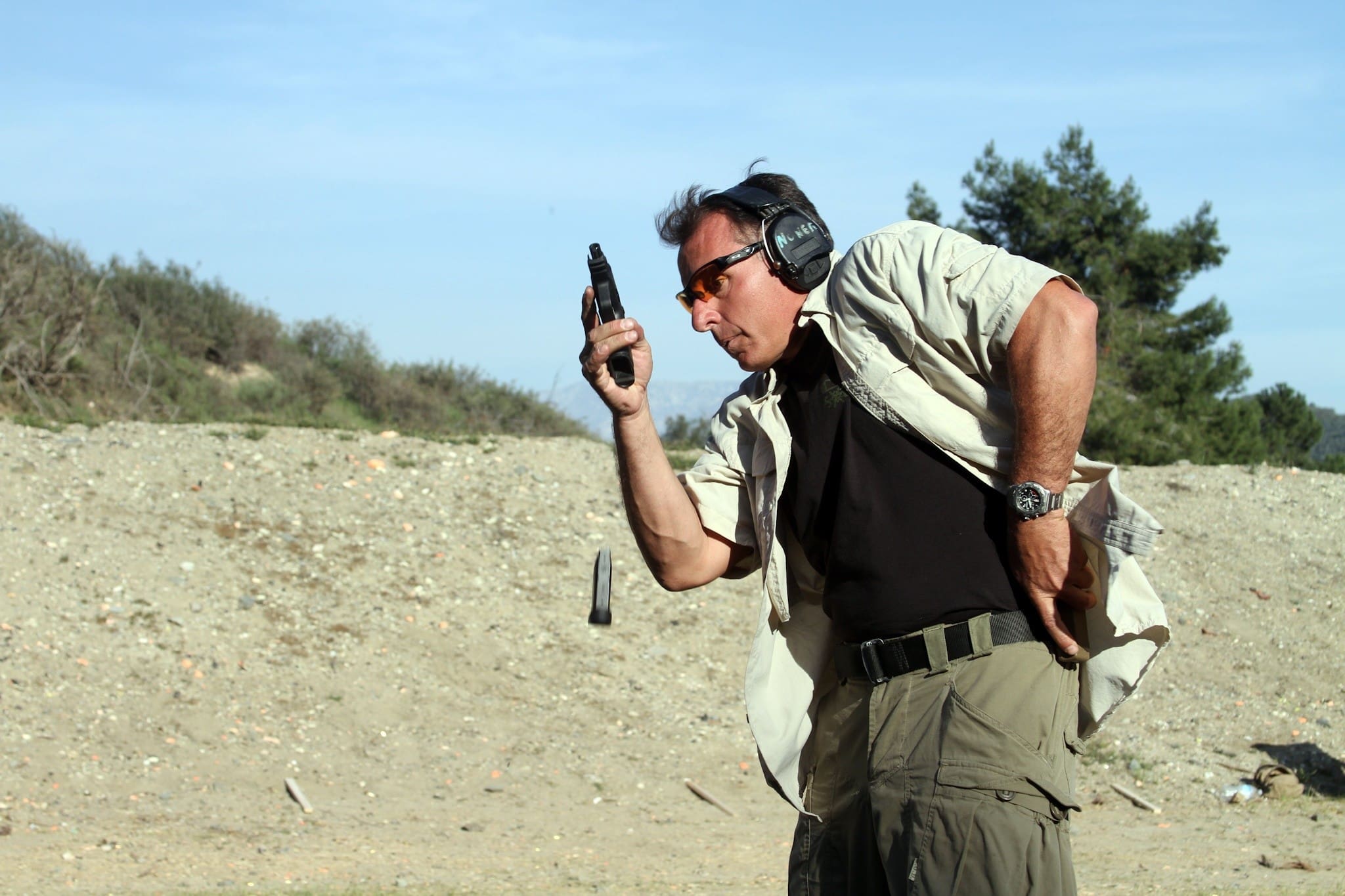
Mike Pannone retired from the Army’s premier assault force (1st SFOD-D) after an explosive breaching injury. A year after his retirement America was attacked on 9/11 and he returned to help serve his country as the head marksmanship instructor at the Federal Air Marshals training course and then moved to help stand up the FAMS Seattle field office. In 2003 he left the FAMS to serve as a PSD detail member and then a detail leader for the State Department during 2003 and 2004 in Baghdad and Tikrit.
In 2005 he served as a ground combat advisor of the Joint Counter IED Task Force and participated on combat operations with various units in Al Anbar province. Upon returning he gave IED awareness briefings to departing units and helped stand up a pre-Iraq surge rifle course with the Asymmetric Warfare Group as a lead instructor. With that experience as well as a career of special operations service in Marine Reconnaissance, Army Special Forces and JSOC to draw from he moved to the private sector teaching planning, leadership, marksmanship and tactics as well as authoring and co-authoring several books such as The M4 Handbook, AK Handbook and Tactical Pistol shooting. Mike also consults for several major rifle and accessory manufacturers to help them field the best possible equipment to the warfighter, law enforcement officer and upstanding civilian end user. He is considered a subject matter expert on the AR based Stoner platform in all its derivatives.
Gunfighter Moment is a weekly feature brought to you by Alias Training & Security Services. Each week Alias brings us a different Trainer and in turn they offer some words of wisdom.
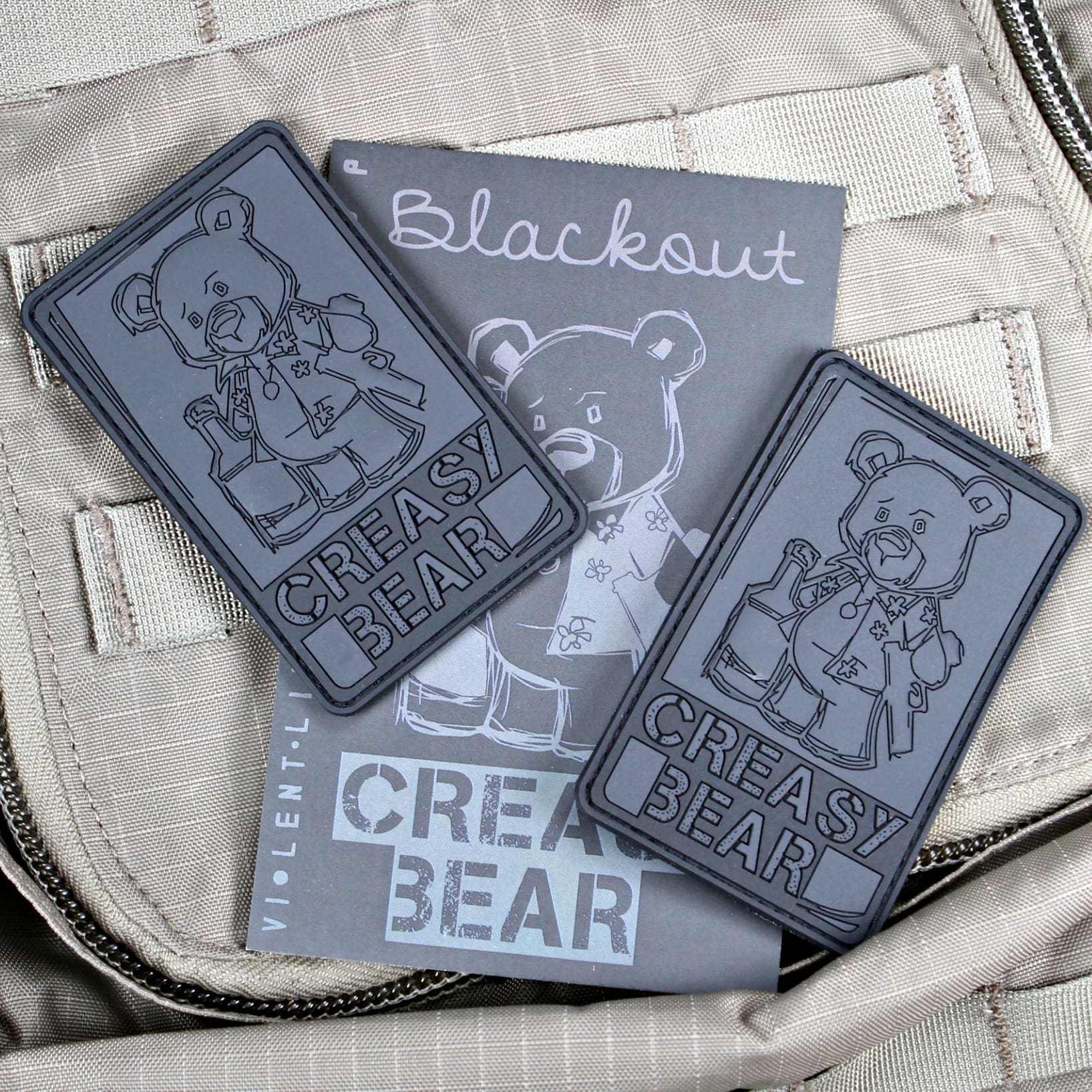
Violent Little Machine Shop has just released a Blackout variant of their popular Creasy Bear patch. It uses two different shades of black to give it a subtle contrast, and comes packaged with an art card. PVC and Velcro backed.
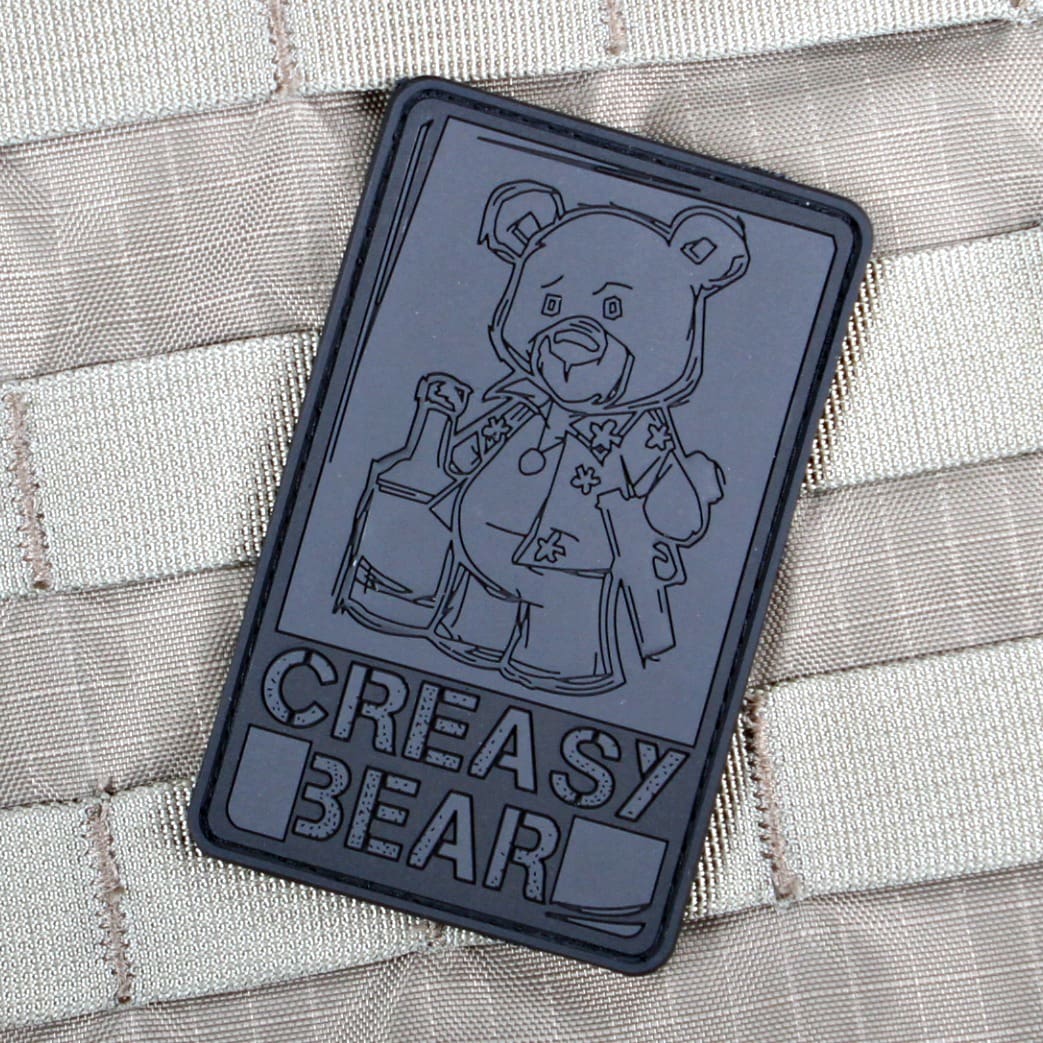
Additionally, Soldier Systems Daily readers receive free US shipping by using the coupon code soldiersystems at checkout.
www.violentlittle.com/products/creasy-bear-patch