XC3 Weaponlight

Archive for the ‘Field Gourmet’ Category

Sustaining Expeditions: New Tech Keeps Warfighters Fed in Arctic Conditions

Tuesday, December 23rd, 2025

WASHINGTON — Batteries for cellphones and other small devices deplete quickly outside in the winter, and that’s no different for warfighters in the field. To make sure they’re focused on the mission — and not the temperature or malfunctioning equipment — War Department experts are creating specialized technology and adapting current equipment to survive in frigid climates.

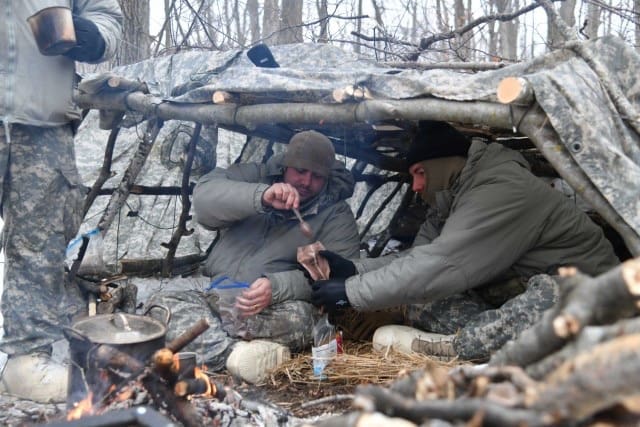
More countries, including U.S. adversaries, are increasing their presence in the Arctic thanks to its vast natural resources and new shipping lanes that have opened due to ice melt. Those changes have helped to shift the future of expeditionary warfare toward small, self-sustained units that can function in the extreme cold. Supply lines aren’t well-established in those areas, so units often have to carry their own food and cooking equipment.

In temperatures that are often minus 25 degrees Fahrenheit or below, currently fielded cooking equipment used by troops just won’t cut it. Materials used throughout field feeding systems — such as plastic, rubber and textiles — can freeze and break, while other items lose their ability to function, affecting a warfighter’s productivity or even shutting down operations.

At the Army Combat Capabilities Development Command Soldier Center’s Combat Feeding Division in Natick, Massachusetts, researchers are working to create and supply equipment that will keep warfighters on task for mission success. While the division’s main focus is the nutritional needs of warfighters, how they’re able to prepare their meals to meet those needs is also important.
That’s where Ben Williams, a mechanical engineer and the division’s self-described de facto cold-weather sustainment expert, comes in. He’s helped develop numerous cold-weather field feeding and sustainment technologies for expeditionary forces.

Until recently, portable kitchens used in the field were built to feed between 250 and 800 soldiers and weren’t designed to work below minus 25 degrees. So, Williams and his colleagues set out to design and build newer equipment that’s smaller in scale but offers the same capabilities in a cost-effective expeditionary package.

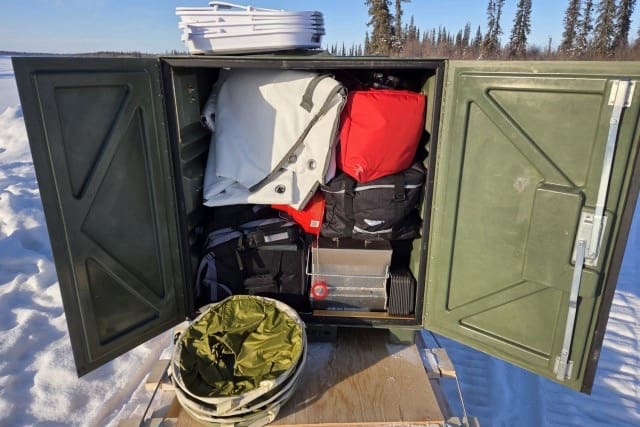
Thus was born the Expeditionary Field Feeding Equipment System, or EFFES, a collapsible kitchen system developed with the help of the Marine Corps as a way to feed about 100 to 150 warfighters.

“It’s basically a kitchen in a box,” Williams said of the tent, equipment and gear that fits in a pallet-sized container. “It’s very mobile, very lightweight. You can airdrop it, you can sling load it, put [it] in the back of a pickup truck. You don’t need standardized military equipment to transport it.”

The EFFES cooks using most standard fuel types and has no external power source; it’s battery-powered and self-sustained through thermoelectrics, a process where a temperature difference creates an electric current. A majority of its components are commercially available, keeping costs much lower than if parts were custom-built. It also helps soldiers in the field when it comes to replacements.

“If something breaks, they can just use unit dollars to replace it,” Williams said. “And since most components are commercial off-the-shelf, the likelihood that they’ll be available and in stock is high. This ensures that equipment in the field remains operationally available.”

Service Member Tested

The Combat Feeding Division has tested 10 EFFES prototypes over the past three years in several locations, including with units at the Marine Corps Mountain Warfare Training Center in central California and by the Army’s 11th Airborne Division in Alaska during Joint Pacific Multinational Readiness Center exercises.

It was also tested by the Army’s Cold Regions Research Engineering Laboratory during one of its yearly Arctic-led international expeditions, where the system was transported across 1,300 kilometers, and minus 30 degrees was the daily operational temperature.
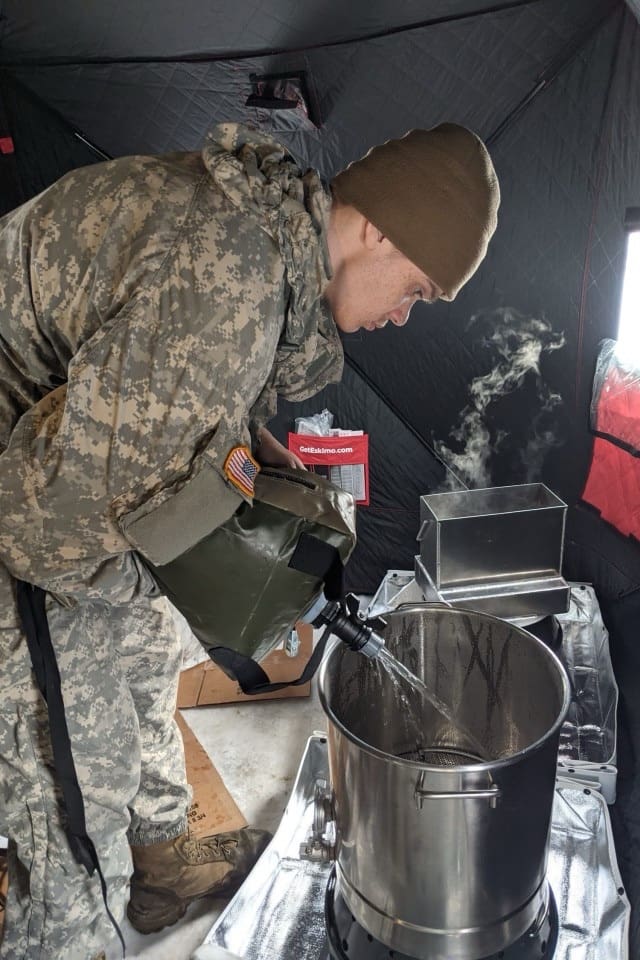
“They were trading with the native population … cooking moose meat and making biscuits,” Williams said. “Military personnel who had no food service background were able to utilize the equipment with minimal training.”

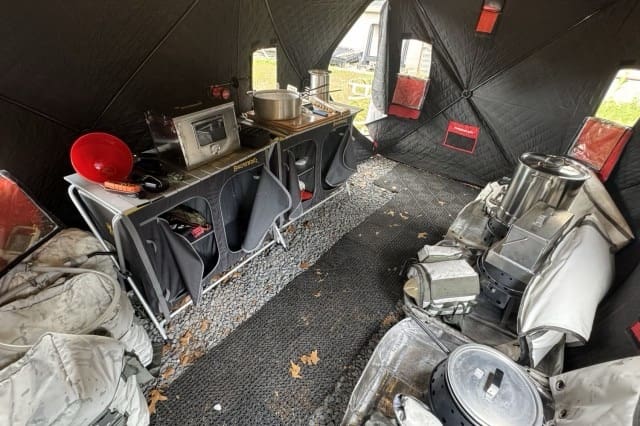
So, how does this kitchen-in-a-box work in the extreme cold? Underneath a small, insulated tent, its users set up three cooking stations, each of which uses an insulated 2-gallon fuel tank that’s attached to a Marine Corps standard squad stove known as the MSR XGK stove, which is usually intended for individual use.

“We’re going to use three of those to cook for 150 people,” Williams said. It’s something they’ve managed by modifying the burner to triple the heat output and make some other functional tweaks.

“We can cook faster, and the fuel consumption is drastically lower,” Williams said. “We’re using 80% less fuel than burners we use in our other kitchens. It’ll run for about 30 hours off one tank. It’s a big difference.”

To pressurize the fuel bottles, they supplemented the stove’s manual hand pumps with insulated automatic air pumps.

Among other items, the EFFES also comes with flame-resistant, insulated covers that can be used with the system’s pots, pans and ovens; special adapters for heating group rations; and carbon monoxide sensors for safety. The larger components are collapsible.

“It’s got everything you need for prepping, cooking, serving and sanitation,” Williams said.

Crews also have specially insulated backpacks to hold 5-gallon water bladders that won’t freeze and can be folded when empty. “If you leave with 120-degree water from the tap, you can keep it above freezing for at least three days at minus 40 degrees, just sitting outside,” Williams said.
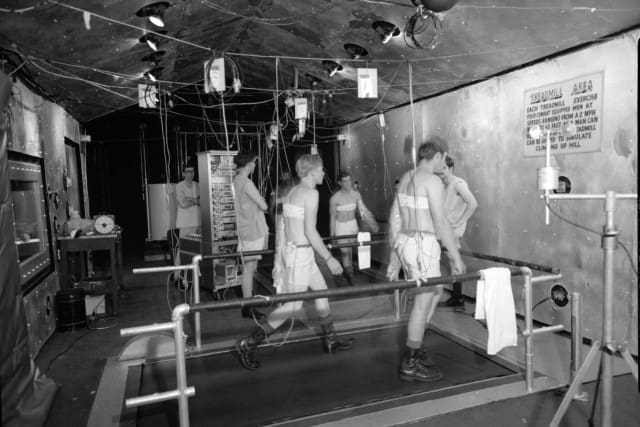
Climatized Indoor Testing

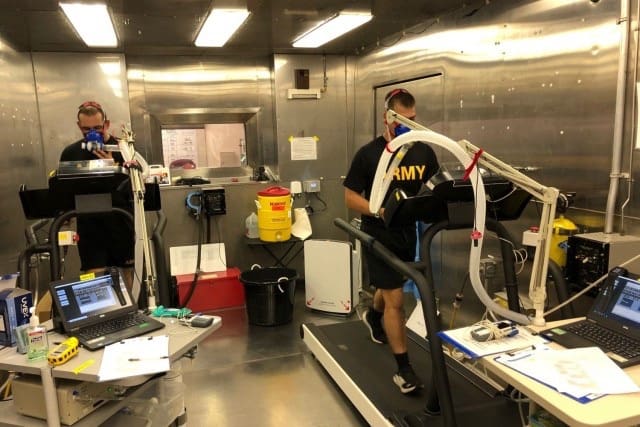
Williams and crew test all the equipment at the nearby U.S. Army Research Institute of Environmental Medicine’s Doriot Climatic Chamber, which for decades has tested the effects of extreme environments on people and equipment.

“Every climate you could possibly imagine … we can re-create,” said Jeff Faulkner, the facility’s manager.

The chambers’ temperatures can range from 165 to minus 65 degrees, and they can create 40 mph of wind, rain and snow. Each chamber has inclining treadmills that can handle up to five soldiers at 15 mph on a 12-degree incline. Smaller conditioning rooms have the same capabilities as the chambers, except they can drop to minus 72 degrees.

Inside a tent in one of the conditioning rooms, Williams recently tested a prototype fireproof insulated combat equipment stove, known as the ICE stove. Unlike the EFFES, the ICE stove weighs 35 pounds, folds up and is transportable like a duffel bag.

“Everything’s thermoelectric, so there’s no external power,” Williams said.

The ICE stove’s burner, which is contained in an aluminum cradle for safety, is able to rapidly heat water or reheat meals, ready-to-eat entrees in temperatures down to minus 60 degrees. It comes with a cook pot for water and a second tank on top that can melt snow. There’s also an exhaust tube that allows the ICE stove to vent out the top of the tent, as well as carbon dioxide and monoxide sensors.
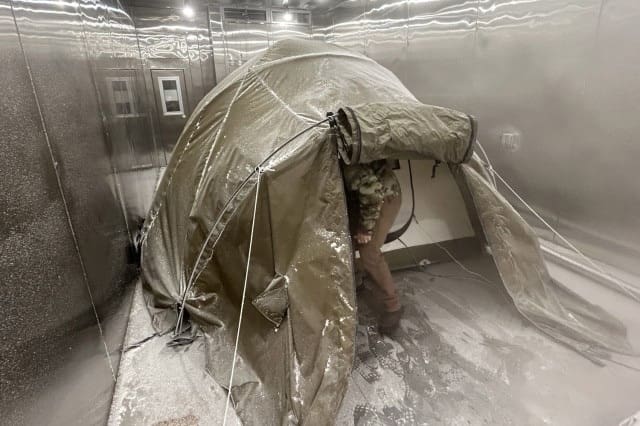
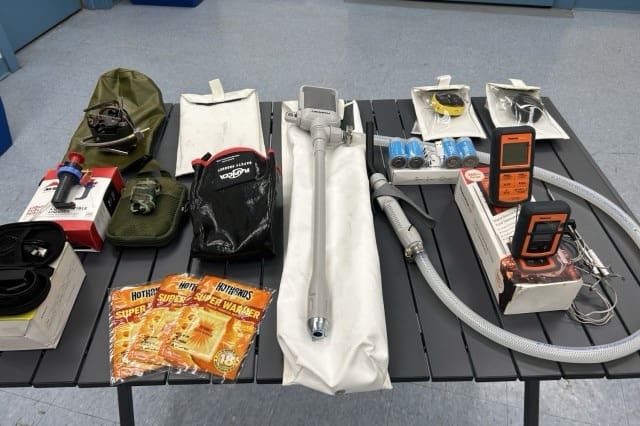
“The whole point of this is to rapidly heat enough water for a platoon of 50 people for their meal, cold water rations,” Williams said. “If you want to heat MRE pouches, other prepackaged foods or just some biscuits, you can do that in the top section.”

When warfighters want to create hot water or reheat their MREs outside the tent, the ICE stove’s insulated wrap maintains performance and keeps the water or rations warm. Water is then dispensed through a lithium-ion battery-powered electric pump and hose — much like a gas pump.

“A lot of things break instantaneously at [minus 40 or minus 60 degrees]. Rubber is one of them, so you have to get a special platinum-infused silicone hose, so it remains flexible,” Williams said. To keep the pump and other external parts running optimally, disposable hand warmers can be stuffed in specially designed insulated pockets.

The stove comes with several other small side components, including plasma lighters, matchless fire starters, an LED headlamp and a remote temperature monitor that can operate from several hundred feet away.
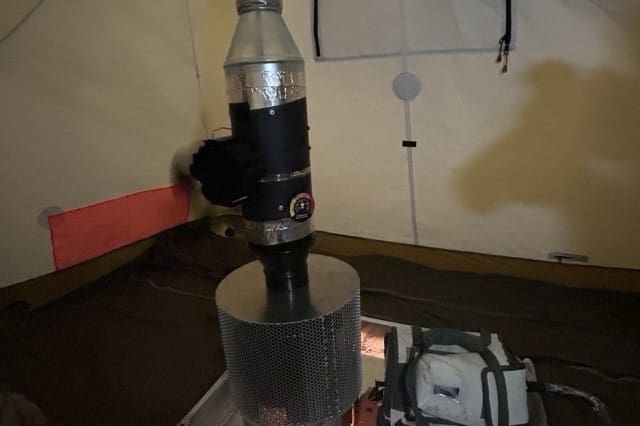

“The operator can be doing other things while his water or rations are heating. You don’t need to sit here and watch it and dedicate a soldier solely to cooking,” Williams said.

The water tanks can easily be exchanged to turn the stove into a tent heater as well, Williams said. A thermoelectric module can be plugged into the electric pump’s battery, acting as a power source. When Williams tested it inside a chamber at minus 50 degrees, it produced a small amount of heat, but it was enough to raise the temperature to a survivable level — about 62 degrees.

“We really want it to be at least 40 degrees without anybody in there, and we’re getting to about 47 degrees,” Williams said.

Testing Other Cold-Weather Creations

Meanwhile, Faulkner said he’s also seen researchers at the climate chamber test a heated bodysuit that went inside of a high-altitude, low-opening jumpsuit. HALO jumping is a technique used for stealthy infiltration into an area in which the jumper exits an aircraft, often at about 30,000 feet, and free falls to a lower altitude before deploying their parachute.

Since the air is thin and freezing at those heights, specialized equipment is required. The test mimicked a three to five-minute free fall.

“[The suit] would keep them warm instead of using this huge, bulky insulated uniform,” Faulkner said. “And to mimic the falling, they had piles of giant box fans blowing in [the volunteer participant’s] face in minus 65 degrees.”

Just recently, the chamber hosted a company working with an Army drone team to test batteries and computer systems in extreme cold temperatures.

Faulkner said that while most of the equipment tested during his years at Doriot has been for cold climates, some warm-weather technology has been prototyped. Researchers tested a microclimate cooling vest that explosive ordnance disposal technicians and others who wear various nonbreathable suits could wear to prevent heat-related injuries.

By Katie Lange, Pentagon News
Nutrition Research Keeps Warfighters Ready, Lethal in Extreme Cold

Sunday, November 30th, 2025

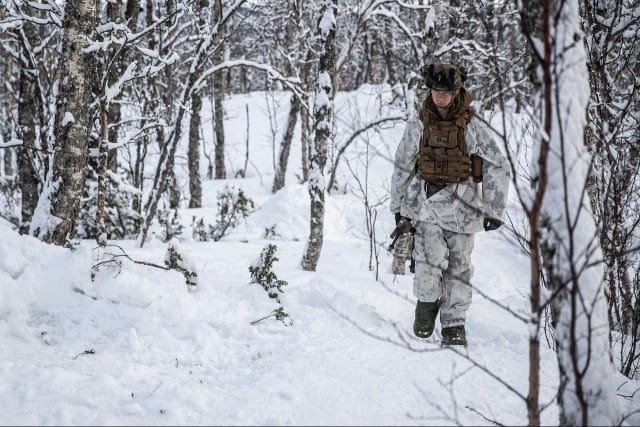
WASHINGTON — As the race to control the Arctic intensifies, more research is focused on how to optimize service member performance in the extreme cold, where lack of sleep and appetite, altitude and equipment issues can all affect a warfighter’s ability to function.

Researchers at the U.S. Army Research Institute of Environmental Medicine’s Military Nutrition Division in Natick, Massachusetts, study physiological stressors that warfighters encounter. By manipulating dietary, exercise and environmental conditions, they’re working to determine the best way to deliver the right nutrition and energy to increase warfighter lethality.

How extreme cold negatively affects warfighters

In extreme cold environments, difficult terrain, bulky clothing, heavy equipment and the body’s own process for regulating internal body temperature can cause service members to expend more energy. Many also don’t get enough nutrition or sleep, said USARIEM research psychologist Harris Lieberman.

“Sleep deprivation is what usually occurs when you’re deployed,” he continued, “and service members don’t eat enough food [in the cold] to keep up with all the work that they do.”

The U.S. military has a cold-weather version of the meals ready to eat, which is dehydrated to keep the rations from freezing. But they need to be rehydrated at mealtime, which can take time — something not all warfighters have. Many just don’t eat during busy time periods. That lack of nutrition can lower the energy levels required to do the mission, explained Lee Margolis, a veteran-turned USARIEM nutrition physiologist.

“Energy expenditures can range anywhere from 5,000-7,000 calories per day [in extreme cold],” Margolis said. “For an average individual, normally you’re going to burn about 2,000-3,000 calories per day.”

High altitudes, where less oxygen is available, can also affect energy expenditure — even in the strongest special operators — and change the body’s ability to metabolize food for fuel.

“It’s critically important that we develop solutions to offset the impacts of altitude,” explained James McClung, chief of USARIEM’s Military Nutrition Division. “Nutrition can be a part of that.”

Other issues, such as equipment freezing up and losing its ability to function, can also affect productivity.

Mimicking Extreme Temps

Researchers visit cold-weather climates, such as Alaska and Norway, to perform studies, but they’re also able to do some at home. USARIEM’s Doriot Climatic Chambers allow experts to test the effects of extreme environments in two massive indoor chambers: one focuses on human-subject testing, while the other is used for equipment testing.

“Every climate you could possibly imagine … we can recreate,” said Facilities Manager Jeff Faulkner.

The chambers’ temperatures can range from 165 to minus 65 degrees, and they can create 40 mph of wind, rain and snow. Each chamber has inclining treadmills that can handle up to five Soldiers at 15 mph on a 12-degree incline. Smaller conditioning rooms have the same capabilities as the chambers, except they can drop to minus 72 degrees.

In one of the smaller conditioning chambers, Lieberman is leading a cold-weather study to analyze the behavior, physiology and performance of stressed, sleep-deprived Soldiers to determine what nutritional needs will increase their performance.

After various pretests and body composition measurements, the volunteers, who are part of the Natick laboratories’ Soldier Volunteer Research Program, spend two days and one night in the room at 16 degrees. While wearing cold-weather-appropriate gear, they undergo various physical activities, such as stationary bike rides and hand strength tests, to measure their reaction time and vigilance.

They take various cognitive performance tests to measure mental acuity, and they eat meals primarily consisting of military rations that dietitians tailor specifically to their needs. They also forgo sleep. “If something unexpected happens, can you effectively respond and correctly deal with it?” questioned Lieberman, referring to the study’s end goal.

Carbs, fat, protein: What’s best for energy balance?

Meanwhile, USARIEM researchers have been working to get a better understanding of the types of macronutrients that will help cold-weather combatants thrive. The goal: to keep warfighters from expending more energy than they’re consuming.

“We’re studying using macronutrients to avoid negative energy balance — the case where we cannot eat enough to maintain physical or cognitive performance — which is associated with poor performance and also an increased risk of injury,” McClung said.

“We’ve seen that there are decreases in lower body power specifically,” Margolis said of the negative energy balance. “Obviously, under a combat scenario, your ability to move very quickly, especially if you’re carrying a heavy kit, may be the difference in survival.”

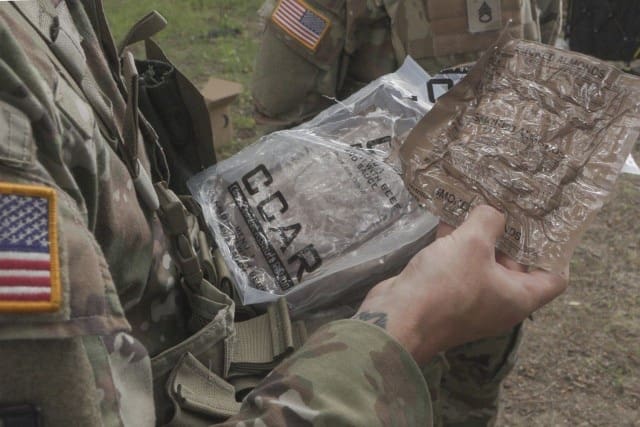
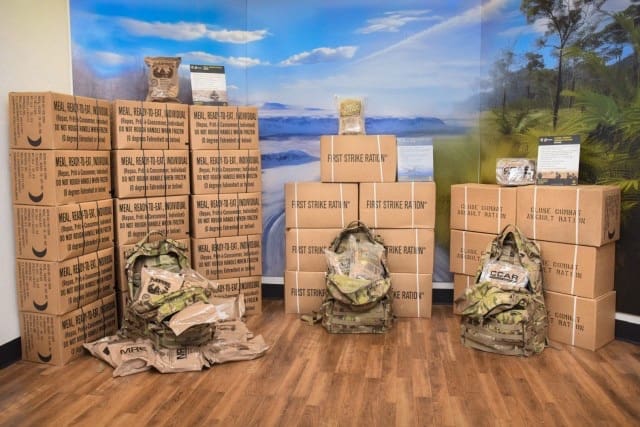
The research, which has been years in the making, helped to develop a more energy-dense ration known as the close combat assault ration. The CCAR recently replaced the first strike ration for combat troops.

In 2016, in collaboration with the Norwegian Defense Research Establishment, known as FFI, USARIEM began studying Soldiers in the field to see how they metabolized prototypes of supplemental snack bars created by the Army Combat Capabilities Development Command Soldier Center’s Combat Feeding Division. One bar was higher in carbohydrates, while the other was higher in protein. The result: the volunteers liked and ate the bars, but they ate fewer of their actual combat rations, leading to energy deficits.

Further lab research in 2022 studied the amount of food Soldiers ate by feeding volunteers a higher-fat prototype product. Fat has more calories per gram than carbs and protein, so a bar with a higher-fat count could provide more energy in a smaller package, Margolis said — something that could help lighten warfighter load during combat operations.

By providing the volunteers with the higher-fat prototype product, researchers wanted to see if their energy intake would increase.

All of the volunteers ended up consuming more calories than in previous studies. However, most of their energy deficits remained at moderate levels, causing no adverse effects, explained Emily Howard, a USARIEM nutritional physiologist who helped carry out the study. The takeaway for researchers: the amount of food a warfighter consumes is the most critical factor in preserving their performance, not so much the composition of that food.

However, since Soldiers don’t typically eat a lot in cold-weather conditions, the research into how to optimize macronutrients in rations continues.

Evolving tactics

One upcoming study will monitor how warfighters on cold-weather ruck marches perform when eating two newer prototype ration bars: one that’s higher in fat and more energy-dense, and another that’s less energy-dense and higher in carbs. During the study, researchers plan to measure each volunteer’s oxygen and carbon dioxide levels.

“We’re able to actually calculate if their body is using primarily carbohydrate, primarily fat, or a mix while they’re doing exercise,” Margolis said.

The study will also look at glucose and insulin level changes, as well as hormone responses, to see how well that fuel sustains them on long marches and during moments when they might need to pick up the tempo.

Margolis’ team also plans to do some observational studies during the annual exercise Arctic Edge in Alaska in 2026 to see how service members are using the cold-weather MRE and its supplements.

Once the studies are concluded, USARIEM’s findings are shared with the Combat Feeding Division as recommendations for adjusting current rations or developing new ones.

By Katie Lange, Pentagon News
DEVCOM Soldier Center Transitions New Individual Field Ration for DoD-Wide Availability

Friday, July 25th, 2025

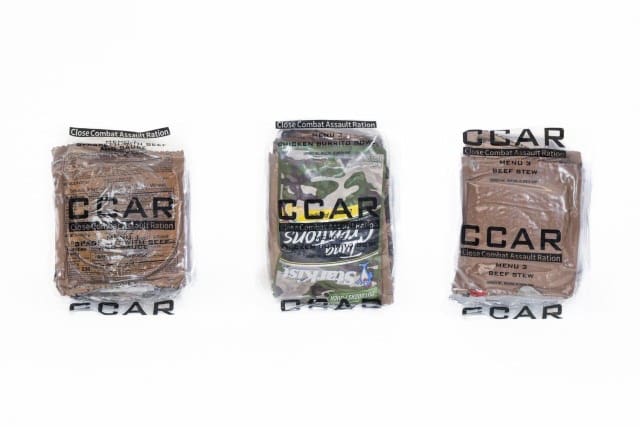
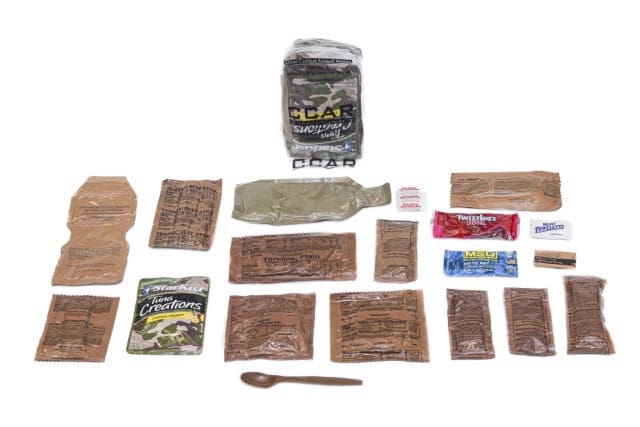
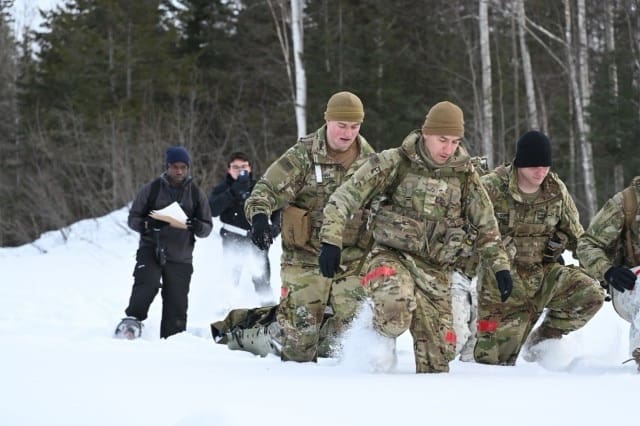
NATICK, Mass. – A new, lightweight, energy packed, nutrient-dense, individual field ration, called the Close Combat Assault Ration, CCAR, is now available to all U.S. military service branches for procurement through the Defense Logistics Agency Troop Support.

Under development by the U.S. Army Combat Capabilities Development Command Soldier Center’s Department of Defense Combat Feeding Division, CFD, since 2019, the CCAR utilizes emerging food processing technologies to significantly reduce weight and volume, while retaining vital nutrients.

Early development of the CCAR was supported by the Close Combat Lethality Task Force, which resulted in an accelerated fielding schedule. The goal was to develop a ration to support small units during operations in austere environments where they need to be self-sustained for 7-10 days with limited or no re-supply. The existing individual rations at the time, including the Meal, Ready to Eat and the First Strike Ration, were too large and bulky to meet this operational requirement.

To approach this challenge, the entire division worked together to address the multiple requirements needed to develop a tailored solution. Factors considered included: meeting nutrition needs, supporting performance, warfighter acceptability, processing and packaging to ensure shelf-stability and nutrient retention, and other unique operational challenges.

The first step was to identify and define user requirements. It was initially thought that weight and volume reductions could be gained by simply putting together nutrient-dense bars. However, after utilizing the Product Attribute Elicitation Method, or PEM, a highly scientific process for gathering user requirements, researchers discovered this was not the case.

The PEM sessions asked warfighters for descriptive feedback for a given scenario. This process obtained opinions, scoring, and quantitative data that allowed for statistical analysis. PEM includes ratings that can be scored along with qualitative data that allows for a deeper understanding of user needs.

In 2019, CFD, supported by Tufts University Sensory Science Center, executed PEM sessions with the 10th Special Forces Group at Fort Carson, Colorado; the 10th Mountain Division in Fort Drum, New York; and with the 2nd Reconnaissance Battalion, 2nd Marine Division at Camp Lejeune, North Carolina. Collecting these user-generated requirements early in the process proved instrumental to the successful development of this new ration.

CFD, in collaboration with industry and other government agencies, then created prototypes for the initial operation test and evaluation, or OT&E, held in 2020. The prototypes included test items developed with both novel and traditional processing methods. Several vacuum microwave dried items were tested along with sonically agglomerated items, which use sound waves to compress the food. Both technologies were found to successfully increase the nutrient and energy density of the food items.

Vacuum microwave drying uniformly removes water with both vacuum and microwave techniques, resulting in smaller compressed items that remain moist. With funding support from the Army, CFD initiated a manufacturing technology effort, which supports the maturation of VMD technology with ration manufacturers and suppliers. SA uses vibration, which combined with compression, instantly welds food molecules together without filler or binders, reducing the item sizes by 30-50 percent while retaining the same ingredients and nutrition.

These and other novel technologies were evaluated during the CCAR’s development and CFD will continue to work with industry partners to identify new technologies and evolve existing ones.

Unfortunately, the COVID-19 pandemic created a delay in the scheduled 2020 IOT&E with warfighters. In 2021, CFD executed an IOT&E with the 82nd Airborne Division at Fort Polk, Louisiana and the 2nd Light Armored Reconnaissance Battalion at Fort Pickett, Virginia. The evaluation tested Warfighter consumption of CCAR prototype field rations for five days with no resupply. There were four prototype menus consisting of novel technology, commercial items and existing MRE menu components.

While the weight and volume reductions drove the need for the new ration platform, user acceptability and nutrition are also critical factors.

“We have a long standing saying in the food world that it’s not nutrition if it’s not eaten,” said Erin Gaffney-Stomberg, PhD, the Combat Feeding Division chief. “It’s critical that optimal nutrition is supplied to warfighters when and where they need it, and in a form that looks, smells and tastes good and is safe. In addition, we need to have science demonstrating how these rations impact warfighter performance. To understand this, we reached out to our partners at the US Army Research Institute of Environmental Medicine’s Military Nutrition Division.”

According to James McClung, PhD, Military Nutrition Division chief, “negative energy balance, or the inability to consume enough calories to meet metabolic demands, is a threat to warfighter performance.”

Results from the recent studies indicate that Soldiers eating the CCAR consumed more calories and experienced smaller energy deficits compared to those consuming the FSR in an operationally relevant field training. This advantage is attributed to the CCAR’s increased energy density, which may lead to higher caloric intake, while reducing the weight and volume of the ration.

“Importantly, studies demonstrated that the CCAR did not adversely affect physical performance”, said McClung. “As the Army and DOD continue to seek ways to optimize warfighter performance and lethality, evidence indicates that the CCAR is a promising option for short-term missions where it is crucial to minimize the logistical burden while maximizing energy intake and maintaining Warfighter performance.”

The CCAR IOT&E results and recommendations were provided to the Joint Services Operational Ration Forum (Milestone C Decision Authority for Operational Rations) in early 2022. The recommendations were approved and CFD transitioned procurement documents to DLA-Troop Support for the 1st Generation CCAR in the fall of 2023.

The very first production of the CCAR occurred in May 2025 and the ration is now available for units to order through DLA-Troop Support. There are three menus that include 20 new components which leverage the MRE industrial base. Each pallet contains 48 cases with 10 menus per case (480 total meals).

The 1st Generation CCAR has decreased individual warfighter combat load, allowing space for more ammunition, water, and medical supplies.

According to Gaffney-Stomberg, “this ration will replace the FSR and the 39% reduction in volume and 17% reduction in weight as compared to the FSR translates to warfighters being able to now carry five days’ worth of nutrition in a 3-day footprint.”

“This is a significant improvement in capability for contested operational environments,” she said.

The CCAR will sustain semi-independent small units for five days without resupply and can be consumed for up to ten days as the sole source of nutrition per joint regulation. CFD will continue researching novel processing and ingredients, and work with industry to expand menu varieties and reduce weight and size of the ration.

By DEVCOM Soldier Center Public Affairs

Editor’s Note: There are currently only three menu choices which appear to be Spaghetti with Meat and Sauce, Beef Stew, and Chicken Burrito Bowl.

Two New Flavors from Mountain House

Thursday, April 24th, 2025

Mountain House had introduced two new menu items in their line of freeze dried foods: Cheesy Beef Enchilada Bowl and Korean Inspired Beef with Rice and Vegetables.

A recent press release gives this description:

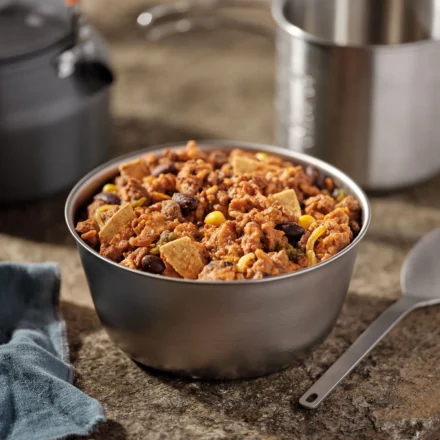
The Cheesy Beef Enchilada Bowl delivers the soul-satisfying taste of a classic enchilada in a convenient, just-add-water pouch. Made with real corn tortillas, seasoned beef, fluffy long-grain rice, black beans, and smothered with melted cheese and a smoky, spicy red enchilada sauce, this meal provides 32g of protein and 660 calories per pouch to fuel even the most demanding expeditions. Made without artificial flavors or preservatives, this freeze-dried enchilada offers the authentic taste of your favorite taqueria in a convenient, trail-ready form.

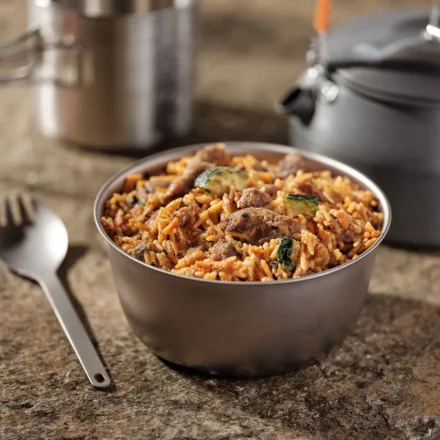
The Korean Inspired Beef with Rice and Vegetable entrée is a bold and savory meal option featuring tender cuts of beef, crunchy zucchini and carrots, and perfectly textured basmati rice, all simmered in a sweet and savory Bulgogi sauce with a touch of heat. Infused with fragrant ginger and garlic, plus a little depth from soy sauce and toasted sesame seeds, this meal delivers a delicious balance of umami flavors. With 22g of protein and 580 calories per pouch, it delivers a satisfying, home-cooked taste, offering comfort after a long day outdoors or a sense of normalcy in an emergency.

Both the Cheesy Beef Enchilada Bowl and Korean Inspired Beef are now available in two-serving pouches with an MSRP of $11.99, expanding Mountain House’s offerings to 29 flavorful meals. Find them online at www.mountainhouse.com or in select specialty retailers and REI this June.

PDW FT Insulated Water Bottles

Thursday, February 20th, 2025

Ruggedized-Design, Highest Performance, Stainless Vacuum-Insulated Bottles

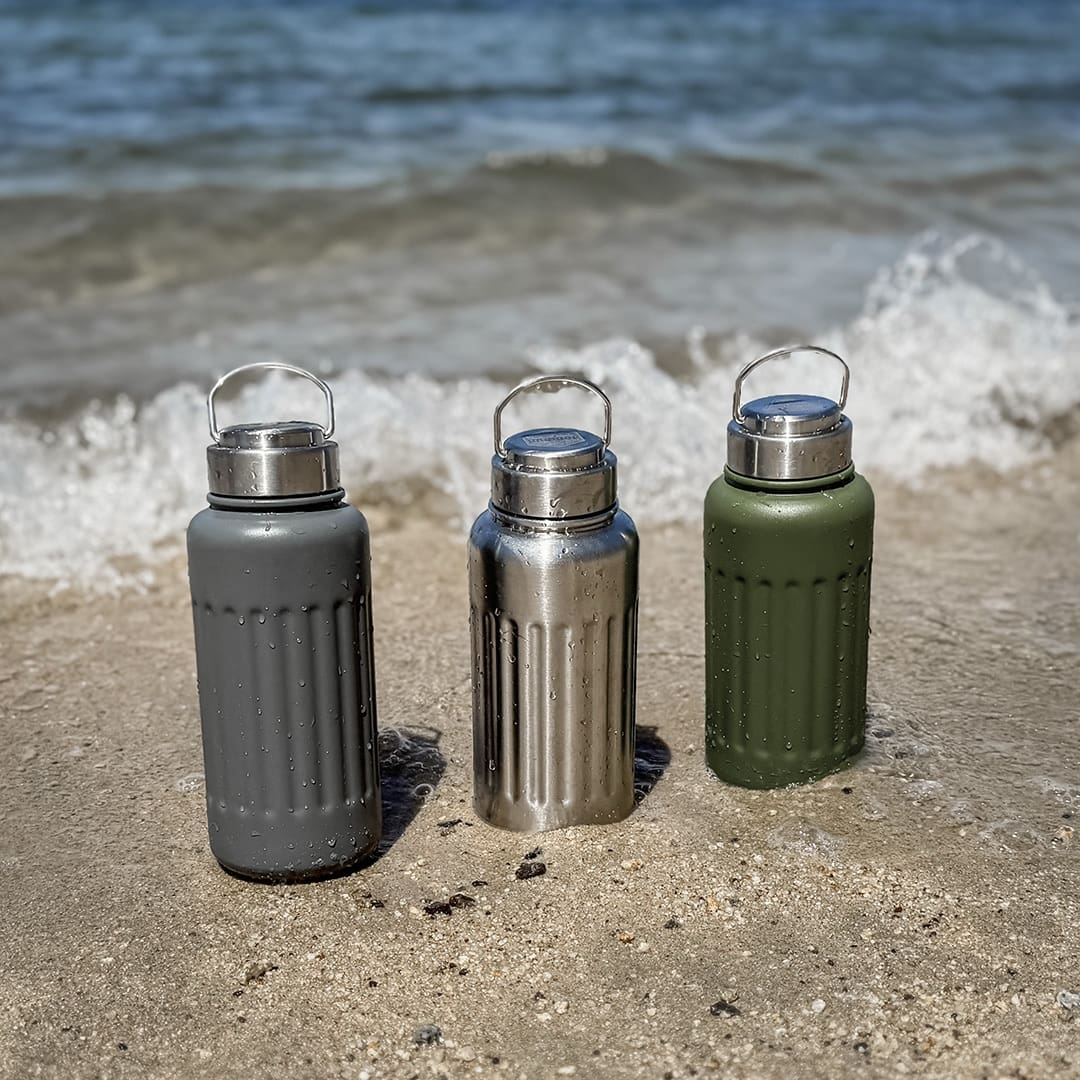
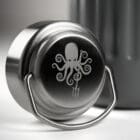
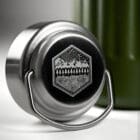
Prometheus Design Werx releases their newest FT series water bottles, featuring a custom fluted body design which increases material strength and improves tactile grip when wet. These hold 950ml/32oz of liquidwhich is just about 1L, less a sip. Durable, food grade, copper lined 18/8 stainless-steel and vacuum sealed to keep drinks cold or hot, longer. As lifelong backpackers and dispersed campers, PDW prefers and chooses to design their bottles with a “lab-standard wide mouth” opening, which is easy to fill with ice, compatible with many popular backcountry water filters, as well as many aftermarket caps. The unique design of the FT water bottle series was inspired by vintage bicycle parts, deflective armor, industrial-tool handles, precision barrels, and vintage bicycle racing bottles from the 40s-50s.

The FT Insulated Water Bottles comes in a powered coated Wilderness Green, Mission Gray, and a brushed Stainless-Steel finish.

PDW’s Founder and Chief Designer Design states:

“When designing these water bottles, I simply looked around my workshop for the many industrial and tool inspirations surrounding me. From the vintage Campagnolo gruppo on one my bikes, tool-machine levers and handles, to precision barrels. Fluting on the water bottle bodies not only increase the tactile nature for gripping when wet but also increases the stiffness and resistance to deformation. We use only the best manufacturing processes, which includes adding the copper lining inside the vacuum walls for the best thermal efficiency, a food-grade 18-8 stainless steel body, and now includes a plastic-free stainless-steel cap as well as a nylon sport cap with flip-top.”

The FT Insulated Water Bottles will be available Wednesday, February 19th, 2025 at 12:00pm Pacific via their website, prometheusdesignwerx.com.

SOF Week 24 – Down Range Snacking

Monday, May 13th, 2024

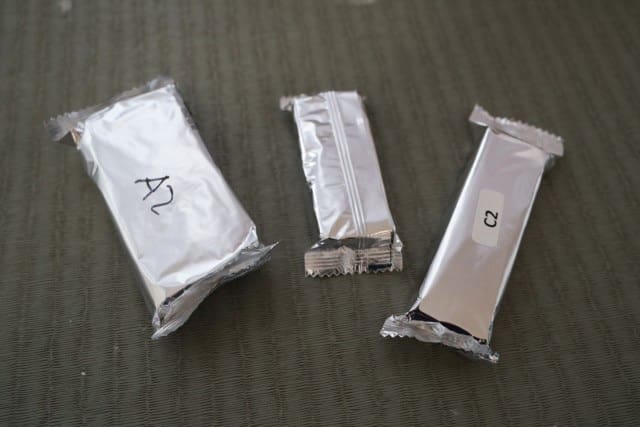
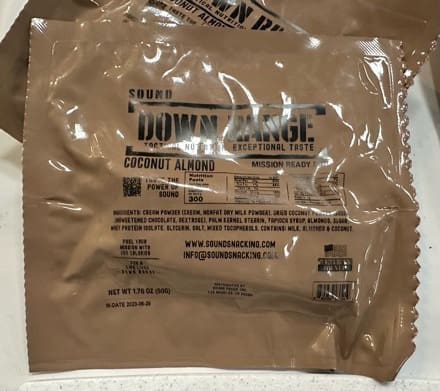
I ran across Down Range Snacking in SO Tech’s booth. It’s a small business which manufactures nutritionally dense, shelf stable, formed snack bars using ultrasonic energy.

They are offered in standard snack bar style packaging as well as in MRE compliant trilamintae packaging.

Flavors include Maple Mocha, Coconut Almond, and Cookies and Cream. I sampled the first two and they are extremely flavorful.

soundsnacking.com

Enforce Tac 24 – Pro-Ration by ADM

Tuesday, February 27th, 2024

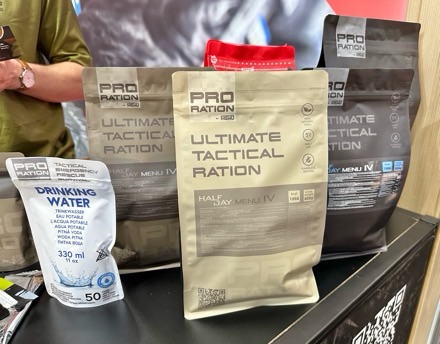
I had an opportunity to sample the pork and potatoes entree from Pro-Ration which is a new line of field meals by ADM a company located in the Czech Republic. It is a hearty meal with loads of flavor.

As you can see they produce both dehydrated and ready-to-eat options as well as emergency rations and even packaged water for survival kits.

SOUND Foods New High Calorie Lightweight Combat Rations

Friday, January 26th, 2024

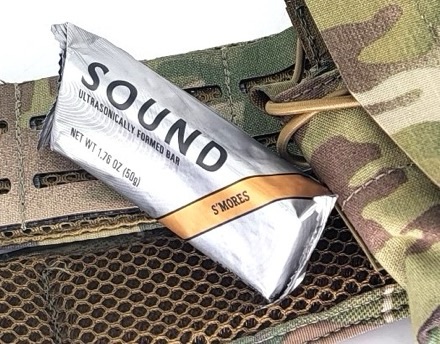
SOUND is committed to improving combat effectiveness by both increasing caloric intake and reducing the size and weight of the warrior’s battle load.  SOUND has invented an entirely new way of quickly and gently forming food products using only ultrasonic energy, or sound waves.  This ultrasonic agglomeration process allows for the creation of a calorically dense bar (300 Calories, 50 g, 6 cal/g) with great taste and texture.  

SOUND bars have been approved by the Department of Defense (DOD) for the first generation Close Combat Assault Ration (CCAR) which is scheduled to replace the First Strike Ration later this year as well as by the Joint Services Operational Rations Forum (JSORF) for the larger Meals Ready-to-Eat (MRE) program.

SOUND has relaunched its direct-to-consumer products as DOWN RANGE Mission Ready Bars with a focus on offering the exact products developed for the U.S. warfighter directly to the American consumer.  Headquartered in Los Angeles, CA, the company operates with a commitment to helping people get through their day whether during military operations or everyday life. 

SOUND has partnered with S.O.Tech / Special Operations Technologies Inc of Carson, CA, an innovator in military survival and medical systems and Bridgford Foods, a leading provider of Ready to Eat combat ration sandwiches.  SOUND’s DOWN RANGE bars will be on display at SHOT Show in SOTech’s booth 20059 and SOUND CEO Don Dillon will be at the booth on Tuesday, January 23rd and Thursday, January 25th from 1PM to 3PM.  The DOWN RANGE bars will also be on display at Bridgford Foods’ booth 42052.