Based on comments made recently about photos of some earnest but not necessarily squared away individuals I thought it might be an appropriate time to share some “Random Gear Thoughts”. Much of this was originally something I wrote to a friend about to take command of a conventional Combat Support Unit a few years ago. So it will likely sound very familiar to many of you who have served in the military. But I believe the core concepts are just as valid for police officers or even civilians. Especially those who may not have had the opportunity or time to acquire the same level of training or experience with their gear as an AC Soldier or Marine.
Gear or “Kit” is important. It can be your best friend in combat or in the field if used properly. Or it can literally be a pain or an impediment to your mission – if used improperly. The MOLLE Use and Care Manual has a good description of how to set up your issue gear. The following comments are not in any order of priority. But my intent is to provide some suggestions based on sound principles on why it is important to set up your personal and organizational gear a certain strictly functional way. Good soldiers and good units organize ALL of their gear. This means personally worn kit, individual packed gear (rucksack, kit bag, duffel) and gear normally carried on unit vehicles like water and fuel cans. Each “layer” of your kit should be organized to support the accomplishment of your personal and unit mission. So, it is the “right tool for the right job” and the right tool in the RIGHT PLACE for the job.
The gear you routinely wear should always include the minimum equipment necessary for the individual to: shoot, move, communicate, survive, and contribute to his or her team’s mission. The soldier’s load should be ruthlessly managed by the chain of command to ensure that the individual soldier carries ALL of the required equipment AND NOTHING ELSE. Think minimalistic – ammunition, water, Improved First Aid Kit (IFAK), body armor and not much else. Do not force soldiers to carry “nice to have” or “just in case” unit gear and do not allow them to fill their kit with personal comfort items. Again, think in terms of echelons or layering of equipment based on the units’ mission and assets available. Note: a unit can and should choose to add additional weight to training events / PT in order to build endurance, but in combat only carry the essentials. Remember, to always compensate for the weight of real ammunition (full rifle/pistol magazines, hand grenades, flares, smoke, demolition, claymores, etc) during training.
Shoot: Individual weapon (primary and secondary – rifle / carbine and pistol – if issued) plus optics (day / night) plus basic load of ammunition for all weapons. Adjust ammunition load to the mission and threat. Don’t allow – or force – soldiers to carry multiple basic loads “just in case” or because the ammunition is available. Ammunition is one of the ‘big three” when it comes to carried weight (water and armor being the other two). You have to have water to survive, and the weight of body armor is what it is. Carry additional ammunition on vehicles or with follow on gear if necessary, rather than on the soldiers back. This is not to pamper the soldier, but rather not to over burden the soldier and conserve his or her strength for the fight. The weapon(s) should be test fired and zeroed (to include optics) by the individual prior to operations. Magazines should be arranged on the load carrying system in a way that is secure but allows for smooth access for reloading. Note: practicing shooting and reloading (even if only “dry fire” without ammunition) is one of the simplest ways to determine if you have arranged your gear properly. If soldiers can’t get a good sight picture, effectively engage targets, or rapidly reload their weapons, then they need to practice and / or rearrange their gear until they can – under all weather and light conditions!
Move: the kit when fully loaded should still allow you to move over roads or cross country, fire your weapons accurately, and maneuver effectively and efficiently as a member of a team. In other words, your harness / vest should neither be loose and floppy, nor so tight that it restricts breathing or a relatively normal and unhindered range of motion during strenuous activities. Avoid having any extraneous straps or gear dangling from your kit. Those items that are improperly mounted or secured, become a snagging hazard, are likely to become lost, and endanger the soldier – even in a peacetime environment. Obviously, getting hung up by your gear as you exit a vehicle is a hazard that is best avoided. This also applies to any pack that is worn or carried on a vehicle.
Communicate: this includes having clear fields of view to allow the soldier to see and respond to hand and arm signals. That means helmets, eyewear (glasses, goggles, Night Vision Devices), cold weather gear (hoods and hats) are integrated into the soldiers ensemble in a way that doesn’t unduly block their vision or impair their hearing. Dismounted radio systems, if available, should be carried by the individual to facilitate team communications. A note book with pen / pencil is also useful if you have to resort to messengers. Of course with more modern C2 systems text messaging and other options may also be available. Leaders should carry maps (in a waterproof case of some type). Note: maps (paper or virtual) are a key communication tool for leaders to display graphics and communicate their intent.
Assault pack: Minimum environmental survival gear should be organized in this small to mid-sized pack to facilitate short duration missions away from supporting vehicles. Depending on conditions, this could include a jacket (fleece or windbreaker type), or wet weather gear (if appropriate), and minimum sleep gear (usually a poncho / tarp and poncho liner). In more extreme conditions a sleeping bag and bivy may be required. A change of socks (I recommend 2 pair) and a moisture wicking t-shirt (allows soldier to change to a dry shirt after movement to prevent hypothermia). Light (aviator type) gloves should ALWAYS be worn to protect hands, but heavier winter gloves and a fleece or wool cap are useful to conserve body heat – even in relatively mild conditions. Additional ammunition (only if mission dictates), spare batteries for mission items, the individual weapons cleaning kit along with some low volume / high energy food and perhaps additional water would also go in this layer.
Full sized Rucksack: Think longer term survival. Additional sleeping gear, hygiene gear, more clothing (socks, t-shirt, one change of uniform) and supplemental cold weather gear. Other mission enhancing items as dictated by the unit SOP and task at hand. The assault pack can be attached to the top of the main rucksack and carried there until needed as a separate item. Most everything else; comfort items and “housekeeping” items should be in a follow on kit bag or duffel. I recommend that the personal gear in the rucksack always be kept in a waterproof bag or dry sack. That will keep gear dry of course, but will also facilitate dropping or caching the contents. Then the empty rucksack can be used to recover resupply items or additional unit sustainment necessities. Items like bulk MREs, water, shelters and ammunition can then be readily transported from a vehicle drop off point if required. Note: the full sized rucksack is a valuable load carriage tool in combat. But leaders should make every effort to keep them off their soldiers’ backs and transported on vehicles as much as possible to conserve that all important fighting strength.
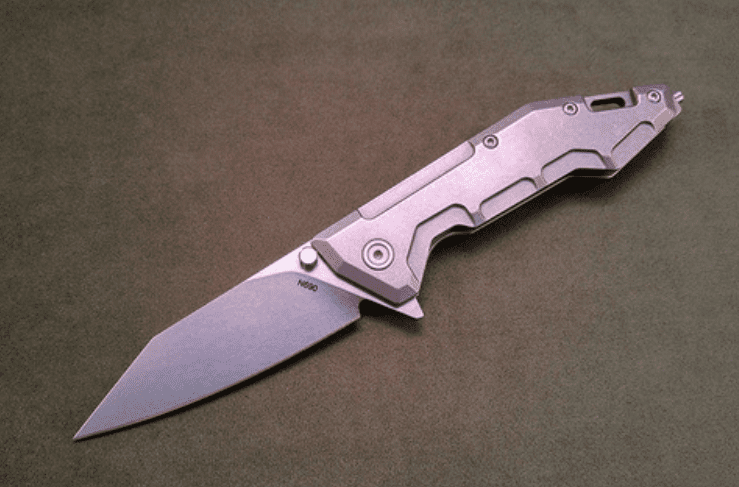
I’ll also mention here some very useful – but not always issued – “survival items” that are worth considering. This includes: snaplinks (aluminum), 550 cord, 100 MPH (Duct) Tape, cigarette lighter (start fires and to melt / repair frayed nylon straps and material on your gear). Mini Bic lighters work great and easy to carry. Pocket knife (clip type) and multi-tools (Leatherman@ or “Swiss Army” type) are highly recommended. Subdued bandana, i.e. “drive on rag” or shermagh type scarf takes up little space and has multiple uses. To cover mouth and nose in high dust areas and help retain body heat in colder situations for example. Blue or green Micro light (night vision friendly). Relatively cheap but durable wrist watch. I strongly prefer older style with hands and luminous markings over digital displays. A soldier can use an old style watch to tell direction and, if you use self winding versions, battery life is not an issue. Digital displays are often very bright and violate light discipline. Thereby putting the soldier and unit at risk by identifying your position. Watches need to have buzzers and alarms deactivated before tactical operations. A small “wrist compass” is also useful and can often be worn on the same watch band with watch. Caution – don’t put compass right next to watch because of possible magnetic interference.
You may be thinking…I’m a senior leader. I don’t kick in doors or routinely engage in close combat. Most of this doesn’t really apply to me. While that may usually be true, combat is extremely unpredictable and you may be called upon to defend yourself just as any other soldier. Beyond your personal survival, and perhaps much more importantly, as a senior leader the example you set determines the standards your soldiers and your unit meet. The things that are important to you (having your gear “squared away” and mission ready) must become important to your unit. Setting the proper standards, and leading by example is critical. Likewise, people need to understand the intent behind your gear policies and SOPs, i.e. to make the unit more combat effective (not to make everyone “uniform” and parade ground pretty).
Finally, some advice for those out there who aren’t issued any gear and are on limited budgets. Surplus USGI gear isn’t necessarily sexy but it is well constructed and will give good service. Moreover, real issue kit items can usually be acquired at very low cost for the quality. Cheaply constructed knock off copies of high end gear made with subpar materials will fail sooner rather than later. And I guarantee you it will come apart at the worst time. That being said, I suggest that you continue to practice and learn with whatever you have right now. In other words do the best you can with what you have. Just plan to improve / upgrade your personal kit as soon as possible with an eye to functionality first and foremost. That would be a good starting point for anyone who is serious about their gear. If you are wearing tactical gear to pick up girls, look “cool” or as a costume then feel free to disregard all above.
LTC Terry Baldwin, US Army (RET) served on active duty from 1975-2011 in various Infantry and Special Forces assignments.