Phantom Lights

It’s Time for the Army to Reconsider Pigskin Leather for Boots

August 25th, 2014

Recently, we posted “Leader Book Notes” on boots from Sergeant Major of the Army, Raymond Chandler. While we applauded his candor, there was a very glaring error in the SMA’s information.

SMA Chandler stated that Warrior Leather is a “common use” term for pigskin. Turns out that is untrue. It is actually a trademarked product of Wolverine Worldwide. You know Wolverine because they own Bates Footwear. Wolverine is the parent company of 16 global brands such as Merrell, Saucony and Wolverine as well as Bates.

WOLVERINE WARRIOR LEATHER

Oil, stain and abrasion-resistant Wolverine Warrior® Leather is treated with Scotchgard™ protector to create an invisible, stain-resistant barrier that improves durability without changing the breathability, color or texture of the leather.

Boots with Warrior® Leather are easy to clean and engingeered to resist dirt, mud, motor oil, vehicle fluids, gasoline and other oil-based chemicals.

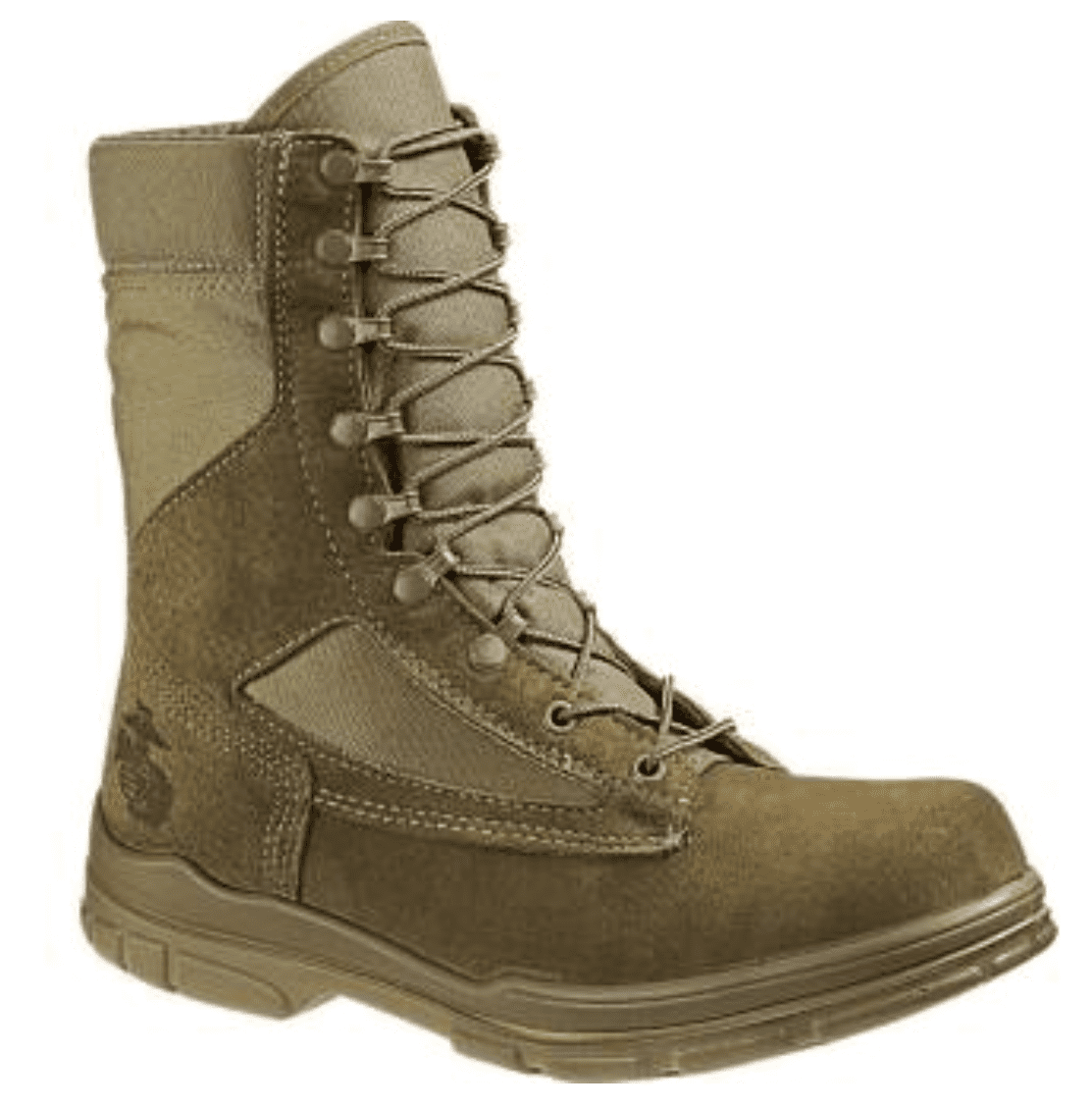
Once we found out that the term “Warrior Leather” was an actual product that people were buying, it was time to learn more. We ended up discussing this issue recently with the folks at Bates. They’re using it for good reason. Bates found that their WWL is lighter weight, absorbs less liquid, dries faster, retains flexibility better, and is more stain resistant than cattle hide.
IMG_6622.PNG

The real question in all of this is “what has the US Army got against pigskin leather in the first place?” After all, the other services use it. If it’s good enough for the Marines, why not them?

The first issue that must be addressed is durability. Pigskin is, in fact, thinner than cowhide. Some would take that to mean that it is less durable. Bates shared that over the last 10 years, they have delivered in excess of two million pair of WWL leather combat boots to the US military via DLA contracts and military exchanges without a single documented case of leather failure. Plus, pigskin is more supple. It’s easier to work during the construction of footwear and it breathes better than cowhide.

When the US Air Force moved to adopt pig leather, we know that several Jewish Airmen came forward with their objections. We can imagine that Islamic Airmen may well have been concerned as well. However, cow leather has never been completely replaced by pig leather in US combat boots. It’s only been added as another material solution. So service members have never been placed in a position that would compromise their religious duties. While we understand the religious objections of Jewish and Islamic service members, the overall advantages of pig leather should be weighed as an additional material. Just like there are kosher and halal rations available to those that require them, they’ll still have footwear that meets their needs. Conversely, current issue boots force Hindu Soldiers to wear cowhide. If we are going to use religious grounds as a basis for this decision, all traditions should be considered.

One of the most compelling arguments for the adoption of pig leather is that it diversifies the supply chain for boots. Due to the very fragile nature of the US raw material supply chain it is critical the US military have multiple leather sources in the case of a delivery disruption. Right now, the other services can take advantage of such diversification. Now, it’s the Army’s turn.

The last reason I will cite is, for the Army, the most important reason. Pigskin leather is less expensive than cattle hide. It’s that simple. The Army is the largest consumer of clothing and footwear in DoD and could relieve the cost for boots both institutionally as well as for the individual Soldier with the adoption of pigskin leather for boots; at no performance cost. They can turn those savings around to improve other gear or hasten the transition to OCP.

The advantage is there for the Army if they would reconsider their ban on the use of pigskin leather for combat footwear. Now, we’re not advocating the full scale replacement of cowhide here, but rather the addition of pigskin as an authorized boot material. With the current transition to a new camouflage pattern, cut of the Army Combat Uniform and boot color underway, every option should be on the table, including this one. SSD urges the US Army to reconsider their ban in the use of pigskin leather for combat boots.

UPDATE: I forgot to include a reason. More pigskin = more bacon!
Oneiros Valley – Scorpion W2 Practical Admin Pouch (PAP) Pre-Order

August 25th, 2014

PAPSW2-1

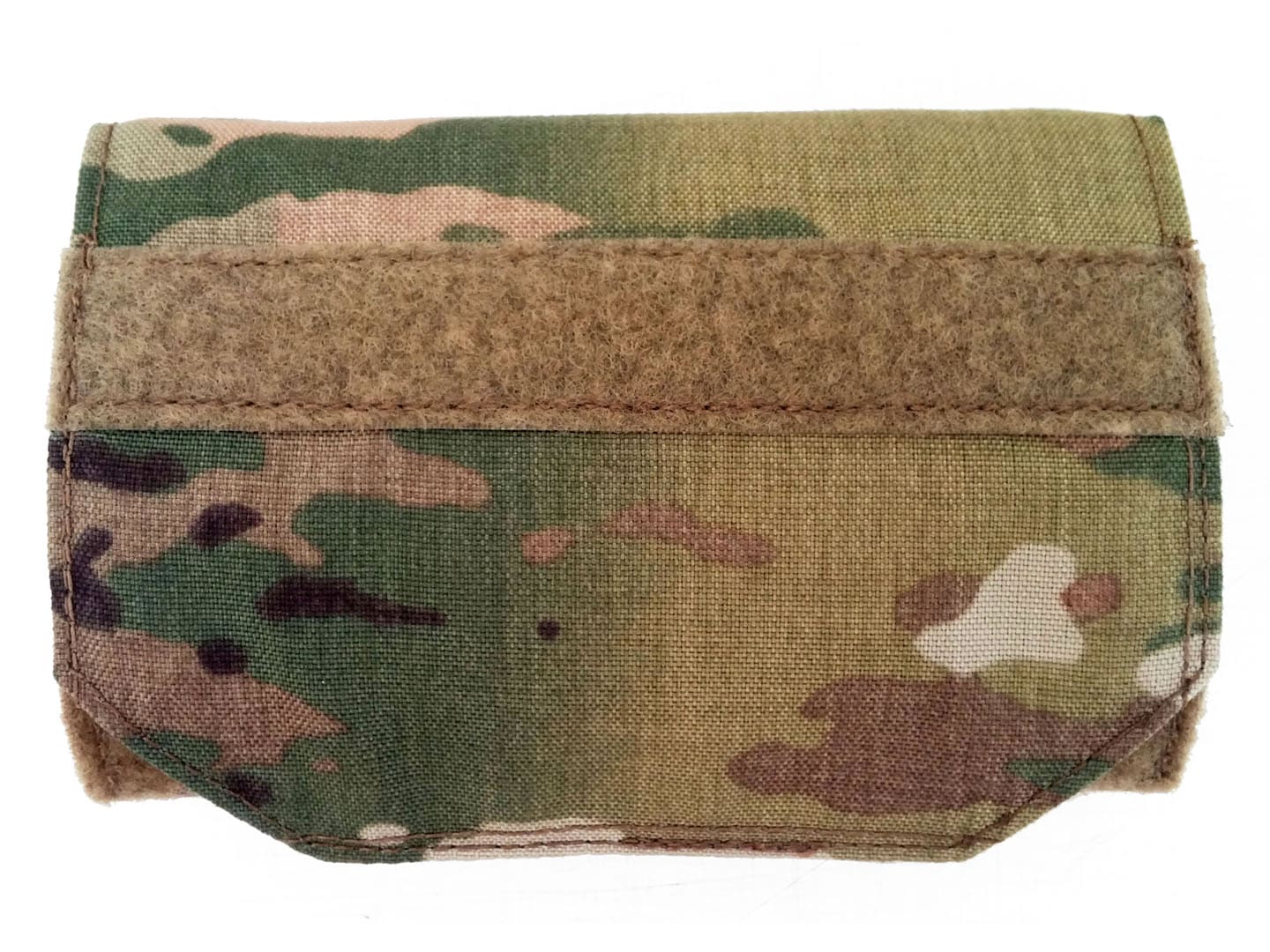
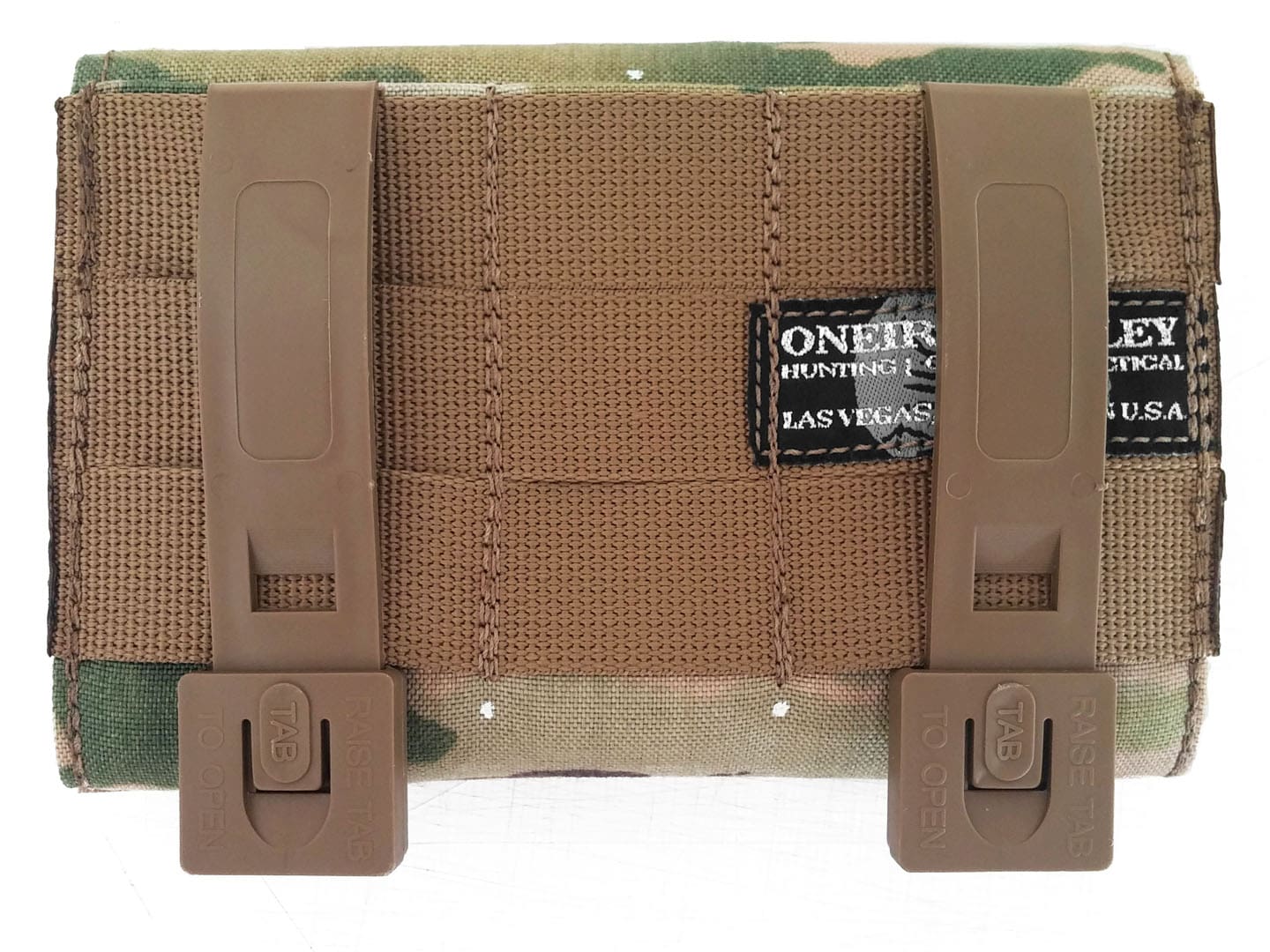
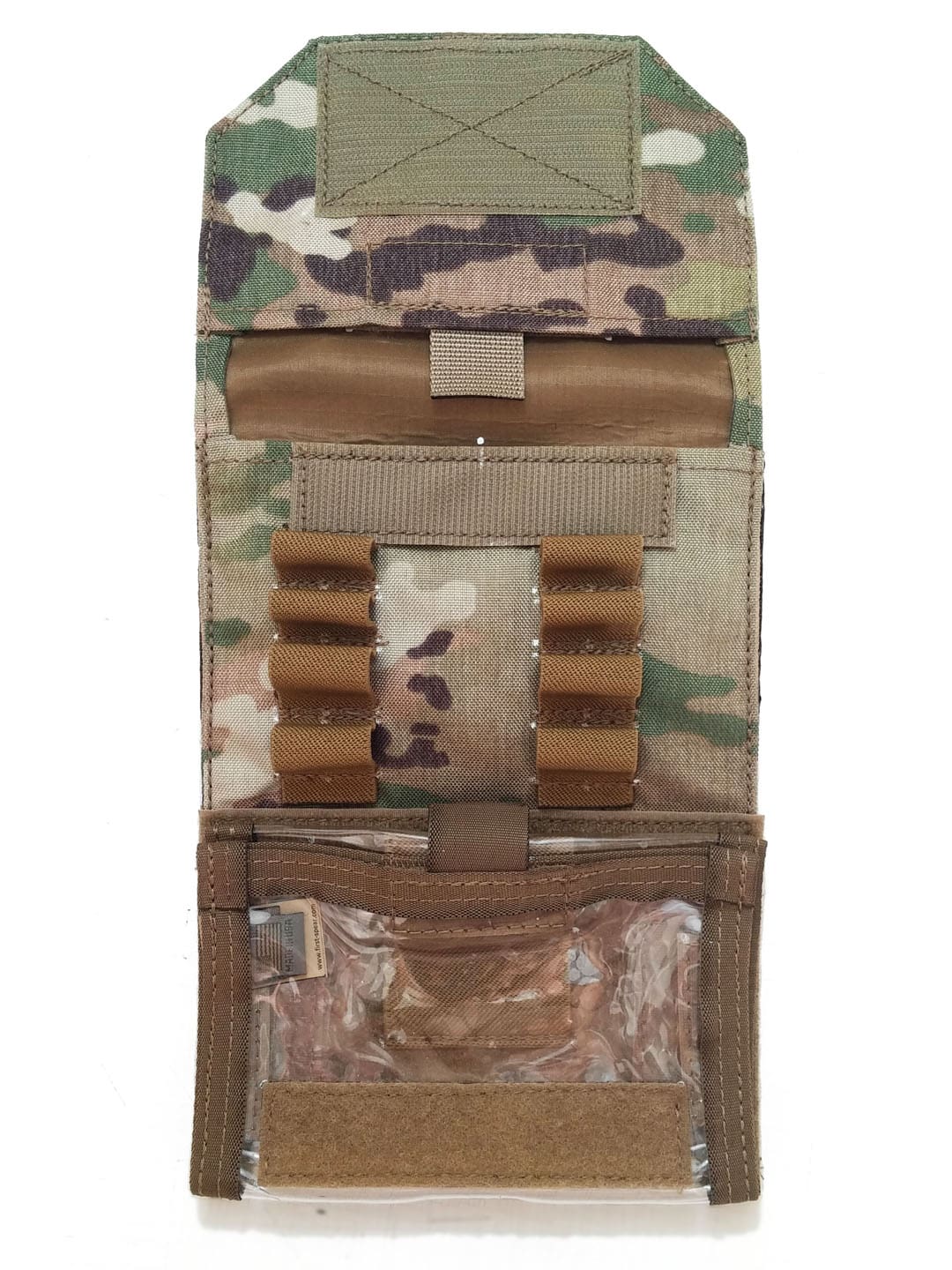
Phoenix, AZ – Oneiros Valley will be manufacturing a limited number of Practical Admin Pouches (PAPs) in authentic Operational Camouflage Pattern (Scorpion W2) 500D nylon. The PAP is a compact admin pouch that features numerous organizational loops and pockets, a tourniquet holder and a removable map insert. Pre-order is now open with delivery in October.

PAPSW2-2

Made in the USA with domestic materials.

PAPSW2-3

oneirosvalley.com/collections/practical-admin-pouch/products/sw2-pap

You Never Know Where They’ll Show Up

August 25th, 2014

download

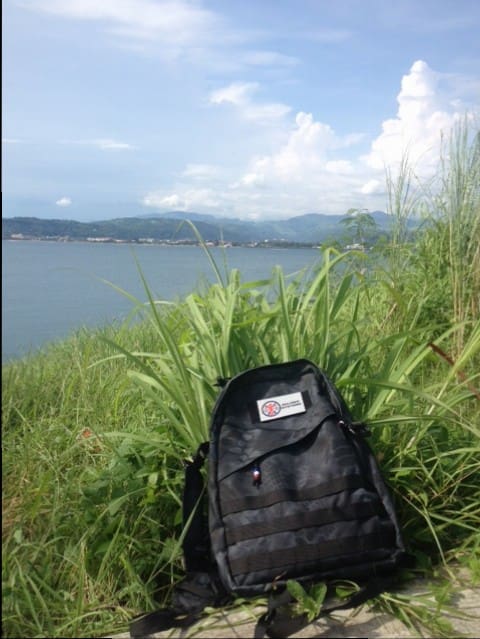
This picture was taken at U.S. Naval Base Subic Bay in the Philippines. It features the Soldier Systems Daily reflective patch made by Warrior GloTape.

20$Bandit – Back To School Combo (BTSC) First Aid Kit + EDC Gear Pouch

August 24th, 2014

BTS Combo

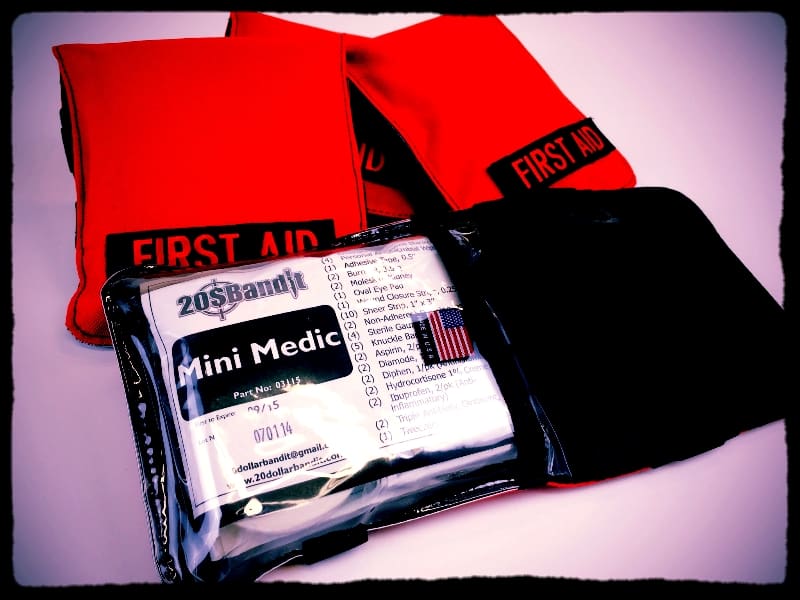
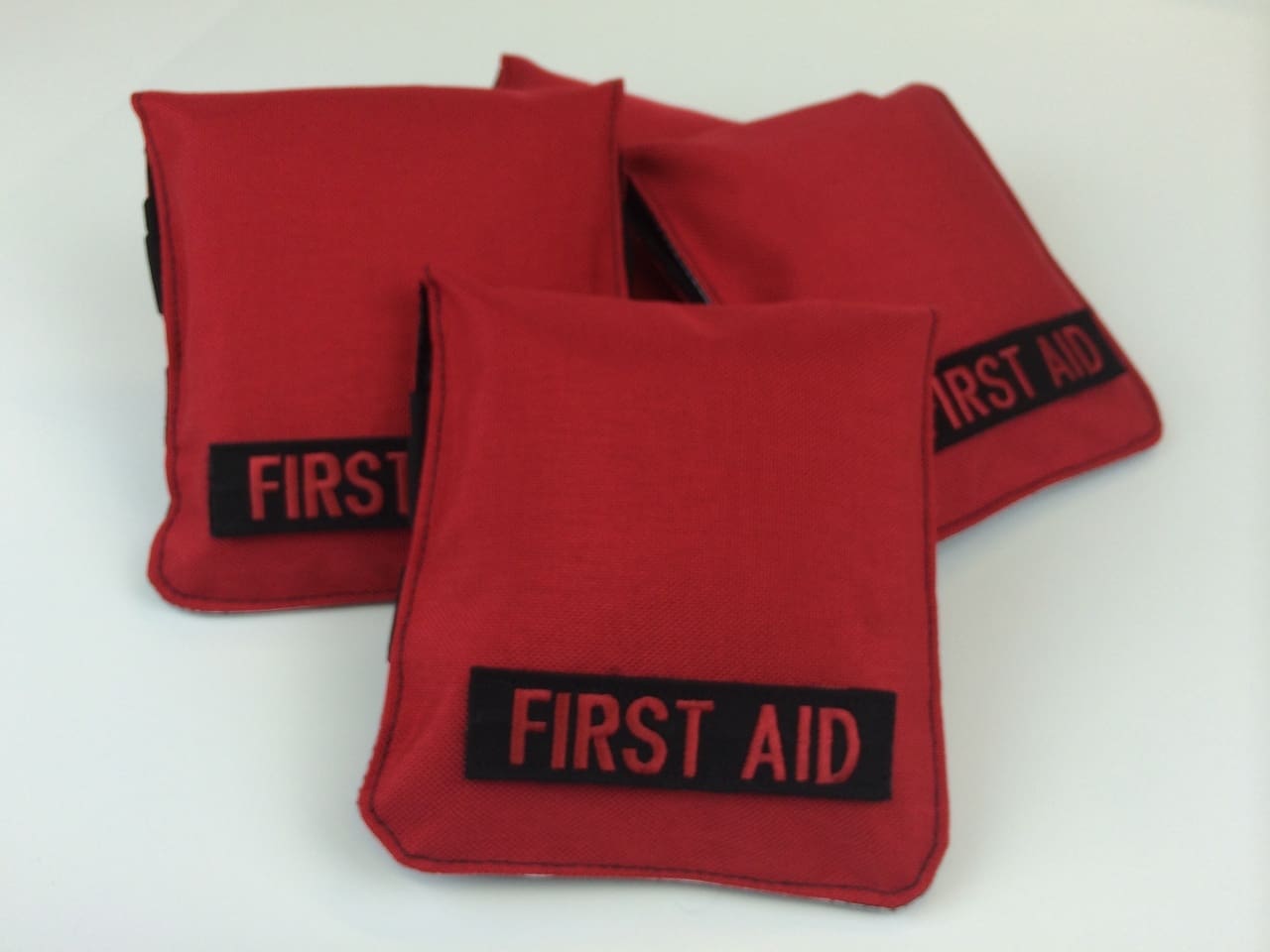
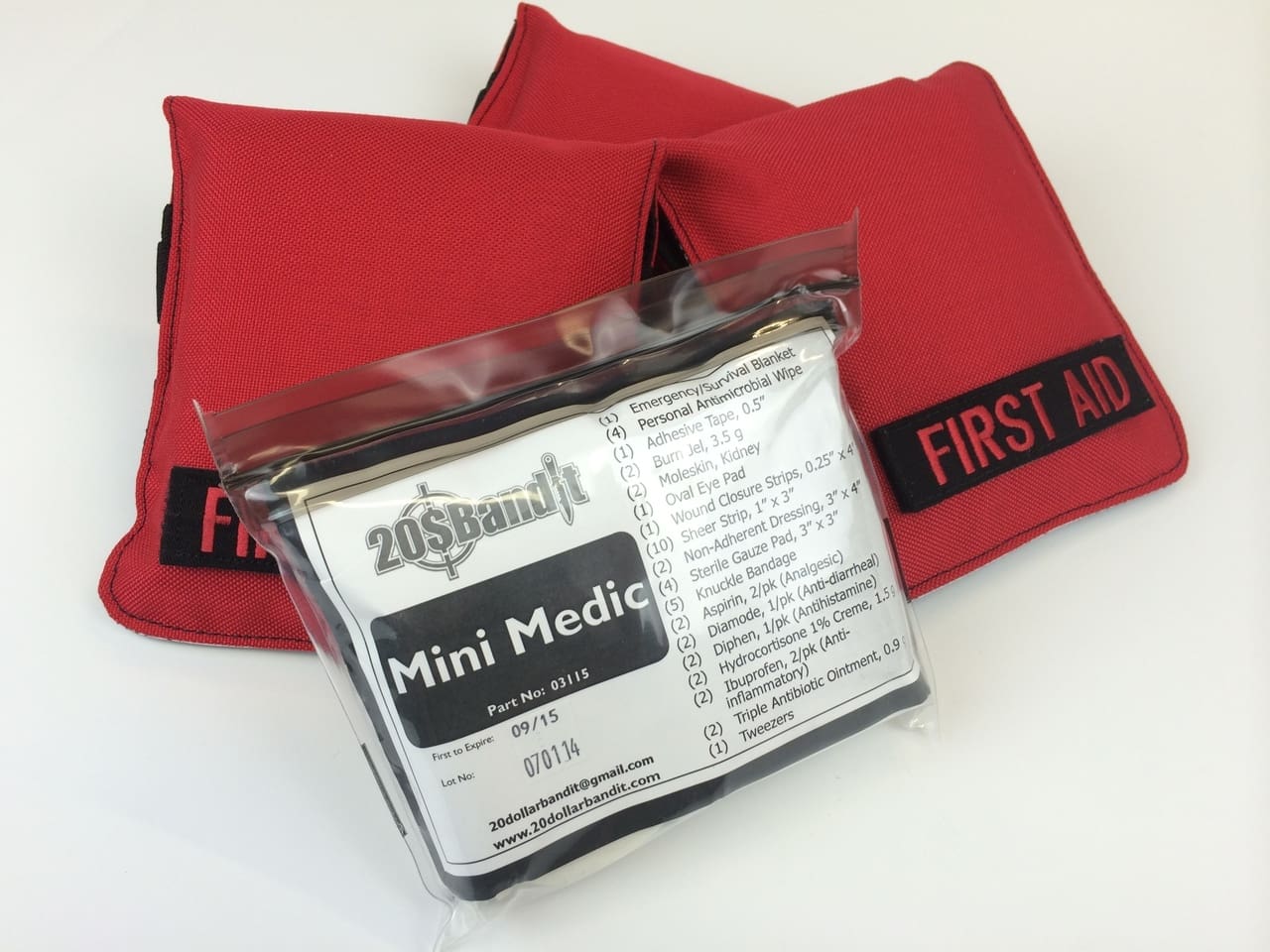
20$Bandit is offering a special ‘Back To School Combo’ which consists of a Mini Medic Kit and GEN2 Mini Kit MK-7 gear pouch.

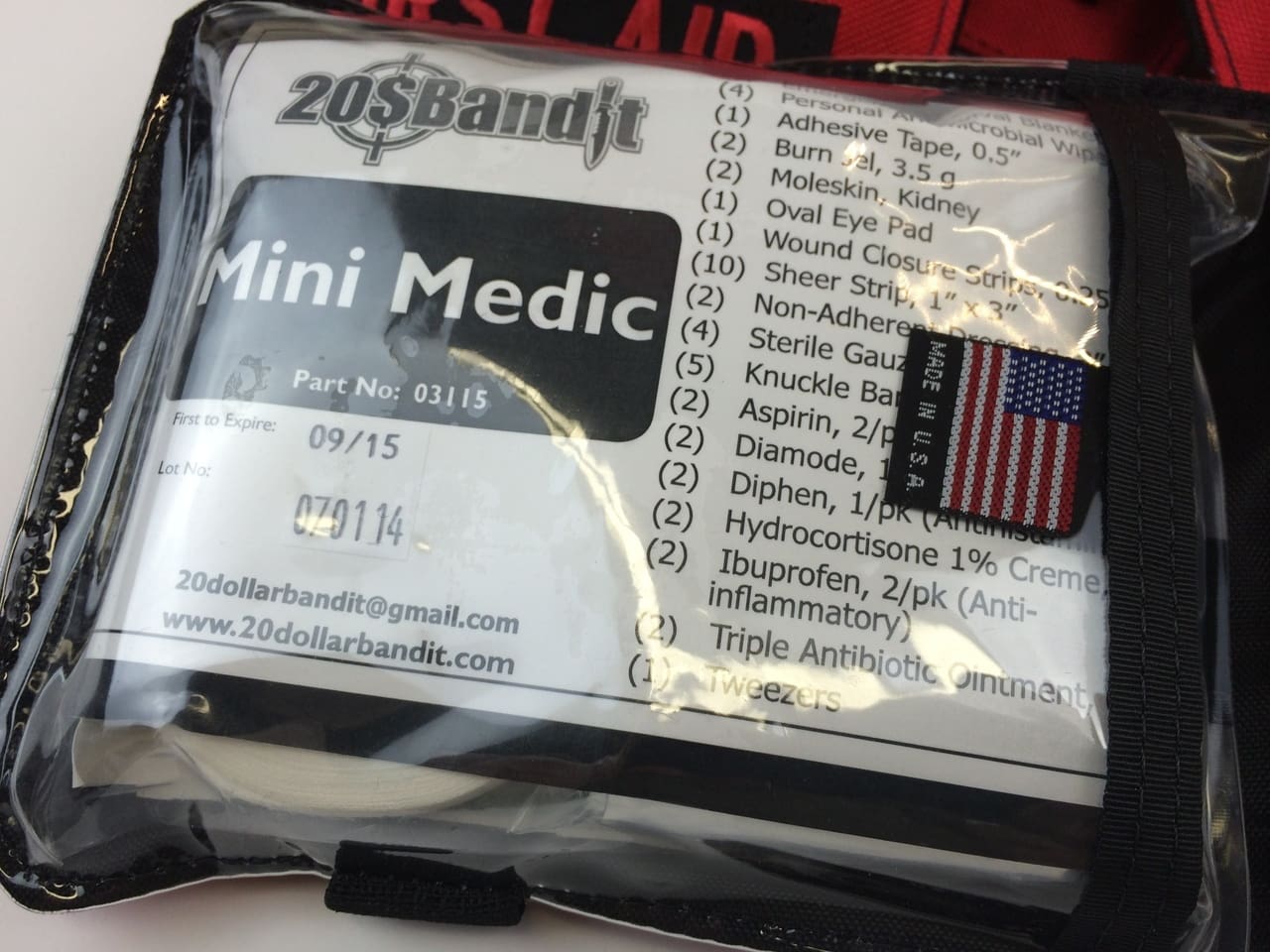
The Mini Medic Kit is a 5″ x 5″ medical kit is designed to fit into the MK-7 pouch. It comes with the following contents:

(4) Personal Antimicrobial Wipes (PAWS)
(1) Roll cloth Adhesive Tape .25″
(2) BURN JEL (single use 3.5 g)
(2) Mole Skin (Kidney)
(1) Oval Eye Pad
(1) Wound Closure Strips (modern day butterfly bandage)
(10) Sheer Strip (1″ x 3″)
(4) 3″ x 3″Sterile gauze pads
(5) Knuckle bandages
(2) Hydrocortisone 1% Cream (1.5 g)
(2) Triple Antibiotic Ointment (.9 g)
(1) Mylar Space Blanket

The GEN2 Mini Kit MK-7 is a custom 6″ x 6″ pouch made of 1000D nylon. It’s designed to hold small pieces of gear or medical supplies, and folds open and closed easily to slide into a pocket, glove box, or pack when not in use. Features internal retention to hold items, and has no zippers for quiet, easy opening.

The Mini Medic Kit and GEN2 Mini Kit MK-7 are both made and assembled in Huntington Beach, California.

www.20dollarbandit.com/back-to-school-combo-btsc-first-aid-kit-edc-gear-pouch

Scorpion W2 and MultiCam Side-by-Side

August 24th, 2014

Like peas and carrots, the Scorpion W2 and MultiCam patterns are certainly complimentary but they aren’t exact matches.

MC-Scorpion Comparison

You asked for it, so here it is. Scorpion W2 is on the left and MultiCam pattern on the right. The lighting was not the same. However, the two side-by-side patterns are scaled based on the pattern repeat. This gives you an accurate view of how the pattern elements square up with one another.

You Never Know Where They’ll Show Up

August 24th, 2014

Montblanc

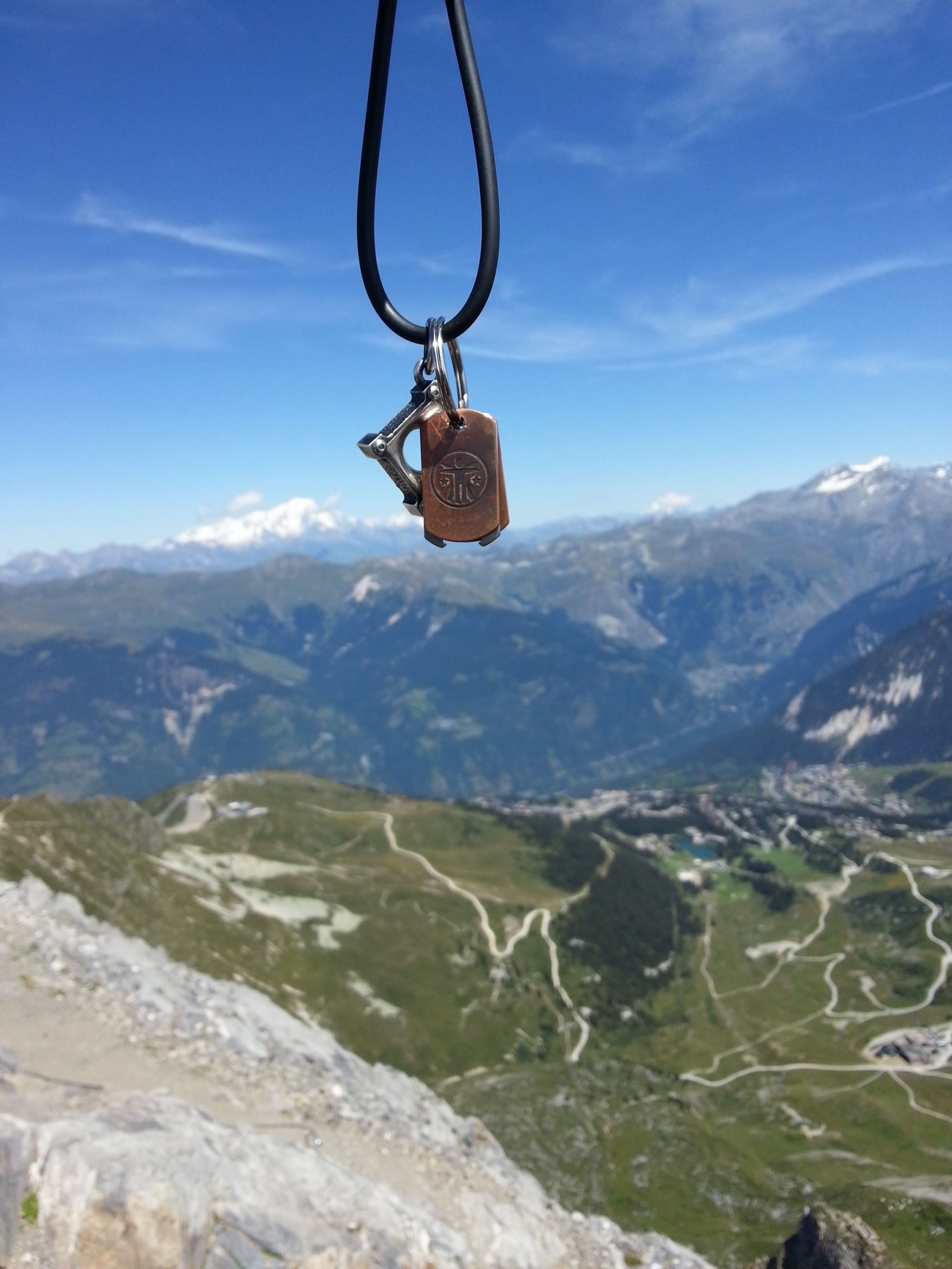
This time, we find our SteelFlame SSD logo tag on the highest via ferrata in France, La Croix du Verdon.

Thanks for the pic, ‘J’!

RE Factor Tactical – Pelican Case Insert Combination

August 23rd, 2014

Pelican Insert 1

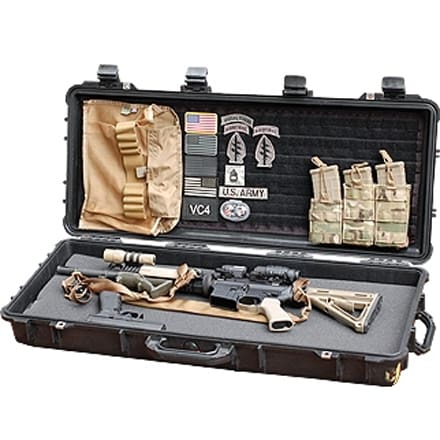
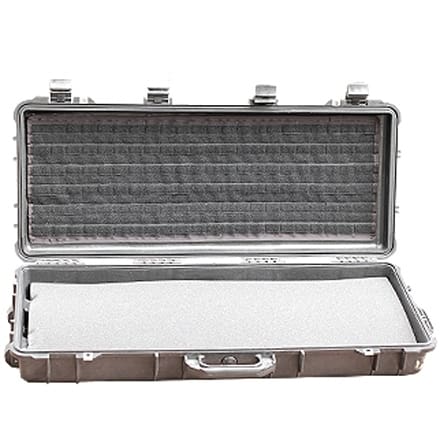
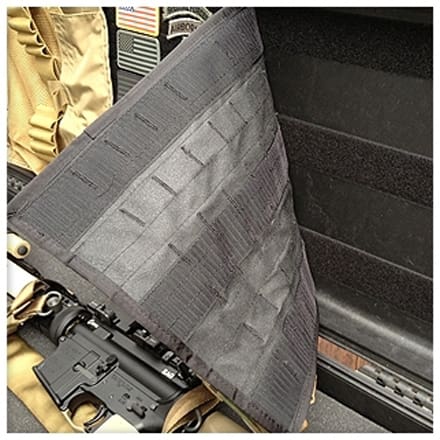
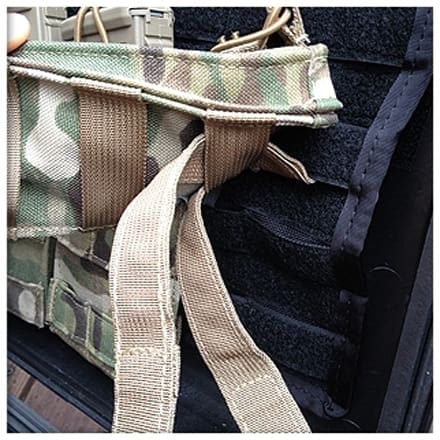
RE Factor Tactical’s Pelican Case Insert is designed to help organize the inside of a Pelican case. It consists of a front panel with PALS and Velcro loop webbing that allows for compatibility with hook patches/pouches and/or PALS compatible pouches. Three included hook and loop tape strips adhere to the interior of the case so that the insert can adhere to the top lid.

Inserts that are compatible with the 1700 and 1750 are currently available.

www.refactortactical.com/product-p/rfpcc

Gunfighter Moment – Ken Hackathorn

August 23rd, 2014

Get on any of the internet tactical/gun forums and you will note an array of people arguing about meaningless issues like the proper way to press the magazine catch on their pistol or carbine, or some such topic. We see folks getting wrapped around the axle about issues that are not really all that important. One topic that gets some real traction is the issue of whether you should reload your pistol or carbine before it goes empty or at slide/bolt lock. Some instructors teach to count your shots and always reload before the gun goes empty.

Yea, right. They haven’t been in many shootouts if they believe in that sacred cow.

I once asked Jim Cirrillo about when did you know to reload in your many shootings. Jim used the NYPD issue 4″ Heavy Barrel M10 S&W .38 special revolver. He was a highly skilled PPC competitor, so in theory he should have been able to count 6 times or sense when his revolver was empty…right? Well, Jim’s answer to my question was very straight forward, “When the trigger went ‘click-click’ two or three times, I knew it was time to reload.”

The game boys of USPSA often complain about IDPA because IDPA dictates either slide lock reloads or tactical
reloads from behind cover. A common line from them is,” I want to reload when I want to, not when I have to.” I
would like to have a full head of hair and a 32″ waist line too, but reality is that you rarely get to reload when you want to, most of the time it is when you are pulling the trigger and there are no loud noises.

Running around the range leaving a trail of partially loaded magazines may be great fun when you can plan on how many targets you will engage with 2 rounds each, but just doesn’t work out very well in a world where you don’t know how many targets you will have to engage or how many rounds it will take to make them stop doing what it is that requires you to ventilate them. Plus, most folks don’t always have a large number of spare magazines on them.

Hope for the best scenario, but you damn well better prepare and train for the worse. I note that many folks now advocate carrying just one spare magazine in their hip pocket. Bravo for at least carrying a spare, but remember, if you ever need it, you will need it real fast. A belt pouch is a much better solution when that time arrives.

-Ken Hackathorn

Old Guy With A Blaster

Ken Hackathorn has served as a US Army Special Forces Small Arms Instructor, Gunsite Instructor, and NRA Police Firearms Instructor. He is currently an FBI Certified Firearms Instructor, Certified Deputy Sheriff with Washington County SO, Ohio, and a SRT member and Special Response Team trainer. Ken has trained US Military Special Operations forces, Marine FAST and SOTG units and is a contract small arms trainer to FBI SWAT and HRT.

Ken has provided training to Federal, State, and local law enforcement agencies and been active in small arms training for the past 25 years. He has written firearms related material for Guns & Ammo, Combat Handguns, Soldier Of Fortune, and currently American Handgunner and contributed to at least six other gun/shooting journals. Ken was also a founding member of IPSC and IDPA.

To see Ken’s Training Class Schedule visit aliastraining.com.

Gunfighter Moment is a weekly feature brought to you by Alias Training & Security Services. Each week Alias brings us a different Trainer and in turn they offer SSD readers hard earned words of wisdom.