“Clothes make the man. Naked people have little or no influence in society.”
– Mark Twain
Perhaps we might reflect on this observation as we consider the Army’s camouflage situation.


“Clothes make the man. Naked people have little or no influence in society.”
– Mark Twain
Perhaps we might reflect on this observation as we consider the Army’s camouflage situation.
We were indisposed…
Panacis will exhibit within the ‘Canada: Partners in Defence’ pavilion at AUSA 2013, booth #8143 where they will showcase their Energy SharePack, as well as the DRS Wolf integrated soldier system.
www.ausa.org/Pages/default.aspx
This is great news for Blue Force Gear. Congrats, guys!
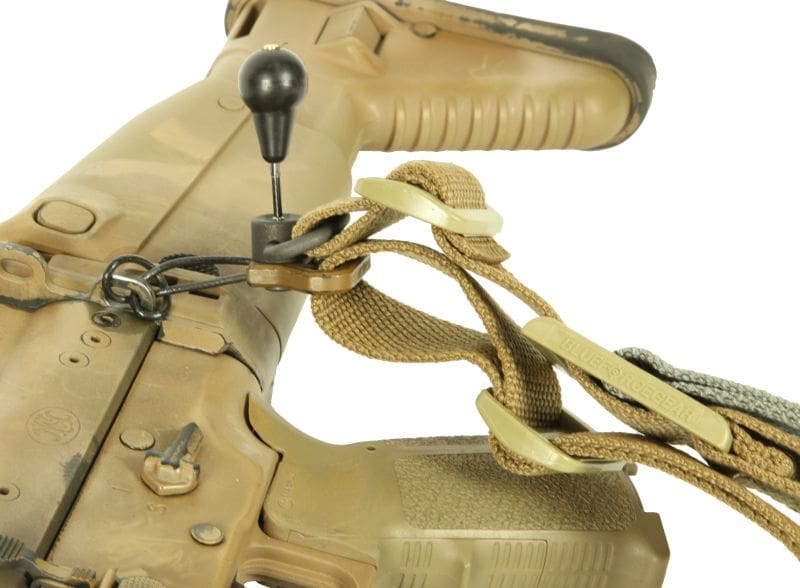
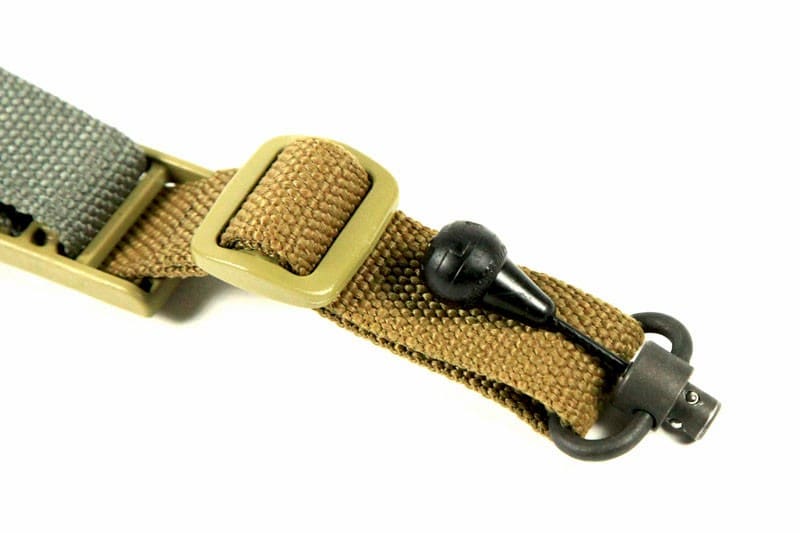
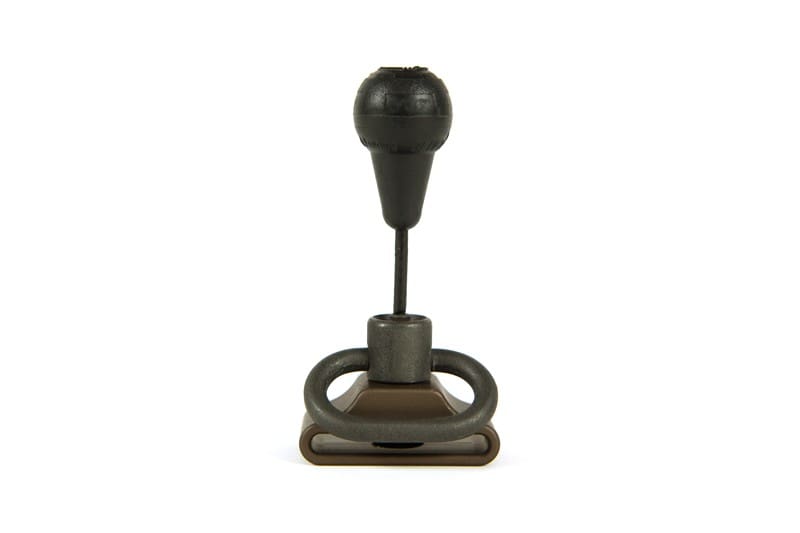
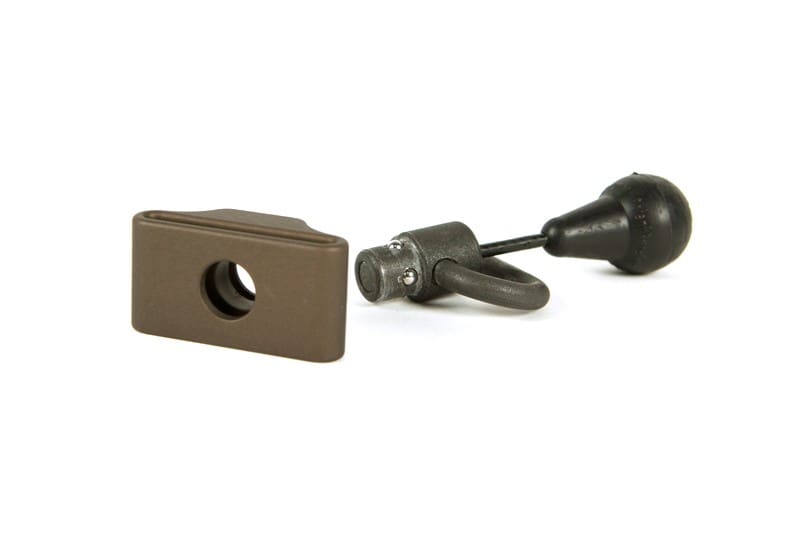
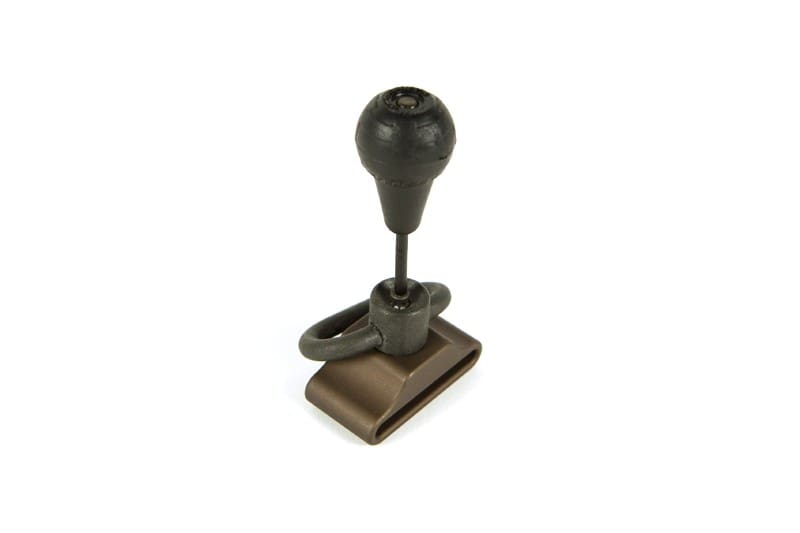
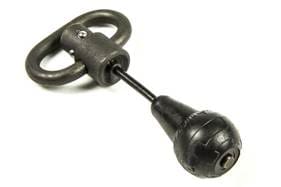
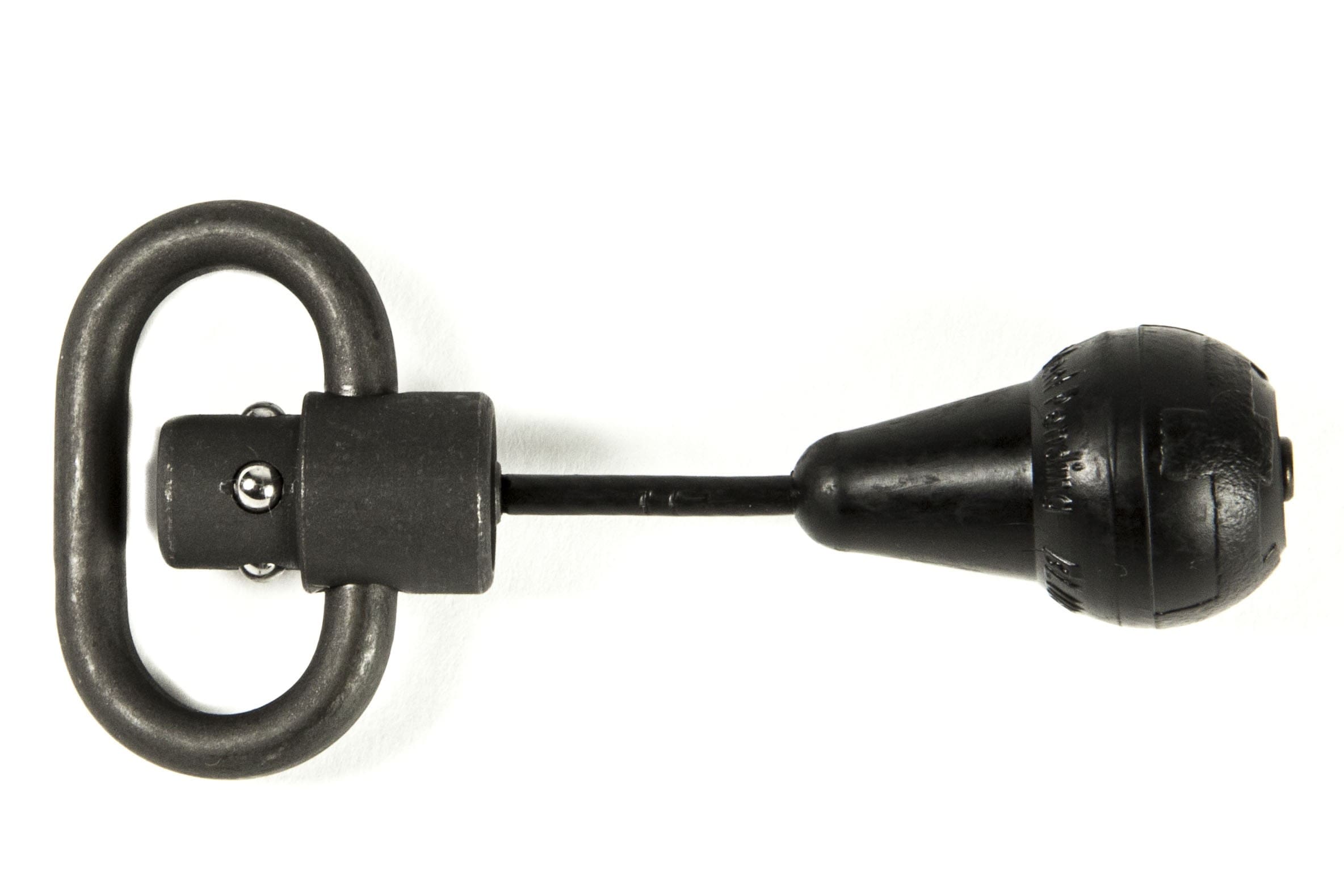
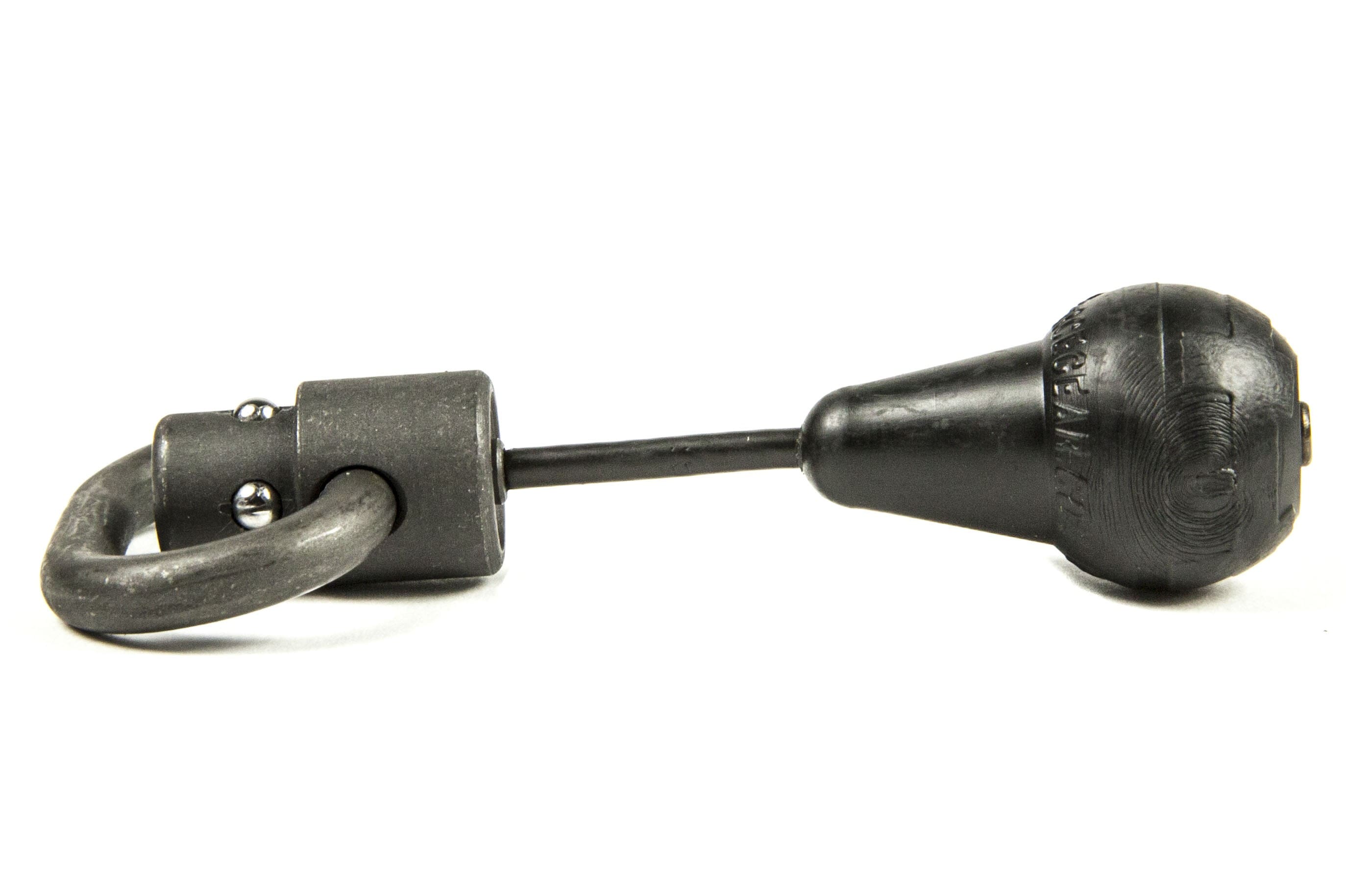
WASHINGTON, D.C.— October 16, 2013 — The United States Patent and Trademark Office issues Patent No. 8,516,732 to Blue Force Gear for their RED swivel. The Rapid Emergency Detachment (RED) swivel offers a replacement option for standard push button sling swivels through the unique knob shaped pull tab design.
When seconds count, a pull-knob emergency release is more reliable to discharge than a tiny, hard to find push button. For the times when you need your weapon and other combat equipment off seconds ago, you’ll be glad to have this on your gear.
“We realized that under stress the ‘Quick Detach’ push button simply wasn’t,” said Ashley Burnsed, Blue Force Gear’s CEO. “Sometimes you need to get out of your gear rapidly and we found that a traditional push button style QD didn’t allow an emergency release every time. The RED swivel does.”
The patented RED swivel releases with a 7lb pull straight out from the socket. The chance for accidental release is minimized by the knob shape and the fact that a pull more than 10-15 degrees off axis will not release the connection. If you work with a rifle over or near water, or in other conditions where sling entrapment is a substantial risk, the RED swivel can be a lifesaver.
The RED swivel can also be paired with the Burnsed Socket or push button Universal Wire Loop – both from Blue Force Gear – to make the fastest 2 to 1 point sling on the market.
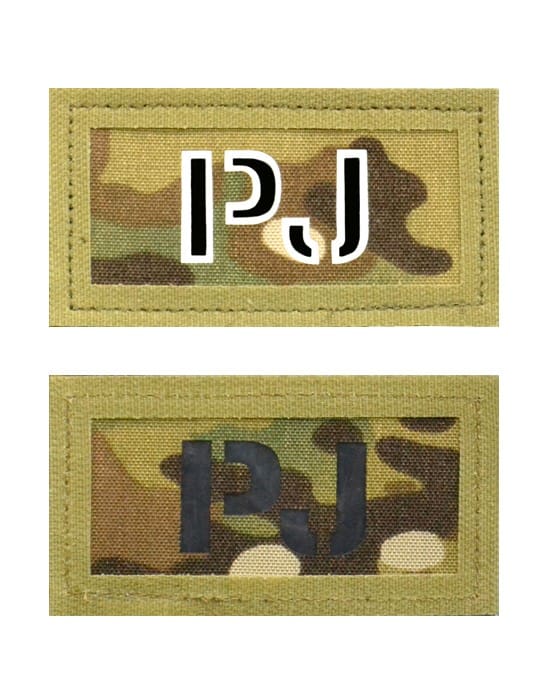
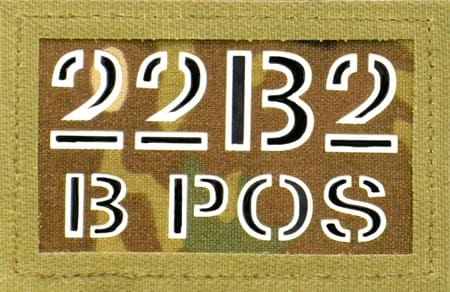
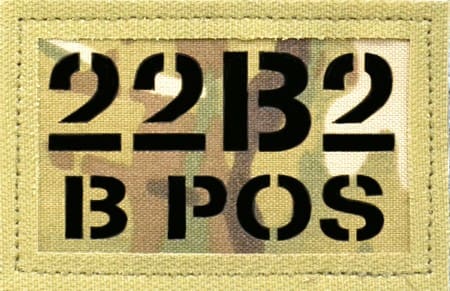
AWS offers an upgraded version of their earlier laser cut patches. These new, custom patches are reversible, with a Luminous side and IR side, and hook backing. The choice of face colors includes MultiCam, Coyote 498, Ranger Green, Black, and, on special order, AOR-1 and AOR-2. Available in single and double line text; the single line patch offers choice of call sign, and the double line patch offers choice of call sign and blood group. Due to the materials used, the patches are ITAR restricted, and are currently offered only to Military and Law Enforcement.

Do you have what it takes to become a US Air Force Special Tactics Officer?
HyperStealth Biotechnology Corporation has posted a series of photos taken in conjunction with a Gen III night vision device to demonstrate how various camouflage pattern perform . Sample patterns include Crye Precision’s MultiCam, Kryptek and ADS/Guy Kramer’s US4CES all of which are finalists in the US Army camouflage Improvement Effort.
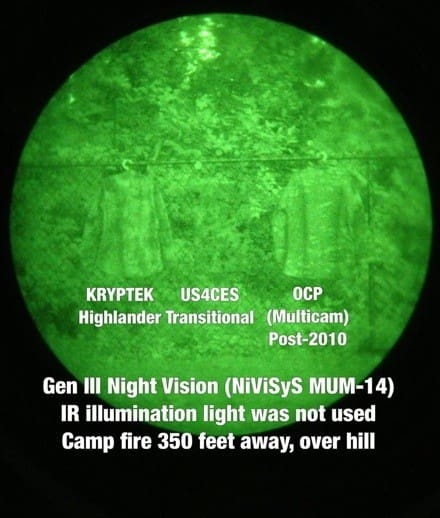
Check out the entire article along with additional photos at www.hyperstealth.com/GenIII-NVG