SIG SAUER - Never Settle

Author Archive

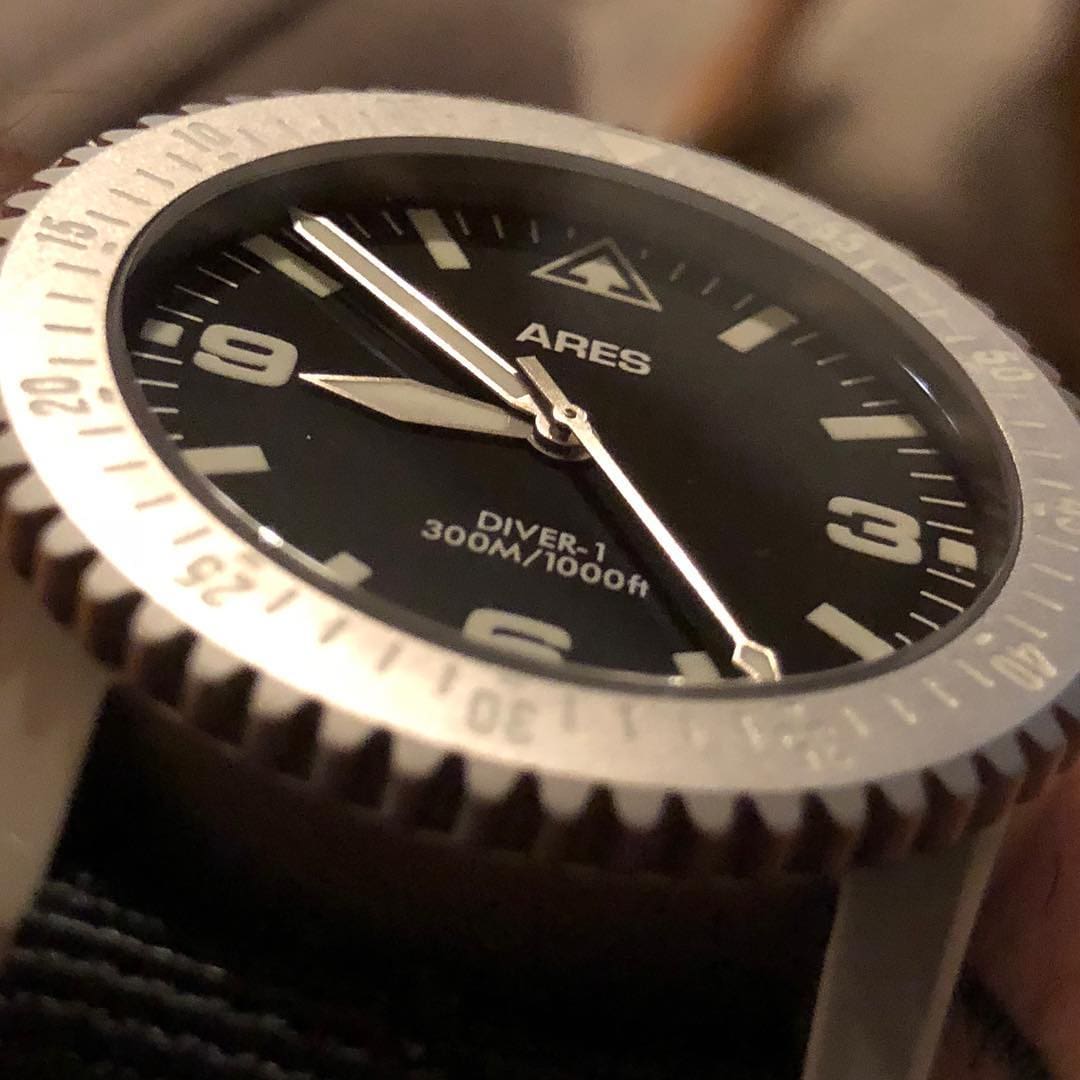
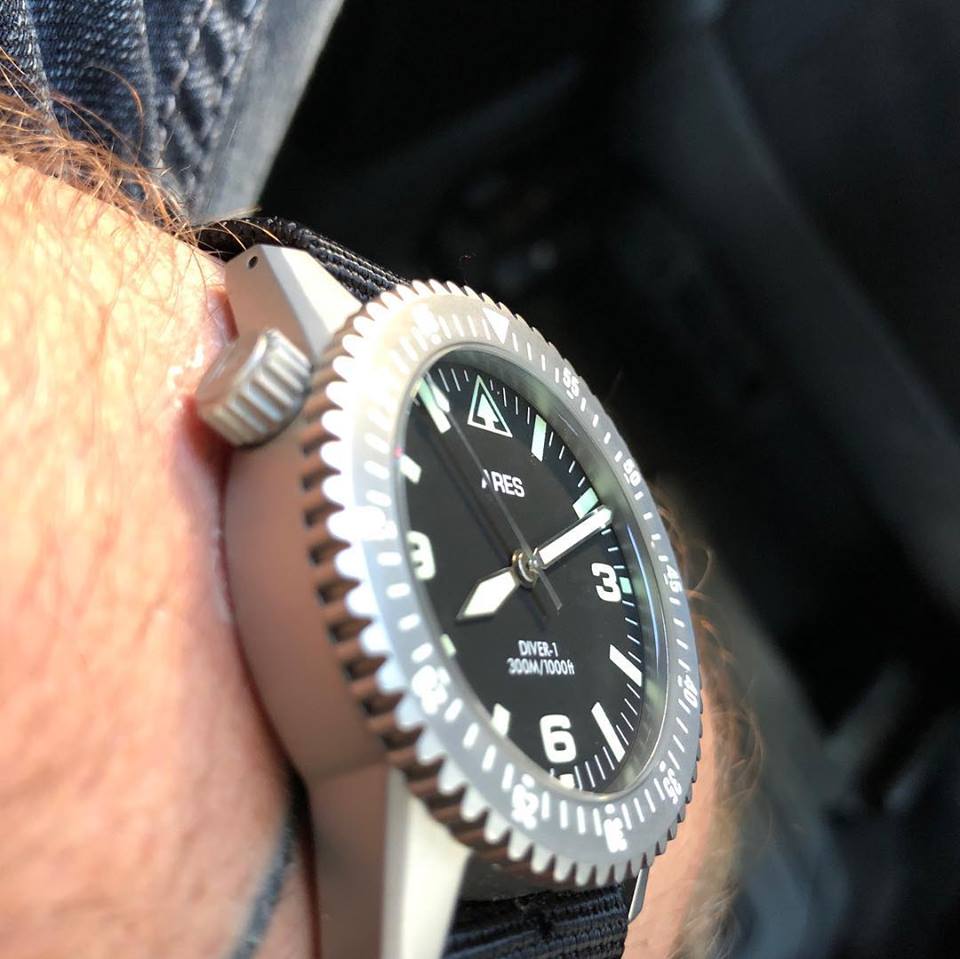
American Made DIVER-1 Released by Ares Watch Company

Thursday, November 15th, 2018

(Seattle, WA) November 13th, 2018

The Ares Watch Co. Diver 1 Mission Timer Watch - from Matt Graham of Graham Combat

The Ares Watch Co. Diver 1 Mission Timer Watch – from Matt Graham of Graham Combat

ARES Watches (areswatches.com) is proud to announce the release of the DIVER-1. Officially launched last week at the NYC Wind Up Watch Convention, DIVER-1 is an American made mission timer built to withstand the rigors of any conceivable operation.

Under the auspices of Matthew Graham, owner and lead designer, ARES utilizes the highly regarded specialists of Seattle’s Watch Technology Institute to ensure consummate craftsmanship. These professional watchmakers create and individually certify every Ares Watch before it is allowed into the wild.

Graham, who spent the last 12 years working for the Central Intelligence Agency, designed the DIVER-1 to be the timepiece he always wished he’d had – a quality built, made in the USA, hard use mission timer operational watch, guaranteed for life and offered at a great value.

The Ares Watch Co. Diver 1 Mission Timer Watch - from Matt Graham of Graham Combat

The Ares Watch Co. Diver 1 Mission Timer Watch – from Matt Graham of Graham Combat

ABOUT THE ARES DIVER-1

The serialized DIVER-1 is a limited release hard-use mission-timer tool watch. It was designed and assembled from domestic and internationally sourced components, then tested, certified, and serviced by hand in Seattle. As of product delivery, the DIVER-1 will have endured more than 20,000 hours of rigorous operational use evaluation in various locations around the world.

The Ares Watch Co. Diver 1 Mission Timer Watch - from Matt Graham of Graham Combat

The Ares Watch Co. Diver 1 Mission Timer Watch – from Matt Graham of Graham Combat

TECHNICAL SPECS

  • Case, Caseback, Crown, & Bezel
  • 41.0mm 316L stainless steel bead blasted two-piece case with individually serialized, engraved, screwback construction
  • 42.0mm 316L stainless steel bead blasted bezel, featuring countdown timer with C3
    Superluminova, clear coat finish, aggressive ‘no-slip’ teeth, and 120-click unidirectional
    countdown mission timer

  • 49.5mm lug to lug
  • 22mm drilled lugs with 1.8mm shoulderless spring bars, supplied with a 3-ring and 5-ring LASH nylon strap
  • 10 o’clock ‘fat head’ 7.2mm logo’d screw down crown, featuring aggressive ‘no slip’ teeth and double Viton seals
  • The Ares Watch Co. Diver 1 Mission Timer Watch - from Matt Graham of Graham Combat

    The Ares Watch Co. Diver 1 Mission Timer Watch – from Matt Graham of Graham Combat

  • CASE, CASEBACK, CROWN, & BEZEL
  • Ronda 715Li 5-jewel / gold plated analog quartz movement with EOL indicator
  • 10 year standard battery life utilizing No. CR2016
  • 3V lithium-ion battery
  • Brass dial with C3 printed hour indicators, painted minute indices and logo
  • Flat sapphire crystal with inner AR coating
  • Brushed stainless C3 hands? Anti-magnetic rating 18.8Oe, shock resistant to NIHS-91-10 and thermo compensated -0 to 50+ C.
  • About Ares Watch Company: Ares Watch Co. is an American watch company manufacturing hard-use mission timers in the Pacific Northwest. Connect via Instagram, @areswatchco, or and see more online, areswatches.com. Founder and lead designer Matthew Graham has nearly a quarter century of operational experience, including 12 years within the intelligence community. The last four of those were spent as the OIC of a firearms and tactics program for low profile operations. Learn more about Matthew Graham at grahamcombat.com (@grahamcombat). Fight with what you carry; nobody is coming to save you.

    #godofwartimer

    Hi-Lux Introduces Junior High Power Program to support state junior teams compete in CMP and NRA Service Rifle Matches

    Monday, November 12th, 2018

    For Immediate Release
    Thursday, November 8, 2018

    XTC_front_angle_uncapped-6

    As part the ongoing commitment to help the next generation of CMP/NRA High Power competitors achieve their match goals, Hi-Lux has created a discount program for junior high powers teams on the scope specifically designed for CMPand NRA High Power “Across the Course” Competition. In addition, Hi-Lux will make a contribution to the junior’s team for every XTC14X34 Competition Rifle Scope purchased.

    Randy Jackovich, the Arizona Scorpions Junior High Power Rifle Team coach, welcomed the program. His team has as found great success with the Hi-Lux XTC scope.“With Hi-Lux, several of our shooters achieved personal high scores, including our team captain who took home the President’s 100 Pin, the William Deneke Memorial Trophy award, Silver in the Freedom’s Fire, the Golden Eagle Trophy award, and the Mountain Man Trophy award.

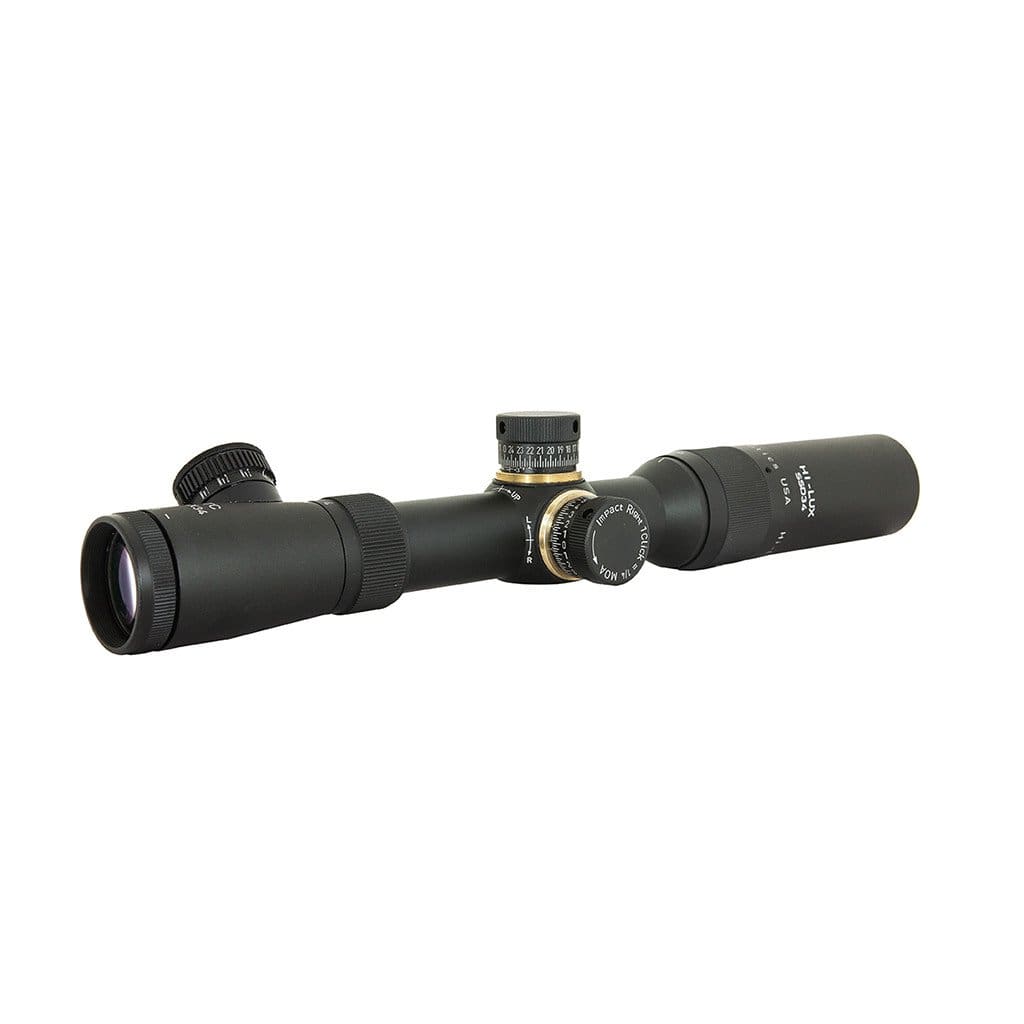
    Kade Jackovich used one to win Four Trophy’s this year at CMP. He has about 3,500 Rounds with it. It’s a great scope at a great value. You can buy three Hi-Lux scopes for the price of one NF.” The Hi-Lux XTC 1-4 X 34 rifle scope is specifically designed for CMP and NRA High Power “Across the Course” Competition. Featuring a 34mm objective lens for optimal light gathering, the XTC 1-4 X 34 has front objective parallax adjustment from 15 yards to infinity. Since stages for Across the Course matchesare set at fixed distances of 200, 300 and 600 yards, an adjustable parallax is critical in minimizing the parallax error.

    Additionally, fine ¼ MOA click elevation and windage turrets allow for precise adjustment. The XTC 1-4 X 34 is the next generation of the Hi-Lux Close-to-
    Medium Range (CMR) tactical scope and is loaded with advanced design features that truly put it in a class all of its own.

    Team members can sign up for the program at https://hi-luxoptics.com/pages/across-the-course-junior-teams

    For additional information on this or any other Hi-Lux Optics product, send us an e-mail at info@hi-luxoptics.com, call us at 888-445-8912 or visit us at https://hi-luxoptics.com.

    Hi-Lux Optics, based in Torrance, California designs and manufactures top-quality, feature-rich, rugged optics at affordable prices. Hi-Lux guarantees the workmanship and materials of their scopes for life because they’re rugged and reliable optics built for the demands of law enforcement, military, hunting and competitive shooting.

    Kimber – EVO SP

    Thursday, November 8th, 2018

    EVOSP_CS_RightProfile_SS

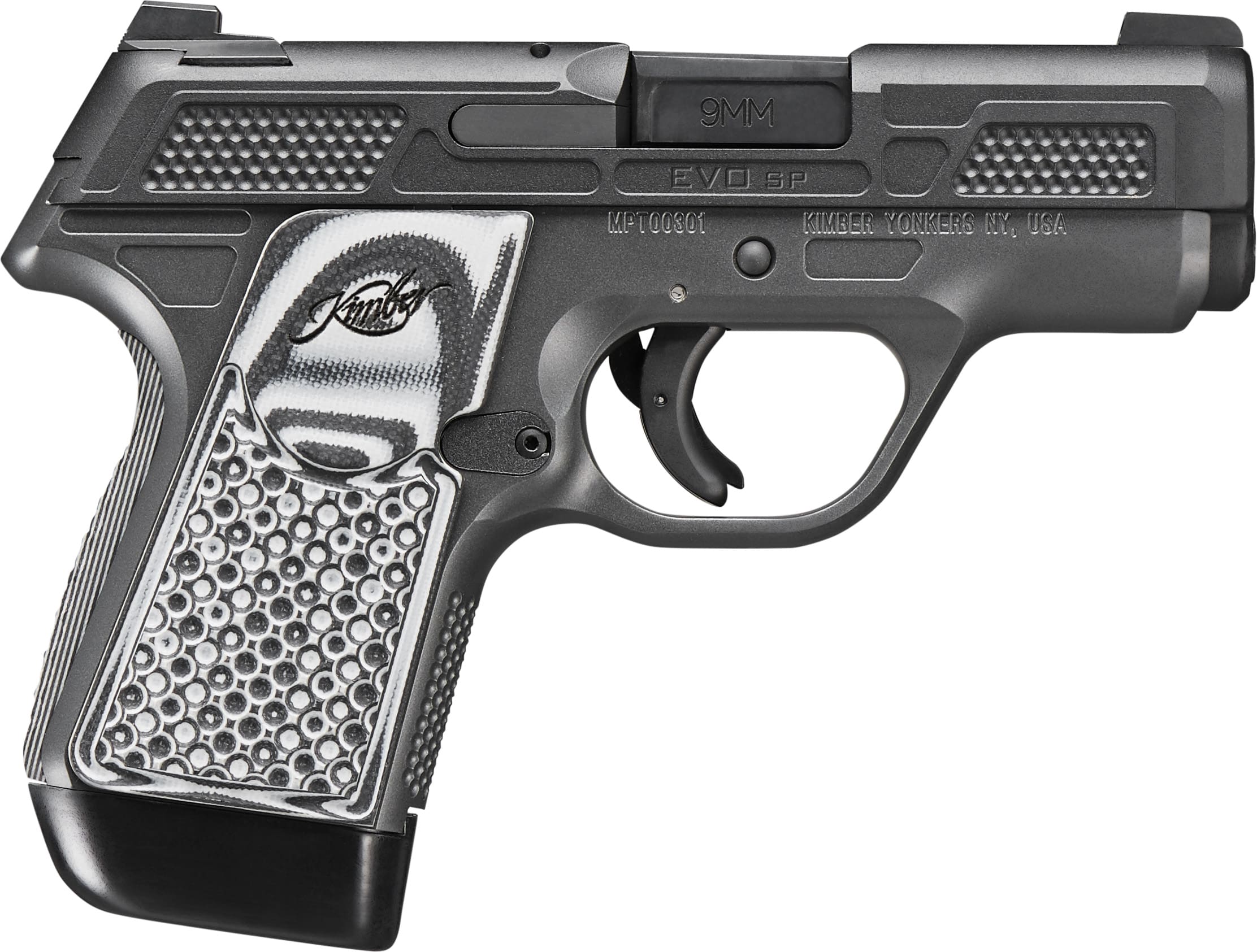
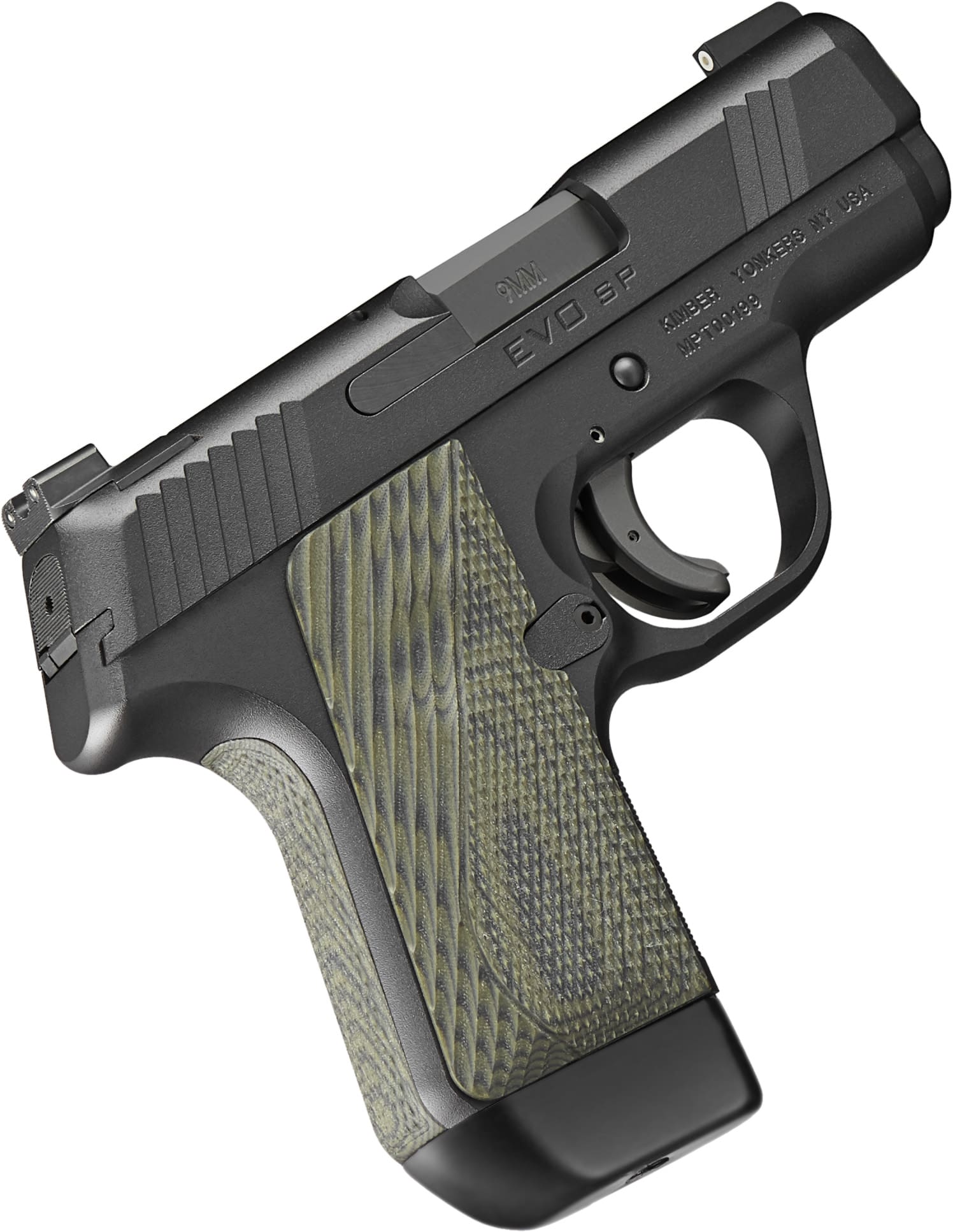
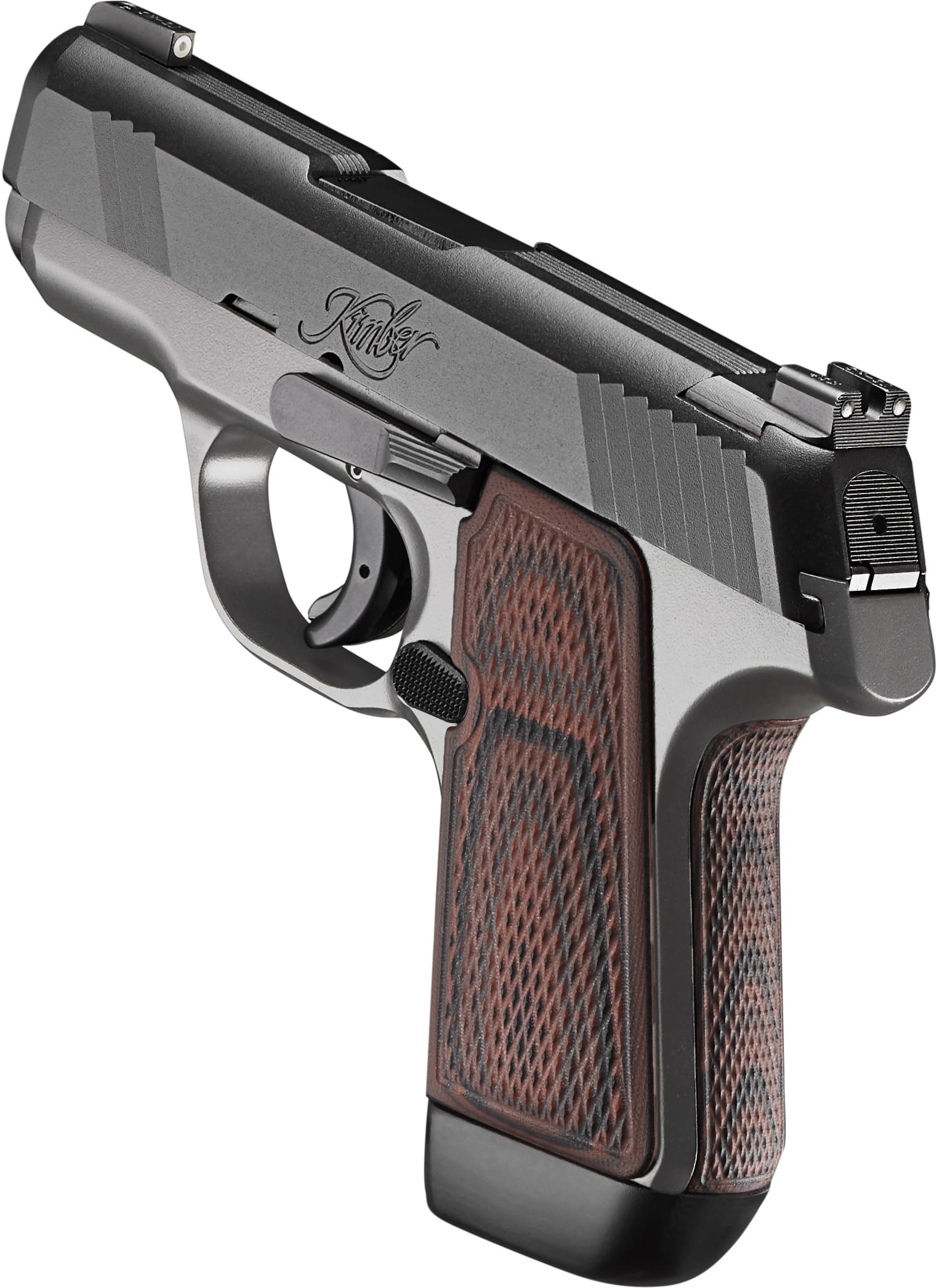
    Kimber has released their 2019 lineup of new products, and the headliner is their new sub-compact pistol, the EVO SP. The EVO SP is a striker-fired, metal-frame pistol, chambered for 9mm. Similar in size to the Micro 9 series, the EVO SP features a 3.16″ barrel and weighs 19 oz unloaded. The EVO SP’s trigger has a 6-7 lbs pull, and like many modern striker-fired pistols, it features a ‘leaf’ trigger safety. The EVO SP’s rearward striker indicator allows for both visual and tactile indication that the striker is cocked, and the pistol can be disassembled without pulling the trigger.

    The EVO SP is being offered in four models: Custom Shop, CDP, TLE, and Two-Tone. All models come with an ambidextrous, left-or-right side swappable mag release, ledged tritium night sights, and two 7-round magazines.

    www.kimberamerica.com

    Corps Strength – Another Attempt At An Old Question

    Saturday, October 27th, 2018

    With the roll out of the U.S. Army’s new PT test, formally known as the ACFT (Army Combat Fitness Test), the Army is attempting to answer a question that is as at least as old as Sparta and the Roman Legions. That being, what is the best way to prepare and gauge the physical readiness of military people for combat? As a student of military history, you can go across time and around the world to learn about the various methods used by both ancient and modern armies to physically prepare (and test), their soldiers for battle.

    Some of the older methods seem silly and frankly brutal by today’s standards. For example, the Zulu made their warriors go without sandals and walk on thorny bushes to toughen their feet and make them run faster. Those who complained, were just killed. Now there is a remedial PT program for your ass right there! However, Zulu armies were known for their ability to travel over 50 miles a day, (with no food or water), proving those that didn’t complain seemed pretty capable. For a more recent example I have a collection of Marine Leatherneck magazines from the early 60’s and in one, there is an article written about physical training for infantry Marines. The article was written by a WW2 and Korean war Marine veteran who stated: “The most important physical tasks of an infantryman in combat is marching under load and digging. Marine physical training should be tailored to increase ability in those areas and this cannot be accomplished with modern sports programs.” This illustrates that the push by those with combat experience to focus physical readiness on actual need vs. sports measurements is nothing new.

    I could give many more examples of how this issue of military physical preparation and how to test for it, is a question that has been asked over and over, with many different solutions having been tried. The new Army test is only the latest in a long line of attempts in the U.S. military. My hunch is that this one was inspired by our extensive combat operations in Iraq and Afghanistan over the last 15 years. That experience has pushed the conversation to more practical training vs. the long formation runs and endless calisthenics we used to do in the 80’s and 90’s. In 2008 the Marine Corps implemented the Combat Fitness Test (CFT) to be conducted basically along side the older PFT and while IMO not perfect, it was a step in the right direction to measure combat readiness.

    While I’ve heard about this new Army test for quite a while now, it was two articles I caught in the news recently that got me thinking more about this. One article was very critical, one very supportive. From everything I’ve seen and read, I find myself somewhat in the middle on it. I do know the Army spent a lot of time and money evaluating this new test. I also heard about all the medical and PT “experts” that were consulted. At first glance it seems a good attempt to better measure overall physical readiness, but I as an NCO it just looks much too complicated logistically and, in the end, tries to do too much. As a career Marine I was involved in physical training at every level and for the last 10 years I’ve been training international military people. I also have a lot of friends that are fire fighters who also require physical testing requirements. I used all of that background for the training routines and methods I laid out in my book Corps Strength. However, in my book I never really discussed testing, I spoke about some of the tests that I knew different services and occupations had to pass, but I never really suggested a test of my own. However, over the years I’ve experimented with a lot of different PT tests on myself, Marines and now with internationals, From that I have something that I think would provide a pretty accurate (basic) physical readiness evaluation and is something that is also logistically easy to do.

    To start off, the point here is to test potential physical combat readiness, the training required to obtain that readiness is a different subject. This is an important distinction as many exercises are great for conditioning, but IMO aren’t good indicators of physical readiness. A good example of these are calisthenics like push-ups and sit-ups and weight lifting movements like the bench press.

    Secondly, as we go to combat in boots and utilities, that is what we should test in, not running shoes, shorts and tee shirts. With that, you don’t run on tracks and chip trails when deployed forward. While I’m not saying you should test on a sandy beach or up steep hills, (as this would not allow for a consistent testing over different locations), but you should conduct this test in the dirt, or on a grass field. I’m against testing with full gear, as the extra weight, while realistic, would surely lead to a lot of injuries.

    If anyone would like to try it, my simple test goes like this:

    After a standard warm up, the first event should be a 1 mile run for time. The easiest way is to just a ½ mile down and back on a flat, off road surface.

    The next three events can (and should) be run in random order. With large groups, you can break into smaller groups and preform the different events at once to save time. Events should go from one to the other without any excessive rest time in between.

    1) A combination pull-up with leg raise. I think that doing the combination of these too movements together is much more realistic than just doing pull-ups. In a real situation you pull your body weight up, to get you up and over something, not to do strict exercise reps. Do a dead hang pull-up, come down, then raise your legs (bent knees) up to your chest, then legs down for one rep. Continue till failure. The leg raise also prevents excessive swinging when doing the pull-up. This tests your abs, grip and pulling power all at once in a real-life way. Goal: 15 or more.

    2) Body drag and fireman’s carry with a person of near equal weight. 25 yards drag the person down, then fireman’s carry them back for time. The benefit of including this in a test this is pretty obvious. Goal: Under 2 minutes.

    3) Sandbag lift (40lbs). From the ground to overhead for 1 rep, (no just dropping on the return downward), 2 minutes for max reps. I never liked the ammo can press Marines do in the CFT. The can is too light (30lbs) and in real life objects are picked up off the ground, you don’t start at your shoulders. Sandbags are cheap and easily obtained. This is both a test of aerobic capability and muscular endurance with a weight and movement that is common in many combat tasks. Goal: 40 or more

    Finish with another 1 mile run, with your final run time for score, being the average time of both runs. Now this may seem weird, but IMO this is the best way to test actual readiness, as in real life situations there are no structured physical tasking A-Z. You may be tasked to do different things, that require different types of fitness completely randomly. Running a mile first to “pre-fatigue” and at the end after preforming the other events, tests your overall endurance and toughness. Goal: A two run average under 7 minutes.

    The goals I laid out for each event aren’t scientific, that would take some trial and error to come up with a max and passing score range. They are numbers that I know from my own experience, if you were to meet or exceed, will indicate a very good level of useful physical readiness. However, I don’t think that there should be any grading scale for age or gender. Of course, there will (and should be) a big variance in what an outstanding (max) score and just passing will be. This encourages effort and competition, which is a good thing. This test is easy to do logistically and will accurately measures the basic type of physical readiness that military and 1st Responders need. As this is a basic test for all hands, specialized combat units should do full geared-up forced marches and “O” courses to help measure their people’s readiness. The same goes for MOS’s that have a swim requirement. That is something that is not feasible for non-combat units, it’s not practical, or frankly needed. Those are specific needs, for specific occupations that need specific tests.

    I don’t have all the answers on this, I wouldn’t consider myself an expert beyond what I have learned from my own practice experience and observation. In the end this debate will continue, but I am at least glad to see the services are trying to improve real life readiness and try to cut down on injuries. But I will close by reminding everyone something I told many an officer in my day; Something doesn’t have to be complicated, or high tech to be effective. In the end when we have many options to solve a problem, it’s always best to go with the simplest answer that gets the job done.

    I’m getting ready for some winter climbing and I hope everyone is enjoying the cooler weather. Till next month: “Be Safe Always, Be Good when You Can.”

    Semper Fi

    MGunz

    SPARTANAT – Gear Made in Germany: SR Tactical

    Friday, October 26th, 2018

    SR-Tactical-1-1-759x500

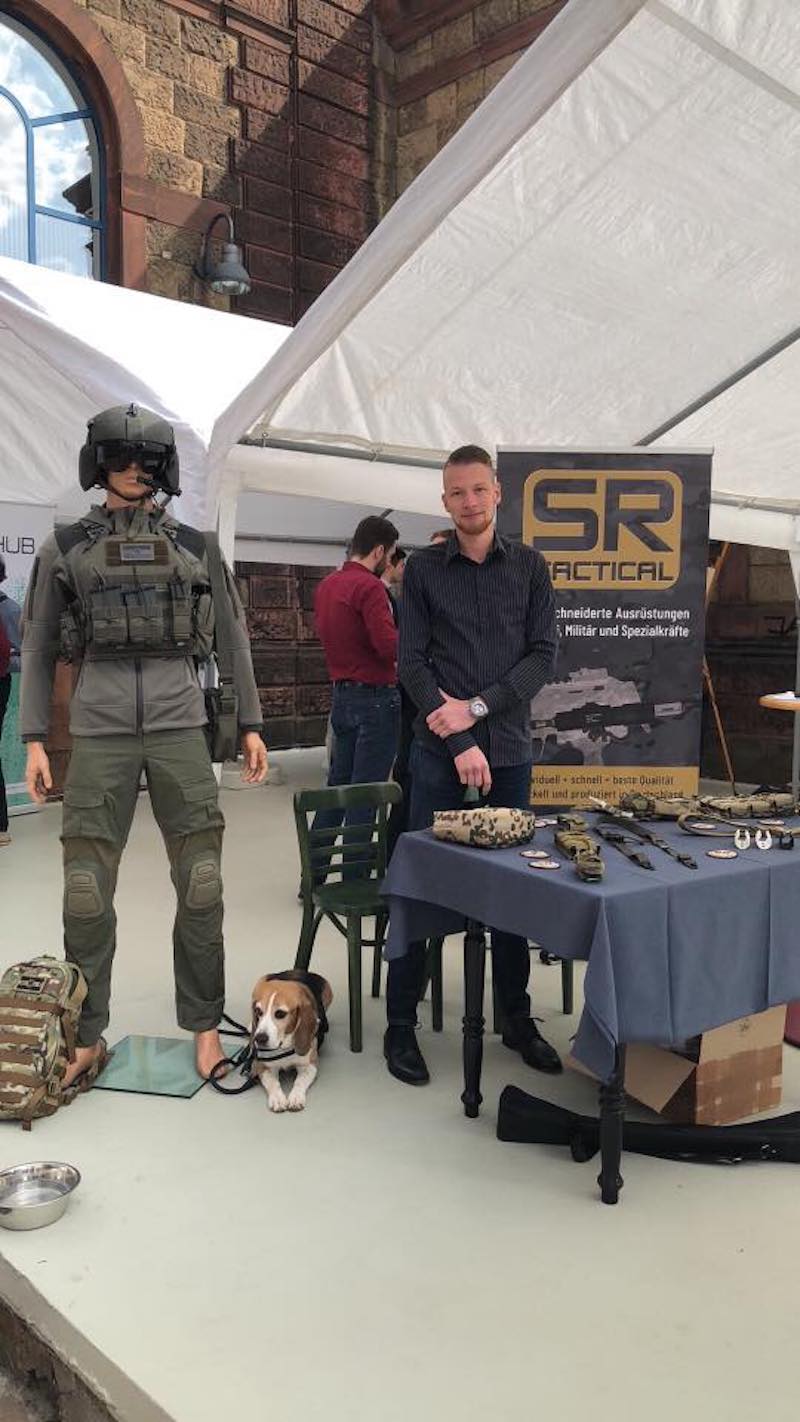
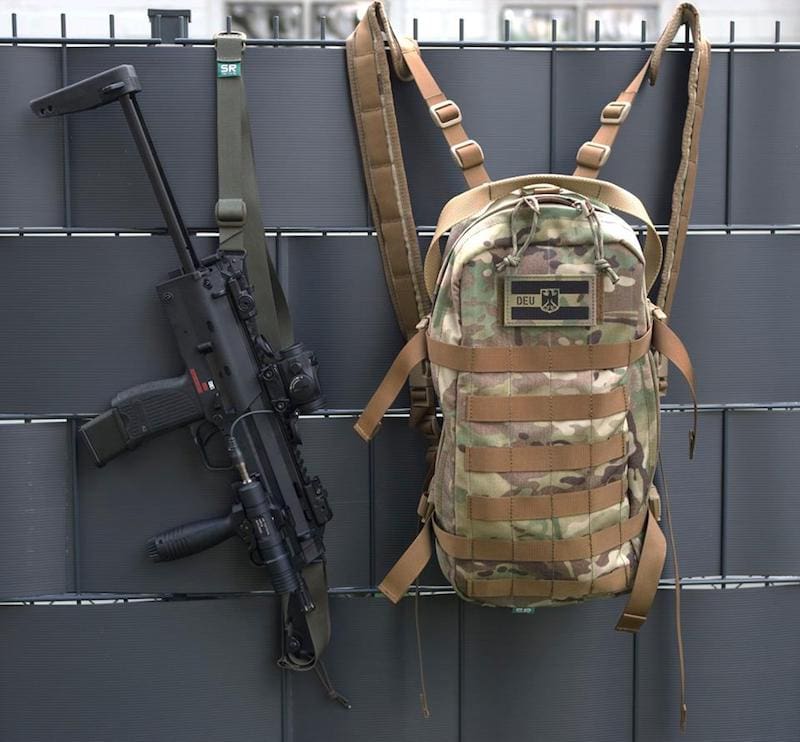
    SPARTANAT: Weaponlight Made in Germany, and looking good. How do you get the idea to make a weapon light and what makes it different to existing products?

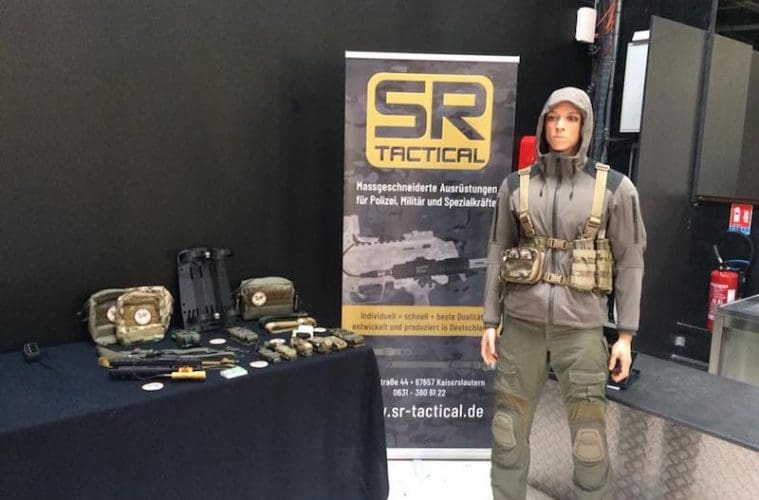
    Stefan Roth: SR Tactical was started with the development and production of tactical gear. After some time contacts into the industry and specialized forces in the police and military were made. At that time I was a hobbyist target shooter and was interested in the weapons my customers use.

    I soon realized that German government agencies use old, outdated weapon lights and that something had to be done about that. In Germany, weapon lights are banned for public ownership. Thus, there is no real market in Germany for these items.

    Several agents from different police units encouraged me to build my own, better weapon light.

    I then decided to do some CAD drawings and apply for the needed manufacturing permit which was granted in 2015.

    To realize the weapon light I designed my own housing and PCB to control the LED. The development was finished in 2016.

    SR-Tactical-5-1

    I then started testing, and the weapon light never failed, even with continuous full auto fire from different weapon platforms.

    In the end, I realized a weapon light that is free from ITAR- and EAR-regulations, waterproof to 200m and highly customizable and of very high quality.

    SR-Tactical-2-1

    SPARTANAT: SR Tactical has been a secret tip for a long time. When did you start?

    Stefan Roth: SR Tactical was started in 2011. When I started, it was more or less a fun project to be able to sell the gear I made as a hobbyist. I was soon very clear that it was capable of becoming a profitable company. Since 2015 I work on mechanical engineering products like the MRL6 weapon light.

    SR-Tactical-3-1

    SPARTANAT: What products do you offer?

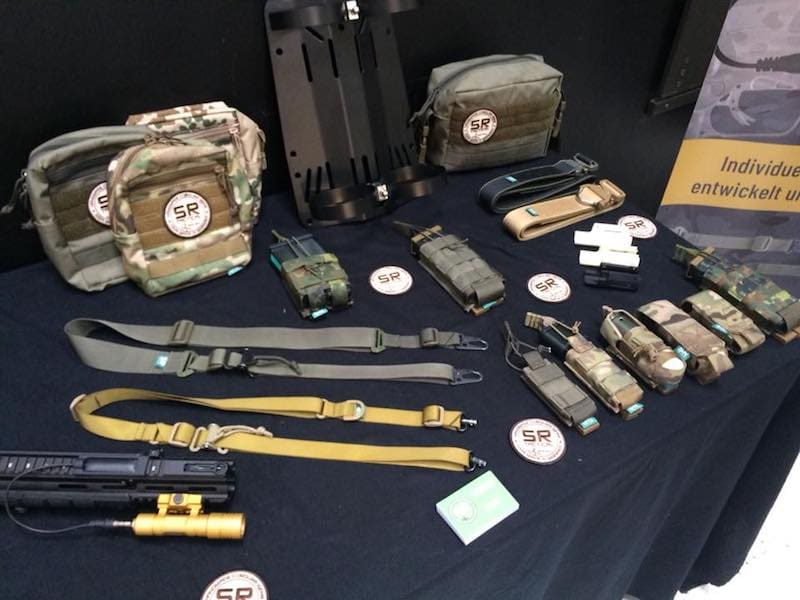
    Stefan Roth: In general SR Tactical sees itself as systemhouse for tactical gear, which means that we do not only deliver single products, but entire systems of tactical equipment for Special Forces. We can not only offer single magazine pouches or weapon slings, but entire tactical solutions for professionals. However, we do not offer clothing or firearms. If we talk about weaponry, SR Tactical has strong partners that will take care of firearms or optical sights. We have a small reference collection to do our own testing, even with live fire tests.
    Most of the time, special solutions, either textile or mechanical, can be realized quickly.

    SR-Tactical-4-1

    SPARTANAT: What is your favorite product?

    Stefan Roth: Easy. The MRL6. This is by far our most complicated product. We had to handle an entire product development process which follows VDI 2221 and had to take care of several fields of engineering, which resulted in lots of lessons learned.

    SR-Tactical-shop

    SPARTANAT: We are looking forward to your new weapon light. Where can we find it?

    Stefan Roth: During the design process of the MRL6 Christian Grunewald from Spartac/Kingshot was a strong partner. Christian already added the MRL6 to his portfolio and is one of the first retailers for SR Tactical products. We are currently working on a retail network.

    SR TACTICAL im Internet: www.sr-tactical.com
    SPARTANAT: www.spartanat.com
    German language: spartanat.com/2018/10/interview-klein-aber-oho-sr-tactical

    Gruppa 99 2018 Catalog

    Wednesday, October 24th, 2018

    Gruppa 99 Catalog

    Gruppa 99 has released their 2018 English language catalog. Gruppa 99 is a Russian technical clothing and load-bearing equipment manufacturer who’s products are currently in use with Russian SF units. You can check out the catalog by clicking the image above.

    gruppa99.com

    Knights Armament Company – SR-25 APC

    Tuesday, October 23rd, 2018

    SR-25 APC M-LOK

    The SR-25 Advanced Precision Carbine is a dual-role AR-pattern rifle chambered for 7.62mm NATO, designed for both close range engagement as well as accurate fire past 800m. It features a 16″, 5R cut rifled barrel with a 1/10 twist, complete with a KAC 7.62mm flash hider, for use with KAC QDC suppressors. The SR-25 APC features fully-ambidextrous lower receiver controls, a carbon cutter enhanced bolt carrier with E2 dual ejector bolt assembly, KAC 2 stage 4.5 lbs. match trigger, and KAC 200-600 meter flip up rear micro sight paired with a KAC micro flip up front sight. The SR-25 APC comes complete with a URX4 free float M-LOK rail, LMT SOPMOD buttstock, and KAC 20-round magazine.

    The SR-25 Advanced Precision Carbine weights 8 lbs. 10 oz. unloaded, and is 35.75-39.5″ in length.

    www.knightarmco.com

    Wounded Warrior Owned Valor Cycles to Bring Manufacturing and Tour Victory, Back to the US

    Sunday, October 21st, 2018

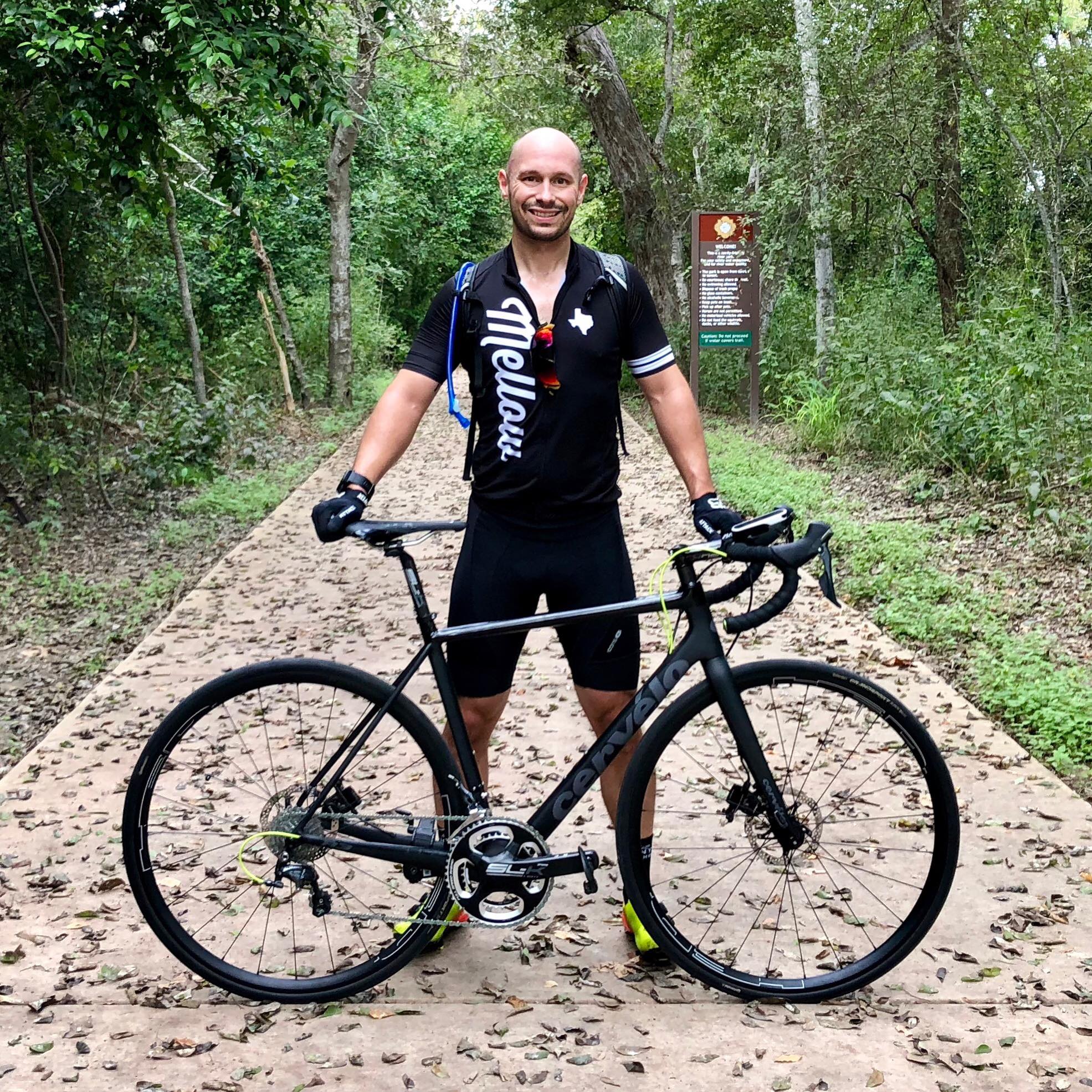
    San Antonio based Wounded Warrior, Adam Mattis, is bringing bicycle manufacturing back to the U.S., and aims to reclaim Tour de France glory for the USA.

    Adam Mattis - Valor Cycles

    SAN ANTONIO, TEXAS, October 17, 2018 –Strategy Consultant, and Wounded Warrior, Adam Mattis, has big goals. How big? Mattis not only intends to manufacture carbon fiber race bicycles in Texas, but he intends to put an American athlete on the podium of Tour de France in 2029, riding one of his bikes.

    “We have so many amazing athletes, skilled people, and technological expertise in the US”, says Mattis, “it is borderline lazy to build anywhere else.”

    Beyond the great people and knowledge, South Texas also has technological know-how: “..3D printing, small-batch manufacturing, direct-to-consumer customization: the customer has never seen anything like what we’re planning.”

    Valor Cycles intends to apply the same skills and principles that Mattis has applied successfully within Fortune 100 companies and startups to the cycling company. In addition to his own knowledge, Mattis has enlisted an all-star cast of advisors to include Ben Verner of Marolina Outdoor, Nick Rowley of Idea Distribution, marketing guru Stef Peterson, innovation phenom Justin Klahn, design visionary Seth Archer, contracting expert Amy Hicks, and others to help keep Valor on track.

    “It is all about fast, integrated learning cycles. We won’t get suckered into one design for years on end. We are reinventing the process around carbon manufacturing, we will build amazing product for our customers, and we will care for them like no other.”

    Mattis and his team are first focused on reinvigorating America’s passion for road cycling, but they won’t stop there.

    “The sky is the limit” says Mattis “I have learned hard lessons through my work as a consultant, and I will apply each one to Valor Cycles. We’re coming after the Tour de France. We are coming after the big, well-known brands, and after we win there, we are coming after full-suspension.”

    After the exodus of cycle manufacturing to Asia, it will take impassioned innovators like Mattis and the Valor Cycles team to bring excitement, authenticity, and a competitive American edge back to cycling.

    “Yea, it’s going to be hard, but that’s why we’re doing it. Those hard-fought victories are the sweetest of all.” To learn more please visit www.ValorCycles.com.
    For investment inquiries, please email: info@valorcycles.com.