Colt

Author Archive

V Seven Weapon Systems Introduces .308 Magnesium Hyper-Light Handguards

Wednesday, May 30th, 2018

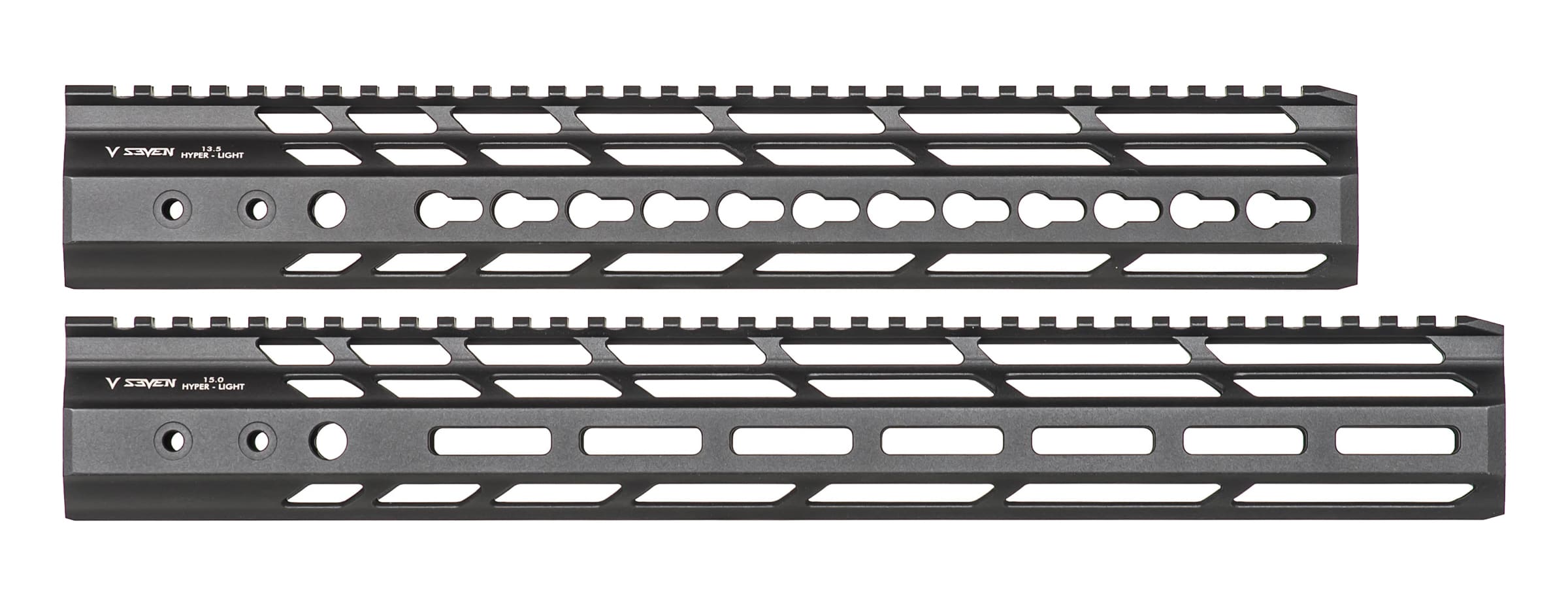
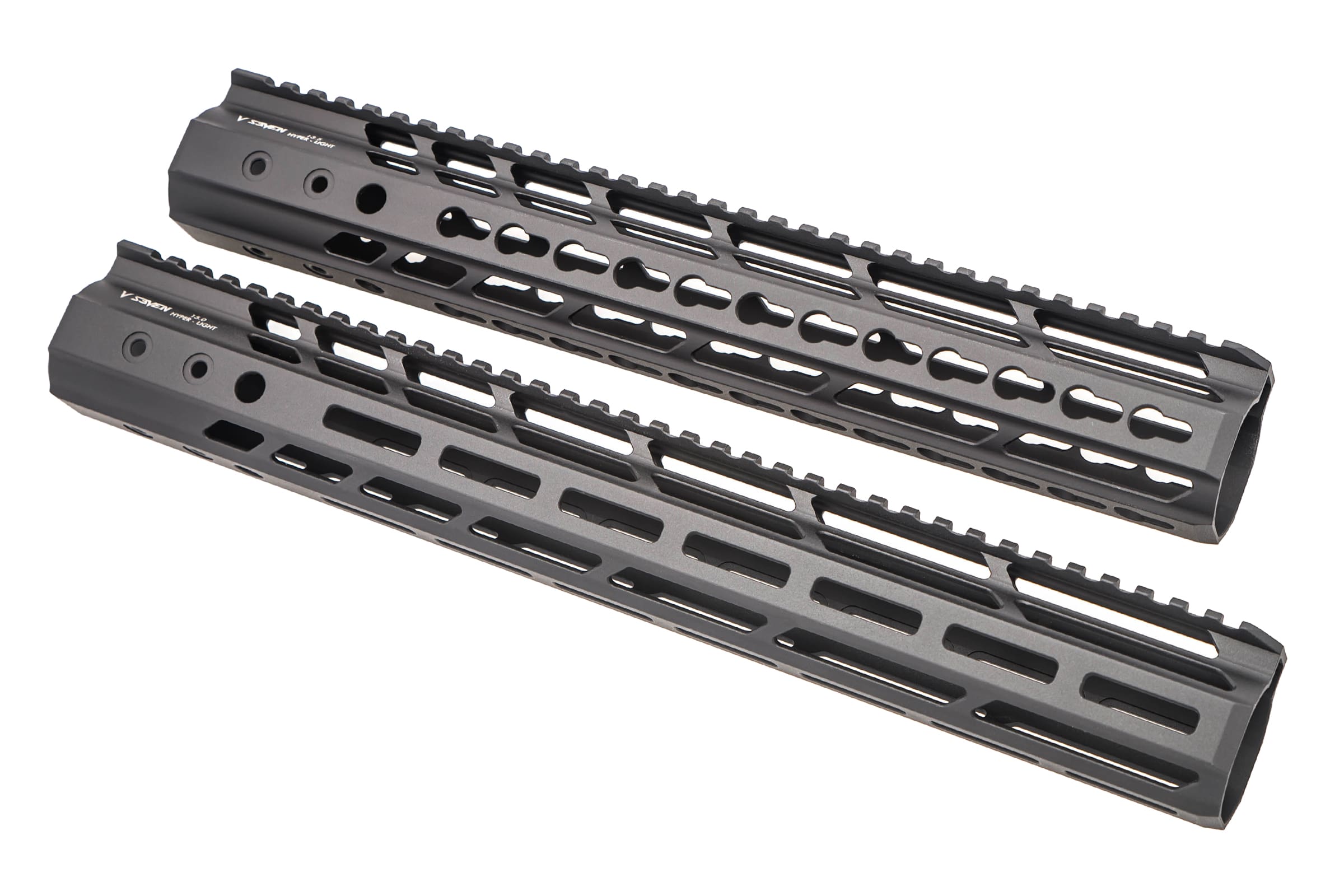
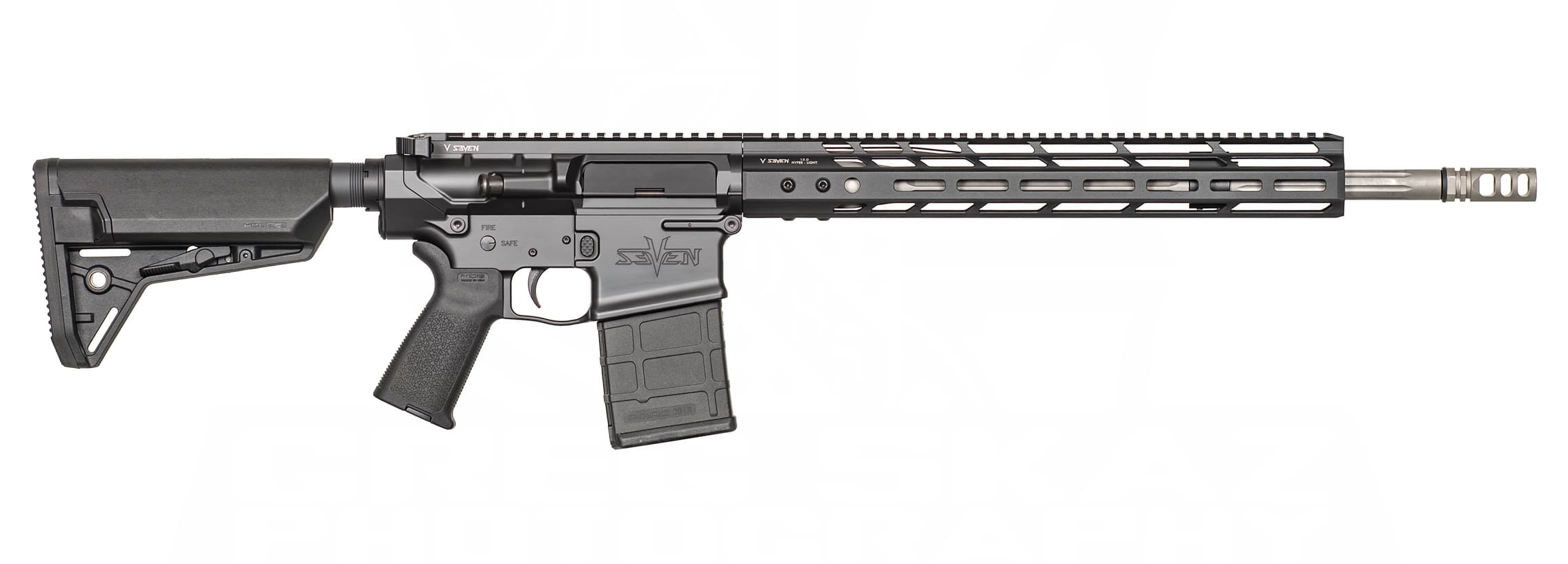
For immediate release – Glendale, OR – V Seven Weapon Systems expands their line of Magnesium Hyper-Light Handguards to now include MLOK and KeyMod handguards for .308 (AR10/SR25) rifles.

V Seven Weapon Systems Magnesium Hyperlight Handguard 1

With most .308 rifles weighing quite a bit more than their AR-15 counterpart, end users have been looking for ways to shed some weight wherever possible. The Hyper-Light family of hanguards are manufactured from a blended aluminum & magnesium alloy which yields an approximately 30% reduction in material weight compared to commonly used 6061 aluminum.

V Seven Weapon Systems Magnesium Hyperlight Handguard 2

The 308 Hyper-Light Handguards are available in four different lengths which are 10.75”, 13.5”, 15” and 16.5” in both MLOK and KeyMod. The finish is a plasma deposition process that provides a tough ceramic-like coating with superior wear resistance compared to anodizing. Each 308 Hyper-Light Handguard comes with all required mounting hardware including a Grade 5 Titanium Barrel Nut, Barrel Nut Wrench and Screws.

V Seven Weapon Systems Magnesium Hyperlight Handguard 3

For more information including weights for all rail lengths and additional photos, please follow the links below or give us a call at 541-832-2179.

V Seven Weapon Systems 308 Magnesium Hyper-Light MLOK Handguard

V Seven Weapon Systems 308 Magnesium Hyper-Light KeyMod Handguard

Survitec Sponsors Latest Instalment Of Esteemed Naval Proficiency Award

Sunday, May 27th, 2018
ENGINEERING TRAINING SCHOOL QUALIFYING CEREMONY - 27/4/18 Rear Admiral Keith Edward Blount, CB, OBE, FRAeS Assistant Chief of Naval Staff (Aviation, Amphibious Capability and Carriers) was the Guest of Honour to present Qualified to Maintain certificates to Air Engineering (AET) and Naval Airman (Survival Equipment) NA(SE) ratings completing their Phase 2B training.  This is point when AETs and NA(SE)s joined the trained strength for the first time. Consent held at RNAS Yeovilton PHOT section

ENGINEERING TRAINING SCHOOL QUALIFYING CEREMONY – 27/4/18
Rear Admiral Keith Edward Blount, CB, OBE, FRAeS Assistant Chief of Naval Staff (Aviation, Amphibious Capability and Carriers) was the Guest of Honour to present Qualified to Maintain certificates to Air Engineering (AET) and Naval Airman (Survival Equipment) NA(SE) ratings completing their Phase 2B training. This is point when AETs and NA(SE)s joined the trained strength for the first time.
Consent held at RNAS Yeovilton PHOT section

Safety solutions provider Survitec has once again sponsored the prestigious Neptune Award presented to the highest level of proficiency achieved over the course of a 54-week Royal Navy Survival Equipment Course.

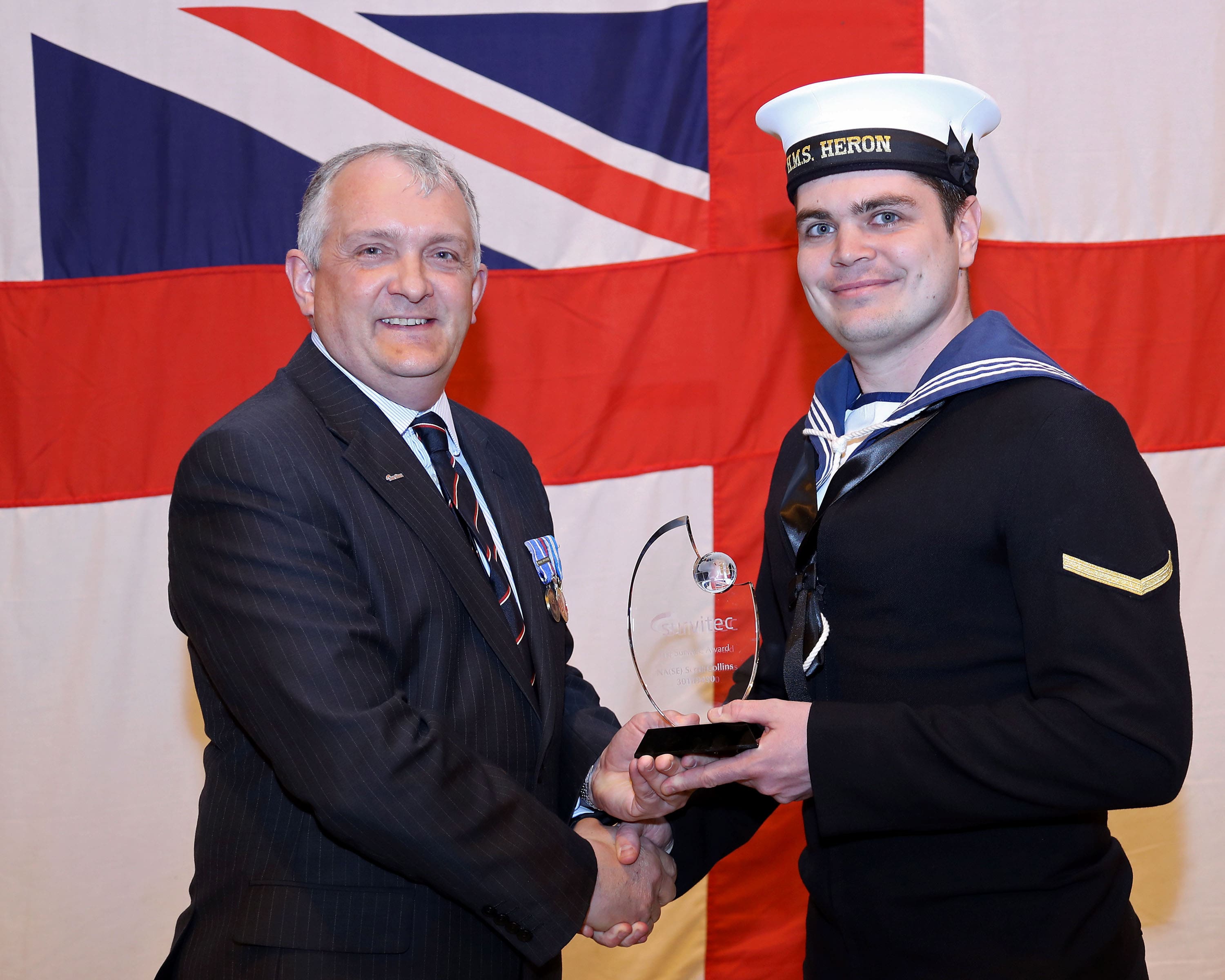
Having first backed the programme when the previous batch of sailors passed out in December 2017, Survitec was on hand to present the latest award to Naval Airman Scott Collins at RNAS Yeovilton at the end of April.

The award was presented on behalf of Survitec by Head of Programme Management Chris Hurley, previously a Lieutenant Commander during a 16-year stint with the Royal Navy.

The previous recipient of the award was NA(SE) Davies.

David Griffiths, Vice President Defence Sales at Survitec Group says: “We have a saying at Survitec that we’re proudly obsessive about safety and survival, which is precisely why we’re honoured to recognise military personnel who display the same characteristics. The Neptune Award embodies discipline, determination and a dedication to treat vital equipment with the respect it deserves.

“As a safety and survival solutions provider, we understand exactly what it takes to make high specification kit that can perform in the most extreme circumstances and save the lives of the personnel wearing and using it. But that’s only half the battle – unless equipment is efficiently maintained and effectively deployed it won’t perform the job it needs to, which is why it is vital that sufficient training is undertaken and maintenance is regularly performed.

“We’d like to personally congratulate Naval Airman Scott Collins and we look forward to continuing our involvement with this worthy award.”
http://survitecgroup.com/

Imminent Threat Solutions Releases Updated TourniQuick™ Pouch in Four Colors

Sunday, May 20th, 2018

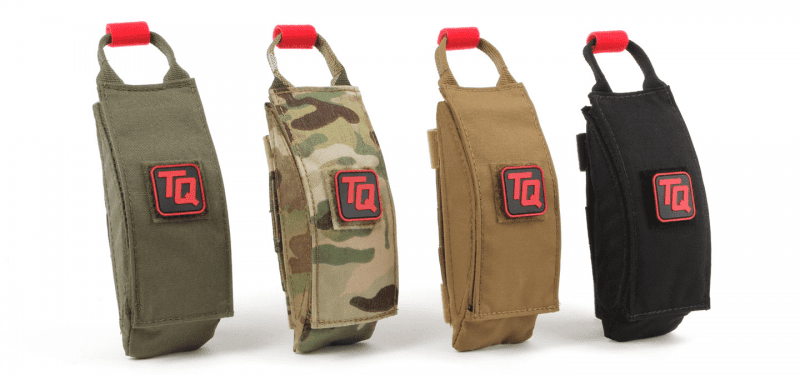
ITS TQ 1

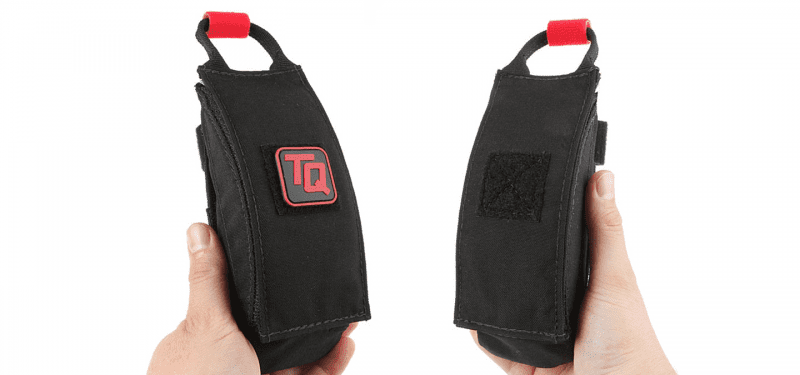
[ARLINGTON, TX, 03/16/2018] Imminent Threat Solutions is proud to announce the popular TourniQuick™ Pouch is now available in four colors, including Black, Coyote, MultiCam and Ranger Green! In addition, the previously embroidered TQ logo on the front has been replaced with a loop field and each pouch now includes a PVC Tourniquet Identifier Patch.

The TourniQuick™ is the first-ever tourniquet pouch designed as a system to rapidly access and deploy the two most common CoTCCC (committee on tactical combat casualty care) recommended tourniquets on the market. The TourniQuick™ Pouch reduces time from deployment to application, saving valuable seconds. Remember, seconds count when you’re bleeding out!™ Additionally, the TourniQuick™ features our patent-pending, 4-Way Mounting System™. The 4WMS allows you to mount the tourniquet pouch vertically on a duty belt, vertically to MOLLE (PALS webbing), horizontally on a belt, or even vertically on a backpack strap. The mounting possibilities are truly unlimited.

ITS TQ 2

Imminent Threat Solutions provides indispensable skill-sets and products to explore your world and prevail against all threats.

For more information on ITS Medical products, please visit store.itstactical.com/medical.html

Beez Combat Systems Retro-kit Cummerbunds

Sunday, May 20th, 2018

thumbnail
FirstSpear®, Tubes™ are trademarks of FirstSpear, LLC. Products shown with these trademarks are built with FirstSpear Technology™

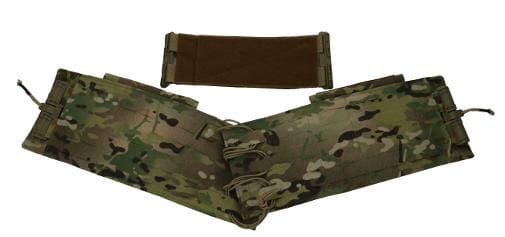
Now available with FirstSpear Tubes or ROC buckle. With laser cut GRID or Molle webbing.

Features:

  • Full cummerbund with integrated side plate pockets. Holds 6×6,6×8 or 7×8
  • Support soft armor inserts 6×12-17″ or rigid inserts
  • Available with Tubes or ROC buckle
  • Standard Molle webbing or GRID
  • Multiple color options
  • Dimension:
    Total length 35″ +/- 8″ (for elastic adjustment), Dimension 6.75″x 17.5″. Fits carriers with back flap 7″

    Check out the Retro-kits – Beez Combat Systems Retro-Kit Cummerbunds

    www.beezcombatsystems.com/main

    Blauer’s First-Ever Law Enforcement Backpack Duty Bag – the Silent Partner™

    Sunday, May 20th, 2018

    bg101_11_1

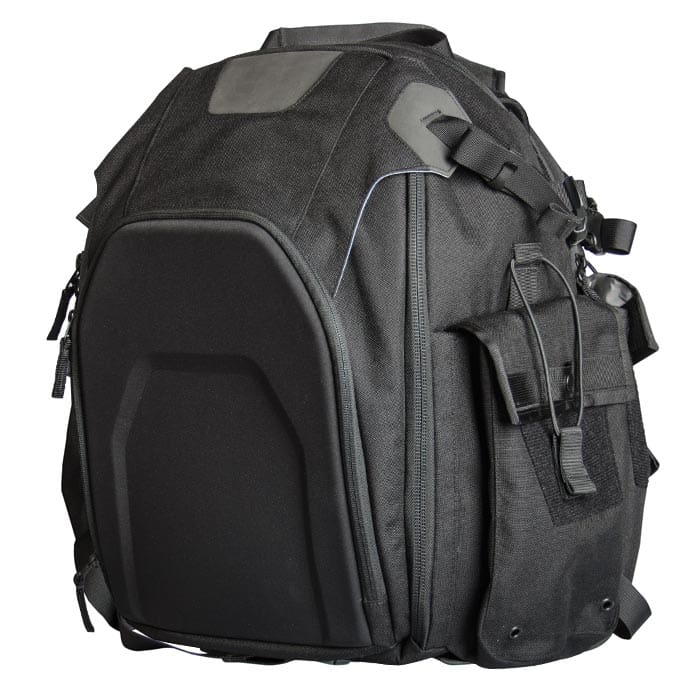
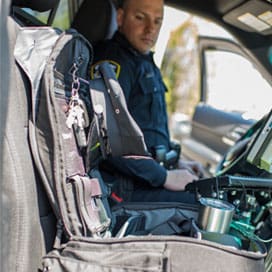
    Boston, Massachusetts – May 17, 2018 – Blauer continues its 80-year tradition of redefining expectations with the first-ever law enforcement duty bag backpack, the Silent Partner™. Made with feedback from real law enforcement professionals, and designed for their everyday needs, the Silent Partner has innovative features that make it the best choice for a wide variety of roles, with a tough 840D Ballistic Nylon exterior built to stand up to real-world law enforcement work.

    BG_101_Loaded

    The groundbreaking design includes interior touches such as headrest straps which turn the flap of the backpack into a seatback organizer (complete with a custom-made hook to hang a police uniform hat or safety vest on, a clip for POV or other keys, paperwork dividers, and zippered mesh pockets for cuffs and two pen slots), along with additional storage. The lower interior part of the bag, which sits flat on the seat, open for easy access, has an insulated food and beverage space, adjustable Velcro dividers, and is big enough to store a loaded duty belt.

    On the outside, the innovation continues with a protective vacuum-molded armor plate storage pocket, padded laptop/tablet pocket with easy access, adaptive closure side bungee pockets which allow the storage of larger items such as a water bottle or flashlight, and a slash pass-through on the bottom to accommodate a seatbelt to secure the bag to the passenger seat of a vehicle. Quiet YKK zippers help to ensure durable performance, and a padded, ventilated back cushion and shoulder straps provide comfort when carrying gear.

    For more information, please visit https://www.blauer.com/silent-partner-bag-bg101.html

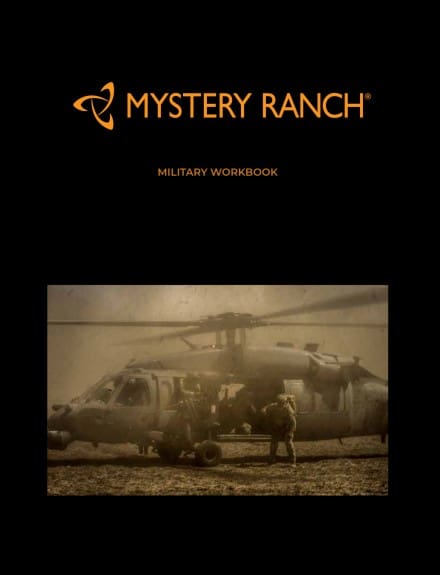
    The Mystery Ranch 2018 Catalog Is Here!

    Thursday, May 17th, 2018

    A4BF5A03-40C2-40B9-98BD-3B474CFF4C25

    Click to view the catalog

    As promised, here’s the sneak peek of the new MYSTERY RANCH Military catalog. Check out all the updates including redesigned bolsters and new tan, water-repellent, IR compliant zippers. Stop by the MYSTERY RANCH booth at SOFIC in the SOF Select suite to see the upgrades in person and chat with the MR team.

    www.mysteryranch.com

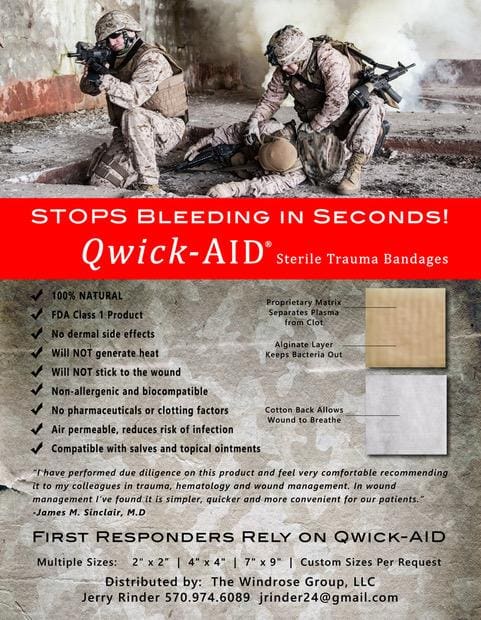
    The Windrose Group – Qwick-AID Sterile Trauma Bandages

    Saturday, May 12th, 2018

    thumbnail

    For more information, contact jrinder24@gmail.com.

    Gunfighter Moment – Northern Red

    Saturday, May 12th, 2018

    OPPOSITION BASED TRAINING

    Those who have attended a Northern Red CQB course fully understand our philosophy on Opposition Based Training. We incorporate Force-On-Force iterations throughout our curriculum because we are acutely aware of the vast benefits it provides. Northern Red only concerns itself with TTP’s that address, and defeat active resistance. This is reflected in all of our marksmanship and tactics based programs of instruction. Using live role-players who will fight back is the means in which we apply this ideology during Close Quarters Battle training. Today, we are going to discuss the purpose and benefits of utilizing force-on-force training. We will also identify several key elements that will ensure the desired end state of opposed training is continuously met.


    Mike Tyson said it best when he stated, “Everyone’s got a plan until they get punched in the face.” This is an outstanding quote from a professional in a combat sport that directly correlates to the main reason we stress the use of opposition based training; Vetting Tactic’s, Techniques, and Procedures. How many fighters that faced Tyson during his prime had the perfect fight plan? They trained and implemented what they thought would work against him, only to find themselves on their backs staring at the ceiling. So what went wrong? Was their plan wrong? Were their tactics inferior? Were they simply overwhelmed by superior skill and ability? The answers to these questions can be debated, but we feel the main reason they were unsuccessful is crystal clear. They did not train against someone that resembled the speed, power, and style of fighting that Tyson possessed. Once they got hit with that type of power, it was overwhelming and usually led to a quick and painful demise. Just like combat sports or hand-to-hand fighting, the only way to truly vet a combat based TTP is to test it against strong and consistent resistance. If no one fights back, you can literally employ any technique you wish and come out on top. From one man clearing techniques, to overly complicated ways to navigate through hallways and intersections; if you do not encounter real resistance, you will always “seem” to be successful. This non or passive resistance style of training breeds a false sense of confidence in TTP’s that have never been truly vetted. Many TTP’s brief well, but the true test is if they consistently work against a ready, willing, and committed opponent.

    Another reason for implementing this type of training is the real-world atmosphere it provides. Fundamentally, force-on-force training is the most accurate representation of combat that can be administered in a safe and controlled manner. Opposition based training induces stress, allowing assaulters and leadership to understand how they as individuals, or as a team, handle dynamic and chaotic situations. Very few people become overwhelmed when shooting paper targets. This is obviously the optimal setting used to instill the fundamentals of any TTP. However, if we constantly stay in this comfort zone, we are setting ourselves up for failure. We must provide an environment that will induce the physiological effects of stress, and provide it as often as possible. Through mental preparation and the proper training, we can learn to cull these effects, catching their onset and having the means to deal with them accordingly. Furthermore, fighting a person has a completely different feel than encountering static targets. Dummies and paper do not shoot, move, or communicate. We have rarely seen students shoot paper targets without acquiring their sights. They shoot these targets the same way they do on the range. On the other hand, we frequently see students engaging live role players looking over their aiming device. Why? Seeing a human behind your sights is different than seeing a two-dimensional piece of paper. Force-on-force training is the only way to attain and understand the sensation of acquiring your sights on a real person and deliver enough rounds to the right location in order to eliminate the threat in a non-lethal environment. In our opinion, simulators are a waste of time and money. Although they can be fun to train on, they do not produce the necessary end-state that live opposition does. Training and range scars will rear their ugly heads if opposition based training is not consistently put to use. These scars are ultimately paid for in blood.

    Here are some common mistakes encountered when using Force-on-Force training and suggestions from the Northern Red crew to maximize this incredible training tool:

    1. Setting up the same layouts.

    People all too often use the same facility, with the same layout, and same positions for the OPFOR. We understand that training sites are, and can be limited, but you can still give different looks to the trainees. Mix up the layouts and position of the role players as much as possible. You do not want assaulters “gaming” the run. You’re not training for an IPSC match, where competitors get to walk through stages before shooting, so attempt to provide a wide variety of looks as often as possible.

    2. Failing to strategically emplace OPFOR.

    We use OPFOR to drive home key learning points such as: looking deep, simultaneous clears of opposing threat areas, proper clearance of sectors of fire, etc. If you just set role players somewhere and do not have a valid reason for them being in that location, training can de-rail quickly. If you are trying to drive home the point of sectors in depth, then set up the OPFOR deep in the next room ensuring the assaulters are seeing deep through the open door. Always have a purpose for the location of role players.

    3. Not briefing role players for their particular job.

    We suggest that OPFOR be individually briefed for what their role is during that particular iteration. When we emplace OPFOR, we provide them with detailed instructions and specifically describe what we want them to do or look for. In addition, we instruct OPFOR to stay in an engagement until they are accurately engaged multiple times. Allowing OPFOR to quit the fight too early does not provide a realistic encounter to the assaulters, it builds a deadly training scar. After all, we are training for the people who will fight us to their last breath, right?

    4. Not using new guys as OPFOR.

    One of the best ways for a new assaulter to understand the consequences of their mistakes is to use him as OPFOR. The learning point will be evidently clear to him when he sees someone makes a similar mistake. He will now see from the enemy’s perspective, which is worth its weight in gold. This will intensely reinforce the “why” behind the TTP’s, and limit the amount of times they repeat the same mistake.

    5. Playing the SIMMS game.

    This is the biggest pet peeve that Northern Red has regarding opposition based training. Assaulters hanging out in front of closed doors, seeking cover behind couches, or doing things they, and we, know they would never do during a real gun fight. If you wouldn’t do it with live ammo, you probably shouldn’t be doing it with non-lethal ammunition. We all know the consequences for getting shot with marking rounds. If we follow the proper safety procedures, at most they can cause some discomfort. With that being said, we must not allow ourselves or our students to play the game. It’s extremely counter-productive and highly detrimental to mission success.

    We suggest that you utilize opposition based training into all of your required skill sets. Certainly, they must be used at the appropriate time and place in the learning cycle. There must be a solid foundation in the basics before you dial up the stress level. Once the foundation is set, we reinforce it with this training methodology based on the reasons we discussed. We used CQB as the main platform in this post, but you can use this type of training in many different ways. From hand-to hand, to any and all tactics, the perks of encountering human beings in training are far too important to neglect.

    Gunfighter Moment is a feature brought to you by Bravo Company USA. Bravo Company is home of the Gunfighters, and they bring us a different trainer to offer some words of wisdom.