
Visit booth #20241 for details!p


Visit booth #20241 for details!p
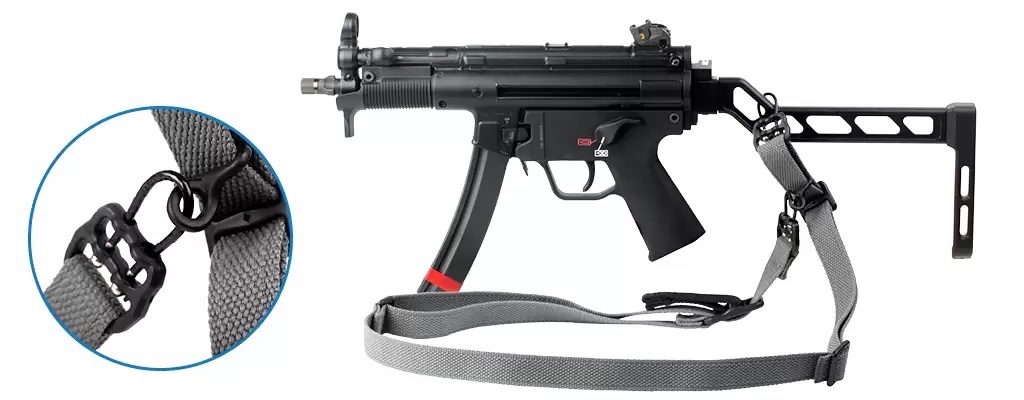
POOLER, GA—The growing popularity of pistol caliber carbines and lightweight AR-style rifles has resulted in rising demand for lighter, slimmer slings. In response, BFG has added the Vickers SMG Sling, previously a limited-time offering, to its product line for 2023. The Vickers SMG Sling includes the exclusive BFG reducing loop that makes it easy to convert from a two-point sling to a single-point sling. Its 1-inch webbing makes it perfect for shooters who desire the flexibility of a convertible sling but in a smaller package.
Blue Force Gear makes two other 1-inch slings: the 1-inch GMT Sling and the Vickers ONE™ Sling.
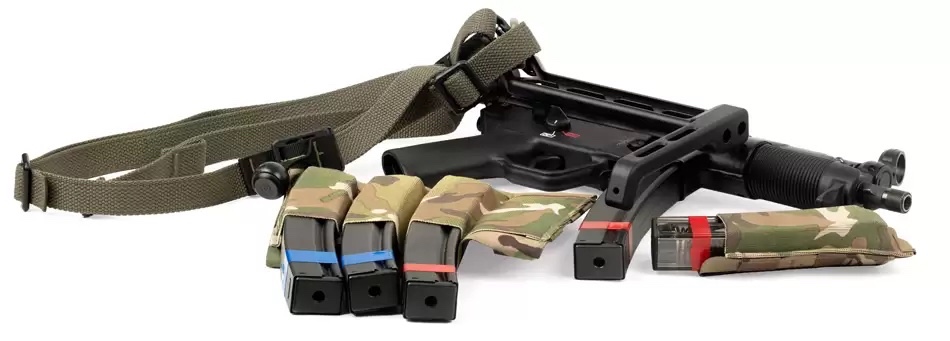
GMT Sling (1-inch version)
The 1-inch GMT Sling is perfect for shooters who prefer a tailed sling. It uses a custom double-locking buckle interface designed and manufactured specifically for this application from durable and rust-free glass-filled nylon. This adjuster provides consistent tension when both tightening and loosening the sling. Once set, it doesn’t move until you want it to.
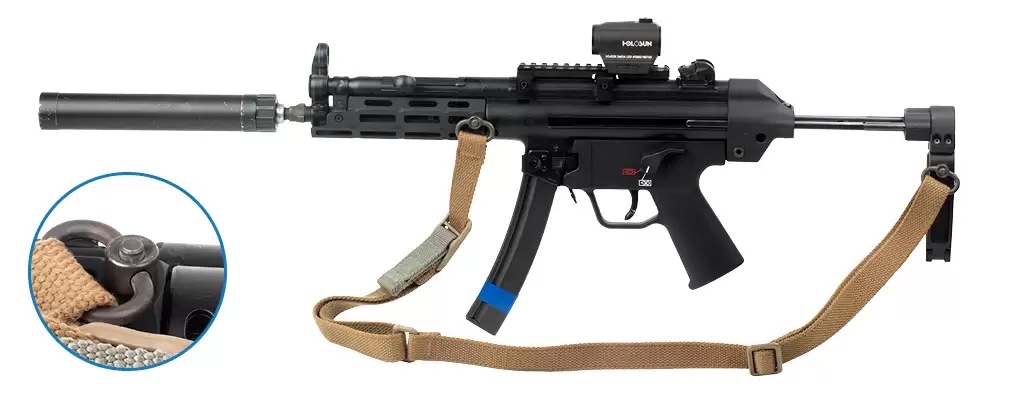
Vickers One Sling
The Vickers One Sling is a slimmed-down version of the combat-proven Vickers Sling. The Vickers One Sling was designed for pistol caliber carbines and SMGs but has also gained a following with shooters who prefer a narrow sling on their AR-style rifles. The Vickers One Sling is compatible with most 1-inch sling attachment hardware, including BFG’s own Push Button Swivels, sling hooks, and the patented ULoop.
The Vickers SMG Sling, GMT Sling, and Vickers One Sling all feature the Blue Force Gear exclusive 1-inch Zytel® nylon hardware and Invista™ solution-dyed Cordura® webbing, which is known for its long-term durability. As with all Blue Force Gear products, the Vickers SMG, Vickers One, and GMT Slings are made in the USA with US-made materials.
Need a replacement tether for your DBAL-D2 illuminator cover?
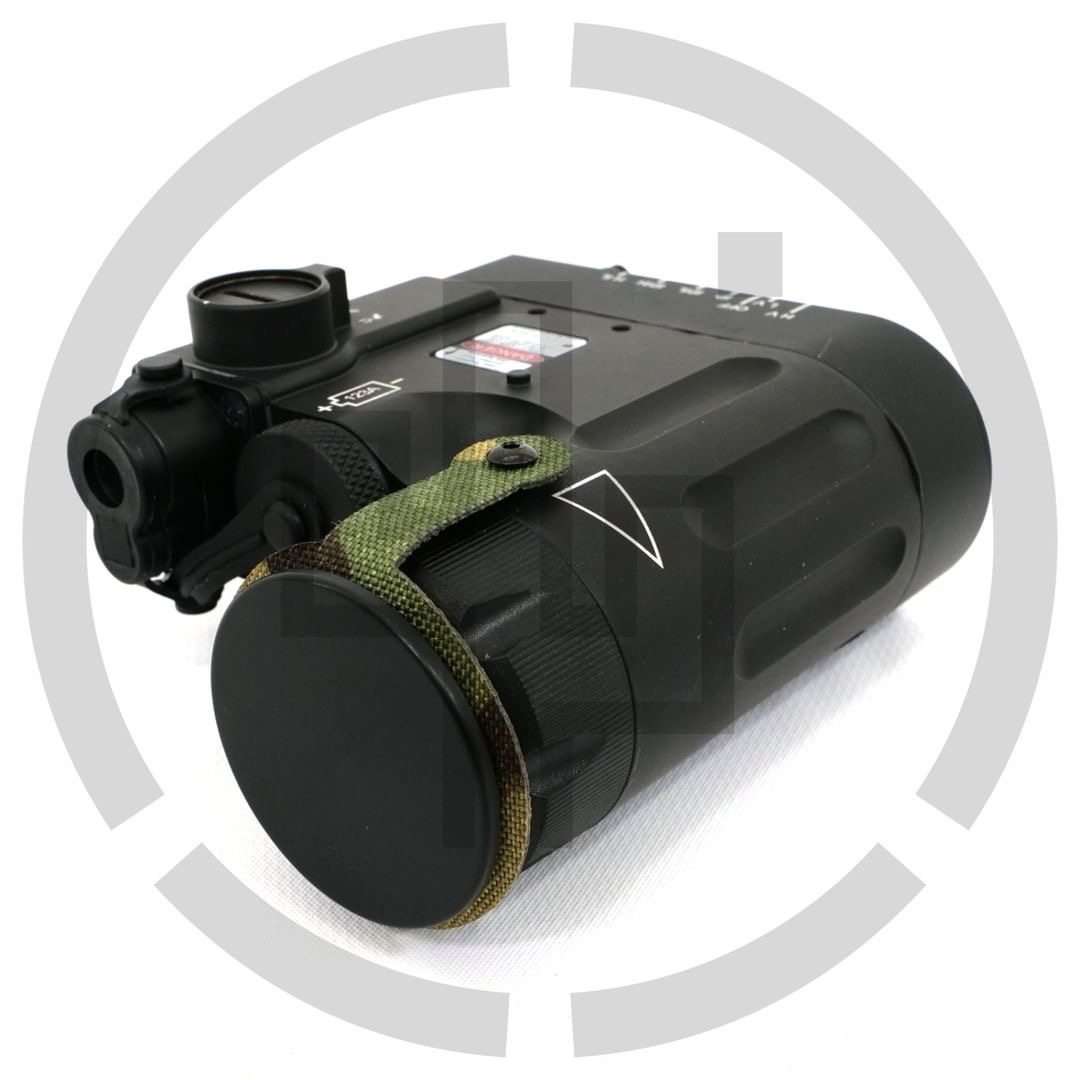
Available in black, coyote brown, ranger green, wolf grey, M81 wooldand, Multicam, Multicam Alpine, Multicam Arid, and Multicam Tropic. Made in the USA. Laser cut from Berry compliant Brookwood B-52 laminate.
$12.00 at wtfidea.com
Steiner Optics does not endorse this product. All DBAL D2 trademarks, brands, etc are property of Steiner Optics.

SWANSBORO, N.C. – January 13th, 2023 – High Speed Gear, makers of the patented TACO® line as well as the full line of Sure-Grip® & Slim-Grip® Battle Belts; Pouches; and Polymer TACOs has acquired BlackPoint Tactical™ of Alpharetta, Georgia.
BlackPoint Tactical manufactures custom, hand crafted holsters built around the ideals of comfort and concealment. BlackPoint designs their products from the ground up, utilizing direct input of individuals with various professional backgrounds. Combining these inputs, BlackPoint has been able to craft products well-suited for uses behind enemy lines, in harsh combat environments, but also work great down Main Street. BlackPoint products are currently used by numerous local, state, and federal agencies plus BlackPoint offerings will fit just about any lifestyle and desired carry style. The full product line can be seen at BlackPointTactical.com.
Crucial Concealment offers a unique value proposition to end users with streamlined holster designs constructed through a uniform manufacturing process. From start to finish, these products are built using the latest in 3d scanning & modeling software. The production process leverages advancements in manufacturing automation technology to produce accurate and repeatable products. This industry leading process yields high quality products, and the cost savings are passed directly onto the consumers. The full Crucial Concealment product line can be seen at crucialconcealment.com
BlackPoint and Crucial strive to provide innovative firearm solutions, delivered on time, to meet the needs of an ever-evolving shooting community. With the promise to provide the highest level of customer service and integrity while providing 100% made in the USA handcrafted product.
“The BlackPoint and Crucial Concealment line of products are a perfect addition to the High Speed Gear family. Having the ability to present multiple Kydex lines will allow us to grow deeper roots in law enforcement, military, and all of the consumer markets such as competitive shooting and concealed carry,” states Bill Babboni, COO for the High Speed Gear Products Group. “HSGI is dedicated to increasing our quality offerings and this acquisition does that plus it allows us a deeper management team.”
Holster options include:
– OWB Leather-Wing™
– IWB Mini-Wing™
– DualPoint™
– F03™
– M.A.P – Modular Accessory Pouches
– CRUCIAL COVERT OWB and IWB
As High Speed Gear, Comp-Tac Holsters, BlackPoint and Crucial continue to expand, we welcome all inquiries: sales@highspeedgear.com
New for 2023! loopanywhere 2.0 puts a loop field between two rows of PALS webbing with its teeth engaged in 6 PALS columns.
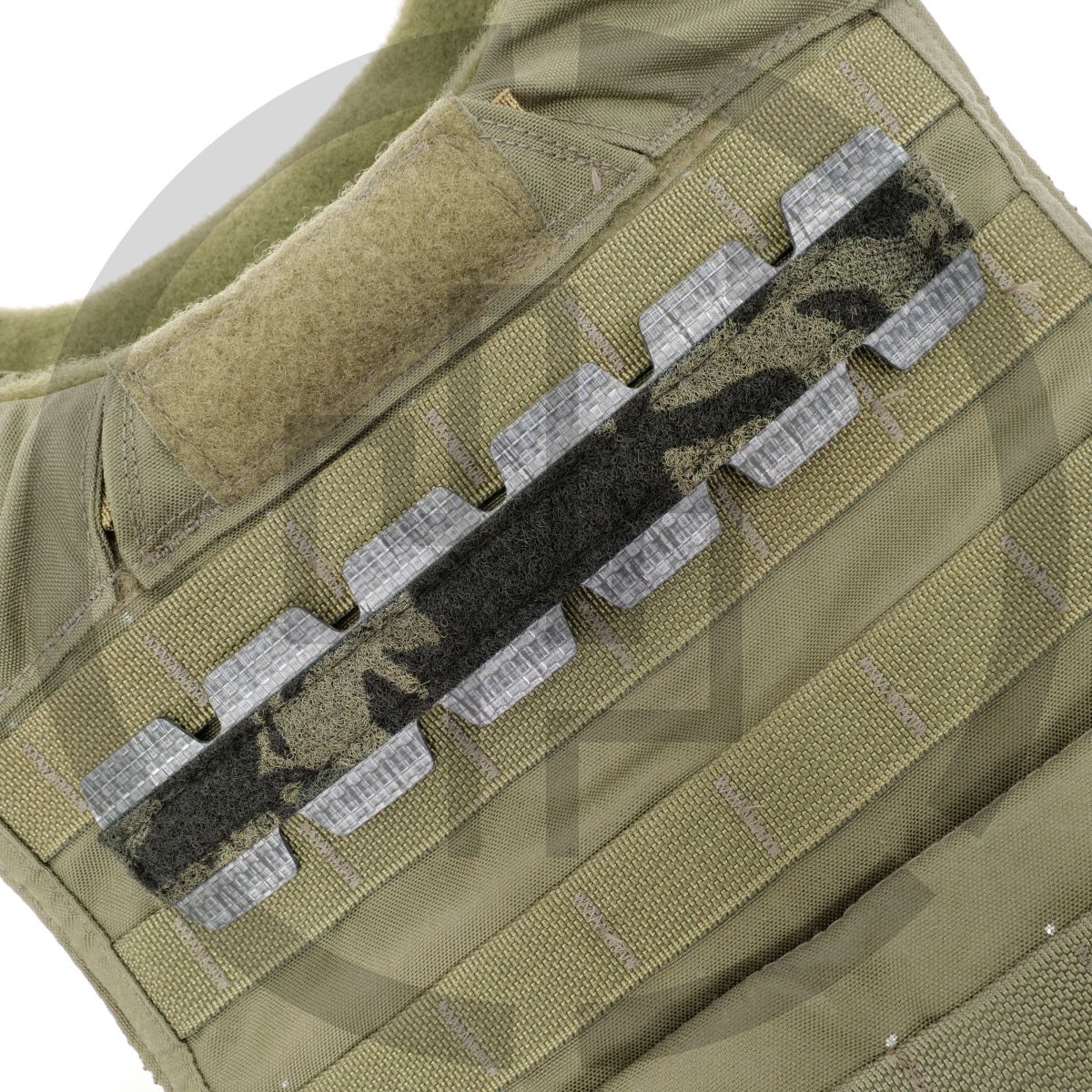
loopanywhere 2.0 is made in the USA from Berry compliant Tegris® Thermoplastic Composite, Berry compliant VELCRO® and MMI A-A-55126B loop, Berry compliant Texcel Industries solution dyed MIL-T-5038 tape, and Berry compliant A&E bonded nylon A-A-59826A thread.
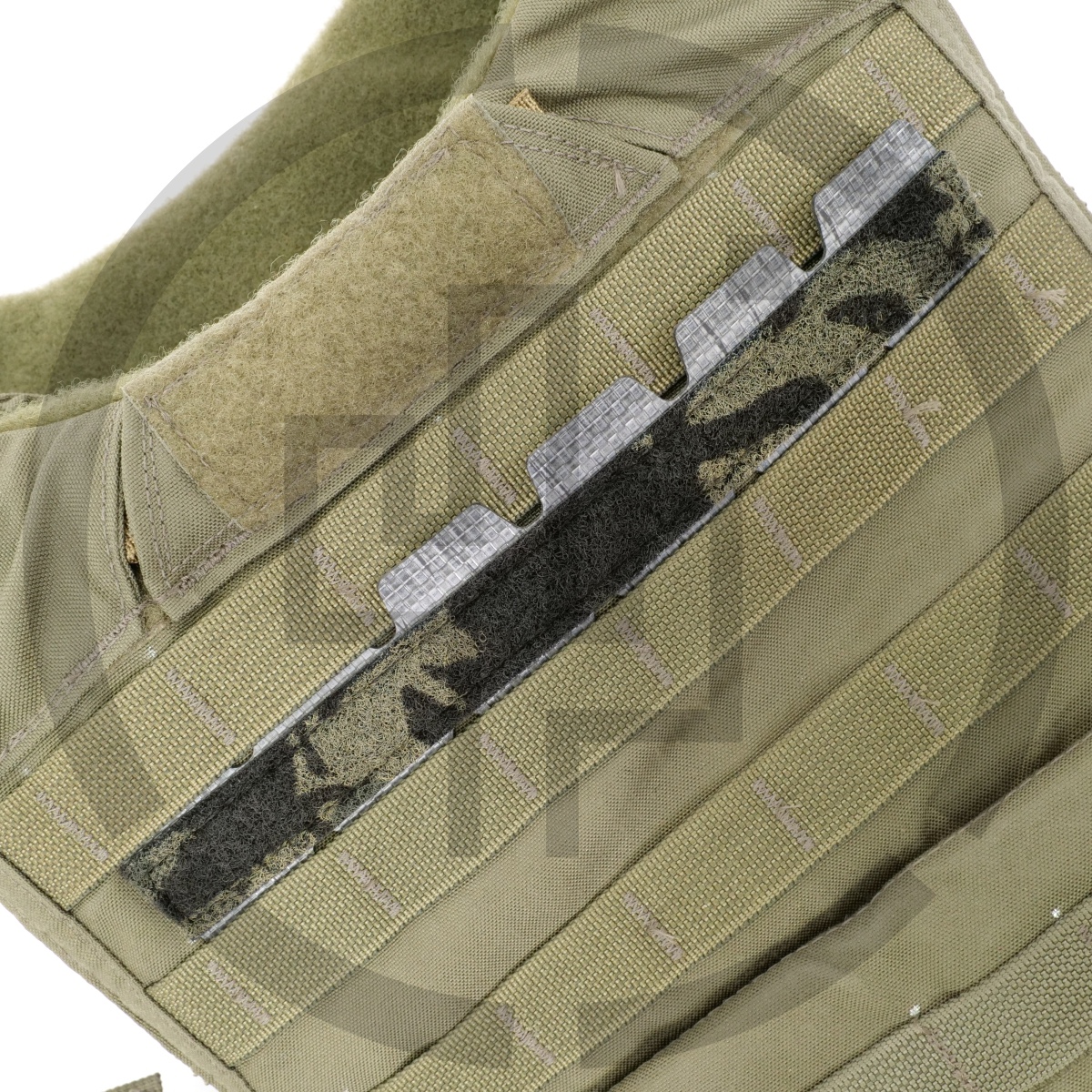
Whiskey Two Four’s loopanywhere tucks into PALS webbing to attach hook backed accessories. WTF’s loopanywhere is just stiff enough to support a hook backed accessory while being flexible enough to move and conform with compound curves.

Available in 6 column widths in black, coyote, ranger green, wolf grey, red, M81 woodland, Multicam, Multicam Alpine, Multicam Arid, and Multicam Tropic. 0.3 oz / 10 g.
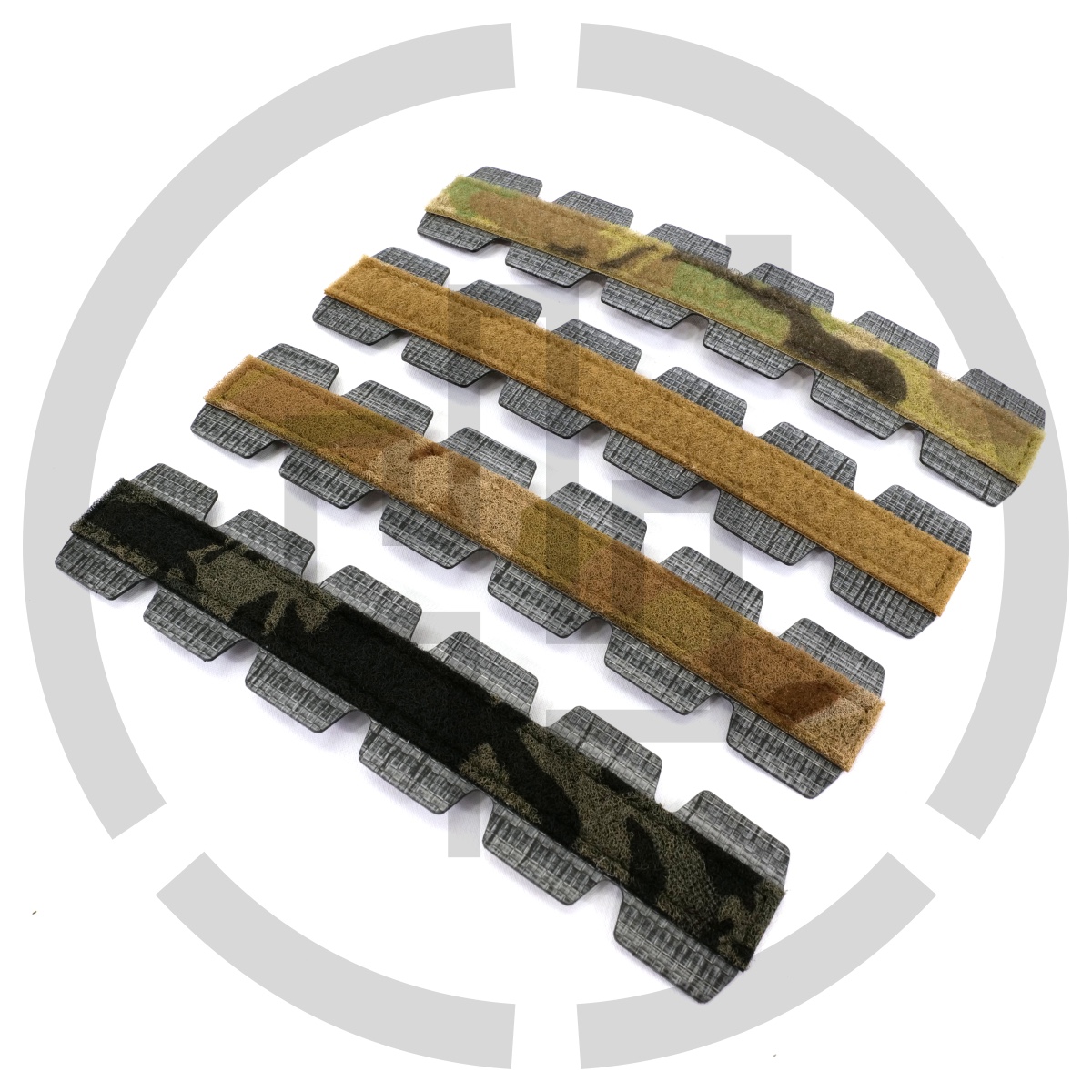
www.wtfidea.com/loopanywhere-2-0
SENTRY Products Group™ will be displaying its products at Booth 72605 during SHOT Show® at The Venetian Expo and Caesars Forum Jan. 17 – 20, 2023.

Virginia Beach, Va. (January 2023) – SENTRY Products Group™, a leading manufacturer and distributor of products focused on protection, storage, and transportation of outdoor, military, and law enforcement equipment, will be joining more than 2,000 exhibits at the 2023 SHOT Show® at The Venetian Expo and Caesars Forum in Las Vegas, Nevada, Jan. 17 – 20, 2023.
The SHOT Show is the world’s most comprehensive trade show for professionals involved with the shooting sports, hunting, outdoor, law enforcement, and armed forces industries. This year’s show in both The Venetian Expo and Caesars Forum will offer unique opportunities for attendees to experience the best in firearms, ammunition, law enforcement, cutlery, outdoor apparel, optics, and other related products and services first-hand.
“We look forward to exhibiting at the SHOT Show every year. Attendees will be able to meet our team face-to-face and we plan on making lots of great connections that can be beneficial for everyone involved,” says Terry Naughton, President of SENTRY Products Group.
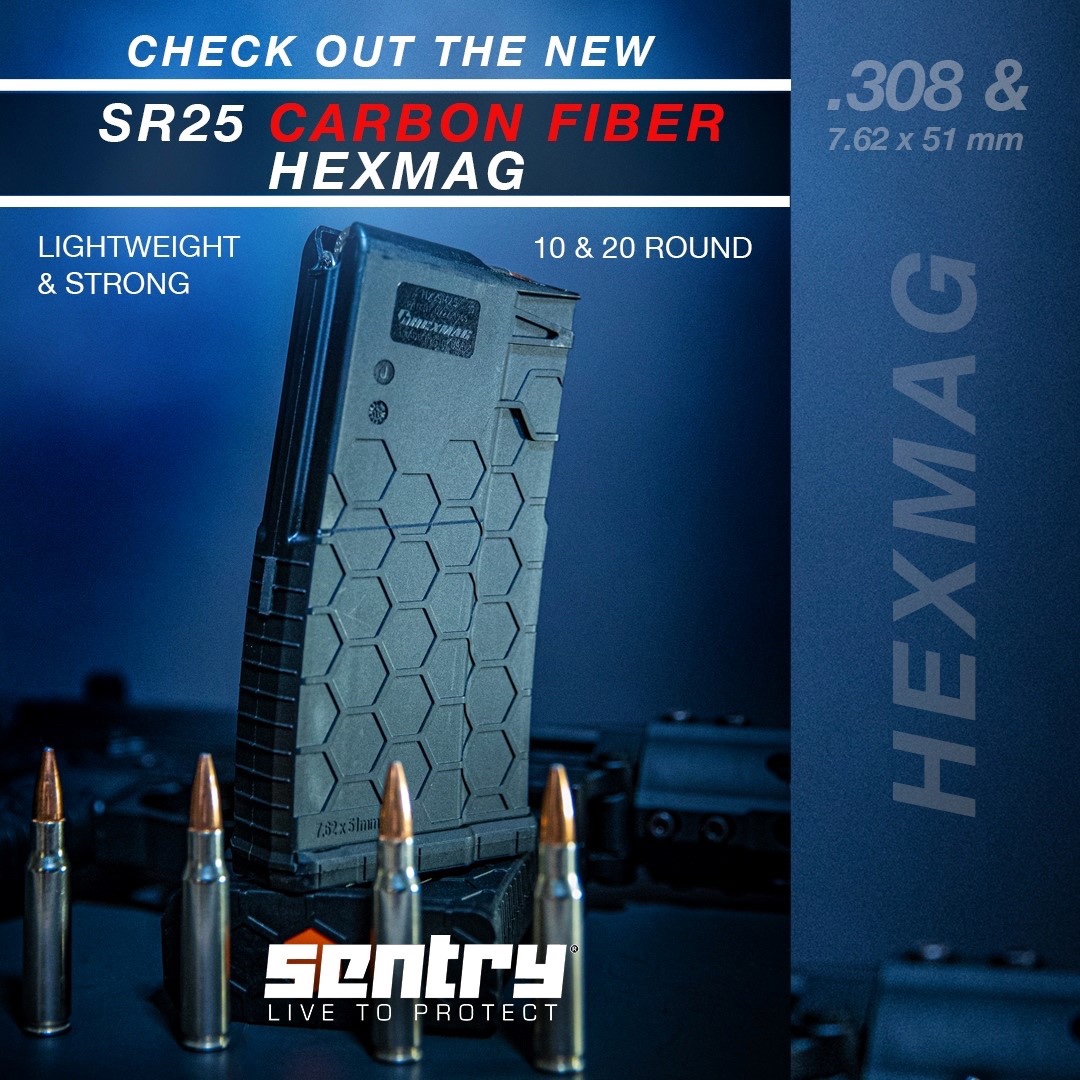
SENTRY Products Group will be featuring its new SENTRY Hexmag® 10 round SR25 carbon fiber magazine. It is ideal for any sport, competitor, or tactical shooter demanding superior strength, proven reliability, and exceptional value. The Carbon Senthex™ Advanced Carbon Fiber polymer reduces weight by 20 percent while delivering superior strength and rigidity. The HEXTURE™ design is the element that binds the SENTRY Hexmag magazine line together as the signature, patented, and trademarked design pattern. This design goes beyond great style, as it also provides a natural gripping surface.
The Hexmag 10-round SR25 carbon fiber magazine also features a redesigned feed lip geometry to maximize strength and versatility, stripper clip guides for faster reloading, and a deep catch pocket for rock-solid stability. The magazine features the SENTRY patented toolless design for fast and easy floorplate removal, allowing field cleaning and HexID® color customization. All Hexmag magazines use the best heat-treated, stainless-steel springs to resist corrosion and fatigue while being loaded for extended periods.
The SHOT Show is owned by NSSF, the firearm industry trade association, and is restricted to the shooting, hunting, and outdoor trade professionals and commercial buyers and sellers of military, law enforcement, and tactical products and services ONLY. The SHOT Show is not open to the general consuming public (e.g., private visitors, hunters, sport shooters, members of hunting and sports shooting clubs, etc.). Proof of professional affiliation is required.
To learn more about SENTRY Products Group™, or to become a dealer, contact us at info@sentryltp.com or visit sentrytactical.com to see the complete product line.

The Tactical Distributors crew will be at Shot Show ’23 in booth number 62209. Tac Dis is excited to show TD Apparel, MTHD, and Battle Briefs Spring/Summer ’23 offerings. Also, they will have several of their upcoming Collabs with some of your favorite brands. Daily giveaways for the first 50 people, so stop by early.