Wilcox Ind VIPR

Archive for the ‘Clothing’ Category

Voyage Coat

Wednesday, July 29th, 2026

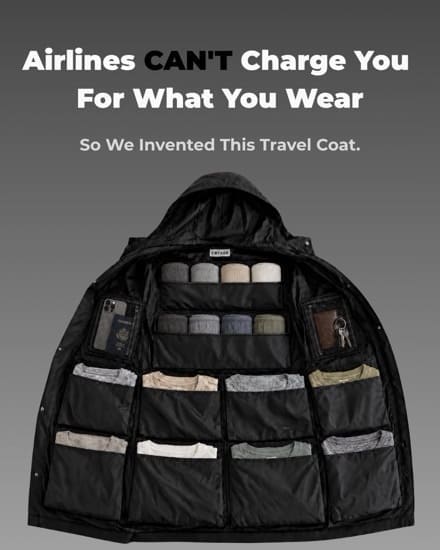
I’ve seen folks do this at the airport, load up pockets with stuff so they don’t have to pay extra baggage fees. This guy made a coat dedicated to the notion.

It features 16 pockets and will hold up to 14 lbs of clothing accorisng to the manufacturer, but I bet a motivated SSD reader could double that, at least.

It even comes with its own duffel.

voyagecoat.com/products/voyage-coat

Sneak Peek – Tactical T-Shirt SS from Tomahawk Performance

Thursday, July 23rd, 2026

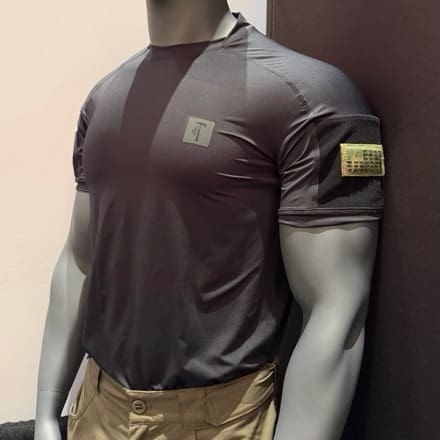
We got a look at this new short sleeve T-Shirt during SOF Select. Details coming very soon from Tomahawk Performance.

BEYOND Summit Sun Hoodie

Wednesday, July 22nd, 2026

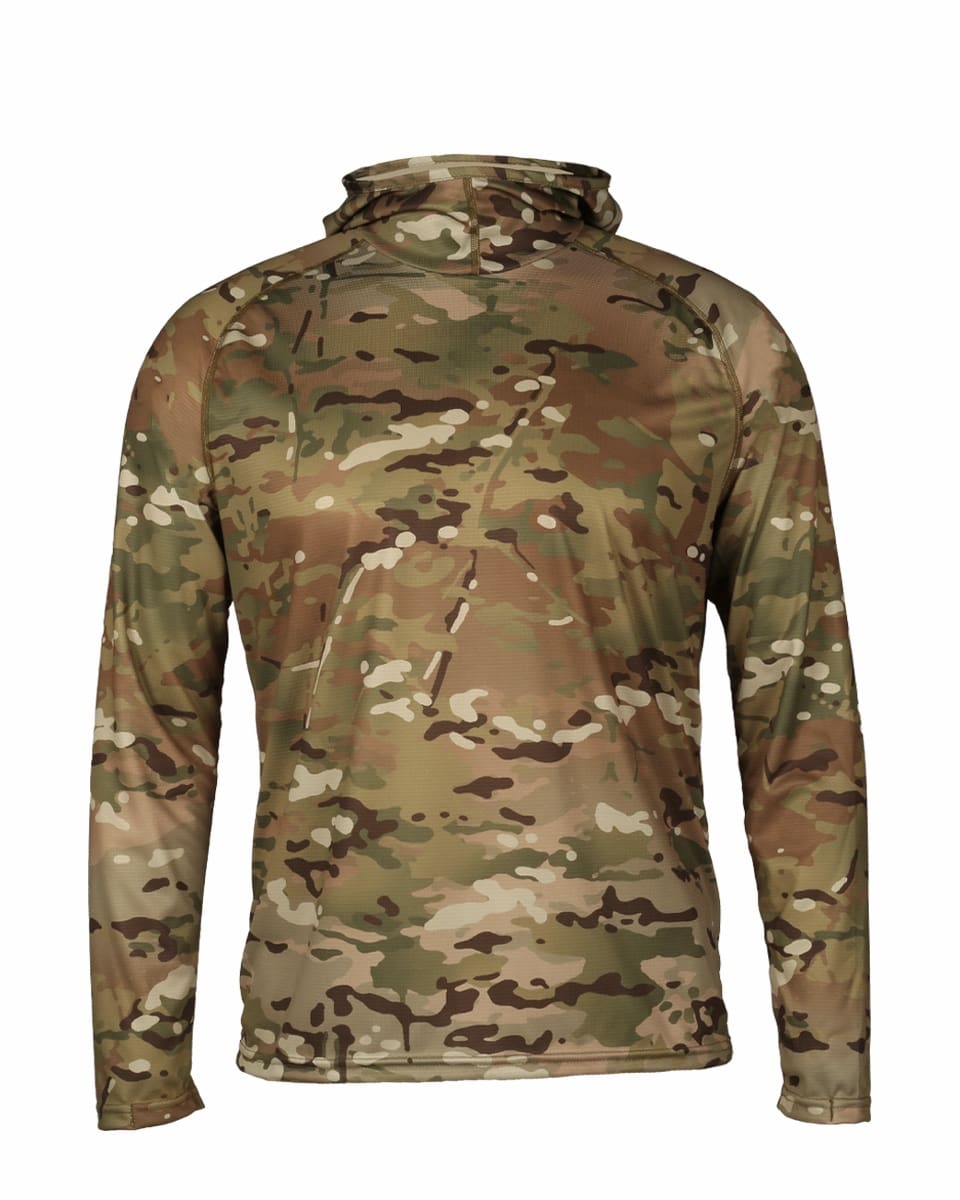
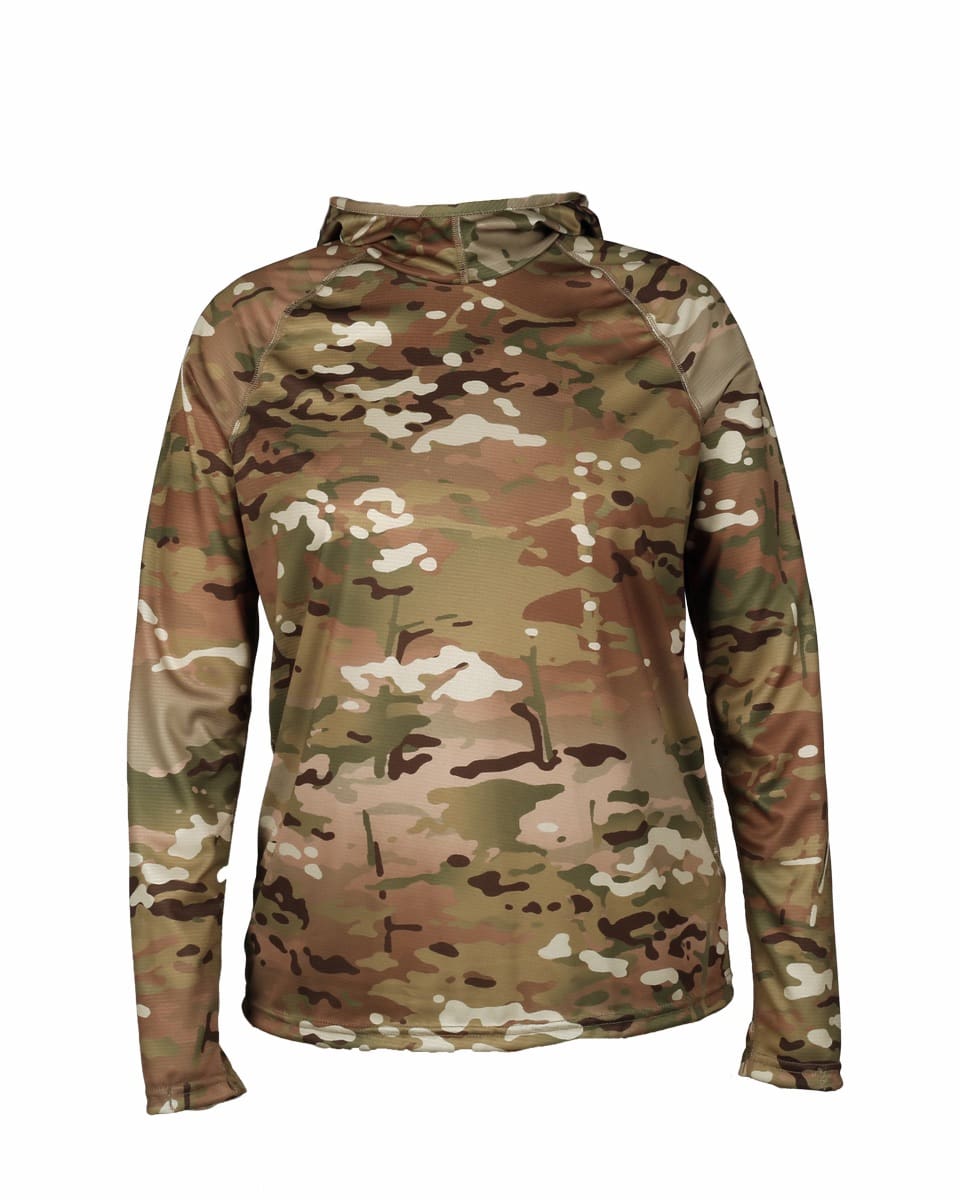
Above: Men’s Summit Sun Hoodie (first) and Women’s Summit Sun Hoodie (Second), designed to manage solar load and heat stress during sustained movement in hot, exposed operational environments.

Beyond Clothing’s Summit Sun Hoodie is a lightweight exposuremanagement layer designed for warmweather and alpine operations where prolonged sun exposure, sweat accumulation, and heat retention can directly impact operator endurance and effectiveness. The garment is engineered to remain onbody throughout movement cycles, reducing friction and simplifying kit management in hot conditions and reflects Beyond Clothing’s systemdriven design methodology, addressing heat and exposure as primary environmental threats rather than secondary concerns.

Core design attributes of the Summit Sun Hoodie include:

• Lightweight, breathable construction for high metabolic output

• Integrated hood for head and neck sun protection

• Lowprofile fit compatible with armor and loadbearing equipment

• Minimal bulk for pack integration and modular systems

Unlike insulating layers, the Summit Sun Hoodie focuses on controlling environmental inputs—specifically solar radiation and moisture—during extended dismounted activity.

HotWeather Exposure Control

The Summit Sun Hoodie is optimized for continuous movement under solar stress, where direct sun accelerates dehydration, fatigue, and cognitive decline. Breathable fabric allows internal heat and moisture vapor to escape while limiting radiant heat gain across exposed skin, The integrated hood provides consistent coverage for the head, neck, and ears, areas frequently exposed during movement and short halts.

The fabric remains comfortable, even when saturated with sweat, and dries quickly, supporting extended wear during multiday field activity. Its lowbulk profile allows it to be worn beneath plate carriers or chest rigs without creating pressure points or restricting mobility.

Alpine Operational Use

In alpine environments, UV intensity increases due to reduced atmospheric filtering makes solar exposure a primary limiter, even in cooler temperatures. During approach movement, ridgeline travel, and highelevation dismounted operations, managing sun exposure becomes critical.

The Summit Sun Hoodie supports:

• Sustained uphill movement under load

• Prolonged exposure above tree line

• Shortduration halts for navigation, planning, or observation

It provides coverage without trapping heat and integrates cleanly with lightweight wind layers or insulation during static periods.

Beyond Clothing’s System Approach

Within a warmweather clothing system, the Summit Sun Hoodie functions as the primary exposuremanagement layer, protecting the wearer from sun and mitigating sweat. It replaces heavier layers that increase thermal burden, allowing the wearer to reduce their reliance on sunscreen.

The piece is compatible with modular layering architectures and is a foundation layer that can be easily augmented with wind or weather protection layers as conditions evolve.

Core design attributes include:

• Lightweight, breathable construction for high metabolic output

• Integrated hood for head and neck sun protection

• Low-profile fit compatible with armor and loadbearing equipment

• Minimal bulk for pack integration and modular systems

Availability

The Summit Sun Hoodie is available directly from Beyond Clothing in both men’s and women’s fits. The garment is supported by government, unit, and organizational purchasing programs, including bulk and contract procurement.

More information is available at beyondclothing.com.

New Marine Corps Uniform App

Sunday, July 19th, 2026

MARINE CORPS BASE QUANTICO, Va. —

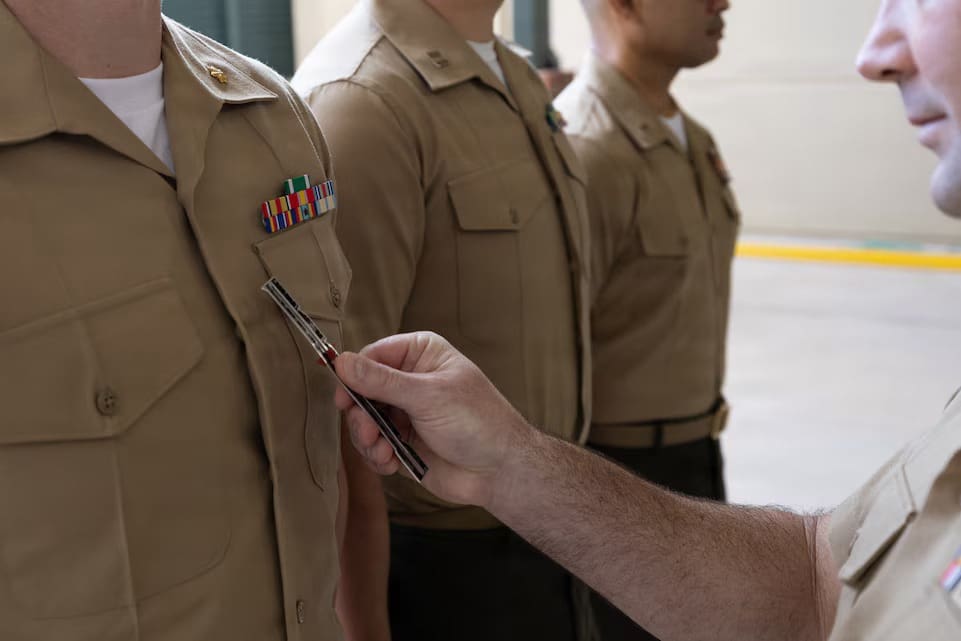
U.S. Marine Corps Education Command has launched the official Marine Corps Uniform App, a free mobile application that provides Marines with convenient, on-the-go access to uniform and grooming guidance, June 29, 2026.

The app announced in MARADMIN 299/26, is developed as a companion to Marine Corps Order 1020.34,Marine Corps Uniform Regulations, providing a streamlined reference for Marines to quickly locate commonly used uniform and grooming guidance while away from the official publication.

The application organizes uniform regulations by officer and enlisted personnel, as well as by sex. It also includes basic grooming standards, allowing Marines to quickly reference appearance requirements while traveling or preparing for official duties.

“The Marine Corps Uniform App gives Marines immediate access to the guidance they use most often. It is designed to make existing standards more accessible while reinforcing the professionalism and attention to detail that define our Corps.”

– Brig Gen Matthew W. Tracy, commanding general, Education Command

The application is intended to supplement, not replace, MCO 1020.34. While it answers many of the most common questions regarding uniforms and grooming, Marines should continue to consult the order for comprehensive policy and detailed guidance.

By placing essential information in a mobile format, the Marine Corps is improving access to resources that help Marines maintain the highest standards of military appearance and discipline, regardless of location.

The Marine Corps Uniform App is available free of charge through the Apple App Store. An Android version is expected to be released during Department of War Fiscal Year 2027.

Users are encouraged to submit feedback through the Marine Corps Uniform Board organizational mailbox identified within the MARADMIN.

By Maj Hector Infante | Marine Corps Training and Education Command

Eastman Tiger Stripe Short Brim Boonie

Friday, July 17th, 2026

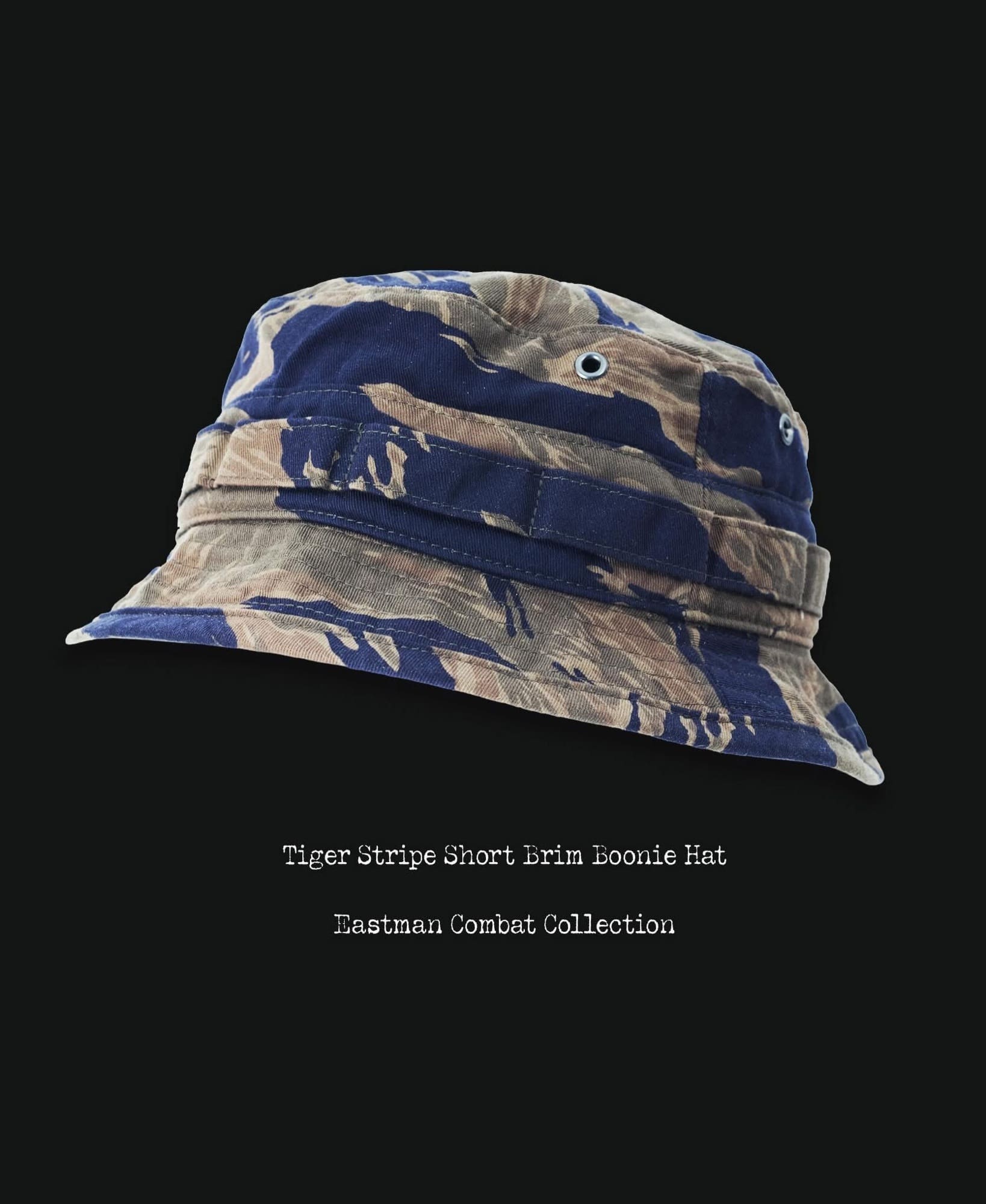
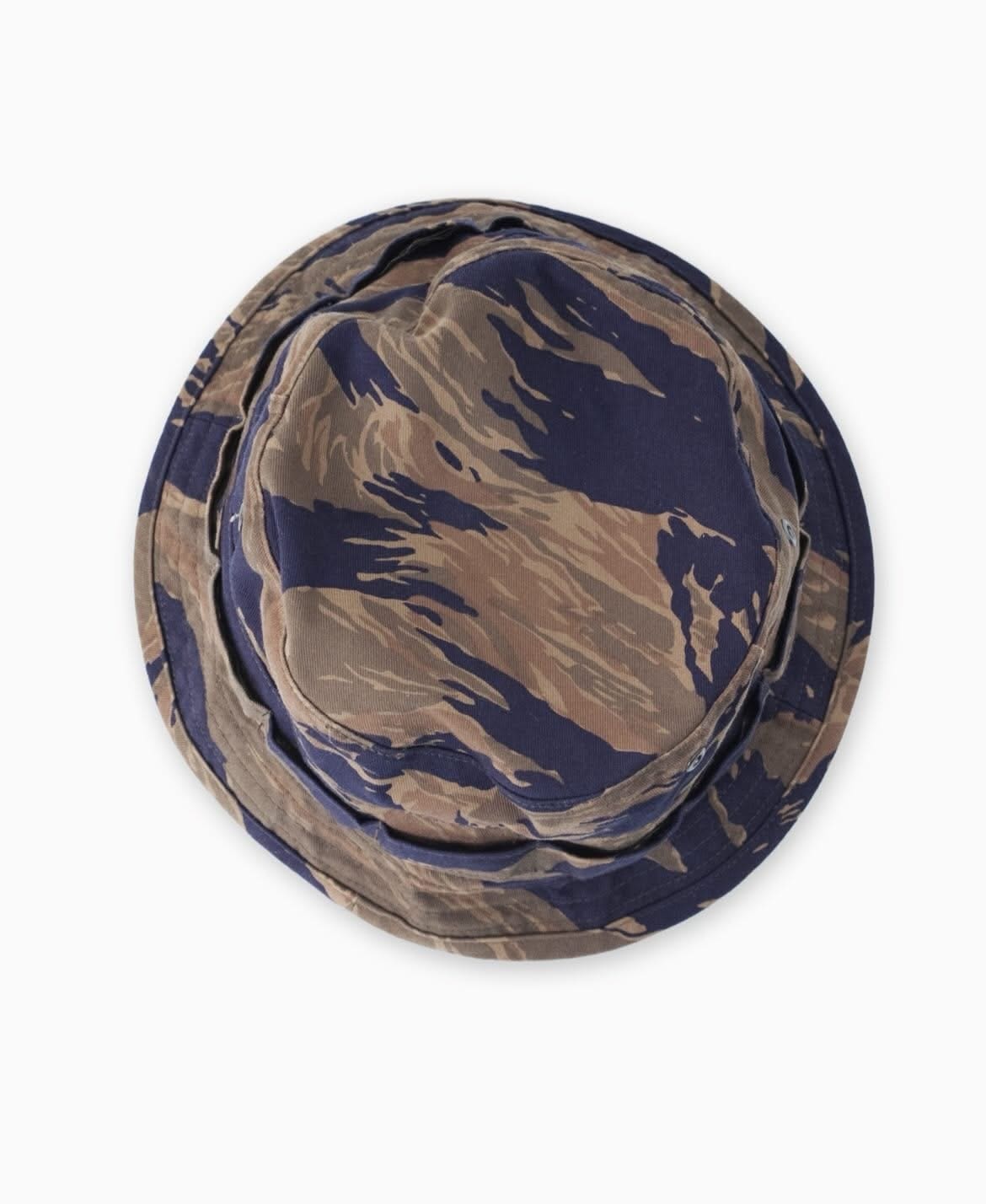
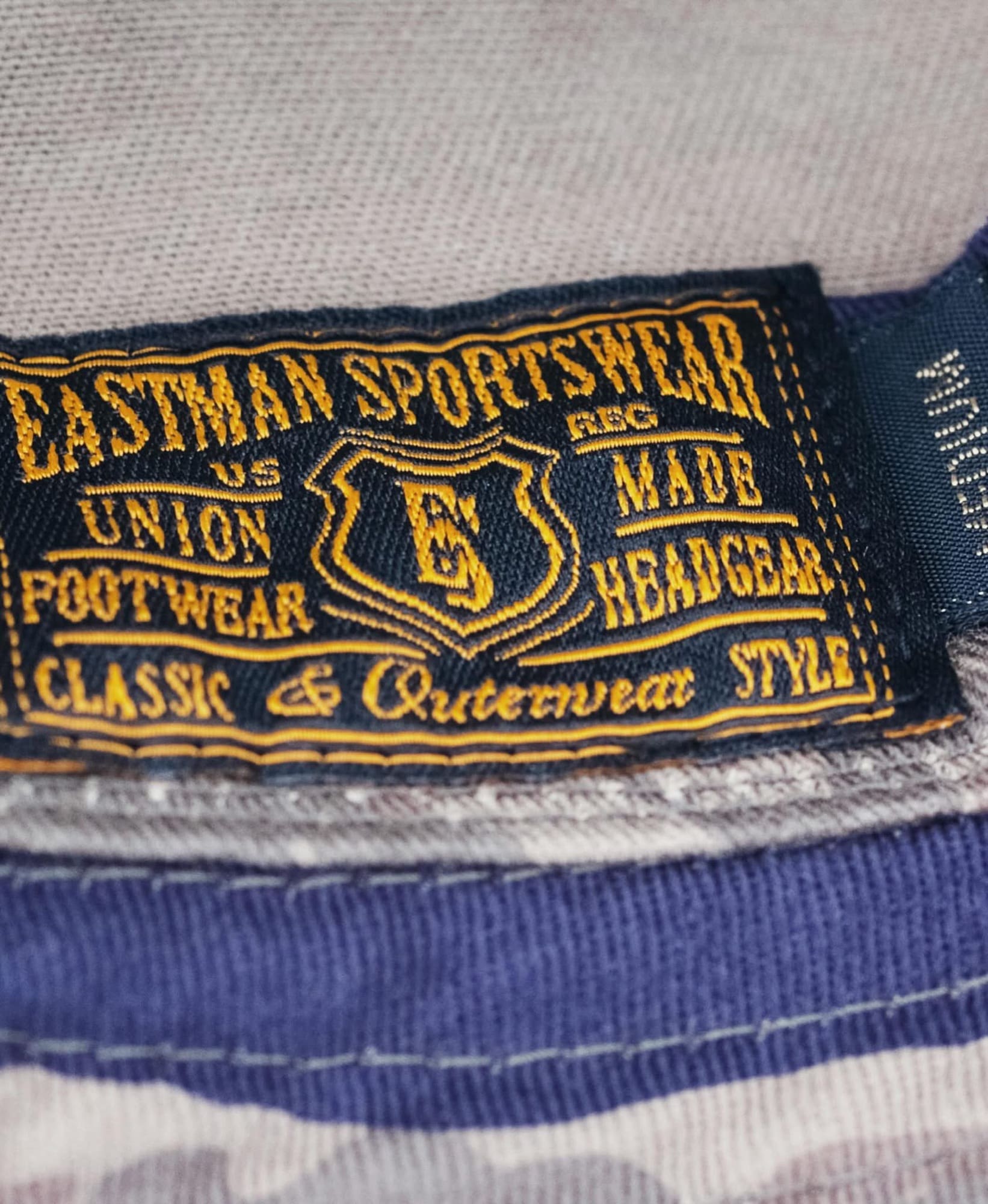
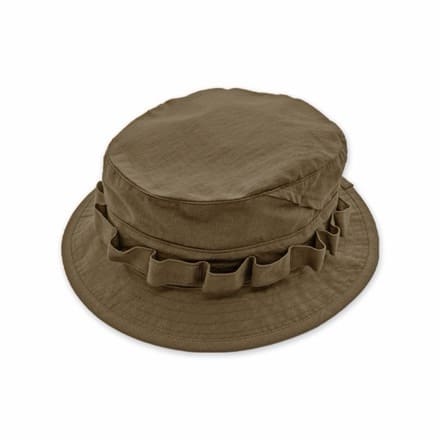
A new addition to the Eastman Combat Collection, our Vietnam era boonie is an exacting reproduction of an incountry made original, this piece is entirely made in Japan and in stock now in the ELC webstore.

Few other pieces of gear are as iconic of the US involvement in South East Asia as the boonie hat. It was both functional in the climate and a custom expression of personality. While being the most practical headwear for jungle insurgency, Tiger Stripe boonie hats were often worn by Special Forces and recon troops to show their elite status. With tailor shops readily available, it was possible to buy or have made a hat to whatever specifications one desired. Brim length, height, camo pattern, fabric weight and unit insignia or airborne wings were all considered when choosing the proper head gear.

The JWD (John Wayne Dense) tiger stripe is an iconic, four colour camo pattern synonymous with the US Special Forces in Vietnam. It features bold black strokes, dark green, and muted brown, all outlined in tan, and is characterised by a tightly packed, heavy-contrast design that was famously worn by John Wayne in the 1968 film The Green Berets. Originally so named and classified by Sgt Richard Dennis Johnson in his book Tiger Patterns, collectors often refer to it as the “Classic” or “Okinawan” pattern, as it was originally manufactured in Japan during the early 1960s for South Vietnamese forces.

www.eastmanleather.com/the-combat-collection/1347-tiger-stripe-short-brim-boonie

BEYOND Presents: Trail Jager vs Mountain Jager Jackets

Thursday, July 16th, 2026

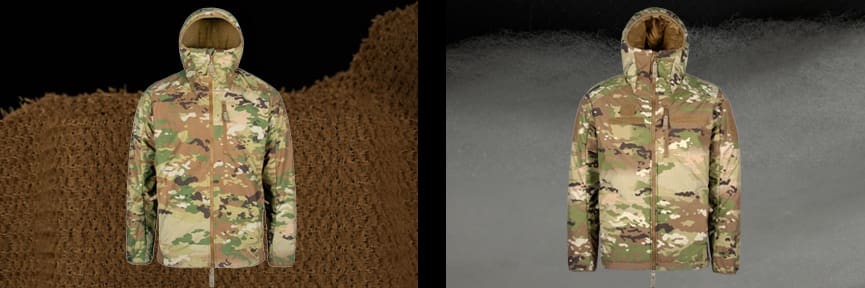
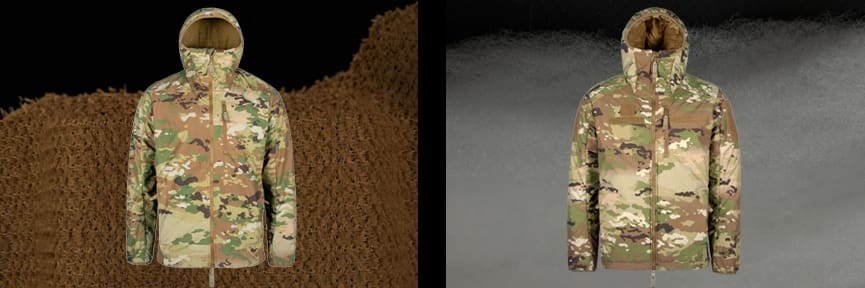
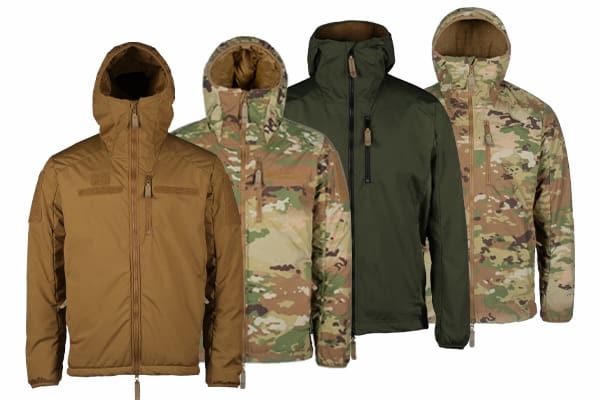
Trail Jager (left) and Mountain Jager (right) shown together, illustrating two insulation approaches built around the same WINDSTOPPER® shell foundation.

Beyond Clothing’s Jager Series features two standout coldweather insulation layers: The Trail Jager Jacket and the Mountain Jager Jacket. While the jackets share an underlying construction philosophy and materials pedigree, they are designed for distinctly different activity levels and mission profiles and feature different insulation types and thermal intent.

Both pieces are built to integrate cleanly into modern coldweather layering systems, are Made in the USA, Berry Amendment compliant, and designed for professional end users.

Shared features include:

• WINDSTOPPER® by GORETEX LABS shell fabrics

• Helmetcompatible insulated hoods

• Glovefriendly hardware

• Chest and hand pockets accessible while wearing armor or packs

• Lowbulk profiles intended for modular layering

Trail Jager Jacket: HighOutput Active Insulation

The Trail Jager is optimized for sustained movement, using a hybrid construction to balance wind protection and breathability.

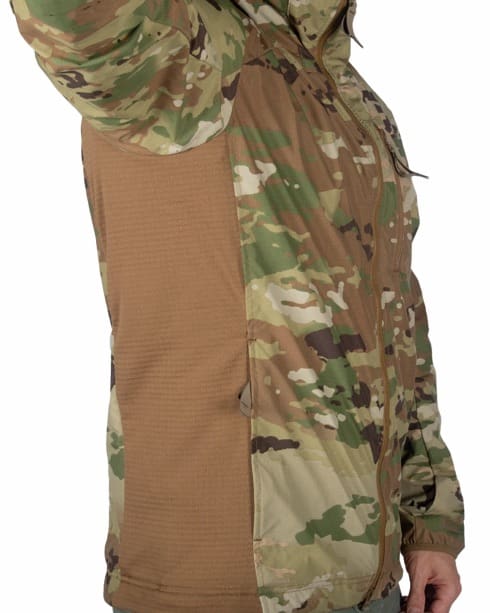
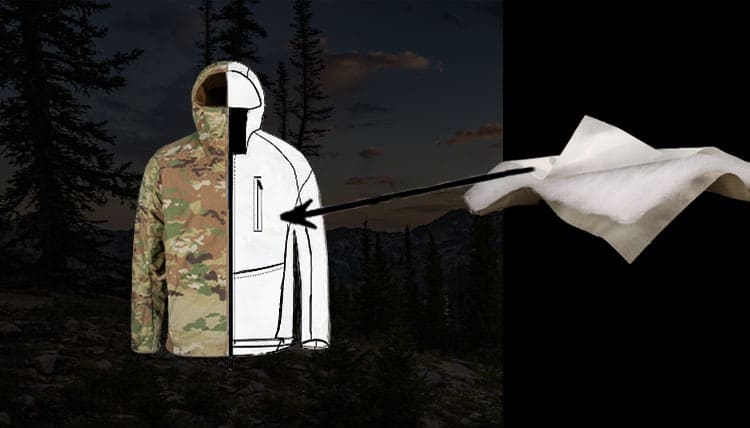
The Trail Jager Jacket is designed for continuous movement under load. It pairs WINDSTOPPER shell panels with 2.5 oz Polartec® Alpha Direct® insulation and Polartec® Power Grid™ fleece stretch panels.

Alpha Direct’s openloft structure allows moisture vapor and excess heat to escape during sustained movement, reducing sweat accumulation during patrols, ascents, and extended maneuver operations.

Polartec® Power Grid™ side panels provide airflow and stretch in highperspiration zones.

The Trail Jager aligns closely with ECWCS Level 3 (Active Insulation) concepts as defined within the CTAPS activeinsulation context, and is intended to function as either a breathable outer layer or an insulated midlayer beneath a shell.

Best suited for:

• Highoutput movement

• Patrol and reconnaissance missions

• Users prioritizing breathability over static warmth

• Cold wet and shoulderseason environments

• ECWCS Level 3 & 5 bridging roles

Mountain Jager Jacket: Increased Static Warmth

The Mountain Jager increases insulation density for cold exposure during reduced movement or static positions.

The Mountain Jager Jacket includes the WINDSTOPPER shell used across the Jager Series, and its use of the Climashield® APEX 360™ synthetic insulation provides more uniform thermal coverageand balanced heat retention, best for pauseandmove cycles, observation, overwatch, and coldweather exposure where wind and heat loss are missionlimiting factors.

Continuous synthetic insulation improves thermal consistency during extended static exposure.

A 40D lightweight nylon ripstop liner supports durability while keeping bulk manageable for integration into layered coldweather systems with a more tapered fit, designed to be worn under body armor or a chest rig.

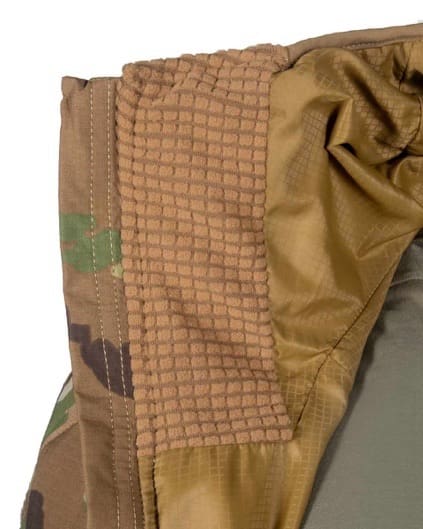
A grid fleece–lined chin guard reduces abrasion and improves comfort when fully zipped in cold, windy conditions.

Best suited for:

• Mixed activity and static use

• Cold, windy, and alpine environments

• Observation and overwatch tasks

• ECWCS Level 5 & 7 bridging roles

SidebySide Comparison

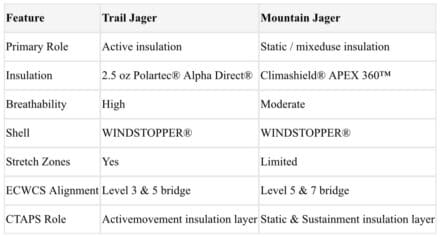
Although shell materials and patterning are similar, insulation type and breathability separate the Trail Jager [Left] from the Mountain Jager [Right].

System Approach

Beyond Clothing’s Trail Jager and Mountain Jager arecomplementary options within a modular coldweather system. Both jackets address distinct operational needs by managing wind as a constant while tuning insulation to expected activity level, exposure duration, and environmental conditions.

Rather than prescribing a single insulation configuration, the system acknowledges natural variation in individual thermal regulation, movement intensity, and mission role. This approach allows users to select the appropriate Jager variant based on how they generate and retain heat in realworld use—whether during sustained movement, pauseandmove cycles, or extended static exposure—while maintaining compatibility within the same layering architecture.

Together, the Trail Jager and Mountain Jager reflect Beyond Clothing’s systemdriven design philosophy: enabling adaptable insulation choices that respond to changing conditions and user physiology, rather than enforcing a onesizefitsall coldweather solution.

Availability

Both jackets are available directly from Beyond Clothing in MultiCam, OCP, Ranger Green and Coyote with men’s and women’s fit, and are supported by government and unit purchasing programs.

• Trail Jager Jacket: $719.99 USD

• Mountain Jager Jacket: $749.99 USD

More information is available at beyondclothing.com.

Dressed to Survive: How an Army Decision Aid Is Improving Cold-Weather Readiness

Saturday, July 11th, 2026

NATICK SOLDIER SYSTEMS CENTER, Mass. – Where there is little rest, comfort, or compromise in the world’s most austere cold-weather environments, a soldier’s clothing is more than just a uniform – it is survival. For leaders, clothing decisions are tactical decisions, and the Medical Research and Development Command’s U.S. Army Research Institute of Environmental Medicine’s Cold Weather Ensemble Decision Aid – CoWEDA – is giving them the information to make the right ones.
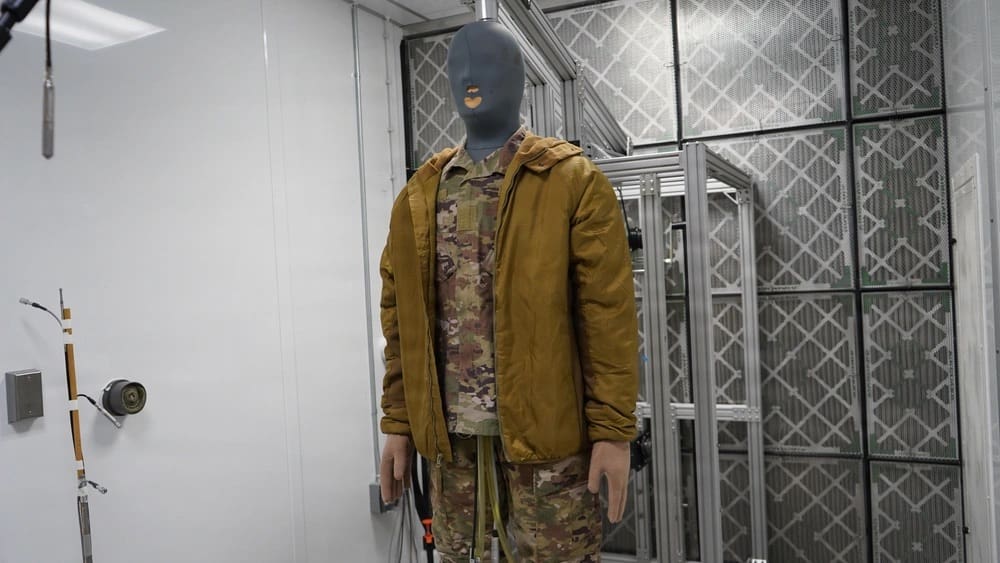
Developed by biophysical mathematical modeler Dr. Xiaojiang Xu, CoWEDA is a research-backed decision aid designed to take the guesswork out of a leader’s most critical pre-mission decisions. By accounting for environmental conditions, physical activity levels, and clothing ensembles, CoWEDA gives leaders the data they need to make informed and confident decisions about what their soldiers’ clothing needs are before stepping into the field. The Air Force recognized that need more than 10 years ago when approaching Xu and USARIEM looking for their expertise to a simple but critical question — what types of clothing do Airmen need when operating, maintaining, or jumping from aircrafts in extreme cold weather conditions?

“Ultimately, the question became, is this specific clothing suitable for minus 50 degrees Fahrenheit? We realized there was no reliable method to answer that question,” said Dr. Xiaojiang Xu, a USARIEM biophysical mathematical modeler. “The only available method was to provide a single insulation number, such as if you go to minus 50 degrees, you need a clothing value of five, but for the average user, that number means very little in terms of actual injury prevention. It was at that point we began designing a new method. With CoWEDA, the standard compares gear performance directly against the risk of hypothermia and frostbite, making it the most practical and usable decision aid to assess whether clothing will prevent cold weather injuries, and if not, when they will occur.”
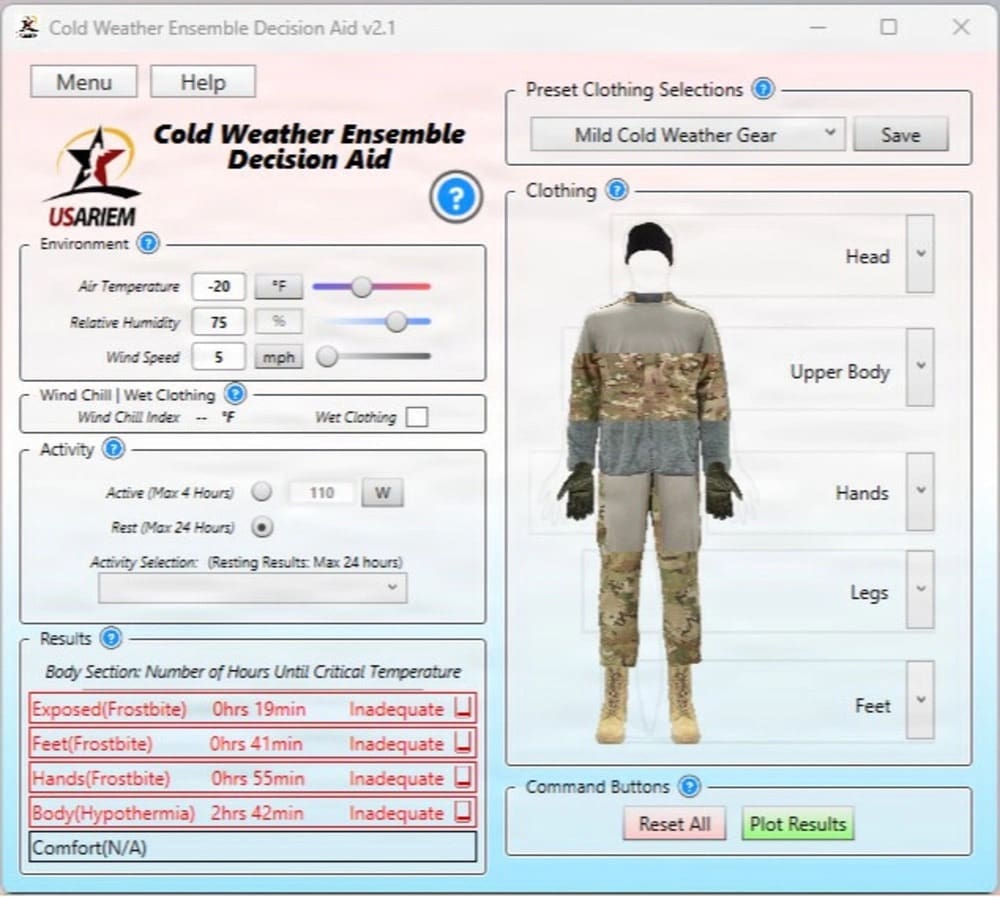
At the heart of CoWEDA is Xu’s Six Cylinder Thermoregulatory Model, or SCTM, a sophisticated framework that breaks the human body into six distinct areas: the head, torso, arms, hands, legs, and feet. By combining the physics and physiology of heat transfer across each of those areas, the model can predict not just whether a soldier is at risk, but when that risk may become critical. Rather than offering a blanket assessment, CoWEDA delivers time-based outputs by telling a leader, for example, that frostbite may occur within two hours or hypothermia within twenty, based on the specific clothing being worn, the environmental conditions, and the physical demands of the mission.

Built for the leader, rather than the individual soldier, CoWEDA allows decision makers to tailor those assessments by inputting expected weather conditions, such as temperature, humidity, and wind speed, alongside the planned physical activity level and the clothing ensemble available to the unit. Critically, the aid accounts for the reality that soldiers are not static. A soldier standing still at minus-20 degrees Fahrenheit in a standard Army glove presents a very different risk profile than one moving artillery shells in the same conditions, because physical exertion generates body heat and that changes the equation entirely. CoWEDA captures that nuance.

“CoWEDA is designed for any warfighter going out into a cold weather environment,” said Dr. John Castellani, acting division chief of USARIEM’s Thermal and Mountain Medicine Division. “It is really about prevention. If a leader has an idea of the operation, mission, or training their soldiers are going into, the predicted air temperature, the intended activity, and what clothing is available — CoWEDA will tell them what the risks are.”

Xu’s research has positioned CoWEDA as a resource that extends well beyond the Army with other military branches and federal agencies increasingly turning to the decision aid to inform their own cold weather decision making. One example is the Probability of Survival Decision Aid which USARIEM first developed for the U.S. Coast Guard in 2010. Today, the PSDA has been expanded to incorporate Xu’s thermoregulatory model. It is now mandated for USCG use and runs automatically whenever a rescue swimmer enters the water during a search and rescue operation. When the Coast Guard responded to search for workers who fell into Baltimore Harbor during the Francis Scott Key Bridge collapse in 2024, the model was immediately activated, informing leaders how long it was safe to sustain active search operations. Other agencies are adopting the decision aid as well to include: the United Kingdom Coast Guard and the Department of Homeland Security. The science behind CoWEDA is not theoretical, it is already saving lives.

Beyond developing CoWEDA, USARIEM is responsible for producing and maintaining the Army’s cold weather injury prevention and treatment guidance — the doctrine that shapes how leaders think, plan for, and respond to cold weather threats across the force. USARIEM’s research data with CoWEDA affirms what many experienced leaders intuitively know: that no two soldiers respond to cold in the same way.

“The Army values uniformity, but in extreme cold, a one-size-fits-all approach to cold weather dressing can put soldiers at risk. What works for one soldier, may not work for another,” said Castellani. “By allowing a leader to input factors specific to their soldiers and operating environment, CoWEDA does not replace a leader’s judgment, it gives them the ability and researched backed information to exercise it better.”

For the Army and USARIEM, the next steps are about access and integration. Currently as a desktop application, CoWEDA is in the process of being developed into a web-based platform that would make it easier for leaders to access the decision aid without specialized software. The longer-term vision is more ambitious: embedding CoWEDA into the larger operational planning systems already used by military planners, so that cold weather medical risk becomes a standard input in mission planning alongside logistics, terrain, and threat assessments.

“Oftentimes, the medical side is that last part of planning,” explained Castellani. “The hope is that CoWEDA will be embedded into the Army’s broader planning systems such as the Android Tactical Assault Kit, so that the medical side is present from the outset. Then a leader might say, ’we are going to do this mission in these conditions with this clothing, what is our cold weather injury risk’ they will get an evidence-based response and be able to decide if they are willing to accept that risk.”

Ongoing research continues to sharpen the decision aid’s precision. Current studies are examining the specific role of socks in frostbite prevention; a gap identified directly from field feedback. Mannequin and human subject testing are currently underway to generate the data needed to make footwear selection as accurate within CoWEDA.

For now, the decision aid is available, the science is sound, and the need has never been clearer. As more soldiers are called to operate in cold and austere environments, CoWEDA offers leaders something no experience alone can provide, data, certainty, and the confidence to make the right call before the cold does.

Story by Danae Johnson 

Medical Research and Development Command

Prometheus Design Werx Releases the Apex Boonie Hat

Wednesday, July 8th, 2026

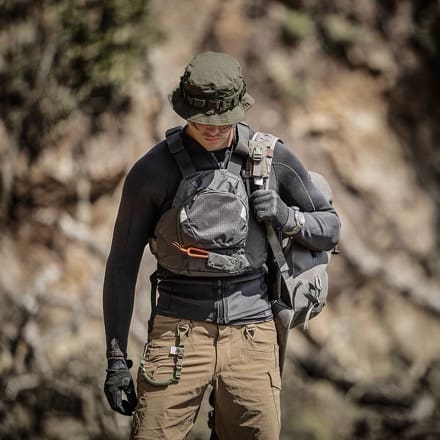
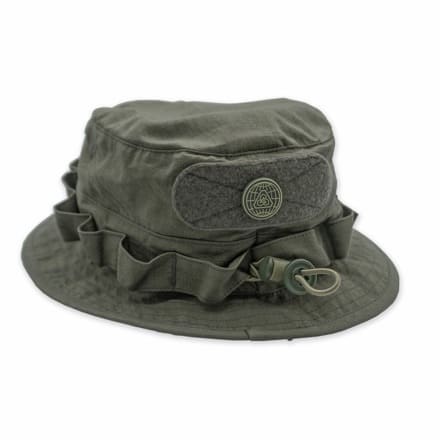
A modern refinement of the Vietnam-era RECCE boonie. Custom-milled 2-way stretch NYCO+ Ripstop. Bug-proof NoSeeUm mesh liner. Made in Vietnam, the country where the boonie hat was born.

San Francisco, CA — July 8, 2026 — Prometheus Design Werx announces the Apex Boonie Hat, a modern interpretation of a Vietnam-era field classic built on the RECCE short brim, a custom-milled 2-way stretch NYCO+ Ripstop shell, a bug-proof NoSeeUm mesh liner, and a cinching crown fit system. It’s available now for $59.00 USD, available in three colorways: Universal Field Gray, All Terrain Brown, and Ranger Green.


FROM THE JUNGLES OF VIETNAM TO THE RECCE BRIM

The boonie hat is one of those rare pieces of equipment that transcended its origins so completely that most people wearing one today have no idea where it came from. It started as improvised headwear sewn by Vietnamese tailors from salvaged parachute fabric, made its way into the field with American troops in the early 1960s, and within a decade became standard issue across all branches of the U.S. Armed Forces. For over half a century the design held. That kind of longevity does not happen by accident, it happens when a piece of equipment solves a problem so well that no one can improve on the core concept.



The Apex Boonie is built on the RECCE cut, a field modification born with Vietnam-era reconnaissance teams who trimmed their brim widths to improve peripheral vision during close-quarters jungle movement. It is a refinement, not a reinvention: identify what works, understand why it works, then apply contemporary materials science without losing the functional DNA that made the original essential.

THE HAT

The shell is a custom-milled 6.8oz NYCO+ Ripstop – 55% cotton, 42% high-tenacity N6 nylon, 3% spandex. The nylon delivers durability, quick-dry performance, and resistance to rot and mildew. The cotton contributes breathability and a natural hand feel. The 2-way stretch, a feature no standard boonie offers, lets the hat conform to the wearer’s head, pack flat without permanent creasing, and return to shape after being rolled into a pack or stuffed into a cargo pocket.

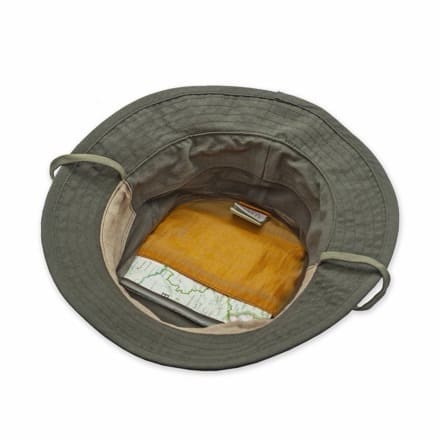
Ventilation runs through soft, low-profile slit vents rather than the stamped, corrosion-prone metal eyelets of the original, each backed by NoSeeUm mesh, the same fine-weave netting used in high-performance backpacking tents, to block insects while allowing airflow through the crown. The interior is finished with a synthetic micro-suede sweatband that wicks moisture and resists odor over all-day wear. A cinching crown system with custom nylon toggle locks dials in fit, and a cinching chin strap secures the hat during active movement and high wind. Classic foliage and accessory loops run the crown, with a rear loop panel for cat eyes, insignia, or reflective tape, and an interior map pocket rounds out the build.

MADE IN VIETNAM

The Apex Boonie Hat is made in Vietnam, the country where the modern boonie hat was born. The sewing workshops that produced the first locally made boonies in the 1960s established a garment manufacturing tradition that today serves the world’s leading technical outdoor and premium apparel brands. Making the Apex Boonie in Vietnam is a direct acknowledgment of that lineage; a homecoming.

SPECIFICATIONS

Materials:

– 6.8oz, 55% Cotton / 42% High Tenacity N6 Nylon / 3% Spandex NYCO+ Ripstop

– 70D Nylon Ripstop

– Poly Synthetic Micro-Suede

– Nylon NoSeeUm Mesh

– Custom Nylon Slotted Buttons and Toggle Locks

– Poly Flat Lace / T40 Nylon Thread

Features:

– Custom-Milled 2-Way Stretch Technical Ripstop Fabric

– Bug-Proof NoSeeUm Mesh Liner

– Soft, Low-Profile Slit Vents for Airflow

– Synthetic Micro-Suede Sweatband

– Cinching Crown Fit System with Chin Strap

– Interior Map Pocket

– Foliage/Accessory Loops and Rear Loop Panel for Cat Eyes, Insignia, or Reflective Tape

Sizing:

– S/M: 6.5″ – 7.375″ head circumference

– M/L: 7.375″ – 7.75″ head circumference

Get yours at prometheusdesignwerx.com/collections/instock/products/pdw-apex-boonie-hat-recce.