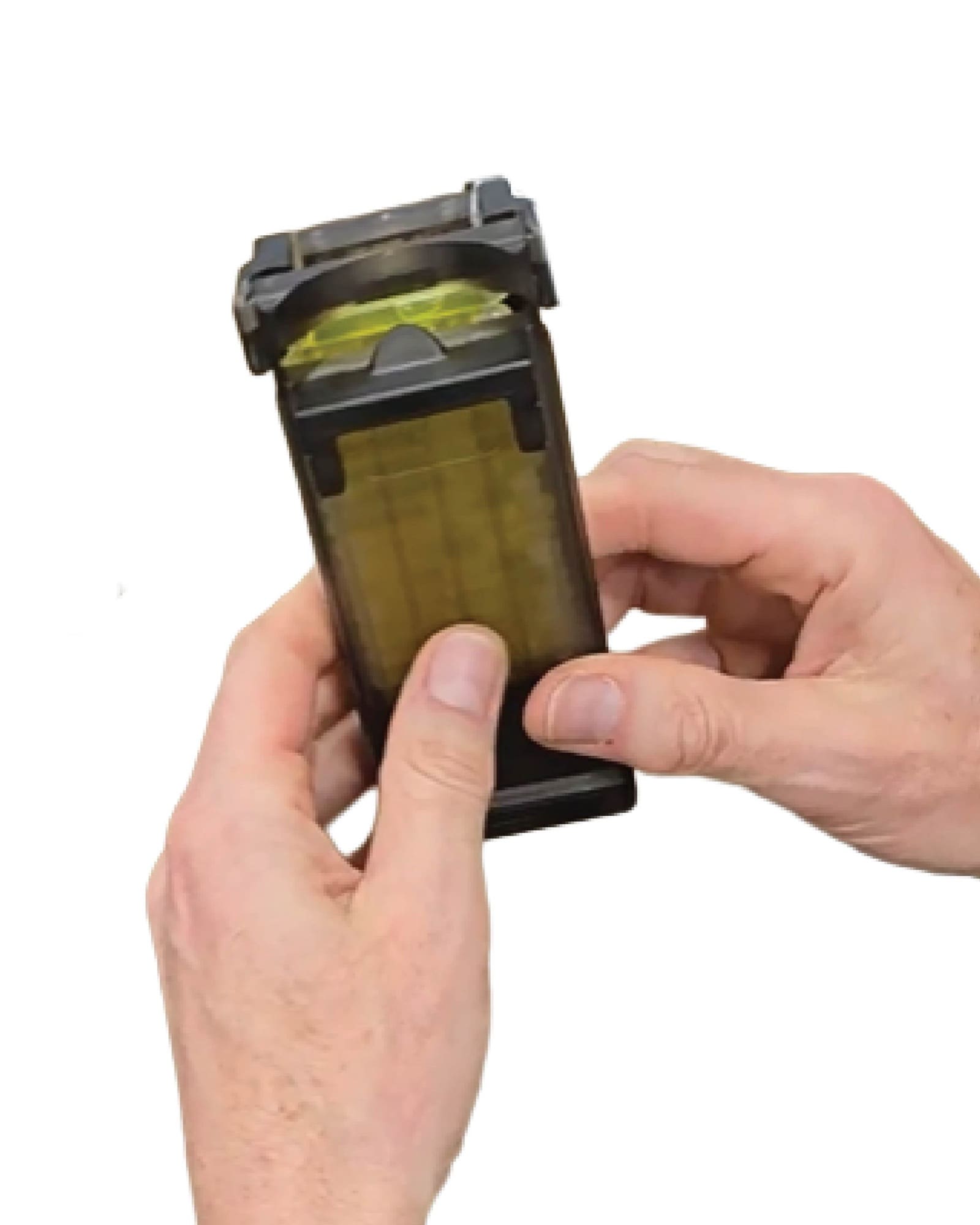
XC3 Weaponlight

Archive for the ‘Guest Post’ Category

11th Airborne Division Conducts Groundbreaking UAS Experimentation in Alaska

Thursday, November 27th, 2025

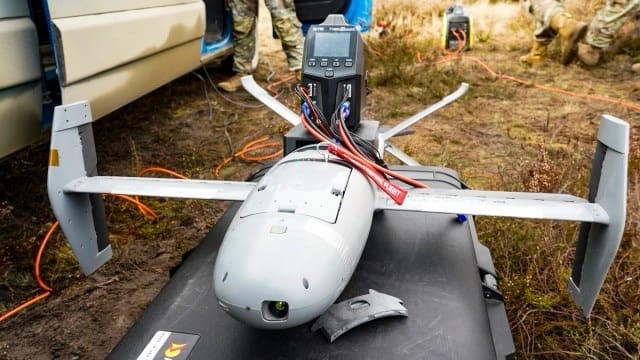
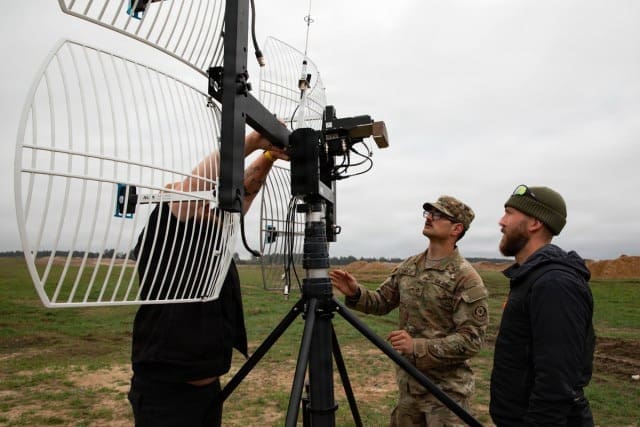
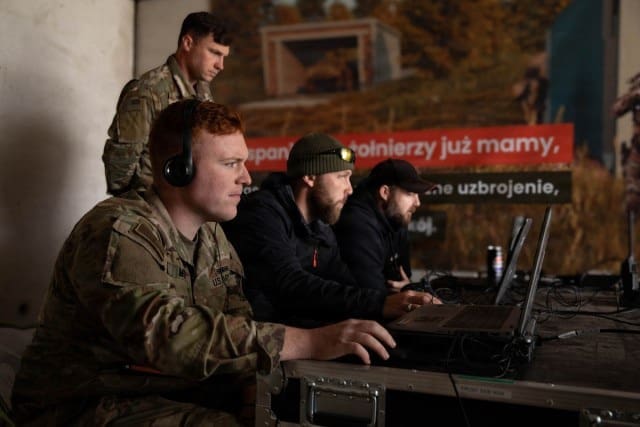
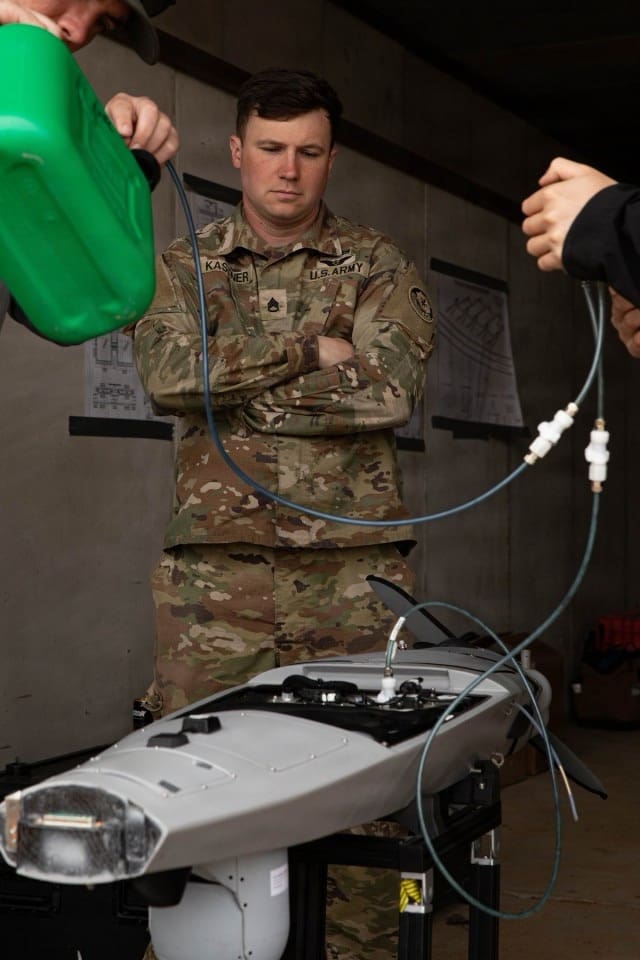
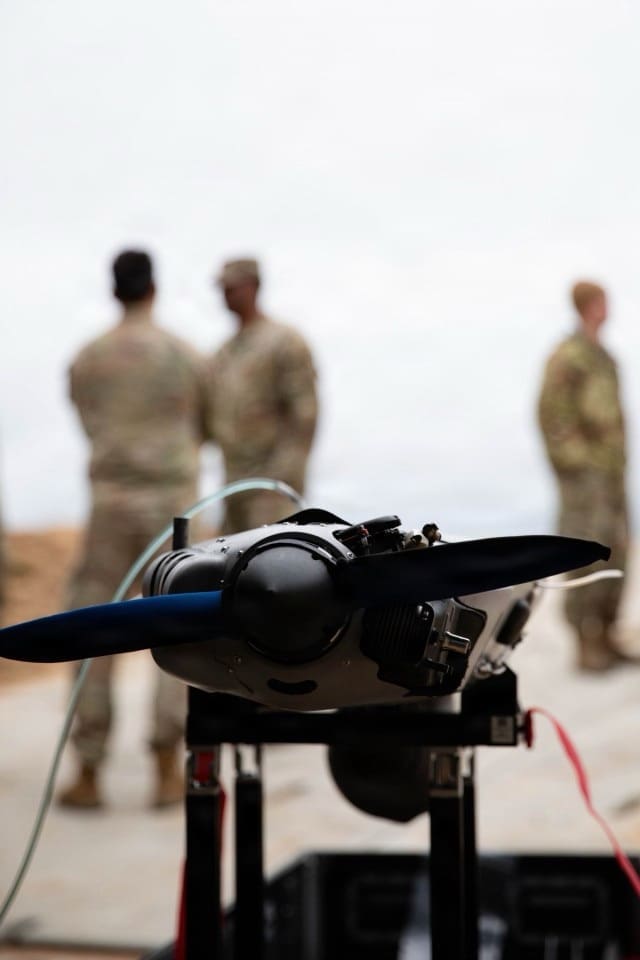
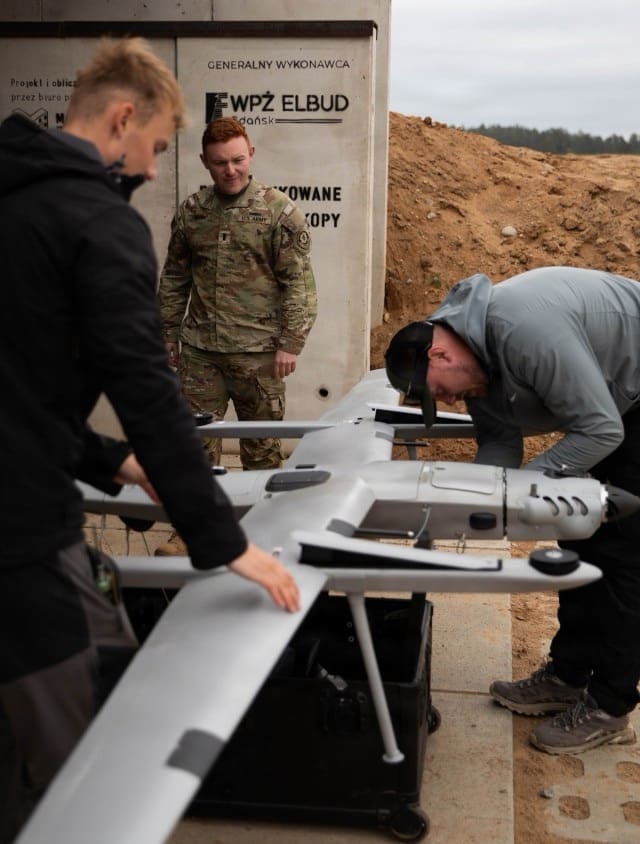
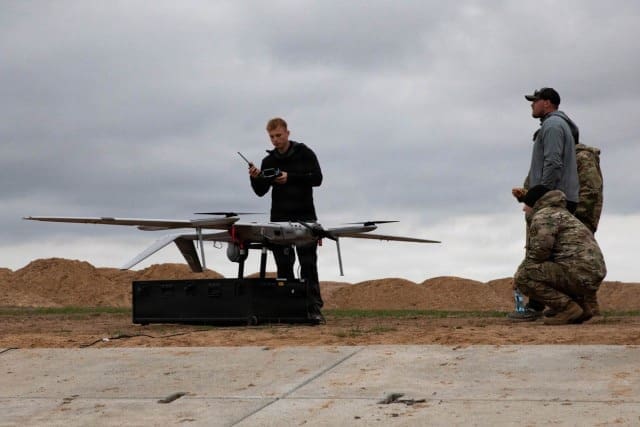
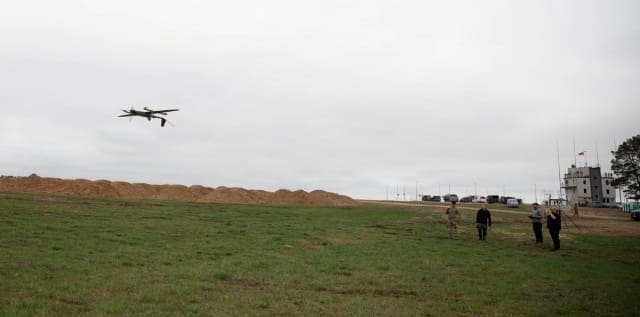
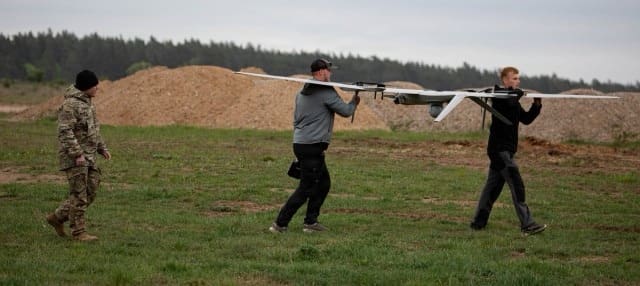
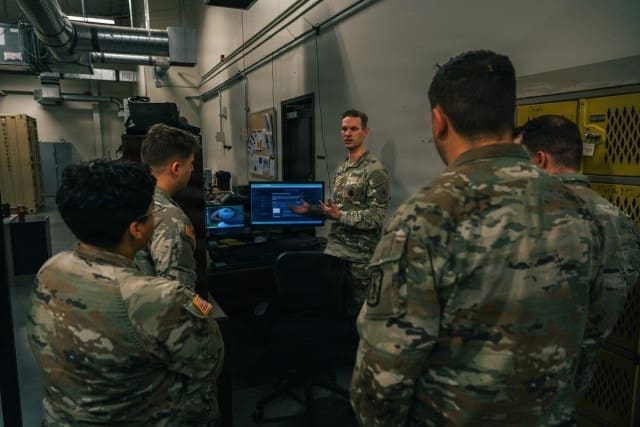
FORT WAINWRIGHT, Alaska – The 11th Airborne Division recently conducted a groundbreaking electromagnetic warfare (EW) and counter-unmanned aerial system (C-UAS) training event at the Joint Pacific Alaskan Range Complex (JPARC) near Fort Greely, Alaska, integrating EW Soldiers from across the DIV alongside UAS and C-UAS vendors to experiment with technologies in Alaska’s arctic environment.

The training event, conducted in partnership with the Defense Innovation Unit (DIU), provided Soldiers with a unique opportunity to integrate EW systems with cutting-edge C-UAS technologies, refine tactics, techniques, and procedures (TTPs), and practice their ability to detect and counter enemy UAS threats in a contested electromagnetic spectrum (EMS).

“This [training] was a rare opportunity for our EW teams to work together and see firsthand how UAS systems operate in extreme cold weather,” said 1st Lieutenant Gunnar Moffitt, an EW Platoon Leader, 2nd Infantry Brigade Combat Team (Airborne), 11th Airborne Division. “We were able to detect Radio Frequency (RF) signatures, locate UAS command-and-control links, and assess how our systems perform in freezing temperatures and deep snow. This type of training is critical for preparing our Soldiers to operate in the invisible battlefield of Large-Scale Combat Operations (LSCO).”

Key highlights focused on detecting and analyzing the electromagnetic spectrum (EMS) signatures of various UAS platforms, including their command-and-control links. Soldiers used their organic EW systems to identify and locate enemy UAS operators and assess the effectiveness of their equipment in Arctic conditions.

“EW has been overlooked for the past 20 years, but the ongoing conflict in Ukraine has shown us how critical it is for LSCO,” said Staff Sgt. Clayton Wall, an EW Platoon Sergeant. “EW plays a huge role in modern warfare, and it’s exciting to be on the cutting edge of this technology. We’re not just training; we’re shaping the future of the Army and ensuring we’re ready to win the next war.”

The JPARC experiences extreme cold weather conditions, with temperatures routinely below freezing and receiving significant snowfall, providing a realistic environment for testing the durability and effectiveness of EW, C-UAS and UAS systems. Soldiers observed impacts to system battery life due to cold temperatures, gaining valuable insight into how these systems perform in Arctic environments.



“This [equipment] gave us the ability to see the invisible battlefield,” said Wall. “By analyzing our systems, we can understand enemy capabilities. This information allows us to advise brigade commanders and gain a tactical advantage in LSCO.”

Soldiers were also able to verify the visibility of UAS signatures within the EMS and assess the effectiveness of their systems in detecting and countering threats. Data collected during the training will inform future improvements to EW and C-UAS capabilities, ensuring the Army remains prepared to contest the air littoral, the airspace between the surface of the Earth and 10,000 feet above ground level.

“Electromagnetic warfare is the future of the Army,” said 1LT Moffitt. “It’s a field where we can have a real impact, and this training showed us how we can use new equipment to shape the battlefield and make a difference in LSCO.”

This event with EW and C-UAS systems is part of a broader experimentation effort by the 11th Airborne Division to address critical capability gaps identified in the Army’s Arctic Strategy, “Regaining Arctic Dominance.” The division’s work in Alaska highlights the importance of EW in modern warfare and the division’s role in ensuring readiness and survivability in extreme environments.

Story by MAJ Ian Roth 

Photo by MAJ David Nix

11th Airborne Division

US Army Revamps Direct Commissioning Program to Accelerate Recruitment of Applicants with Specialized Skills

Wednesday, November 26th, 2025

WASHINGTON — The U.S. Army announced updates to its Direct Commissioning Program, DCP, aimed at attracting top-tier professionals with specialized skills directly into its officer corps. The program offers qualified civilians and former service members the opportunity to be appointed as officers, potentially entering at ranks from second lieutenant to colonel, depending on their qualifications.

The overhaul, formalized in a recent execution order, centralizes the recruiting, screening, and selection process under the U.S. Army Recruiting Command. This move seeks to create a more unified and standardized approach to accessing talent, replacing a previously fragmented system where procedures varied by branch or component.

“The Direct Commissioning Program fundamentally changes how we bring specialized talent into the Army,” said Brig. Gen. Gregory Johnson, U.S. Army, Director of Military Personnel Management. “By reducing commissioning timelines across a wide range of emerging skills, cyber, technology, logistics, and beyond, the program directly enhances warfighting readiness and ensures we remain competitive in an evolving operational environment.”

A key objective of the revised DCP is to shorten commissioning timelines to approximately six months, a significant reduction intended to improve efficiency. The program also aims to improve transparency by consolidating applicant screening, waiver processes, and board procedures under USAREC.

The revamped DCP provides an alternative accession pathway beyond traditional routes like Reserve Officers’ Training Corps, the U.S. Military Academy and Officer Candidate School. It helps align civilian expertise with critical mission needs and potentially reduce costs associated with scholarships, permanent change of station moves, and training requirements.

Positions are available in both active duty and Army Reserve components. Applicants must meet specific criteria to be considered, including:

  • U.S. citizen (dual citizenship disqualifies applicants).
  • Meet Army medical, physical and fitness standards, including height and weight standards.
  • Clean moral background.
  • Bachelor’s degree from an accredited institution.
  • Match specific education and skill requirements, demonstrating leadership and technical expertise.
  • Able to obtain and maintain a security clearance (Secret or Top Secret, depending on the position).
  • Meet age requirements (waivers may be possible).
  • The program is not open to inter-service or inter-component transfers.

“Ultimately, the DCP is part of a broader effort to modernize the Army’s talent management strategies,” said Brig. Gen. Johnson. “The updated DCP provides a more adaptable model for accessing specialized skills needed now and in the future. We will be more lethal because of this effort’”

Interested individuals can find more information on the Army Direct Commissioning Program website.

By LTC William Lincoln, U.S. Army Directorate of Military Personnel Management

Launching the AI Model Arena

Saturday, November 22nd, 2025

The Defence AI Centre has worked with industry to develop a new tool that will help redefine how Defence evaluates and procures AI technologies.

The Defence AI Centre (DAIC) is launching the AIModel Arena to help redefine how Defence evaluates and procures artificial intelligence (AI) technologies.

The tool, developed in partnership with UK AIcompany Advai and the National Security Strategic Investment Fund (NSSIF), will pilot a secure, standardised platform for suppliers to more rapidly test and demonstrate their models against Defence use cases.

The AI Model Arena will:

  • help UK Ministry of Defence (MOD) identify the best AI solutions and provide an objective ‘demonstration by doing’ mechanism for triaging into the Defence Tech Scaler and innovation pathways
  • enable more dynamic supplier interactions, significantly reducing timelines by assessing up to 100 models simultaneously and providing constructive feedback to suppliers, helping them to iterate their solutions
  • communicate priority Defence use cases and initial key requirements, ahead of the more comprehensive testing associated with pre-deployment stages, for any solutions that are triaged

The AI Model Arena will be a secure, vendor-neutral evaluation platform that can objectively assess models across 4 critical categories: performance, reliability, robustness, and security. These data-backed evaluations will be based on Defence-specific requirements such as JSP 936. Up to 100 suppliers can be phased through a down-selection process, ensuring the best-in-class solutions progress.

The AI Model Arena builds on work previously undertaken by the Royal Navy in partnership with Advai and the Accelerated Capability Environment (ACE), a Home Office unit solving public sector data challenges, where MOD first conducted independent side-by-side testing of AImodels from multiple suppliers. This approach supports more confident procurement decisions while mitigating risks and ensuring performance, robustness, and security in mission-specific scenarios. It will also help with earlier identification of the most promising models and suppliers, reducing procurement bottlenecks, accelerating innovation, and ensuring the most promising AI solutions are triaged for procurement teams to investigate further.  

Head of DAIC, Commodore Rachel Singleton said:

This initiative is central to our ambition to adopt AI responsibly and at pace, ensuring we maintain a strategic advantage in an increasingly competitive landscape. I encourage all AI suppliers to engage with the AI Model Arena. This is your opportunity to showcase your capabilities, drive innovation, and help shape the future of Defence AI.

The AI Model Arena pilot provides a scalable solution to procurement challenges, improving performance, boosting confidence, and delivering cutting-edge AI capabilities to our warfighters in a much shorter timeframe. Falling in line with the ambitions outlined in Action 43 of the AI Opportunities Plan (2025), the tool can automate the evaluation of AI models against Defence benchmarks. This approach will ultimately deliver the same insight as more intensive review techniques, but with significantly shorter timelines.

The AI Model Arena will speed up the rate of AIadoption, in support of matching the demand outlined in the Strategic Defence Review (SDR). Its vendor-neutral processes support a level playing field for industry and enables the growth of UK small and medium-sized enterprises by identifying where they have an edge, helping advance a stronger sovereign AI ecosystem.

Achieving these strategic ambitions will result in the efficient procurement of secure, compliant and operationally ready AI systems for Defence.

By streamlining how we evaluate and procure AItechnologies, the AI Model Arena will help to reduce barriers to innovation, strengthen our defence industrial partnerships, and ensure our warfighters have access to the most advanced AIsolutions to operate, deter, fight and win. The AIModel Arena directly supports the SDR’s recommendation to harness cutting-edge technology and innovation to maintain the UK Defence’s strategic advantage. As part of MOD’s Digital Function, the DAIC enables and accelerates AI across Defence. The Digital Function is part of the newly formed National Armaments Director Group, which brings together acquisition, science, innovation and support functions under unified leadership to deliver capabilities faster and more efficiently for our Armed Forces.

The Defence AI Centre are aiming for the Model Arena to be live by DAIC Connect 2026 being held in March next year.

Find out more about the Defence AI Centre and stay up to date by following the DAIC on LinkedIn.

From UK Ministry of Defence

Civil Affairs, AI, and the Future of Army Readiness

Saturday, November 22nd, 2025

Soldiers from the 91st Civil Affairs Battalion, 3rd Special Forces Group, executed a team-level validation exercise conducted October 20 – 24 2025. This annual training event enhances unit readiness and prepares Soldiers for complex missions worldwide. Following months of individual and collective training, Civil Affairs teams validated their skills in a realistic training scenario, designed to test Soldiers’ skills in a complex and dynamic environment.

Army Special Operations Forces Civil Affairs (ARSOF CA), is a branch of Soldiers specially trained to understand and influence the civil component of the operational environment. Civil Affairs professionals serve as an integral component in providing Commanders with key information about a region’s civilian population, enabling commanders to maintain operational tempo, preserve combat power, and consolidate gains. Capable of operating within the full spectrum of operations, ARSOF CA teams integrate with key populations and organizations to best understand civil networks to support national and theater-level objectives.

During Atlas Lion 26-1, two 4-person teams from Bravo Company of the 91st Civil Affairs Battalion navigated complex scenarios designed to evaluate months of tactical training. From engaging with local nationals to evacuating simulated casualties under hostile conditions, teams worked through multifaceted scenarios in a large-scale combat operations environment to prepare Soldiers for the unforeseen challenges overseas.

“This training environment replicates a large-scale combat operations environment. When we train, we train for the future,” explained Lt. Col. Michael Veglucci, Commander of the 91st Civil Affairs Battalion. “This gets after our core competencies and our Civil Affairs battle drills.”

After a week of validating their CA collective tasks, the 91st Civil Affairs Battalion partnered with Delta Company, 96th Civil Affairs Battalion, to execute a comprehensive tabletop exercise. This exercise leveraged a one-of-a-kind artificial intelligence and machine learning (AI/ML) model that enabled leaders to certify their Company in the unit’s critical tasks, a groundbreaking shift in how the Army assesses readiness.

In a first full iteration for the formation, ARSOF CA conducted a company-level certification exercise without using humans as external evaluators. For decades, units relied on observers to monitor training and assess Soldier competencies. Today, that work is being done by AI.

Civil Affairs Soldiers, who typically find themselves engaging with civil populations to solve complex problems, suddenly found themselves interacting with role players and civilian leaders built into the AI model.

In an innovative approach to transform how Soldiers prepare for future conflicts across multiple operational environments, AI is helping standardize training. AI enables commanders to rapidly scale training without proportionally increasing resources. What was once expensive and resource-intensive feat is now being done with the stroke of a keyboard.

“What makes this AI model unique is that it is limitless in complexity and cohesion to give the training audience a valuable and effective training opportunity,” said Moran Keay, CEO and founder of Motive International, who ran the training. “This training provides commanders with an objective assessment of their formation’s ability to execute critical tasks before sending anyone overseas.”

During Atlas Lion, the AI model analyzed tens of thousands of data points using key performance indicators, a task previously impossible for human evaluators. By leveraging thousands of pages of doctrine, documents, and regulations, the model provided an unbiased assessment of the Company’s ability to conduct Civil Affairs tasks critical to mission success.

While some express skepticism about the role of AI in evaluating Soldiers whose primary role is to engage with civilian populations, the Army is adapting, modernizing, and transforming how it trains and certifies its troops.

As the Army continues to identify innovative ways to train and certify formations, Civil Affairs Soldiers are shaping the future of training. Through innovation and forward-thinking leadership, ARSOF CA is not only enhancing their readiness but also setting the standard for how the Army will train and certify its Soldiers to meet the demands of tomorrow’s missions.

Story MAJ Justin Zwick

3rd Special Forces Group (Airborne)

Photos by PFC Christina Randall

FirstSpear Friday Focus: Crew Chief T-Shirt

Friday, November 21st, 2025

The FirstSpear CREW CHIEF T-SHIRT is built for the men and women who keep the mission alive long before wheels-up. Made from a 60/40 cotton-poly blend, it delivers the ideal balance of softness, durability, and long-term comfort whether you’re at the range or off the clock.

The athletic fit is cut for mobility, giving you room to move without excess bulk or drag. A ribbed crew neckline keeps the profile clean and structured, ensuring the shirt holds its shape through hard use. The lightweight, breathable fabric keeps you comfortable in heat, movement, and long workups.

Up front, the shirt features the streamlined FirstSpear logo, offering a subtle, professional look that fits in anywhere. The back showcases the full Crew Chief graphic — a detailed skull in aviator gear and headdress that nods to the grit, precision, and attitude of those who keep aircraft mission-ready. Every line of the design reinforces the heritage and pride of the maintainers, techs, and crew chiefs who keep the team in the fight.

Whether you’re turning wrenches, prepping for inserts, or just representing the community, this tee is designed to keep pace. It’s made for operators who don’t have an “off” switch — because the work doesn’t stop, and neither do they.

To request an estimate click image above or visit First-Spear.com/Request-For-Estimate. FirstSpear is the premier source for cutting-edge tactical gear for military, law enforcement and those who train.

For more information visit First-Spear.com.

New Course Upgrades AFSOC Tactical Communications Training

Friday, November 21st, 2025

HURLBURT FIELD, Fla. – Air Force Special Operations Command recently completed the second iteration of the AFSOC Tactical Communications Course at Hurlburt Field, Florida.

The tactical communications course is several weeks of a specialized training program designed to teach Air Commandos the skills and knowledge needed specifically to work communications for special operations missions.

“We needed a course to train AFSOC communicators on SOF-unique equipment and SOF employment for USSOCOM missions, and it needed to be a repeatable and sustainable solution,” said Chief Master Sgt. Robert Harris, AFSOC communications directorate senior enlisted leader. “AFSOC takes great pride in producing Air ‘COMMandos’ who are extremely competent, innovative problem solvers, and deliberate risk takers. This course provides that foundation for our warfighter communicators.”

The tactical communications course, which incorporated Airmen from all over AFSOC’s active duty, guard, and reserve wings, covers everything from USSOCOM network fundamentals and satellite communications to tactical radios and mission planning.

Communications in AFSOC and USSOCOM are uniquely characterized as being highly adaptable, redundant, and secure in austere, rapidly changing environments. Communicators must establish and maintain connectivity with limited infrastructure and be able to operate in a denied or contested electromagnetic spectrum.

“Due to AFSOC’s agile force packaging, members can be out in the field as the only communications technician,” said a course training manager. “We teach them multiple career fields and how to work on equipment they may have never touched before. That makes them a subject matter expert so they can get everything required done.”

The training also allows Airmen to more rapidly complete requirements on their career education and training plan.

“It can take more than a year for Airmen to complete all training requirements within their work centers, but this schoolhouse will cover 40% of those key competencies over a period of a few weeks,” said a course training manager.

The course serves as a force multiplier, advancing training so Air Commandos can fulfill duties at their home units and seamlessly transition to deployed environments, where they become even more mission critical to sustaining operations and generating airpower as part of the agile combat employment concept.

“Airmen return proficient with their core equipment and can quickly master their upgrade training- saving hundreds of man-hours in preparation for deployments and dramatically improving unit readiness.” said Harris. “Future expansion of the course should focus on integrating emerging technologies and capabilities for more realistic scenarios.”

AFSOC prioritizes deliberate development of Air Commandos so they can be adaptable experts within their operational environment.

Story by Capt Brandon DeBlanc 

Air Force Special Operations Command

xTechOverwatch Competition Showcases Autonomous Capabilities

Thursday, November 20th, 2025

BRYAN, Texas — U.S. Army Transformation and Training Command hosted xTechOverwatch for Unmanned Systems Oct. 27-29, 2025, at the Bush Combat Development Center – Innovation Proving Ground in Bryan, Texas, which provided industry partners and academia the ability to compete for opportunities to continue development integrated within the Army.

This invitation-only competition showcased cutting-edge autonomous unmanned system technologies from 40 selected industry teams, evaluated alongside private capital partners, as they integrate their solutions with the Army’s most lethal squads. Twenty teams were chosen to continue development with the Army.

These teams will work directly with Transformation in Contact formations from January 2026 to July 2027, providing the chance to influence the Army’s modernization strategy by accelerating autonomous capabilities.

This competitive assessment, facilitated by T2COM and key stakeholders, aimed to accelerate the adoption of autonomous systems in line with the Chief of Staff of the Army’s directive. Competitors demonstrated their air, ground, payload, and collaborative autonomy technologies on situational training lanes, providing a real-world assessment of their capabilities.

“xTechOverwatch was incredibly successful for the Army,” Lt. Col. Nick Rinaldi, competition lead, Army Applications Laboratory, said. “Having the entire ‘materiel kill chain’ as evaluators invested in the outcome was critical to the speed of decisions on which technologies were most suited to move into a TiC formation.”

Rinaldi continued, “this was a microcosm of how we have to do business. We have to engage industry on real problems we’re trying to solve, get their capabilities in a place where Soldier formations can actually use the equipment in context and in concert with other capabilities, and then make decision quickly.”

A critical component of this approach is the rapid fielding of experimental technologies to active-duty units. The competitors selected will be under contract within 60 days to work directly with the formations training cycle. This allows Soldiers to experiment with prototypes and provide crucial feedback, driving iterative improvements.

By exposing warfighters to cutting-edge advancements, the Army empowers them to adapt, anticipate challenges, and maintain relevance in the modern battlespace. Delaying this process risks forcing Soldiers to learn how to use these capabilities under the pressure of combat.

– US Army T2COM Public Affairs

75th USARIC Evaluates Emerging Army Technologies at Cyber Quest 25

Wednesday, November 19th, 2025

FORT GORDON, Ga.–During Cyber Quest 25, 75th U.S. Army Reserve Innovation Command Soldiers partnered with formerly Army Futures Command’s Futures and Concepts Center Cyber Capabilities Development Integration Directorate’s now renamed, as of Oct. 2, 2025, to the Army Transformation and Training Command’s Future and Concepts Command Cyber CDID, providing a tailored multidisciplinary data team to evaluate multiple emerging technologies, June 3-15, 2025.

As part of its direct support command relationship to T2COM’s FCC, the 75th USARIC’s specialized Army Reserve Citizen-Soldiers routinely provide custom built data teams in support of the Army innovation enterprise – leveraging civilian acquired technical expertise to solve a broad range of data driven warfighting problems.

CQ25 is an annual prototyping and data-centric Army Focused Warfighting Experiment providing capability development and acquisition communities a unique, realistic, and future-focused operationally relevant environment to inform critical capability gaps facing Cyber, Electromagnetic Warfare, Information Advantage and Signal operational forces.

The 75th USARIC helps the FCC drive force design, ensuring that the Army’s future formations are prepared for peer conflict and lead concept development, experimentation, and integration of requirements that translate into real organizations and capabilities.

Force design ensures that new concepts are not just theoretical but that they are turned into capabilities fielded at speed and scale.

CQ25 AFWE drives requirements definition, informs rapid acquisition initiatives, and supports acquisition risk reduction activities.

Leveraging Military & Civilian Expertise for Robust Evaluations while Driving Interoperability Through Collaboration

“The 75th USARIC’s fourteen personnel on-site brought invaluable military and civilian-acquired technical skills in artificial intelligence, data science, and cybersecurity to CQ25, enabling thorough assessments of Cyber, Electromagnetic Warfare and Information Advantage prototypes, expanding their impactful role during last year’s CQ24,” said Lt. Col. Allan Pitchford, lead data analyst for CQ25 and chief, Studies and Analysis, Cyber CDID.

The command’s tailored multi-disciplinary data teams focused on data-driven warfighter problem sets and then finding effective solutions.

During CQ25, “they [75th USARIC Soldiers] assess prototypes to identify capability gaps, test integration with Army systems, and provide actionable feedback for MDO 2028 requirements, collaborating with Soldiers, industry and allies,” Pitchford said. “Their evaluations are vital because their Soldiers, with dual civilian-military expertise, offer unique insights into technology usability and resilience in contested environments.”

There were more than 140 participants in CQ25 testing technology integration to deliver seamless capabilities for brigade and above echelons a key CQ25 objective according to Pitchford, including: Army Cyber Command, the 11th Cyber Battalion, 1st Infantry Division, U.S. Army Forces Command and U.S. coalition partners from Japan, Australia, the United Kingdom, the Netherlands, Singapore and France were also part of the experiment.

CQ25: Testing, Evaluating Innovative/Cutting Edge Technologies for MDO/LSCO

There were 14 vendors on-site with 12 innovative technologies positioned for stress testing and evaluation during CQ25 prior to future continued experimentation and possible acquisition by the Army.

“The 75th Innovation Command brings a uniquely qualified team to support this mission,” said Lt. Col. Shawn Lonergan, officer in charge, Detachment 8, Support Group, 75th USARIC and 75th USARIC CQ25 OIC. “Our Soldiers combine deep operational experience from across the Army—spanning both active duty and reserve components in cyber, signal, and other technical branches—with cutting-edge civilian expertise.”

According to Lonergan, team members work in sectors ranging from energy and financial services to technology and academia, allowing them to approach emerging technologies with a blend of real-world industry insight and military operational understanding.

“This combination enables us to evaluate technologies rigorously while also identifying novel applications to support the warfighter in ways that may not yet be fully realized,” Lonergan added.

BOLT-Data and Analysis Collection system

During large-scale experiments like Cyber Quest and Project Convergence, where Soldiers test new technologies in realistic environments, FCC Cyber CDID collects Soldier feedback and integrates it into requirements, ensuring that future systems are designed for the operational environment, not for the lab.

The 75th USARIC Soldiers’ observations were recorded using the FCC Cyber CDID’s Behavior Observation Logging Toolkit, which feeds into the Army’s broader innovation ecosystem.

“By capturing structured feedback through the BOLT digital system, the team provided quantifiable, actionable data on system performance, usability, and operational value,” said Sgt. Santhosh Meenhallimath, innovation analyst, Detachment 3, SG, 75th USARIC.

This data directly informs Army decision-makers, helping prioritize technologies with the highest potential for acquisition, scalability, and impact in future multi-domain operations, according to Pitchford.

The teams used digital tablets and portable micro-laptops with the BOLT software to collect their data, conduct analysis and complete feedback surveys for FCC Cyber CDID.

“The 75th USARIC survey data from the BOLT digital system, our tool for collecting structured feedback, will provide Army decision-makers with detailed insights into Soldier interactions with CQ25 technologies,” Pitchford said. “For instance, their input on interface usability or manual process challenges will highlight which systems enhance effectiveness or need refinement. This data will guide FCC Cyber CDID and Cross-Functional Teams in selecting technologies that reduce the cognitive burden and align with MDO goals, ensuring cost-effective acquisitions and focused innovation.”

This data supports future testing requirements, capability development, and acquisition decisions—ensuring that the technologies invested in are informed by real-world operational needs, added Pitchford.

“As we continue to professionalize data collection during Army experimentation, the contributions made by the subject matter experts from the 75th USARIC have been pivotal,” said U.K. Army Maj. James Harryman, experiment director, CQ25 and military personnel exchange program officer, Cyber Battle Lab, Cyber CDID, “working towards a common goal, I have been impressed by the focus and hard work, which has resulted in an extremely successful result.”

Information Advantage

At CQ25, 75th USARIC Soldiers evaluated a diverse set of technologies spanning advanced networking tools (including Zero Trust architectures), EW, cyber capabilities, and solutions designed to enable information advantage for decision-makers.

“In CQ24, their [75th USARIC Soldiers] assessments shaped the IA construct, and in CQ25, their feedback ensured we prioritized practical, interoperable solutions,” Pitchford said. “This expertise reduces risks in Army modernization by aligning prototypes with operational realities.”

The 75th USARIC evaluation and assessment teams focused on many of the 12 overall technologies at CQ25 including generative AI and how it can speed up information analysis for military decision makers in large scale combat operations and MDO.

“What excites me most are the tools that are bringing generative AI directly into the hands of analysts—reducing the time it takes to gather, synthesize, and analyze information,” said Lonergan, who is a partner at a multinational professional services and consulting firm in his civilian capacity, when not serving in uniform. “These capabilities have the potential to dramatically accelerate the delivery of actionable recommendations to commanders, enabling faster, more informed decisions in complex operational environments.”

The THiEF System

One technology tested and evaluated at CQ25 by the 75th USARIC team was the Tactical Handheld Emitter Finder, a portable system that uses radio direction finding sensors to monitor radio channel(s), or radio frequency spectrum. The THiEF system test/evaluation lane was operated by Army Staff Sgt. Zacharias Bolton, EW noncommissioned officer, 1st Infantry Division.

“I am out here at Cyber Quest to test and experiment with the new technology that the Army is interested in and how it can play a role in electromagnetic warfare, in future operations,” Bolton said.

Interacting with the 75th USARIC team has been a good experience, Bolton added.

“They ask questions on what we think about the technology that is out here and our feedback on future equipment with electromagnetic warfare,” said Bolton.

M.O.T.T.

During the first week of CQ25 another innovative technology evaluated by the 75th USARIC team was the Multi-Orbit Tactical Terminal: multi-orbit connectivity.

Sgt. 1st Class Michael Perry, innovation noncommissioned officer, digital engineer, and Chief Warrant Officer 3 Nicholas Chadwick, innovation digital engineer, both with Detachment 5, Support Group, 75th USARIC entered survey assessment and evaluation data about M.O.T.T. satellite communications.

“Our task was to put the M.O.T.T. through test and evaluation runs on an austere test track complete with tree top and terrain obstructions, and inclement weather [heavy rainstorms] to record and observe data that answer specific questions for the Army capability managers for network & switch,” said Chadwick.

As part of CQ25 testing, Perry and Chadwick entered the M.O.T.T. data for on-the-move lower earth orbit and geosynchronous earth orbit dual configurable ground station transceivers for enhanced and resilient network primary alternate contingency emergency technology into BOLT hand-held tablets from SATCOM panels mounted on the roof of an SUV.

“These assist the Army Capability Managers to develop realistic requirements based on observed, measured (quantitative), and qualitative data including how junior Signal Soldiers briefly trained on the technology are able to operate and understand the technology,” said Chadwick, who works as a senior solutions architect for AI, cloud and data management in his civilian career. “This provides insights into level of effort for training and ease of use.”

TReX and C-sUAS

CQ25 included an operational evaluation of diverse EW capabilities including a radio frequency emulator called Threat Representative Environment X.

“It stood out not only for its ability to generate a wide range of complex signals – such as frequency-hopping burst transmission and GPS spoofing waveforms- which are representative of real-world adversarial threats,” said Meenhallimath. “It also enables other EW technologies to test, train and adapt their detection capabilities. With further integration of AI/ML, TReX holds strong potential to enhance the Army’s ability to emulate complex electromagnetic threats, making it a valuable asset for both training and operational readiness.”

Meenhallimath, who has a master’s degree in computer applications and works as a cloud data architect in his civilian capacity when not serving in the Army Reserve, said CQ25 was also an opportunity for rapid adaptability of EW to evolving threats.

“The [CQ25] experiment demonstrated how tools like TReX and AI/ML [machine learning] based spectrum systems can work together to form a functional and adaptable C-sUAS [counter-small unmanned aerial systems] solution, highlighting the value of combined capabilities in real-world scenarios,” said Meenhallimath.

The intention of using fixed/semi-fixed, mounted or handheld C-sUAS is to defeat or disable drones through detection, tracking and identification.

According to a 2019 Defense Information Systems Agency’s fiscal year 2020 Army Programs C-sUAS executive summary: “common methods for detecting sUAS included radars, radio frequency scanners and electro-optical or infrared cameras.

“Common defeat methods include jamming the sUAS RF control or video link; jamming the Global Navigation Satellite System signals or destroying the sUAS using a kinetic mechanism, such as lasers, projectiles or an intercepting sUAS,” reads the 2019 DISA FY20 Army Programs C-sUAS executive summary.

“CQ25 reinforced the importance of systems that can quickly adjust to novel signal-behaviors,” said Meenhallimath, “whether through manual configuration or model updated in AI-based platforms to remain effective in contested electromagnetic environments.”

CQ going forward

Going forward, according to CQ25 host-the Army CBL, part of now T2COM’s FCC Cyber CDID, future Cyber Quest experiments will be assumed into Army-wide experimentation events like Project Convergence.

Training and education under the new T2COM are tightly integrated with modernization. Soldiers are trained not only to master today’s tasks but also to adapt to tomorrow’s fight.

This includes exposure to emerging capabilities – for example, Soldiers in training pipelines may operate a c-UASs or AI-enabled C2 platforms being tested in Project Convergence.

“Their [75th USARIC] evaluations are vital because their Soldiers, with dual civilian-military expertise, offer unique insights into technology usability and resilience in contested environments,” Pitchford said.

By merging training with futures and doctrine, T2COM accelerates the cycle from concept to training to fielding. Army and Army Reserve Soldiers’ training pipelines are synchronized with modernization timelines, ensuring skill development and readiness matched to the current battlefield.

Regarding previous CQ-tested technologies acquired over the last 4–5 cycles (2020–2024), our experiments inform requirements and as such technologies are intentionally lower technology readiness levels and not yet ready for full-rate production, he added.

“To be clear no technology here is in its final form,” Pitchford said. “We are only attempting to inform and develop Army future requirements and there are no acquisition decisions being made, real or implied because of our findings out of Cyber Quest. The results from Cyber Quest do not directly trigger procurement after the event.”

Key Takeaways: “Innovate in real time”

One of the key takeaways is the utility of bringing a multidisciplinary team to evaluate emerging technologies, said Lonergan, who works as a partner at a multinational professional services firm in his civilian career.

“This was my first time attending Cyber Quest, and it was a great opportunity to evaluate emerging EW technologies and see the growing integration of AI/ML, a clear sign that the Army is moving in the right direction toward modern, adaptive capabilities,” said Meenhallimath. “It was valuable to work alongside other Army components, industry partners and stakeholders, fostering a shared understanding of operational needs and tech maturity.”

The 75th USARIC evaluations are critical in bridging the gap between concept and combat – bringing a user-centric, field-informed perspective to Army modernization efforts, Pitchford added.

“By leveraging a diverse range of skill sets—from cyber and signal to industry and academia—we’re able to identify novel use cases, challenges, and opportunities, and envision how these technologies might be applied across a variety of operational environments, Lonergan said.

“Another important insight is that innovation doesn’t happen organically—it requires deliberate effort across the entire ecosystem, from the front lines to research labs,” Lonergan said. “Experiments like Cyber Quest are critical because they give us the opportunity to explore and refine new capabilities in a controlled environment, so we can reduce the need to innovate in real time on the battlefield and keep the focus where it belongs: on success in mission execution.”

Editor’s Note: The 75th United States Army Reserve Innovation Command enables continuous transformation across the Army’s innovation operational environment by way of a structured innovation lifecycle process to shape requirements in support of a broad range of DOTMLPF-P solutions. The 75th USARIC leverages their unique blend of civilian acquired skills to synchronize continuous transformation efforts across the Army Reserve, ensuring innovation efforts are deliberate, resourced and operationally relevant to Army priorities. For more information about the 75th U.S. Army Reserve Innovation Command, visit www.usar.army.mil/75thIC/ or www.innovation.army.mil/.

Story by MSG Matthew Chlosta 

75th US Army Reserve Innovation Command