GORE-TEX Professional

Archive for the ‘Guest Post’ Category

Brigantes Presents – Urban and Maritime Ladder Solutions

Wednesday, September 16th, 2020

Whether for use directly from the ground or mounted from vehicles and operated from maritime craft, ladders play an important role in tactical intervention and emergency response operations. But with so many options, which one could be the best use of military budgets?

The Atlas Tactical Ladder (ATL)
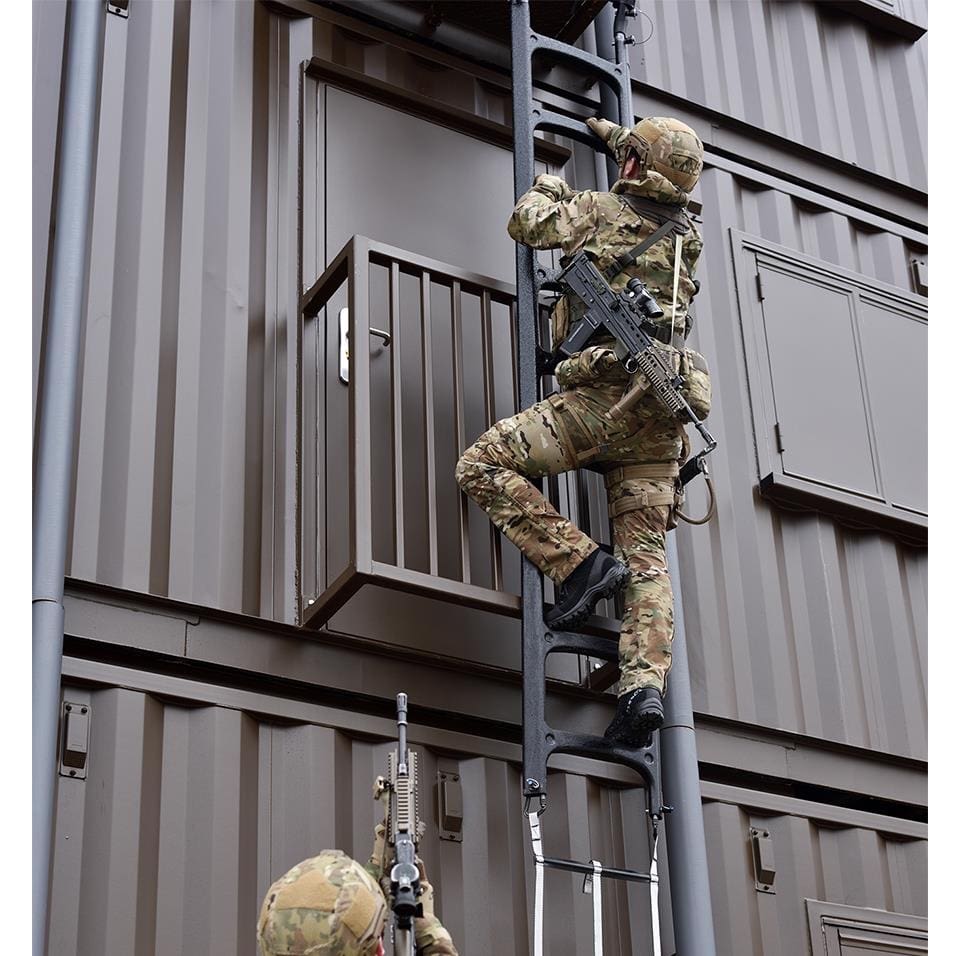
The ATL system features a sophisticated design optimised for an exceptionally high strength-to-weight ratio. This allows for durability, versatility, and minimum weight (4.5kg) without sacrificing strength or height. The innovative patented locking joint design enables not just the ability to rapidly deploy and stow the ATL, but also the ability to separate the assembly into smaller sections to optimise load carry and length. This means that the ATL systems weight can be distributed among several people and rapidly reassembled on site. It can also be configured for shorter lengths or deployed as several ladders, making it a single solution for many different missions. The ATL can be joined to reach heights of 5-6m.

The Helix HQH LadCarb Maritime

The HQH Ladcarb Maritime ladder is a carbon fibre framed ladder for maritime operations. It is constructed from the most advanced axial fibre laying technology making it extremely light and strong.  The ladder is to be used alongside a dual titanium hook, replaceable stand-off devices, wire ladder connectors and lifting cone to create the ultimate access solution for vessel boarding. 
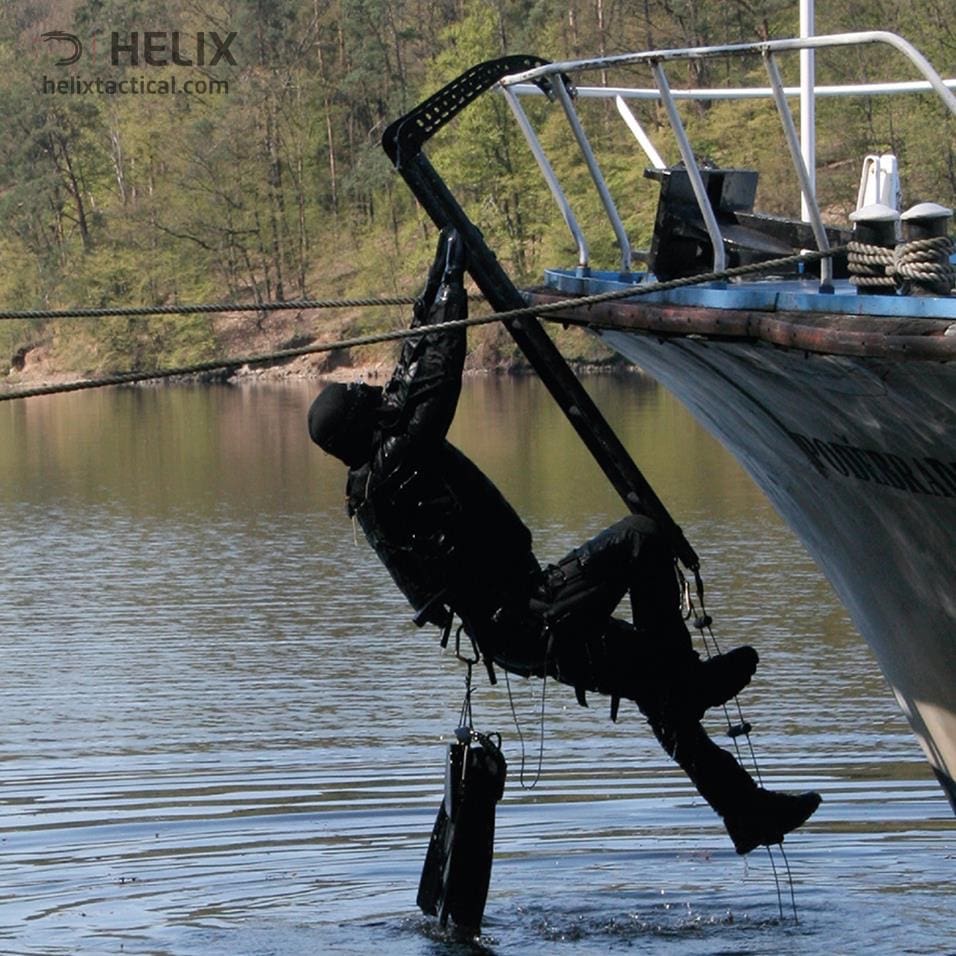
The ladder features slightly positive buoyancy whilst maintaining very good mechanical properties. All materials have been tested for use in marine environment and mechanical endurance tests show the ladder performing at + 60 degrees Celsius to – 40 degrees Celsius.

Threaded inserts in the ladder stiles allow installation of standard stand-off extenders and titanium anchoring eyes at the bottom end of stiles allow installation of a wire rope extending ladder. The 4.6m ladder consists of four sections which can be quickly and easily dismantled down to single parts for straightforward transportation and storage. 

REBS Carbon Multi Ladder (CML)
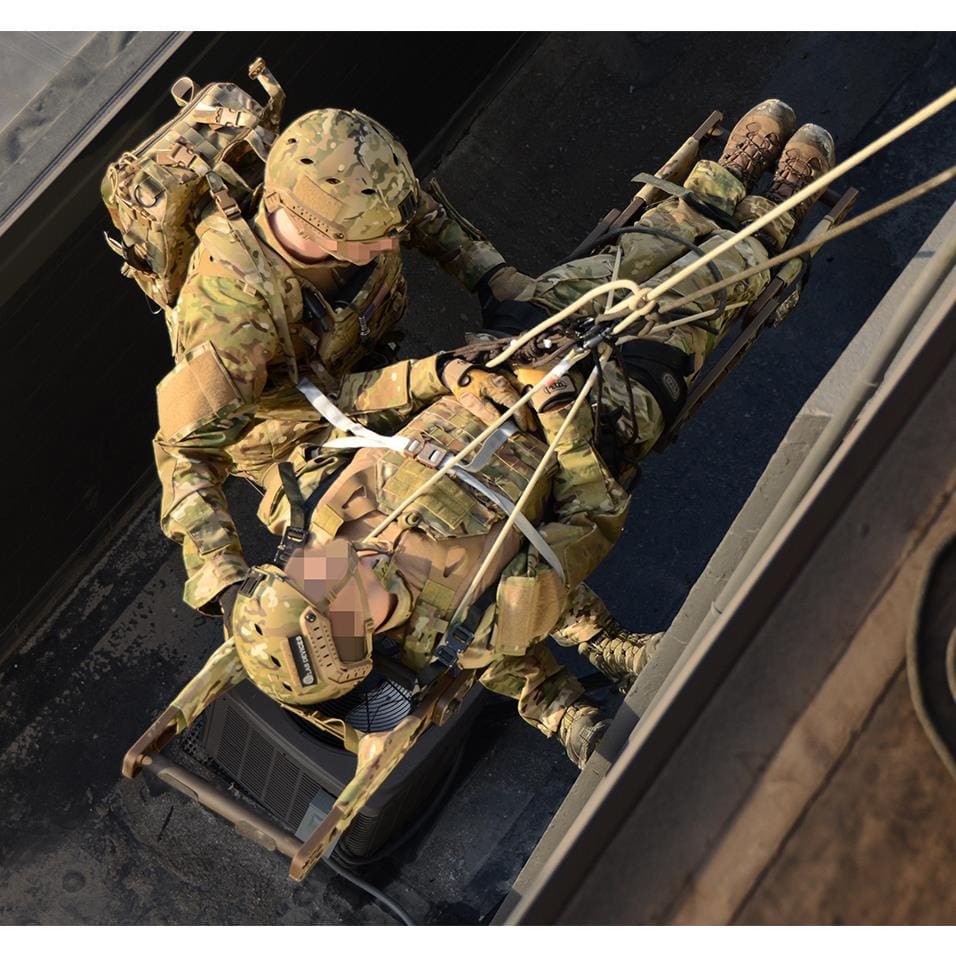
The REBS CML is a rigid, modular and multi-functional ladder system with a dual rail design. The system uses modular 90cm sections that can be locked together to create a ladder, stretcher or bridge. The CML can be used in multiple configurations such as being hung from an attachment point via a hook or hooks, leant against a wall, bridging a gap between buildings/containers or as a rigid stretcher with handles and a harness that holds the casualty securely. It is manufactured from carbon fibre for a combination of excellent rigidity and a light weight. The design was derived from the same advanced carbon fibre moulding techniques that are used to manufacture modern bike frames and optimizes carbon fibre properties to create a very strong monocoque frame where each 90cm section is moulded in one piece to minimise joins and weak spots. The ladder rungs are wide enough to easily get two boots onto a rung and all of the surfaces have a tough, high friction coating to make use as secure as possible. 

The REBS Wire Ladder
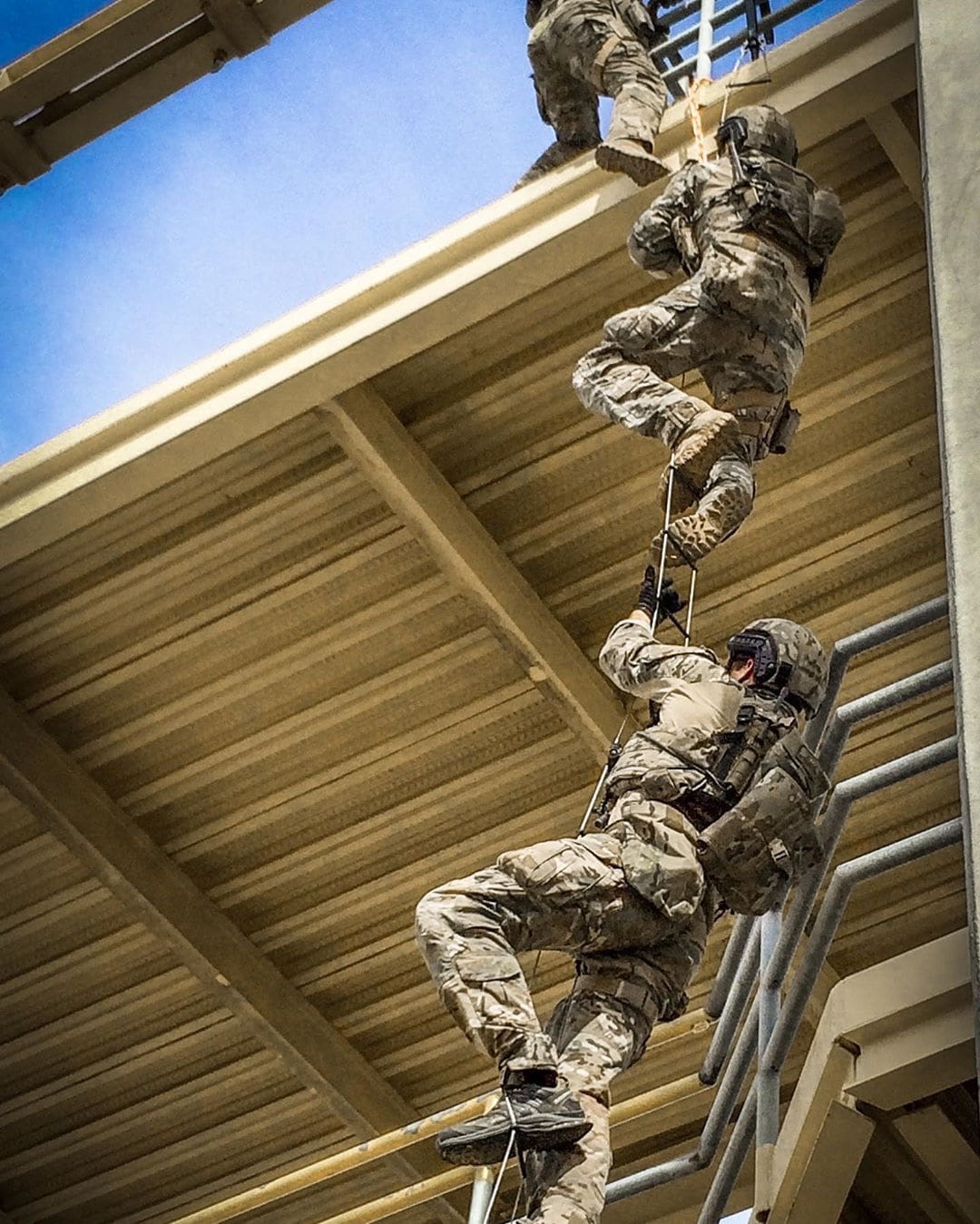
The new design of the wire ladders has the highest strength to weight ratio of any wire ladder in the world. The wire ladders have been developed with input from professional users and have high-end features for superior performance in tenuous situations. All ladders are delivered ready to use. The rungs are diamond knurled and provide a durable high friction grip surface. Wire ladders are often used in combination with telescopic poles. The ladders are strong and rugged, but also compact in size, exceptionally light weight, and pack compactly and easily. The ladder has a market-leading minimum breaking load (MBL) of 1200 kg. The wire ladder is made with the highest quality components and materials. The Ø3 mm (1/8 in) wire rope and thimble are made from 316 stainless steel and the rungs are black anodized 6082 T6 alluminium.

REBS – Ultralight pole ladder (UPL)

The Ultralight Pole Ladder (UPL) is REBS’s latest single stile ladder which is lighter, easier to stack and carry, and stronger.
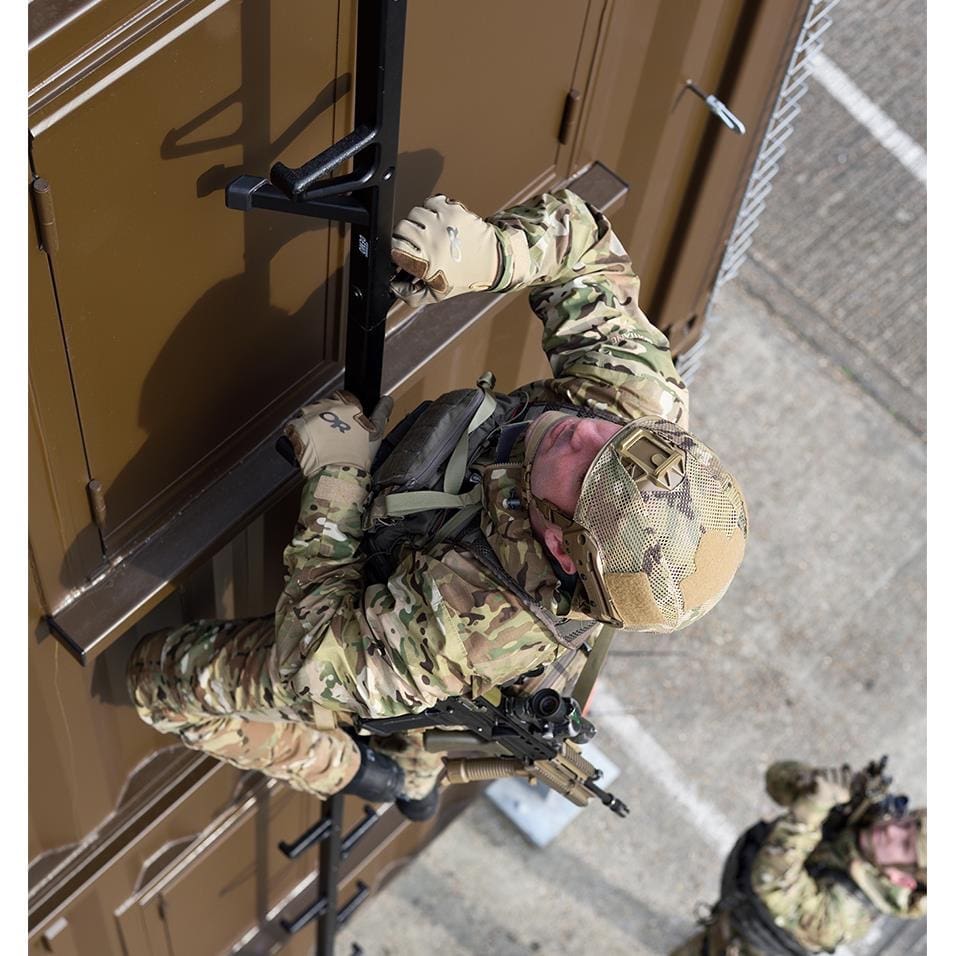
Each UPL section is 1.7m and is molded using the latest in carbon fibre technology.  The system can reach up to 11m when the top adapter, five sections of 1.7m, an optional single step and 1.5m Wire Ladder are all connected. The quick connectors and modular design make the system safe, fast and easy to assemble. By attaching the 1.5m Wire Ladder, an extra 1.5m of height can be gained whilst also keeping the lowest step closer to the ground. In marine environments, the Wire Ladder also provides increased operational safety as the boarding craft will not be able to knock the ladder off its hold when riding on the waves. Climbing comfort and efficiency is taken into consideration with rubber tipped standoffs which provide good space for hands and feet.

If you are looking for ladders for use in urban warfare assault or maritime boarding, contact us for more information.

Contact: international@brigantes.com

For UK sales: warrior@brigantes.com

OR visit us: brigantes.com/collections/ladders

US Air Force To Recruit Future Space Force Professionals

Tuesday, September 15th, 2020

SAN ANTONIO-RANDOLPH, Texas —

Air Force recruiters nationwide will launch future enlisted space professionals to Basic Military Training to fill Fiscal 2021 job opportunities.

The Department of Defense’s newest military branch is relying on Air Force Recruiting Service to find America’s best and brightest to fill more than 300 enlisted positions next fiscal year. Competition for the limited number of opportunities is said to be tough.

During a virtual AFRS training session Sept. 10, 2020, with recruiters nationwide, U.S. Space Force career field managers from Peterson AFB, Colorado, explained the caliber of applicant they are looking for to join them in their fight to assure access to space for America.

“We’ve gotten away from a checklist driven mindset to where we are lean and agile and our young Airman have to think on-the-fly sometimes to outmaneuver some of the adversaries,” said Senior Master Sgt. Randy Magdaleno, U.S. Space Force manager of Special Programs Division. “As an example, we have young Airman sitting in the 2nd Operations Squadron flying the GPS (Global Positioning System) satellites and what a lot of people don’t know is our Air Force and, now our U.S. Space Force, do the satellite command and control and operate our GPS systems out there for the world.”

This is the reason why career field managers say they need top-notch space professionals to stay ahead of adversaries and secure access to and through space for America in a hostile space environment.

Airmen who were selected to transfer to U.S. Space Force have joined the new service. In October, highly-qualified applicants without prior military experience will begin to make their way to BMT after being processed by an Air Force recruiter. That is their first step to service in the space mission.

They will apply at an Air Force office but will specify which branch of service they would like to be considered for. It is possible they can choose both. The same screening for eligibility to serve will apply. Space specialties will continue to require the same Armed Services Vocational Aptitude Battery scores and security clearances which are higher than most Air Force career fields.

“Most of our jobs focus on orbital warfare, space electronic warfare, or space battle management,” said Senior MSgt. Daniel Hill, U.S. Space Force manager for the 1C6 Space Systems Operators Air Force Specialty Code. “We fly satellites, keeping them in position or repositioning them if a threat is detected. We use radar to detect missile launches and track space debris to protect our assets in space.”

Descriptions for space specialties can be found on www.spaceforce.mil by clicking on the Careers tab. Job locations are expected to be where a majority of these space professionals are currently located which include installations in California, Colorado and Florida but they can be found in smaller units worldwide.

In February 2021, the U.S. Space Force expects to fill other career opportunities that are key to the military space mission such as cyber security and intelligence. Airmen currently holding those positions for the Air Force were given the opportunity in May 2020 to volunteer to transfer into the U.S. Space Force.  Those selected to transfer will begin the nearly two-year process in February..

All space systems operator positions are scheduled to align in U.S. Space Force ranks and will no longer be called Airmen, but rather a yet to be determined nomenclature within the next two years.

Due to the unique capabilities space professionals perform for the nation, recruiters were encouraged by AFRS trainers to set up mentorship-like opportunities between applicants and active duty personnel or tour nearby space units where available when social distance and COVID health restrictions allow for such an opportunity.

 “We are excited to partner with the U.S. Space Force as it endeavors to build a diverse and inclusive corps of Space Professionals,” said Lt. Col. Michael Graff who leads U.S. Space Force recruiting efforts from his office at AFRS headquarters in San Antonio. “Air Force recruiters are rapidly stepping up to attract and find the agile, innovative, and bold young women and men who will defend a boundless domain and shape space power for decades to come.”

By Chrissy Cuttita, Air Force Recruiting Service Public Affairs

Becoming More Agile

Monday, September 14th, 2020

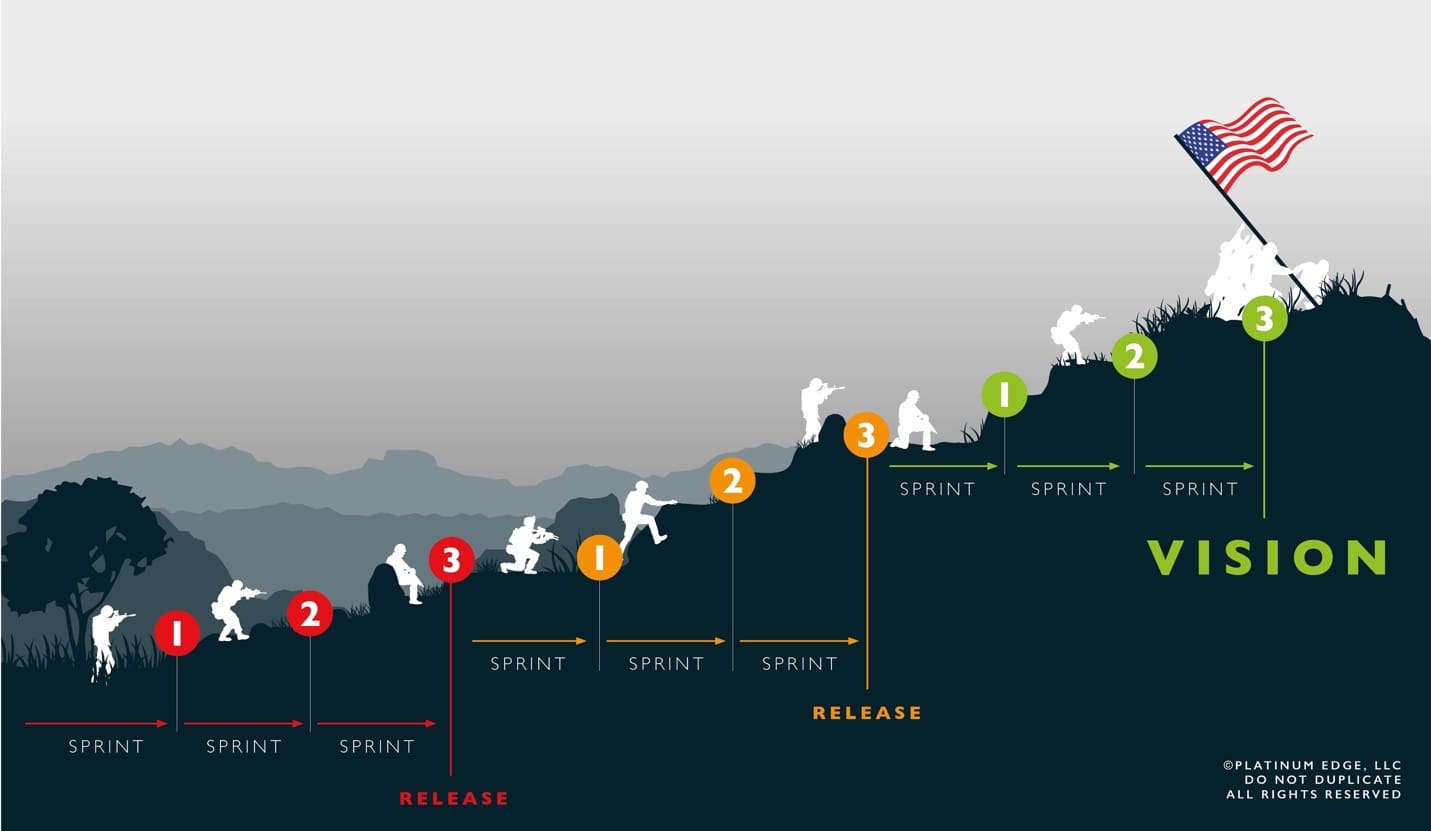
Military leaders are asking their components to become more agile.

What does that mean? To be agile means adopting and accepting the agile principles, moving away from a top-down hierarchy filled with bureaucracy and individual silos, Agile promotes a ‘guiding’ leadership model surrounded by teams that are flexible and accountable.

Where did Agile come from? Agile was born out of necessity in software engineering to provide faster updates and build upon user feedback. Prior to the modern agile movement, development teams would identify the problem, create a solution, develop a product, then bring it to market, all without extensively engaging the customer. This is known as the ‘waterfall approach’. This method has proven to be slow, cumbersome, and often times, brings a product to market which does not meet the true need of the customer. In early 2000, software developers met to discuss their challenges, and later in 2001, developed what is known today as the ‘Agile Manifesto’.  The key values of which being: people over process, working product over comprehensive documentation, end user collaboration over contracts, and responding to change over following a plan. Agile is now in use by every Fortune 500 company and is utilized by more than 97% of mid-market commercial companies worldwide. Adopters of Platinum Edge’s suite of services have enjoyed a 30-40% increase in time to market with a cost savings from 30-70%.  Although the original idea was for use in the technology world, the values and principles remain true for any type of program management.



The U.S. military has a long history of being the focal point of excellence when it comes to planning and execution. Utilizing the JOPES and MDMP process is a long-proven method of planning and conducting military operations. As the Military shifts to a more business-like model, there is a need to adopt the proven agile approaches to accomplish our goals.

So, how and where does the Military adopt Agile? Like many businesses and organizations, the Military has to be open to change, both in culture and structure. In military planning, there is a hierarchy and clear chain of command. With Agile however, you must allow for the team to take ownership while leaders should act as a guide. Think in the terms of staff functions from company level, to corps, and above. The staff directorates from your S-1’s, G-2’s, J-3’s, etc., work within the confines of their ‘stove pipes’ and report to a Chief of Staff or Commander on individual efforts. In an organization using Agile, you create cross-functional teams based on products. These teams are developed based on the talent needed to complete the end product, not just with whoever is available, i.e. ‘people over process’. This lightweight team concentrates on a goal while incrementally chopping away at the deliverables. The team holds each other accountable along the way and communicates as much as possible in order to facilitate success. This model allows for self-correction and keeps the ‘customer’ involved along the way.

How does an individual, a team, a unit become more Agile? To become agile is not just a declaration or a command. To be agile means a formal adoption of principles while putting faith in the system and processes. Training is available from the basics of agile, Certified Scrum Masters of multiple levels, as well as coaching, mentoring, objective audits, and more.  Each of the courses are credentialed, and are free to the soldier via IgnitED (the Army’s new Credentialing Assistance platform). Being credentialed in agile frameworks provide opportunities for future employment as well as tools for the current scope of work. Companies like Platinum Edge provide these opportunities both virtually as well as in-person and can scale to meet the need of the individual, the team, or the unit.

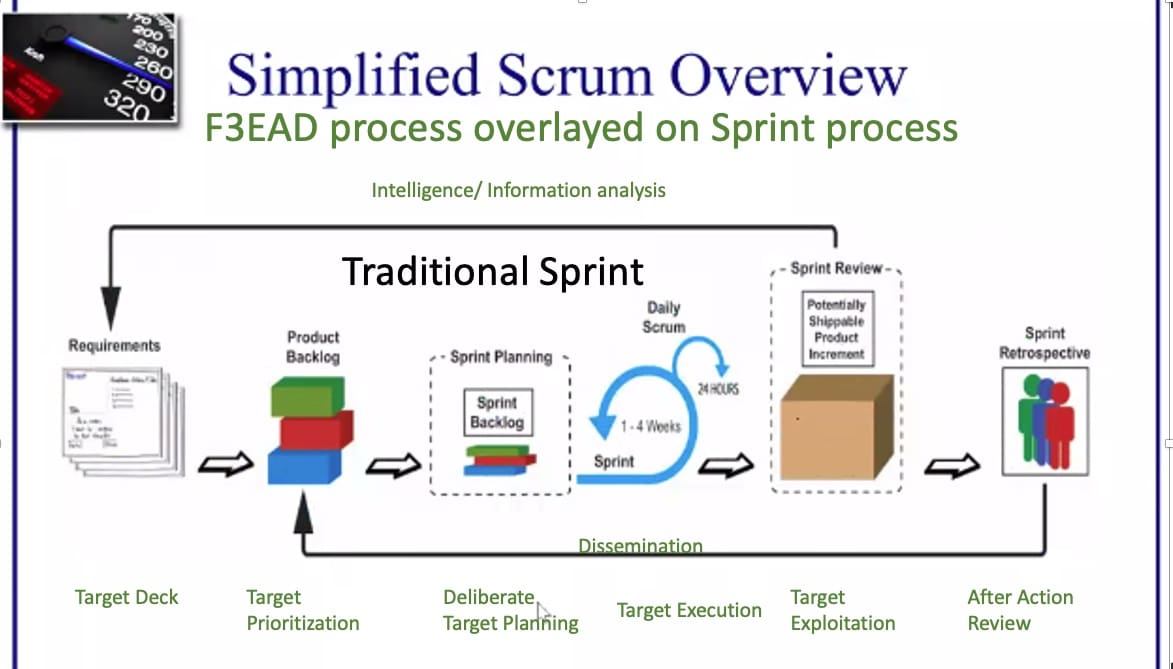
SCRUM, it’s not a rugby maneuver… so, what is it? scrum is a transparency framework that helps us identify what is working in reality. It is a self-correcting model in which, even if you are wrong in the beginning, you can be right in the end because scrum gives you multiple opportunities to correct course toward the target. Tactically flexible yet strategically focused, your next move changes but your target is stable. It is also a structured learning cycle that allows you to adapt and change based off of experience. At the core of a scrum is the ‘sprint’. A sprint is the activity that drives the process. The sprint is a time-determined activity in which the major product development tasks are completed. At the end of the sprint, the scrum team conducts a ‘retrospective’ to determine what worked, what didn’t, what can move forward, and what can wait. Every level of a military unit can utilize the scrum framework, whether it’s project management, or conducting operations. It is flexible and adaptable to all situations. Many military leaders are familiar with the F3EAD process, scrum is similar however it does take training to practice scrum correctly. Having a coach or a Certified Scrum Master ensures you are playing correctly.


How does being a ‘Certified Scrum Master’ (CSM) help me?

The Scrum Master is a member of the scrum team, who is charged with making sure everyone on the team is playing scrum correctly. Think of them as a referee in a sport; an objective outside influencer that ensures the game is played correctly. The Scrum Master is a majorly critical piece in the scrum team, and the position is not to be taken lightly nor ignored. If the military is to adopt agile, identification of the right talent and promoting this position is of the utmost importance. By choosing to be a Scrum Master, you are joining a small community of individuals whose expertise can be utilized no matter the type of work. To be an objective outsider means you can walk into any type of business or organization and play scrum, no matter the type of product. As a CSM, you can move easily throughout any organization providing great value, both in the military, and post-career in any one of the 40,000 businesses currently seeking CSMs (most positions offer $100,000/ year).

How can I become a ‘Certified Scrum Master’? Becoming a CSM is easy. Platinum Edge has a 2-day (in-person) or 4-day (virtual) Certified Scrum Master course, during which you will learn the basics of being a CSM. Similar to gaining rank in the military, there are multiple levels of a CSM and you must meet certain training and experience quotas prior to advancing. The more you advance, the better you are, and the more valuable an asset you are to the team. Credentialing Assistance allows for a service member to obtain their CSM credentials as well as follow on courses. Each service member (Enlisted/Warrant) is allowed $4000.00 per year in assistance, which is more than enough to obtain their CSM, as well as propel through the levels during their career. As of August 15th, the Army has transitioned to IgnitED for all credentialing opportunities.

What else should I know? Before you dive in, I encourage you to discover more about Agile and SCRUM. The first recommended read is the Agile Manifesto. This lays out the reasoning and principles of agile and is the basis for all agile techniques. Next, the Scrum Guide, gives you an overview of the terms, definitions, positions, and events of SCRUM. The Agile Method on LinchpinSEO is a great article on traditional vs. Agile approach. You can also get deep into the weeds with the SCRUM for Dummies guide, written by Mark Layton.

Why Platinum Edge? I have mentioned Platinum Edge and Mark Layton throughout this article and for good reason. Mark is the founder of Platinum Edge and is the world’s foremost expert on transforming organizations to the agile methodology. Mark, a veteran of the US Air Force, also holds a secret security clearance and is a published author on the subject of scrum and agile. The 1st Special Warfare Training Group at the US Army Special Warfare Center and School has placed their trust in Platinum Edge to provide CSM training to their instructor corps for individual professional development, as well as to begin their change in culture. If you are an instructor at SWCS or assigned to USASOC at Fort Bragg, reach out to 1st SWTG (Project JANUS) to learn more about your training opportunities. For all others interested in obtaining credentials or information on credentialing assistance, visit your local Education center. As for everyone else, feel free to contact Platinum Edge for more information.

Tom Kerr, a retired Special Forces NCO who attended the Certified Scrum Master Course during his transition from service and now utilizes the agile methodology and practices scrum in his daily program management duties at the Strategic Advisory “Firm”, Armor Corps.

Tobyhanna Army Depot Expands NETT Warrior Support, Improves Soldier Experience

Monday, September 14th, 2020

Tobyhanna Army Depot, PA —

Tobyhanna Army Depot now fabricates a new type of cable that furthers its support of a critical Soldier communication system.

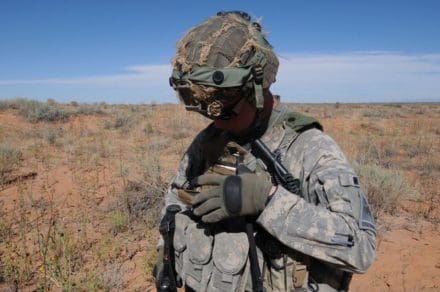
The depot recently stood up capability for production of flat cables for the Nett Warrior program. Nett Warrior is a smartphone-based system that provides situational awareness to dismounted Soldiers during combat operations. The program arrived at the depot in 2012 and, since then, engineers have designed more than 70 cables to support the system. Because the system is worn by Soldiers in the battlefield, ergonomics is key.

“The flat design of this cable will make the system more comfortable for Soldiers when they use Nett Warrior,” said Stanley Czock, lead engineer for the program. “The new cables also eliminate the likelihood of snagging in the field by holding more tightly to the vest. Both of these improvements directly benefit Soldiers.”

Production of the flat cables is aided by two new machines, a computer numerical control (CNC) sewing machine and a laser cutting machine. The machines allow for tighter stitching and the fabrication of scalloped tabs, which slide into the MOLLE system on the system’s Modular Scalable Vest and allow for a 90 degree bend in the cable without performance problems – another significant improvement for the end user. The equipment also allows for fabrication of conformal battery pouches and antenna mast holders, items used extensively by Soldiers when wearing Nett Warrior.

Acquisition of the new equipment is part of a larger effort to expand capability in the depot’s Systems Integration and Support directorate. The effort stems from Tobyhanna’s long-range strategic initiative, Toby 2028.

“Modernizing the shops with newer technology allows us to explore previously unreachable opportunities for customer and product support with the added benefit of remaining competitive.  Anywhere there is an opportunity to improve our capabilities, we have a Toby 2028 team looking into it and how it will shape our future,” said Michael Vivlemore, Lead for the Toby 2028 line of effort focused on technology impacts.

Depot personnel also worked closely with engineers from the U.S Army Sustainment Command’s Packaging, Storage and Containerization Center to perform extensive testing on the new cable prior to launch. They say this proactive approach is crucial to ensuring project success.

“Upfront testing allows us to ensure our product will meet warfighter requirements. It also allows us to address any potential defects before the product reaches the battlefield,” Czock said. “All in all, we’re thrilled to support a project that helps make life easier for the warfighter.”

Personnel from the Production Management directorate’s Sustainment Planning Division (SPD) say this new capability may also lead to additional workload for the depot.

“The addition of the CNC and laser-cutting machine greatly enhance the depot’s ability to adapt and support evolving Soldier requirements. We have seen interest from customers for new workload as a direct result of this new capability,” said Tracy Kraftchisin, a Logistics Management Specialist (LMS) in SPD. Fellow LMS Michelle Reese agreed.

“Right now, we are working on a Public Private Partnership (P3) with Microsoft in support of the Integrated Visual Augmentation System (IVAS). Under this P3, we have the potential to fabricate different types of cables for IVAS, a workload that falls under the Army Futures Command and represents an exciting opportunity for Team Tobyhanna.”

Depot personnel say the Nett Warrior program is planned through 2025 and will result in more than 200,000 cables for service members.

Tobyhanna Army Depot is a recognized leader in providing world-class logistics support for command, control, communications, computers, cyber, intelligence, surveillance and reconnaissance (C5ISR) systems across the Department of Defense. Tobyhanna’s Corporate Philosophy, dedicated work force and electronics expertise ensure the depot is the Joint C5ISR provider of choice for all branches of the Armed Forces and industry partners.

Tobyhanna’s unparalleled capabilities include full-spectrum logistics support for sustainment, overhaul and repair, fabrication and manufacturing, engineering design and development, systems integration, post production software support, technology insertion, modification, foreign military sales and global field support to our joint warfighters.

About 4,000 personnel are employed at Tobyhanna, which is located in the Pocono Mountains of northeastern Pennsylvania. Tobyhanna Army Depot is part of the U.S. Army Communications-Electronics Command. Headquartered at Aberdeen Proving Ground, Maryland, the command’s mission is to empower the Soldier with winning C5ISR capabilities.

Story by Ms. Danielle E. Weinschenk

Photos by Thomas Robbins

SCUBAPRO Sunday – Weights

Sunday, September 13th, 2020

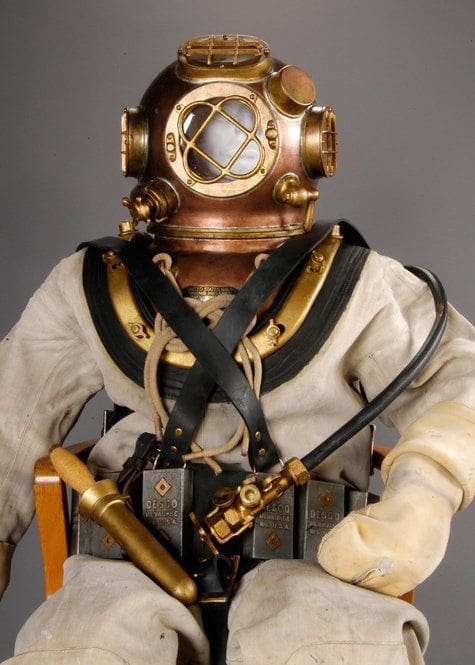
An essential part of preparing for each dive is calculating the amount of weight you’ll need to ascend and descend safely and effectively. By gearing up in the correct amount of weight, you can successfully maintain neutral buoyancy throughout the dive.

Many factors can affect your buoyancy—your body composition, the equipment and clothing worn, the amount of air you’re breathing, and the water you’ll be swimming in (freshwater/saltwater). Being able to add weights to your dive belt or in the pockets of your BCD can help you minimize drag and make your finning more efficient.

Proper weighting and buoyancy control are crucial if you want to have a successive dive. Unfortunately,there is no extract formula to help say how much weight you should wear on any giving dive. The reason for this is no one is exactly alike. So, all you can really rely on is knowledge and practice, I will say this a couple times a good log will help more then you will know. This goes for anything you do. Always keep a logbook, for land warfare, over the beach, and as much as you can. This will help when it has been a couple of months in between doing things. To help make it easier, below are a few easy steps you can take, preferably with the assistance of a dive weight calculator. Find a formula that works for you and stick to that, but make sure you test yourself before each dive. Also keep a dive log of all your dives. (See told you I would say this a lot) Write down what you wore, what way was the current going to you have to kick harder, were you carrying anything extra like a ladder or breaching tools, and how you felt. Make sure you have water temp, wetsuit thickness, and other information like that. This will go a long way to helping with future dives.

Weigh Yourself and your Gear

A rough approximation of the weight you’ll need can be figured out quickly by weighing yourself and then using those numbers to figure out the amount of weight you’ll need on you. 

In freshwater, most divers need 6 to 8 percent of their body weight in added weight, but in saltwater (which is denser and will add buoyancy), this figure is closer to 8 to 10 percent. This number is a good starting point to calculate your weight amount further.

Part of determining your body weight is weighing your buoyancy compensator (BCD), dive jacket/ Rebreather. It is a significant source of buoyancy as most of them, especially older models, have a lot of padding that will make you float.

To determine the buoyancy of your gear, immerse it in water and release any air that might be trapped inside. Move it around underwater when you float test it, same as when you get into the water make sure you get all the air out so there are no bubbles, halfway thru your dive.

Test Your Weight

Go through a trial run in a swimming pool and wear all of your dive gear. If you can’t wear your full equipment, make sure to put on the closest approximation to what you’ll be wearing for the specific dive. Remember that if your dive is going to be in saltwater, you’ll need a bit more weight compared to a freshwater swimming pool. 

Here it is broken down.

1. Before the dive, float motionless in deep water.

2. Deflate all the air out of your BCD/ Rebreather.

3. Take a normal breath and hold it.

4. If you start sinking – you need less weight. If you find yourself bobbing out of the water – you need more weight.

5. Repeat the process until you are floating as close as possible to eye level.

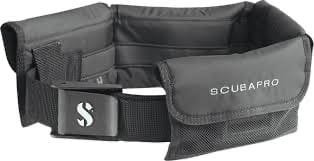
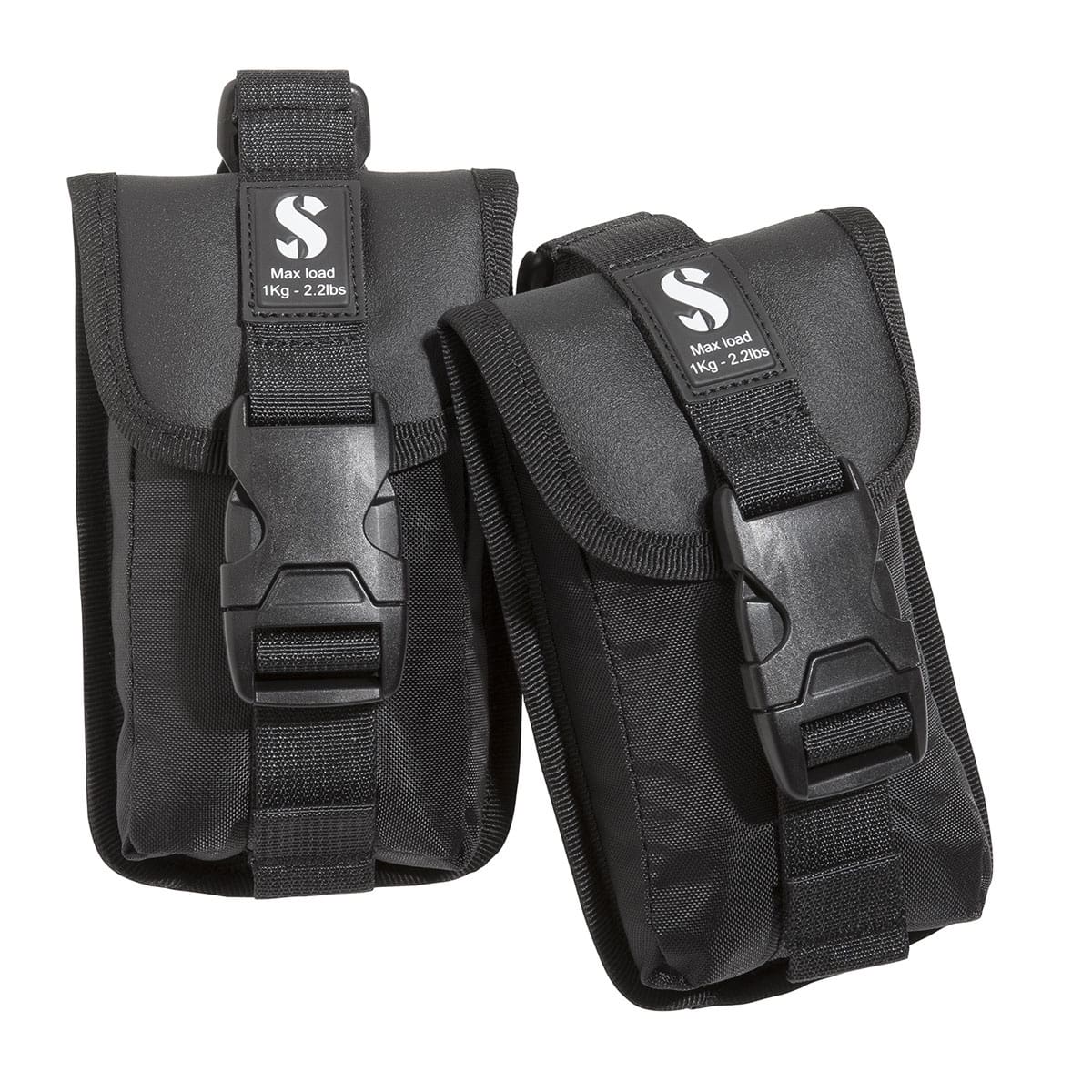
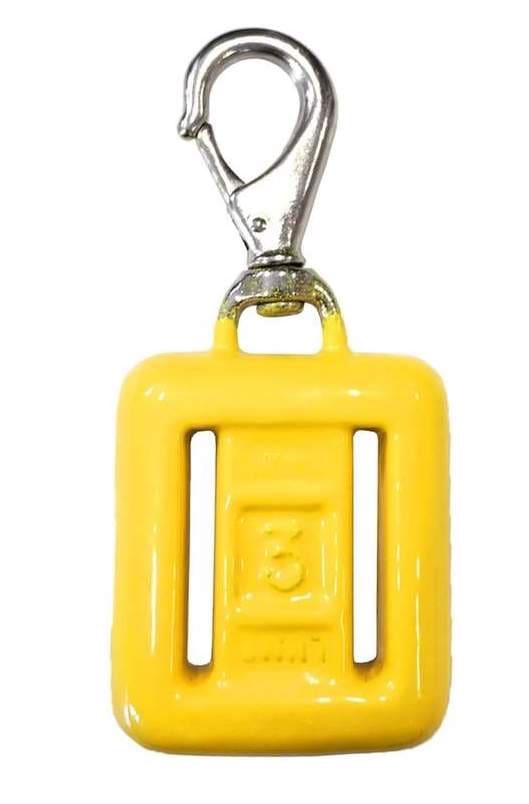
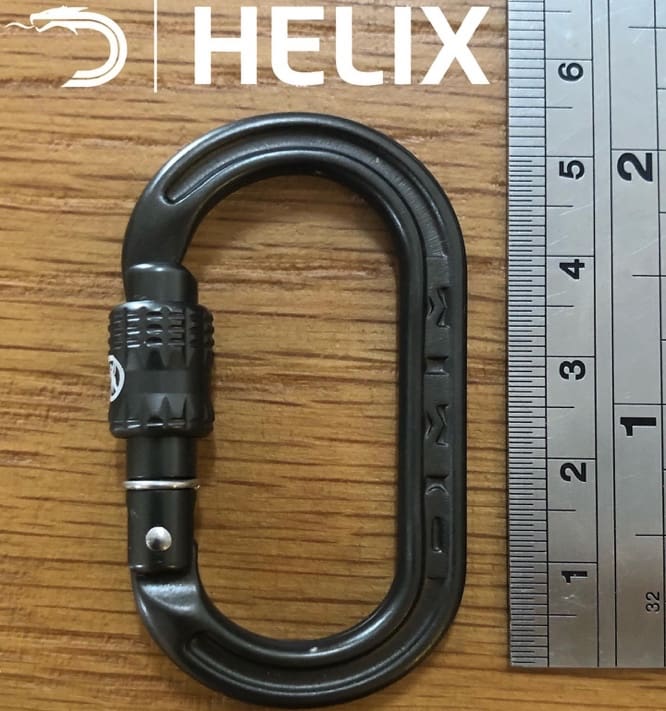
6. If you are floating at eye level with all you gear on, that is what you want. Have weights by the side of the pool so you can add or subtract weight as you check yourself out. They make weights with snap links or have weights with some 550. Have a carabiner so you can hang them on your weight belt or if you have a weight belt with pockets, you can add or subtract weights as you need. Lastly, a good logbook can go a long way to help with what you will need.  

Use a Dive Weight Calculator

While manually figuring out the right amount of dive weights to gear up in works for many divers, others find it easier to use an actual calculator. Try using a SCUBA diving weight calculator. You’ll be able to find tons of calculator websites online. Enter the figures for the required fields and check if the suggested amount of weight works for you.  

www.divestock.com/calc/weight/weight

Take 10% of your body weight in lead

A common rule of thumb, adhered by many divers, claims that a diver must carry weights equivalent to 10% of his body weight. While that does give you a specific range of the number of weights you need, it does not take many relevant factors into account. 

Factors such as muscle, fat, height, gear, and exposure suit are crucial when choosing weights and should be taken into account. For example, muscles sink and fat floats. A muscular man weighing 180lbs would probably need much less than 18 pounds of weight (even with a long 5mm), whereas a short stalky fellow weighing 180lbs might actually need more than 18lbs. This rule has led to many overweighted divers.

Don’t be overweight!

Many newer divers, and even some of the more experienced ones, dive with too much weight, either consciously or without knowing. Being overweight can lead to some bad situations. Sinking too fast is a common cause for ear problems. Now if you are overweight, you will add air to your BCD, now when you head to the surface to take a peek you will be pushed up faster than you want to go. You will also feel like you have to swim fast all the time, to stop yourself from sinking, and you will breath more air then your swim buddy.

Too much weight will also affect your body position, sinking your lower body and causing you to swim up. Even if you do manage to balance yourself properly, you will have much more drag through the water. Swimming downward for half of the dive does not look cool and looking cool is half (or more) the job.

PressCheck – Fighting Gun Set Ups

Saturday, September 12th, 2020

PressCheck Consulting’s Chuck Pressburg talks fighting gun set ups. There’s a ton of real world valuable info here on how a fighting gun should be configured and things to consider regarding enablers…lights, sights, lasers, etc….

Train with Chuck: presscheckconsulting.com

About: SGM(R) Pressburg retired from the US Army on January 1, 2017 after 26 years of active service, mostly in Special Operations and Special Missions Units. After Infantry and Airborne Training in 1990, Chuck completed the Ranger Indoctrination Program and was assigned to the 1st Bn, 75th Ranger Regiment.

Chuck’s experience includes:

• 10 years in the 75th Ranger Regiment including Platoon Sergeant of a 65-man strike force that was deployed to Afghanistan two times in 2001/2002. Chuck’s platoon was highly decorated for combat action receiving 10 Silver Stars and 11 Bronze stars with “V” during their first deployment.

• 24 months Rifle and Sniper Squad Leader – 82nd Airborne Division.

• 2 years Asymmetric Warfare Group (AWG) (Founding member, 1st active Army unit member deployed to combat, Selection Class #1, Operational Training Course (OTC) Class #1).

• 20 months in Operation Iraqi Freedom conducting Small Kill Team (SKT) operations and Direct Action raids in support of conventional and Special Operations Forces.

• 12 years, HQ USASOC performing various operational and staff tasks including a two-year assignment to the G8 section where Chuck performed Science and Technology R&D. While assigned to USASOC, Chuck graduated from the Defense Acquisitions University’s Combat Developer’s Course and The Human Factors Engineering (MANPRINT) Course. Chuck spent several years assisting in material acquisition programs for SOF.

Brigantes Presents – XSRE Lock and WallDo Accessory Carabiners

Wednesday, September 9th, 2020

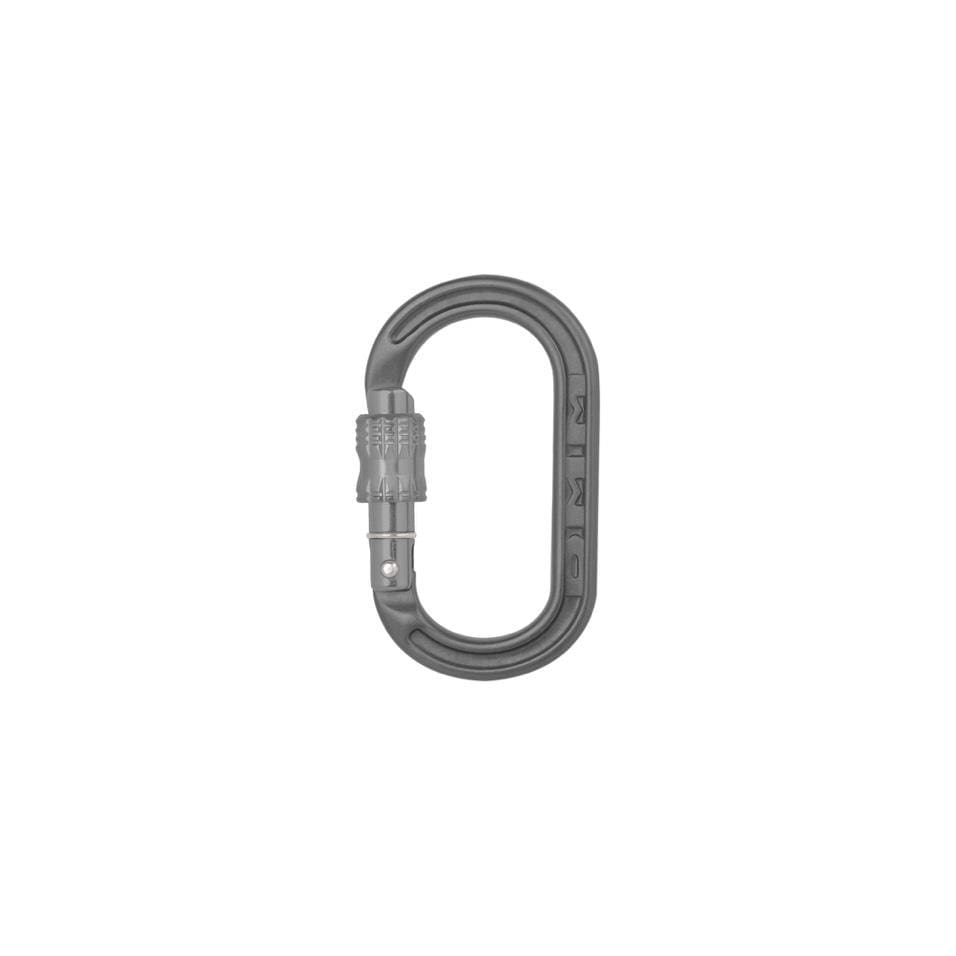
Everyone’s favourite accessory carabiner now has a screwgate locking option for added security.

Made with the same attention to detail as all standard size DMM carabiners, the Helix Tactical XSRE carabiner is a beautiful, high performance accessory clip that has a functional industrial pedigree, yet crosses over easily into everyday life situations.

Widely adopted for non-PPE use on industrial worksites, the XSRE is just as useful on a tree care harness to organise gear as it is clipping keys onto a belt loop. The narrow, snag-free nose pierces rope and allows easy installation of remote systems.

The new screwgate locking version gives increased security when required – perfect when working at height. 

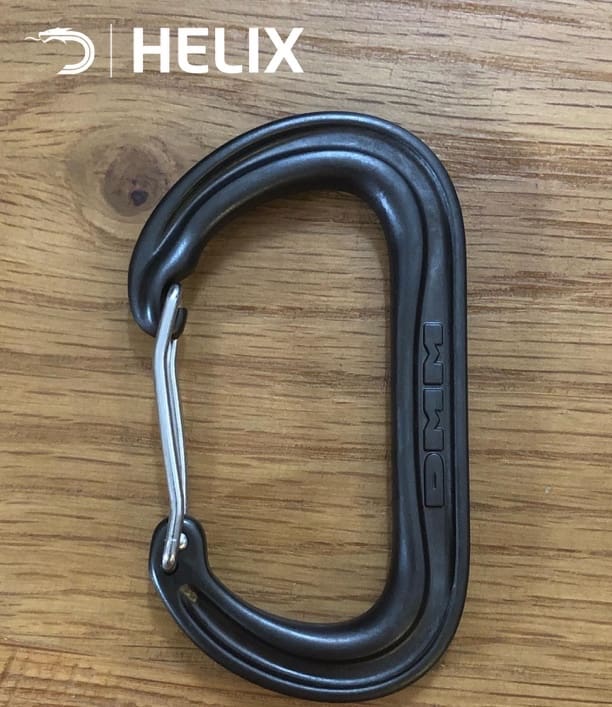
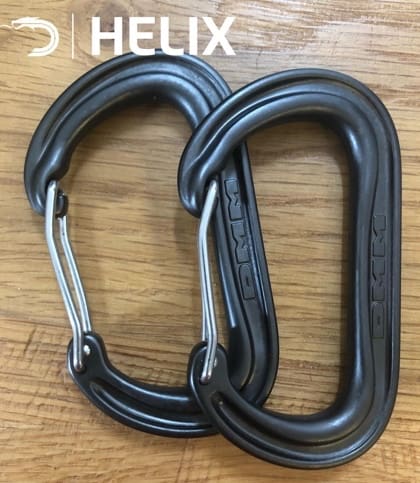
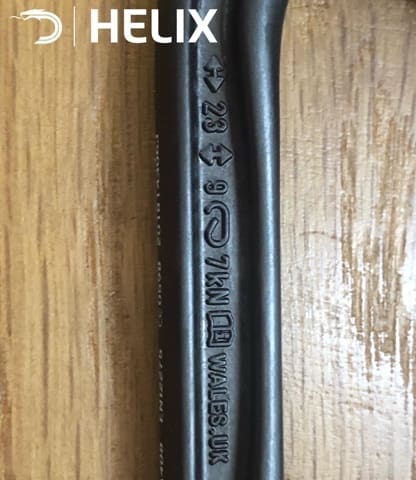
Alternatively, the WallDO is an offset oval wiregate that has versatility and style in abundance. It has been developed as a do it all workhorse – a carabiner that will perform in any role you can throw at it.

The large, shallow baskets provide a similar performance to an oval, while maintaining a bias towards the back of the carabiner to increase strength. Webbing sits comfortably at either end and they work as well with etriers and haul bags as they do on backpack straps. They can accommodate multiple connection points, allow efficient racking of wires and are suitable for use in all conditions from summer trad to winter epics.

With a large gate opening and narrow nose the WallDO can be clipped into anything from complicated anchors to tiny pegs. Available in matt grey.

For more information contact: international@brigantes.com

For UK sales contact: warrior@brigantes.com

Or visit: brigantes.com/collections/carabiners-quickdrawers-maillons to see the range.

US Army Fields New Chemical Detection Technology

Wednesday, September 9th, 2020

RESEARCH TRIANGLE PARK, N.C. — Chemical weapons pose a serious threat to civilian and warfighter lives, but technology from the U.S. Army Small Business Technology Transfer program reduces those risks. Researchers developed a product to detect chemical weapons accurately at low concentration levels.

Active Army, Reserve and National Guard units started to receive the Chemical Agent Disclosure Spray and the Contamination Indicator/Decontamination Assurance System, known as CIDAS. The Army is fielding it to all units in areas where there is a threat of chemical agents.

The Chemical Agent Disclosure Spray, purchased by FLIR Systems, Inc., has transitioned into the CIDAS Program of Record within the Joint Program Executive Office for CBRN Defense. The research, which began 20 years ago with a business first spun out of the University of Pittsburgh and later acquired by FLIR, as part of a Small Business Technology Transfer contract managed by the Army Research Office.

ARO is an element of the U.S. Army Combat Capabilities Development Command’s Army Research Laboratory.

The Army funded the basic research behind this technology at the University of Pittsburgh led by Dr. Alan Russell. Russell worked to identify ways to incorporate enzymes into polymers that would be stabilized for use outside the cell and then ultimately used in realistic battlefield environments.

Typically enzymes are not stable outside the living organism, but Russell’s fundamental polymer and enzyme chemistry research identified a way to maintain high activity of the enzymes for sensing chemicals in realistic battlefield conditions. He then started a small business based on those findings, which FLIR purchased.

“Our ability to respond to chemical warfare is a national security challenge that is vital to protecting both civilian and military lives,” said Dr. Stephen Lee, senior scientist at the ARO. “This technology is highly sensitive, providing accurate results on only trace amounts of material, even at concentrations below levels that represent an immediate danger to life and health.”

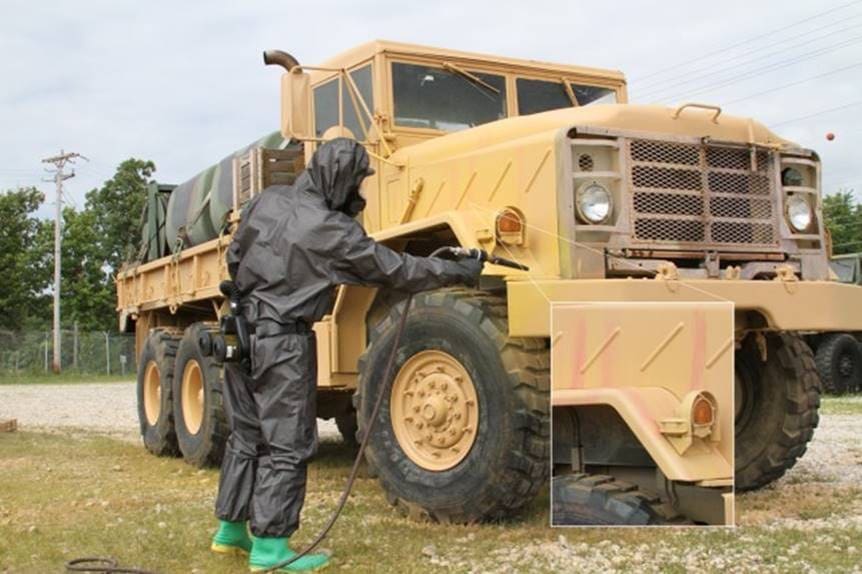
The new technology uses enzymes (complex proteins naturally produced by living organisms that act as a catalyst for specific biochemical reactions) to drive rapid, color-based reactions with chemical warfare agents. Once applied to a surface as a liquid solution, a vivid color change indicates the exact location of contamination by a specific chemical warfare agent.

Because the underlying chemistry uses enzymes to drive specific biochemical reactions, the technology is highly resistant to potential forms of chemical and environmental interference that might be problematic for conventional detection equipment.

The product’s sensitivity also provides the ability to determine whether decontamination was effective.

“Our Agentase C2 spray technology offers unprecedented performance, enabling rapid detection of highly toxic substances while reducing the lifecycle cost of decontamination operations,” said David Cullin, vice president of business development-Detection for FLIR Systems.

Products previously available for the detection of nerve and blister chemical agents range from simple units that use colorimetric techniques, wherein the presence of a chemical substance is indicated by a specific color change, to more complex systems that use special equipment.

Unfortunately, most colorimetric-based products such as paper detection products or gas detection tubes, can be highly susceptible to chemical interference, which can result in false positive and false negative results, as well as poor sensitivity.

“Through the Army’s Small Business Technology Transfer program, a small business has changed our nation’s ability to respond to chemical attacks,” Lee said. “The Army is taking advantage of the latest breakthroughs in synthetic biology to field new capability and protect national security. Without that program, we’d never have the ability to field this capability.”

The STTR program funds research and technology development with small businesses working in partnership with research institutions, most often colleges or universities. In contrast to the basic research programs managed by ARO, the STTR program focuses primarily on feasibility studies leading to prototype demonstration of technology for specific applications.

The Defense Threat Reduction Agency, the DOD agency responsible for countering weapons of mass destruction, provided additional funding to bridge the technology from development to capability delivery.

JPEO-CBRND, the DOD entity that manages the nation’s investments in chemical, biological, radiological and nuclear defense equipment, adopted the technology as part of the Domestic Response Capability Kit.

The kit packages the chemical components into a simple, pen-like construct, an easy-to-use point-and-touch detection as well as a spray-based formulation of the same technology. The kits have been fielded to all 57 Army National Guard Weapons of Mass Destruction Civil Support Teams across the country.

Now, National Guard units throughout every state maintain the capability to provide for detection, personal protection, decontamination and medical monitoring against chemical agents.

Additionally, JPEO-CBRND recently awarded FLIR an indefinite-delivery/indefinite-quantity five-year contract worth up to $21.8 million to support the Army’s Contamination Indicator/Decontamination Assurance System program.

This award initiates the full-rate production phase to field the product to units throughout the Army.

Shipments are expected to begin in the fourth quarter of 2020.

By U.S. Army CCDC Army Research Laboratory Public Affairs