FirstSpear

Archive for the ‘Industry’ Category

Meprolight USA Hires General Manager, VP of Sales and Marketing

Tuesday, July 2nd, 2019

Bill Yerby, industry executive, brings 29 years of experience to Meprolight’s USA division.

Middletown, Penn. (July 2019) – Meprolight USA, the US Subsidiary company of Meprolight®, a world leader in a variety of optic solutions from electro-optics sights, thermal sights and devices, self-illuminated sights, and innovative pistol sights, has announced that is has named Bill Yerby as General Manager, Vice President of Sales and Marketing for Meprolight USA.

“I am excited to be working with Meprolight,” Yerby commented. “As a global brand that is highly respected in the law enforcement and military markets, I will continue to expand its reputation here in the United States to include our law enforcement and commercial customers.”

“Yerby’s success in building relationships and growing market share in the outdoor industry is well known, and we are pleased to have him on our team,” Assaf Shimron, CEO of Meprolight® added. “We have made a significant commitment to our US customers and the investment in our US division will be sooner realized under the leadership of Bill Yerby.”

Yerby brings 29 years of experience leading high-performance teams specializing in consumer goods for the outdoor sports and recreation markets. As Meprolight USA’s new GM and VP of Sales and Marketing, Yerby will be responsible for growing the law enforcement and retailer networks, developing strategies and increasing brand awareness in the outdoor marketplace.

Most recently, Yerby spent the past 17 years working with Vista Outdoor, Bushnell and Bolle Brands as Director of Sales and Marketing focusing on a wide range of high quality and innovative products for the outdoor enthusiast.

Yerby is well known and respected throughout the outdoor industry. He is a leader with strategic vision and proven execution skills. His energy, enthusiasm, and passion for the outdoor markets have earned him the confidence, respect, and trust of his peers as well as retailers across North America.

Yerby holds a Bachelor’s Degree in Business Marketing from California State University, Northridge and enjoys many outdoor activities, including hunting, fishing, and winter sports.

Stay current with Meprolight USA at www.meprolight.com.

US Defense Industrial Capabilities Report

Monday, July 1st, 2019

Last week, the Office of the Under Secretary of Defense for Acquisition in conjunction with the Sustainment and Office of the Deputy Assistant Secretary of Defense for Industrial Policy released a report entitled, “Industrial Capabilities” which covers the entire defense industry for the year 2018.

In general, as you can imagine, the state of industry isn’t as great as we’d like. For the past several decades we have abdicated our industrial capability writ large to foreign nations. While we have retained quite a bit of our capability to produce defense articles here in the United States, it relies on a vast supply chain, and much of that is what is missing here domestically.

Of particular interest to SSD readers is the section on soldier systems. As you are probably aware, due to the Berry Amendment, which dates back World War Two, all textiles purchased by the Department of Defense must be manufactured in the United States from materials of US origin. While there has been a resurgence of commercial demand for clothing made here in the USA, the vast majority of our domestic textile capability exists to service the military.

While this niche fares pretty well, each year the capacity dwindles. Unfortunately, some of this is caused by lack of interest. Much of our textile supply chain is privately held by family owned businesses. As those operating these businesses reach retirement age, the younger generations are reticent to take up the reins. Those companies who manufacture clothing and individual equipment for the government operate on very tight margins. What’s more, the military is notorious for buying in spurts causing feast or famine cycles which are difficult to manage. Many feel the headache is not worth it. They’ll either sell the company off, or just close it altogether.

The report specifically call out this issue:

Evident industrial base risks in the soldier systems sector include single sources, capacity constraints, foreign dependency, market fragility, and diminishing manufacturing sources and material suppliers. The case studies below illustrate examples where the risk of permanent capability loss is enough to potentially warrant government action.

Erosion of U.S. Textile Industry

Between 1995 and 2009, the U.S. textile industry suffered a historic contraction, and Asian markets now dominate global textile supply. U.S. manufacturers are at a competitive disadvantage in workforce and raw material costs and availability. DoD is reliant on single sources and foreign sources, and competes with commercial demand for adequate production capacity.

However, clothing and individual equipment are just part of the soldier systems portfolio. The report also goes on to specifically address batteries:

Erosion of U.S. Rechargeable and Non?Rechargeable Battery Industry

Characterized by irregular demand proportional to operational tempo, the military battery industrial base is diminishing. Military-unique requirements can depart from commercial demands in size, quality, safety, power density, weight, and environmental ruggedness. Lack of stable production orders has resulted in lost capability and capacity, increased surge lead times, workforce erosion, and inhibited investments by remaining suppliers. Surge-capacity-limiting constraints occur at several points along the value chain, from raw material to final battery assembly.

Another issue of concern is our “Own the Night” advantage.

Foreign Reliance for Essential Night Vision Components

U.S. military “night vision” systems are enabled by an image intensifier tube, a vacuum-sealed tube that amplifies a low light–level scene to observable levels. The Department is reliant on foreign capabilities to supply image intensifier tube core glass and gallium arsenide photocathodes. Core glass is DoD-unique, and demand is very low compared to commercial glass production; the foreign sole source manufactures the core glass in batches based on demand, every few years, to replenish a U.S. buffer stock. Gallium arsenide allows for a more efficient conversion of light to electrical energy at extremely low light level, so by adding gallium arsenide to the photocathode, a brighter and sharper image is achieved. Gallium arsenide supply risk is considered reduced as the number of global suppliers has increased over time, though available suppliers remain foreign.

The reports also mentions the merger of two Night Vision manufacturers, stating “INDPOL (Industrial Policy) is examining whether the merger could result in a loss of competition, create single source dependence, or constrain capacity.”

Overall, it’s refreshing to see these issues addressed at this level. Hopefully, the Homeland Procurement Reform (HOPR) Act we mentioned last week will be enacted into law. The increased demand on the domestic clothing industry will help fill capacity and provide more predictable demand.

The story isn’t all bleak. While the investment tends to be from multinational corporations, we are seeing some investment in new textile infrastructure here in the US, thanks to increased productivity, due to automation, as well as ever increasing labor costs in China. For example, South Korea-based Youngone recently opened a brand new factory in El Monte, California to support Outdoor Research. Other businesses are opening new, or refurbishing elements of the supply chain in the Carolinas.

Forging Ahead: Rheinmetall Spearheads Ongoing Consolidation in the Military Vehicle Sector

Monday, July 1st, 2019

The high-tech Rheinmetall Group continues to pursue a strategy of industrial consolidation. Now that the competition authorities have given the project the go-ahead, a military vehicle joint venture between Rheinmetall and BAE Systems in the United Kingdom is poised for final implementation.

Moreover, a buyback of shares held by MAN Truck & Bus SE in the joint venture company Rheinmetall MAN Military Vehicles GmbH (RMMV) is set to further strengthen Rheinmetall in the wheeled armoured vehicles realm, one of the Group’s mainstays.

The planned partial buyback of stock held by MAN Truck & Bus SE in the joint venture Rheinmetall MAN Military Vehicles GmbH (RMMV) increases the share of the present Tactical Vehicles business unit to 100%. The two partners will continue to cooperate in the field of military trucks through their joint venture Rheinmetall MAN Military Vehicles, in which Rheinmetall holds a 51% stake. The joint venture recently won major orders from Australia and the German Bundeswehr.

As co-owners of RMMV, Rheinmetall and MAN agree that the tactical wheeled vehicle business will grow more robustly under exclusive Rheinmetall management, i.e. outside the RMMV framework.

The Tactical Vehicles business unit is synonymous with products such as the Boxer and Fuchs/Fox wheeled armoured vehicles and the Survivor R tactical law enforcement vehicle. Rheinmetall was recently selected to supply Her Majesty’s Armed Forces with a large number of 8×8 Boxer armoured vehicles. Last year in Australia, Rheinmetall won a roughly €2.1 billion order for the Boxer, one of the largest single contracts in the Group’s history.

The share buyback is due to take place during the second half of 2019, taking retroactive legal effect on 1 January 2019.

Joint Venture with BAE Systems in Great Britain

In January 2019 Rheinmetall and BAE Systems announced that they would be setting up a UK-based joint venture to facilitate cooperation in the land systems field. Rheinmetall thus welcomes the recently published announcement of the British procurement authority CMA approving the creation of a military vehicle joint venture between Rheinmetall and BAE Systems. The formal foundation of the joint venture, to be known as Rheinmetall BAE Systems Land, is expected to take place shortly. The company will be located in Telford, England.

The new wheeled armoured Mechanised Infantry Vehicle for the British Army, and the pending modernization of the UK’s fleet of Challenger 2 main battle tanks, are two important projects which the new company will be vying for.

Rheinmetall’s Vehicle Systems division

The Vehicle Systems division of Rheinmetall AG was formed on 1 January 2016. With annual sales last year of €1.6 billion, it is one of the world’s foremost suppliers of military vehicles. The division is the Düsseldorf-based Group’s centre of excellence for military vehicles ranging from unprotected and protected trucks to heavy armoured fighting vehicles. Serving markets around the globe, the Vehicle Systems division is responsible for Rheinmetall’s complete spectrum of military trucks, including the TG and HX logistic vehicles; tracked and wheeled tactical vehicles like the Fuchs/Fox, Boxer*, Puma* and Lynx; and turret solutions for armoured fighting vehicles – all from a single source.

* jointly produced with other contractors

Snow Peak USA, Inc

Sunday, June 30th, 2019

As many of you know, outdoor brand Snow Peak is a Japanese company. However, it officially becomes a legal U.S entity as of July 1, 2019 under the name “Snow Peak USA Inc”.

Milliken & Company Names Steve Layton President of Polartec Business

Wednesday, June 26th, 2019

Seasoned executive from Milliken’s flame resistant textiles business now leads Polartec brand

SPARTANBURG, S.C.— Milliken & Company, a global diversified manufacturer with more than a century and a half of textile expertise, has named Steve Layton president of its newly acquired Polartec business. The strong global brand, which joined Milliken in June, is known for its innovative performance textiles for outdoor and military apparel.

8006E6AF-319E-4835-A8C4-6B6CF9279D3C“Steve brings extensive textile market knowledge and strategic business acumen to lead Milliken’s Polartec business,” said Jeff Price, president of Milliken’s Performance and Protective Textiles division.

“Appointing an individual of Steve’s caliber is a prime example of the capability of Milliken & Company to foster the Polartec brand,” shared Gary Smith, outgoing CEO of Polartec. “I look forward to introducing Steve to our global team and customers.”

Layton will head the integration process, bringing Polartec’s global portfolio of fabric technologies for outdoor apparel—including performance-driven and consumer-focused textiles, and flame-resistant, workwear and military fabrics—into Milliken. In addition, he will be tasked with the ongoing management of the business, ensuring operational success in manufacturing and furthering industry-leading innovation to develop textile solutions that benefit Polartec brand customers and end users.

17BC7D63-6BAE-4660-89CA-5C9E4C279A61

“It is an honor to lead the Polartec business as we embark upon our next era of success,” shared Steve Layton, president of Polartec, a Milliken & Company textiles business. “Polartec is preceded by a strong reputation. I look forward to working with the team to further it in the market.”

Layton joined Milliken & Company in 2012, most recently serving as vice president of sales and marketing for the respected Westex by Milliken flame resistant textiles business. He holds a Bachelor of Arts in managerial economics from Union College and a Master of Business Administration from Clemson University, where he served as an adjunct professor for six years.

To learn more about Milliken’s Performance and Protective Textiles division, visit textiles.milliken.com.

Warrior Protection and Readiness Coalition Commends Passage of the Homeland Procurement Reform (HOPR) Act by US House of Representatives

Tuesday, June 25th, 2019

The WPRC has been serving for years as an advocate for the manufacturers which support America’s warfighters with the best clothing and individual equipment in the world. For much of that time, they have worked behind the scenes, to help introduce legislation to expand the use of American made products to the Department of Homeland Security.

It’s a travesty really. Most don’t know that DHS currently gets the vast majority of their products from offshore, including footwear from China, helmets from Asia, and CBP uniforms ironically made in Mexico.  This last part is most concerning. It’s a facility that makes soccer jerseys, lacking security measures to ensure those uniforms do not fall into the wrong hands.  

Bringing this work back to the US helps strengthen the domestic industrial base (the same one that supports DOD), employs Americans in manufacturing jobs, increases the security of the supply chain and allows DHS personnel to proudly wear American-made uniforms and equipment much like their colleagues in the DOD.  

WPRC’s efforts have met with recent success with the passage of the HOPR Act, a bipartisan bill designed to bring it home.  This is a very significant milestone in the effort to support our domestic supply chain and of note it passed unanimously in Congress – with robust support from both Republicans and Democrats, a rare thing in these times.  Can you imagine?

Next up is the Senate, where a very similar bill is under consideration. Let’s hope it gets just as strong support.

Please let others know about their fine work.

65F7A0DE-C936-4603-BFF5-3F1019FAB111

Bill to Provide Domestically Manufactured Equipment to Department of Homeland SecurityOperational Personnel Unanimously Approved

MARBLEHEAD, MA (June 25, 2019) – The Warrior Protection and Readiness Coalition (WPRC) today announced its robust support for the actions taken by the U.S. House of Representatives, who have unanimously approved H.R. 2083, the Homeland Procurement Reform (HOPR) Act. This important bipartisan legislation is designed to ensure that the operational units within the Department of Homeland Security (DHS) including Customs and Border Protection (CBP), the Transportation Security Administration (TSA), U.S. Secret Service, and Immigration and Customs Enforcement (ICE) purchase uniforms and equipment manufactured in the United States.

This bill establishes specific criteria that increases the ability of DHS to obtain high-quality, American-made personal protective equipment (PPE) and organizational clothing and individual equipment (OCIE). The HOPR Act builds upon earlier procurement provisions such as the Berry Amendment and the Kissell Amendment.

The Berry Amendment sustains an essential industrial base, as well as tens of thousands of manufacturing jobs. It ensures Department of Defense personnel receive high quality, advanced American-made equipment and clothing. No warfighter can be sustained in the field without advanced fabrics, armor, footwear, protective safety gear and many other critical tools.

The American Reinvestment and Recovery Act (ARRA) of 2009 contained a provision known as the Kissell Amendment. As enacted, it attached a very narrow requirement for domestic clothing and textile procurement by DHS. The Kissell Amendment has not had its intended effect. DHS continues to procure uniforms and equipment manufactured in foreign countries, including CBP uniforms which are currently produced in Mexico, in a low security environment.

Introduced by Rep. Lou Correa (D-CA, 46th District) and co-sponsored by House Homeland Security Committee Chairman Rep. Bennie Thompson (D-MS, 2nd District), Rep. Brian Mast (R-FL, 18th District), Rep. Jim McGovern (D-MA, 2nd District), Rep Chris Pappas (D-NH,1st District), the HOPR Act ensures that American tax dollars are not improperly spent on low quality items made overseas when American businesses produce the same items at a better value here in the United States. A companion bill has been introduced in the Senate (S. 1055) by Senator Jeanne Shaheen (D-NH) and co-sponsored by Sen. Chris Murphy (D-CT) and Sen. Doug Jones (D-AL).

Original Sponsor Rep. Lou Correa said, ““I want to thank my colleagues for their support in bringing this legislation to the House Floor. It is a necessary step to ensure our DHS frontline personnel have access to domestically sourced, high-quality uniforms and equipment while allowing domestic small businesses to better compete for Federal government contracts. This is a critical step in helping our men and women in the field get the tools and equipment they need to do their jobs. I am proud of this legislation and proud to say this bill protects our national security and helps small businesses.”

Rep. Brian Mast said, ““The men and women who serve on the border are willing to put their lives on the line to protect our nation’s security,” Rep. Mast said. “Providing Homeland Security with the highest quality, American-made uniforms and protective gear is critical for ensuring their safety and the success of the mission.”

WPRC Executive Director David Costello said, “We are pleased to support the bipartisan effort to extend domestic-focused procurement to the Department of Homeland Security. DHS officials responsible for our national security should be provided with American-made, quality gear and equipment. The HOPR Act will not only provide high-quality, American made equipment for DHS personnel but also help create jobs and spur manufacturing within the United States. We look forward to working with Senator Shaheen and her colleagues to ensure that this critical legislation passes the Senate and becomes law.”

A summary of The Homeland Procurement Reform Act can be found here.

Tactical Products Group Executives Sentenced for Selling Faulty Armor To US Government

Monday, June 24th, 2019

In February of this year, Tactical Products Group, LLC (TPG) CEO Dan Thomas Lounsbury, Jr and Vice President for Sales and Federal Contracting Andres Lopez-Munoz we’re found guilty in the Eastern District of Virginia on charges of conspiracy, making false claims on the United States government, and wire fraud.

In 2012 the two relabeled hard armor plates certified for a different threat or were out of their service life in order to fulfill a contract.

The supplied plates were provided to Triple Canopy to fulfill a contract. Reportedly, the plates supplied were known to delaminate. Furthermore, four of the 10 plates supplied were six years out of warranty. Amazingly, the value of the contract is said to be just $3,500.

Last week they were sentenced. Although they both were facing a maximum penalty of 20 years in prison and federal prosecutors requested three year sentences, the judge sentenced Lounsbury, aged 50, to 10 months in prison and Lopez-Munoz, aged 35, to four months.

They have also agreed to repay the government for the faulty plates.

Q & A – Mustang Survival & SSD

Monday, June 24th, 2019

Marine focused brands join forces to create complete maritime and over-water aviation solutions business

Today Canadian based Mustang Survival announces its merger with California based, WING Group, and we sat down with the company’s president, Jason Leggatt to get up to speed on the news and what it will mean for both brands moving forward.

Some background – Jason has been with the brand for 19+ years, starting out as an engineering co-op student he worked on NASA programs and aircrew flight equipment programs for the NAVAIR, USAF & RCAF.  In his time with the company they developed and advanced a suite of aircrew technologies culminating in teaming with TIAX & Survitec to win the USAF Integrated Aircrew Ensemble Program, which will replace all legacy USAF equipment across the fleet. 

SSD: Quick introduction for those who aren’t as familiar with your Brand – who is Mustang Survival?

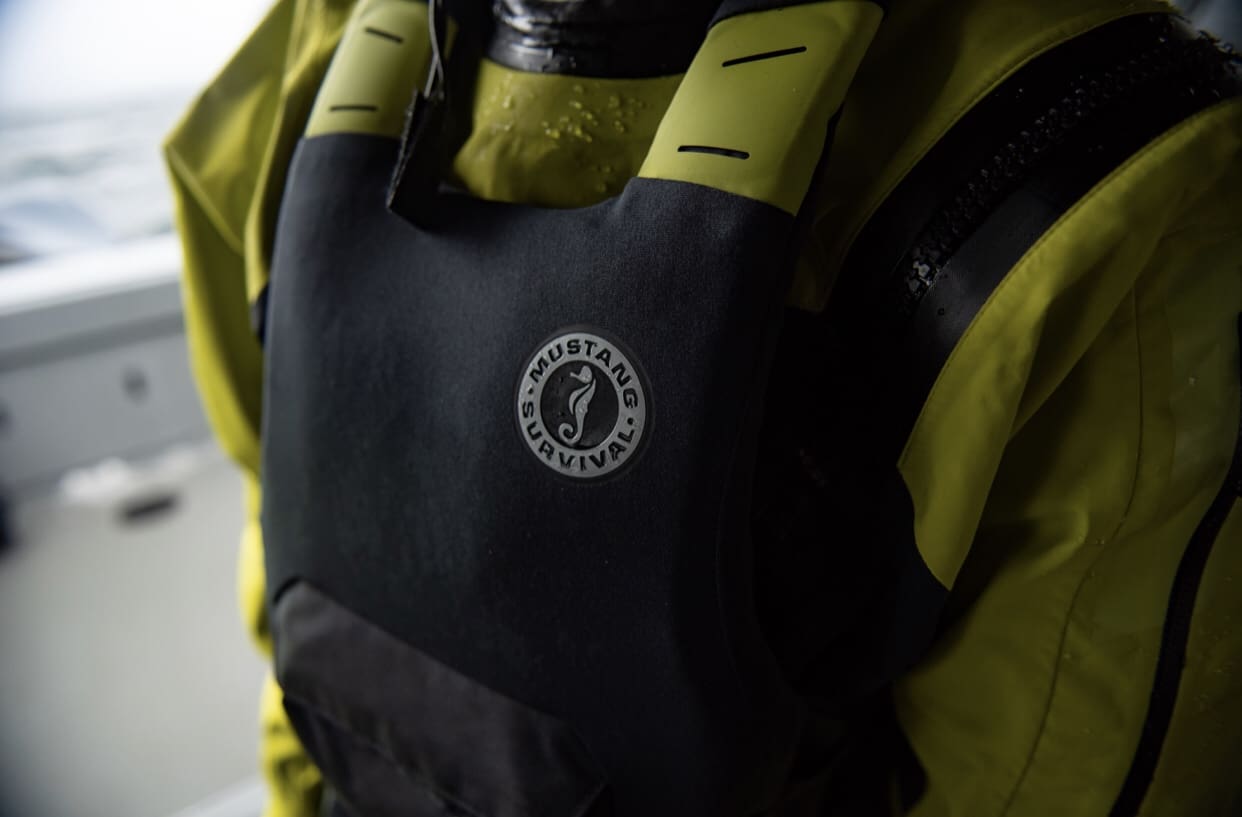
Jason: Mustang Survival is a highly recognized leader in the field of personal flotation, dry solutions & marine accessories, not only with military and maritime professionals, but with recreational users alike.

Since our inception in 1967 we have been focused on creating confidence and trust with our end users that is unparalleled. We have some of the most talented engineers and designers in the industry at our Waterlife Studio in British Columbia, Canada and their focus in on creating flotation and life-preserving components for real-world superheroes.

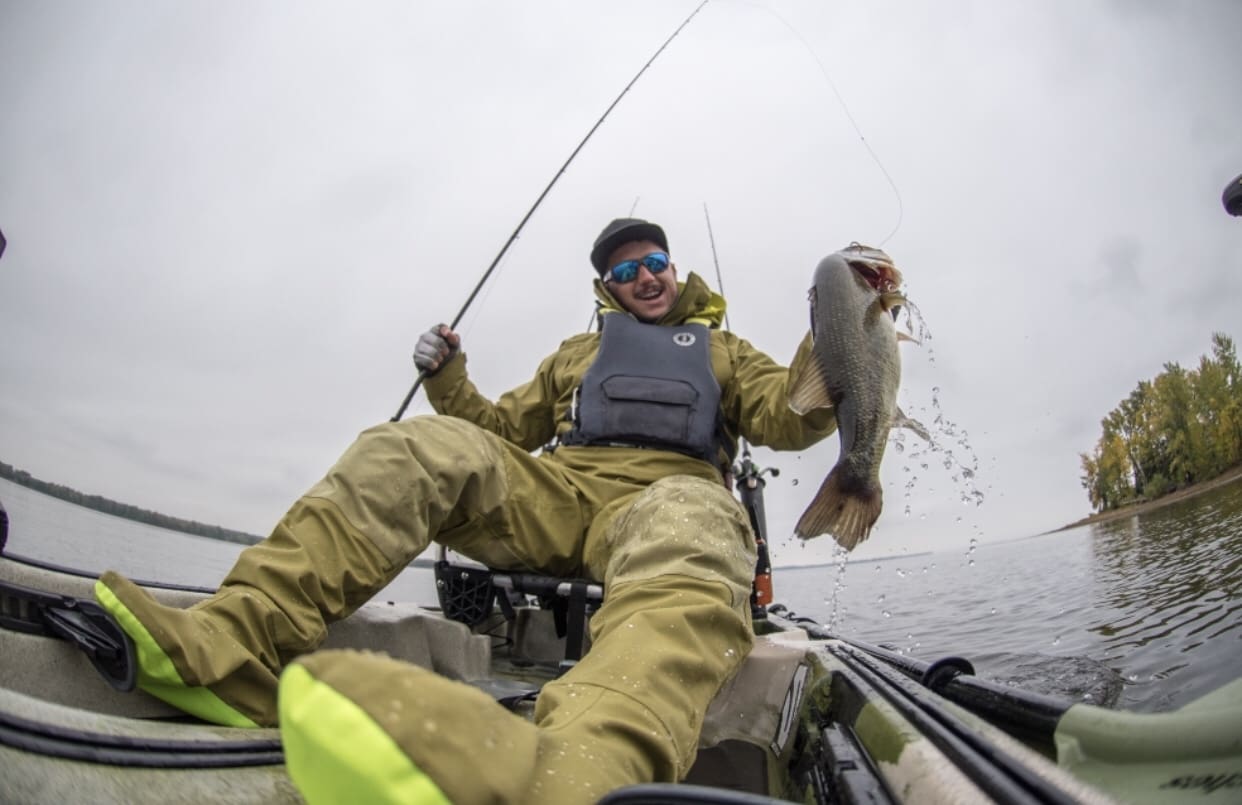
Previously as part of the Safariland family, we have been focused on bringing the company back to its core strengths of product innovation and concentrated our efforts on programs with proprietary solutions developed through close intimacy with elite users.  This strategy has created a winning solution for the MASS/L-MASS dry suit contract, a new RATIS life preserver for Special Operations, and several other “future innovations” which are in various stages of development.  In parallel we created a vision to leverage the authenticity of our professional/military hero business into the outdoor recreation arena.  We launched the EP Ocean Race series in 2017 and will continue to roll out more paddle, sailing and fishing focused technical outerwear.

SSD: And now you are embarking on a new chapter, tell us more about the newly announced merger.

Jason: As of today, we can officially announce that Mustang Survival has merged with the WING group. For those maybe not familiar with them, the WING group comprises of Wing Inflatables, Henshaw Inflatables, the Patten Company, and FabTek Industries.  

For over 30 years, WING’s first in the field innovative use of polyurethane and pioneering new technology, have led to the development of sponsons and boats that are lighter, last longer, look better and outperform the competition. They have built an unparalleled reputation for providing professional inflatable solutions for both recreational and military use. Whether it’s a river guide company requiring the most durable white water rafts, a private yacht management company requiring an expeditionary craft or a military detachment operating a fixed-wing airframe required automatically deployed personnel life rafts, to a Special Operations unit that depends on the best performing combat rubber raiding craft in the world. We are excited to become part of the family.



SSD: This really brings Mustang back into the fold of Maritime focused family and a significant pillar in the new portfolio. What does that mean for the brand?

Jason: The merger will fuel opportunities for market share gain in rescue & military.  WING Inflatables is the leader in combat raiding rubber craft (CRRC) / tactical & rescue boats.  We will leverage WING Group tactical and rescue boat programs to offer complete small team solutions within these kinds of user communities.  WING also has a global sales and distribution strategy that will enable us to go-to-market Internationally with our innovative product solutions such as maritime assault suit systems & the RATIS SOF flotation system, which several SOCOM and Navy users are in the process of adopting.  We will also exploit new developmental opportunities that leverage the combined strengths of our companies.

SSD: Will you be relocating any of your office, manufacturing or distribution locations?

Jason: No, Mustang Survival will continue to operate out of its current locations with headquarters and Canadian warehouse and logistics in Burnaby, BC; Customer Operations in Bellingham, WA; U.S. distribution & logistics in Spencer, WV; and Berry-compliant manufacturing in Jacksonville, FL.

As a side note, Mustang & WING are both part of the Army’s FOBAM program that is supplied by ADS. We supply ADS with the MRV151 Universal Military Vests that are included with every WING CRRC ADS supplies.

The WING Group is privately owned by an investment group led by President & CEO Andrew Branagh, they have their head office is in Lafayette, California, and the various company operations are located in Arcata, California; Wincanton, UK, Lake Worth, Florida; and Seattle, WA.  

For more company information please go to: www.inflatablesolutions.com.