FirstSpear TV

Archive for the ‘Materials’ Category

Aspetto Swift Release

Saturday, January 14th, 2017

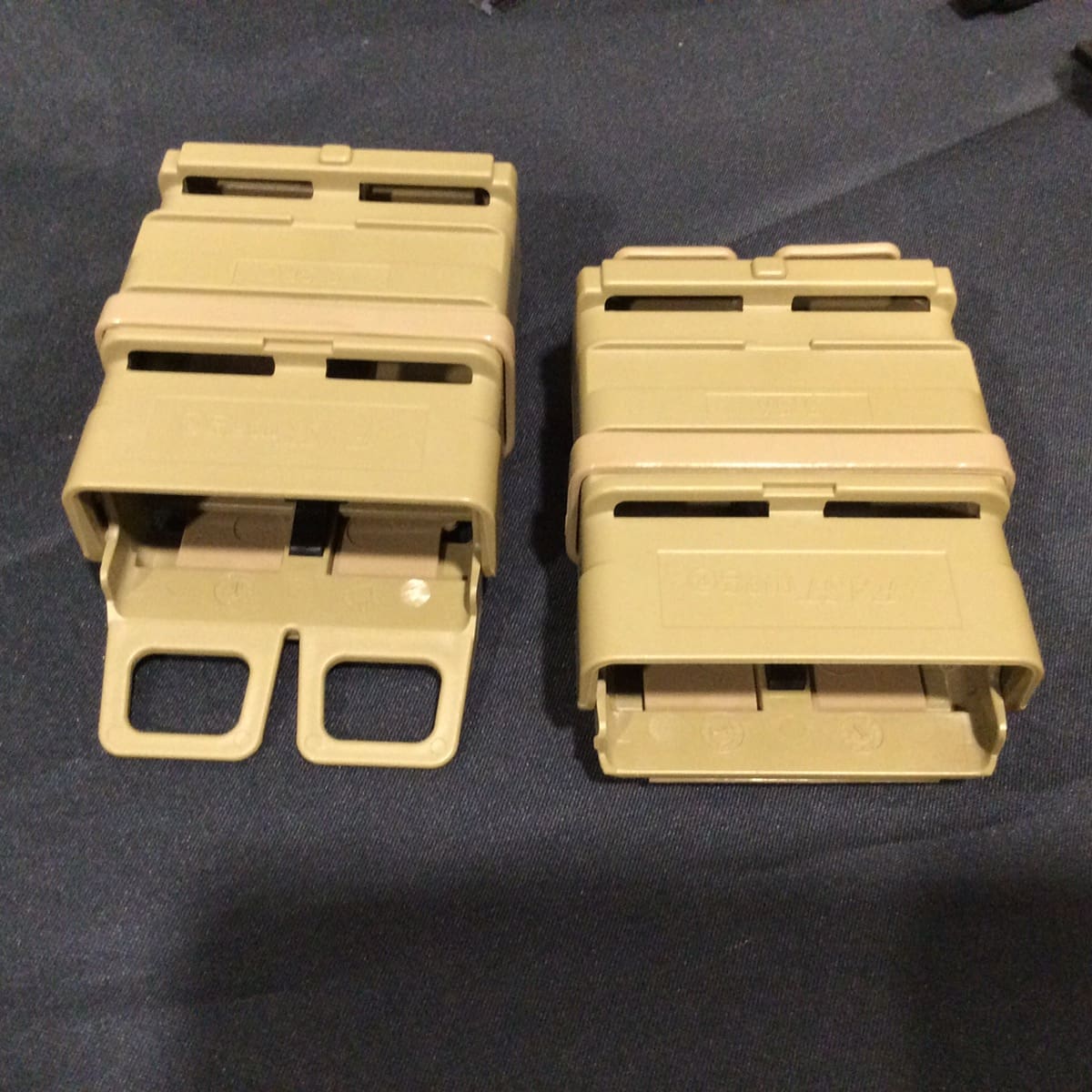
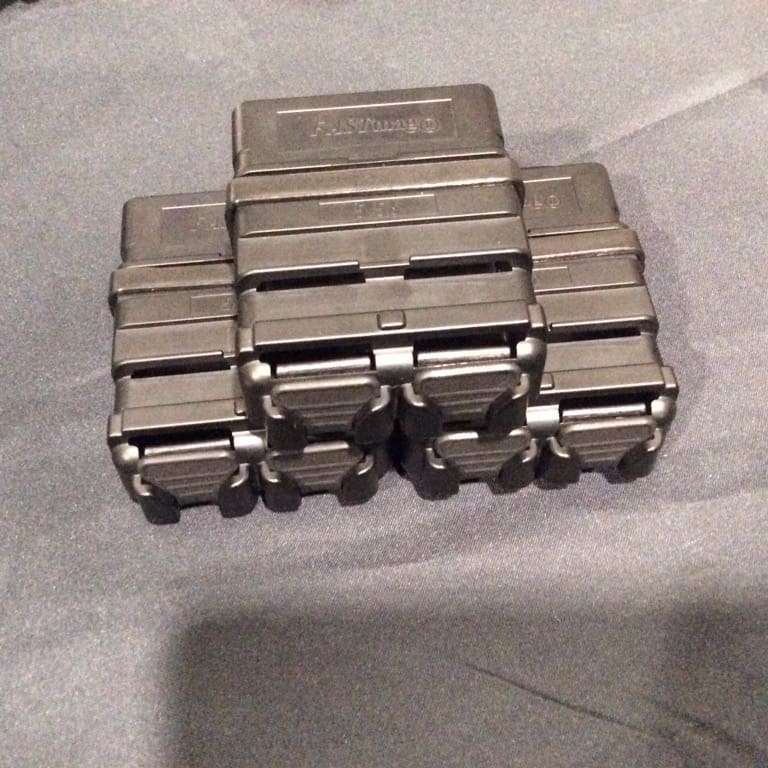
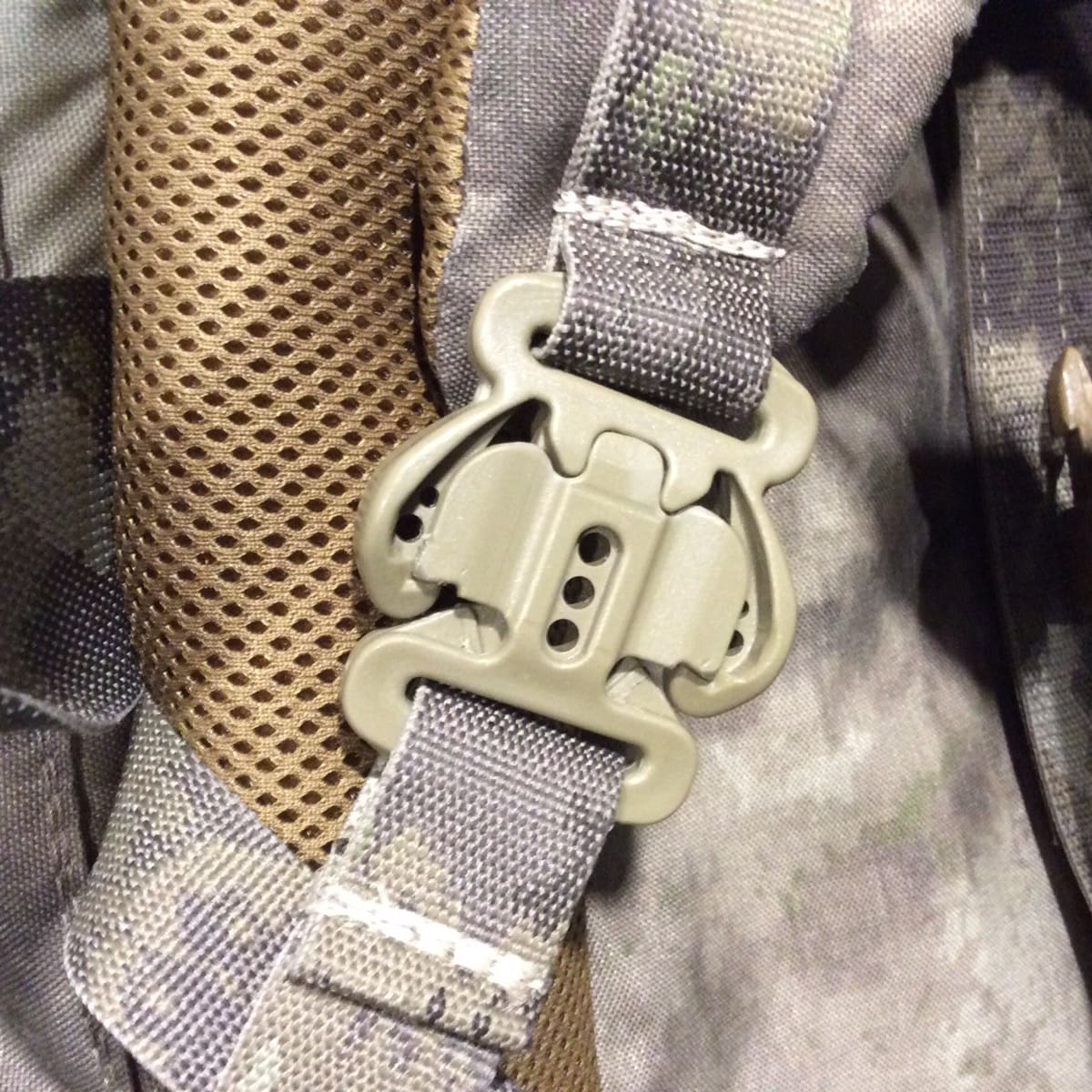
Earlier this week I had an opportunity to check out a new buckle, designed for use with Armor Carrier Cummerbunds. Named the Swift Release, it is the brainchild of Aspetto, a company that has, up to now, specialized in low viz armor applications. Aspetto has spent the last three years developing the Swift Release using a team of Marines and mechanical engineers. It seems that the investment has paid off. As you can see, the Swift Release is a low profile solution.

When the time was right, Aspetto went to National Molding who has taken on production. During testing the fail-point for pull exceeded 200 lbs. Even then, it was only a partial failure on the test buckle I examined. Although some of the surface area broke, the buckle would still function, but at a reduced load capacity.

The Swift Release simplifies donning and doffing the Cummerbund of an Armor Vest, allowing you to “dump your gear in no time”. But to be clear, this is a buckle, and not a quick release system. The patented “lift” & “pull” release system is also self-cleaning and can be attached to any 1″ webbing. Eventually, they will also introduce a narrow version for use on shoulder straps.

Although this pre-production example is Black, they will also be available in Coyote and OD. The Swift Release will be available for purchase individually, or in bulk.

Aspetto will exhibit the Swift Release at SHOT Show in GSS Gear’s booth #6608. Additionally, they will schedule meetings in their Venetian suite throughout SHOT – contact: robert.davis@aspettoinc.com for an appointment.

Murdock Jacquard Webbing

Friday, January 13th, 2017

Here’s a little background on Murdock Webbing and their Jacquard weave.

www.murdockwebbing.com

Honeywell Lightens Tactical Vests For Law Enforcement Officers By Up To 40 Percent

Thursday, January 12th, 2017


New fabric made from next-generation Honeywell Spectra® fiber offers breakthrough lightweight protection

MORRIS PLAINS, NJ, Jan 12, 2017 — Honeywell (NYSE: HON) announced today that it has released Centurion™, a composite fabric designed to make law enforcement apparel and equipment 35 to 40 percent lighter. Centurion is the latest performance fabric made from Honeywell Spectra® fiber and is suitable for any type of application where the product needs to be strong but lightweight.

Traditionally, law enforcement officers have carried extra gear such as ammunition and radios by attaching them to modular lightweight load-carrying equipment (MOLLE) web designs that include straps sewn onto their tactical vests. MOLLE straps add extra weight and can make movement more difficult for officers.

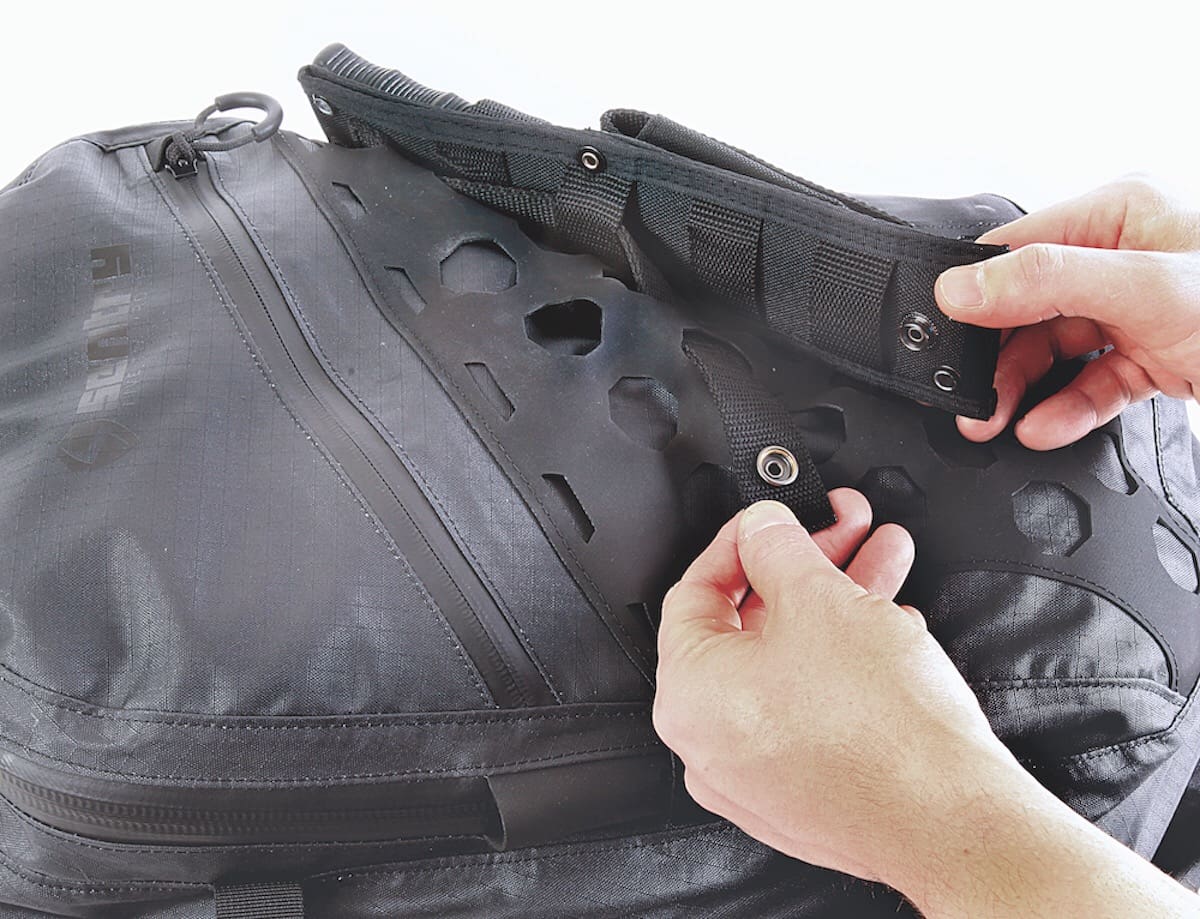
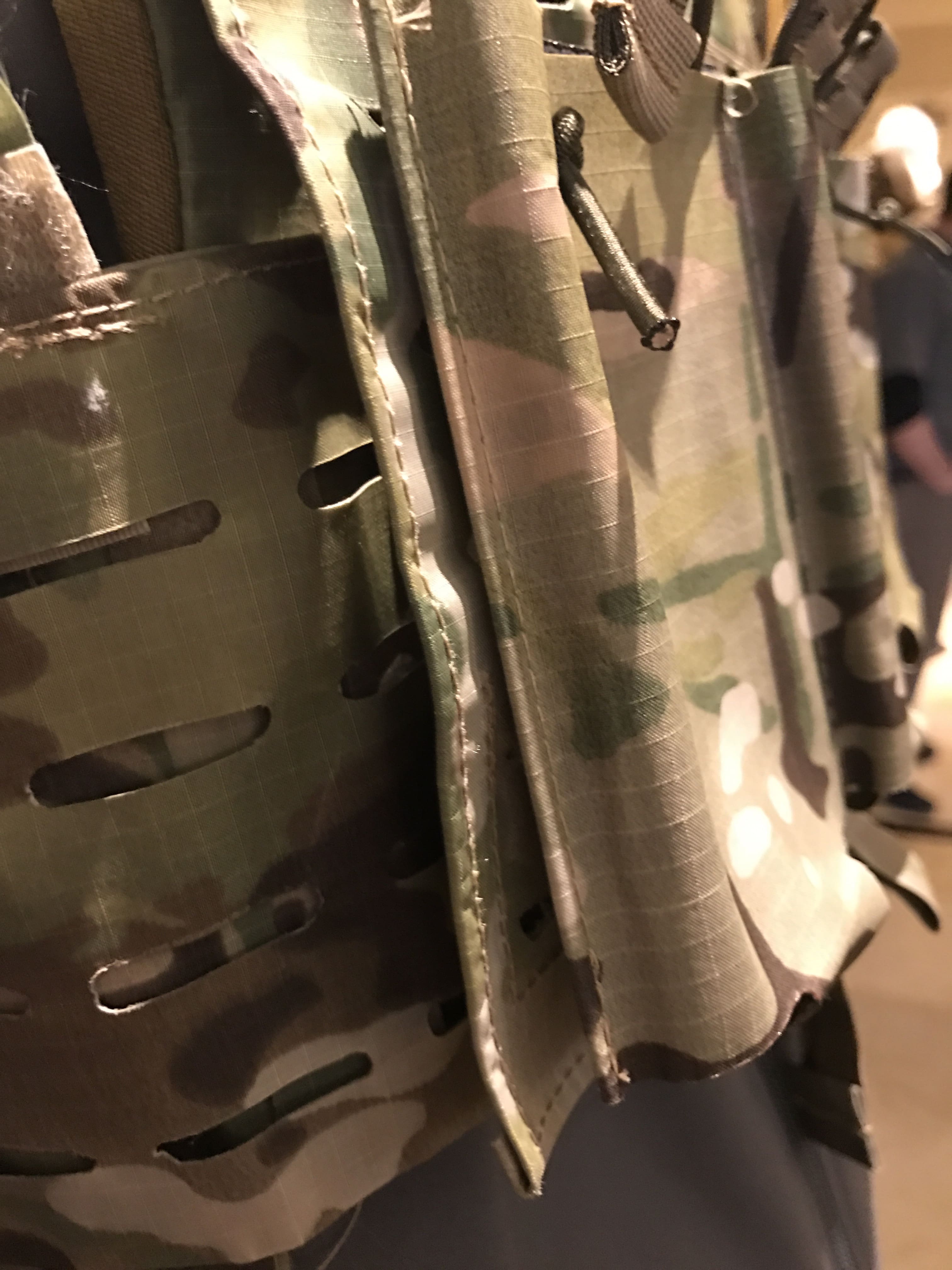
By contrast, vests made with Centurion fabric are 35 to 40 percent lighter because they do not require extra fabric. Centurion is laser-cut according to user preference, resulting in slits along the vests from which officers can hang, hook or tie gear as needed. Because nothing needs to be sewn into these vests, they are lighter and more comfortable for officers to wear, as well as faster and easier for manufacturers to produce. Combined with Spectra fiber’s strength, Centurion-made vests are resistant to cuts, abrasion and water, making them suitable for many tough environments.

“Centurion represents the next evolution of lightweight law enforcement equipment, removing several pounds from the more than 20 pounds that an officer can typically wear while on patrol,” said Lori Wagner, armor marketing manager for Honeywell Packaging and Composites. “At the core of Centurion fabric’s remarkable properties is Spectra, Honeywell’s next-generation fiber that is the material of choice for law enforcement agencies around the world as well as the U.S. military. Honeywell’s armor technology not only provides life-saving materials, but also produces industry-leading, high-performance, lightweight fabric like Centurion, designed to help those who protect us.”

Spectra fiber is made from ultra-high molecular-weight polyethylene using a patented gel-spinning process. Pound for pound, Spectra is 15 times stronger than steel, yet light enough to float. It has up to 60 percent greater strength than alternate aramid fiber. Spectra fiber is used to create Spectra Shield®, an advanced ballistic-resistant material. Honeywell’s Shield technology is a patented Honeywell process designed to optimize the ballistic performance characteristics of Spectra as well as aramid fiber in Gold Shield® materials.

Spectra Shield and Gold Shield products have been widely adopted and proven for the most advanced armor applications globally, from bullet-resistant vests, breast plates and helmets to combat vehicles and military aircraft – all which require lightweight solutions and superior performance.

Honeywell maintains an active Spectra fiber and ballistic materials research program focused on continuous improvement and development of high-performance materials. For more information about Spectra fiber, visit www.honeywell-spectra.com.

ORWM – CORDURA Brand Announces Durable Fiber Breakthrough; Debuts Strongest Nylon-6,6 Staple Fiber Ever Produced by INVISTA

Wednesday, January 11th, 2017

WICHITA, Kan.–In its 50th anniversary year, INVISTA’s CORDURA® brand has made a cutting-edge breakthrough in designing and commercializing the strongest nylon-6,6 staple fiber ever produced by INVISTA.

This intensive two-year-long research and design process resulted in a state-of-the-art, patent-pending high tenacity fiber designed to enhance the core strength of CORDURA® fabrics. With the introduction of the new high tenacity INVISTA T420HT fiber technology, INVISTA’s scientists and technicians have successfully achieved one of the largest leaps in its nylon-6,6 innovation pipeline which dates back to the initial commercialization of the fiber at the company’s flagship Seaford, DE staple nylon 6,6 production facility.

“At INVISTA, an on-going dedication to innovation is in our DNA,” said Anthony Green, global CORDURA® brand business director. “Our latest T420HT technology launch is one in a series of new qualifying CORDURA® brand fiber breakthroughs to come as we continue to push the boundaries of durable possibilities.”

Already adopted by a major international military, CORDURA® NYCO (Nylon/Cotton) fabric blends based on new INVISTA T420HT high tenacity fiber are undergoing extensive wear trialing for next generation combat uniforms. The stealth-like INVISTA T420HT fiber has a mission to create a new generation of durable, yet lightweight fabrics – such as CORDURA® NYCO Extreme and CORDURA® NYCO Tactical fabrics – to be used in many applications like military uniforms, outdoor apparel and workwear. Dickies is the first consumer brand to adopt the new fiber in its Dickies PRO™ with CORDURA® fiber technology workwear collection, which will be available online Fall 2017.

For more information on the new INVISTA T420HT fiber technology, visit booth #39213 at 2017 Winter Outdoor Retailer, or visit www.CORDURA.com.

Primaloft, Inc To Introduce Primaloft Black Insulation at Outdoor Retailer Winter Market 2017

Friday, December 30th, 2016

LATHAM, N.Y. (December, 2016) – PrimaLoft, Inc., the world leader in providing comfort solutions with high-performance insulations and fabrics, will introduce PrimaLoft® Black Insulation ThermoPlume, the industry’s highest-performing blowable synthetic insulation with the look and feel of natural down, at Outdoor Retailer Winter Market 2017. PrimaLoft® Black Insulation ThermoPlume features a unique blend of water-resistant PrimaLoft® fibers that deliver insulating loft, wet weather protection and compressibility. Black ThermoPlume is manufactured with small, silky tufts of fiber plumes that collectively form a loose fill insulation, replicating the lightweight warmth, softness and compressibility of natural goose down. Its construction allows for it to be blown through traditional down-blowing manufacturing equipment, simplifying the manufacturing process for brands enabling product designers the freedom to create innovative garments combining the look and feel of down with the water-resistant performance of a synthetic. Respected brands, such as Montane, are among the first to adopt this technology for fall ’17. In addition to PrimaLoft® Black Insulation ThermoPlume, the brand will showcase an expanded presence for the company’s range of Active and Eco products, most notably, PrimaLoft® Gold Insulation Active and PrimaLoft® Gold Insulation Eco, at Outdoor Retailer Winter Market, booth #40043.

“PrimaLoft® Black Insulation ThermoPlume is not only the highest performing blowable synthetic insulation, but also fills a growing demand for innovation from designers, brands and consumers looking to move away from down, without sacrificing performance,” said Mike Joyce, president and CEO of PrimaLoft, Inc. “Providing a blowable, high-performing synthetic that acts as a true replacement for down allows brands to replicate the design aesthetic and the manufacturing process of a down garment. This helps to simplify the supply chain, combat the volatility of down prices and provides piece of mind when it comes to the ethical sourcing of materials.”

PrimaLoft® Black Insulation ThermoPlume delivers thermal properties equivalent to 550 fill power down in construction, while a water-resistant proprietary finish ensures warmth even in wet conditions.

Montane, a leading engineer of innovative extreme sports clothing and equipment, features PrimaLoft® Black Insulation ThermoPlume in its new Men’s Icarus and Women’s Phoenix Jackets for fall ’17, with streamlined designs ideal for both layering and standalone use.

“The new all-synthetic ThermoPlume from PrimaLoft® enabled our designers to leverage the benefits of synthetic down through the same efficient production methods as natural down for our fall winter 2017 range,” said Lottie Watkinson, design manager at Montane. “Mimicking natural down more closely than ever before, but with all the wet weather performance advantages of PrimaLoft®, our design team has worked to harness its innovative properties to bring consumers cutting edge, down centric styles. The packability and thermal efficiency of ThermoPlume lends itself to our technical yet versatile fall winter 2017 insulation portfolio in our new Icarus and Phoenix Jackets.”

MMI Textiles – CTEdge Webbing and Binding Tape

Friday, December 2nd, 2016

MMI Textiles has introduced CTEdge Webbing and Binding Tape to mitigate the effects of white edge on worn gear. The CTEdge is created using patent-pending technology that gives the edge of the fabric a more concealed edge because it is woven with different color threads. It allows the edge to blend in much more with MultiCam behind it or another military-colored fabric. Below, you can really see the difference.

CTEdge Webbing

MMi Textiles offers their exxlusive CTEdge in both A-A-55301 and Mil-W-17337. It is also available in OCP by contract basis only. This product is often used in bags, vests, MOLLE systems, and other tactical gear. The following widths are available in Mil-W-17337: ¾” 1”, 1.5”, 2” 3”.

CTEdge Binding Tape

Their binding tape comes with patent-pending CTEdge that meets Mil-T-5038. This product is stocked and available in ¾” and 1”.

www.mmitextiles.com/product-lines/printed-narrow-fabrics

G-Code Introduces the P-Series Interface System for G-Code Scorpion and Scorpion Softshell Magazine Pouches

Wednesday, November 30th, 2016

Jacksonville, North Carolina – November 29, 2017 G-Code introduces the P-Series* interface system for the G-Code Scorpion™ Softshell and Scorpion Hardshell line of magazine pouches.

p1_main

Specifically designed to molle into PALS webbing on body armor and “battle belts”, the P-1 Series is optimized for pistol Scorpion platforms whereas the R-1 Series is optimized for rifle pouches. The P-Series and R-Series interfaces allow for four carry height positions, and using a P-1 clip allows for a G-Code Scorpion Softshell pistol mag to be stacked on Scorpion Softshell rifle mag pouch.

p1_a06

The P-2 Series, like the R-2 Interfaces, were designed specifically for use with the G-Code Operator Belt (1.75”), keeping G-Code Scorpion Softshell and Scorpion pouches in place when an end user accesses a magazine, giving a smooth draw from the pouch. Finally, the new P-3 series is designed for use with double and triple layer shooting belts.

p1_a07

Both P-series and R-Series interfaces provide a solution for tool free installation and adjustment of G-Code Scorpion Pouches. The clips feature a locking collar that engages with a positive “click” and prevents unintended release/loss in the field.

p1_a03

Sold individually, including hardware, P-Series, R-Series and Scorpion Pouches are available right now on G-Code’s website.

Scorpion Softshell Series and Interfaces
www.tacticalholsters.com/category/Scorpion_Softshell

Scorpion Hardshell Series and Interfaces
www.tacticalholsters.com/category/Scorpion

* Patent Pending

US Army Develops Wool-Centric FR Fabric

Monday, November 28th, 2016

Last week, the US Army released a story about a new FR fabric they’ve developed. This is great news. I love to see new materials developed. I also share Army Textile Technologist Carole Winterhalter’s and others’ enthusiasm for the reintroduction of wool into US military uniforms. There are only good things to say about wool, particularly the wool sourced from Rambouillet sheep, which rivals New Zealand’s famed Merino wool. I think it’s going to happen eventually, as well. However, there are a couple of things I want to point out about the article.

First off, the article states that the goal of the development of this new fabric blend is to create a flame-resistant combat uniform made wholly from domestic material, but that’s already been done, by multiple vendors. Although, US Army and Marine Corps FR combat uniforms are made of Tencate’s Defender M, which is milled from a blend of materials that incorporates Austrian Lenzig FR Rayon fibers, a fiber requiring a Berry waiver, there are many domestic FR fabrics. Rather, the goal here, seems to be to figure out ways to use wool, and in particular, wool blends.

Additionally, the US herd of sheep is currently insufficient to support a major DoD procurement. Currently, SOF is way out front of the services on this, and the industry is working hard to support their limited requirements while continuing to sustain its existing commercial business.

Finally, the article seems to overstate the Army’s role in the introduction of our domestic Superwash facility. To be sure, they supported the effort, but it has not sat fallow, awaiting an Army requirement. To the contrary; it is a fully viable commercial entity, currently supporting such brands as Duckworth, Farm to Feet, Point6, XGO and others.

Having said all of that, I urge them to keep up the good work. Wool is awesome and it’s unfortunate the domestic wool industry is currently so limited. Show the ranchers there’s a viable requirement, and they’ll grow to meet it.


Photo: Pvt. Antwan Williams, an Infantryman serving as a Human Research Volunteer Soldier at the U.S. Army Natick Soldier Research, Development and Engineering Center, models a prototype uniform developed by NSRDEC’s textile technologists. He is also wearing a MOLLE Medium Pack System and a conceptual load carriage vest system called the Airborne Tactical Assault Panel that is designed specifically for Airborne operations but will also be evaluated for non-Airborne operations, including jungle environments. (Photo Credit: Jeff Sisto, NSRDEC Public Affairs)

Some of you are going to ask about the chest rig in the photo, called the Airborne Tactical Assault Panel. Yes, that’s Tubes which FirstSpear provided to the Army Experimental Load Carrying Facility. I’ve seen prototypes of this design going back several years and Tubes makes a great, low profile, front closure. Hopefully, we’ll see this adopted.

ABERDEEN PROVING GROUND, Md. — U.S. Army researchers who are developing a wool-based fabric blend are aiming to improve combat uniforms while also boosting U.S. manufacturing jobs.

The Army has developed a fabric composed of 50 percent wool, 42 percent Nomex, 5 percent Kevlar and 3 percent P140 antistatic fiber. The goal is to create a flame-resistant combat uniform made wholly from domestic materials, said Carole Winterhalter, a textile technologist with the Army Natick Soldier Research, Development and Engineering Center.

“We have a lightweight fabric that is inherently flame resistant. No topical treatments are added to provide [flame resistance],” Winterhalter said. “We are introducing a very environmentally friendly and sustainable fiber to the combat uniform system.

To test prototype uniforms made with the fabric, three Army researchers traveled to Germany in August for Exercise Combined Resolve VII, where they worked with about 100 Soldiers. The exercise drew about 3,500 participants from NATO allies to the region.

There, the researchers joined John Riedener, the field assistance in science and technology advisor assigned to 7th Army Training Command. FAST advisors are a component of the U.S. Army Research, Development and Engineering Command.

“We were in the heat of summer here, and it was very warm during the exercise,” Riedener remembered. “The uniforms were lighter weight and breathed better. Soldiers were very happy with the material.”

Soldiers from 1st Armored Brigade Combat Team, 3rd Infantry Division participated in the 21-day testing and completed surveys before and after the exercise, said Brian Scott, NSRDEC equipment specialist, Soldier and Squad Optimization and Integration Team. The R&D team selected Hohenfels, Germany, because the evaluation of a fire-resistant wool undergarment also took place there. 


During testing, each Soldier received three prototype uniforms. Each was made from the same wool-based blend. One was “garment treated” with permethrin, an insecticide, and another was “fabric treated” with permethrin. The third was untreated. 

The Soldiers, who came from a variety of military occupational specialties, wore each of the three uniforms for about seven days in a field environment for a total of 21 days. The testing and survey instructions asked Soldiers not to compare the prototypes with existing uniforms or camouflage patterns.

Their feedback regarding comfort, durability, laundering and shrinkage, insect resistance, and overall performance will help determine whether researchers will continue the development effort, Winterhalter said.

Initial results suggest the majority of the Soldiers liked the fabric because it was lightweight and breathable; however, analysis of the survey data has yet to be completed, said Shalli Sherman, NSRDEC program manager for the Office of Synchronization and Integration.

Winterhalter is optimistic about the prospect of a wool blend being incorporated into combat uniforms because of its environmental, manufacturing and economic benefits. She said the United States has about 80,000 wool growers, and the Army would like to include the material in the clothing system.

“Wool is 100 percent biodegradable. It’s easy to dye and absorbs moisture,” said Winterhalter, who also serves as the federal government’s chief technology officer for the Advanced Functional Fabrics of America Manufacturing Innovation Institute.

“The Army has spent quite a bit of time and money to reintroduce a manufacturing process in this country called Super Wash that allows us to shrink-resist treat the wool. … When blended with other fibers, the fabric does not shrink excessively when washed.”

The new Super Wash process makes wool viable for combat clothing in nearly any application, including jackets, pants, underwear, headwear, gloves and socks, Winterhalter said.

NSRDEC researchers are planning for a larger field study with more users over a longer time period of time, possibly 30 days. More data on comfort and durability will be needed for the Army to move forward, Winterhalter said.