


Birmingham, AL. – Compression Works LLC announced today that it has hired Chris Richards as its new National Accounts Manager. Mr. Richards has extensive experience in medical device sales. His sales experience within multiple industries and proven success in business development adds critical capabilities as Compression Works broadens its sales.
“Chris is joining us at crucial time. The growing adoption of the Abdominal Aortic and Junctional Tourniquet in use by military and non-military organizations both in the US and globally has created a demand that we want to be prepared to respond to,” said Dr. John Croushorn, President of Compression Works.
Compression Works LLC makes the Abdominal Aortic and Junctional Tourniquet (AAJT). The AAJT is a device that compresses large arteries in the groin, axilla or mid-abdomen to stop life threatening hemorrhage from blunt or penetrating trauma. The inflatable wedge-shaped bladder has made a lifesaving difference since 2012. It is the only junctional tourniquet to have saved life in upper and lower extremity junctional bleeding. It is simple enough for non-medical providers to reliably place. The AAJT is also currently the only truncal tourniquet approved by the FDA to control pelvic bleeding.
www.compressionworks.com
www.facebook.com/compressionworks
The Itch Eraser is designed to offer relief from bug bites, poison ivy and minor skin irritations. It contains an antihistamine as well as Zinc Acetate. Look for it starting March 2016.
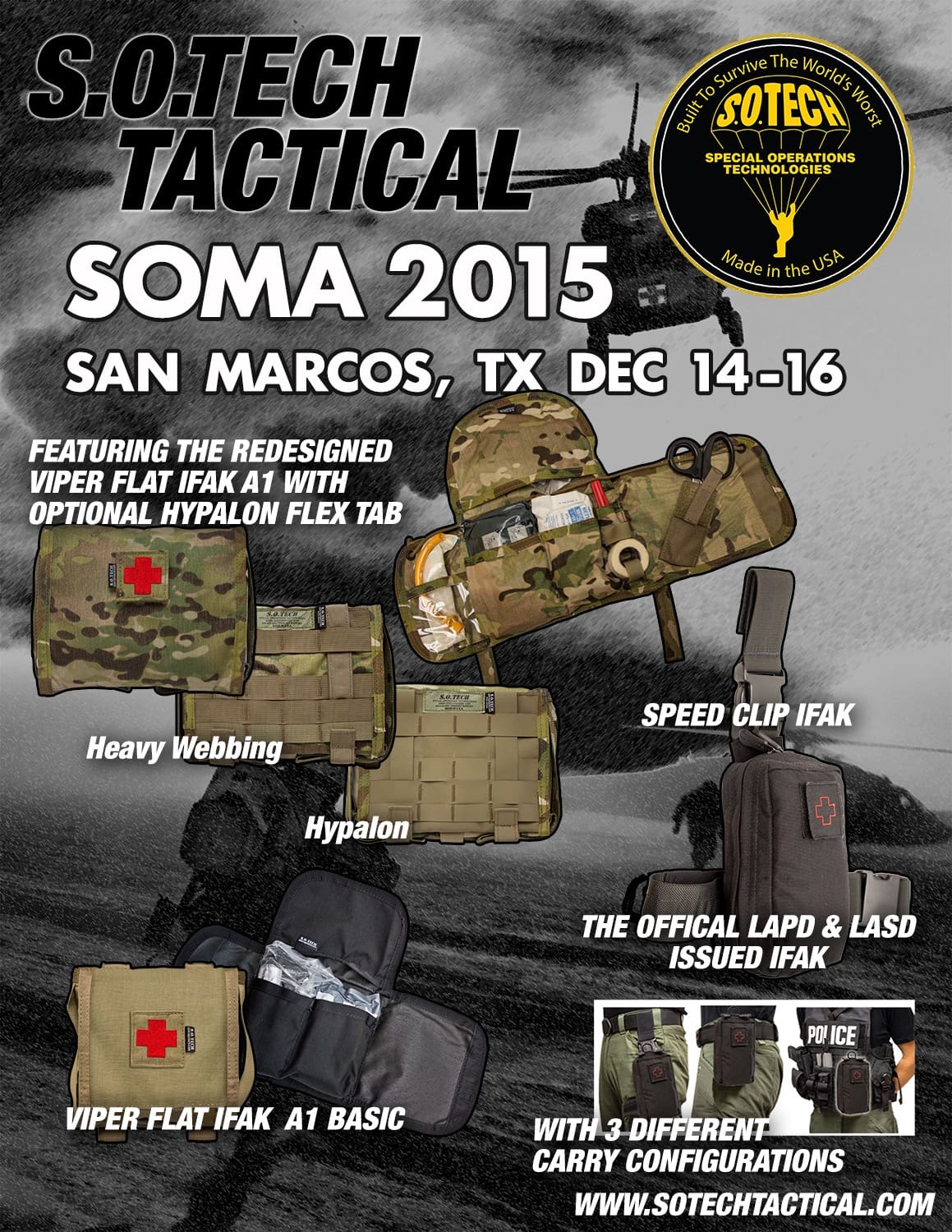
SOTECH will be debuting new versions of its Viper Flat IFAK with new belt configurations and a Hypalon version. The popular lower back sleeve IFAK carrier has been adopted by US SOF units and international SOF units, as well as a federal law enforcement agency. SOTECH will also display the Speed Clip Patrol Officer IFAK and Patrol Speed Clip Belt Tourniquet Carrier that was just selected as standard issue to LA Sheriffs Department. SOTECH will display its SOF Medical Equipment Set, the official issue medical nylon gear for Special Forces Medics (18D). SOMA will take place in San Marcos, Texas on December 15 and 16 this year.

Harrisonburg, Virginia, December 4, 2015 – TSSi is pleased to announce the release of its newest
TACOPS product, the Rolling Mass Casualty Kit.
Close to a decade ago, TSSi provided our U.S. military forces with the first viable combat Mass Casualty Response Kit designed to provide emergency trauma treatment for 16-20 service members subjected to life-threatening injuries. It also included litter movement for six persons. This was closely followed by our Mass Casualty Incident Response Kit, which was specifically intended for civilian use. Both kit versions are currently pre-propositioned within the Department of Defense, in universities and throughout major cities with emergency responders and in locations where large groups of people gather.
Offering the first Rolling Mass Casualty Kit configured inside of a rolling duffle, TSSi once again exemplifies our motto of ‘Innovation, Not Imitation.’
The Rolling Mass Casualty Kit features shoulder straps for ease of movement on stairways and includes sufficient emergency medical components to treat more than 30 casualties having life threatening injuries. Like its predecessors, the new kit continues to provide litter transport for six persons.
For more information about the Rolling Mass Casualty Kit or TSSi’s capabilities, contact a Sales Representative at sales@tssi-ops.com or toll-free 877 535-8774.
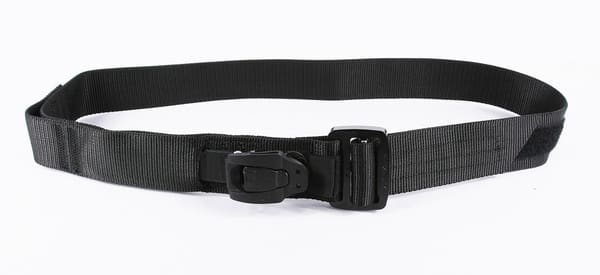
RevMedx’s Parabelt is an everyday utility belt with an integrated ratchet tourniquet. It is constructed of MilSpec materials and components, and includes a thumb loop that doubles as a bite strap for single-hand operation.
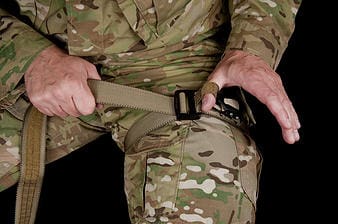
Available in Black and Tan.
Quebec, November 23, 2015 – B-TEMIA Inc., the market leader in human augmentation, today announced that it has initiated a multi-centre pivotal clinical trial, aimed at demonstrating the superior clinical benefits and safety for home use of its powered assistive DemoskeletonTM technology, called Keeogo, for patients suffering from reduced mobility due to their medical conditions. Led by Principal Investigator, Dr. Chris A. McGibbon, PhD, from the University of New Brunswick’s, Faculty of Kinesiology and Institute of Biomedical Engineering, the study is expected to generate the required data to support the submission of a 510(k) pre-market notification to the U.S. Food and Drug Administration in 2016, a prerequisite to start commercialization in the United States.
“This is the first international clinical trial involving the DermoskeletonTM technology that aims at demonstrating the efficacy and safety of Keeogo™ during everyday community and home mobility use, something that has not been possible in the past with other exoskeleton technologies that were developed principally for use in a clinical rehabilitation setting,” stated Dr. Chris A. McGibbon.
As part of the trial, B-TEMIA has partnered with three of the most reputable rehabilitation institutions in North America: the Rehabilitation Institute of Chicago, the Spaulding Rehabilitation Hospital Boston, and the Toronto Rehabilitation Institute–UHN.
“This pivotal clinical trial will be key in supporting the commercial launch of KeeogoTM in the U.S. market. Based on earlier very positive pilot studies, we are confident that it will demonstrate how Keeogo™ could significantly improve the daily activities of those who suffer from disabilities that impact their mobility,” said Mr. Stéphane Bédard, President & CEO of B-TEMIA.
Just last week I was discussing AFRL’s BATMAN effort with some colleagues. Let’s hope this latest project sees a transition from lab to the field.
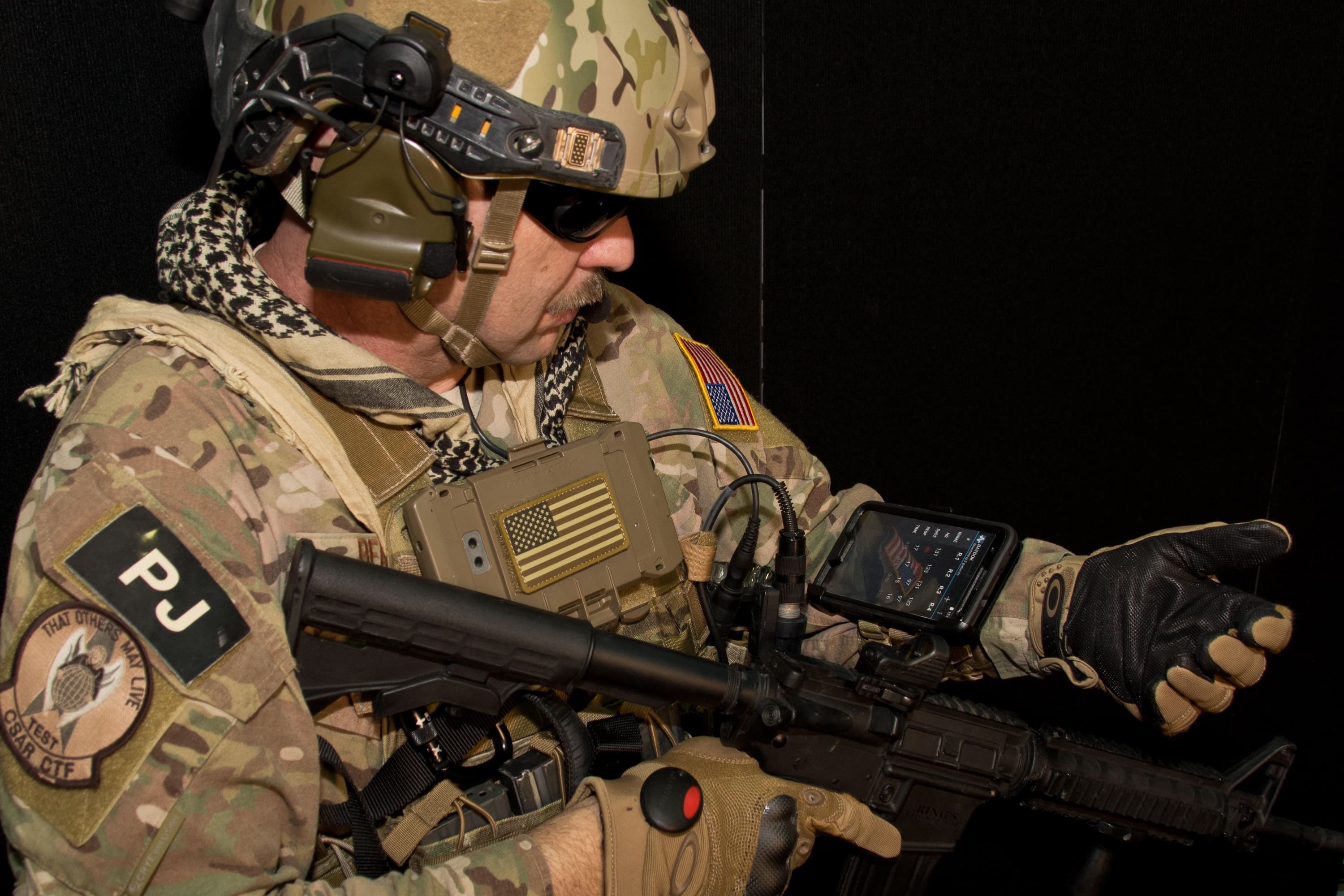
FALLS CHURCH, Va. (AFNS) — Imagine a future battlefield where an Air Force pararescue jumper treats seven wounded service members at once. He places sensors on their chests, arms and fingers, which immediately feed vital signs to a small wireless computer, no bigger than a cell phone, on his forearm.
As he checks out the fifth person, his computer vibrates. He looks at the computer screen: the second person’s heart rate is dropping. The pararescueman moves back to the second person and performs chest compressions, saving their life.
That future is not far off. Engineers with the 711th Human Performance Wing from the Human Effectiveness Directorate at Wright-Patterson Air Force Base, Ohio, are working on exactly this kind of wearable technology to assist medics in the field.
It’s called BATDOK (Battlefield Airmen Trauma Distributed Observation Kit), and it is part of a larger advanced technology demonstration program known as BATMAN (Battlefield Air Targeting Man-Aided Knowledge), which focuses on adapting technologies to dismounted Airmen.
“Currently PJs treat patients one-to-one,” said Dr. Gregory Burnett, the program’s chief engineer. “Now we can have one PJ treat and monitor multiple patients simultaneously.”
BATDOK runs on a smartphone but can transfer to any variety of devices. “If a PJ wanted to run it in the field, he could use it on a smartphone,” Burnett said, “or he could use it on a 10-inch tablet in a helicopter.”
BATDOK includes wrist and chest mounts to make access to the device easier, although some PJs simply prefer keeping the device in their pocket.
Wireless sensors placed on the patient send aggregated vitals to the computer screen, providing PJs the ability to make emergency medical decisions. Like a cellphone, the device can be set for three kinds of alerts: auditory, tactical or visual. The alerts notify the PJ not only to which patient is in danger, but also to his or her vitals.
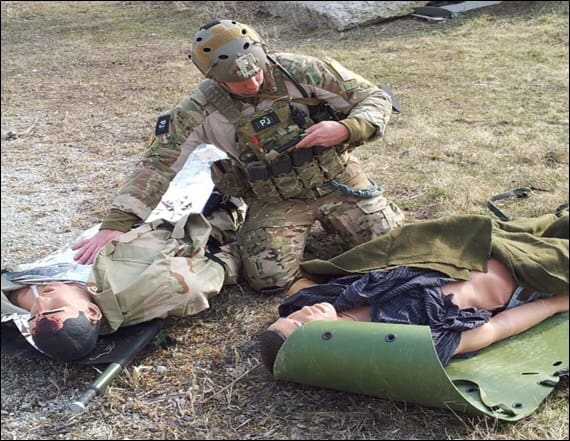
To develop this technology, the BATMAN research team worked very closely with PJs to identify what critical information the operators needed so the team could develop the most intuitive and effective interface.
Burnett explained that there are three phases to the team’s work: interface, innovate and integrate. Through direct interaction with the operators, the team innovated a solution, and integrated it to the PJs’ equipment and mission needs.
BATDOK does not just help during critical care. It keeps a record of all its patients’ vitals and other information. After a mission, a PJ could retrieve the data for a patient care report.
“All those key medical care procedures are logged for better documentation of care,” Burnett said.
It is also adaptable for improved technology. “We use FDA approved sensors,” said 1st Lt. Max Gabreski, a software engineer on the BATMAN team, “but if a new sensor becomes available, we find a way to quickly integrate the sensor into our system.”
BATDOK could also be used on humanitarian missions, where a commander monitors a team entering an earthquake- or tsunami-ravaged area. “It could accommodate not just the military, but civilian needs,” Burnett added.
Presently, BATDOK is being tested by Air Force Special Operations Command and Air Combat Command, and will be brought to decision boards soon. It is also being used in training scenarios at strategic locations around the United States.
“It’s getting a lot of attention from the pararescue community,” Burnett said. “It’s a really effective system, capable of improving patient survivability not just in the Air Force, but the DOD and the civilians that it cares for.”
The story originates at www.af.mil/News.