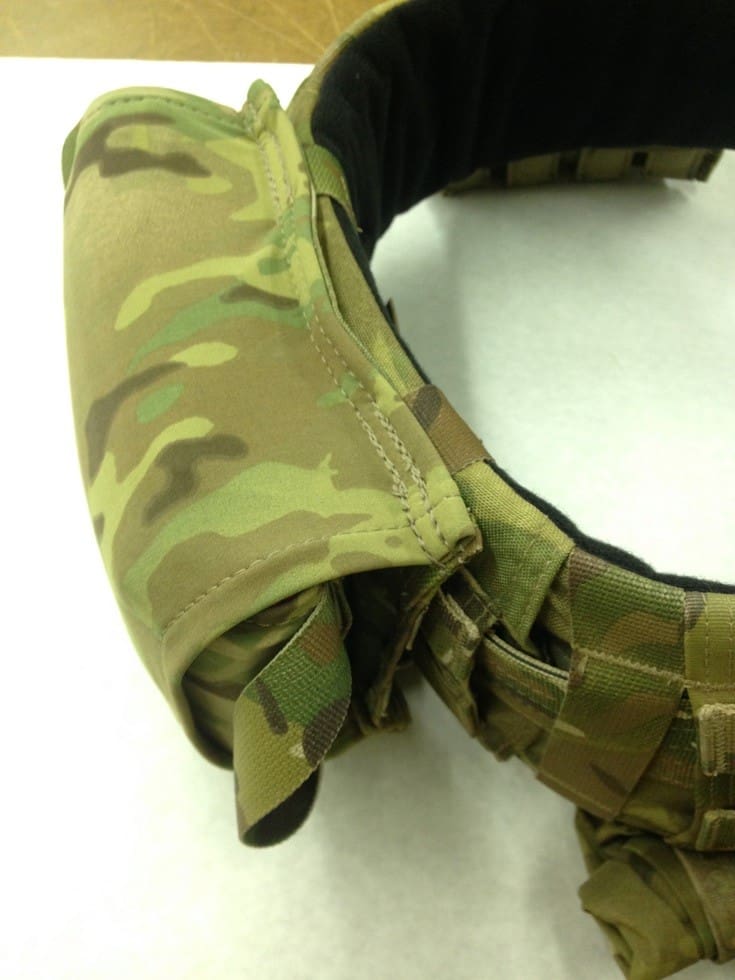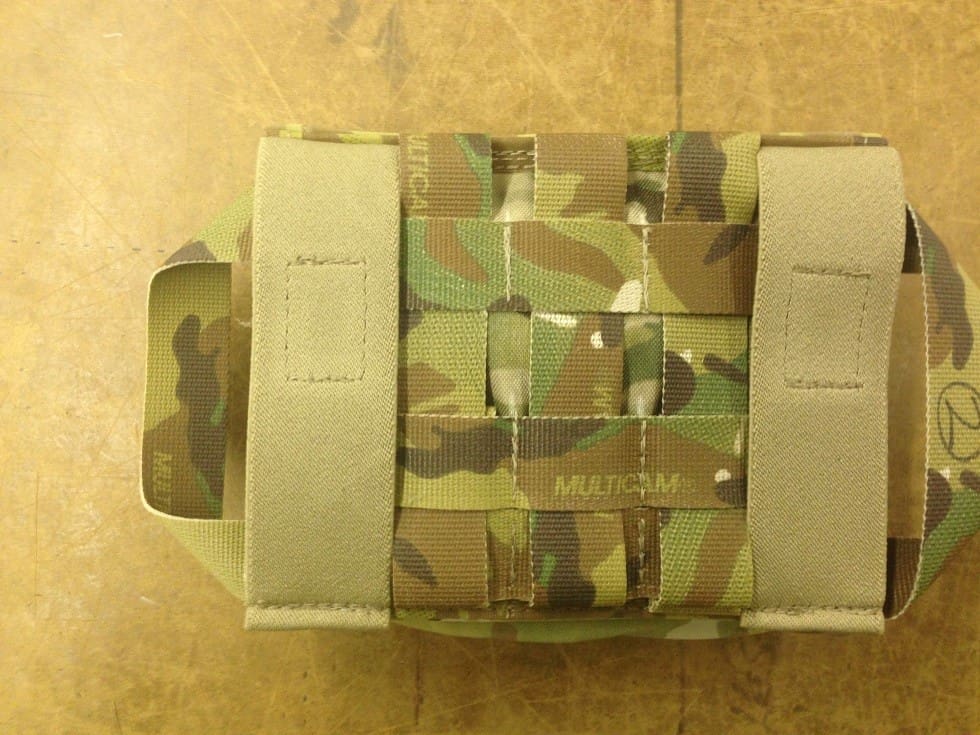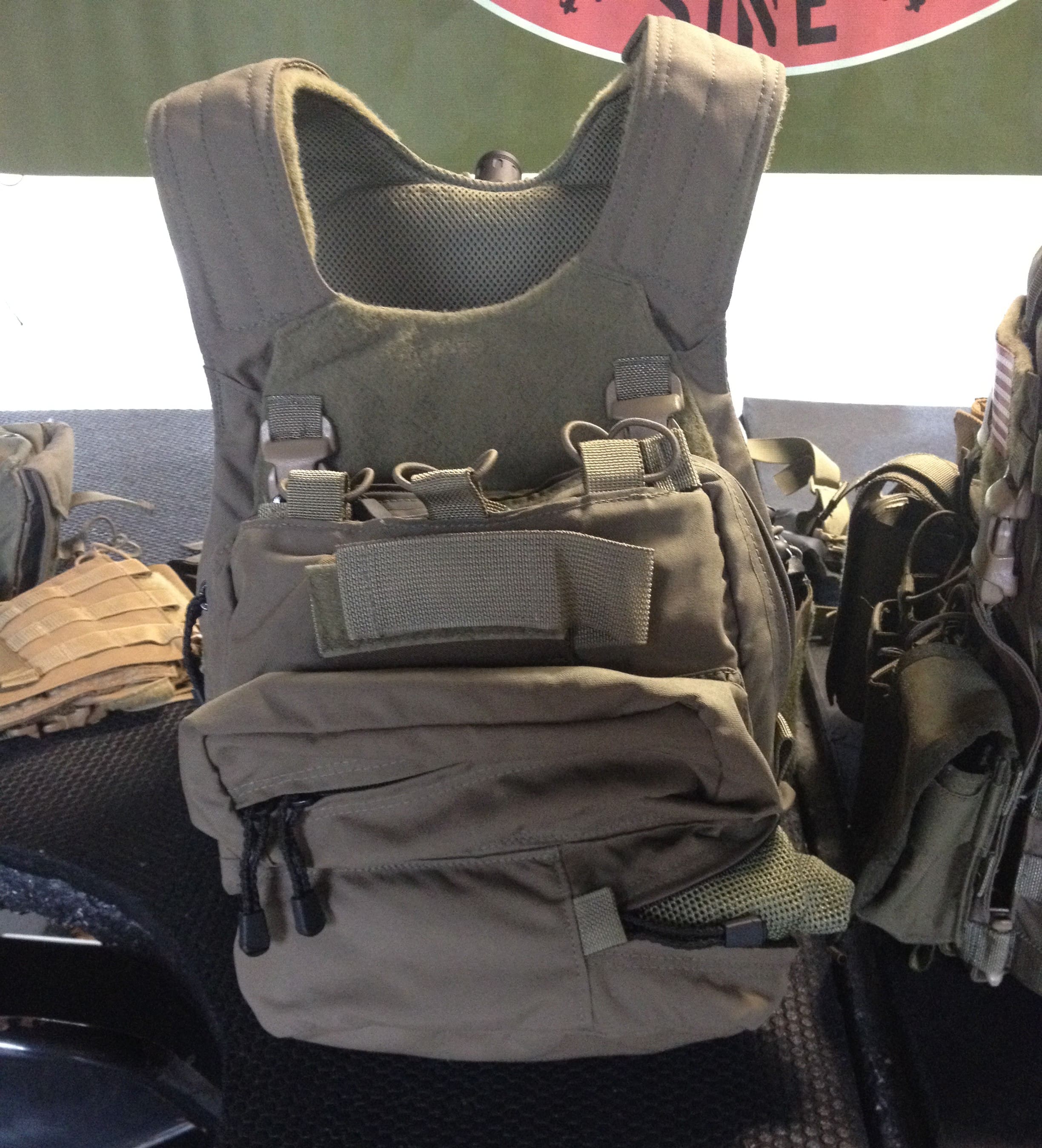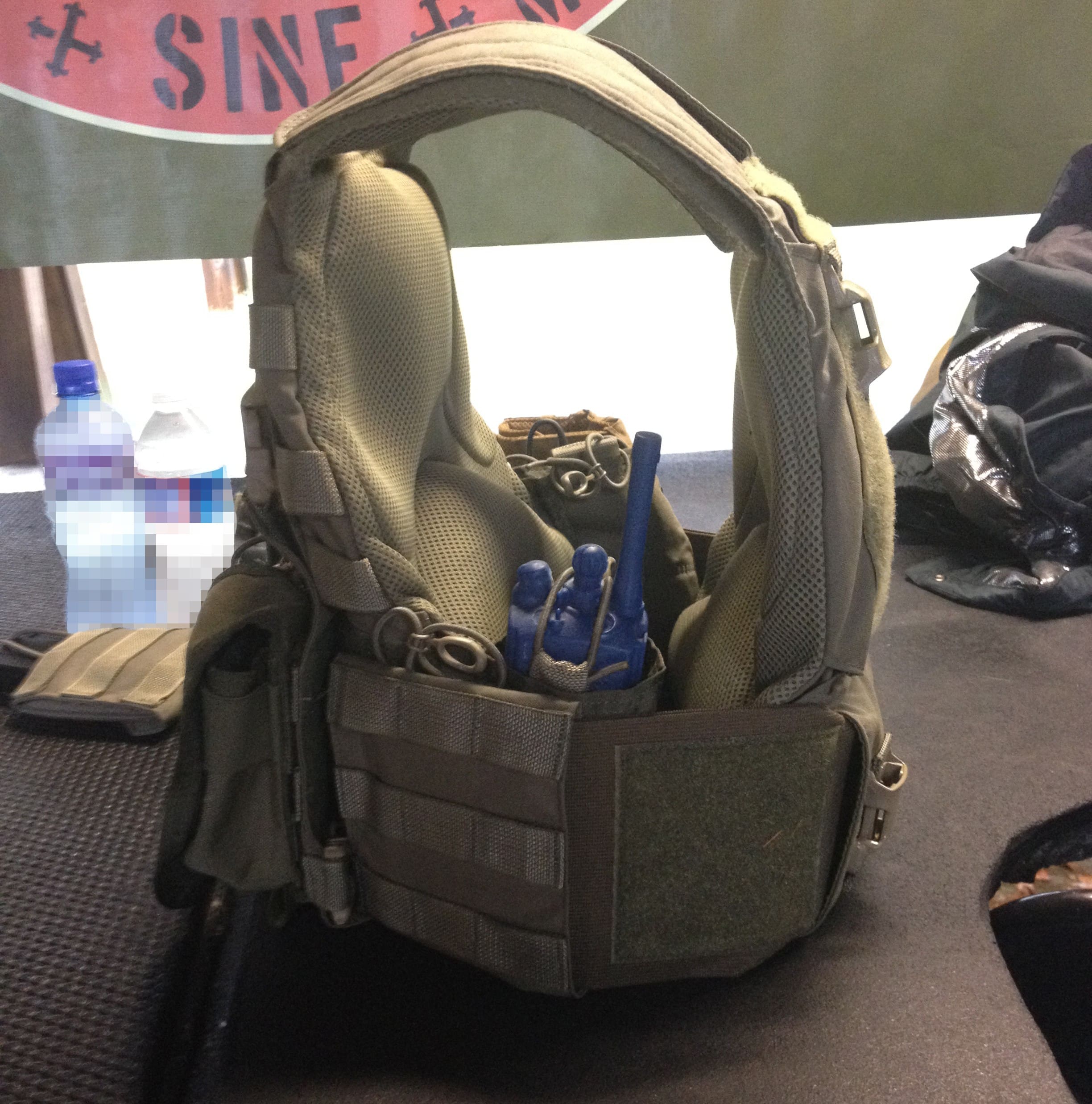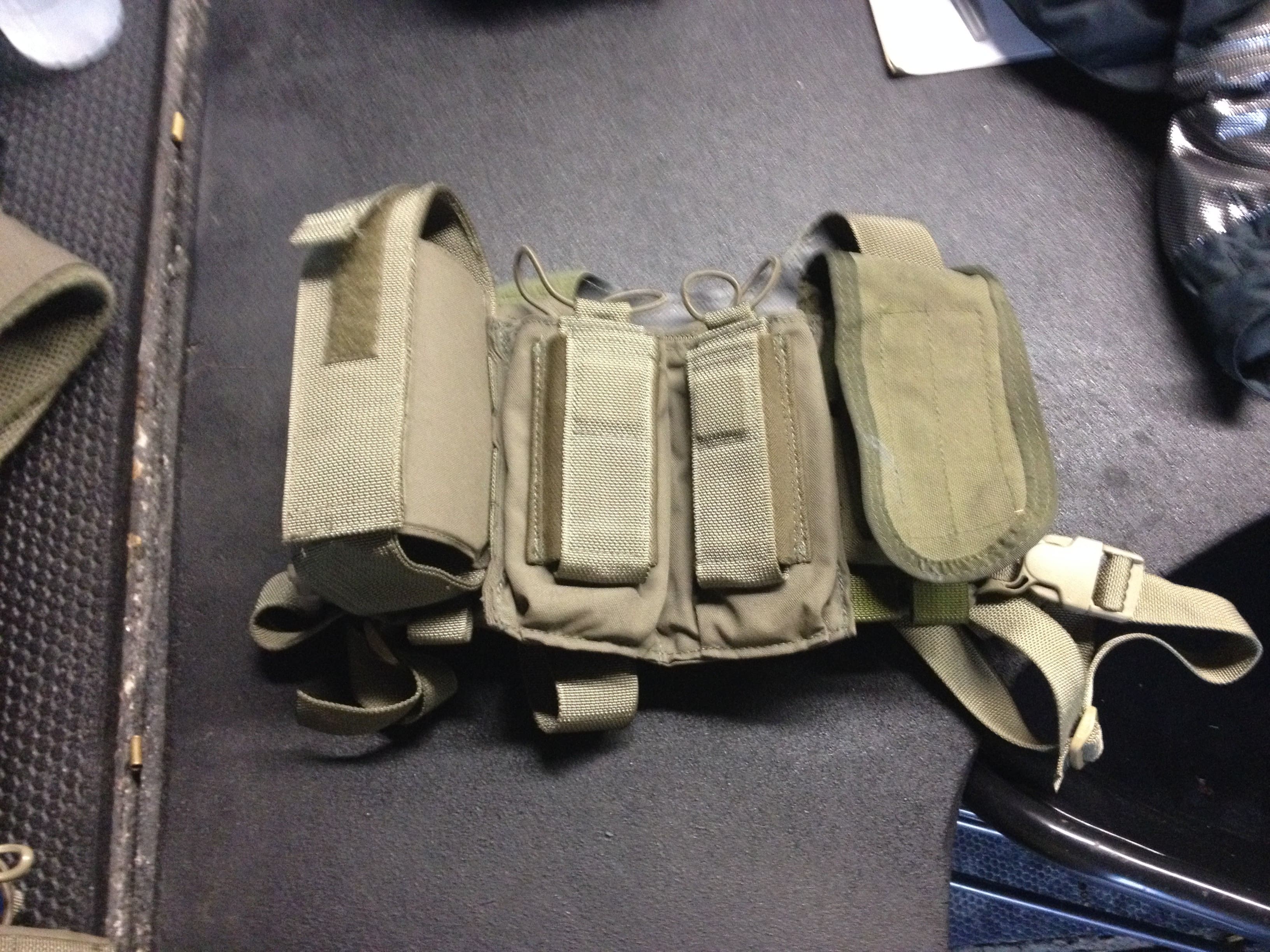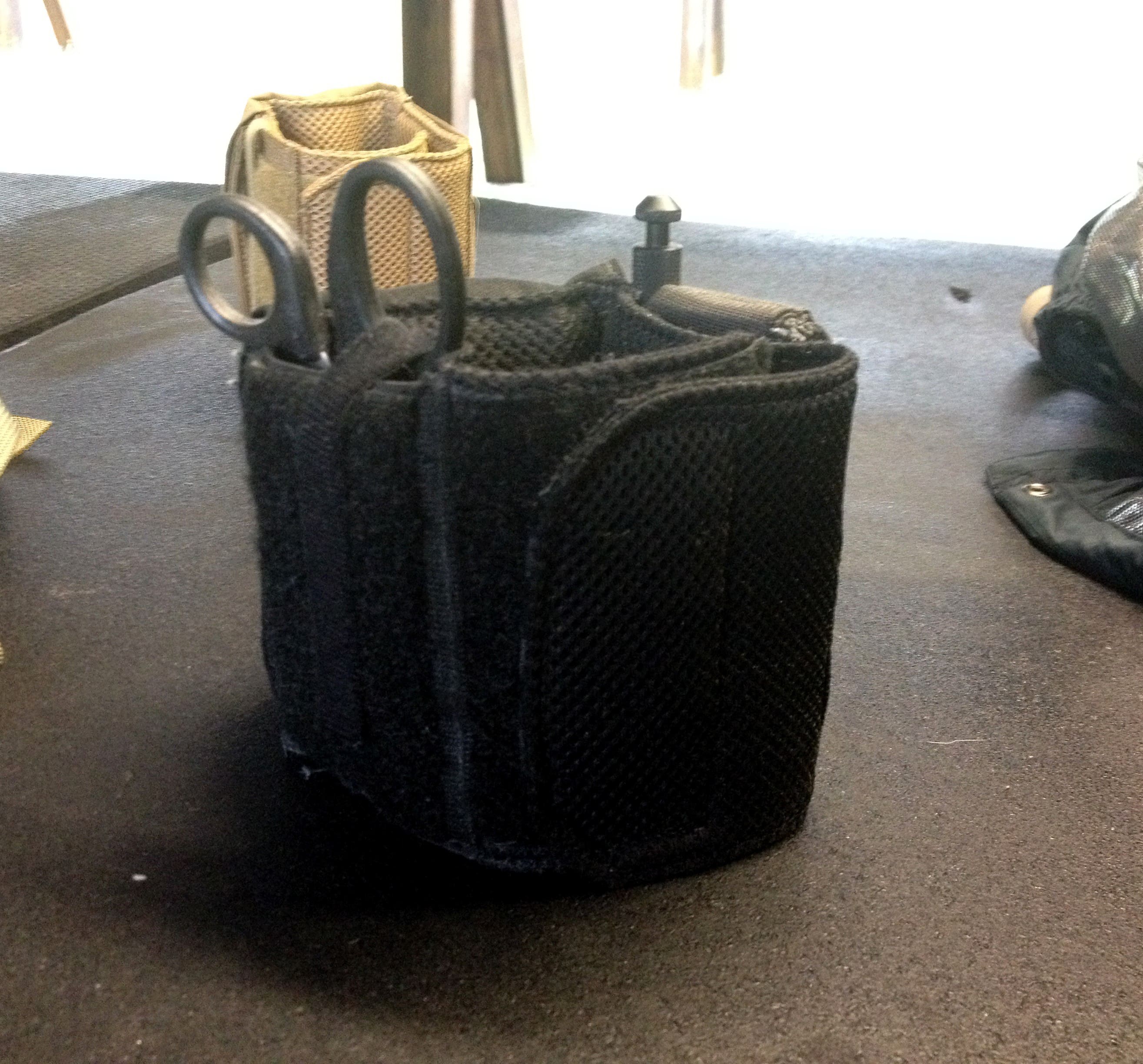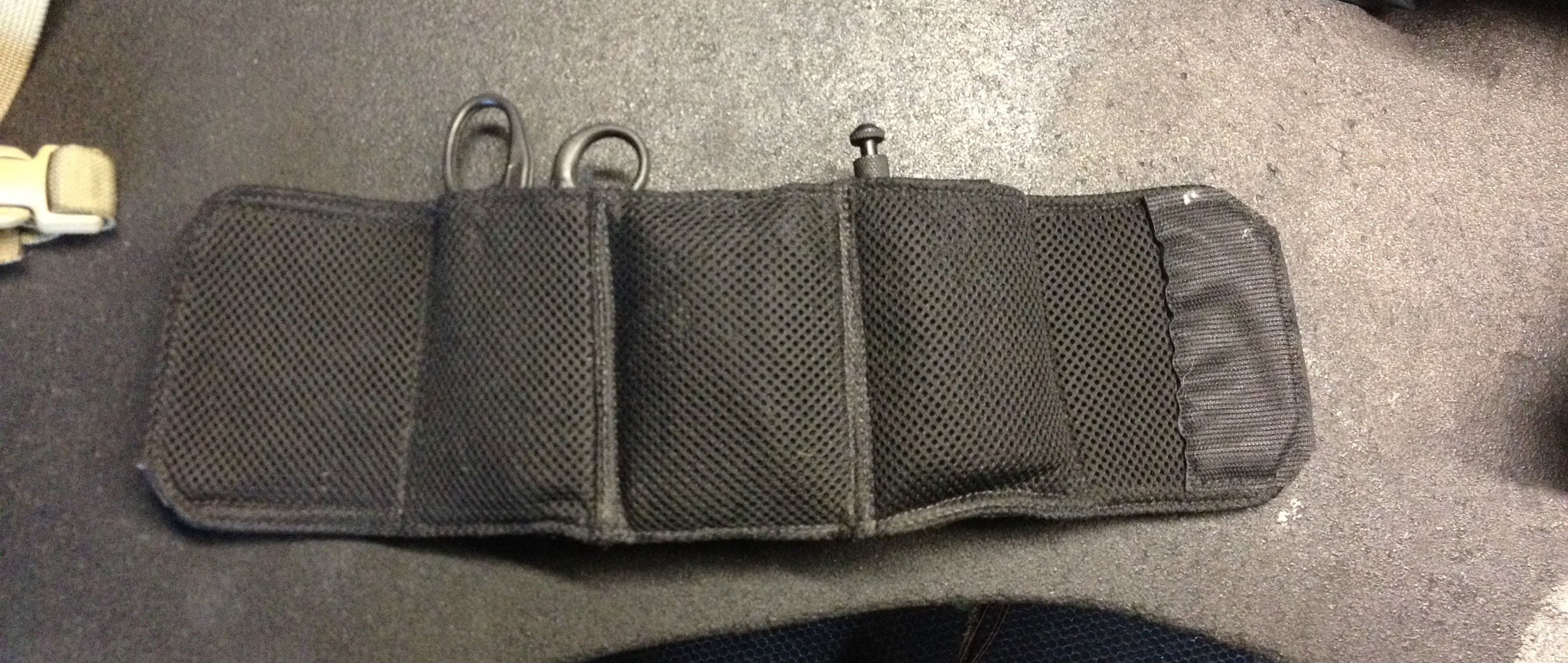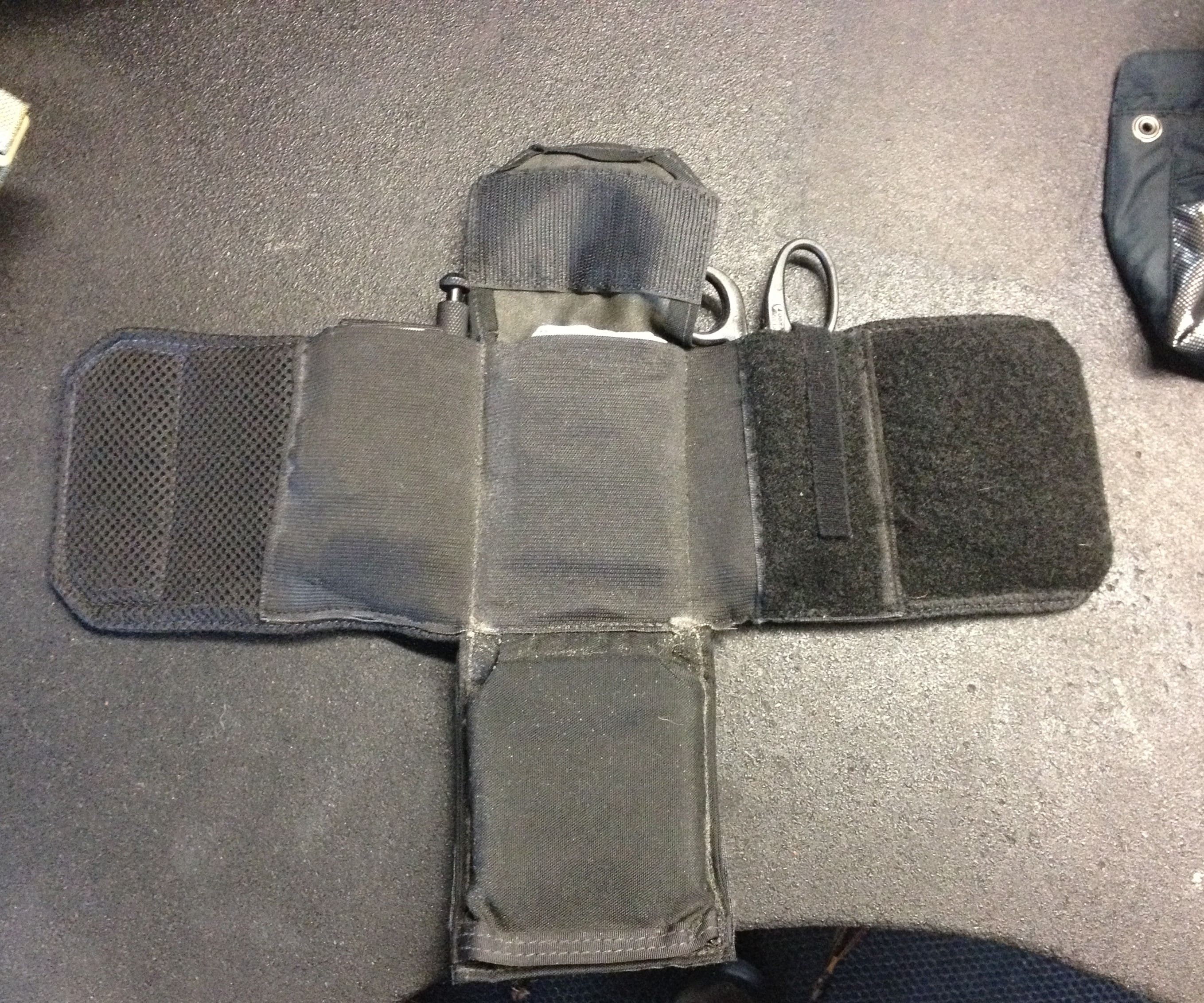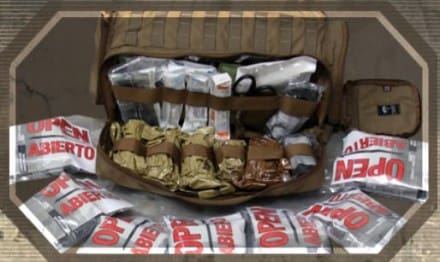
Tactical Medical Solutions’ Active Shooter Response Kit allows individuals responding to active shooter situations to render aid and initiate evacuation of multiple causalities without slowing down an assault or clearing process of a structure or incident area.
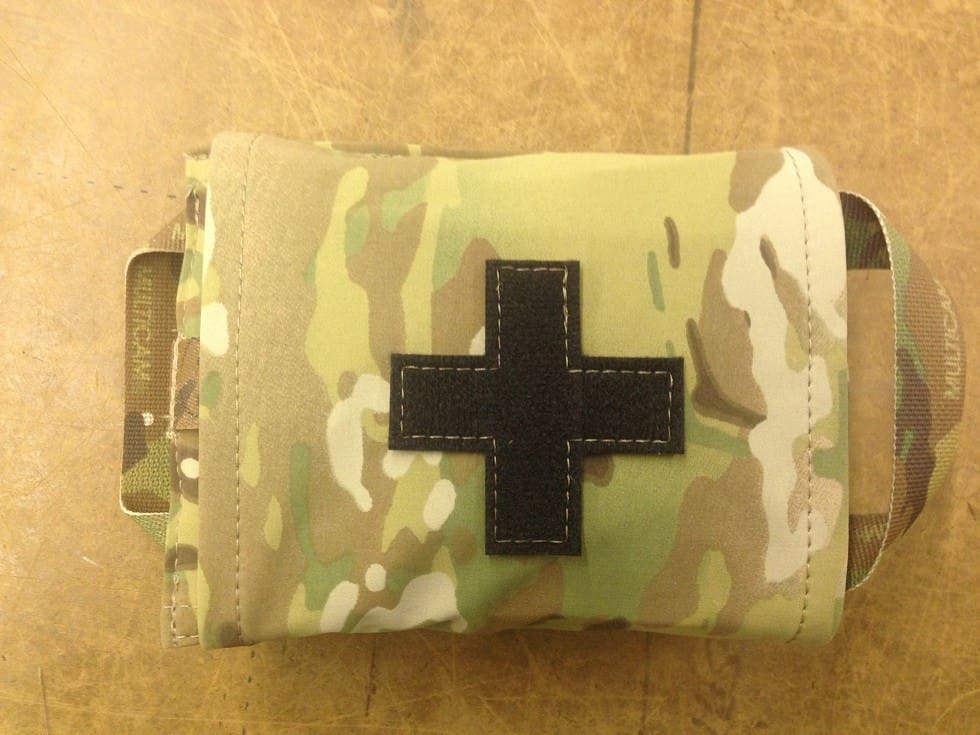
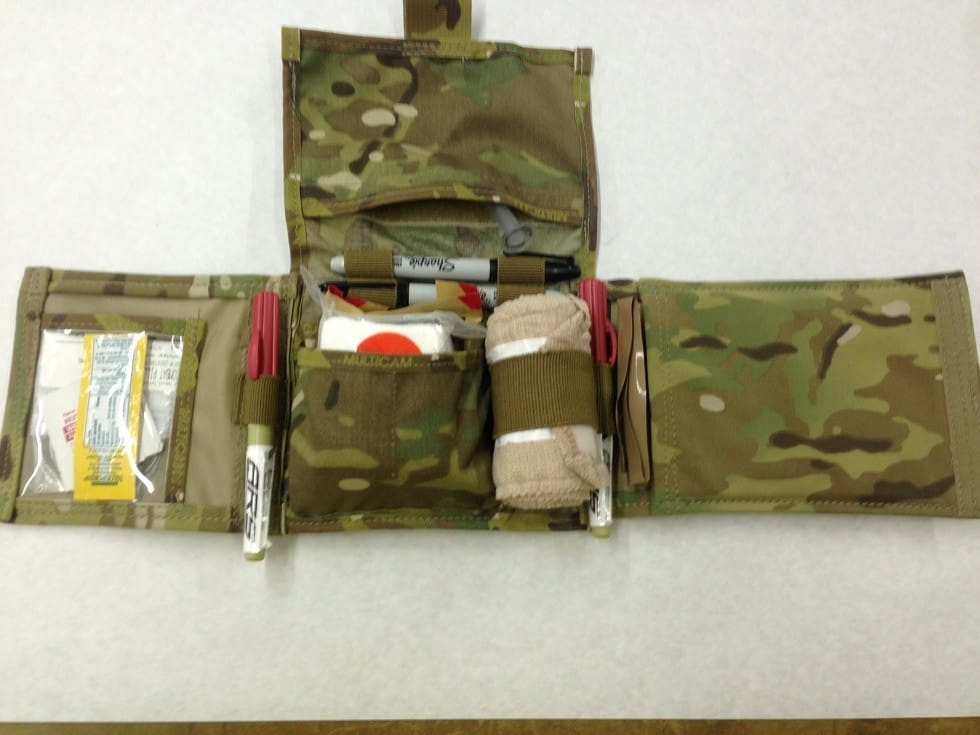
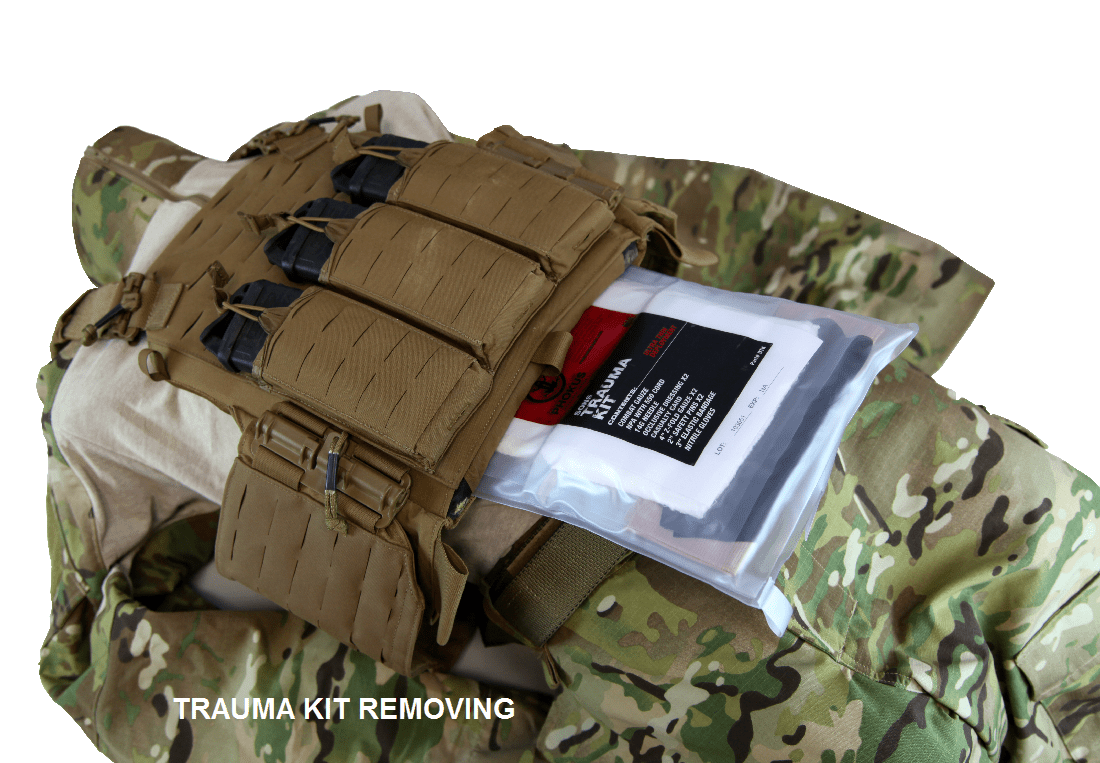
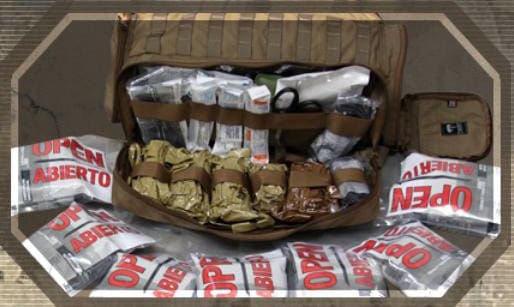
Contained within the bag are ARK casualty throw kits. These are individually packaged med kits designed to be rapidly distributed to and utilized by uninjured individuals on scene. They contain basic treatment material and simple bi-lingual instruction for providing initial treatment for causalities until a rescue effort arrives. A casualty marker contained within the kit allows responders to quickly identify the injured for treatment.
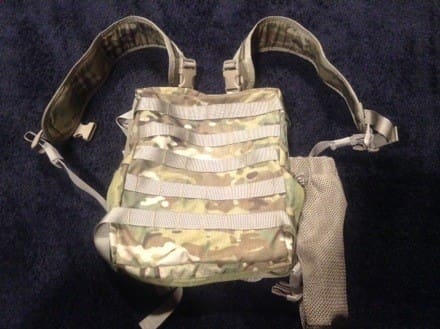
The bag is not dedicated solely to basic aid, however. Multiple storage compartments allow medics moving with the clearing element not only to distribute throw kits as needed but also to maintain more advanced equipment for treatment of teammates if necessary.
The ARK contains:
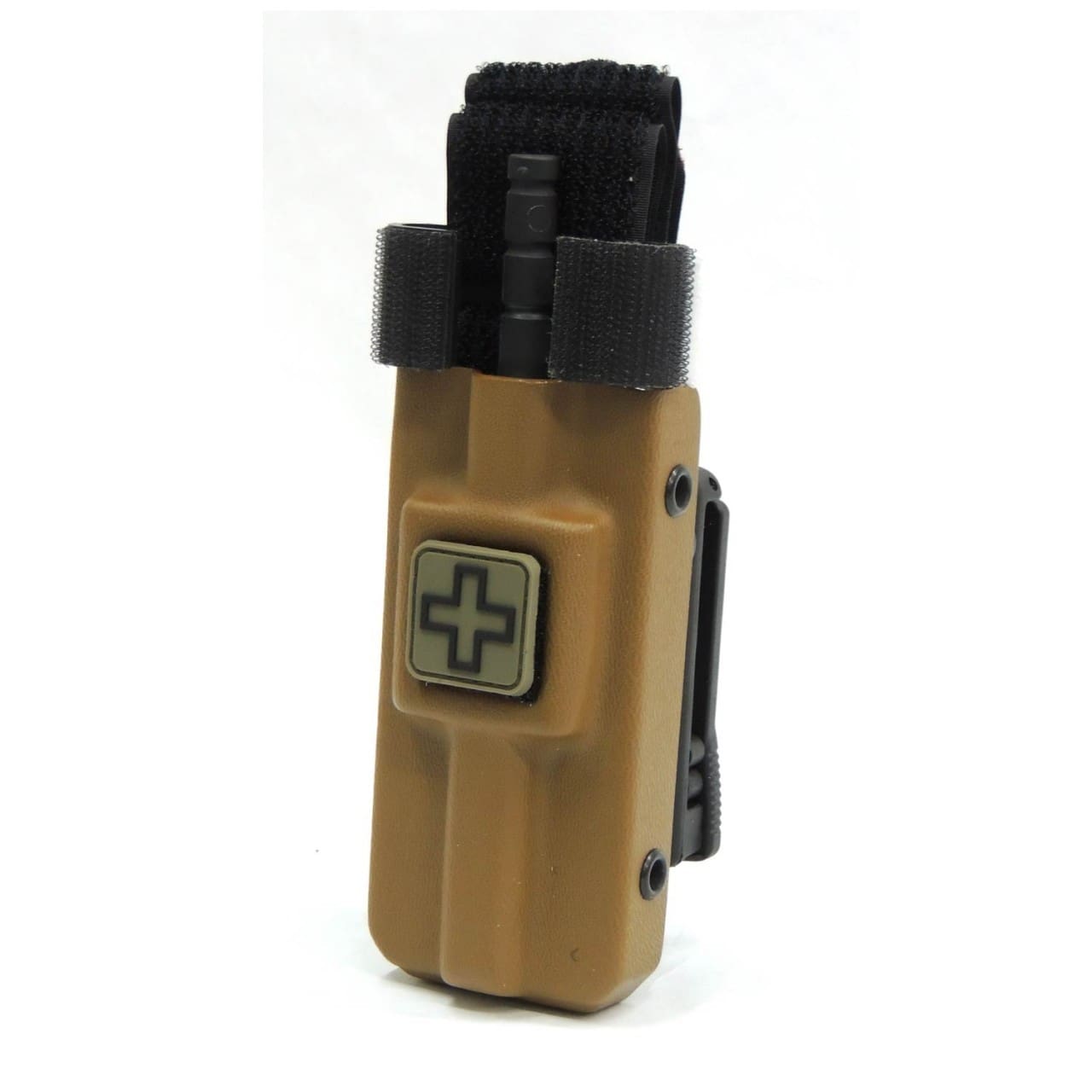
– 2x SOF Tactical Tourniquet-W
– 2x Olaes 4” bandage
– 2x Olaes 6” bandage
– 1x Blast bandage
– 7x Cravat
– 2x Splint
– 2x 28F NPA with lube
– 1x Tac Med Surgical Airway Kit with Hook
– 2x 14ga x 3.25” angiocath
– 2x Halo Chest seals (4 Halo Seals)
– 2x Petrolatum Gauze
– 2x 2” surgical tape
– 1x Trauma Shears 7.5”
– 5x Gloves (pairs)
– 1x Helios system with active warming x1
– 5x Tac Med Solutions Combat Casualty Tag x5
The ARK comes standard with 7 throw kits. Each contains:
– 1x SOF Tactical tourniquet-NH
– 1x Control wrap 4”
– 1x Crinkle gauze
– 1x Emergency blanket
– 1x Bi-lingual instruction card
– 1x Casualty marker panel
The ARK kit is available fully stocked or as a stand alone bag. It comes in ACU, Black, Coyote Tan, and MultiCam.
www.tacmedsolutions.com/store/Products_Detail.php?ProductID=121