XC3 Weaponlight

Archive for the ‘Helmets’ Category

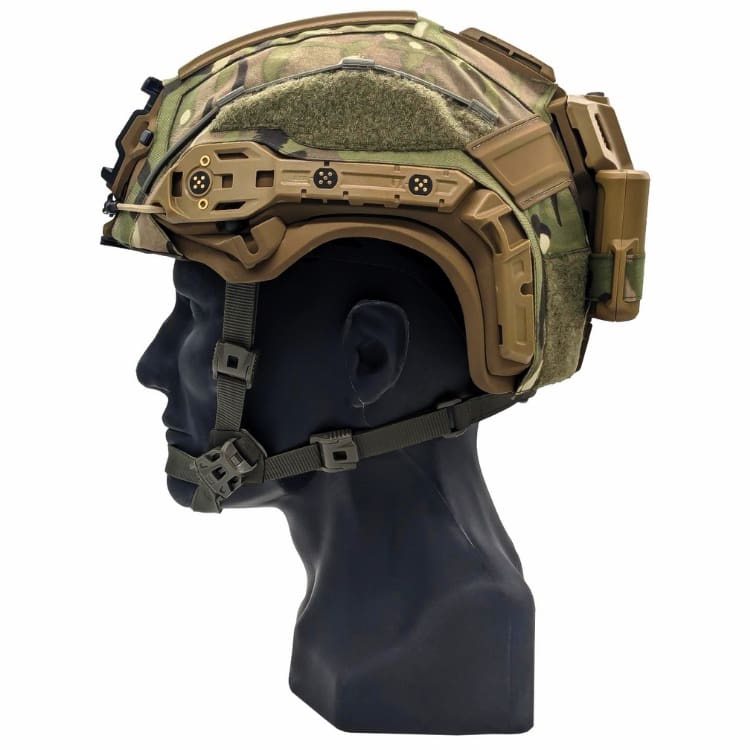
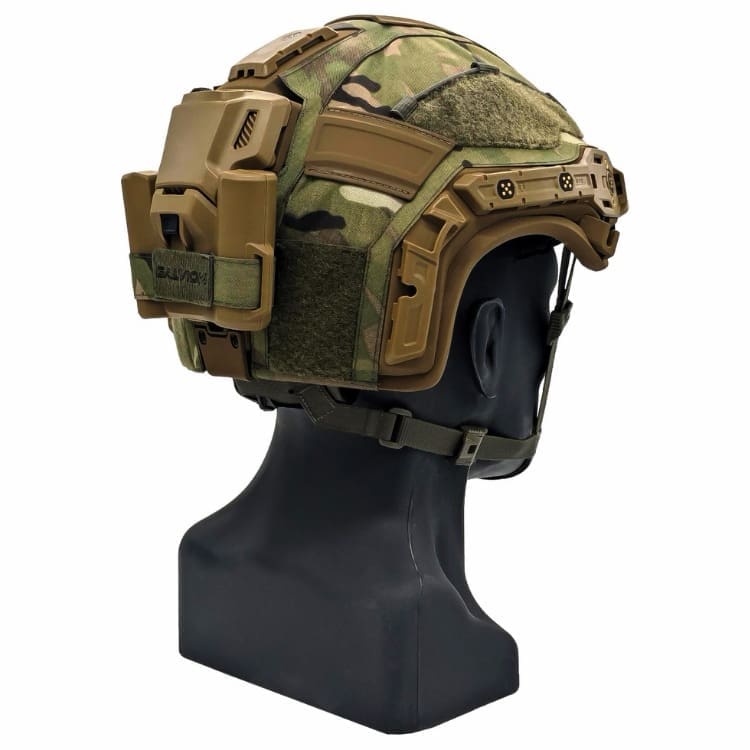
Adept Armor Launches the Nova Titanium Combat Helmet: A True Metal Ballistic Helmet at Composite-Helmet Weight

Tuesday, July 7th, 2026

The titanium evolution of the NovaSteel™ platform delivers rated 9mm protection at 920 grams all-in, low backface deformation, edge-to-edge coverage, and an indefinite shelf life at roughly a quarter the price of premium polyethylene helmets.

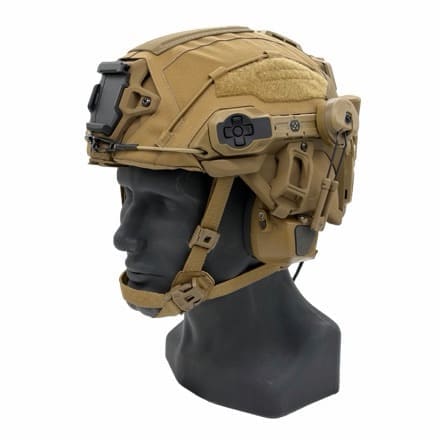
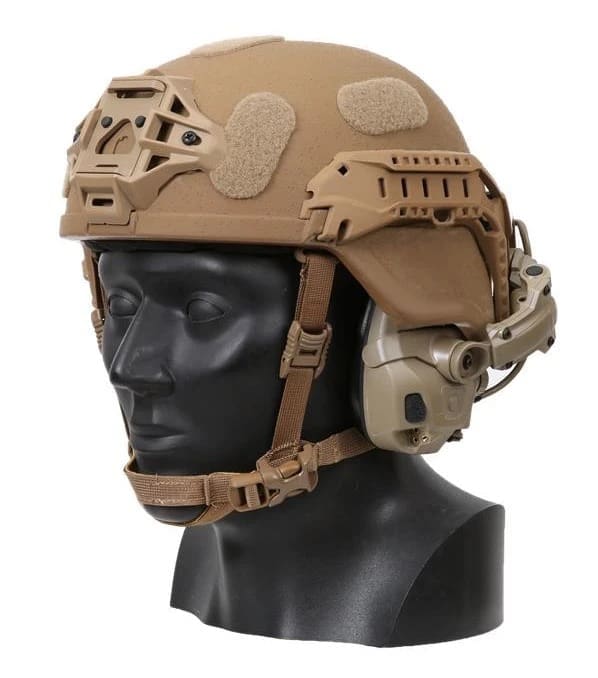
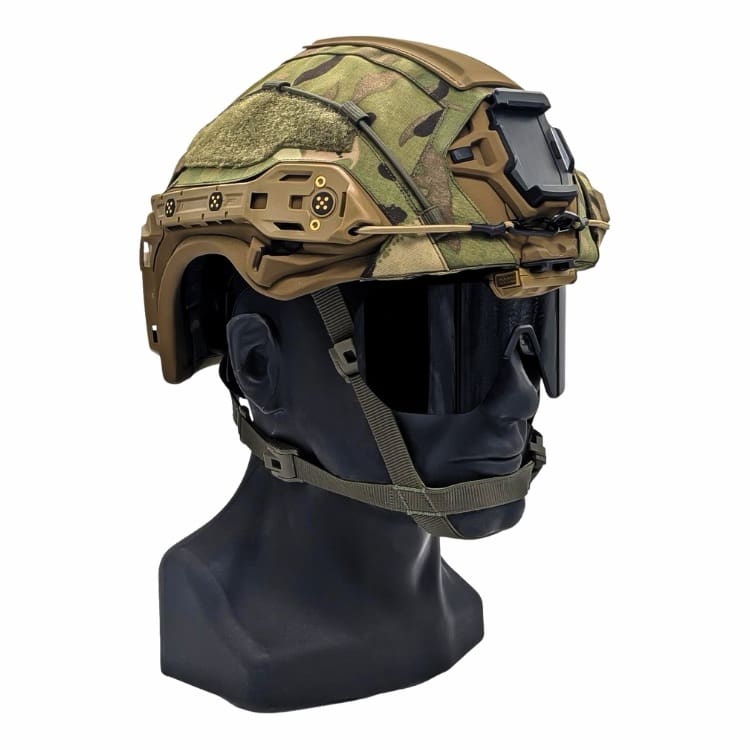
Denison, TX. (July 2026)Adept Armor, pioneers in next-gen protective solutions, today announce the launch of the Nova Titanium™ Combat Helmet, a high-cut ballistic helmet drawn from a single continuous shell of the company’s proprietary 260LC™ toughened titanium. At 920 grams (2.0 lbs.) all-in in size L/XL (shell, pads, retention, and standard hardware included), Nova Titanium delivers the protection and durability of a metal helmet at a weight previously reserved for premium composite helmets, and within an ounce of a non-ballistic bump helmet.

The launch marks a deliberate challenge to the premium polyethylene (PE) helmet category, which has defined lightweight ballistic head protection for the better part of a decade. Adept’s argument is direct: a formed titanium shell can match the weight of the lightest elite PE helmets while beating them on backface deformation, damage tolerance, environmental durability, and service life at a fraction of the price. Nova Titanium is the titanium evolution of Adept’s established NovaSteel™ metal-helmet line and is fully compatible with the entire NovaSteel accessory ecosystem.

The core achievement is weight. A metal ballistic helmet has historically meant a heavy one. 260LC, Adept’s proprietary titanium armor alloy, was engineered to combine two properties that normally pull against each other, helmet-scale formability and ballistic toughness, allowing a continuous combat-profile shell to be drawn from solid titanium with no resin matrix holding the ballistic structure together.

At 920 grams all-in (L/XL), Nova Titanium sits at or below the published complete-system weights of the lightest premium PE helmets, including the Team Wendy EXFIL Ballistic SL (1.01–1.05 kg), Ops-Core FAST SF (1.06 kg), MTEK FLUX Ballistic (1.0 kg), and Galvion Caiman Ballistic (1.13–1.23 kg), and within roughly 30 grams (one ounce) of the non-ballistic Ops-Core FAST Bump XL. In short: near-bump-helmet weight, with real rated 9mm protection, at the weight of helmets costing three to four times as much. The helmet ships in M and L/XL in a high-cut profile sized to clear modern hearing protection.

Nova Titanium is rated to stop 9mm FMJ at 400 m/s, or 1,312 ft/s, with low backface deformation. NIJ 0106.01, the only NIJ standard written specifically for ballistic helmets, contains no “Level IIIA”; helmets marketed as “NIJ IIIA” generally borrow terminology from body armor standards or material-level test conventions. In practice, most premium PE helmets publish their actual 9mm data at 364–365 m/s (1,195 ft/s) under modified military protocols, sometimes with relaxed deformation allowances of up to 29mm. Nova Titanium’s 400 m/s rating is roughly 10 percent higher in velocity and about 21 percent higher in projectile energy than that published test point, with BFD usually in the single digits.

Because the shell is solid metal, not a resin stack, Nova Titanium offers continuous protective coverage to the rim; no unprotected edge band, no composite-style weak zone where the ballistic material can fold over upon impact. Titanium does not delaminate: a strike may leave a visible mark, but it does not create an invisible laminate failure plane, so damage can be seen and evaluated in the field, and multi-hit durability holds up.

That same metal construction gives the shell an indefinite service life. Where premium composite helmets carry a five-year clock, resin ages, laminates can hide post-impact damage, and shells generally aren’t certified past five years, titanium does not rust, delaminate, or degrade under ordinary UV, solvents, sweat, rain, seawater, or temperature swings. Pads and soft goods are replaceable wear items; the shell endures for decades. For procurement buyers, that reframes the helmet as a total-cost-of-ownership decision rather than a recurring replacement line item.

Nova Titanium is built around the complete NovaSteel accessory ecosystem, so every module carries across the line: the Combat Circlet (NVG shroud and rails mounted through existing retention holes; no new holes drilled), the Ballistic Mandible and Gen 2 flip mandible and face shield sets, the helmet tail for nape protection, NVG shroud and rails, and a forthcoming blast liner. Accessories bought for a NovaSteel helmet transfer directly to Nova Titanium.

Where premium PE ballistic helmets typically retail for $1,400 to $2,100, Nova Titanium is $390, roughly a quarter to a fifth of premium PE pricing. Adept’s position is that the high cost of lightweight ballistic head protection has been a primary barrier keeping helmets off the heads of the officers and operators most likely to need them.

“For years, buyers have been handed a false choice,” said Jake Ganor, Founder of Adept Armor. “Either a light helmet that’s expensive, soft-shelled, and expires in five years, or a tough metal helmet that’s heavier than the most modern composite options. Nova Titanium refuses that trade: A true metal helmet, drawn from one continuous titanium shell, that weighs what the best composite helmets weigh, deforms less under a hit, covers edge to edge, and doesn’t carry a best-before date. This is by far the lightest metal helmet we’ve ever built, at a price that finally puts hard-shell head protection within the reach of the people.”

Nova Titanium arrives as law enforcement head protection is being rethought. The DEA-FBI Ballistic Helmet Protocol of 2024 reframed the police helmet as a complete system built around pistol-caliber threats, exposing the real barriers to wider adoption: weight, price, backface deformation, and service life. Nova Titanium is engineered to address all four at once and to serve military, tactical, and prepared-civilian users for whom the same trade-offs apply.

The Nova Titanium Combat Helmet is now available worldwide to commercial, law enforcement, military, and tactical buyers at http://www.ade.pt and through Adept Armor’s sales channels. An independent ballistic resistance test report is available on request.

Nova Titanium Combat Helmet Specifications:

Weight: 920 g (2.0 lbs.) all in, size L/XL

Shell Material: 260LC proprietary toughened titanium armor alloy

Ballistic Rating: 9mm FMJ at 400 m/s (1,312 ft/s), low backface deformation

Cut: High-cut, headset-compatible, accessory-ready

Coverage: Full edge-to-edge metal protection to the rim

Size: M and L/XL

Color: Black, Green, Raw Titanium

Service Life: Indefinite titanium shell service life; pads and soft goods replaceable

Compatibility: Full NovaSteel accessory ecosystem: Combat Circlet, ballistic mandible, Gen 2 flip mandible and face shield sets, helmet tail, NVG shroud, rails, and blast liner. Future titanium accessories forthcoming.

Price: $390/helmet

For more information on Adept Armor, visit its websiteor follow along on Instagram, Facebook, or YouTube.

Galvion Cortex EVO Update

Tuesday, July 7th, 2026

Fourteen years ago, Galvion was awarded its first helmet contract with NATO. Since then they have worked to improve the fit and function of their helmets as well as integrate communications and computing capabilities. The result is the second release in the Cortex ecosystem, EVO.

A year ago we showed you Galvion’s Cortex system, promising that eventually, it would move beyond an appliqué to become fully integrated into the helmet. With EVO, Galvion has delivered on that promise. 

Right up front it’s important to acknowledge that Galvion made it very clear to us, Cortex EVO isn’t a helmet, it’s a platform.

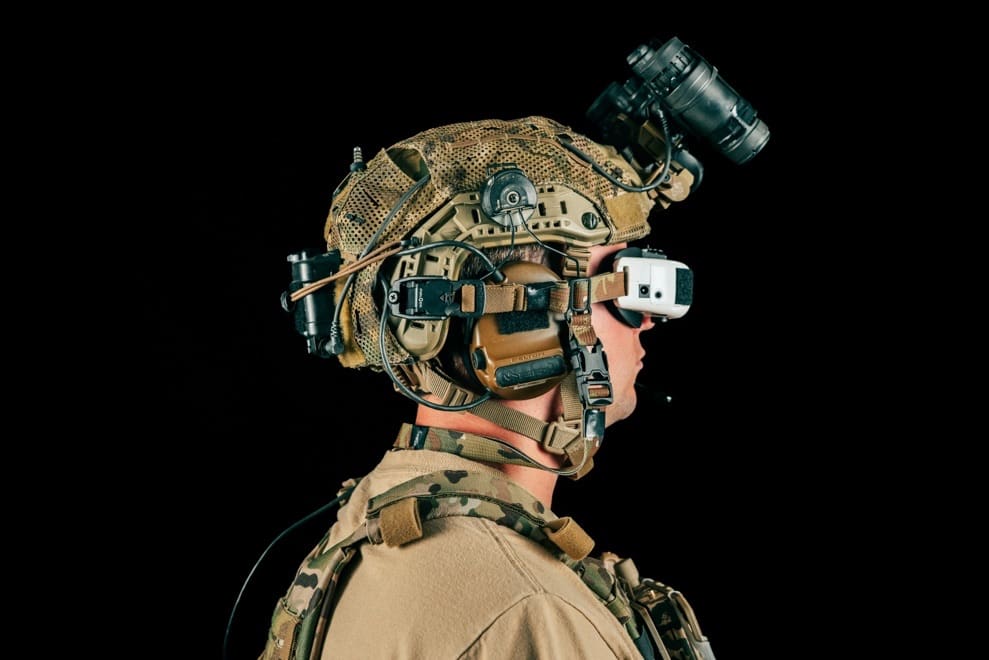
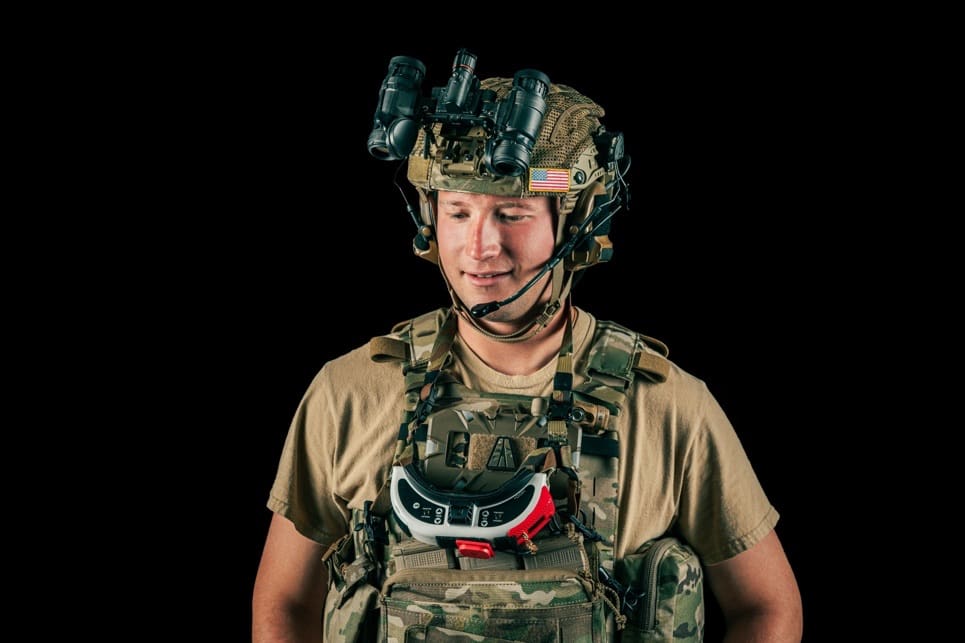
EVO offers full integration of enablers and is lightweight with a small form factor. Ultimately it could be described as “slick.” You don’t encounter a helmet covered in cables. Starting with a ballistic core and building outward, Cortex EVO integrates embedded power/data pathways and features an outer lightweight composite shell.

During the development of Cortex EVO, Galvion started with what most of us would consider the inside out. Essentially, Galvion embedded the capabilities developed for Cortex within the helmet. They refined their electro-optical / communications platform and then sandwiched it between the  ballistic inner and outer composite shell. This approach was based on operator feedback who were satisfied with each of the individual capabilities provided by modern headborne systems but were dissatisfied with the integration of them into a single platform.

Technically, they have taken Cortex to the next level. Not only is EVO the nexus of information for the operator but it also serves as a node in a larger network, connecting the eyes and ears to the system but also offerering onboard processing. Likewise it can share computational demands with the operator’s End User Device with the connection accomplished through a single cable lead.

As part of a “get your head out of your TAK” effort, Galvion has also rolled out AlertCentr, which interfaces with Tactical Awareness Kit and features configurable visual and audio cues so operators can react to alerts.

One interesting feature that the full headborne hemlet integration of EVO has afforded is that the computational module incorporates thermal signature management. The platform is also programmable and upgradable as additional capabilities are developed with plug and play capabilities for new enablers as they roll out.

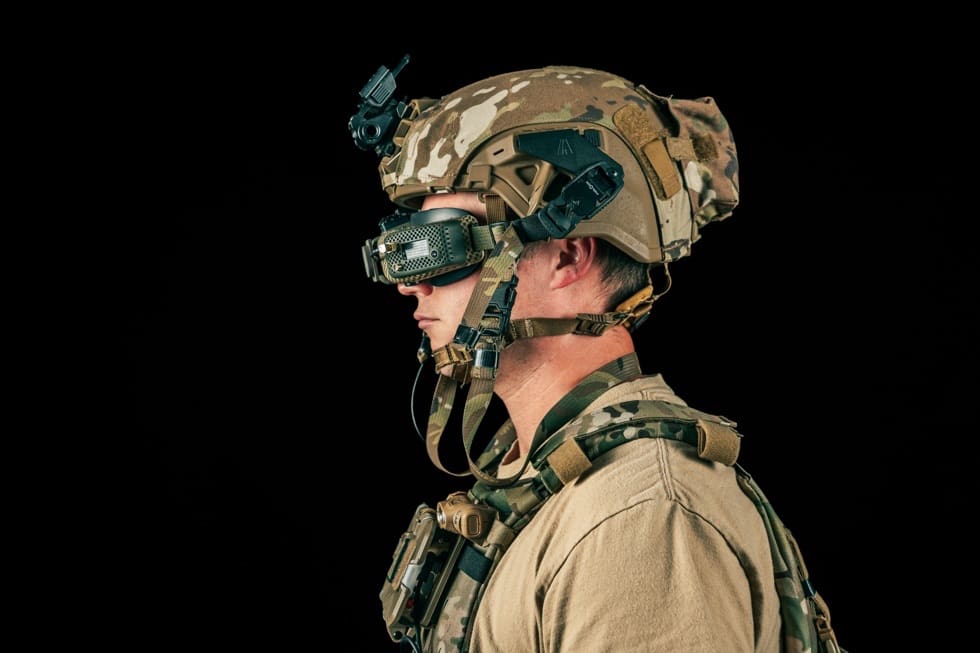
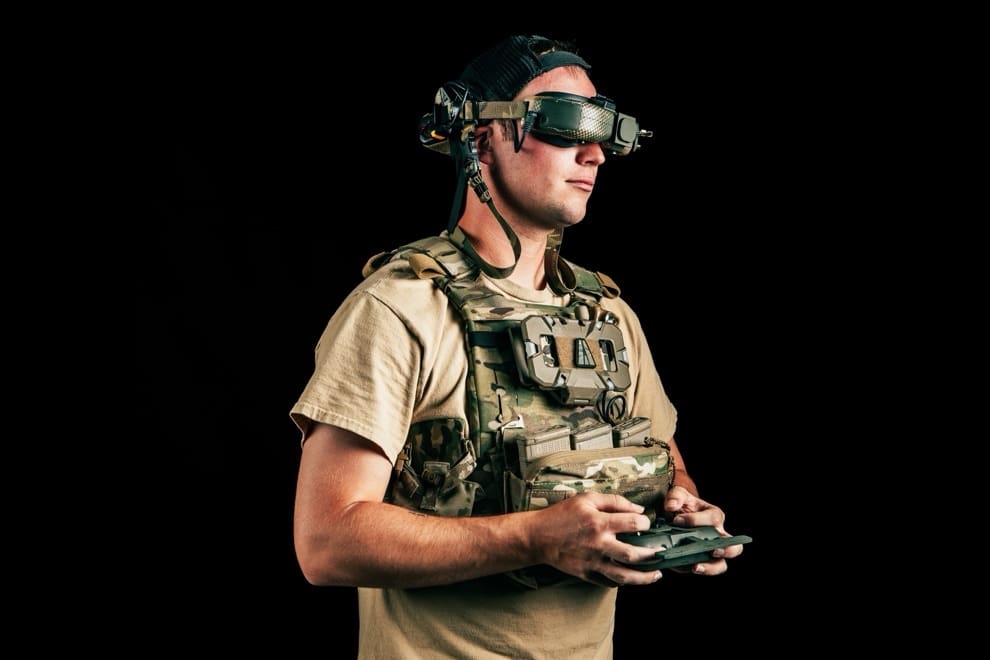
The Galvion team also showed me how the same technology can be applied to a standard helmet, like their Caiman. This EVO HALO configuration has all the same technology and capabilities delivered in a system that can be added to an existing helmet with minimal retrofitting. This slick and lightweight. And while a little heavier than the fully embedded system, it offers a great upgrade path for existing Users

Another important feature for EVO is that it is fully manufacturable at this point and can be maintained at the unit with minimal training. This is not a science project and is ready for unconstrained trials. In fact, Galvion representatives told me that they want to see the platform out there in full operational use.

www.galvion.com

Lackawanna Police Department Visits Gentex Corporation to Take Delivery of Ops-Core FAST Helmet Systems

Monday, June 29th, 2026

CARBONDALE, PA, June 29, 2026Gentex Corporation, a global leader in personal protection and situational awareness solutions for defense forces and emergency responders, recently welcomed the Lackawanna Police Department at its headquarters in Carbondale, Pennsylvania. During the visit,officers took delivery of Ops-Core® FAST® helmet systems and participated in product familiarization and feedback sessions with the Gentex team.

“The Lackawanna County SWAT Team is extremely grateful to Gentex Corporation for their generous support over the years,” said Guy Salerno, Blakely Borough Police Chief, President of Lackawanna County Chiefs of Police Association, Lackawanna County SWAT team member. “They directly support the safety and readiness of our team. We sincerely appreciate their investment in the protection of our operators and the community we serve.”

The visit marks another step in Gentex’s ongoing commitment to supporting law enforcement agencies through direct partnership, product innovation, and engagement with the officers who rely on their equipment on the job. It also highlighted the company’s connection to the local community, where many Gentex employees live and work alongside officers who serve the region every day.

“Supporting the officers who protect our communities is something we take great pride in at Gentex,” said Fred Grimm, VP of Commercial Sales Americas at Gentex Corporation. “Hosting the Lackawanna Police Department at our facility gave us the opportunity to not only deliver and train on their new helmet systems but also hear directly from the officers about the challenges they face in the field every day. Those conversations are critical to ensuring we continue developing solutions that meet the evolving needs of law enforcement.”

The Ops-Core FAST helmet systems being fielded are designed to provide advanced ballistic protection, comfort, and modularity for a wide range of law enforcement missions. Built on a legacy of proven performance, these systems integrate features that support extended wear, communications equipment, and mission-specific accessories, helping officers operate effectively in dynamic and high-risk environments.

Galvion Expands Cortex EVO Architecture with New HALO Configuration at Eurosatory 2026

Friday, June 12th, 2026

Galvion, a world leader in the design and manufacture of innovative head systems, power and data management solutions, and integrated soldier systems, will showcase the continued evolution of its Cortex™ architecture at Eurosatory 2026 (Hall 5A, Booth G391), featuring the introduction of the HALO configuration for its Cortex EVO™ system.

First introduced at SOF Week 2025 as a new category of intelligent, headborne systems, Cortex established a framework for integrating power, data and processing at the operator level. Earlier this year, Galvion introduced Cortex EVO™, a deeply integrated architecture that combines protection, power, data and compute within a unified headborne system. At Eurosatory 2026, Galvion is expanding that architecture with the introduction of its HALO configuration—an externally mounted implementation designed to bring advanced headborne capabilities to both new and fielded helmet platforms. Together, the Embedded and HALO configurations provide a common Cortex EVO architecture, enabling users to access the same core capabilities through implementation approaches aligned with their operational requirements, procurement strategies and lifecycle objectives.

Initially available for Galvion’s Batlskin Caiman® helmet system, with planned expansion to the Hellbender™ platform, the EVO HALO configuration provides a flexible implementation pathway that can be delivered as part of new helmet systems or integrated onto fielded helmets through upgrade and modernization programs. This approach provides a flexible, cost-effective route for organizations seeking to introduce advanced digital capabilities while leveraging established support, maintenance and sustainment infrastructure.

Central to the Cortex EVO system is Galvion’s AlertCentr™ software, which enables mission-relevant data to be delivered and managed at the headborne level. Integrated within TAK-based environments, AlertCentr supports configurable visual and audio cueing, allowing operators to access and act on critical information without diverting attention to secondary devices.

The systems demonstrated at Eurosatory incorporate multiple capability elements within the Cortex architecture, including:

• Visual augmentation: TAK video, sensor feeds and navigation integrations

• Sensing and awareness: Detection and identification capabilities supporting enhanced threat awareness

• Audio and communication: Digital headset integration enabling configurable alerts and system-level interaction

• Power and data infrastructure: A unified architecture enabling scalable subsystem integration

These capabilities are enabled through an open architecture approach, allowing both Galvion-developed and third-party technologies to operate within a single system environment 1″Cortex EVO reflects years of investment, and demonstrates how multiple sensing, visualization, communication and awareness capabilities can operate within a unified headborne architecture,” said Jonathan Blanshay, Founder and Executive Chairman of Galvion. “Rather than focusing solely on externally mounted components, we challenged our teams to rethink the system from the inside out. By pursuing a purpose-built integrated architecture, we were forced to solve more difficult challenges around size, weight, power management, connectivity and overall user experience, ultimately creating a more capable and scalable foundation. The HALO configuration extends the benefits of Cortex EVO across both new programs and fielded Galvion helmet fleets.” He added: “Our customers have invested heavily in helmet systems and supporting infrastructure over many years. Combined with our growing manufacturing, maintenance and refurbishment capabilities in Europe, the EVO HALO configuration allows our customers to build on those investments while introducing the technologies that are increasingly shaping survivability, situational awareness and mission effectiveness on today’s battlefield.”

Rampart Range Day 26 – Galvion

Monday, June 1st, 2026

During last year’s Rampart Range Day Galvion collected data for their helmet sizing app. This year, they continued the process but for the new Hellbender helmet rather than the Cayman series. Additionally, they collected data on some new helmet accessories I’m not allowed to show yet.

I rally have no idea why I’m looking up but I must have had a good reason.

Rampart Range Day 26 – Warq

Wednesday, May 27th, 2026

Warq exhibited their Gen 2 Force-on-Force Helmet as well as its Helmet Bag.

Improvements to the anti-fog Gen 2 helmet include:

  • EN 1385 bump certified: The only bump-certified force-on-force helmet on the market.
  • D3O Halo 7 pad system: Advanced blunt impact absorption.
  • Reinforced fiberglass shell.
  • Improved sizing ratchet and retention system

For more information, visit warqhelmets.com.

Galvion Introduces CORTEX EVO as Next Step in Integrated Head Systems at SOF Week 2026

Thursday, May 14th, 2026

Galvion, a world leader in the design and manufacture of innovative head systems, power and data management solutions, and integrated soldier systems, will showcase the continued evolution of its CORTEX™ architecture at SOF Week 2026 (Booth #1739, May 18–21), featuring the introduction of its CORTEX EVO™ system.

First introduced at SOF Week 2025 as a new category of intelligent, headborne systems, CORTEX established a framework for integrating power, data and processing at the operator level. At SOF Week 2026, Galvion is extending that foundation with a more deeply integrated approach, bringing together multiple capability pathways within a single headborne architecture.

CORTEX EVO embeds power distribution, data connectivity and processing directly within the helmet structure. This approach reduces reliance on externally mounted components and enables more seamless interaction between sensing, visual and communication systems. The system architecture combines a ballistic core, embedded power and data pathways, and a lightweight composite shell structure—reflecting a deliberate approach to integration. It rethinks component design and system architecture to preserve the size, weight and performance characteristics expected of a ballistic helmet, while establishing a compact, scalable foundation for future configurations across platforms.

At the core of the system is Galvion’s AlertCentr™ software, which enables mission-relevant data to be delivered and managed at the headborne level. Integrated within TAK-based environments, AlertCentr™ supports configurable visual and audio cueing, allowing operators to access and act on critical information without diverting attention to secondary devices.

The system presented at SOF Week integrates multiple capability elements within the CORTEX architecture, including:

• Visual augmentation: TAK video, sensor feeds and navigation integrations

• Sensing and awareness: Detection and identification capabilities supporting enhanced threat awareness

• Audio and communication: Digital headset integration enabling configurable alerts and system- level interaction

• Power and data infrastructure: A unified architecture enabling scalable subsystem integration

These capabilities are enabled through an open architecture approach, allowing both Galvion-developed and third-party technologies to operate within a single system environment.

As part of this expanding ecosystem, Galvion continues to collaborate with selected industry partners aligned to the CORTEX architecture. Sentinel Photonics contributes advanced laser threat detection capabilities; Adventure Lights provides identification friend-or-foe signaling and intermediary laser detection; Thermoteknix supports optical and fused imaging integration; and Distance Technologies contributes to advanced visual augmentation pathways that support the evolution of headborne display and visualization capabilities. These collaborations reflect Galvion’s approach to building interoperable, system-level solutions that evolve with user requirements.

Jonathan Blanshay, Founder & Executive Chairman at Galvion, said: “Protection of the Warfighter drives everything that we do, but how we define protection has shifted significantly over the past 20 years. We’ve pushed far beyond passive protection—expanding capability, integrating systems, and reducing the burden on the operator to increase survivability and lethality. CORTEX EVO is the strongest expression of that thinking to date. It reimagines what a helmet can be, uniting protection, power, data and compute as a purpose-built platform.” Blanshay added: “Designing for the digitized soldier demands modularity, scalability, and upgradability, and the EVO delivers on all three. It benefits from years of advanced design, research, development programs, and millions of helmets fielded. All of the insights gained from engaging with our end-users across the globe have influenced CORTEX EVO, and we’re incredibly excited to be showcasing the system at SOF Week.”

Creare – Blast Overpressure Protection Helmet

Monday, May 4th, 2026

Creare manufactures the HGU-99/P Hearing Protection Helmet for US Navy ground crews working with the F-35 Lightning II. It more resembles a flight helmet than previous flight deck helmets and is engineered for high noise environments, offering a 34 decibel reduction in noise when worn alone and 39 db when worn with foam earplugs.

At Modern Day Marine they displayed a new helmet based on the HGU99/P optimized to protect personnel from blast over pressure associated with weapon firing.

Measurements reveal that while wearing a US Army issue Integrated Head Protection System (IHPS) Helmet the wearer is afforded a 15% reduction in blast overpressure. The Blast Overpressure Protection Helmet offers a 71% reduction. It is to believe once you’ve worn one. It fits very snugly over the ears as well as creating a seal around the edge of the face.

It is also fitted with directional hearing augmentation as well as comms compatible microphone.

For more information contact info@edare.com.