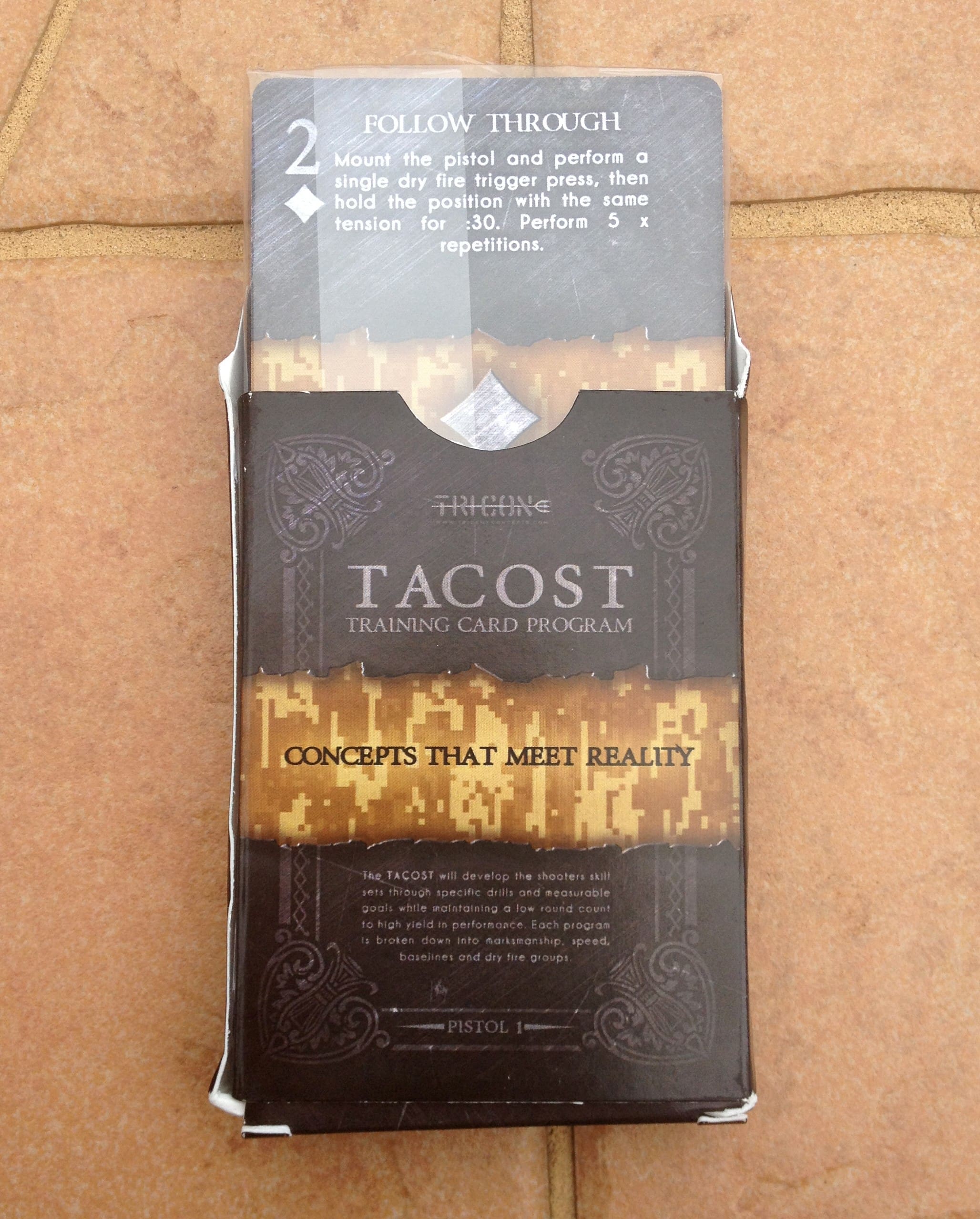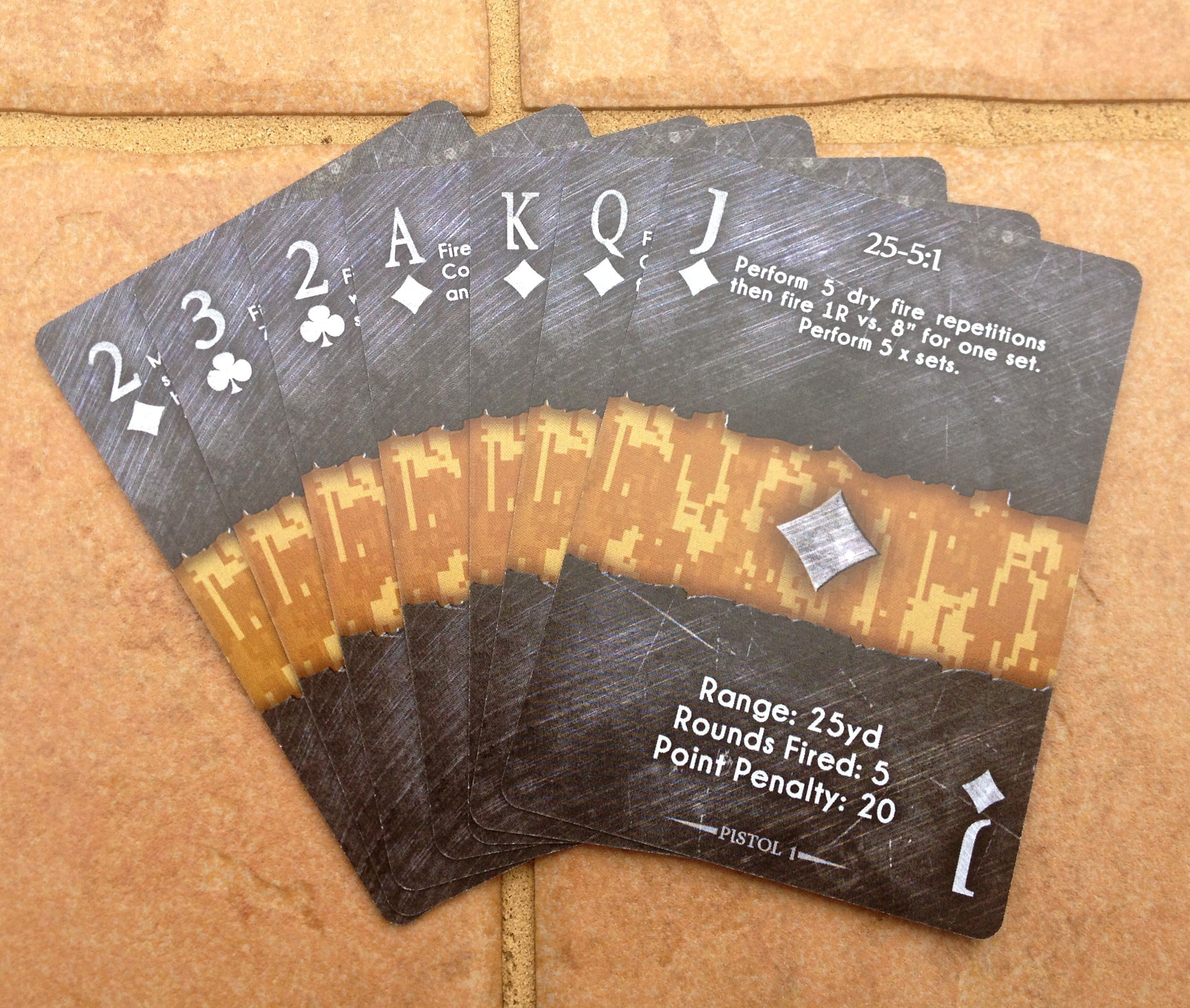
I would like to revisit and elaborate on the fact that the best professional performers, regardless of the skill, practice mechanics. They practice these relentlessly and when necessary, in slow motion. They focus on the basics even when these are mundane. They understand that they must have the ability to fail quickly, meaning that they may not dwell on an error. They may not spend any amount of extra time on failing. They have got to get their head back into the game. I was recently asked by a student in my class, what I thought was the biggest problem I encounter with LEOs in training. Thought provoking as LEOs in my classes are typically sharp, have good fundamentals, and are safe gun handlers. The answer I gave him, because it is a recurring theme, is gun handling mechanics under pressure. I’ve got several pressure cooker drills I run in my courses. It is typical to watch shooters fumble with safety manipulation, magazine changes, clearing a stoppage, reloading, building a position around a barricade, and it is also common for the shooter to not understand the status of his weapon. Repetition is not enough to ensure that these mechanics skills are performed intuitively, or with perceptive insight. Pressure must be added to the training event. This is non-negotiable. The ability to compartmentalize the pressure of a gunfight and work mechanics intuitively come from working mechanics correctly and under pressure. The number of repetitions vary between one human being and another. Some say 3,000-5,000 repetitions. Others say 300-500 and there are others who say 33 meaningful repetitions is all that it takes to engrave a new skill into our hard-drives. Not sure which is accurate. Mechanics and fundamentals should be performed with perceptive insight. Performing immediate action or magazine change, safety manipulation, muzzle awareness, establishing a shooting position, acquiring a sight picture, controlling breathing, trigger control, should all be performed at a subconscious level. Forecasting, predicting, planning should be performed consciously.



Patrick McNamara
SGM, US Army (Ret)

Patrick McNamara spent twenty-two years in the United States Army in a myriad of special operations units. When he worked in the premier Special Missions Unit, he became an impeccable marksman, shooting with accurate, lethal results and tactical effectiveness. McNamara has trained tactical applications of shooting to people of all levels of marksmanship, from varsity level soldiers, and police officers who work the streets to civilians with little to no time behind the trigger.
His military experience quickly taught him that there is more to tactical marksmanship than merely squeezing the trigger. Utilizing his years of experience, McNamara developed a training methodology that is safe, effective and combat relevant and encourages a continuous thought process. This methodology teaches how to maintain safety at all times and choose targets that force accountability, as well as provides courses covering several categories, including individual, collective, on line and standards.
While serving as his Unit’s Marksmanship NCO, he developed his own marksmanship club with NRA, CMP, and USPSA affiliations. Mac ran monthly IPSC matches and ran semi annual military marksmanship championships to encourage marksmanship fundamentals and competitiveness throughout the Army.
He retired from the Army’s premier hostage rescue unit as a Sergeant Major and is the author of T.A.P.S. (Tactical Application of Practical Shooting).
Gunfighter Moment is a weekly feature brought to you by Alias Training & Security Services. Each week Alias brings us a different Trainer and in turn they offer some words of wisdom.