GORE-TEX WINDSTOPPER

OSS Introduces PASS Program

Friday, July 8th, 2016

MURRY UT – Operators Suppressor Systems (OSS) has introduced the Professional Armed Service Sales (PASS) program.

This special program enables those who have risked their lives to protect us to purchase the most advanced suppressors needed for their assigned duties at exclusive prices. These brave Americans deserve the best, and OSS is proud to offer them this special program in gratitude and thanks for their service.

The OSS PASS Program is available to the following individuals:
• Active, Reserve or Retired members of the military
• Members of the National Guard
• Law Enforcement Officers involved with protection and/or enforcement

For more Information on how to participate in the PASS Program, click here osssuppressors.com/pass-program.

About Operators Suppressor Systems

Founded in 2007, Operators Suppressor Systems designs, manufactures and distributes advanced weapon suppressor systems that meet the demands of military, SOF, tactical and sport shooters around the world.

Visit www.osssuppressors.com for more information. Connect with OSS on Facebook, Twitter (@oss_suppressors), Instagram (OSS_Suppressors) and YouTube.

Stay Safe

Friday, July 8th, 2016

Tonight we’ve already lost several Law Enforcement Officers in Dallas, Texas and many more are wounded.  If you’re out in the streets, stay safe, and that goes for everybody.  

May those who have fallen in the line of duty, Rest In Peace.  May those who are wounded, heal quickly.  

First 50 LANTAC LA-R15 Intermediate Raven Rifles to be Offered Exclusively at Cabela’s

Friday, July 8th, 2016

First ever shipment of new, state-of-the-art rifles available through Cabela’s July 7, 2016

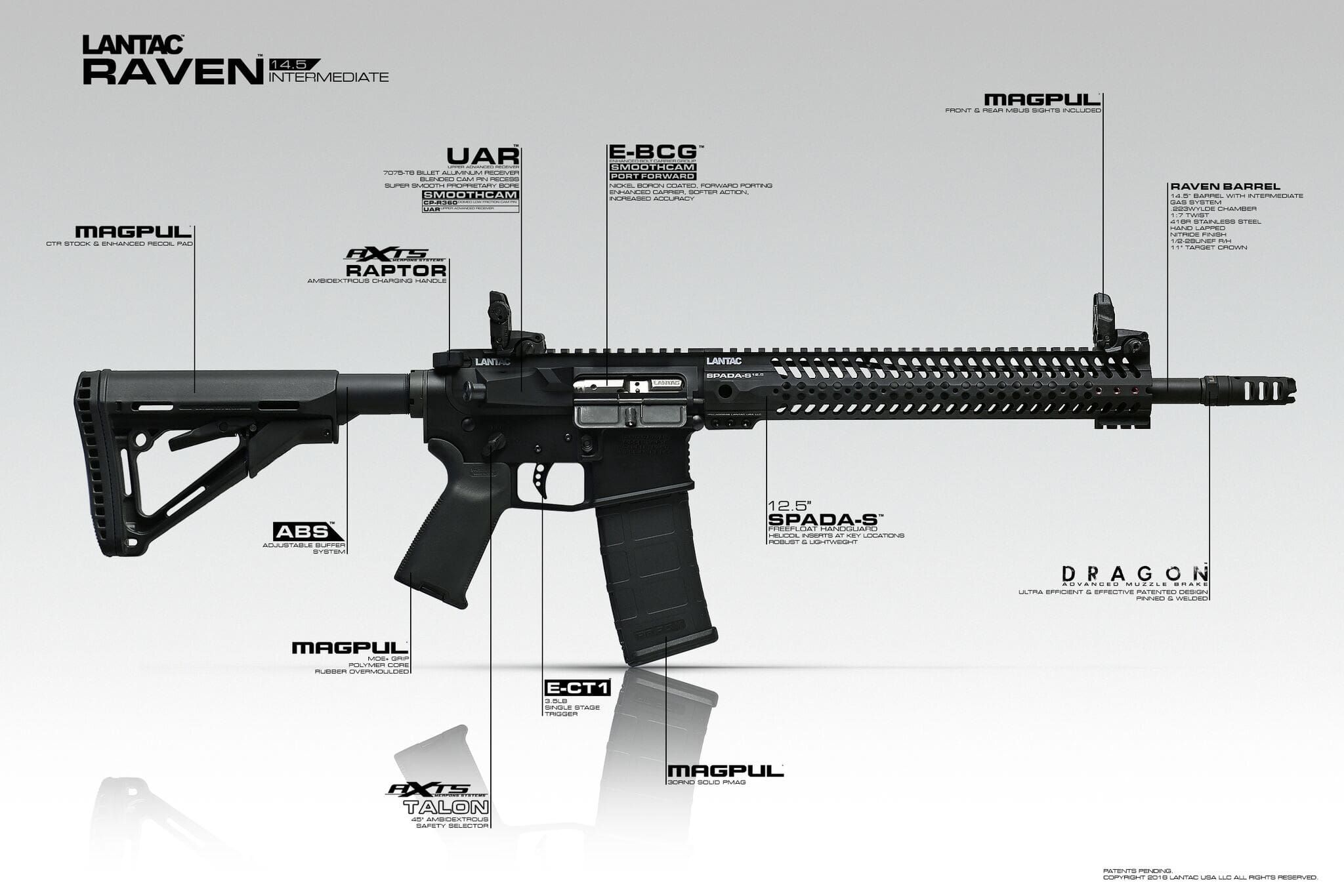
FORT WORTH, Texas (July 7, 2016) – LANTAC™ USA LLC, Fort Worth TX., will make the first ever shipment of 50 of the company’s new LA-R15 14.5” Intermediate Raven™ rifles available exclusively at Cabela’s for a limited time beginning Thursday, July 7th. These highly anticipated sought after, state-of-the-art rifles will be offered through Cabela’s before they hit the market anywhere else in the world.

LanTac’s LA-R15 14.5” Intermediate Raven is the first ever AR modern sporting rifle with the company’s patent-pending Adjustable Buffer System and proprietary buffer spring. Each rifle is comprised of premium parts and accessories, including hand-lapped, stainless steel barrels; billet 7075-T6 certified lower and upper receivers with Type III, Class II black anodizing; and LanTac’s UCT EXO NiB coated Enhanced Bolt Carrier Group (E-BCG™) with forward porting, flared tail carrier and Carpenter 158 bolts.

Additional features like the state-of-the-art, world-leading, pinned and welded LanTac DGN556B™ Dragon™ Muzzle Brake; a MPI tested bolt; and LanTac Curved Bow, CMC Triggers 3.5-lb, E-CT1™ single-stage drop-in trigger system, allow the LA-R15 14.5” Intermediate Raven to offer zero muzzle rise and a massive reduction in felt recoil, in a fast, flat-shooting and accurate rifle.

The LanTac LA-R15 14.5” Intermediate Raven rifle is manufactured to the highest quality standards and assembled by a skilled team of rifle builders. Each rifle is shot tested at LanTac’s facility, treated with FrogLube™ and comes with a lifetime warranty against defects. Visit www.lantac-usa.com for more information.

New Colors Coming From Vertx

Thursday, July 7th, 2016

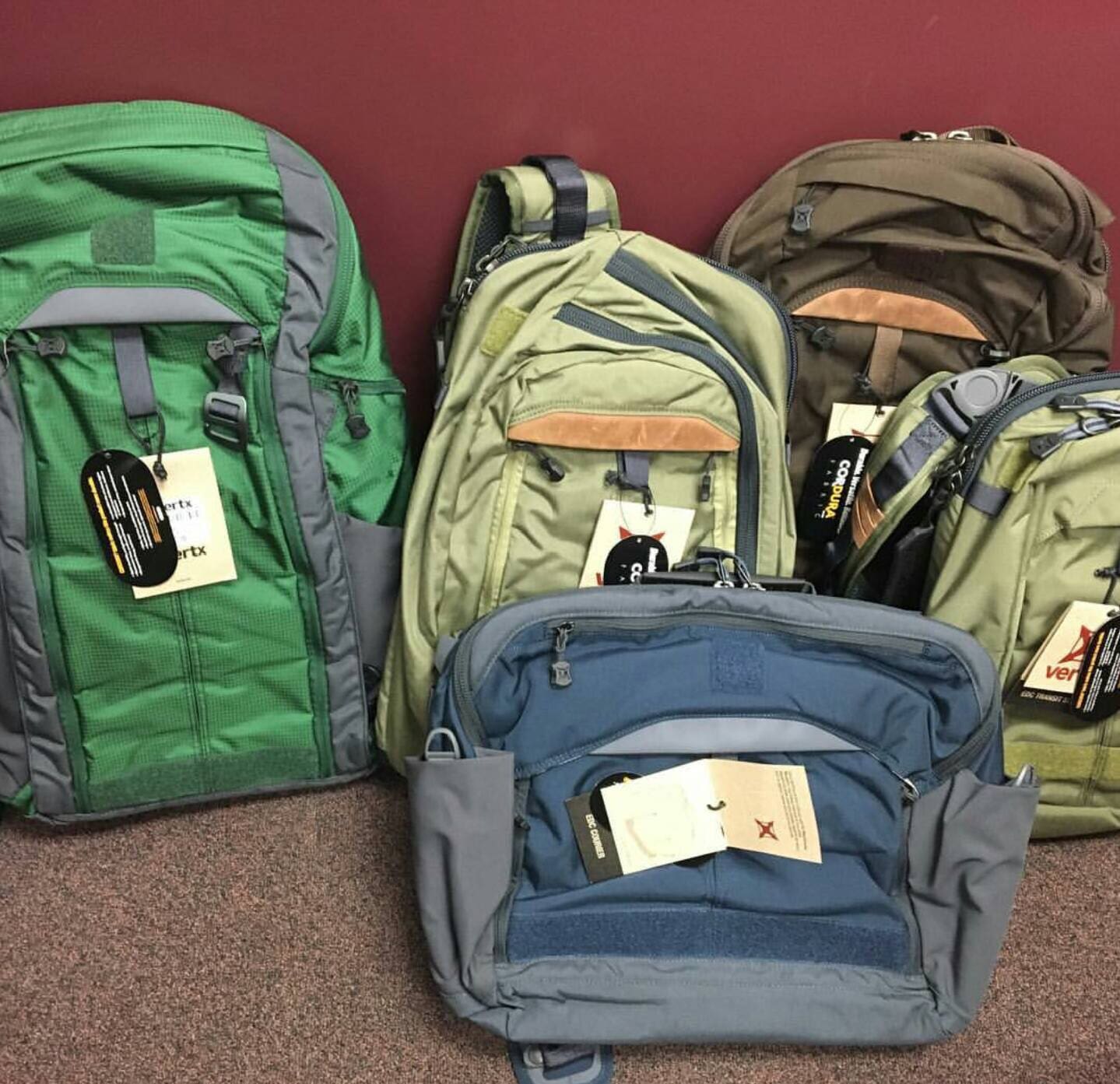
I’m really digging these new colors for the EDC collection from Vertx.

Pre-Fit Carbon Fiber Barrels for Savage Arms Rifles Now Available from PROOF Research

Thursday, July 7th, 2016

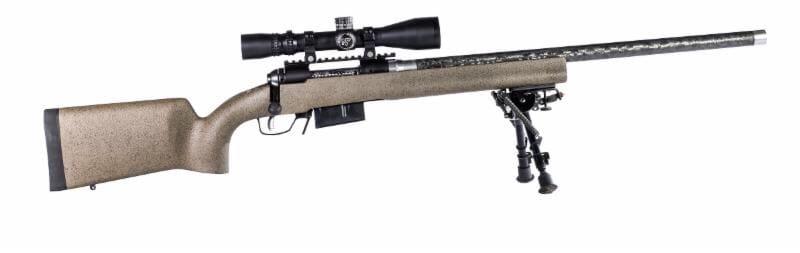
Columbia Falls, MT (June 27, 2016) PROOF Research announced today that they are offering pre-fit carbon fiber barrels for the Savage rifle, one of the most popular platforms for gun owners to customize. The pre-fit carbon fiber barrels from PROOF Research can be installed without the assistance of a gunsmith, although some special tools are required.

“By designing a carbon fiber barrel specifically for this platform, we’ve made it easy for Savage owners to extract every last bit of accuracy and handling performance from this iconic rifle,” stated Jason Lincoln, VP of Engineering and Product Development at PROOF Research. “Our barrels are up to 50% lighter than steel barrels of similar contour and cool 60% faster than stainless steel, resulting in virtually no point-of-impact shift during high-volume strings of fire. We believe there is no better choice for the custom gun builder who wants to build a precision long-range rifle.”

For the last several years PROOF Research has been proving that carbon fiber-wrapped barrels aren’t just a lightweight alternative to traditional steel barrels, but that they provide superior performance, including extreme accuracy, and unprecedented durability. By combining their unique manufacturing process with advanced technology composite materials and thermo-mechanical design principles, they’ve accomplished what others have failed to do in the past-match-grade carbon fiber barrels that weigh a fraction of traditional steel barrels while compromising nothing.

The pre-fit carbon fiber Savage barrels are currently being offered by Stocky’s and arrive threaded and chambered in a variety of calibers including 223, 243, 6.5 Creedmoor, 6.5×284 Ackley 6.5×280 Ackley, 7mm REM MAG, 300 WIN MAG and 22-250.

Nous Defions and SOTech Announce Collaboration 

Thursday, July 7th, 2016

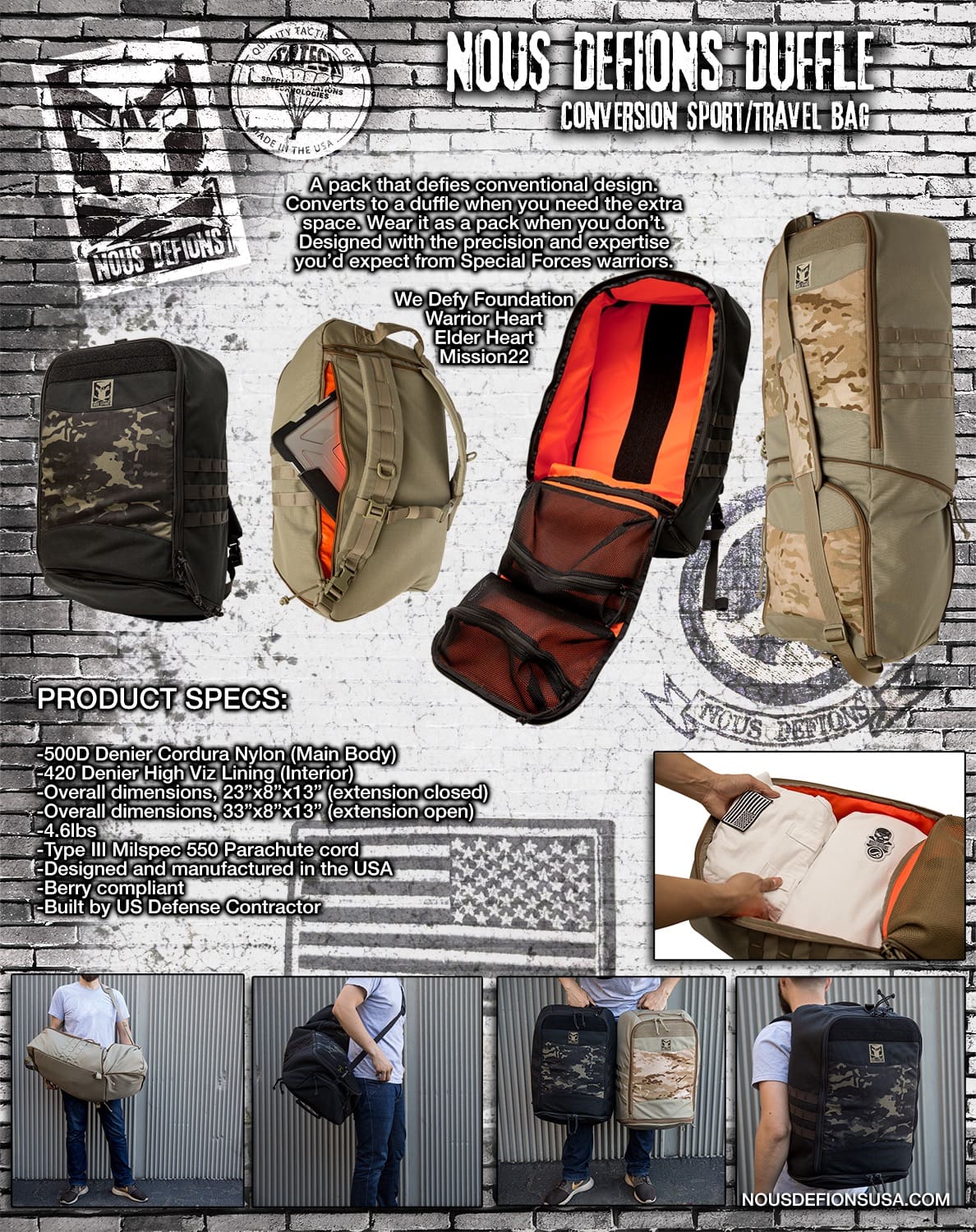
Nous Defions was founded by a Special Forces NCO whose passion led him to the intersection of the sporting and tactical worlds. The Nous Defions Jiu Jitsu product line is centered around the Jiu Jitsu Clubs that have grown in the SOF community. The competitive drive of the SOF operator draws many to hone their close combatives skills in the Jiu Jitsu dojo. Holding true to the standards of SOF Warriors, he decided that Nous Defions products would be of the highest quality and 100% American made. Having just completed his first run of American made Jiu Jitsu gis, Nous Defions embarked on a competitors pack. Nous Defions decided to contract S.O.Tech /Special Operations Technologies Inc for production because of their 20 years of fabricating custom designed nylon tactical gear for SOF units.

True to SOF innovativeness, the bag is designed to convert with an expandable compartment from a backpack into a shoulder duffel bag. The bag is made of military grade nylon and the interior is blaze orange for identification of contents and Velcro lined for affixing accessory pouches. Whether running to the dojo for a workout or going TDY for a match with a couple days of supplies, this bag is well thought out.

Nous Defions also sponsors a number of veteran based charitable foundations including the We Defy Foundation, Warrior Heart, Elder Heart and Mission22.

NousDefionsUSA.com

Logos Technologies – Tower Mounted Version Of Serenity Hostile Fire Detection System

Thursday, July 7th, 2016

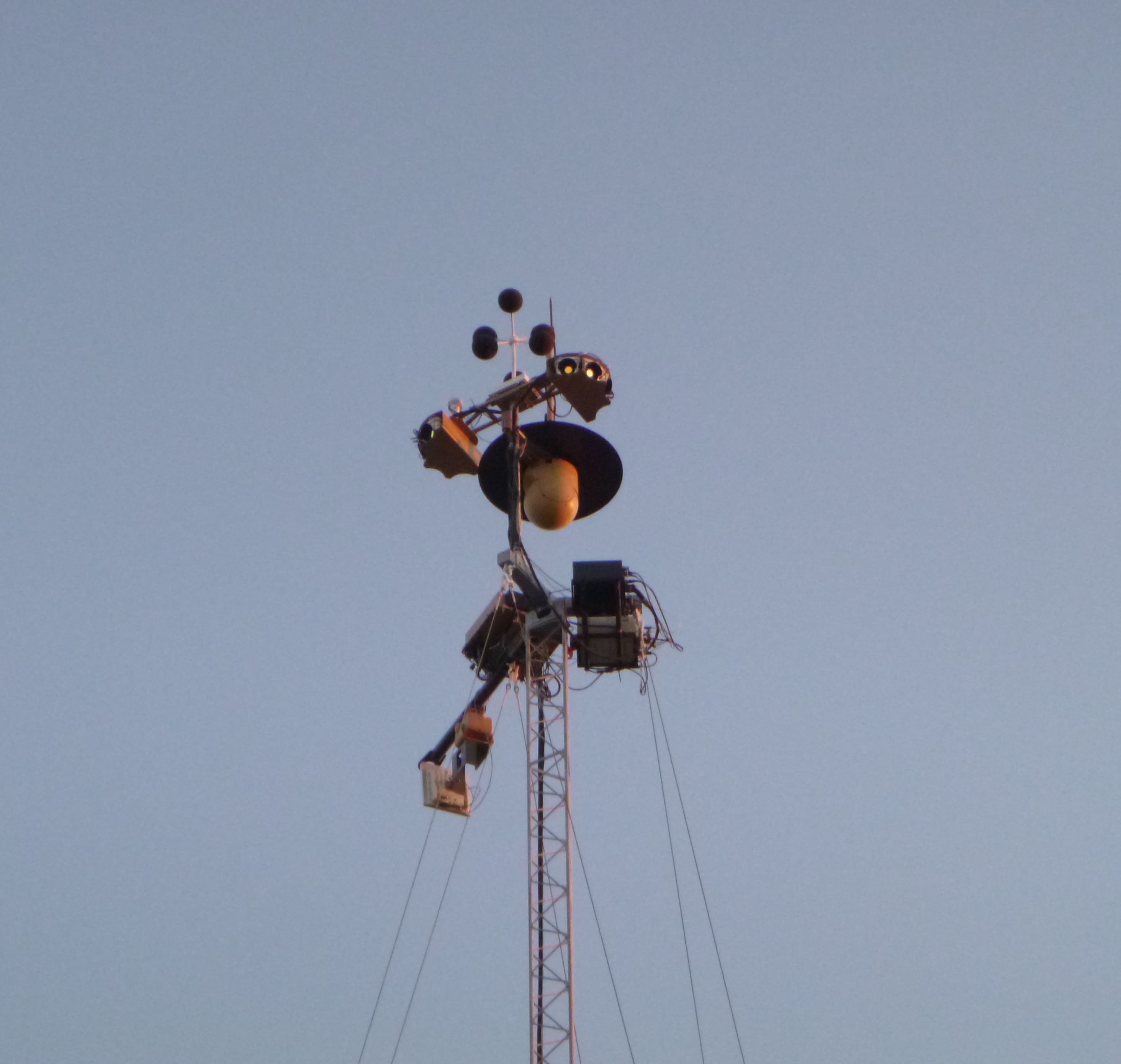
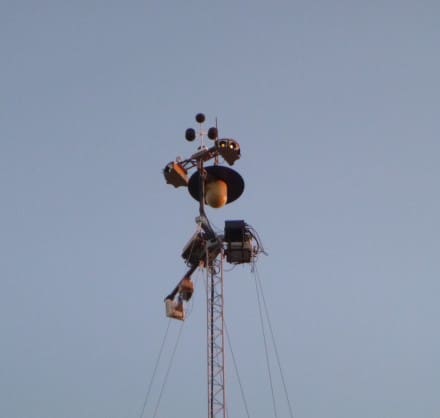
My first job after retiring from the Air Force 10 years ago, was with Logos Technologies. At the time, a lot of the company’s work was focused on airborne, wide area imagery systems. It’s great to see how far they have come in developing other sensors. For instance, they developed the Serenity hostile fire detection system which fuses data from both EO/IR and acoustic sensors. Typical EO/IR-based Fire detection systems look for flashes, and these can present false detections due to things like reflections from glass. Acoustic sensors listen for certain sounds and can characterize types of fire as well as direction. By fusing the two sensors, not only are false detection rates lowered because they validate one another’s data but more information can be collected simultaneously. In the case of Serenity, a sensor from Hyperion Technology Group listens for an acoustic event within a certain time frame in order to validate the flash picked up by the optical sensor.
image

Initially, Serenity was mounted to aerostats, but there are a lot of places where you don’t want to park a dirigible over a facility. Consequently, the Army asked Logos to creat a mast mounted variant which can be attached to existing antenna towers at deployed locations. But, I can now imagine a lot of other places that could deploy this system, including fixed facilities. Naturally, there’s give and take here. A mast mounted version of Serenity makes it available to a wider audience, but it also means that the ranges they’ve seen with the aerostat variant will be much shorter. It just won’t be mounted as high, so line-of-sight is less. Although it’s still a ways off, the Logos Team told me that they see a mobile version in the future. In the near-term, Logos Technologies is also working on an export license for Serenity, now that it can be more easily deployed, which is great news for our allies.

Below is the press release on Serenity from Logos Technologies, LLC.

FAIRFAX, Va.–(BUSINESS WIRE)–Logos Technologies announced today that a new, tower-mounted version of its Serenity hostile fire detection system has passed a live fire test this past May in Yuma, Arizona.

Designed to detect sources of enemy fire, Serenity is typically mounted on a high-flying tethered blimp, or aerostat, in order to provide city-sized coverage area. With the latest modifications, the system now provides coverage from towers.

“In mounting the system on a lower altitude mast, we needed to compensate for differences in range, and we’ve succeeded in doing that,” says Frank Plew, Serenity project manager at Logos Technologies.

The success of the May demonstration now means that Serenity is one step closer to being put up on masts at U.S. bases and installations in combat zones.

“We’ve already delivered a total of 15 Serenity units to the Army,” says Plew.

A dual-sensor system, Serenity combines two electro-optical (EO) pods with an acoustic sensor, developed by Hyperion Technology Group, to help friendly forces better react to incoming enemy fire by locating its point of origin.

Serenity’s optical sensor picks up the flash of enemy mortar or rocket fire and then calculates its point of origin and range from the sensor. The system’s acoustic sensor will then validate that enemy fire has indeed been detected by measuring the lag time between flash and bang.

Working together, these two Serenity sensors dramatically reduce the false alarms typically associated with other hostile fire detection systems.

“There are legacy hostile fire detection systems out there, and while they’ve proven the concept, Serenity reduces false positives and does a better job pinpointing sources of enemy fire,” Plew says.

Serenity weighs less than 80 pounds, light enough to go on unmanned aerial vehicles. It can transmit its fused optical/acoustic data to available full motion video cameras or wide-area motion imagery (WAMI) sensors.

Logos Technologies began working with the Army Research Laboratory (ARL) on Serenity in 2013, with the mast work starting in 2015.

Although the original concept was for Serenity to go on an aerostat with the Kestrel WAMI system, “Logos Technologies and ARL always envisioned it going on other platforms,” Plew states.


Night Vision Redux – Part 5 – Optics

Thursday, July 7th, 2016

Nearing the end of the of the series of upgrade vs. replace your NVD (specifically the PVS-14), a significant item(s) are to be addessed-the actual optics.

As with all monoculars, the PVS-14 has two specifically. The objective and eyepiece lens assemblies (“lens” for ease of discussion). Combined, these lenses weigh more than any other single component and drive the cost more than any item other than the image tube itself.

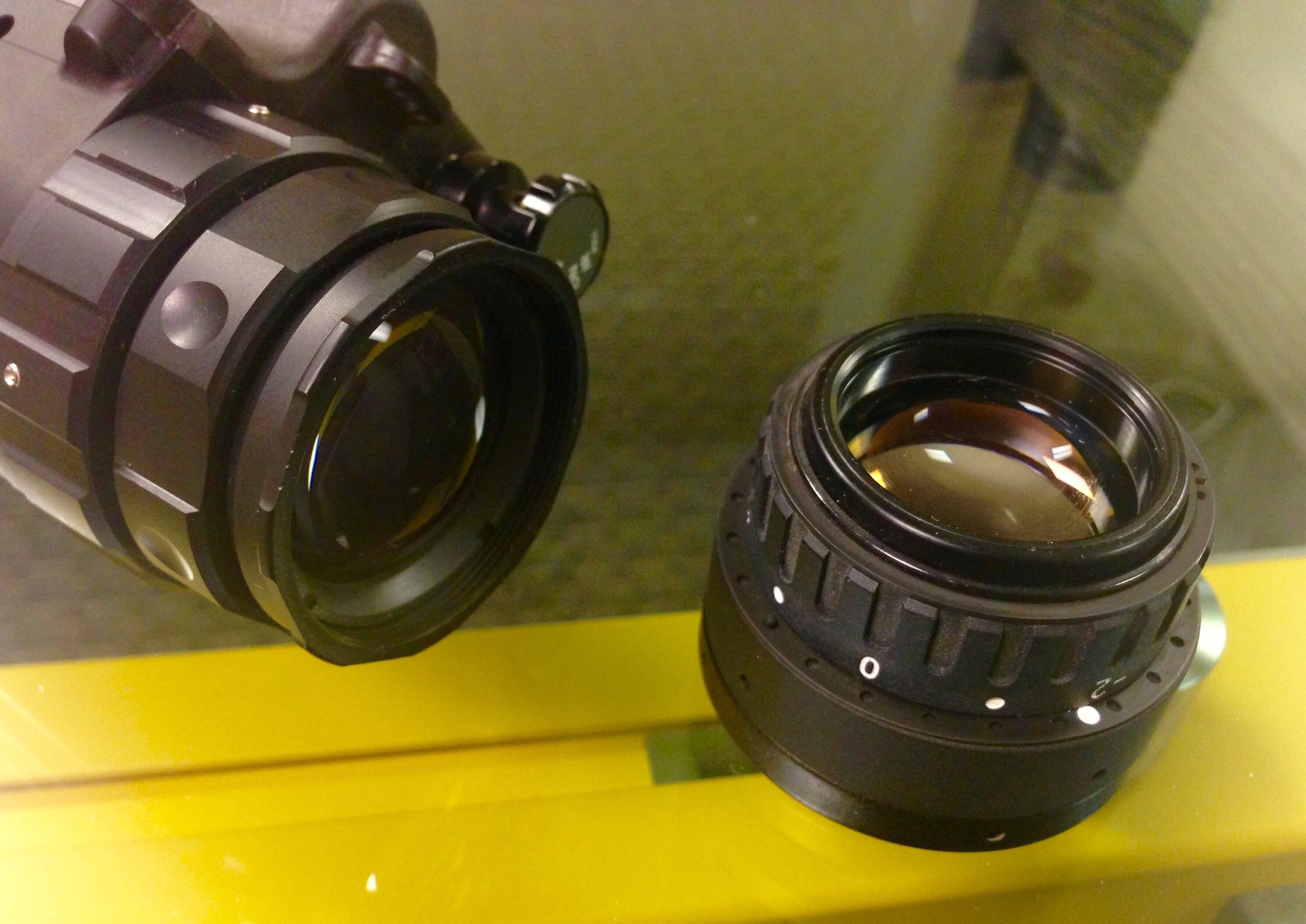
As mentioned previously and referenced in a user post last week, removing the eyepiece lens is relatively simple. The eyepiece easily spins off along with its stop ring. Combined weight of these components is a hefty 63g on average (the image tube average weight is about 75g).

Without going into excessive details, the legacy PVS-14 eyepiece is no simpleton part. Designed in the late 80s as a workhorse, the eyepiece can easily support the vision span of bifocal users along with those of us whom can’t see the ground we stand on without corrective measures. A whopping 10 or so diopters of adjustment (about a half inch of travel) is available in the design.

Today and in recent past most of us are corrected in some form to near 20/20 vision. Rare is the set of spectacles in the operational space. For reference, the last few USG goggle contracts in common domain have ZERO mechanical adjustments for users in the conventional form (spinning the lens in/out). These goggles use not only hybrid materials, but have fixed eyepieces corrected to about -.5D. The only adjustments are pop-in corrective lenses. These lenses also act as a protective element to the eyepieces themselves as they can be easily scratched. The huge advantage here is weight reduction of not only the lens materials, but the minimization of moving mechanical parts. These newer lenses often weight about 50% of the typical lens assemblies. Usually, cost is the driving factor with these type optics costs 2-8X as much as an off the shelf design. Again, a quantitative value of cost/quantity.



Going back to the objective lens briefly, with the upgrade of the chassis now the objective lens can be readily removed as well without having to strip the entire PVS-14 down completely. This allows a device to essentially now be reassembled once with no need to remove the critical electronics or image tube for basic modularity changes or maintenance.

In the image, a newer low weight Ether eyepiece was added to the upgraded chassis. This is a hybrid design which opens up the eye-box (the eye placement position sensitivity) along with a weight reduction down to about 46g (17g less comparative). This upgrade is novel for a few reasons; it balances the monocular as well as offsets any other potential weight increases noted in previous segments (i.e. titanium vs. plastic stop ring, etc.). These are particularly sensitive items when attempting to go into the goggle or “BNVD” viewing space for both weight and optical convergence. In most BNVD (meshing two monoculars into a goggle format), you will notice the eyepieces and objective lenses are PVS-14 optics. This can be sub-optimum. Trending is now to have a dual channel optic, but there is a reason most “goggles” cost much more than 2X the cost of a monocular (tube cost aside). The optics drive the cost and for good reason.


Night Vision Redux is a weekly series prepared with the assitance of DEP, the US subsidiary of Photonis. It is intended to educate readers about image intensification (I2) systems and ways they can be upgraded without having to purchase completely new systems.