Diving with a full-face mask is a great way to protect the face from the water. You may not want the water to touch you for various reasons. The most important reason is if you are in contaminated water or simply chilly, and no one likes cold water on the face. Most masks have a mouthpiece that allows the diver to breathe and speak while wearing the mask. This enables you to communicate while underwater. The direct connection of the full-face masks (FFMs) to the second stage regulator allows for this, rather than biting into the regulator mouthpiece.
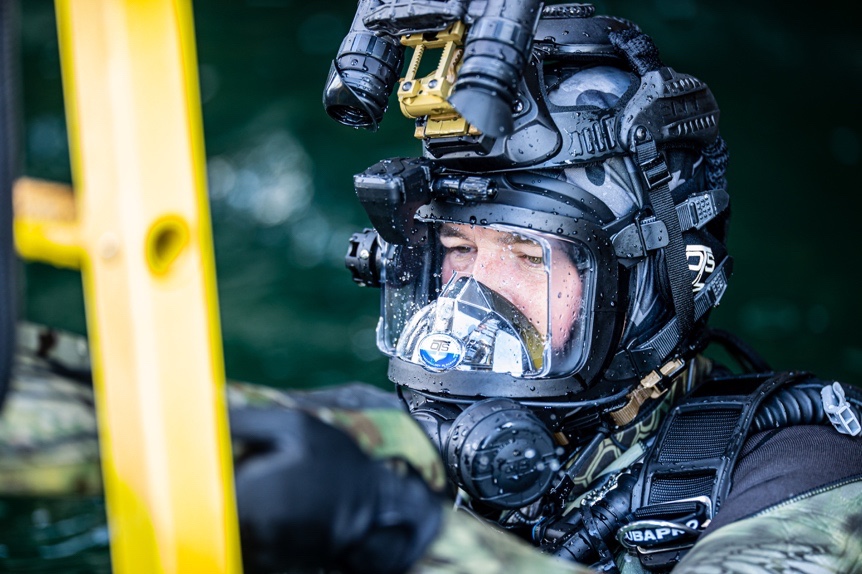
Like just about everything, there are benefits and some drawbacks to diving with an FFM. While full-face masks come in various forms, many of them have a larger field of view than standard masks. This gives you a better peripheral for keeping track of your swim/ dive buddy and allows you to view more of the environment during your dive. There is less chance of the mask fogging with the air coming in. There is less chance of you losing your mask from, say, someone was kicking it off in a confined space.
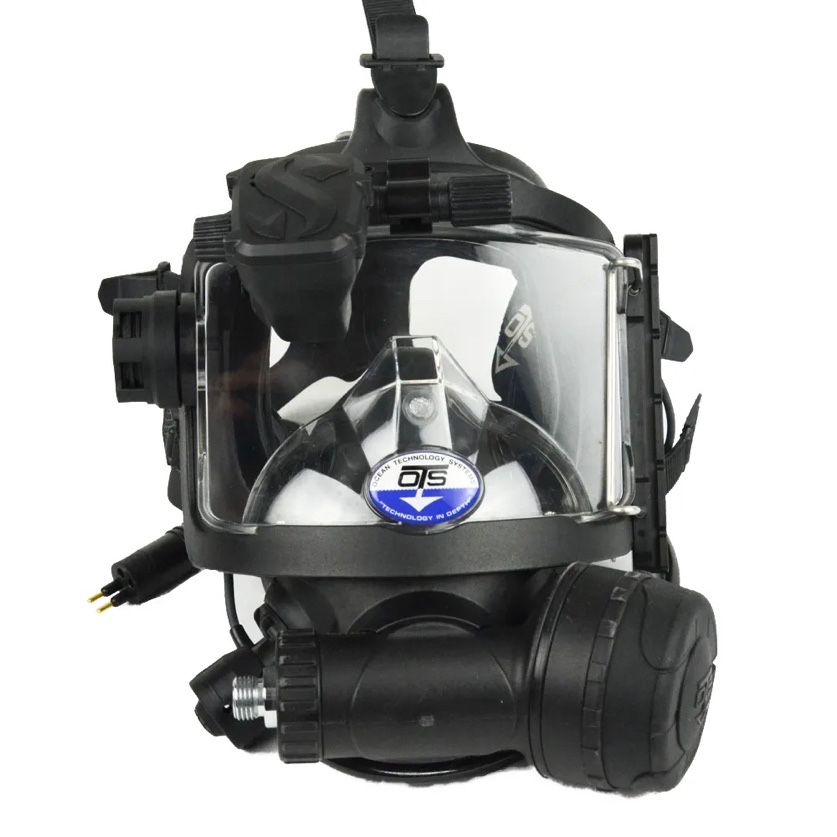
Most FFM can be equipped with a built-in microphone, allowing divers to communicate with one another and the surface. For this reason, professional divers have been using them for years.
The integrated regulator is one of the most considerable positives and can be one of the biggest negatives of diving with an FFM. Because the regulator is built into your mask, it’s less likely to be pulled out of the diver’s mouth.
If your mask comes off abruptly, the regulator comes off with it, making mask retrieval something that could freak some people out if not practiced a lot. The mask is kept from traveling too far by hoses attached to the regulator, but if a diver panics after losing both his mask and regulator, it can cause an emergency. This is why anyone interested in diving an FFM should take a course on using it. One of the main drills in this training is mask removal and replacement and switching to your backup regulator.
If you decide to attempt diving with an FFM, make sure you practice your basic skills, like mask cleaning and retrieval, so that you can switch back and forth.
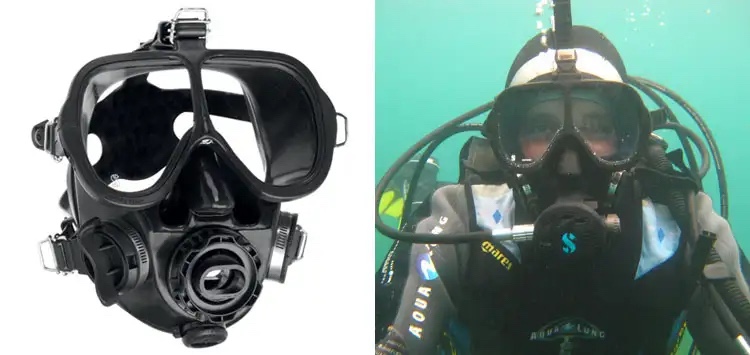
The diver’s whole face is protected from the water by the FFM. The mask also has a mouthpiece that allows the diver to speak and breathe normally while wearing it. Instead of biting into the regulator mouthpiece with your teeth, the FFM connects directly to the second stage regulator. As you might anticipate, breathing through an FFM is more pleasant than a regular mask and regulator.
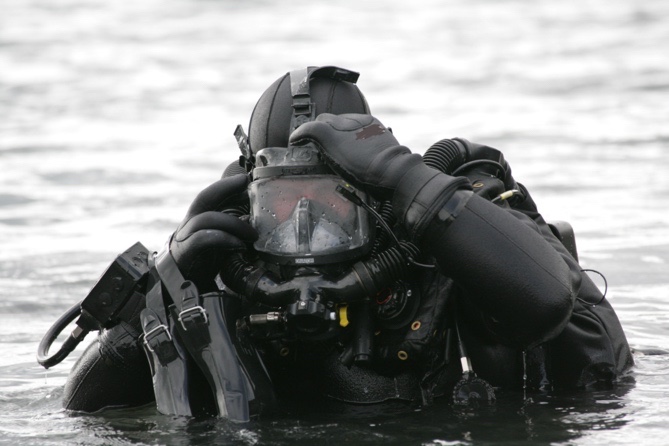
Some of the disadvantages are compared to ordinary dive masks. FFMs are notably larger and heavier. Although straps can be tied around the head to prevent the mask from falling off and cutting off your air supply, they are theoretically easier to use. The seals that encircle the entire face are also airtight, lowering the risk of water seeping during a dive. Some people have a more challenging time equalizing when using an FFM. FFM has levers around the nose or a cushioned pocket that allows you to pinch your nose to equalize pressure like you would with a standard mask. There are depth limitations for FFM, so make sure the one you are using/buying can meet what you would like it to do. This could be a pro or a con, you can’t use all FFM on rebreathers only some of them are certified for that use. The Interspiro is used worldwide by the military on rebreathers as is the Dräger FFM.
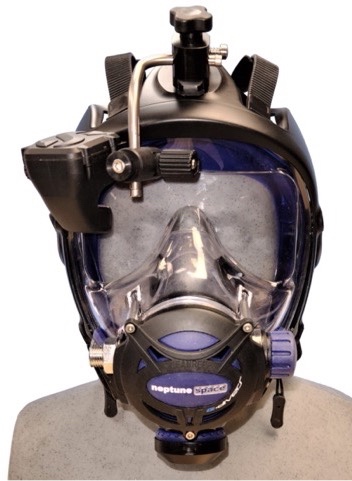
The biggest advantage is that the mask’s airtightness permits communication devices. This allows the diver to talk to each other and the surface with the right communications set up.
Due to the additional materials required in their manufacture, FFM can be more expensive than half-mask models, making it much more important to know what you’re getting when you buy one.
There are two main types of FFM. One that comes with a regulator like the Ocean Technology Systems (OTS) Guardian, and you add your regulator to, like the SCUBAPRO FFM and the OTS Spectrum.
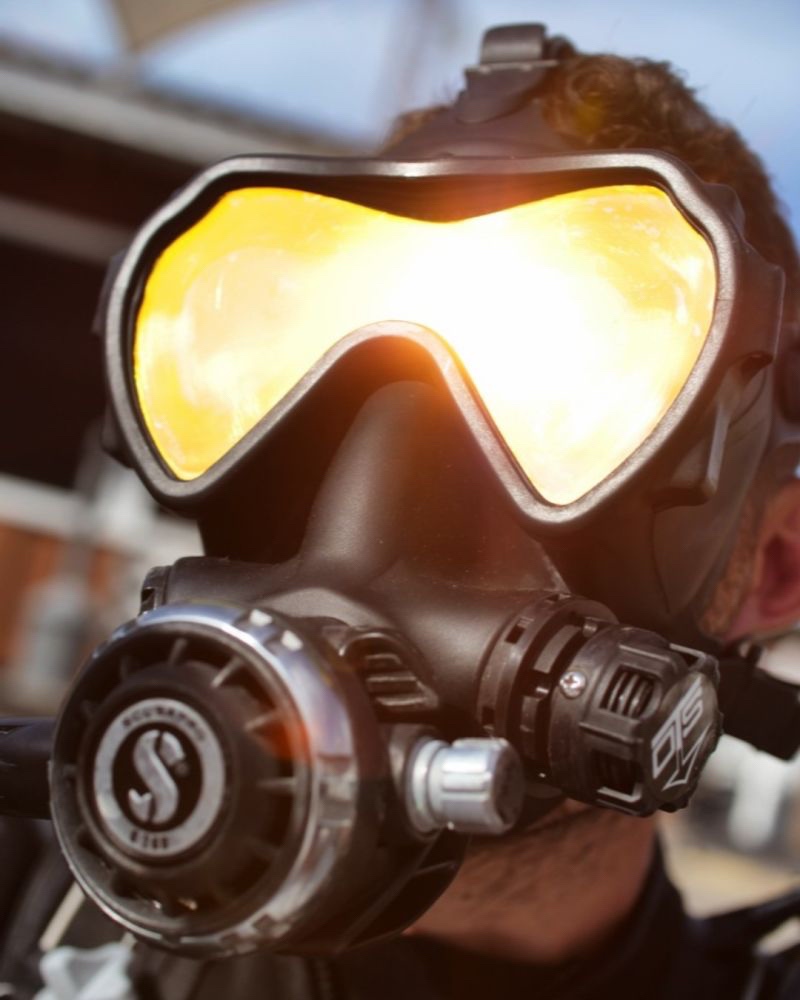
So how do you choose the right FFM to use? If you are in the military or on a Public Safety Dive team, you will have the mask selected for you. The two most popular groups are the OTS Guardian and the Interspiro AGA. Consider what kind of diving you’ll be undertaking with the mask before starting your search for full-face scuba masks online or in stores.
For easy cold-water diving, all you need is some minimal protection from the water splashing on your face. Full-face dive masks with communications functions, such as those used for underwater weddings, are available if you want to communicate underwater. There are basic underwater transceiver units and more advanced communication systems available.
Look for brands that have received a lot of positive feedback.
Skimping on quality is never a wise idea when choosing equipment that could save your life. Rather than a third-party copycat brand that has never been formally tested for product efficiency, it’s best to invest in a product that has been developed through time and is also guaranteed to last years of use.

Fortunately, today’s market has a lot of great brands producing high-quality full-face diving masks. A few of the brands available include SCUBAPRO, Ocean Technology Systems (OTS), Interspiro, and Ocean Reef.
The sizes of masks are not standard. As a result, you must try them on to make sure they’re comfortable. Make sure when you try it on that you also try it on while wearing a hood, move your head like you would if you were underwater. Also, check to make sure you can clear your ears. Do this by gently pushing upwards on the chin; you may also verify the mask’s snugness. There are different size nose pieces, so make sure you have one in there that fits your nose. Most public safety dive team dive in very low visibility water. A FFM used together with a SCUBAPRO Heads Up Dive Computer are truly one of the best combinations in diving in any situation. It gives you the ability to see your gauges no matter what the visibility. Just about alll the masks shown have a SCUBAPRO HUD on them.
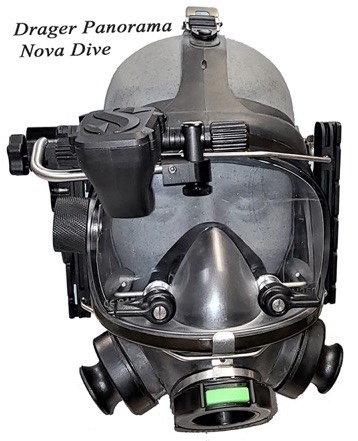
Before you buy an FFM, you should take a class. Honestly, if you have been diving for a while, you will have no problem with this, but there is a class for everything in today’s world, and if you learn one thing, it is worth taking.
Overall, the FFM is a great tool to have in your toolbox.