Wilcox Ind

Archive for the ‘Advertiser’ Category

SIG SAUER Develops In-House Magazine Production Capability

Monday, July 25th, 2022

I recently made a visit to SIG SAUER’s newest factory in Rochester, New Hampshire. This 200,000 square foot facility started out in a different industry and has been repurposed several times since SIG started using it but they are adapting it quickly to their purpose. SIG began occupying it in the spring and by summer there were over 300 employees working on the floor. Envisioned as additional capacity to accommodate machine gun manufacturing, the factory is accomplishing a variety of tasks as they ramp up to meet the upcoming demands of the Next Generation Squad Weapons program.

For example, one of the new capabilities developed for this factory is in-house magazine production for NGSW.
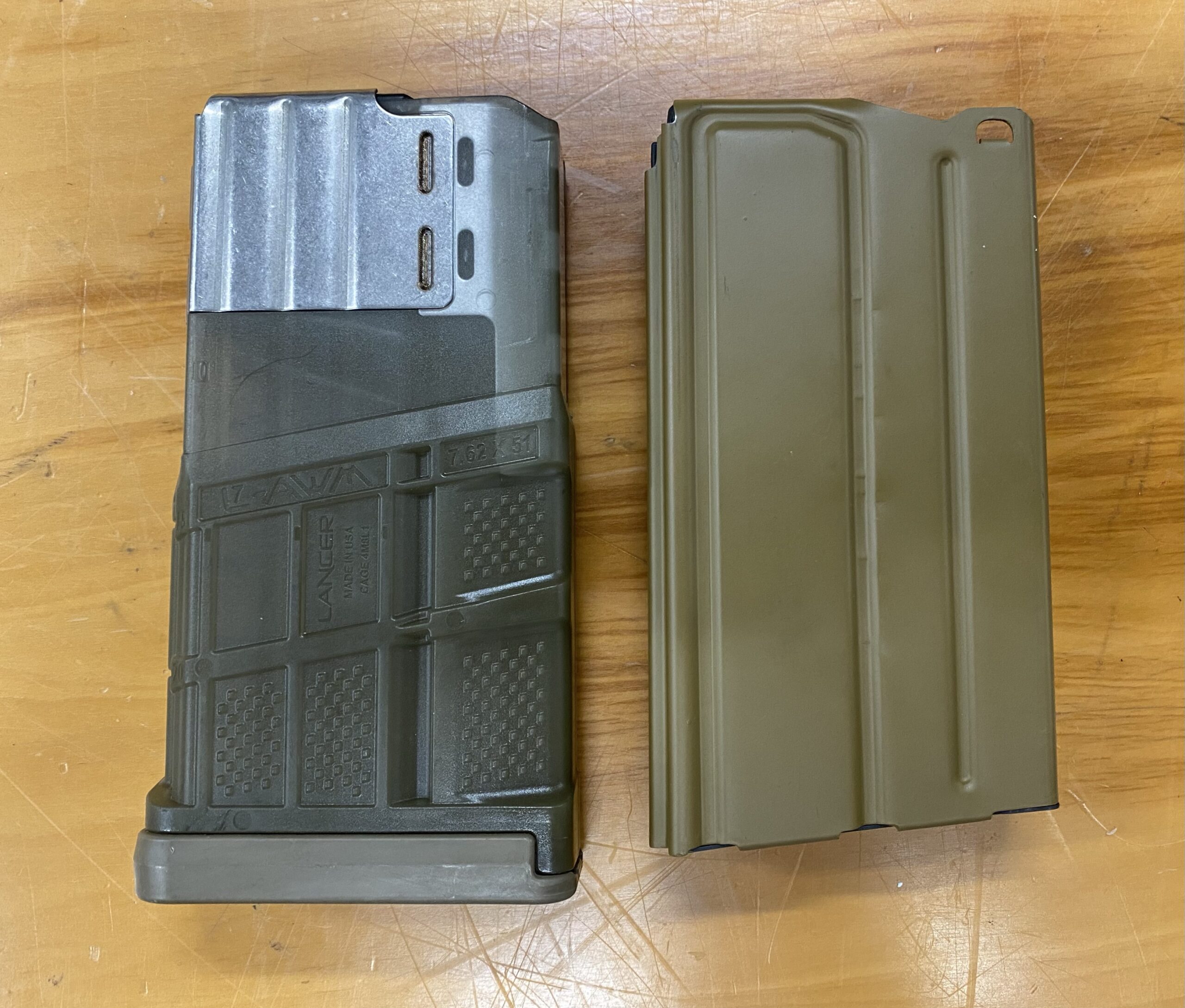
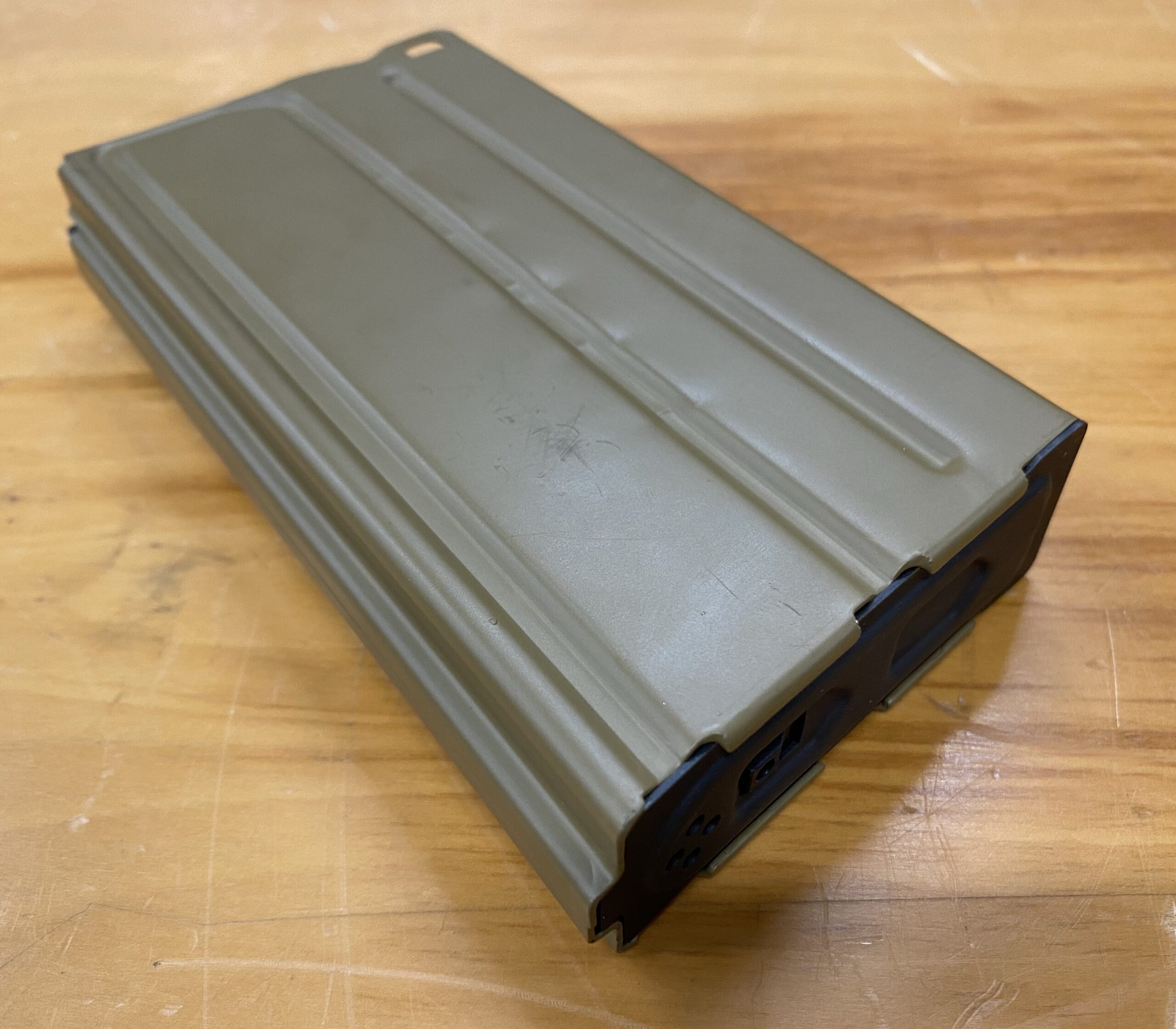
During the down select process, SIG used a modified version of the 20 round Lancer L7AWM polymer magazine. However, SIG has begun development of a stamped steel magazine.
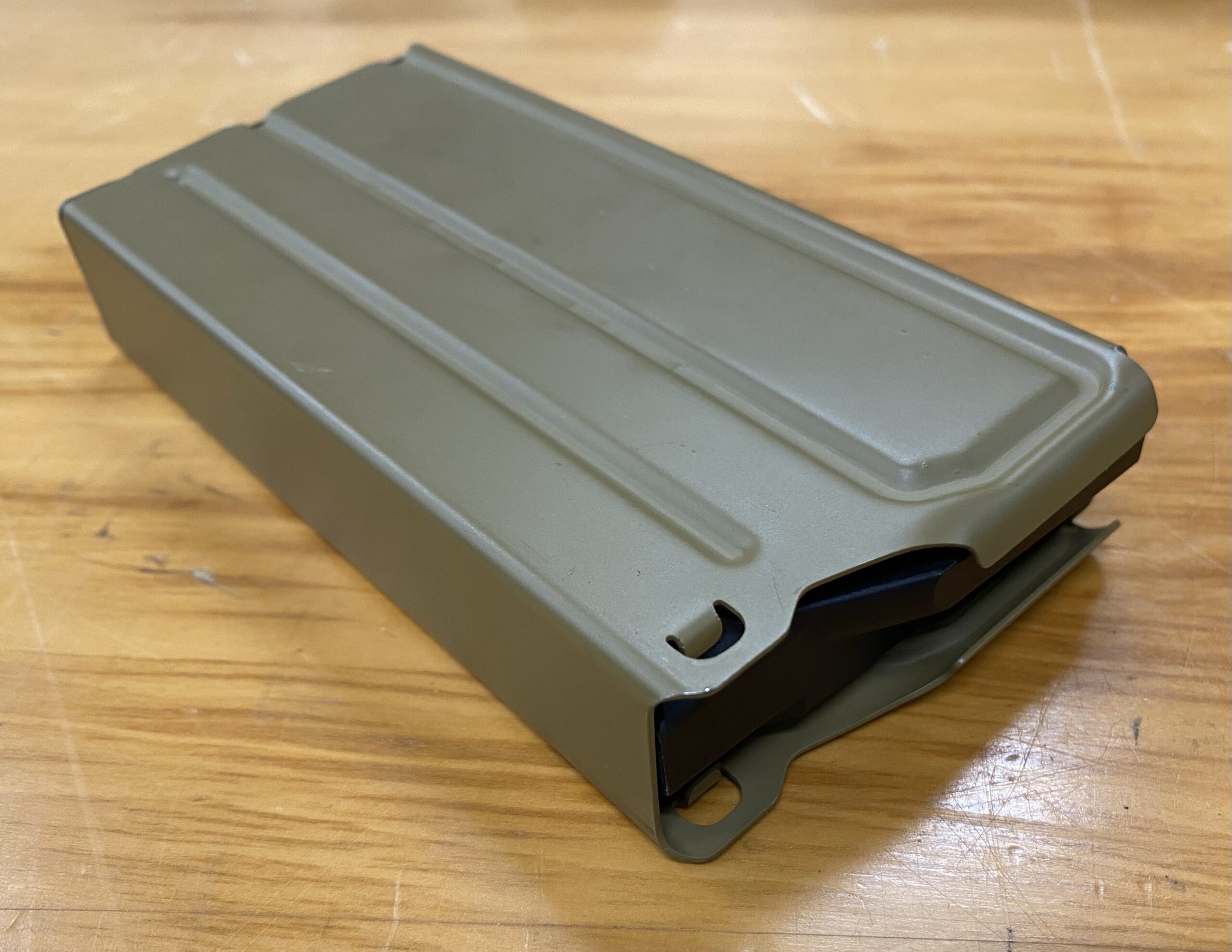
The Army has not evaluated this magazine yet due to the stop work order associated with Lone Star Future Weapon’s NGSW contract award protest. Consequently, although the magazine production capability is primarily envisioned for NGSW, the team is currently refining the process by producing pistol magazines.
They take pre-stamped blanks from an industry partner and run them through a process which is highly automated and currently creates one magazine every eight seconds.

Initially, the stamped steel blanks are washed, with one completing the process every four seconds. This process includes wash and rinse followed by spray and tumble. They also press the blanks together and inspect them as if they were already welded into a solid body.
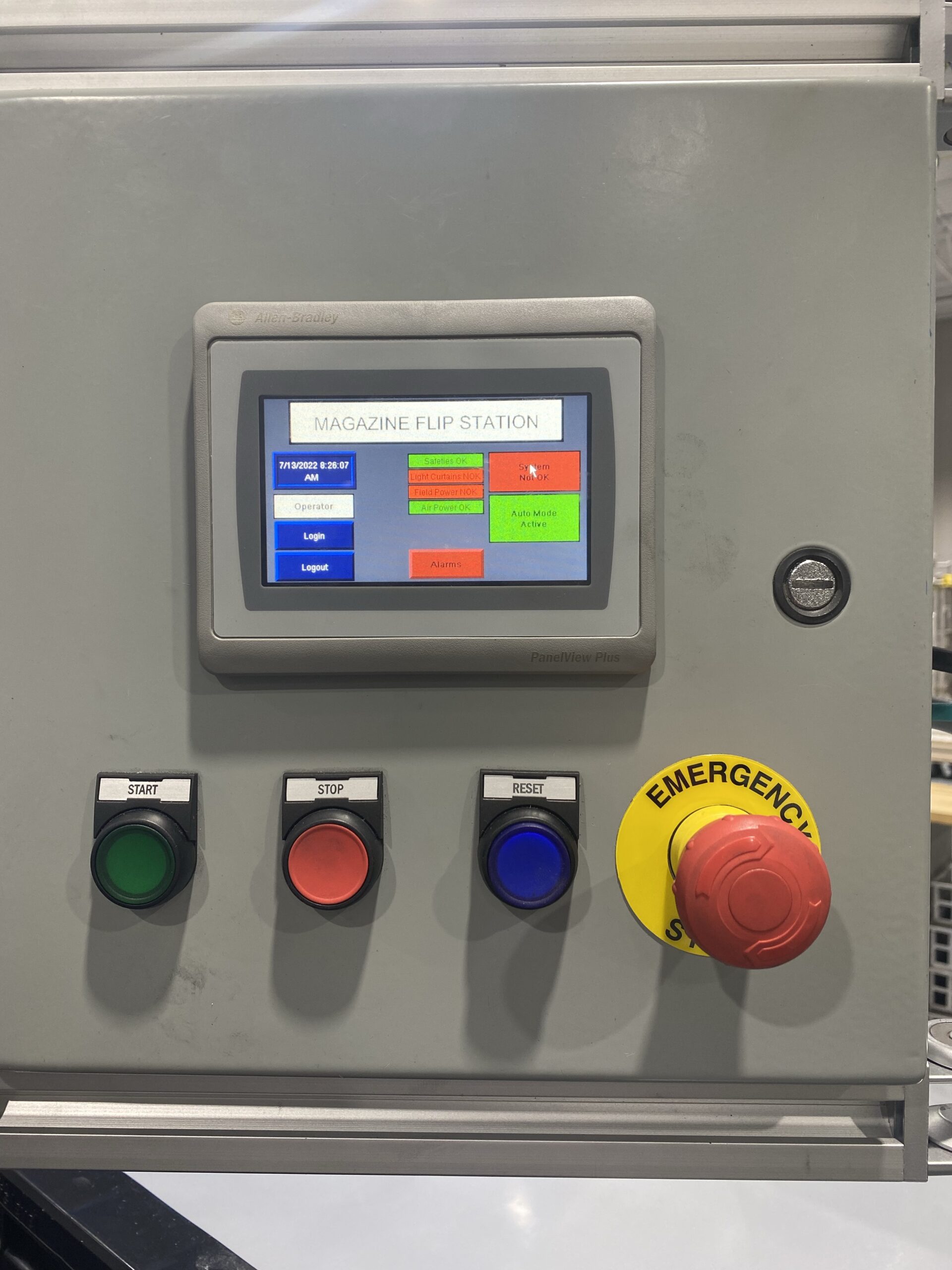
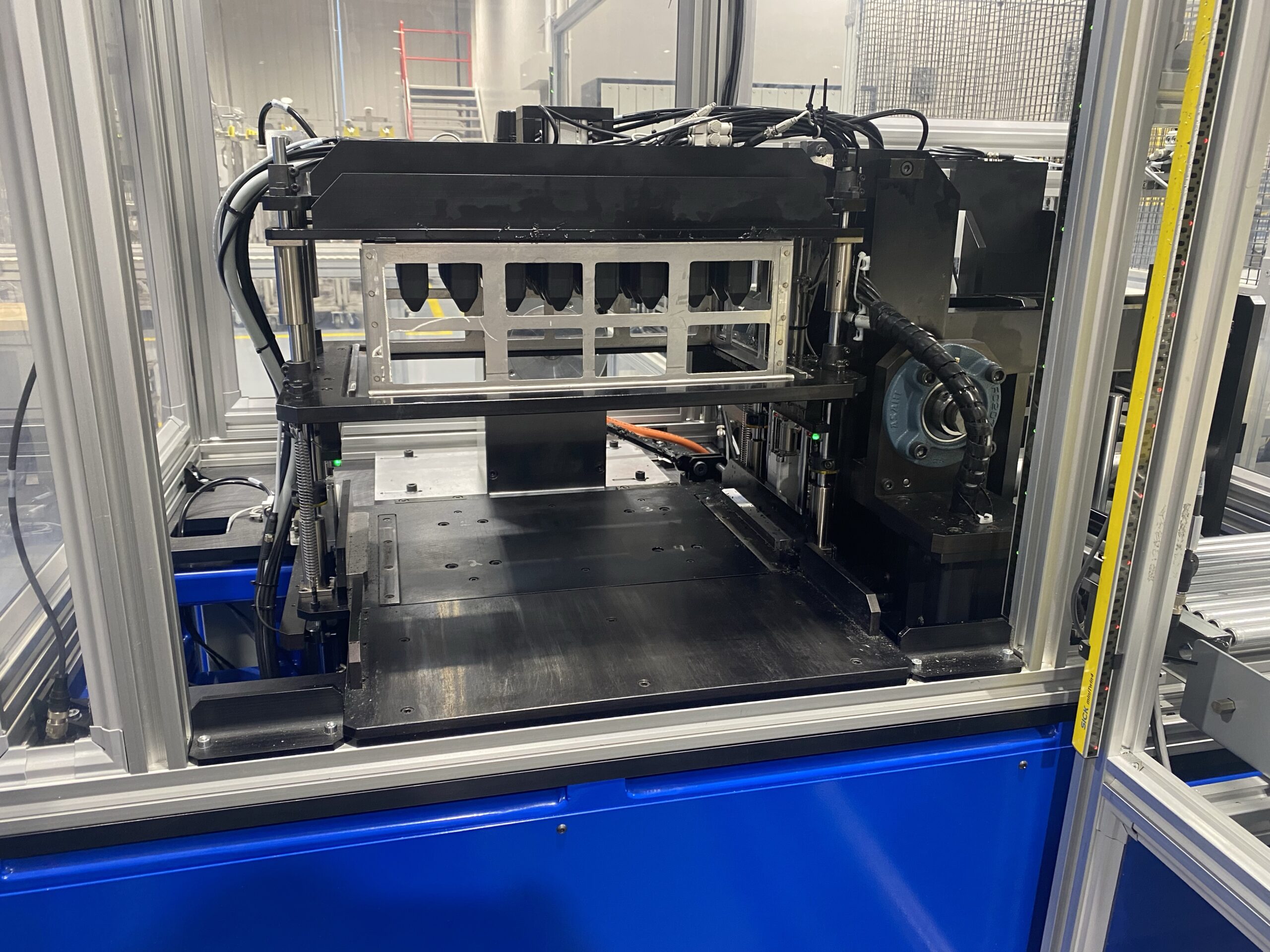
Next, the blanks are flipped in order to be fed into the assembly process.
I spoke with SIG Chief Operating Officer Ron Goslin about this process. He told me that at its heart SIG is an engineering company. They took a look at how magazines have traditionally been manufactured and decided to go at it from a different angle. They worked with industry partners to integrate capabilities into the magazine production line.
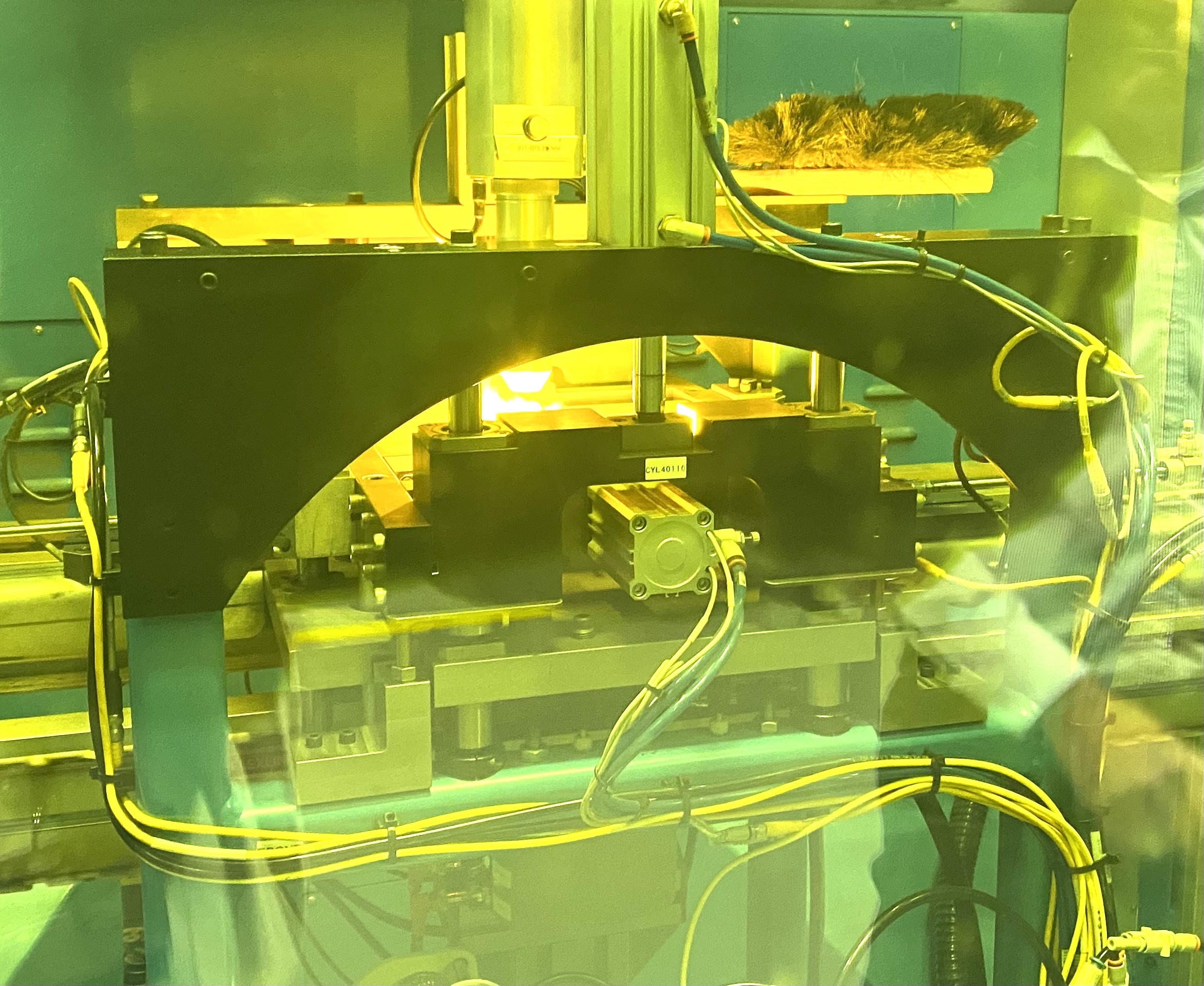
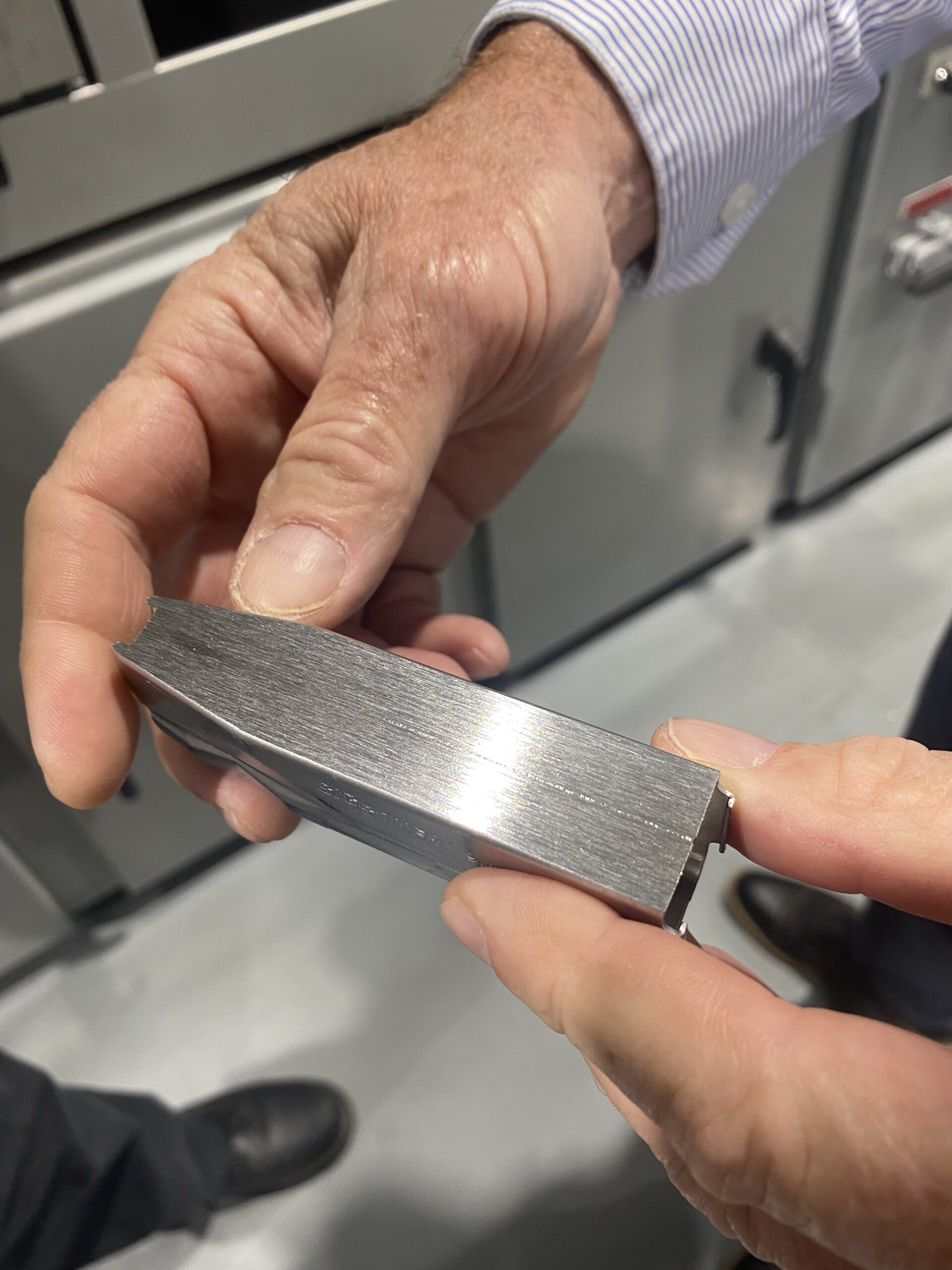
Their secret is laser welding. Traditionally, steel magazines are TIG welded with extended tabs which are removed to accommodate the puddles at the beginning of a weld. SIG VP of Manufacturing Engineering Nick Fappiano related that laser welding, combined with robotic automation to align the two sides of the stamped blank, has proven more precise and consistent.
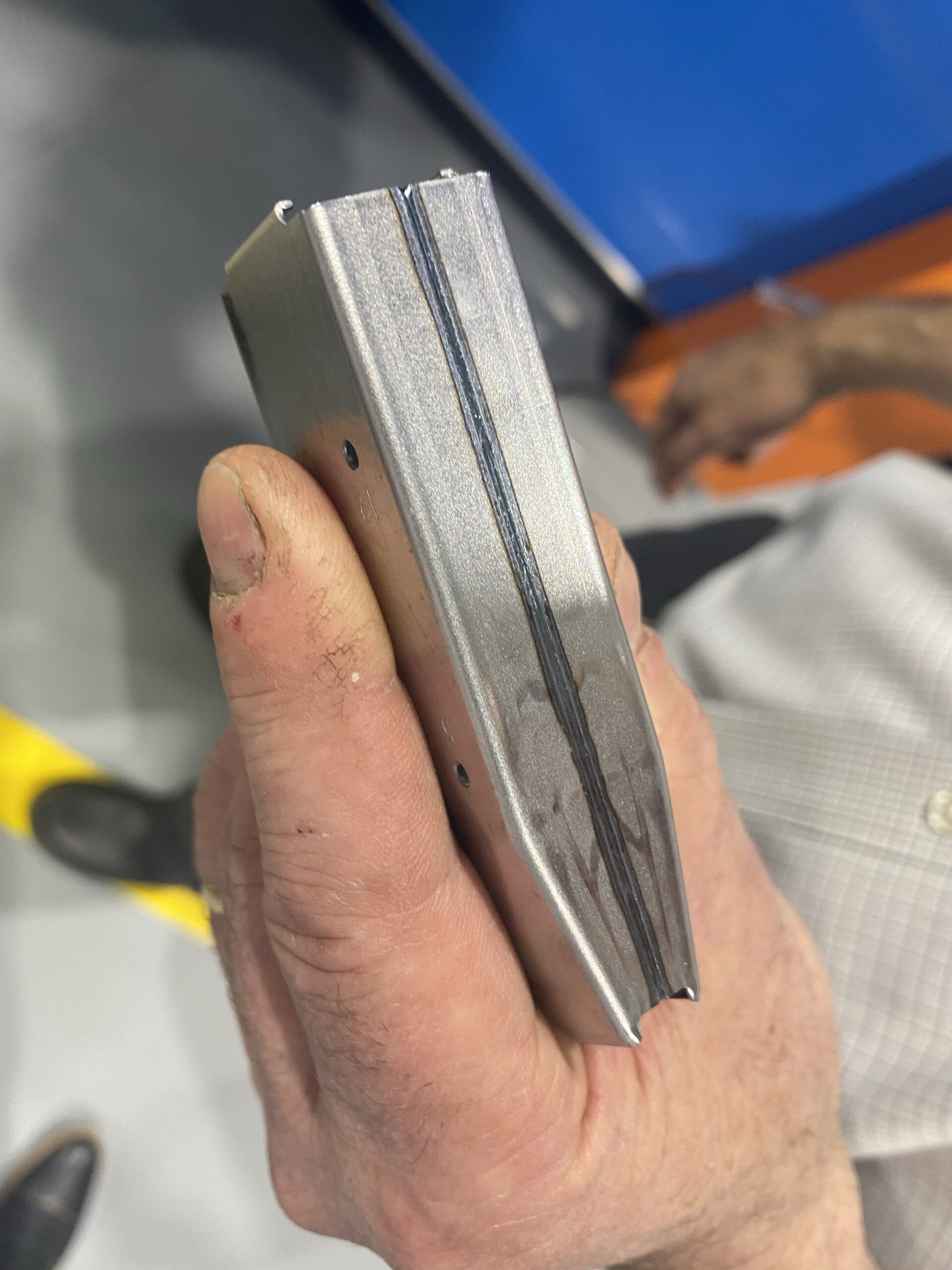
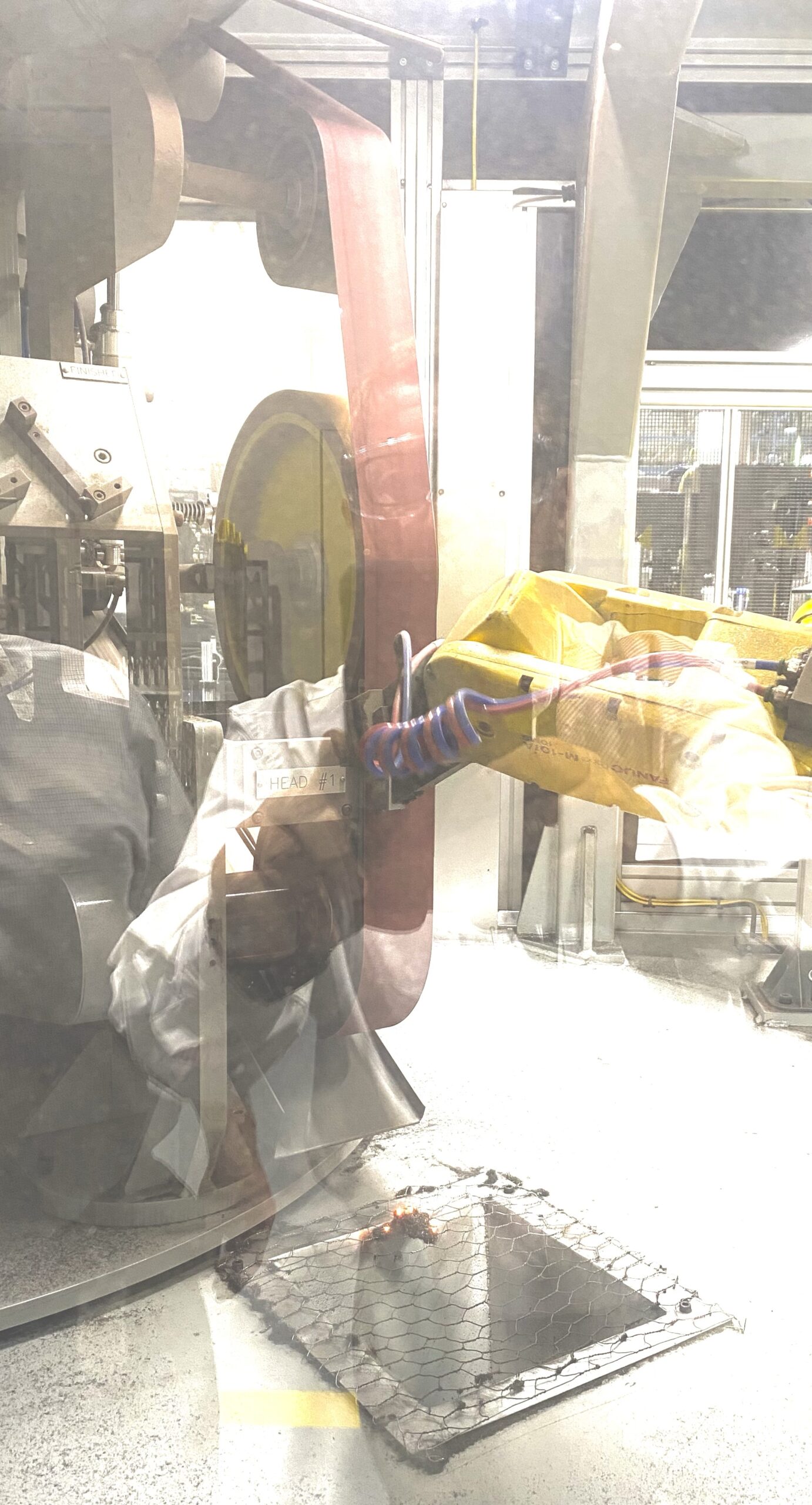
The welded bodies are then sanded by a robot for consistency.
Below you can see the results, with the weld line barely visible.
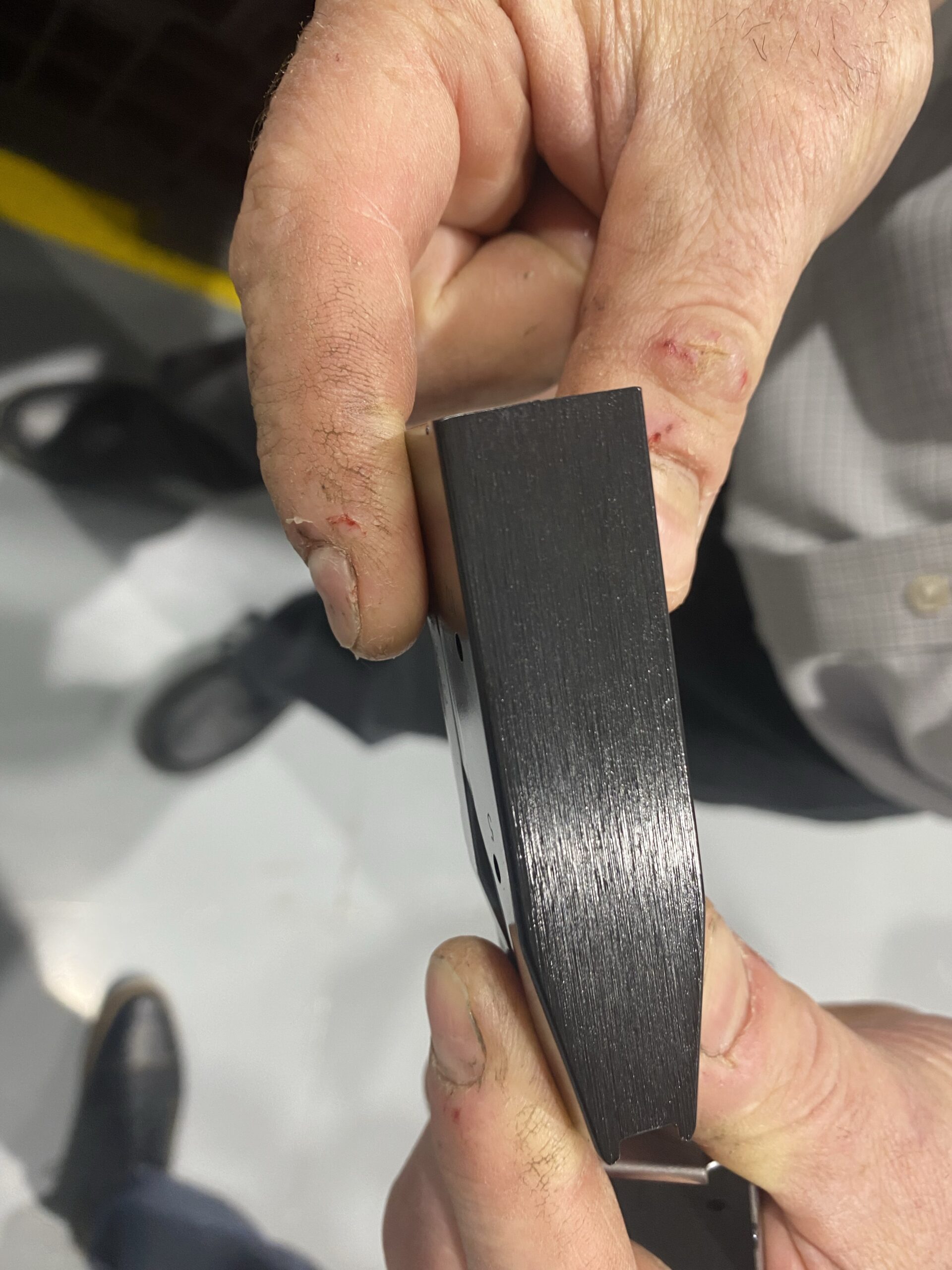
The bodies are currently going out for heat treating and black oxide treatment but those capabilities will eventually migrate in-house as well.
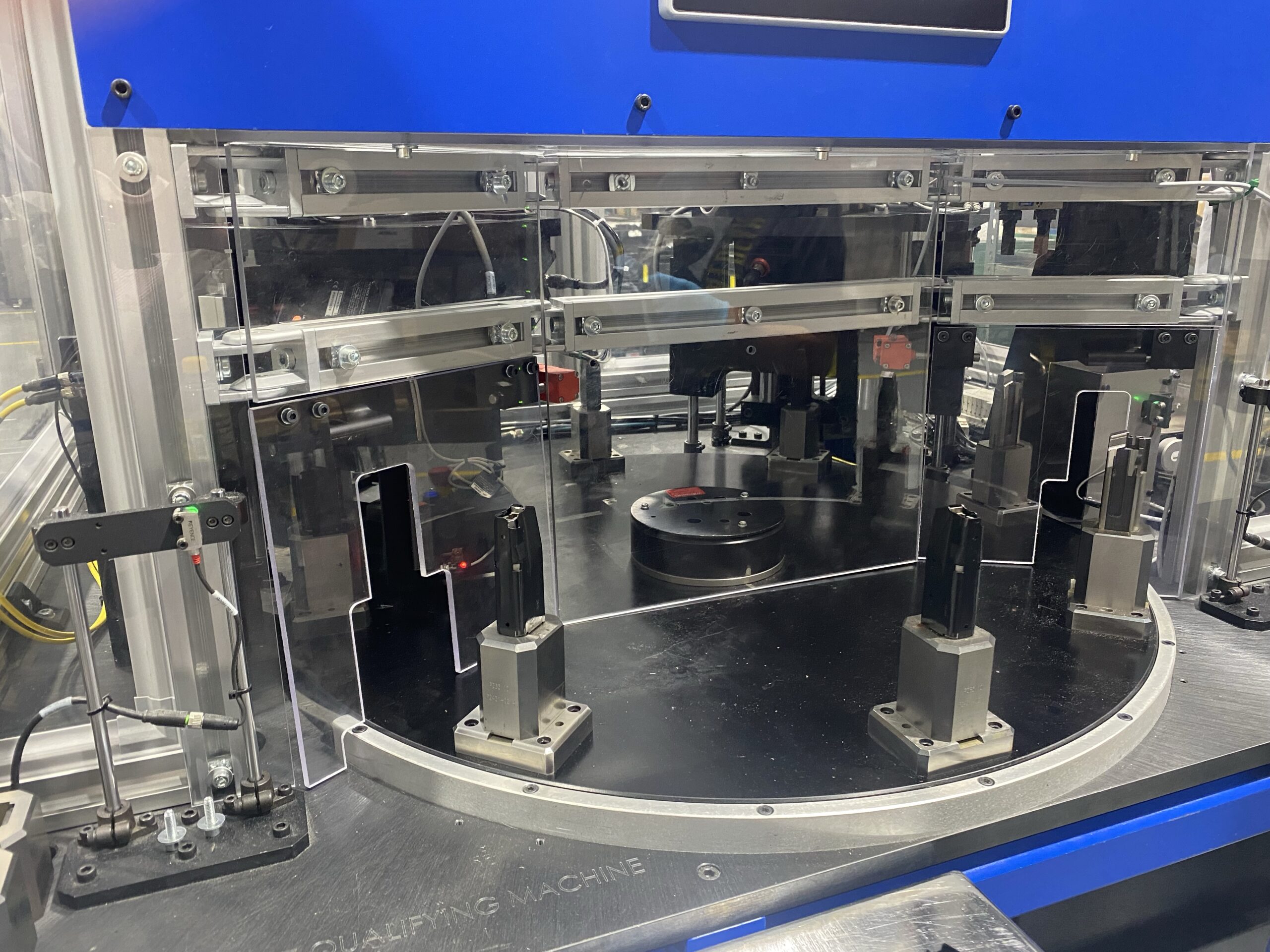
Although the bodies are gauged throughout the process, finished bodies are treated to a full going over on a rotary table with two stations looking for precision in the body’s construction. Additionally, the feed lips are formed into place with the body’s resistance taken into account during the procedure to ensure consistent feed lip alignment.
Finally, assembly with follower, spring and floor plate is accomplished by technicians, but they are already looking toward automation of this step.
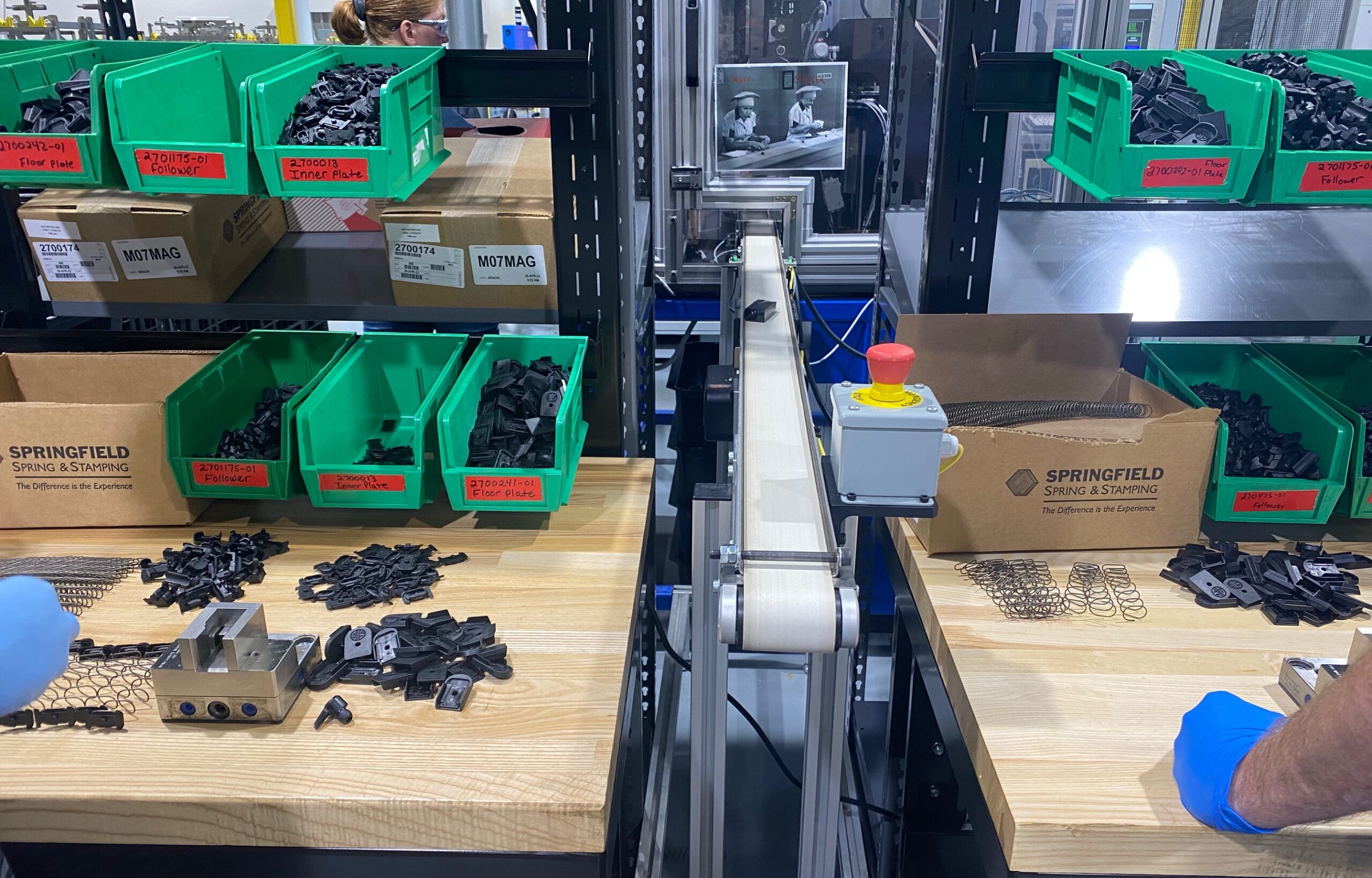
In the future this assembly line will be replicated, resulting in a manufactured magazine every four seconds to match the production rate of the wash system.
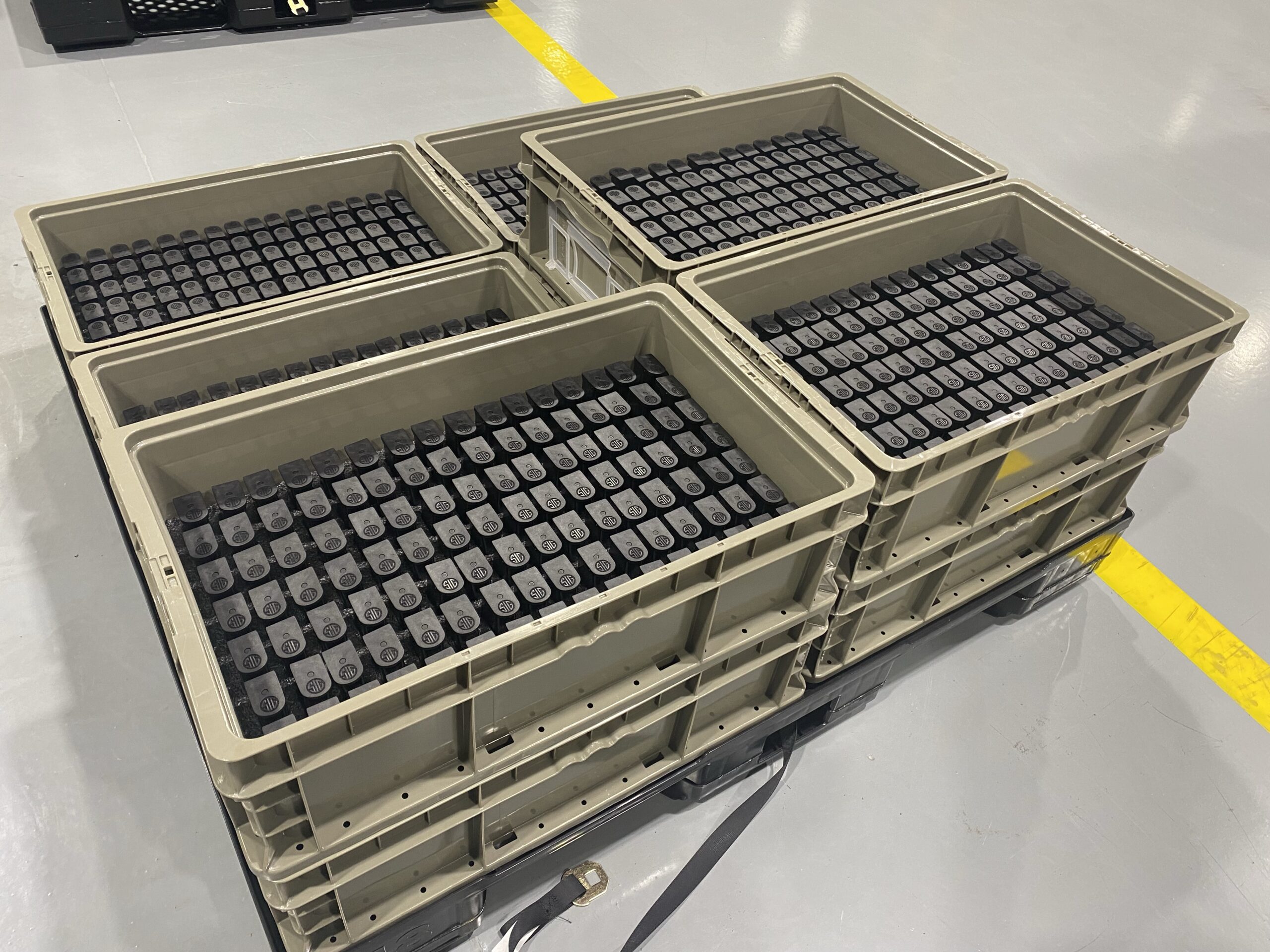
Currently, the line requires six technicians. With the doubling of production capacity to two lines, that number will grow to 11; five per assembly line and one for the shared wash station.

In addition to supporting NGSW, the in-house magazine production capability could support commercial sales in the event of future supply chain shortages.
SCUBAPRO Sunday – The Seawing Supernova

Sunday, July 24th, 2022

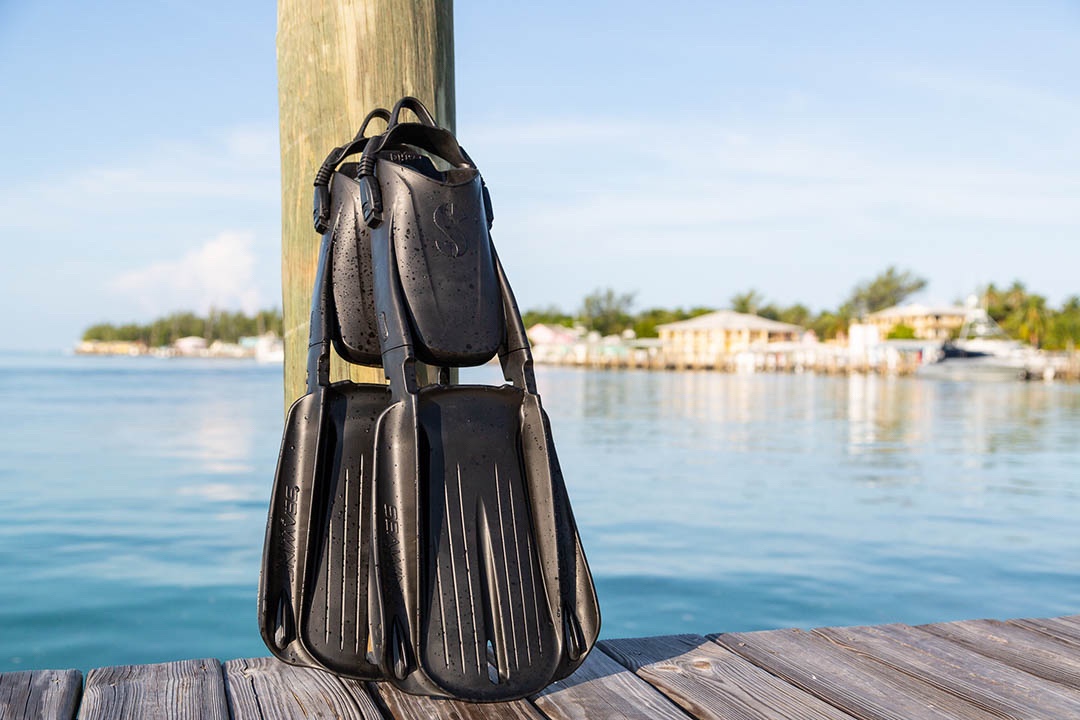
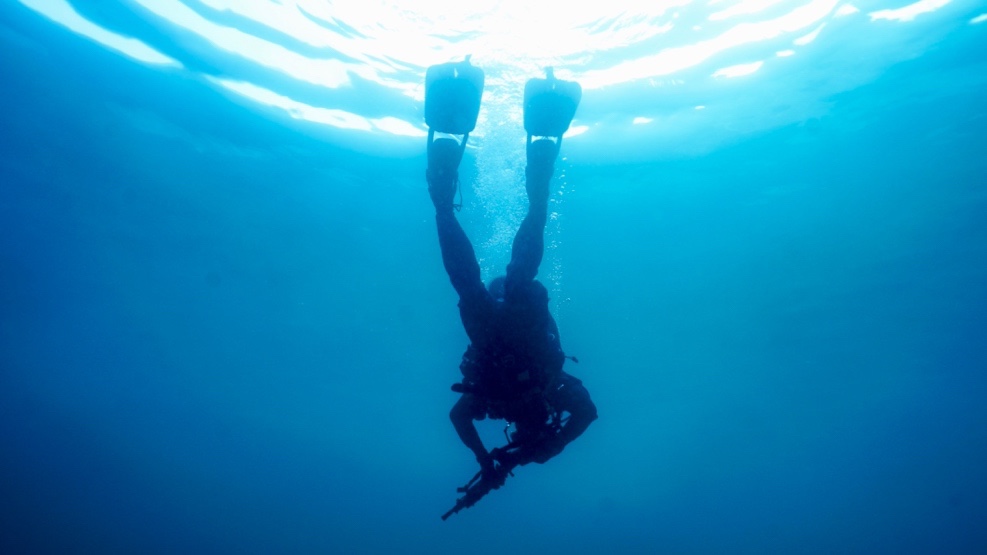
Following in a long line of great fins. The new Seawing Supernova continues in those footsteps (get it footsteps? It’s a fin, and your foot makes a, No ok).

I started using the Supernovas a couple of months ago and noticed a difference immediately. I felt like I had a lot more maneuverability than with conventional fins. It also feels like what you expect a great dive fin to feel, but without the weight and, honestly, a lot more flexibility on the kicks, Frog, Reverse, Scissor or Flutter.

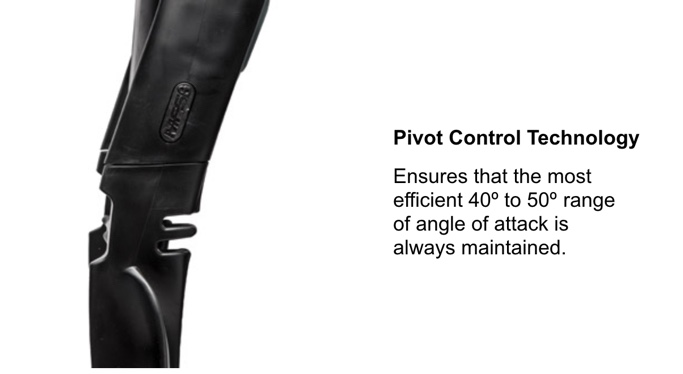
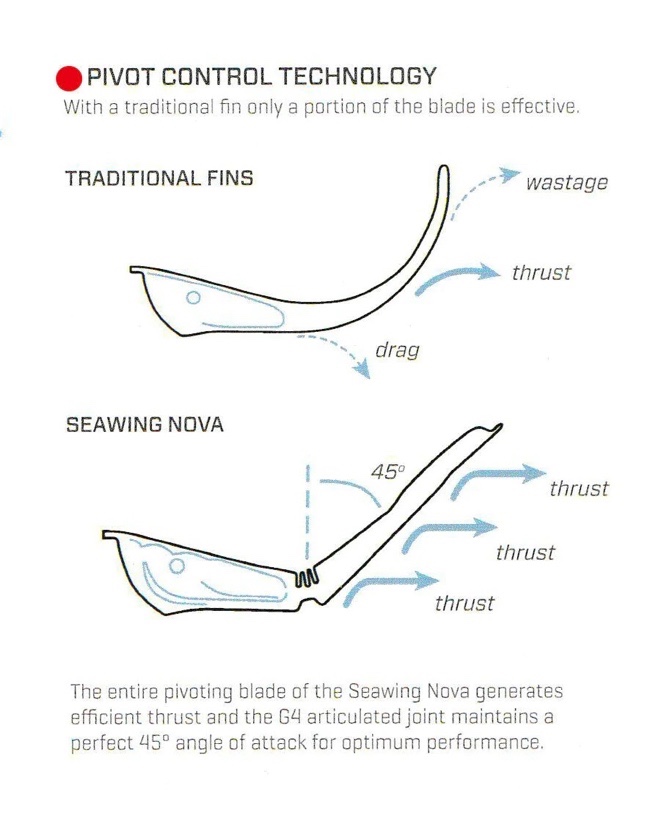
A diving fin needs power, and the Seawing Supernova has it. The fins are designed with Pivot Control Technology. The blade is pre-set in the 40º to 50º range, which is the appropriate angle of attack for the blade and ideal for translating kicks into forward propulsion.

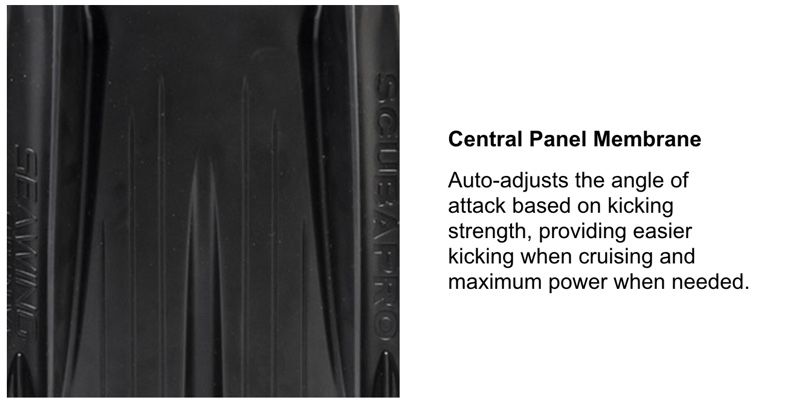
The blade’s revolutionary flexible Auto-Adjust center panel coordinates with this hinge mechanism to adjust the angle of attack by counter-pivoting in response to the force of the kick. So, what does that all mean? On a traditional paddle fin, the harder you kick, the more the blade bends. That means a soft fin will achieve the ideal 45-degree angle when kicked gently but will over-bend and lose thrust when kicked hard. On the other hand, stiffer fins achieve that ideal 45-degree angle when kicked hard but remain too flat to be efficient when kicked gently.

Consequently, both types require the diver to compromise their kicking style to get any efficiency out of the fin.

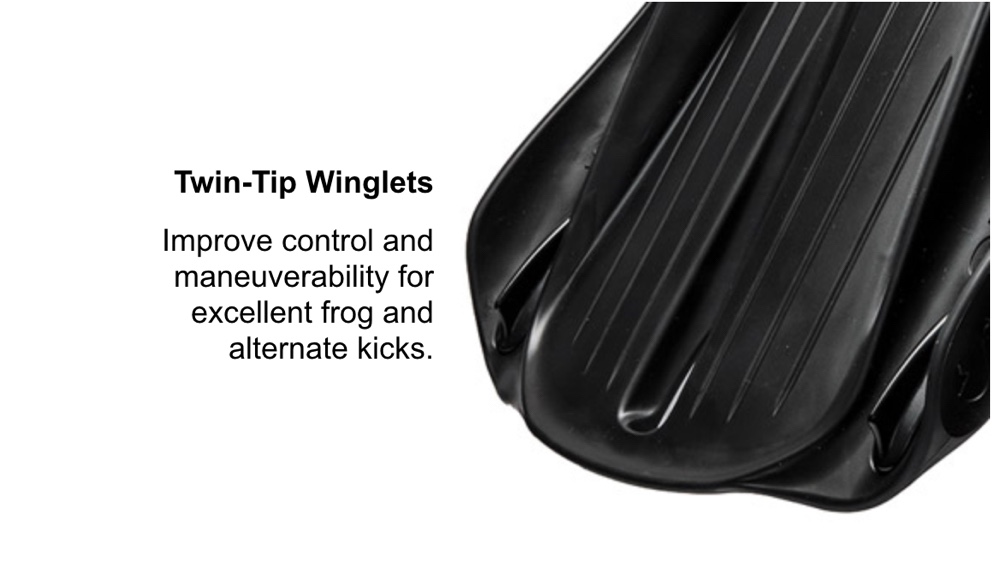
When you are fining, you can kick so hard that it will bend the blade so far back that it can “technical” pull you backward; this offers a softer angle of attack for comfort while lightly kicking, a more aggressive angle of attack when powerfully kicking, and anything in between. New twin-tip winglets improve control and maneuverability when doing frog and alternating kicks.

The Seawing Supernova, winner of the prestigious Red Dot Award for product design, is a remarkable improvement over the Seawing Nova in terms of performance, construction, fit, and versatility. It also features a cutting-edge blade shape that generates significantly more power, speed, and maneuverability.

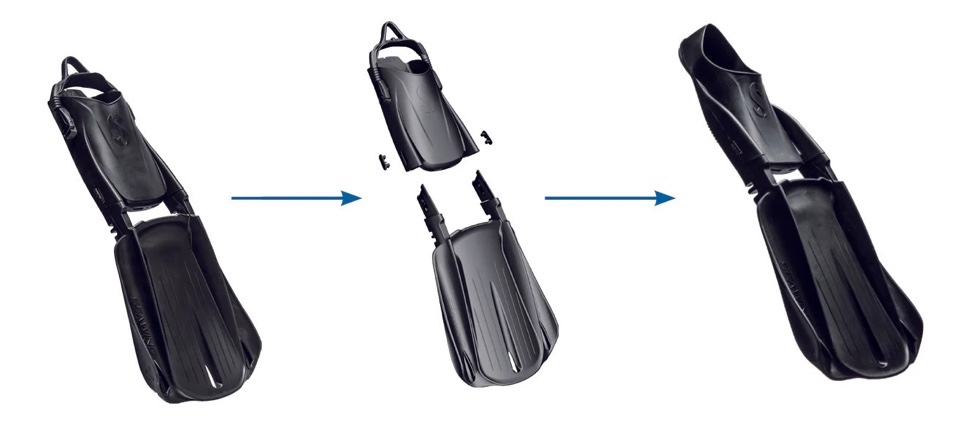
The Seawing Supernova also has a novel two-piece design, with the blade and foot pocket molded separately, is made of quality Monprene® for maximum durability, and breaks down effortlessly for transport. This will also allow you two change your blades as SSCUABPRO designed more. The Seawing Supernova’s open heel foot pocket has an updated heavy-duty bungee strap that enables micro-adjustments to accommodate various boot types and extended grip pads that improve non-skid traction on wet surfaces. It is sold as an open heel set with a foot pocket and blade already built.

Additionally, the two-piece construction enables the option of a full foot pocket in place of the usual open heel foot pocket for barefoot diving. You may quickly get ready to hit the water by disassembling the fin’s Socket-Lock Connecting System, replacing the open heel foot pocket with a complete foot pocket, and then reassembling. The entire foot pocket also has a re-profiled heel-retention cup to reduce slippage and chafing and is made of superior Monprene®

Chocolate Chip Is The Current Flavor At Wilde Tactical

Friday, July 22nd, 2022

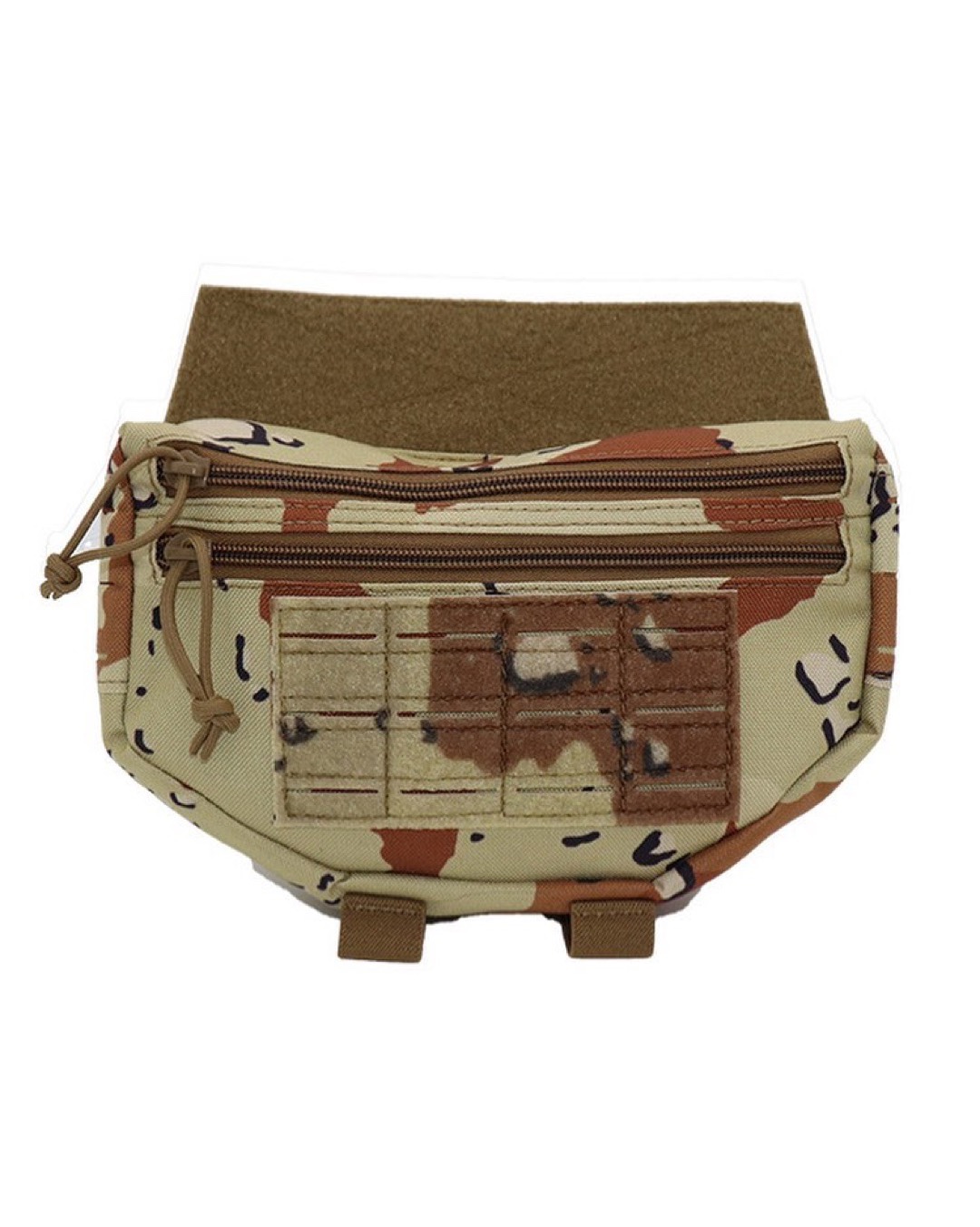
Wilde Tactical is currently off their gear in classic 6-Color Desert pattern, aka “Chocolate Chip.” Once the fabric is gone, it’s gone.

Go see what you can have made.

wildecustomgear.com/collections/limited-edition

Mystery Ranch Raid & Blackjack Now Available

Friday, July 22nd, 2022

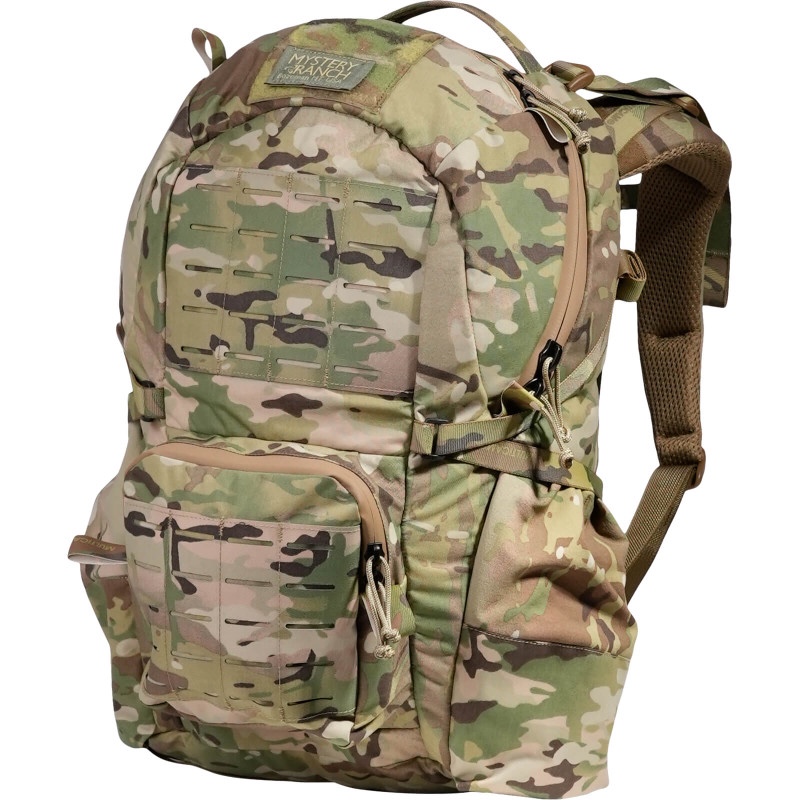
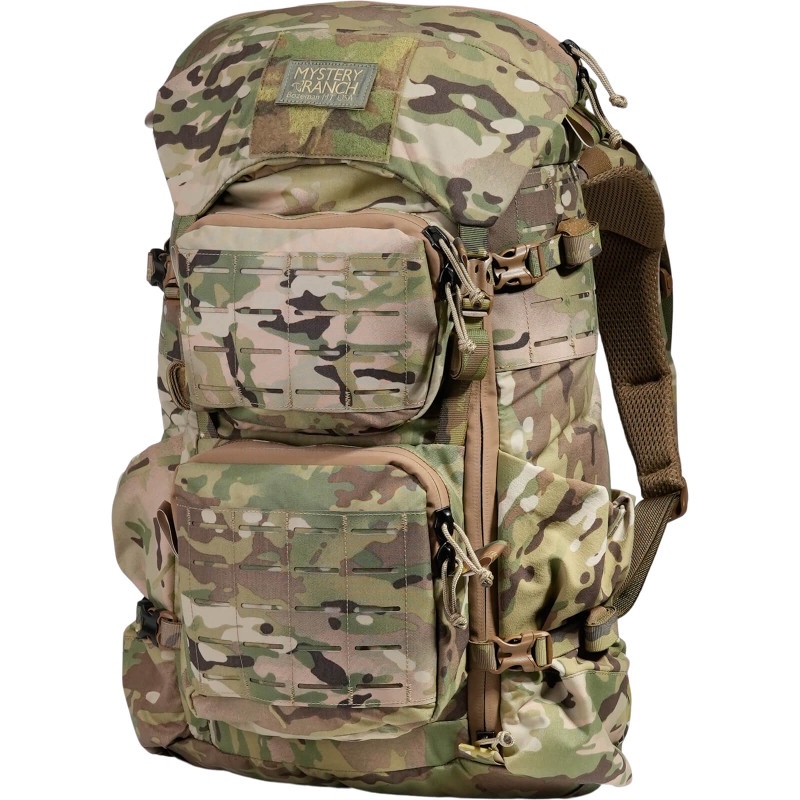
Launched at the beginning of the year, Mystery Ranch’s new family of assault packs is now completely available for order.

The Raid LT 32 and Blackjack LT 35 now join the Gunfighter 14 and 24 which have been available for order for awhile.

The Raid LT is a 32 liter panel loader with horseshoe zipper access to the main compartment. It features two laser-cut ULTRACOMP PALS panels on front pocket for MOLLE accessories. The suspension system includes an HDPE frame sheet and military harness.


The Blackjack LT is a 35 liter top loading pack with top flap and an HDPE frame sheet. It incorporates two laser-cut ULTRACOMP PALS panels on the front pockets and two laser-cut ULTRACOMP PALS side panels for MOLLE accessories.

All of these assault packs are made from 330D Cougar Nylon with DWR and PU coatings and IR compliant YKK® zippers. They are available in Coyote and MultiCam.

www.mysteryranch.com/mystery-ranch-assault-packs

MATBOCK & Astron Aerospace Announce Partnership for Multi-Fuel Engines

Friday, July 22nd, 2022


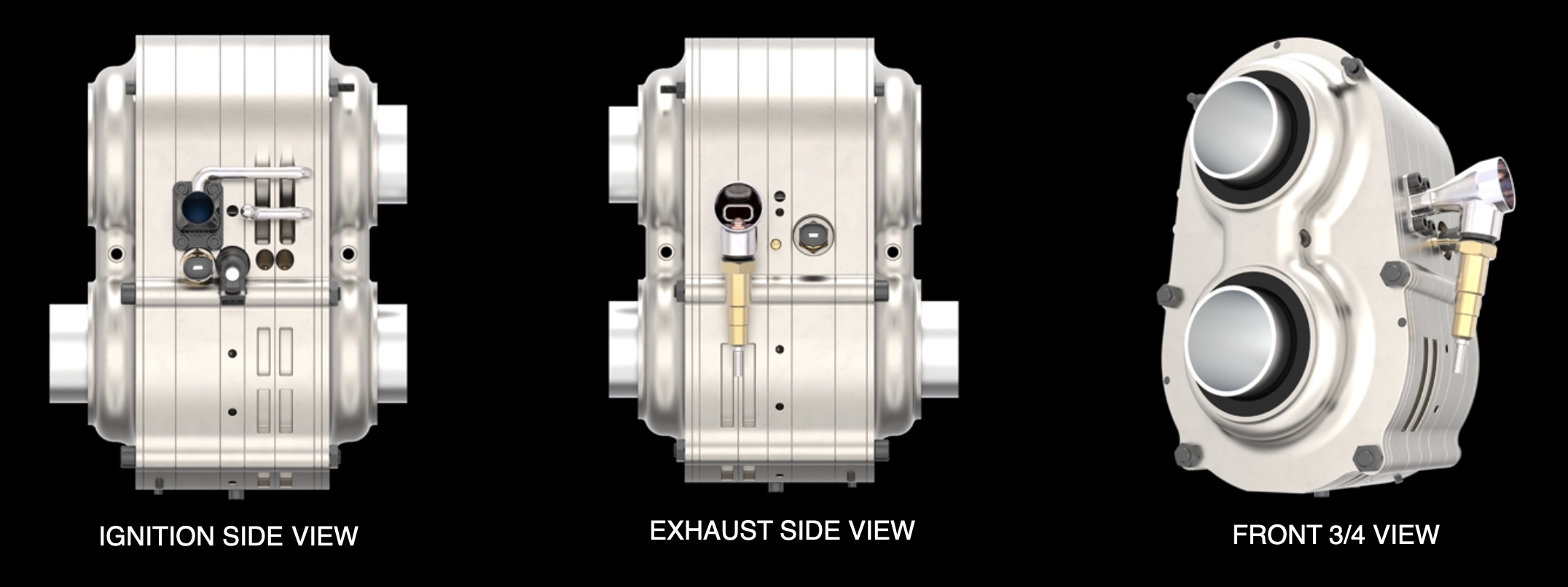
MATBOCK, LLC of Virginia Beach, VA and Astron Aerospace of Wichita, KS are pleased to announce an exclusive partnership for the Astron Omega One family of engines to US Government customers.  Astron has developed a paradigm shifting, multi-fuel engine technology with unparalleled power to weight ratio, increased fuel economy, and low maintenance requirements. At only 38 lbs, the Astron Omega one is expected to produce 160hp and 170 ft-lbs of torque. In an era of rising fuel costs and push towards electric or zero emissions vehicles, the Astron Omega One family of engines stand ready to meet the needs of many DoD requirements.

MATBOCK has already incorporated this technology into various government projects and expects future development efforts associated with this technology to be available for customers by Q2 2023.  “The Astron Aerospace engine technology allows MATBOCK to continue to push capabilities of warfighter past any current systems and redefine power production and management,” said MATBOCK President Zach Steinbock. “We are excited to present the defense community with these projects in the near future and discuss future plans regarding this technology.”

FirstSpear Friday Focus: Exigent Circumstance Pack – ECP

Friday, July 22nd, 2022

A True Assault Pack For Your Next “No Knock, No Warning” Entry Mission

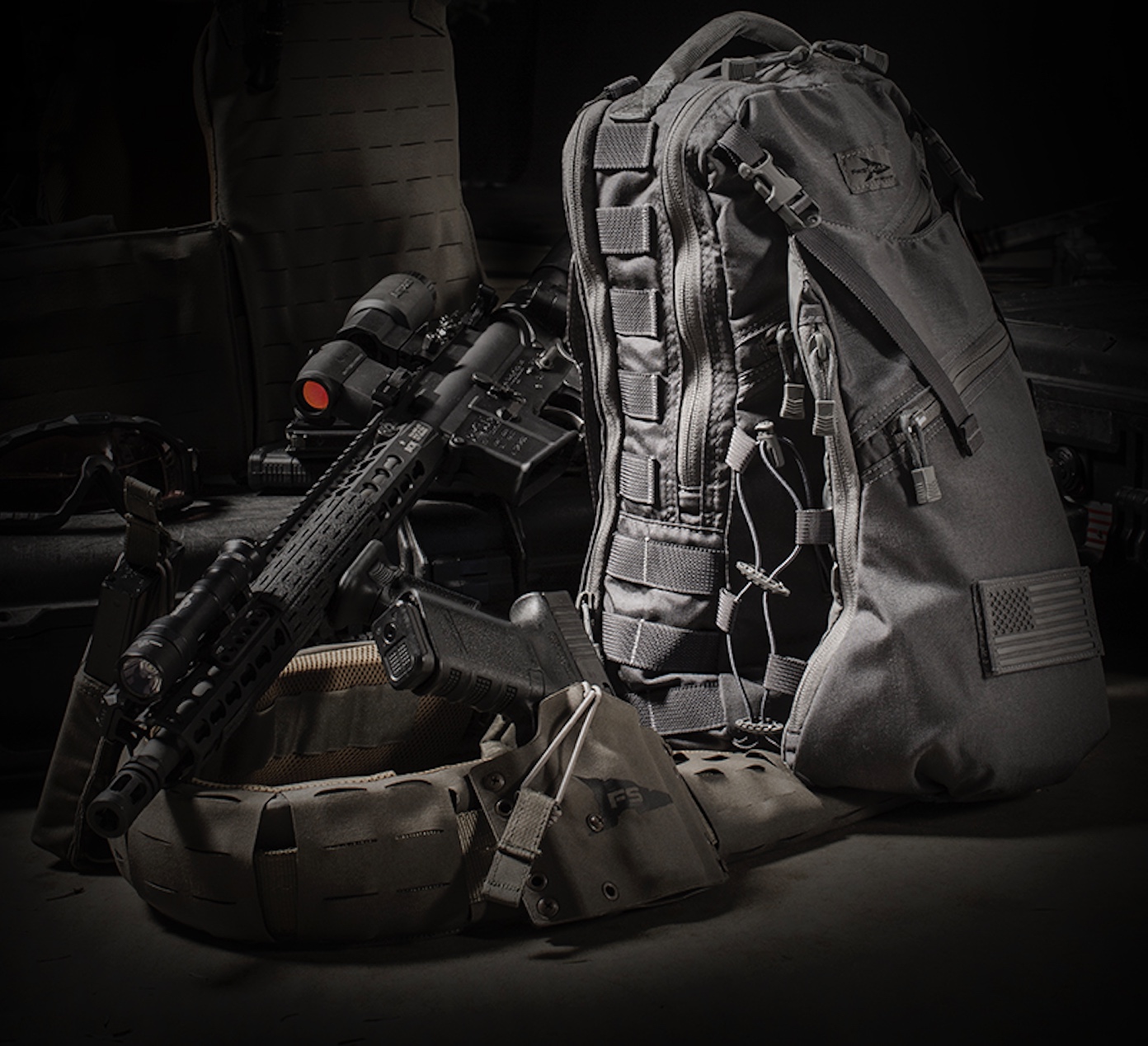
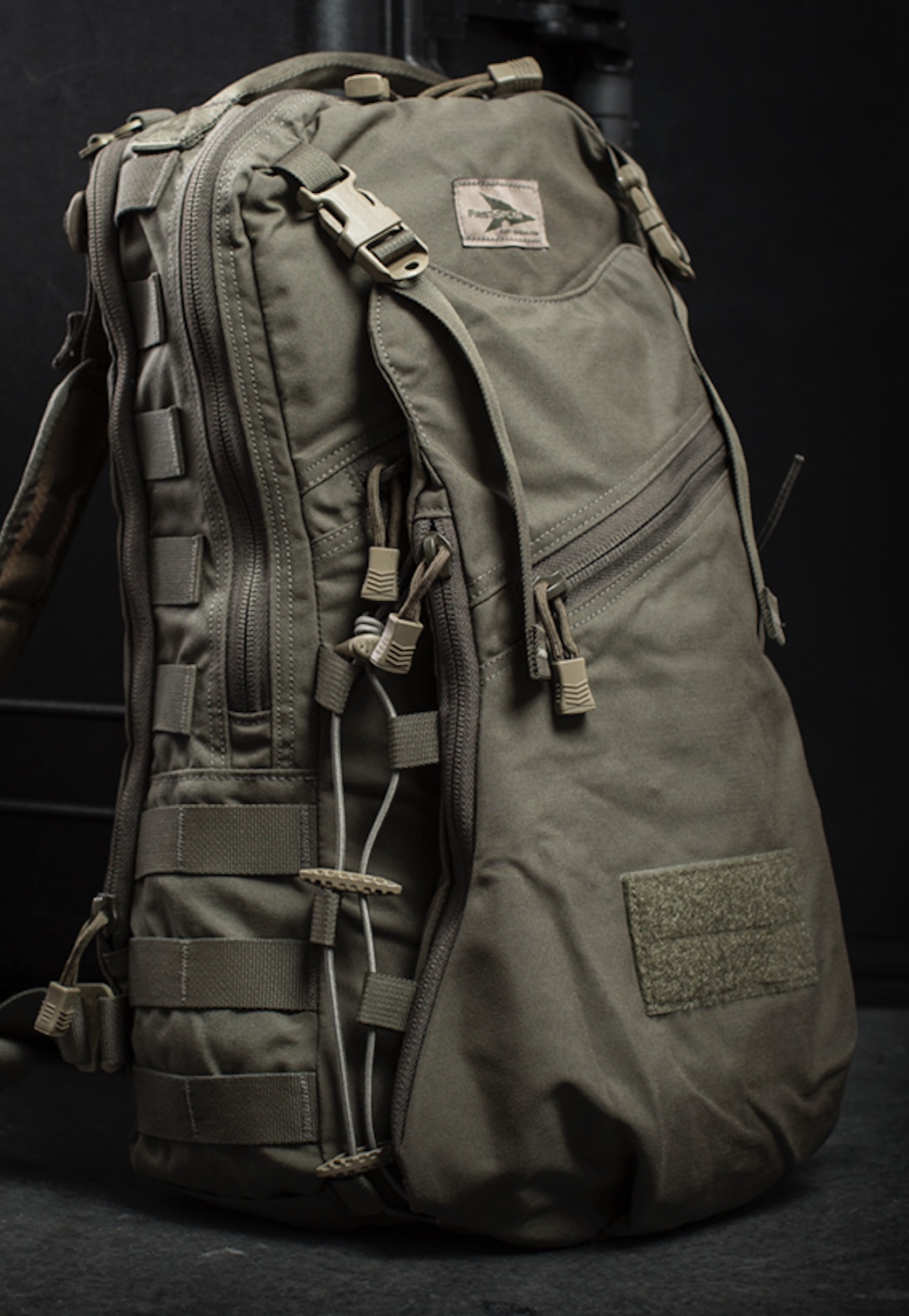
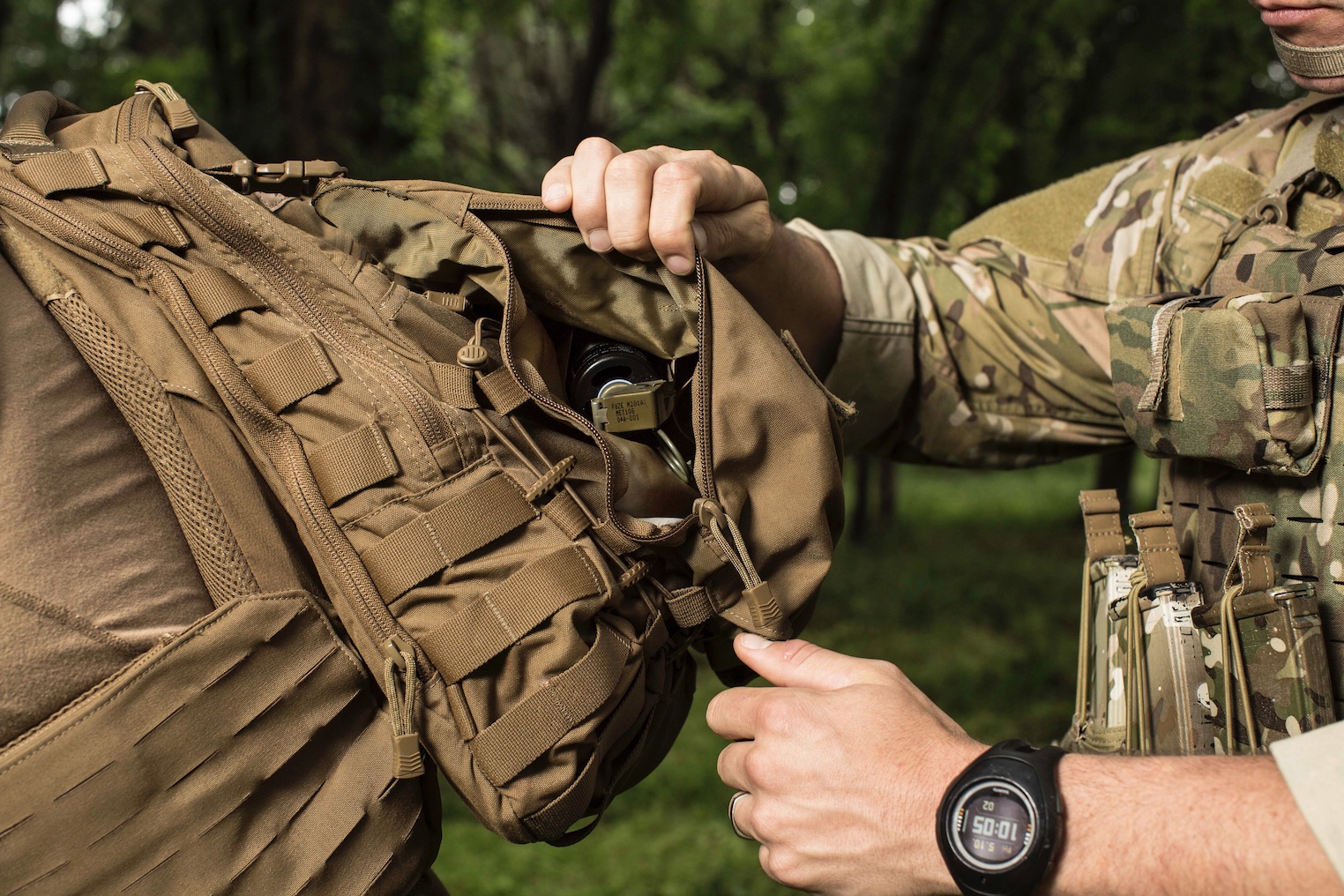
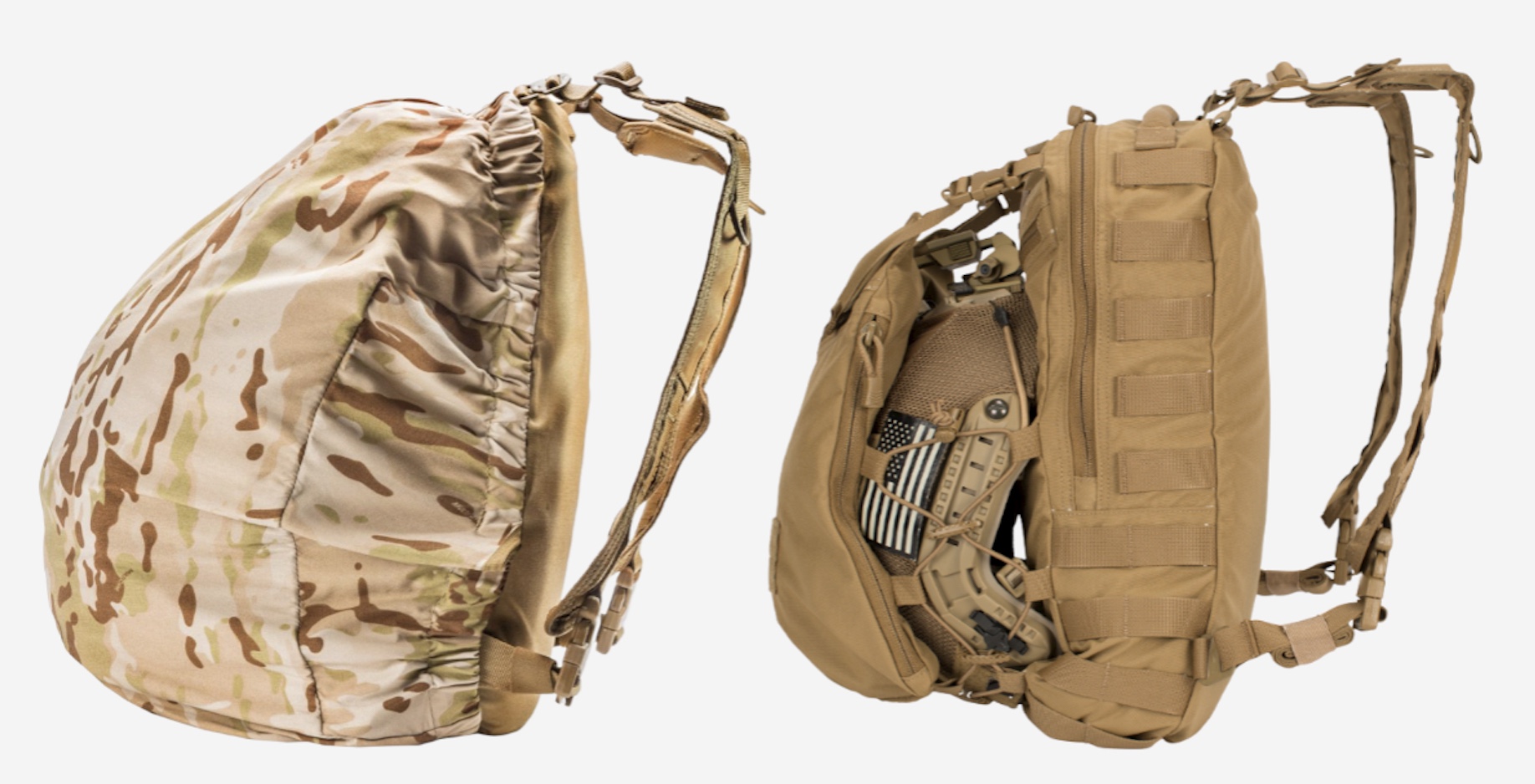
The ECP is the operators go-to assault pack. This pack can be shoulder carried as a backpack, single strap bag or quickly attached to multiple platforms to suit your mission set.

The removable exterior flap is secured with shock cord and provides an ideal space to hold your helmet and other equipment securely and readily available. This exterior flap also provides multiple storage options for kit and accessories.

The ECP is offered in multiple colors and accepts a multitude of accessories for platform attachment and mission needs.

Check out the Exigent Circumstance Pack to find out more.

Visit FirstSpear to find all the gear and apparel for America’s Warfighter.

Poppies Of War x Microbat Candy Mid Pouch

Monday, July 18th, 2022

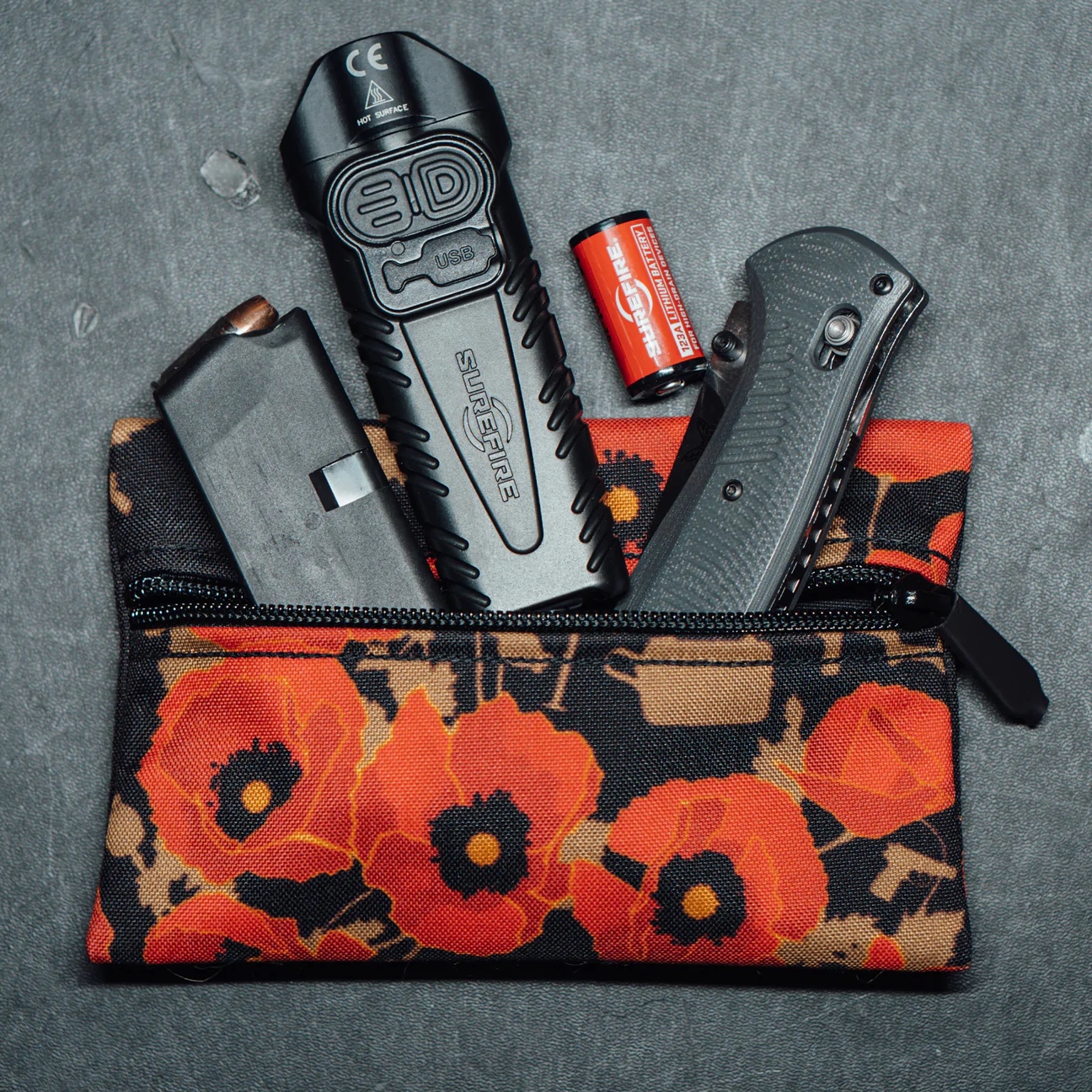
OTTE Gear is offering a limited number of Microbat Candy Mid Pouches in the Poppies Of War print.

The dimensions are 4″x6″ with a 2″x6″ Loop Velcro strip on the frontside.

ottegear.com/collections/equipment/products/og-pow

SCUBAPRO Sunday – Where Should your Dive Knife Be Mounted?

Sunday, July 17th, 2022

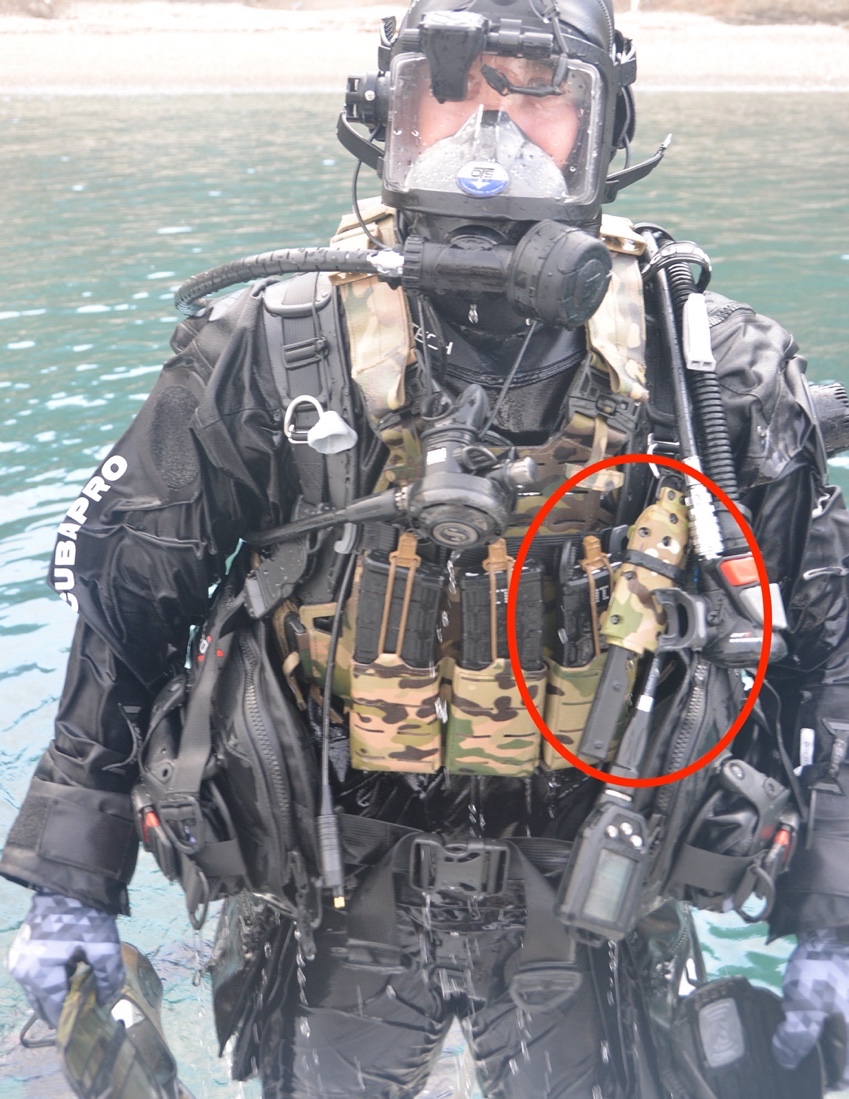
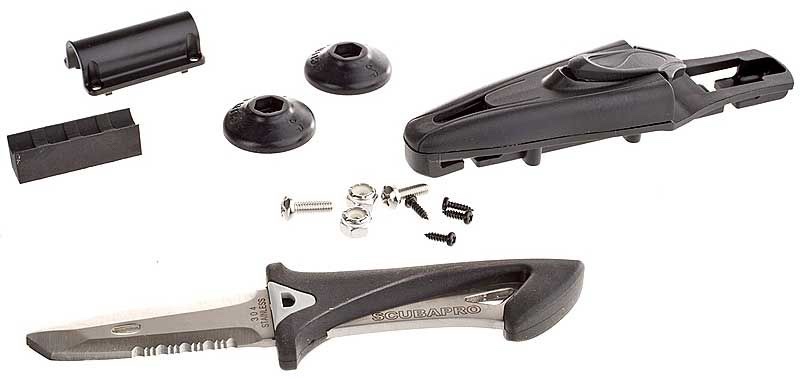
A knife is a very personal item. Even if you are issued one, many people will still buy one more to their liking. There are attachment options for just about every knife, but where is the best place to mount it? Again, that is personal; some people like it on the inside of their leg, some want it on their waste, and others like it mounted on their chest/ shoulder area. Here are my two cents about it. I like my knife high on my waist or left shoulder (because I am a righty, and it keeps my right shoulder pocked free for a weapon). A knife is a tool; if I need to use it, there is a good reason for me to grab it. If it is on my leg, I might not be able to reach it. If it is on my waste or above, no matter what, I should be able to get to it. Basically, you should keep a tourniquet on your waste for the same reason. I like having my knife there also.

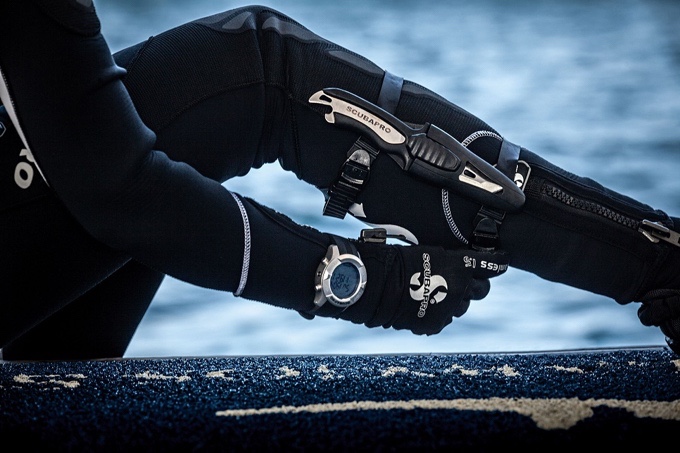
Leg-mounted knives, which connect to your lower leg above your ankle and can be a convenient solution to keep your knife out of the way, are the most common on the market. However, keeping your knife far from your hands can make it challenging to locate or even reach an entanglement. If you miss the housing or do not activate the locking mechanism properly, stretching to place a sharp knife back into its housing can be deadly. Mounting your knife on your leg can be a snag hazard.

Some knives also tend to rattle in their sheaths, which can be fixed with a well-placed rubber band. There is also the thought that if it is on one leg, you will focus on that, and it can throw you off when you are navigating by making you focus on that side and push you left or right depending on where it is mounted. Most people tend to put them on the inside of their legs to help avoid snags. Some companies also make neoprene sheaths so knives can be mounted on your legs. Most tend to advertise that they are universal.

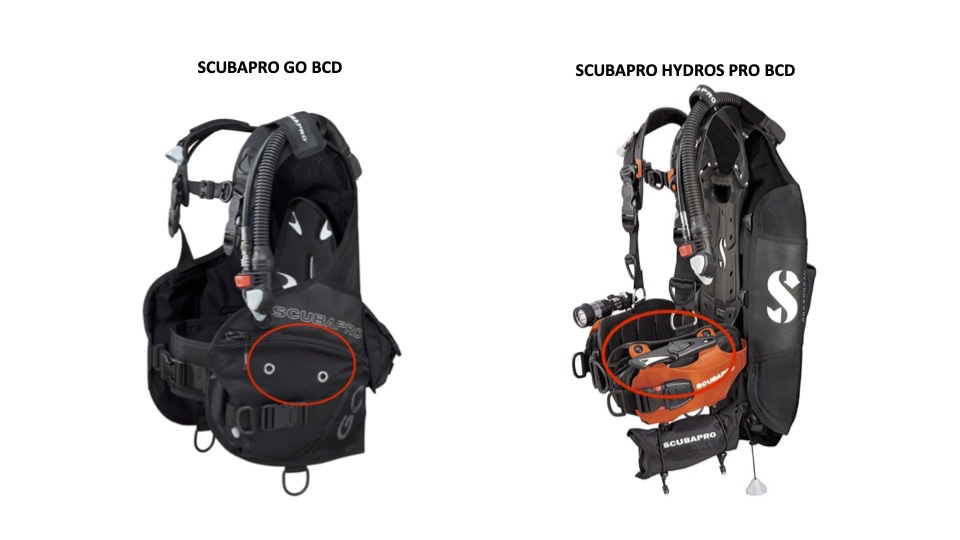
Some buoyancy compensator devices (BCD) have holes, especially for attaching your knife. Knife grommets and specialized locations to stick your knife, often under your arm above your pocket, are becoming more common. There are a lot of knife sheaths that are designed around being able to use this hole. They are great because it permanently attaches to your BCD, ensuring that you have it with you on every dive, and you don’t have to put it on and take it off for every dive. These mounts are unobtrusive and unlikely to snag. One bad thing is that because it is always there, some people forget to clean their knives properly after every use. What I like to do is soak my BCD with the knife on it and then take the knife off and dry it by itself with my mask and computer. I like keeping them all together. Another possible downside is you pack your BCD to travel, and when you get to where you are going, they pull you aside and take your knife away from you because you forgot you couldn’t take a knife with you, and yes, you can’t take a knife with you everywhere you go. So, keep that in mind also to never forget it is there.

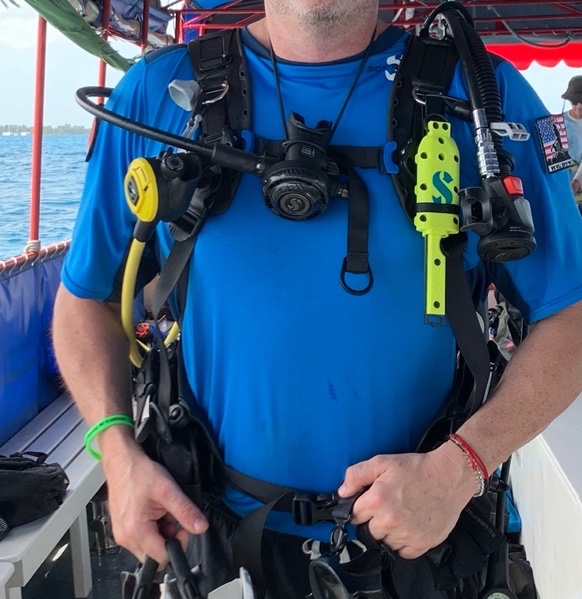
I have seen divers with dive knives mounted on their right shoulder straps or BCD inflator hoses. These are handy in an emergency. When you keep your knife on your upper body, you’re more likely to be able to reach it in an emergency and safely replace it. I also like to have a hook-type knife on my waistband.

I know a lot of people that always must have that pointy knife. I have never really been that guy that thinks he will get a knife kill, whether it is of something or someone underwater or not. Point knives do more harm than good on a boat, especially a Zodiac/ Wing or an RHIB. I have seen my share of people cut their hands, head, or boat when they are just trying to cut the zip-tie off the front of a boat. So, be careful when using your knife. I will leave talking about knives to another time as I am sure there are some great opinions about what brand is best and why all other knives suck.