BOSS-Xe from Wilcox Industries

Archive for the ‘Ammo’ Category

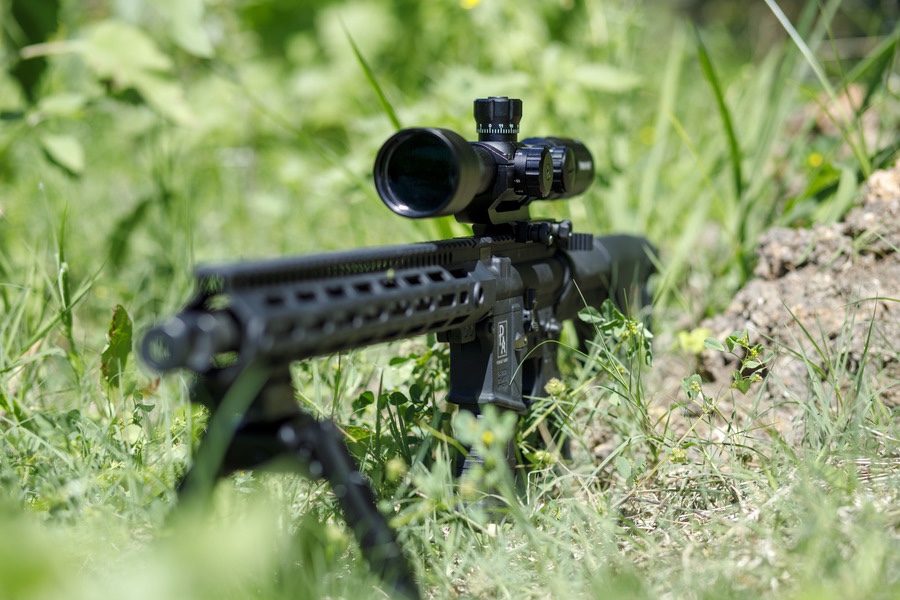
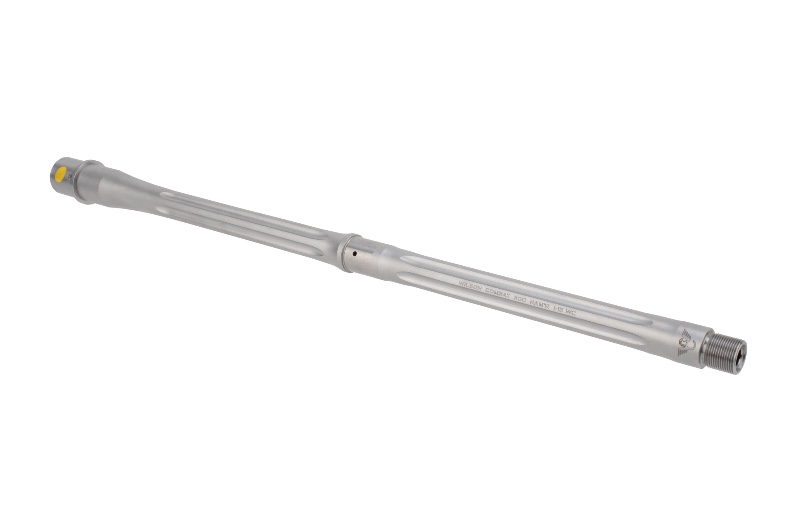
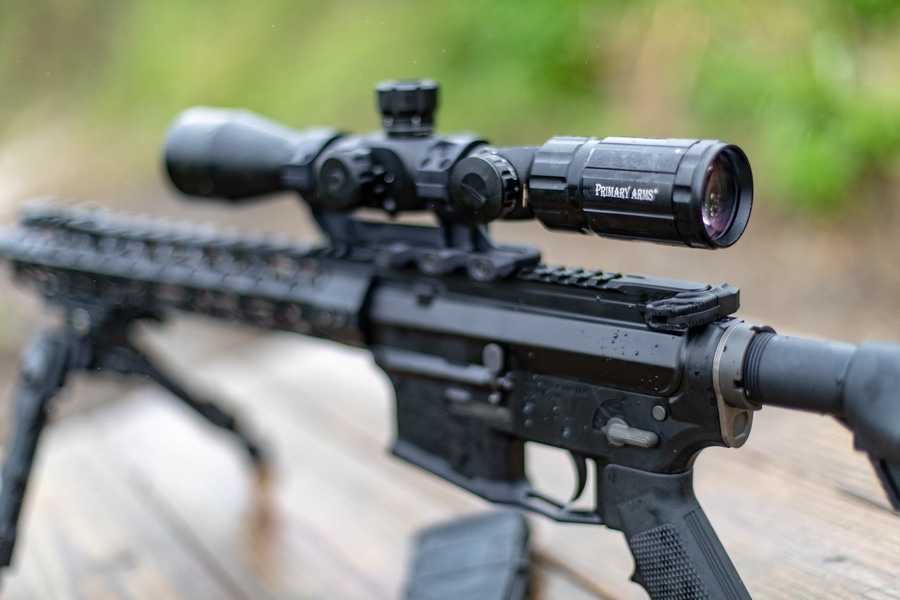
Primary Focus – Can 6.5 Grendel Get You Where You Want to Be in an AR Drop in Receiver?

Saturday, November 27th, 2021

What’s all the hype about with the 6.5 Grendel?

The 6.5 Grendel doesn’t fit next to the 6.5 Creedmoor in a side-by-side comparison, despite similar concepts and similar naming structure. Sure, they shoot the same diameter bullet – and very accurately at that, but that’s about where the similarities end. So, what’s all the hype?

Simply put, you can do more with your AR-15 rifle than you could before with a much easier conversion, that doesn’t get you outside of the realm of the effectiveness for the AR platform, and you can do it while driving tacks out to 750 yards and maybe then some.

You aren’t going to win any benchrest competitions with the 6.5 Grendel, but then, you weren’t going to be competitive at those ranges and with those specifications in a semi-auto sporting rifle either. The Grendel is very interesting for those who want significantly better accuracy; good recoil profile that compares favorably with the .223 as well as range that nearly triples the on-target range of the native offering.

Yes, the ammunition is going to cost you more, and the components aren’t as “mainstream” as the native cartridge/caliber choices, but you get near drop-in ease of implementation, with “almost unbelievable” improvements in accuracy and range.

What’s the hype about the 6.5 Grendel you ask? It’s a better offering than standard AR folks have had for shooting accurately to 750 yards than ever before, without one off-builds. And it is affordable. You’re taking a gun that is capable of MOA under some pretty exacting specifications which require significant tweaking at minimum to get there and making it a native ½ minute semi-auto for about the price of a decent bolt action rifle in additional costs. 

You can’t do that with a 6.5 Creedmoor affordably, and you cannot expect too much more from a platform that routinely catches flack when it shows up to longer range competitions. You may be able to find full factory builds on sale for half that of the Creedmoor – and that means you can be shooting a lot of intermediate range 6.5’s well before you match that price tag – and you can usually get an upper or a whole rifle faster than the larger 6.5.

Is it genuinely competing with the 6.5 Creedmoor and other strategically long range cartridges in the “6mm class”

No, the 6.5 Grendel isn’t competitive with the “6mm’s” generally speaking, but it’s not designed to be competitive with those rounds either. It was built to deliver exceptional accuracy and it does that, but it was designed to do that in a shorter, lighter, semi-automatic rifle, like the AR-15. It has a special purpose, but that special purpose isn’t 850+ yards, per se. It’s also a lot more approachable for AR-15 purists, because it drops into the normal platform, instead of the larger .308 AR style variant.

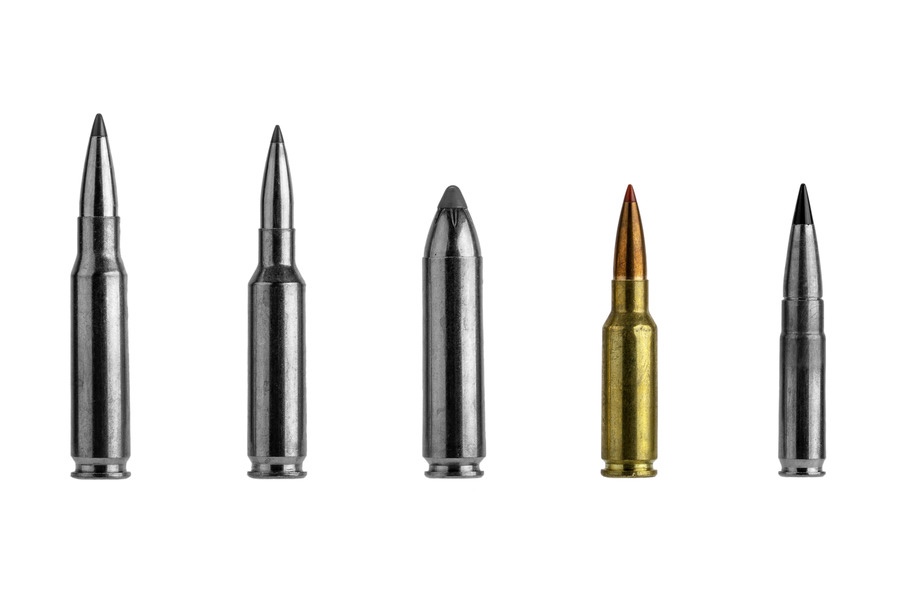
Just looking at a 6.5 Creedmoor cartridge vs. a 6.5 Grendel almost tells the tale of what to expect from the different offerings, but it’s a nuanced story with a lot of very cool features on both sides. You kind of just have to align with one or the other, or both, in separate configurations – especially if you are dropping either cartridge onto the backbone of the AR platform. They are very different beasts, and both are definitely beasts in their own right.
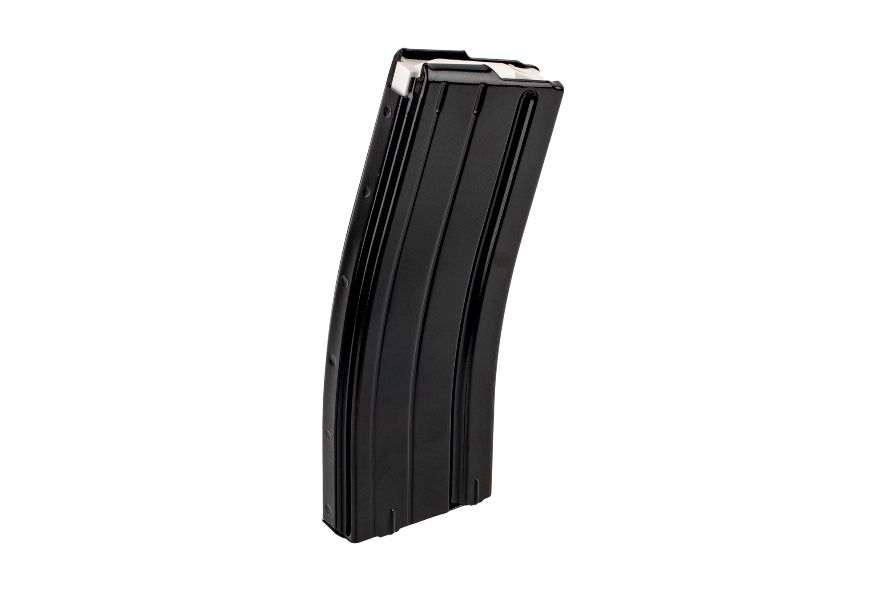
To say that a 6.5 Grendel is going to compete with benchrest cartridge offerings that have been punching 5-shot one-hole targets for decades is sort of ridiculous – it’s designed and built to fire reliably out of a basic AR-15 setup, with a bolt/carrier/barrel change. You’ll need a magazine too, but they aren’t typically hard to find. And that’s kind of the beauty of the Grendel in 6.5 – it’s approachable, can actually be found occasionally on the market instead of being a myth, and it doesn’t try to be something it isn’t.

If you want to shoot $3-4 a round ammo there are plenty of benchrest cartridges that will put you there. If you want to shoot a 6.5 Creedmoor on benchrest, you aren’t really opting for an AR anyways. So yeah – they do different things.

Bolt guns are the real domain for one hole targets that need to be in that one hole configuration all the time.

The cool thing about the 6.5 Grendel is that out to regular distances for range work, it’s going to get you really close to that desirable one-hole target, and you are probably less than 1k out of pocket on a decent upper receiver build, or less than $1500 on a dedicated factory rifle on the intermediate to high end. Sometimes you can find the kits or rifles at half those respective prices too – so yeah – it’s approachable for high end accuracy out of an AR.

If you’re talking about paper targets, the 6.5 Grendel is good to go to 750 yards and the 6.5 Creedmoor is good to twice that, but the Creedmoor won’t achieve those numbers out of a 20” or 22” barrel on an AR. In the field you can expect out of a typical AR configuration for the respective builds, about 650+ yards on the 6.5 Grendel and about 850+ yards on the Creedmoor, with both requiring a well dialed optic and some adjustment at those extreme distances to take a deer-sized animal at that range.

Ideally, you’re shooting a 6.5 Grendel out of a 20 or a 24 inch barrel from the AR, and you’re getting the most out of a 6.5 Creedmoor at a 24”+ barrel, with a 26” or 28” barrel being optimal for the 6.5 Creedmoor. Note: 24” Grendel barrels are basically a myth for the AR – super hard to find unless bespoke.

In the field hunting for deer, it almost makes more sense to be using the 6.5 Grendel unless you like the 6.5 Creedmoor so much you don’t mind carrying an AR that is 12+ pounds and has worse accuracy than the cheaper, lighter bolt action in the same caliber (Creedmoor). If you’re hunting for deer at greater than 650 yards with an AR, you may not be taking appropriate shots, even with a tack driver like the 6.5 class.

What’s a realistic expectation of all things equal with off the shelf components and an off the shelf or simple maker’s build?

You can get to ½ MOA all day long. But that may not even be the goal. What’s probably even more interesting, is that the 6.5 Grendel makes a compelling case as the gateway drug to the precision long range shooting world to allow casuals the opportunity to test the waters and see if they like it before they commit 15 weeks of pay to dip their toes in the long range precision game.

You get to test if you like tromping out 750 yards to get a target after only a handful of shots.

You get to test if you like adjusting windage for slight shifts in crosswind activity on the regular, so you don’t ruin that pretty target out there at 750 yards.
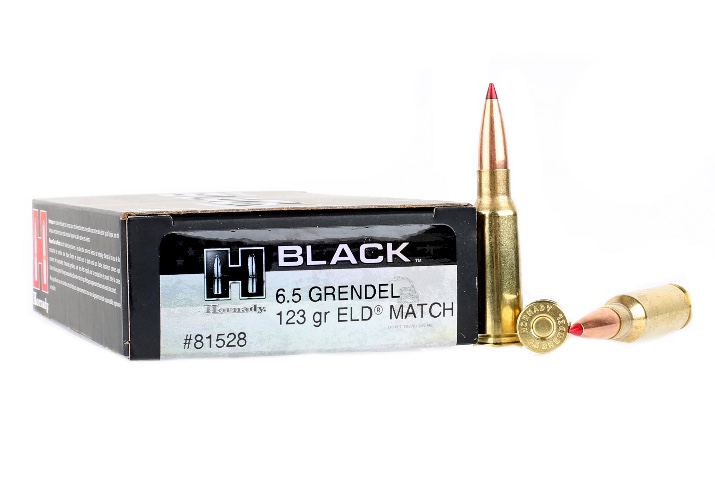
You get to find out if you mind only shooting $40 worth of ammunition on a range trip because you take 2-3 minutes or more playing around with the notepad and the settings and your bench configuration at the range between each shot.

You get to see what it’s like to not ALWAYS have a flyer on your AR target.

Here are the numbers for a basic comparison:

6.5 Grendel approximate average performance based on typical grain weights:

90 grain bullet; ~2875 fps velocity; ~1650 ft. lbs. of energy

120 grain bullet; ~2700 fps velocity; ~1950 ft. lbs. of energy

123 grain bullet; ~2675 fps velocity; ~1910 ft. lbs. of energy

130 grain bullet; ~2500 fps velocity; ~1810 ft. lbs. of energy

Note: shorter barrels than 24” are going to see some reduction in velocity and may see larger standard deviations.

6.5 Creedmoor approximate average performance based on typical grain weights:

120 grain bullet; ~3075 fps velocity; ~2450 ft. lbs. of energy

143 grain bullet; ~2750 fps velocity; ~2250 ft. lbs. of energy

Note: these are out of a 28 inch barrel, with a 26 or 28” barrel being optimal for the Cartridge; the average length of Creedmoor barrels for the AR308 platform is probably in the 20-22 inch range, so you can expect these velocities and the ultimate range of the projectile to take big hits.

The 6mm PPC that the original case for the Grendel was designed from, is a powerhouse in history, and the 6mm’s and 6.5mm classes are brilliant when it comes to delivering on target for accuracy. Ultimately, they are a great way to send a projectile on a man sized target or a deer sized target. That’s why the AR market has adapted to them so well. The terminal ballistics on both of the 6.5’s are excellent for hunting, and suitable for some military use cases. And the extended range on both the Grendel and the Creedmoor, while totally serving different goals, are incredible.

What can you expect? A very capable cartridge with a very nice range of activities with off-the-shelf ammunition that doesn’t cost more than $2 a round usually. The price probably has a bit of a kicker during times of low ammunition volumes, but it isn’t detrimental to the type of shooting that 6.5 shooters and hunters are doing. It’s a safe place to be for someone who wants more than a decent accuracy upgrade to their favorite rifle platform (the AR, obviously) and doesn’t want to be too far into the weeds for the privilege of it.

What was the original intent of the 6.5 Grendel

The original intent is touched upon up further in this article, but here’s a more in-depth exploration to help clarify how the 6.5 Grendel, despite being a bit less popular with the precision shooter crowd in the AR world, has outperformed its original intent in many observer’s minds.

Basically, the designer (Bill Alexander) wanted to outperform the .223 Remington and 5.56×45, with a longer effective range and that could be used in the normal OAL/magazine constraints of the AR. Pairing with Lapua Ballistics expert Janne Pohjoispaa and Arne Brennan, a competitive shooter, Alexander, who owns Alexander Arms, launched the product at a blackwater facility where it was more accurate than the .308 at intermediate distances and still had supersonic velocity at 1200 yards.

So, if anything you might gather from those statements – it should be that it was meant to be used in a military rifle, for use in battle. And meant to be better than the .223/5.56 and the fact that recoil is half that of the .308 and intermediate distance accuracy is better, it seems like it delivered on design parameters.

Has the 6.5 Grendel lived up to the hype?

It seems obvious by the sold out products in the space, and the demand for ammunition that it has gained more than a few fans or followers. But the basic performance promises of the cartridge make it very interesting for those who want to deer hunt with their AR out further; or want a flatter shooting, better terminal performance round for warfighting or defensive purposes.

It’s not the 1200 yard gun the Creedmoor can be with a long barrel and a bolt action. But is it the better option for those who value the numbers and want the familiarity and approachability of the AR?

It hasn’t won a contract yet for U.S. military adoption. The 6.8SPC hasn’t either, thanks to the cost prohibitive nature of swapping out a decades old relationship with the 5.56×45. Interestingly the 6.5 Grendel is being developed in a Zastava rifle that looks to be adopted eventually by the Serbian military forces.

The 6.8SPC is an interesting cartridge to compare beside the 6.5 Grendel:

6.8SPC approximate average performance based on typical grain weights:

115 grain bullet; ~2575 fps velocity; ~1675 ft. lbs. of energy

120 grain bullet; ~2450 fps velocity; ~1600 ft. lbs. of energy

Note: this is out of a 16 inch barrel which aligns well with military use cases, generally.

Given the nature of the things you can do with the Grendel out of a standard AR, it’s pretty safe to assume that the cartridge and subsequent builds on that platform have lived up to the hype. 

Where is the sweet spot for the 6.5 Grendel?
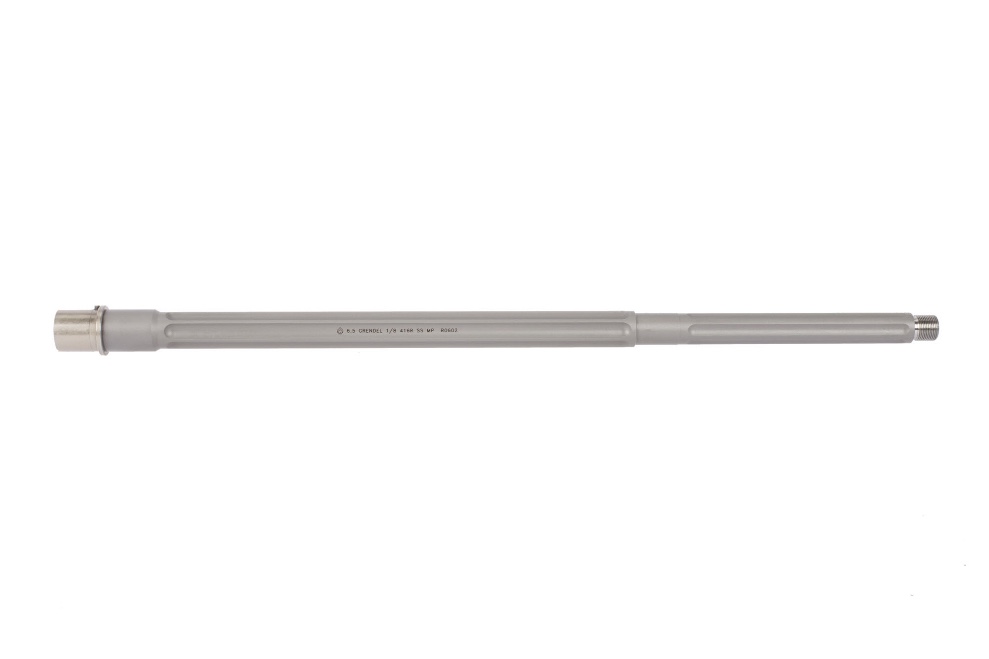
Shooting out of a 20” barrel on the AR would be nearly ideal thanks to the increased stiffness of the barrel, and the fact that the only real gain is tighter standard deviation ranges and some velocity past 600 yards if using a larger barrel length. The original manufacturer itself (Alexander Arms) points to a preference of 20” and 24” barrel lengths.

If you are hunting or target shooting past 450 yards and out to about 700, you can be well served by the 20” barrel and some basic understandings of your optic and the characteristics and bullet drops for the cartridge you are shooting.

On an AR, this makes it even more approachable than it already was, relative to the 6.5 Creedmoor, which is great on the AR, but much better on a long barreled bolt action in both target use and field use going after bigger game.

Some final notes about the 6.5 Grendel in an AR build

It’s a winner. It’s affordable. It’s realistic. It’s not pushing the absolute limits of the AR platform for no reason, and it can really get you where you want to be on an upper receiver platform, which may not be the case for many other alternatives. 

The 6.5 Grendel, despite not being chosen for a military contract, is well within the appropriate performance ranges to be considered a better alternative for nearly everything compared to the 5.56/.223, except when you factor in the access to cheaper ammunition that comes from being the darling of the US Armed Forces since the late 60’s. If you are not shooting 30 rounds at a time, but instead, 1 every 30-40 seconds, the Grendel is a compelling offering out of the AR, especially when you like tight groups and want to squeeze something different out of the muzzle of your AR. 

If you need a dual purpose rig for target work and deer harvesting, the 6.5 Grendel does not disappoint.

Primary Focus is a weekly feature from Primary Arms that covers various firearms related subjects.


Primary Focus – .300 Ham’r

Saturday, November 20th, 2021

If you love the AR and you love power – You’re going to love the .300 Ham’r

Of course it would be Wilson Combat that made the .300 Ham’r

In this brave new world of crazy ridiculous ballistics, and where the AR-15 is getting more and more nuanced for those who want to build something unique, it would be one of the largest names in combat customs that comes up with the idea of pushing the stopping power agenda further in the platform. You can now get component parts for an upper receiver or a conversion kit to push the power agenda forward with the .300HAM’R.

Forget about balance. Forget about nuance. Forget about subtlety. Get a bigger hammer. The .300 Ham’r is the bigger hammer you never knew you always wanted, in a tiny, little lightweight (original AR-sized) package that delivers lead on target in grams not grains.

OK, maybe that’s a bit too much hyperbole, but the point remains: this is all about business when it comes to stopping power. Here’s the deal: you are getting the same weight and ease of use and familiarity of the AR, with a defense-focused cartridge that matches closely with the .30-30, which means it can stop any threat you can think of and works well in the field for big game, too. Forget about trying to tame this beast though – by the time you can search for components on the market, you’ll be convinced that you should just roll with it and embrace the power like you haven’t before out of an AR-15. 

The Ballistics alone might convince you to check into the .300 Ham’r

Would the AR power user have interest in a cartridge where the .300 isn’t suppressed like the Blackout? Some might not be as interested in hard hitting ballistics out of the AR-15 platform because one can already can already get that with the short, thick rounds like the .458 SOCOM and the .50 Beowulf and the .450 Bushmaster?

The AR power user should be interested in a round that is reminiscent of a .30-30, and has higher magazine capacity, better accuracy and drops more lead on target with better wound channel performance than the.6.8SPC, though. That’s the .300 Hammer.

It’s also coming out of a 16-inch barrel, so the tangible ballistics are tangible with less hardware, and creates a more functional CQB gun and gives you more versatility in the field.

Combine those numbers with about ¼ MOA potential out of a 16” or an 18” barrel and super high-quality and well-polished collateral by Wilson Combat.

Out of a 1:13 twist barrel you can send a plethora of loads (loadouts from Wilson total more than 15 – even if the rest of the world isn’t producing a lot of the now SAAMI specification cartridge, yet), that are interesting for a bunch of different purposes and just about perfect for feral hogs and other depredation, as well as self-defense. Of course, this isn’t the type of round that you can expect to mitigate passthrough on residential walls, but it wasn’t really made for that anyways. It’s the 7.62×39 killer. But it’s also the tactical big brother to the .300BLK, too.

There is also a 1:15” twist rate barrel option for specialty scenarios that include mostly the lower half of the grain weight spectrum for the .300HAM’R (95-130gr). Note, though, that the 1:13” barrel can still do nearly as well with the smaller grain weights, with a bit of tumbling potential, or some small stabilization concerns in colder conditions and with the smallest .308 projectiles at the furthest reaches of the range.

Here’s the comparison to the different rounds in the realm of the normal AR pattern and what you can expect to get from the .300 Ham’r:

.300 HAM’R:

110 grain weight; ~2600 fps velocity; ~1650 ft. lbs. energy at the muzzle

125 grain weight; ~2510 fps velocity; ~1750 ft. lbs. energy at the muzzle

135 grain weight; ~2400 fps velocity; ~1720 ft. lbs. energy at the muzzle

150 grain weight; ~2300 fps velocity; ~1750 ft. lbs. energy at the muzzle

.308 Winchester (MEANT FOR CONTEXT ONLY – Not a legitimate competitor, as sizing and powder charge is much larger than the .300 HAM’R):

147 grain weight; ~2800 fps velocity; ~2550 ft. lbs. energy at the muzzle

6.5 Grendel:

108 grain weight; ~2770 fps velocity; ~1650 ft. lbs. energy at the muzzle

123 grain weight; ~2650 fps velocity; ~1900 ft. lbs. energy at the muzzle

130 grain weight; ~2500 fps velocity; ~1810 ft. lbs. energy at the muzzle

.300BLK:

110 grain weight; ~2350 fps velocity; ~1375 ft. lbs. energy at the muzzle

125 grain weight; ~2250 fps velocity; ~1350 ft. lbs. energy at the muzzle

7.62x39mm:

123 grain weight; ~2410 fps velocity; ~1600 ft. lbs. energy at the muzzle

154 grain weight; ~2100 fps velocity; ~1510 ft. lbs. energy at the muzzle

6.8SPC:

110 grain weight; ~2500 fps velocity; ~1510 ft. lbs. energy at the muzzle

115 grain weight; ~2560 fps velocity; ~1695 ft. lbs. energy at the muzzle

120 grain weight; ~2450 fps velocity; ~1610 ft. lbs. energy at the muzzle

It’s the .300 You always knew you wanted

A nearly 15% increase over the performance of the supersonic factory loads for the .300BLK and about a 10% increase over the 7.62×39 Round means that this .308 diameter projectile is really pushing some limits, considering the short case length. But it’s also stabilized very well in the 1:13” twist barrels because of the engineering on the specially selected bullets and the tight range of grain weights and overall projectile dimensions. All this translates to getting ridiculously small standard deviations in velocity, and substantially better accuracy.

Full capacity. Stunning accuracy. Amazing ballistics. But not silent. So, it’s not perfect. Still, it’s a very good entry in the exceptionally crowded AR cartridge space.

Here’s the variety of things you can do with the HAM’R:

• 6.5 Grendel-like accuracy and hunting prowess out to 650+ yards with better mass, weight and more approachable barrel lengths for combat and hunting carry

• Velocity and energy for big game past 450 yards and more than 400 lbs.

• Shorter barrels and better performance means better CQB where background target hits won’t be a problem

• Exceptional accuracy out to 200 yards – with ¼ MOA potential

• Higher capacity or the same capacity compared with the rounds listed above generally

• Great pedigree and now with a SAAMI specification

It’s not silent but it hits harder than you thought

One small caveat – it’s not going to suppress better than the .300BLK. In truth, no other rifle cartridge is going to be suppressed better than the .300BLK either. Until/Unless suppressors become a mainstream reality, this won’t be detrimental to the .300 HAM’R market.

Maybe you won’t buy another tax stamp, though, because you’ve already got a 16” barrel which means you can get pretty close to the SBR realm; and you probably already have a .300BLK in your collection of AR’s if you are operating in the tax stamp realm, so you already have a silencer friendly round in your stable.

This is a great cartridge to put alongside the .300BLK because it makes the .300BLK look inferior, except when you want silence, and then, no cartridge makes the .300BLK look inferior. It creates a nice synergy between the two .300’s and for someone who might want to eb in the intermediate diameter bullet range, this is a compelling platform for the AR.

When will I really be able to get one?

Ok, here’s the REAL caveat – the loads aren’t exactly flowing out of the factories even though the SAAMI specification is a done deal now. Wilson has developed something like 17 loads for a variety of different things, but, admittedly, it’s not easy to get any of them right now. And Wilson really isn’t producing billions of rounds of ammunition either, as that hasn’t necessarily been their focal point. 

The SAAMI spec is probably enough to get some other factories into the business of testing and then producing loads of their own, but Wilson Combat has poured a lot into the development of the “platform” already. Wilson knows that since it’s got impressive numbers and looks good to the AR conversion crowd, it’s a viable option for them to produce a good stable of loads. All this should inject some supply into the market desiring the loads once the supply chain returns to normal.

You can get some very good looking and well-made hardware suitable for a conversion on your AR-15, but it too, is running into a market full of seekers, and not enough raw material supply to sustain that demand. So, it might be a bit of a waiting game right now.

Conclusions about the .300 Ham’r – is it here for the long-term? Or is it a flash in the pan?

You get very favorable performance, AR-15 compatibility, and potential to 800 yards+ if you have the right setup and conditions, with 650+ in the sweet spot. You can get this out of a 16” or 18” barrel and that same barrel can get you into the reality of ¼ MOA accuracy earlier in the trajectory arc. Higher magazine capacity than comparable rounds, built by one of the Godfather’s of the defense-minded manufacturers and the company has already shown better built-in support than most innovations in the AR space.

What started as a hog gun for the Wilson Ranch, has become the tack driver of the future for the AR-15.

Conclusion: The HAM’R is here to stay.

Primary Focus is a weekly feature from Primary Arms that covers various firearms related subjects.
AUSA 21 – XM1176 System

Friday, October 15th, 2021

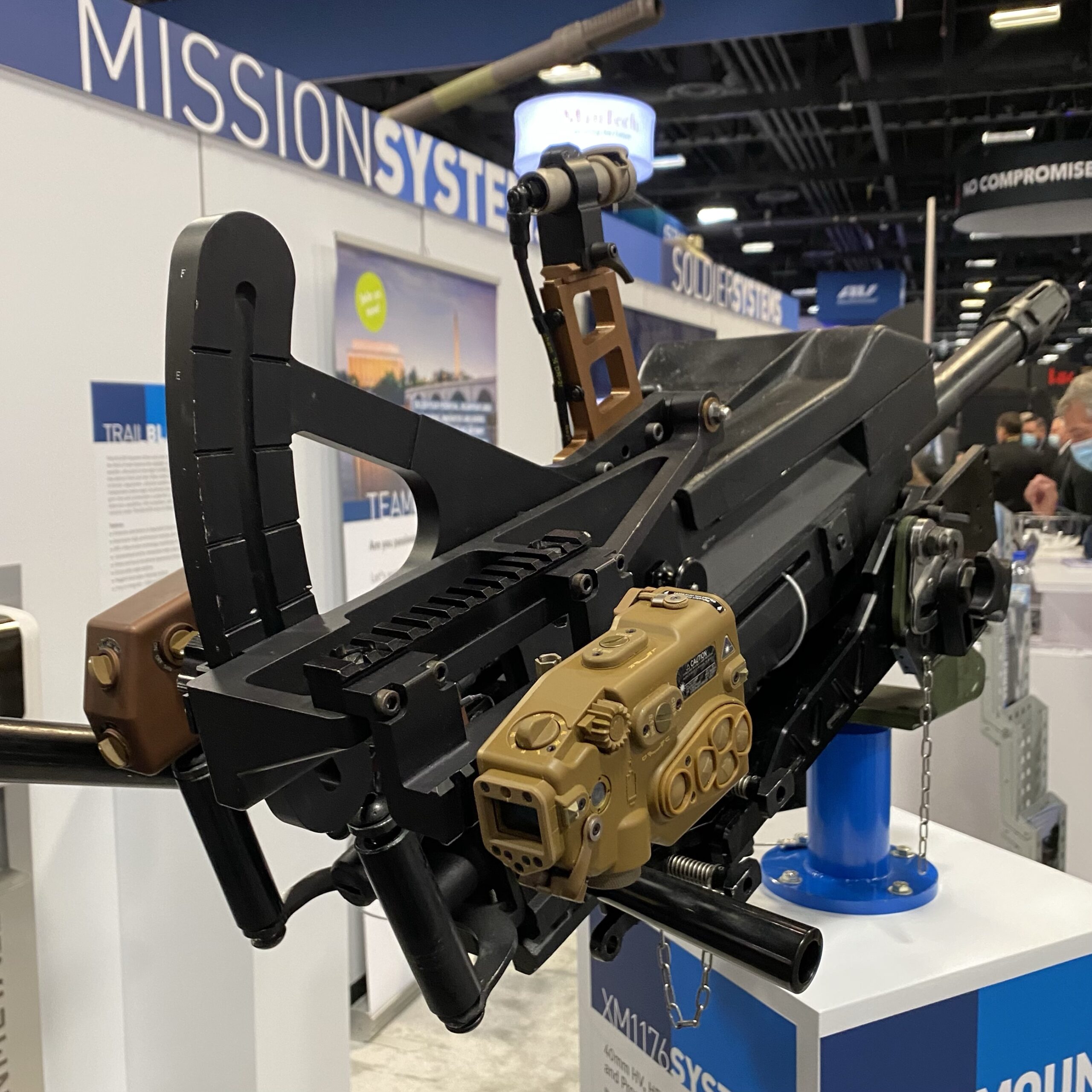
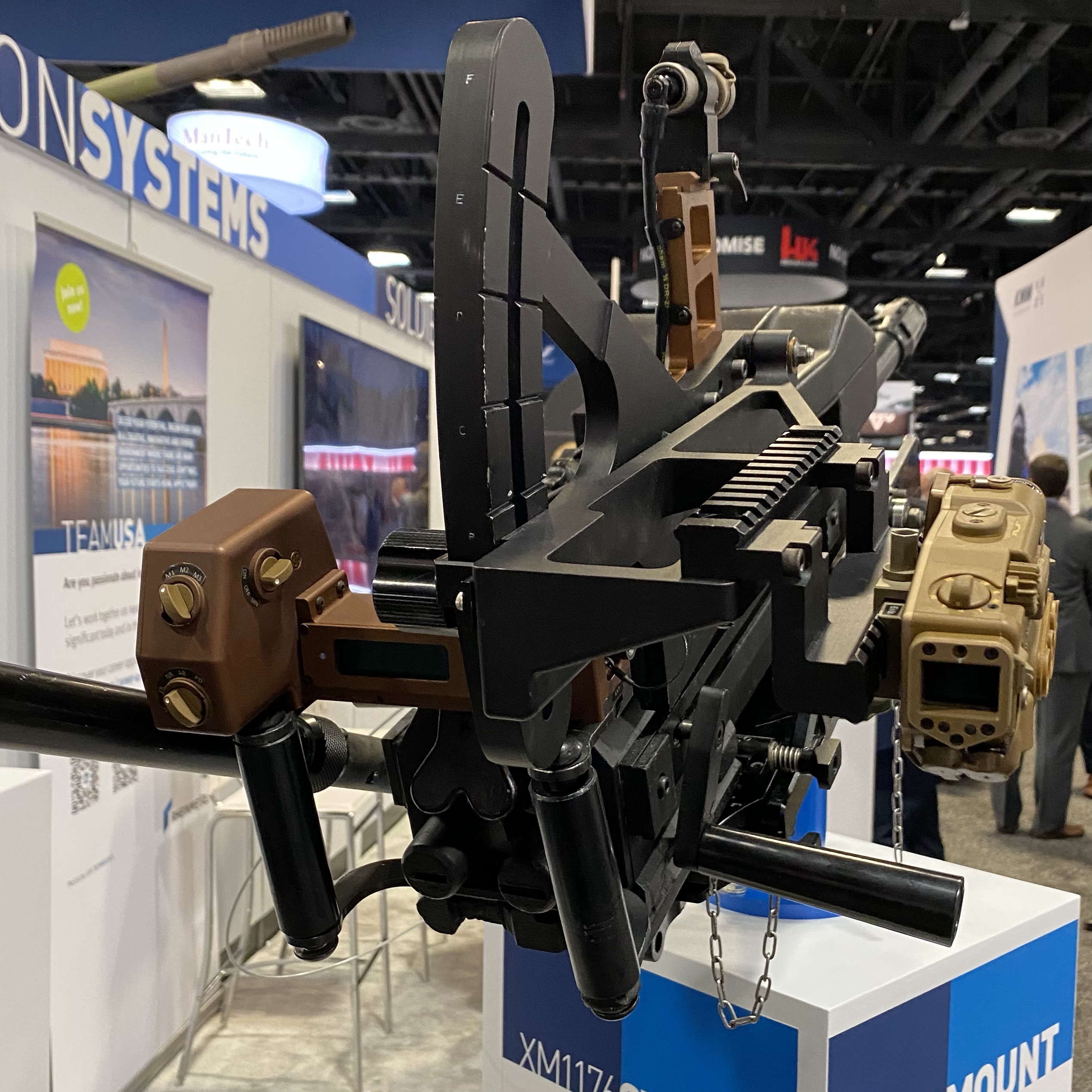
Rheinmetall is developing the XM1176 System which provides programmable high velocity 40mm rounds which increase first round hit probability and can be used to defeat targets in defilade.

In this photo you can see the fire control system to the right. It communicates with the computer attached to the weapon at the lower left and then sends the solution to the round as via the IR transmitter mounted above the barrel.

The system can store up to six air burst munition profiles. Additionally, there is a 75m arming distance and internal self-destruct mechanism.

RCBS ChargeMaster Supreme Accelerates Accurate Reloading

Thursday, October 7th, 2021

OVERLAND PARK, Kan. – October 6, 2021 – RCBS®, the leading manufacturer of ammunition reloading equipment for rifles and pistols, has announced the introduction of the new ChargeMaster™ Supreme powder dispenser. Taking reloading to the next level, the ChargeMaster Supreme combines RCBS precision with automatic adjustments and Bluetooth® compatibility to make reloading easier than ever.

The RCBS ChargeMaster Supreme features a Proprietary Learning Mode which uses a unique feedback loop and algorithms to automatically adjust dispensing speeds and stop points. This two-minute process allows the Supreme to learn the unique characteristics of the powder being dispensed. Once it has been ran, normal sized charges will typically dispense in less than 15 seconds.

“The Chargemaster Supreme is the next evolution in powder dispenser technology,” said Will Hemeyer, Sr. Product Manager for RCBS. “Our patent pending learn process is quick, efficient and easy to use. This function makes sure your powder throws are optimized to the powder you are using, plus the process only takes a few minutes to run and once it does your dispense times are significantly reduced. The Chargemaster Supreme is sure to be the only dispenser most handloaders will need on their bench.”

In addition, the ChargeMaster Supreme is Bluetooth compatible, which allows the user to dispense charges and operate the dispenser hands-free from their phone with the newly redesigned RCBS app. The updated app also offers a virtual reloading bench, a comprehensive load data log, and convenient access to the technical service team to help answer any technical questions a handloader might have.

The ChargeMaster Supreme boasts 0.1-grain accuracy and a 1500-grain load cell capacity. The unit can run on an external battery, meaning reloaders can operate it at home or in the field without being tied to power cords.

The ChargeMaster Supreme has an MSRP of $499.95. For more information or to view other RCBS reloading products, visit RCBS.com.

RCBS Launches New and Improved Reloading App

Tuesday, September 28th, 2021

RCBS App for iOS and Android Puts More Precision at Shooters’ Fingertips

OROVILLE, Calif. – September 28, 2021 – RCBS®, the leading manufacturer of ammunition reloading equipment for rifles and pistols, is pleased to announce the launch of its new and improved RCBS app, now available to download free for both Apple and Android devices.

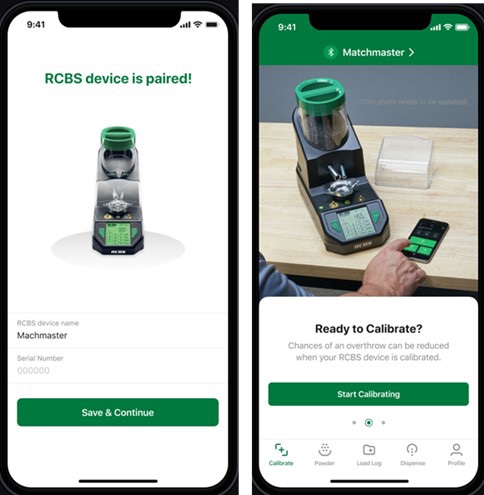
The recently released app goes above and beyond with the ability to work across the entire lineup of RCBS Bluetooth-enabled dispensers: MatchMaster, ChargeMaster Supreme and ChargeMaster Link. With the app at a user’s fingertips, calibrating any of these dispensers is a breeze.

Once calibrated, a user can go straight to dispensing, entering in powder information and required dispensation weights. When paired with the MatchMaster, dispensing can be completely customized as well. Each loading session provides intelligent feedback, including notations on over- and under-charges, length of the session, and number of charges thrown, all of which aids the shooter during future loading sessions.

At the range, the RCBS app’s “Load Log” tracks the progress of your reloading / handloading process. Start by creating a firearm profile with make, model, cartridge, round count, rate of twist, scope manufacturer, scope height, free-bore length and any other data that might affect accuracy. Then create a new load profile, entering critical load data such as:
• Bullet manufacturer, model, weight and dimensions
• Powder charge weight and dispenser device information
• Powder manufacturer, type, lot number, production date and date the container was first opened
• Primer manufacturer and type
• Case manufacturer, trim-to length, neck thickness, overall length, annealing temperature and time, total firings per case, and total firings per case between annealings

The app also allows a shooter to enter range conditions including range name, date, temperature, humidity, elevation, barometric pressure, latitude and longitude, and wind (cardinal wind direction, clock wind direction and wind speed). From there it’s all about shooting and recording groups. Users can upload photos – groups, changes to cases post-firing, etc. – for future reference. With the virtual “Reloading Bench,” users can also keep track of all their RCBS products.

“We’re pretty excited about the new app and how complete it is,” said Will Hemeyer, senior product manager for RCBS. “You can use it all or in part. The new app is a perfect way to let shooters wring every benefit they can from their RCBS dispenser and, in turn, help perfect their custom load so that each bullet has unparalleled repeatability.”

The new RCBS app comes with phone and email tech support, so shooters have easy access to assistance at home or in the field. To learn more about the RCBS app or to see the full lineup of Bluetooth-enabled RCBS products, visit RCBS.com.

Energetics Technology Ltd Launch Door Breaching Grenade

Tuesday, September 14th, 2021

A new breaching grenade technology developed by the UK Government has been licensed to Energetics Technology Limited (ETL) in a deal that will improve Explosive Method of Entry (EMOE) operations and improve safety for operatives.

UK-based ETL has taken a licence for a 40mm stand-off breaching grenade technology developed by Dstl; brokered by Ploughshare Innovations in its role as the MOD’s Technology Transfer Office.

The Grenade is designed for use in scenarios where there is a need to breach locked doors to gain access to a building or room. It deforms a variety of door materials – including multi-lock steel doors.

The improved directional control of the explosive blast lowers the risk to the breaching team and reduces their stand-off distance. Fragmentation effects behind the door are minimised, reducing collateral damage and highly targeted, there is also a reduced amount of explosives used.

For further information, please visit: www.energetics-technology.com/products/ammunition-2

US Army Grants NGSW Novation from General Dynamics-OTS, Inc to LoneStar Future Weapons

Wednesday, September 1st, 2021

Something that has flown under the radar is that the US Army has granted a novation from Next Generation Squad Weapons contender General Dynamics-OTS, makers of the Bullpup configuration guns, to Lone Star Future Weapons.

For those of you unfamiliar with the term, Novation means to transfer or substitute a new contract in place of an old one.

Upon request, I received the following statement regarding the action from Program Manager Soldier Lethality, Program Executive Office Soldier, which manages Product Manager Next Generation Weapons (PdM NGW).

“On 30 June 2021, Agreement W15QKN1991024, one of three Agreements supporting the Next Generation Squad Weapons Program for weapons and ammunition prototyping, was novated from: General Dynamics-OTS, Inc. to Lone Star Future Weapons (sic).”

An April press release form LoneStar and partner True Velocity announced a strategic partnership to leverage the two companies’ substantial expertise in R&D, precision manufacturing, quality control and production efficiency.

This is a significant event in the NGSW program. It means General Dynamics-OTS, Inc is out as the prime, along with production partner Beretta USA, and LoneStar Future Weapons along with ammunition partner True Velocity, is in. However, General Dynamics-OTS remains in an advisory role according to LTC Mark Owens (USA, Ret) who currently serves as the Chief Strategy Officer for True Velocity and Project Director at LoneStar Future Weapons whom I spoke with about the novation.

Owens said, “We are extremely excited to pursue the upcoming NGSW RFP. While General Dynamics has novated the contract to us, we will continue to work with their team to combine the best elements of a large company like GD, with the innovation and agility of Lone Star Future Weapons and True Velocity.”

Owens expanded on the significance of what they are doing, “Making something that has never existed before requires a lot of “different”. Different materials, different manufacturing processes, different weapon and ammunition geometries as well as different business relationships and constructs. Maintaining the status quo cannot provide our warfighters with compact, “fightable” weapon systems capable of defeating current and Next Generation threats. We are not different for the sake of being new. We are different in order to adapt to the rapidly changing battlefields of the future. Every piece of our weapon system componentry and ammunition combines the best of traditional technologies from battlefield proven systems with the most lethal, robust, compact and lightweight solutions available for a new, different, enhanced level of lethality.”



One of the big things for the team is that True Velocity has recently introduced commercial production of their composite ammunition in .308 WIN.

Hoping to see additional calibers in the future I asked Owens what might be in the wings and he mentioned a civilian 6.8 round for hunting. I explained that like most shooters, I don’t have any firearms which fire that caliber. He told me not to worry, that LoneStar would be introducing those as well to complement the ammo saying, “We also look forward to a commercial release of the 6.8 Rifle and ammunition for sporting purposes.” He went on to mention that they are working with industry partners to introduce firearms chambered for their 6.8 cartridge.

In addition to access to the NGSW firearm intellectual property, LoneStar is also moving forward with the GD-OTS Lightweight Medium Machine Gun design in 338 Norma Mag and is perusing the USSOCOM opportunity currently underway with SOFWERX. Owens concluded our discussion with, “In addition to the contract, IP for the NGSW R, AR, as well as for the .338 NM MG have conferred. We believe that these weapons will have an important place in both our Army and allied arsenals of the future.”

There’s a lot going on and it sounds like the NGSW novation is just the beginning for LoneStar Future Weapons and partner True Velocity.

RCBS ChargeMaster Link with Bluetooth Delivers Hands-Free Reloading

Monday, August 30th, 2021

OVERLAND PARK, Kan. – August 25, 2021 – RCBS®, the leading manufacturer of ammunition reloading equipment for rifles and pistols, has announced the introduction of the new ChargeMaster™ Link powder dispenser. The Link is built off the rock-solid load cell and electronics found in the popular RCBS ChargeMaster Lite, but now offers best-in-class Bluetooth® technology to make reloading easier than ever.

The RCBS ChargeMaster Link’s Bluetooth capabilities give the discerning hand-loader the ability to run the entire unit from their smartphone using the free, newly redesigned RCBS app. This not only allows a user to save custom loads on the app, but to run the machine more quickly and efficiently. Hands-free operation with the app also means a reloader never has to touch the dispenser during the weighing process, ensuring more accurate readings.

“The Link is the perfect dispenser for the budget conscious handloader that is looking for a dispenser that is going to deliver consistent powder charges each and every time but does not need all of the additional features that our other models provide,” said Will Hemeyer, Sr. Product Manager for RCBS. “We take great pride in producing the highest quality dispensers on the market and know the ChargeMaster Link will deliver more consistency than the competition.”

The ChargeMaster Link boasts 0.1-grain accuracy and a 2000-grain load cell capacity. The unit can run on an external battery, meaning reloaders can operate it at home or in the field without being tied to power cords. The unit also features a universal four country CE approved power supply and LCD display with intuitive push-button controls.

ChargeMaster Link has an MSRP of $349.95. For more information or to view other RCBS reloading products, visit RCBS.com.