Phantom Lights

Archive for the ‘Army’ Category

Petroleum Quality Analysis System-Enhanced | A Critical Enabler for the Army

Sunday, July 21st, 2024

The Army uses the Petroleum Quality Analysis System-Enhanced (PQAS-E) for analyzing and assessing the quality of petroleum products consumed in military operations. The system is typically deployed and operated at echelons below brigade level. It serves as a critical enabling asset for commanders at the tactical level, supporting their decision-making processes related to petroleum. The PQAS-E encompasses a range of advanced apparatuses that can detect impurities and contaminants in petroleum, ensuring only high-quality fuel is used. It also offers the capability to monitor fuel storage conditions, such as temperature and humidity, to prevent degradation and ensure optimal performance.


In 2018, the 590th Quartermaster (QM) Detachment petroleum liaison received official endorsement from the Army Petroleum Center to oversee the inspection of PQAS-E correlation testing within the 18th Airborne Corps. This endorsement granted the 590th QM Detachment the necessary authority and responsibility to conduct thorough inspections and evaluations pertaining to the PQAS-E system, its operators, and its correlation-testing activities.

The primary objective of correlation testing is to verify the results obtained by the PQAS-E and ensure their alignment with established standards. As a petroleum liaison, the 590th QM Detachment plays a critical role in facilitating effective communication and coordination between the Army Petroleum Center, U.S. Army Tank-automotive and Armaments Command, U.S. Army Forces Command, and 18th Airborne Corps units. They provide technical expertise, guidance, and support to ensure accurate and efficient correlation testing of the PQAS-E.

Through many years of correlation inspections, the 590th QM Detachment has found the PQAS-E to be a critical asset for the Army. The system enhances operational readiness by ensuring military equipment receives optimal-quality fuel, thereby maximizing performance and minimizing the risk of equipment malfunctions. This leads to increased combat efficiency and mission success. The PQAS-E also reduces maintenance costs by preventing fuel-related issues that can lead to engine failures, equipment damage, and increased downtime. By eliminating the use of degraded or contaminated fuel, the PQAS-E significantly extends the lifespan of military assets, saving valuable resources.

Issues and Recommendations

The PQAS-E system, while highly advanced, faces certain apparatus issues that can impact its effectiveness. Specifically, the apparatuses that commonly experience failures are the Jet Fuel Thermal Oxidation Tester, the viscometer, the analytical balance scale, the 25kW generator, and the environmental control unit. Although the Army is currently investing in research and development efforts to improve the design and durability of apparatuses, the following recommendations may mitigate some of the common challenges with them.

Regular and proactive maintenance schedules should be established for all apparatuses in the PQAS-E. This includes routine inspection, cleaning, and calibration to identify and address any potential issues before they lead to complete failures. Additionally, implementing redundancy measures by having backup apparatuses readily available can minimize downtime and ensure continuous operation in the event of a failure. Furthermore, comprehensive training programs should be provided to operators and should include knowledge of supply functions, the ordering process, proper handling, and maintenance of the apparatuses.

To achieve the optimal system performance, there must also be engaged leaders at all echelons who can prioritize the readiness of this vital piece of equipment. This includes not only 923A Petroleum Systems Technicians, but also chains of command at the company, battalion, and brigade levels. Essential players such as supply, maintenance, and supply support activity personnel are also critical to the operational readiness rate of the PQAS-E. Key personnel must ensure inoperable equipment is documented and reported on the equipment status report. This information highlights the immediate issue at hand and demonstrates the potential risks and consequences of neglecting the system’s maintenance and repair. This increased visibility promotes a sense of accountability and drives action toward allocating necessary resources, prioritizing repairs, training, and ensuring the operational readiness of the system.

During deployment, it is crucial to have personnel who are knowledgeable about the supply chain and who can efficiently manage the inventory of spare parts and apparatuses. These personnel should be well-versed in the ordering process for replacements and repairs. Operators with a comprehensive understanding of supply functions can anticipate and plan for potential apparatus failures, ensuring non-mission-capable apparatuses are swiftly addressed and minimizing system downtime. By implementing these measures, the PQAS-E system can effectively overcome its apparatus issues and maintain its accuracy and reliability in analyzing fuel quality.

The deployment/redeployment of the system also presents a challenge related to certifications/shipping methods that should be carefully considered. One significant issue is ensuring the system is certified and compliant with transportation regulations and safety standards. This includes obtaining the necessary certifications and documentation to transport the apparatuses, fuel samples, and associated equipment safely and legally. The apparatuses and fuel samples require specialized packaging and handling to ensure their integrity and functionality upon arrival at the deployment location.

Failure to comply with these requirements can lead to delays, logistical complications, and potential legal issues. In the current operating environment, units must deploy with their PQAS-E labs. Effective planning is critical to the successful deployment of this system.

Conclusion

The PQAS-E, with its advanced apparatuses and capabilities, serves as a critical asset for the Army. By ensuring the use of high-quality fuel, the PQAS-E enhances operational readiness, reduces maintenance costs, and extends the lifespan of military assets. However, overcoming the current issues associated with the system’s apparatus is crucial for large-scale combat operations. With continuous improvement efforts and investment in research and development, the PQAS-E will continue serving as a key enabler for the Army, ensuring reliable fuel-quality analysis and supporting mission success.

——————–

Staff Sgt. Shanice Walker is a 92F Petroleum Supply Specialist currently assigned to the 590th Quartermaster Detachment petroleum liaison at Fort Stewart, Georgia, where she serves as a petroleum surveillance NCO. She holds a Bachelor of Science degree in information technology from American Military University, West Virginia, and is a graduate of the Advanced Leader Course, the Joint Petroleum Course, and the Defense Logistics Agency Energy Supply Chain Course.

——————–

This article was published in the Summer 2024 issue of Army Sustainment.

BG Joseph G Lock Takes Command of Special Operations Command Europe

Thursday, July 18th, 2024

STUTTGART, Germany – U.S. Air Force Maj. Gen. Steven G. Edwards, the outgoing Special Operations Command Europe (SOCEUR) commanding general, transferred command to U.S. Army Brig. Gen. Joseph G. Lock during a change of command ceremony at Patch Barracks on July 15.

U.S. Army Gen. Christopher Cavoli, commander of U.S. European Command and Supreme Allied Commander Europe, presided over the ceremony and spoke of the mission entrusted to Lock: “You’re inheriting a command that is located at the forefront of our nation’s mission. There just couldn’t be a more important time. The events of the past two years have jolted us awake. The war in Ukraine has served as a terrible reminder of the large-scale wars throughout history and a reminder that they can occur again today.”

Lock most recently served as Military Deputy Director of Program Analysis and Evaluation at Department of the Army Headquarters (HQDA), G-8, and was responsible for the independent assessment, integration, and synchronization of the Army Program and Army’s Program Objective Memorandum (POM). Brig. Gen. Lock’s previous General Officer assignments include: Commanding General, Special Operations Joint Task Force Central; Commanding General, Over the Horizon Counterterrorism Command; and Assistant Commanding General, Joint Special Operations Command (JSOC).

“Under the dedicated and reliable leadership of Brigadier General Lock, SOCEUR will continue to prosper,” said Edwards. “With over 25 years spent in the special operations community, his expertise, ethics, and leadership is key for the future success of SOCEUR’s efforts in supporting higher headquarters’ priorities. I have no doubt that he will excel in his new role as SOCEUR commander.”

Edwards took command of SOCEUR in 2022. Prior to this assignment he worked as the Chief of Staff, Headquarters United States Air Forces in Europe and Air Forces Africa, Ramstein Air Base, Germany. Edwards, who began his career as an Army Warrant Officer, is retiring after 33 years of service.

“I want to personally thank Major General Edwards for his leadership during the past two years here at SOCEUR,” Lock said. “His dedicated service to all allies and partners and the unique cultures they bring to our theater has fostered an inclusive operational footprint. I am honored to be a part of this dynamic command that continues to work throughout the theater, preserving security during this critical time.”

Courtesy Story
U.S. Special Operations Command Europe
Photos by SFC Tim Beery

Army Launches 2024 Network Field Experimentation

Tuesday, July 16th, 2024

JOINT BASE McGUIRE-DIX-LAKEHURST, N.J. — Army C5ISR Center scientists and engineers are kicking off the annual Network Modernization Experiment, known as NetModX, as they move capabilities from the lab to a field environment to assess performance of projects.

The Command, Control, Communication, Computers, Cyber, Intelligence, Surveillance and Reconnaissance Center — shortened as C5ISR Center — and partner organizations will experiment over nine weeks with a broad spectrum of network-related capabilities in an operationally realistic, threat-informed environment to prove out disruptive and transformative C5ISR technologies, according to Joe Saldiveri, the event’s lead strategic planner. The C5ISR Center is an element of the Combat Capabilities Development Command.

NetModX 24 encompasses experimentation with dozens of technologies as C5ISR Center joins Army programs of record, cross-functional teams and industry partners across three locations in New Jersey and Maryland. The event supports programs of record gather experimentation data for decision-making as well as incorporating industry participation into the modernization process.

The Army Network is one of the chief of staff of the Army’s top priorities and enables critical capabilities across five modernization priorities: future vertical lift, long-range precision fires, network, next generation combat vehicle and Soldier lethality.

“NetModX is a unique venue for the Army to understand how emergent technologies perform in a converged field environment early in the development process. This approach leads to a tighter coupling between government programs and industry to mature technologies that address Army needs,” Saldiveri said.

For the second consecutive year, NetModX 24 will use a live, virtual and constructive environment that enables experimentation in a distributed manner. LVC assists the NetModX team to provide an all-inclusive service by combining real and simulated capabilities to stimulate technologies under experimentation, according to Noah Weston, C5ISR Center’s Strategic Experimentation Office chief.

The LVC environment offers multiple experimentation benefits, such as a reduction in the need for expensive or scarce real systems, the ability to rapidly iterate through experiment permutations and the ability to run experiments faster than real time.

“The C5ISR Center continues to invest and work with partners in building out LVC capabilities — to ensure we are pushing the state-of-the-art boundaries,” Weston said.

Soldier participation is also a key component to build upon work from scientists and engineers. 75th Innovation Command Soldiers will provide real-time feedback on how systems would affect operational mission performance.

“Soldier participation allows developers to gain insights into how Soldiers would interact with the programs, providing valuable lessons across the range of technology readiness levels,” Weston said.

The experimentation enables the Center to reduce risk for the Army and provide information critical for data-driven technical and programmatic decisions, according to Beth Ferry, acting C5ISR Center director.

“NetModX will help enable the Army to meet the Chief of Staff’s goal for an agile and robust Network as our top modernization priority,” Ferry said.

By Dan Lafontaine, DEVCOM C5ISR Center Public Affairs

Airborne, SOF Soldiers Test New Weapon Sights

Monday, July 15th, 2024

FORT LIBERTY, N.C. — Airborne and special forces Soldiers at Fort Liberty are testing the latest small arms weapon sights.

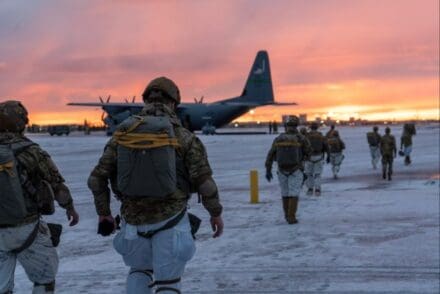
The 82nd Airborne Division, joined by the 3rd and 10th Special Forces Groups, are in the final stages of testing the Family of Weapons Sights – Individual, or FWS-I, for static line and military free fall airborne infiltration.

The FWS-I program will provide Soldiers with thermal enablers for individual weapons.

“The FWS-I gives Soldiers the capability to see farther into the battlefield, increase surveillance and target acquisition range, and penetrate day or night obscurants,” said Lashon Wilson, a test coordinator for Project Manager Soldier Lethality.

“American paratroopers and special operations Soldiers are renowned for attacking when and where least expected and almost exclusively at night,” said Staff Sgt. Derek Pattle a test NCO with the Airborne and Special Operations Test Directorate, also known as ABNSOTD.

“Conducting forced entry operations during daylight hours leaves paratroopers exposed to enemy ground fire and counterattack during airborne assault,” he added.

“That’s why mastering night vision devices and targeting systems is a critical skill for Army paratroopers and Special Operators and vital to mission accomplishment during forced entry parachute assault.”

According to Capt. Joseph Chabries, a plans officer at ABNSOTD, the core question for military equipment employed by Army paratroopers and special operations regarding is in its survivability.

“’Can the system survive airborne infiltration?’” said Chabries.

“Individual paratroopers as well as vehicles and cargo delivery systems are bristling with technology, which can at times be fragile,” he added.

“Ensuring these systems are both suitable and effective for issue to airborne forces often requires a more technical approach.”

Staff Sgt. Dalton Carter, a weapons squad leader with 2nd Brigade, 82nd Airborne Division said, “I feel as if this is a step in the right direction for army night vision and lauded the operational features the FWS-I can provide his squad.”

The FWS-I test also exposed many veteran paratroopers to operational testing for the first time.

Sgt. David Brown, a fire team leader in Bravo Company, 1-325 Airborne Infantry Regiment, serving as a test participant during static line testing, said, “I feel like the FWS-I can be a real force multiplier for key leaders during hours of limited visibility or when the battlefield might be obscured.”

During post-drop operations, jumpers assembled for accountability and to ensure all FWS-Is were fully mission capable by performing a system functions check and collimation using the mobile boresight collimation station, which is used to evaluate the bore sight retention and repeatability of the FWS-I before and after static line and military free fall infiltration.

The data from the mobile boresight collimation station allows the test team to determine if and how much the boresight reticle on the FWS-I was moved or displaced due to any shock induced from exiting the aircraft, the opening of the parachute canopy or landing on the ground.

“ABNSOTD is one of the few organizations in the Department of Defense that maintains a bore sight collimation capability and the only mobile system of its kind,” said Mr. Jacob Boll, ABNSOTD’s operational research analyst.

The ABNSOTD instrumentation section is charged with maintaining and employing this unique capability and trained extensively to conduct post-drop weapons testing before beginning operational testing of FWS-I.

Maj. Joshua Cook, deputy chief of ABNSOTD’s Test Division described the importance of testing and how it plays into the future of technology in warfare.

“Operational testing is about Soldiers and ensuring the systems developed are effective in a Soldier’s hands and suitable for the environments in which they train and fight,” Cook said.

By Mr. Mike Shelton, Test Officer, Airborne and Special Operations Test Directorate, U.S. Army Operational Test Command

Army Cyber Command Leaders, Partners Discuss Leveraging Information Advantage

Sunday, July 14th, 2024

ARLINGTON, Va. — Military and civilian leaders from across the Army Cyber enterprise joined their expert partners from military, industry, academic, government and media organizations to discuss the ever-evolving cyber landscape and how military forces can develop and employ information advantage in cyberspace, at the Association of the United States Army’s “Hot Topic: Cyber and Information Advantage” event in Arlington, July 2, 2024.

Lt. Gen. Maria Barrett, commanding general of U.S. Army Cyber Command led the day of panel discussions and remarks that was co-hosted by ARCYBER and the Army Combined Arms Center.

“This is all for the purpose of enabling commanders to visualize, decide and synchronize the effects that they could have within the (cyber) dimension,” said Barrett during her opening remarks.

She emphasized that to succeed in that dimension requires looking at every phase of the continuum of conflict. “If you think you’re going to deliver insights to a commander about the information dimension, and you’re not looking at it in the competition phase, whatever you are delivering in crisis, in conflict, probably will fall short,” she said.

Among the other senior Army Cyber leaders participating in the daylong event were Maj. Gen. Paul Stanton, commanding general of the U.S. Army Cyber Center of Excellence and Fort Eisenhower, and Lydia Snider, advisor on foreign malign influence to the ARCYBER commanding general.

Snider provided insights during a panel on the effects of social media on information advantage activities, highlighting its prevalence and growing impact on global affairs. Social media has removed borders, she said, allowing our adversaries to get into the hearts and minds of Americans. To combat their efforts, we must ask the right questions about their intentions and increase messaging about democratic ideals and values.

With information proving to be a critical instrument in influencing global affairs, the Army and its Department of Defense, allied, industry, government and other partners are focused on ensuring we are positioning ourselves to combat our adversaries on all fronts. During the last panel of the day and a media roundtable following the event, Stanton talked about how thorough planning with specific objectives is vital to getting commanders’ support for cyber operations, and the standup of three theater information advantage detachments, or TIADs, to provide broad expertise in that planning.

“We, in the Army, are promoting the theatre information advantage detachment,” said Stanton. “That is the element that is going to do the planning across our ability to influence, inform, protect, attack and support decision making that will drive tangible and measurable outcomes.”

“The TIAD has to do all detailed planning, they have to do the data collection, they have to get the approvals in order to execute mission, and then they have to do the appropriate assessment of effectiveness after the fact,” Stanton said.

Col. Bryan Babich, director of the Army Mission Command Center of Excellence, said that as with as with other cyber operations, the success of the TIADs will depend on preparation, initiative and relationship building between the Army and its partners.

“You can’t wait until crisis or conflict to start,” said Babich at the roundtable. “That is why it is so important with the TIADs and how they are forward posturing and working with partners.”

By SSG Kyle Alvarez

The Dive into Commitment

Thursday, July 11th, 2024

OKINAWA, Japan — Early morning tranquility embraced the dive site as the ocean whispered its welcome. The team, led by Maj. Robert S. Bourgeau, gathered in the pre-dawn light, checking gear and preparing for a reenlistment ceremony unlike any other. Bourgeau outlined the day’s dive plan with precision, his words infusing a sense of solemnity and anticipation among the divers. “This is not just a formality; it’s a testament to honor and commitment under extraordinary conditions,” Bourgeau explains.

As they descended into the crystal-clear waters off Okinawa, the reality of the event unfolded before them. At forty feet below, against the serene backdrop of the ocean, Capt. Erik McDowell and Capt. Timothy Robinson carefully unfurled the American flag, its colors vibrant under the water’s surface. The scene was set, a silent yet profound tableau of military tradition meeting the undersea world.

Sgt. 1st Class Corey O. Tomasich, positioned beside Bourgeau, prepared to renew his service vows in an environment uniquely challenging in its own right. Surrounded by fellow divers and with his family watching from above, Tomasich’s reenlistment formed a powerful representation of military life where personal passions and professional duties are intricately woven together. As the oath began, the other divers, unable to hear but fully aware, watched the exchange of solemn gestures and vows. Above, Tomasich’s wife Anita watched from the surface, her presence a comforting reminder of the world above.

“It’s incredible to see how his love for diving and his dedication to the military have come together in such a memorable way,” Anita reflects, her eyes never straying from the scene unfolding below.

The man behind the mask: Tomasich’s journey

Tomasich’s military journey began with a desire to explore and serve, a call to adventure that led him from basic training to diverse international assignments. His tenure has included significant roles in Germany, South Korea and Japan, each posting adding layers to his expertise and resolve.

“Every station, every mission has taught me something invaluable about leadership, about service,” says Tomasich. His voice carries the weight of experience, each word underscored by a history of challenges met and overcome. “From conducting NATO missions to managing high-stakes operations, these experiences have forged me into the Soldier I am today.”

His family’s unwavering support has been a cornerstone of his career. “My wife and kids have been my anchor through every posting, every deployment,” he acknowledges, his gratitude evident. This reenlistment is as much a renewal of his vows to them as it is to his country.

Voices from the depths: Insights from colleagues and family

Maj. Bourgeau, who played a pivotal role in the ceremony, highlights an underwater reenlistment’s logistical and emotional complexities. “It’s about adapting our traditions to reflect the identities of our Soldiers,” he says, emphasizing the innovative spirit of the military community.

Maj. Caleb S. Daniel, an S3 operations officer who has supervised Tomasich, highlights his dependability and leadership prowess. “When we have missions with strategic impact, Sgt. 1st Class Tomasich is the person we count on,” Daniel remarks. “His integrity and calm demeanor make him a pillar within the 10th Support Group.”

From the family’s perspective, Anita Tomasich sees her husband’s choice of reenlistment venue as a reflection of his personality: adventurous and committed. “It’s Corey all over — always taking that extra step to make things memorable,” she says, smiling.

His children, Maycee, Ellie and Tripp, echo this sentiment. “Dad does things differently,” Maycee says proudly. “And that’s what makes him special.”

Sgt. Jermaine Robinson, a subordinate of Tomasich, shares insights on his leadership impact. “He’s not just our leader; he’s our mentor. Watching him take that oath underwater, where he loves to be, was inspiring,” Robinson reflects. “It shows his dedication in every aspect of his life.”

A legacy of leadership and commitment

The ceremony concludes with a sense of accomplishment and a renewed sense of purpose for Tomasich and all who participated and witnessed the event. It’s a poignant reminder of the unique paths service members take in their careers and the profound impacts of their choices on their peers, families and the broader military community.

“This reenlistment is a testament to the values we hold dear in the military: honor, courage and an unwavering commitment to our country,” Maj. Bourgeau concludes, his voice resonant with pride and honor.

As they ascend back to the surface, the significance of the day’s events is not lost on anyone. It’s a vivid illustration of how the 10th Support Group not only supports its members in their professional endeavors but also embraces their individuality and passions, weaving them into the fabric of their collective mission to protect and serve.

With a legacy cemented both below and above the waves, Sgt. 1st Class Tomasich looks to the horizon, ready for whatever challenges and adventures lie ahead, his journey a remarkable narrative of dedication, leadership, and transformation within the U.S. Army.

Looking to the horizon: Future aspirations and reflections

As Tomasich looks to the future, his goals are clear. “The next step is Officer Candidate School, another challenge I’m ready to meet,” he states confidently. His aspirations extend beyond his military service, eyeing a role in law enforcement post-military.

Reflecting on the legacy he wishes to leave, Tomasich hopes his actions inspire others. “I want to show that it’s possible to be true to yourself while wearing the uniform. To integrate who you are with what you do,” he shares, his vision for the future grounded in values of integrity and service.

“This reenlistment isn’t just about continuing my service,” Tomasich concludes, “it’s about reaffirming my life’s commitment, both professional and personal, in the depths of the ocean — where I feel most at home.”

This unique ceremony, witnessed by family and fellow Soldiers, not only marked a continuation of service but also a profound personal commitment, showcasing the deep ties between a soldier’s career and his life beyond the uniform.

By SFC Henry Gundacker

New York National Guard Soldiers Test Army’s Newest Equipment

Saturday, July 6th, 2024

FORT DRUM, N.Y. — Soldiers from the New York National Guard’s 27th Infantry Brigade Combat Team traveled to Fort Drum, New York, June 24-28, 2024, to get hands-on with new technologies designed to mitigate the risk to Soldiers on the battlefield.

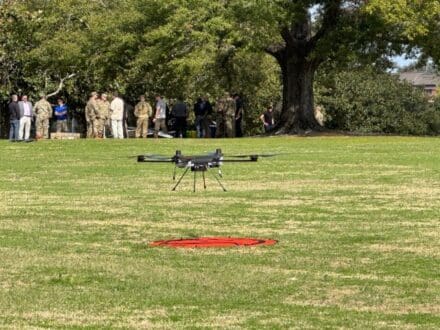
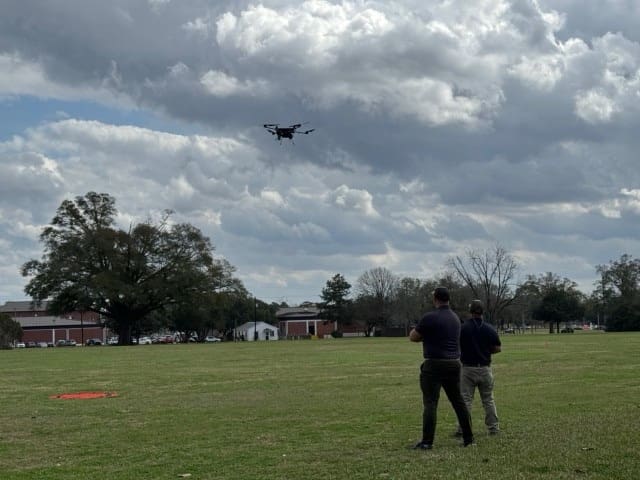
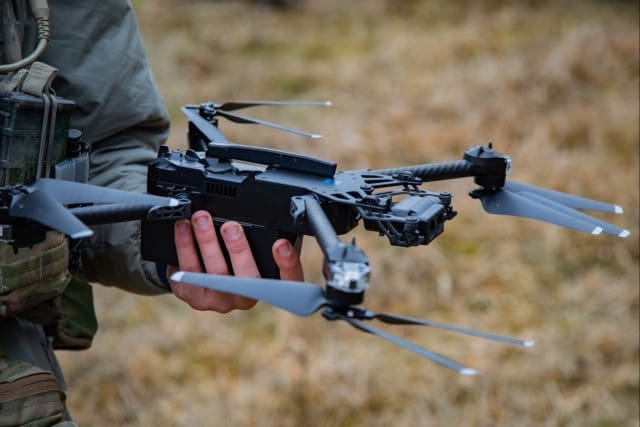
The Soldier borne sensor unmanned aerial vehicle and lightweight laser designator rangefinder systems were recently fielded to various units across the brigade, with Soldiers receiving both classroom and practical instructions on the operation of the two new tools in their arsenal.

The Soldier borne sensor, or SBS, “is portable and lightweight, increasing the effectiveness of our operations,” said Staff Sgt. Andy Huang, a combat engineer with the 152nd Brigade Engineer Battalion, and native of Brooklyn, New York. “It’s designed to, instead of using us to do surveillance, it can do surveillance and reconnaissance and search for enemy fighting positions or friendly forces.”

The SBS is designed to mitigate the risk to Soldiers by having the miniature drone complete dangerous work Soldiers would typically perform on their own. Its small size, only measuring a few inches, and low-noise capabilities make it nearly undetectable by enemy forces.

“It’s small and lightweight, and with how high it can go, you can’t really hear it,” Huang said. “So, you can recon a lot of stuff, and the bad guys can’t see it.”

The second system fielded and trained on during the week was the lightweight laser designator rangefinder, or LLDR, a crew-served, Soldier-portable, long-range target locator and laser designation system. The LLDR provides Soldiers on the battlefield with highly accurate target location information while using the laser designator to call for fire using precision, near-precision and area munitions.

“The LLDR allows you to basically have another person see what you’re doing or what you’re looking at without the (Soldier) having to move,” said Spc. Jeffrey Anicet, a joint fire support specialist with 1st Battalion, 258th Field Artillery Regiment, and native of Middletown, New York. “For us, for the observers, it makes it easier for us to target rounds, especially with mortars. Then, when working with aircraft on guided ordinance, we’re able to precision drop along those coordinates exactly where we want them to the tenth of a meter.”

The LLDR relies on a unique assembly of advanced sensor technologies, such as thermal imaging, cameras, laser designator spot imaging, digital magnetic compass, GPS, and more, to measure everything from distance to target to the rotation of the Earth, allowing Soldiers on the battlefield to relay more precise targeting data.

“It’s definitely going to benefit everyone across the board, when we start working more with the infantry, when we’re calling in fires for them, it will be a lot easier and a lot more accurate,” Anicet said. “It will be a lot safer for everyone on the battlefield.”

Systems specialists and field service representatives from Program Executive Office Soldier led the training on both systems, providing guidance and practical expertise on the new systems. Though only a handful of Soldiers from the 27th IBCT received the training, they will bring their newfound expertise back to their units.

“This is like a train-the-trainers course,” Huang said. “We’re going to train almost everyone [in my unit] on how to use this system. So, it’s not just me who knows how to use it, everyone to the lowest ‘Joes’ would know.”

By MSG Warren W. Wright Jr., 42d Infantry Division Public Affairs

Two U.S. Army T901 Improved Turbine Engines (ITE) Arrive at Sikorsky for Black Hawk Integration Efforts

Friday, July 5th, 2024

Fundamental to Black Hawk modernization, the new GE Aerospace engine will boost aircraft performance and range

The U.S. Army’s Improved Turbine Engine (ITE) will be integrated into the UH-60M Black Hawk helicopter. Representatives from the U.S. Army, GE Aerospace and Lockheed Martin gathered to mark the next step in ITE integration on June 27 in West Palm Beach, Florida. Photo courtesy Sikorsky, a Lockheed Martin company. 

The T901 engine will increase the Black Hawk’s power by 50%, while also improving fuel efficiency, and is a critical component of the roadmap to a modernized Black Hawk – a key part of Lockheed Martin’s 21st Century Security® vision. Photo courtesy Sikorsky, a Lockheed Martin company.  

WEST PALM BEACH, Fla., June 27, 2024 – Two of the U.S. Army’s T901 Improved Turbine Engines (ITE) arrived at Sikorsky, a Lockheed Martin company (NYSE: LMT), signaling a new phase of Black Hawk® helicopter modernization efforts. The T901 engine, which is manufactured by GE Aerospace, will increase the UH-60M Black Hawk helicopter’s performance, including lift capability and range, providing Army commanders more options for planning and executing missions.  

The T901 engine will increase the Black Hawk’s power by 50%, while also improving fuel efficiency and is a critical component of the roadmap to a modernized Black Hawk – a key part of Lockheed Martin’s 21st Century Security® vision. 

“Increased performance and range offered by the T901 are high-value capabilities the Army is able to implement on the Black Hawk in a cost-effective way that will not require expensive re-engineering,” said Hamid Salim, vice president of Army and Air Force Systems at Sikorsky. “The ITEP and other enhancement efforts ensure the Black Hawk remains in operation well into the 2070s, securing its position as the Army’s foundational tactical air assault and utility aircraft of choice.”  

What’s Next 

Sikorsky is positioned to conduct a multi-aircraft test program to support the Army’s ITEP acquisition milestone schedule.  

·      The two T901 engines will be installed in one Black Hawk test aircraft for ground runs and flight testing. 

·      Aircraft hardware is already on hand to accept two additional T901 engines for installation into a second Black Hawk test aircraft, which will accelerate the test program. 

The Army’s Utility Helicopters Project Office (UHPO), Aviation Turbine Engines Project Office (ATE PO), and Sikorsky have completed several key program milestones to prepare for this integration, including: 

·      Successful completion of the H-60M Preliminary Design Review and Critical Design Review. 

·      Software Formal Qualification Testing (FQT) for the Integrated Vehicle Health Management System (IVHMS) and is on track to complete the Flight Management System FQT this summer. 

·      Receipt and completion of all aircraft test instrumentation required to support the test program. 

·      Receipt of all aircraft “A-kit” hardware required to install two T901s into the H-60M in preparation to execute ground test and flight test.  

“We view this as an extension of the work we’ve completed on ITE with our Future Attack Reconnaissance Aircraft (FARA) prototype and are even better positioned for a timely and simplified integration of the engine into the H-60M, due to data and insights we’ve retrieved from successful ITE tests completed to date,” said Salim. 

Sikorsky received, installed, and successfully conducted engine light-off of the T901 engine in the FARA prototype aircraft. The ongoing FARA test program is specifically designed to collect data relevant to the Black Hawk engine integration to support risk reduction for the Black Hawk flight test program. 

A Modernized Black Hawk 

Sikorsky H-60M modernization efforts continue to be primarily focused on ITE, as well as Modular Open Systems Approach/digital backbone and Launched Effects. Digital innovations, such as a new sustainment digital twin, improve safety and mission readiness while reducing costly downtime and unscheduled maintenance.  

For additional information, visit our website:

www.lockheedmartin.com/blackhawk.