GORE-TEX Professional

Archive for the ‘Clothing’ Category

Camo Rumors

Tuesday, August 4th, 2009

In light of an impending directive from Congress to the Army to get their camo house in order, rumors continue to circulate about an upcoming test involving four camo patterns with the Army’s current Universal Camouflage pattern serving as a control.

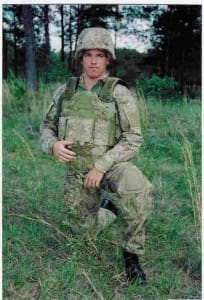
The four patterns are MARPAT-Woodland, MARPAT-Desert, Multicam, and Desert All Over Brush (seen below). Originally, we had heard that the fourth pattern would be the 3-color Desert pattern issued to all services prior to adoption of their new distinctive uniforms. However, based on some recent, unverified information we believe it is actually the Desert All Over Brush which interestingly gave a very good showing during the Army camo trials of 2003-2004. According to a Natick report, a modified variant of the Desert version All Over Bush pattern performed best in all environments. You can also access a briefing presented on the subject at the 2004 International Soldier Systems Conference here.
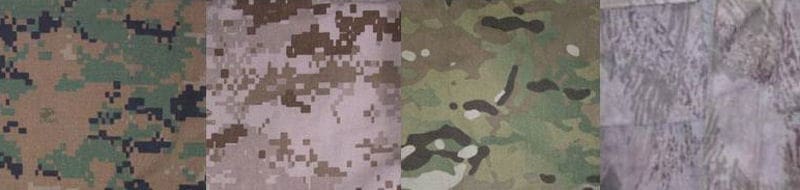
Rumored Trials Patterns

Based on a series of evaluations documented in the report and briefing slides Natick developed the variant of All Over Brush pattern.
desert brush variant 3

Having said all of that, the info on that particular pattern is old news. At some point in the Spring of 2004, the Army took a serious sidestep from all of its research and adopted UCP. if the rumors are true, looking at what is on the table, neither Marine patterns would really be considered serious candidates due to a variety of morale, and as we have discussed before, branding issues. You think the black beret issue was rough, imagine the outcry from two services if the Army adopted a Marine camo pattern. Consequently, while effective, we don’t consider the MARPAT variants as serious contenders. This leaves, depending on who is telling the story, either 3-color Desert which is still used by some US Navy forces (and a few others) or the prototype Desert All Over brush pattern in addition to Crye’s Multicam. While there are limited stocks of 3-color equipment still in the system, virtually none of it is in the configuration currently used by US forces. If it were adopted, the US Soldier would literally take a five year step back in capability until production of current issue equipment could be accomplished. Additionally, there is a political dimension to such a move. UCP was sold as a superior pattern to both Woodland and 3-Color Desert. Someone would naturally ask the question of why the Army discarded a pattern in favor of something less effective.
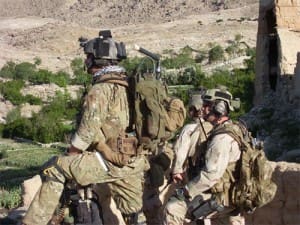
Multicam in Afghanistan

This leaves Desert All Over Brush and Multicam. Multicam has been used operationally by select US forces to great success and even more importantly, is currently supported by the US industrial base. A wide variety of Berry Compliant products (and raw materials) are available as COTS items. Additionally, industry already offers versions of current issue equipment in Multicam. Furthermore, there are numerous lightweight and multi-purpose Soldier Systems items designed specifically for environments like Afghanistan. Multicam is a mature, widely available, low hanging fruit. On the other hand, adoption of Desert All Over Brush would require long lead times as fabric mills first perfect and then produce sufficient quantities of materials. Only then could uniforms and equipment for our Soldiers begin to be procured.

We are waiting with bated breath to see if these rumors are true and what’s more, if they are, what will come of them. Naturally, Soldier Systems Daily will keep you updated.
More on Mirage

Tuesday, August 4th, 2009

Up to now information on Bulldog Equipment’s Mirage camo has been under serious wraps. To even look at photos, a perspective customer had to provide proof of affiliation with the US military. But apparently, that has all changed.

Our friends at Strike Hold! have additional photos of the camo in operational settings and information on a second generation of the uniform. According to the article, gone are the Superfabric knees and elbows and mesh panels have been incorporated into the design. We thought these had only been part of the Sniper uniform but it seems that troops wear testing the garments preferred the feature.

Check out the article here.

Massif WACS

Monday, August 3rd, 2009

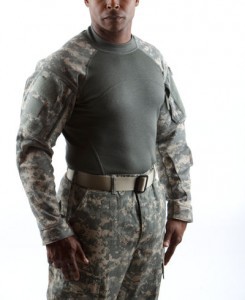
Massif Mountain Gear Company has just released the new Winter Army Combat Shirt (WACS), a new flame-resistant cold weather garment based on their Army Combat Shirt design issued to US forces since 2007. The WACS retains the features of the ACS that have made it so comfortable and user friendly but have integrated new materials for cooler climes. The soft and stretchy HotJohnsâ„¢ fabric used on several of Massif’s cold weather FR pieces is used on the torso and the Elementsâ„¢ softshell fabric sheds wind and rain and its fleece lining is cozy and warm yet retains flame protection and durability for areas not protected by body armor. Massif developed the WACS in cooperation with the U.S. Army and conducted extensive field-testing for the best design possible. Available in Small-XXLarge, all fabrics used in the WACS meet the stringent ASTM F2302-03 performance specification.

Winter Army Combat Shirt

Sales are restricted to US military members. Visit www.Massif.com for more information.

Congressional Camo: The Opposition Speaks

Sunday, August 2nd, 2009

While no one has fessed up to backing the proposed legislation requiring a common camo pattern and combat uniform for all US forces, some in Congress have made their displeasure with the measure known.

Rep. Mike Coffman (R-CO) initiated a letter last week that was signed by seven other members of the House Armed Services Committee (HASC). The joint letter was sent to HASC Chairman Ike Skelton (D-MO) and HASC Ranking Member Buck McKeon (R-CA) expressing strong opposition to a provision in H.R. 2647, the National Defense Authorization Act (NDAA) for Fiscal Year 2010. The provision, Section 352, mandates that all future military ground combat uniforms be a single, standardized design.

Rep Coffman estimates this measure could cost in excess of $5 Billion if enacted. He brings a unique perspective on the issue to a Congress that only boasts just over 100 members who are Veterans. Rep Coffman has served in both the US Army and Marine Corps including service as enlisted as well as officer and in the first Gulf war and current operations.

Please see the contents of the letter below.

# # #

July 16, 2009
The Honorable Ike Skelton The Honorable Buck McKeon
Chairman Ranking Member
House Armed Services Committee House Armed Services Committee
2120 Rayburn House Office Building 2120 Rayburn House Office Building
Washington, D.C. 20515 Washington, D.C. 20515

Dear Chairman Skelton and Ranking Member McKeon:

As Members of the House Armed Services Committee, we are proud that the National Defense Authorization Act for Fiscal Year 2010, passed by the House of Representatives this June, provides for our nation’s warfighters in many ways. However, we respectfully write to express our strong concerns about a troubling provision for a common combat uniform that was included in the bill absent widespread notice and without any debate. This language, Section 352, calls for the Secretary of Defense to ensure that future ground combat uniforms be a single, standardized type.

Section 352, titled “Requirements for Standard Ground Combat Uniform”, lists several flawed rationales for mandating our military Services into a policy that all of the uniformed Service chiefs oppose. This is an expensive initiative that, while well-intentioned, neglects key tactical, cultural, economic, and practical considerations.

Although this provision is intended to increase interoperability of ground combat forces, thus far we have yet to hear of any mission, operation, or campaign’s failure due to uniforms that prevented interoperability. We are certain you will agree that training, leadership, doctrine, and trust cultivate interoperability – not clothing.

The proposed common battle uniform is also intended to eliminate any alleged “uniqueness” that could pose a tactical risk in a theater of operations. They know that all our servicemembers are well trained, well led, and well equipped. The enemy is not taking special care to target one Service over another.

A common battle uniform would also allegedly minimize production costs and the costs for issuing the uniforms. Current law (Title 10 U.S.C. § 5063, USC Section 771) provides for the existing policy of the Services’ uniqueness in their combat uniforms. As such, since 2001 each Service has created, tested, and distributed its own combat uniforms based on their unique mission sets, physical environments, and servicemember surveys. They have each invested the time and the money to outfit their respective Services.

Preliminary analysis by the Department of Defense estimates $4.85 billion to retrofit approximately 2.2 million DoD personnel to a single combat uniform. This initial cost analysis does not include development and sustainment costs. To force such a change after the Services have just completed fielding of their distinctive uniforms is an unconscionable waste of nearly five billion taxpayer dollars, in addition to wasting the funds that have already been spent on the fielding the individual Service combat uniforms.

Each Service has a proud tradition and reputation around the world and taking away their distinctive combat uniforms removes their connection with our friends and foes alike. The villagers in a suburb outside of Baghdad see ACUs and know that those were the Americans that pushed out the insurgents and restored their electrical power. The insurgents in Fallujah see the Marine Corps Combat Utility Uniform (MCCUU) and will tell you that there is “no better friend, and no worse enemy.” This connection is key to our nation’s warfighters accomplishing their missions.

At a time when our military faces so many critical missions, and our country’s defense budget is increasingly stretched thin, an unnecessary proposal such as this serves no practical purpose. It has an extensive price tag and takes away the individual military Services’ identity at home and abroad.

We look forward to working with you, and the Senate Armed Services Committee, to correct this provision in the upcoming conference for the National Defense Authorization Act for Fiscal Year 2010. Thank you for your time and consideration.


Sincerely,

Mike Coffman Duncan Hunter
Member of Congress Member of Congress

Vic Snyder Mike Conaway
Member of Congress Member of Congress

Robert J. Whittman Doug Lamborn
Member of Congress Member of Congress

Trent Franks Todd Akin
Member of Congress Member of Congress

Arktis SF Sleeveless Smock

Sunday, August 2nd, 2009

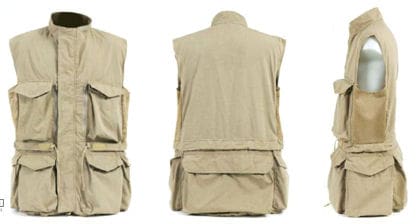
Many don’t know that UK-based Arktis Limited has a US presence. They carry products that aren’t found on the UK website. One of these items is the Special Forces Sleeveless Smock. An interesting alternative to the photographer’s vest, the Sleeveless Smock integrates features normally found in a Smock but with three distinct differences. There is no hood nor sleeves and the under arms are made from mesh to aid in cooling.

Arktis Ltd SF Sleeveless Smock

It is available in limited numbers in Tan only. To order visit Arktis USA.

Sitka Gear Updates Website

Friday, July 31st, 2009

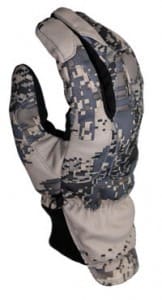
Outdoor clothing producer, Sitka Gear has updated their site to include the products released at SHOT show earlier this year. Of particular note are the additions to their Necessities line which include the Traverse Balaclava, Stormfront Gaiter, Bomber belt, as well as the Jetstream Hat, Beanie, and Gloves (seen below).

Sitka Gear Jetstream Glove

In addition to several solid colors and hunting patterns, Sitka was one of the first companies to incorporate W.L Gore’s Optifade pattern.

To check out their entire line visit them on the web.

New Hats and Tees from Shellback Tactical

Friday, July 31st, 2009

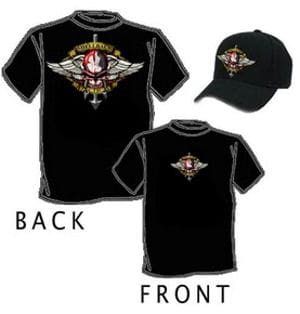
Shellback Tactical has just launched their new embroidered FLEXFIT logo caps with the Shellback Tactical logo. Additionally, they are offering a pre-order for the premier Shellback Tactical T-shirt.

Shellback Tactical's New Logo Gear

Due to numerous requests for Shellback logo gear they chose the popular FLEXFIT caps which are available in Black sized S/M or L/XL. The T-shirt is also offered in Black in sizes Large, XL, and 2XL. During this introduction, both the hats and t-shirts are both going for $18.00. Once the promotion has ended the price will go to $22.00 for each.

Visit Shellback Tactical online for full details.

Congress Proposes Common Ground Combat Uniform

Thursday, July 30th, 2009

In the 2010 House Defense Authorization bill there is a section that would require standard ground combat uniforms.

“Section 352—

Requirements for Standard Ground Combat Uniform This section would require the Secretary of Defense, in consultation with the Defense Logistics Agency, to require that future ground combat uniforms be standardized in order to ensure increased interoperability of ground combat forces and reduce tactical risks encountered when military personnel wear a different uniform from their counterparts in the other military services in a combat area.

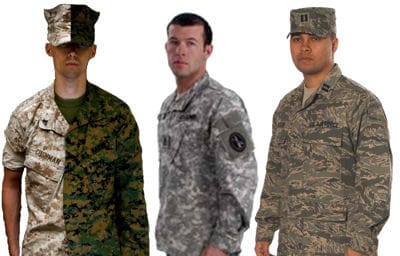
The committee notes that, previously all the military services used the same desert camouflage uniform or the standard battle dress uniform, both in the temperate and enhanced weather versions. However, the Defense Supply Center Philadelphia of the Defense Logistics Agency, which is responsible for the manufacture of all U.S. military uniforms, now procures unique camouflage utility uniforms for each of the military services: the Army combat uniform, the Airman battle uniform, the Navy working uniform, and the Marine Corps combat utility uniform.

The committee is concerned that the recent move toward unique service camouflage uniforms has resulted in increased costs and production inefficiencies. For example, problems with consistency in fabric shading have required remanufacture of some uniforms. In addition, the costs for the unique uniforms are substantially more than for the standard battle dress uniform because of the differences in design, camouflage pattern, and type of fabric.

Most importantly, the committee is concerned that this uniqueness poses a tactical risk in theater, especially for those assigned to combatant commands or as individual augmentees who may be wearing a different uniform from those they are serving with in combat.

The committee also notes that service-specific battle dress uniforms magnify the challenges and costs associated with procuring personal protective gear and body armor that conform to the design and coloration of the basic uniform”

US Military Utility Uniforms

Well, Congress pretty much hit the nail on the head, just six years too late. This horse has been out of the barn for awhile but it does seem that the hoopla over the Army’s use of UCP in Afghanistan has attracted some thoughtful analysis. Interestingly, these are essentially the same arguments made by Robert Strange McNamara when he was Secretary of Defense during the Kennedy administration. At his direction, in the early 1960s the services moved to a standard uniform including boots and at one point, even T-shirts. However, this proposed legislation also references an issue that has been a major concern in the field and that is fratricide and OPSEC.

The services rely heavily on their individual uniforms for branding purposes so it is unclear how the departments may react to such a directive. Although, according to the document, there is some wiggle room including a reference to “future ground combat uniforms” which might allow the services to delay any changes to coincide with the fielding of future individual equipment ensembles. Another issue is that the bill references both utility uniforms as well as combat uniforms. Interestingly, Army, Air Force, and Marine Corps have all adopted FR combat uniforms that closely resemble one another except in the area of camouflage. The real differences come to play in the utility uniform realm. Such distinctions might make implementation difficult.

There have been calls within industry for some time for the services to adopt a single color scheme in order to simplify production and realize cost savings. While the implications of such legislation are very deep for the military as well as industry, it is important to note that this is still just a bill and not yet law. In fact, it may not even make it out of committee.

Thanks to ADS Ventures for alerting us to this legislation. It will be interesting to find out who is promoting this particular measure.