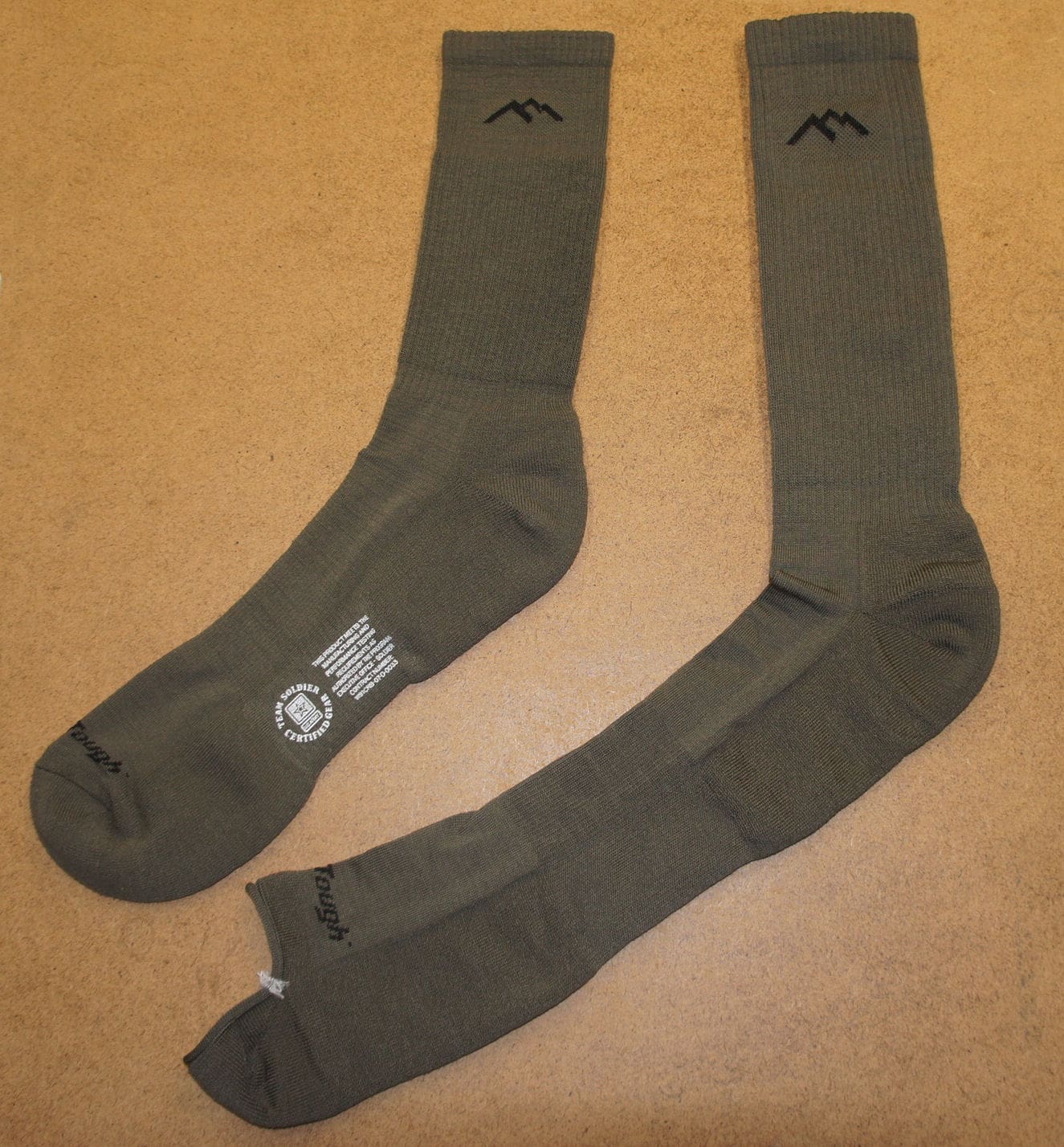
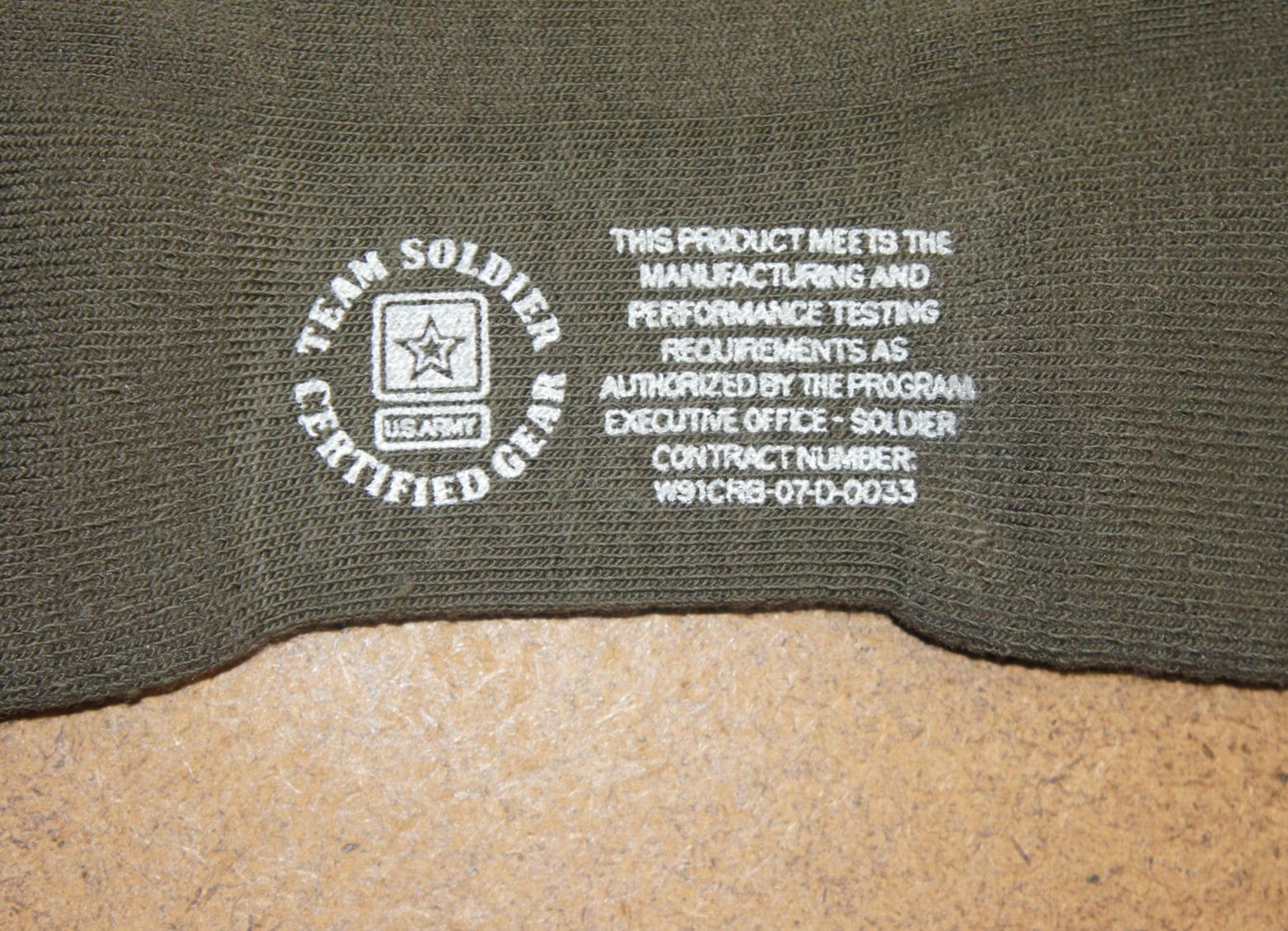
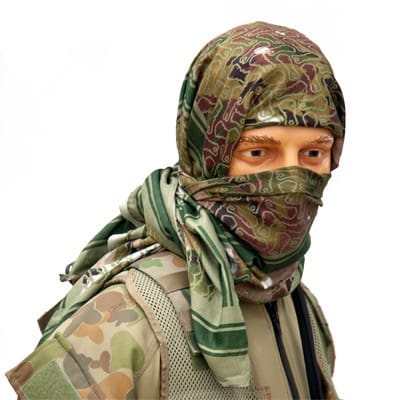
Despite the US Army’s recent interest in wool, it never went completely away. All four services recognize the advantages of wool and issue Darn Tough Vermontâ„¢ Merino wool socks to their personnel. In particular, the Army’s Fire Resistant Environmental Ensemble (FREE) relies on a Darn Tough Vermontâ„¢ sock to provide no melt-no drip protection in a wide variety of conditions.
These days almost everyone is issued socks prior to deployment and many of you receive Merino wool socks for that purpose. But, did you ever wonder where they come from? I did, so last week I visited Darn Tough Vermontâ„¢’s factory in rural Vermont but I didn’t expect what I found.
The first thing I saw after meeting my host, Shannon McKenna, Darn Tough Vermontâ„¢’s Director of Government Sales, was a mural. On it was a simple statement that gets to the heart of their philosophy.
“Nobody ever outsourced anything for quality”
Naturally, any company located in Vermont is going to have at least a little bit of Yankee, but I must admit I was still surprised at the village atmosphere. I was introduced to Ric Cabot, CEO of Darn Tough Vermontâ„¢ and the man behind the outsourcing sign. The more I talked to him, the more I realized how similar our outlook on life and business is.
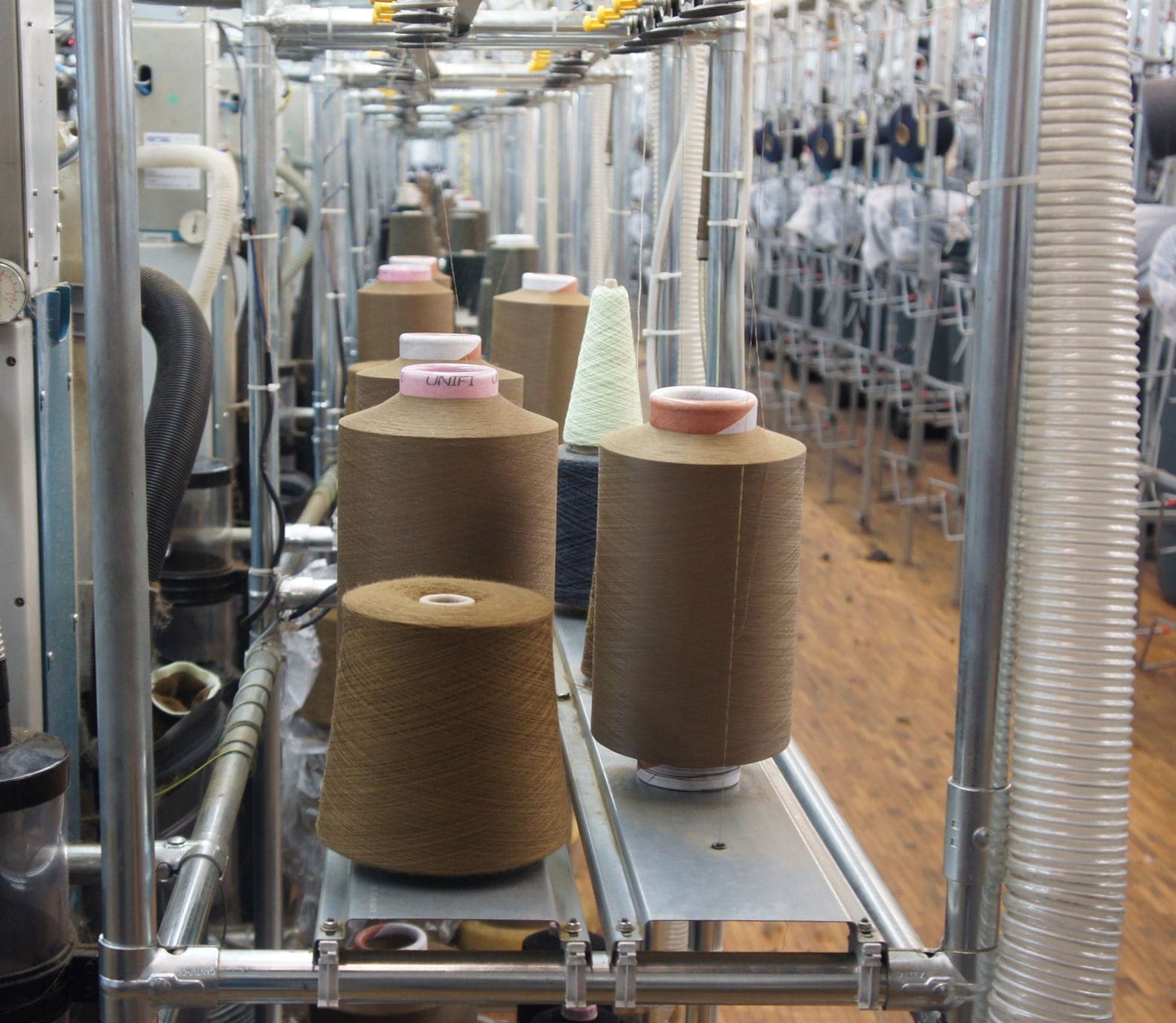
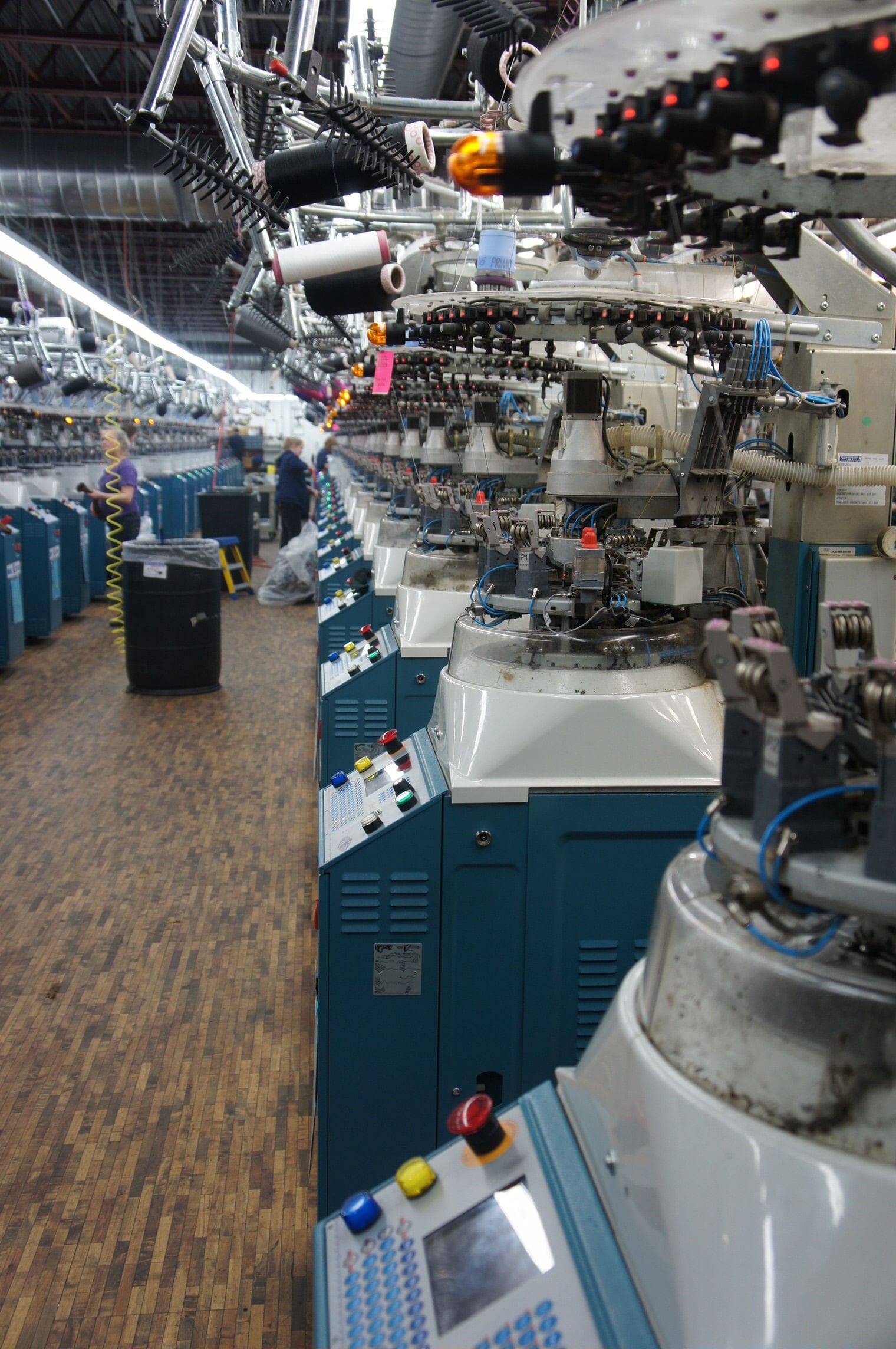
It turns out the mill was started in 1978 and Ric Cabot is a 3rd generation sock maker. One of the first things he told me as we walked along the production line, wooden ruler hanging out of the back pocket of his work pants was, “You’re not just buying socks, you’re buying us.” To him, it’s easy. People are the most important part of process. It’s simply a matter of explaining the goal and then working together.
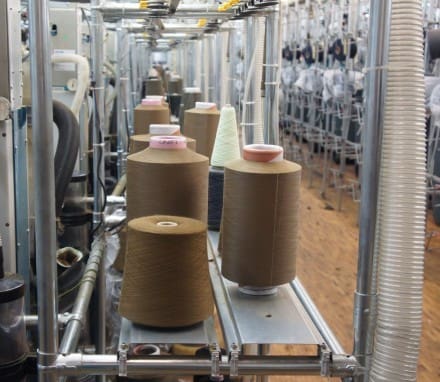
Ric Cabot doesn’t think that outsourcing is just about shipping jobs overseas. When I mentioned the slogan at the entrance he said, “If you’re serious about something you’ll do it yourself.” He wants to do as much as possible in house. For instance, they build all of the socks with their name on them. They don’t send anything out to sub-contractors.
“Everyone should want to be Darn Tough Vermontâ„¢.”
-Ric Cabot
When I commented to Ric Cabot about how impressed I was with how smoothly it all ran, he turned to me and commented, “It all goes back to the ruler.” I could tell by his conviction that he wasn’t just talking about that ruler he carries around the factory in his back pocket for spot checks of socks on the line. He also meant the personal ruler he uses to measure success. It’s not just about “quality” as an industrial term. Ric Cabot is interested in sustainability of community. He knows each of his 147 employees; some are 3rd generation employees just like him. He shared with me that his factory is more than just those 147 employees. All told, he says there are over 500 dependents plus, by extension, his suppliers around the country.
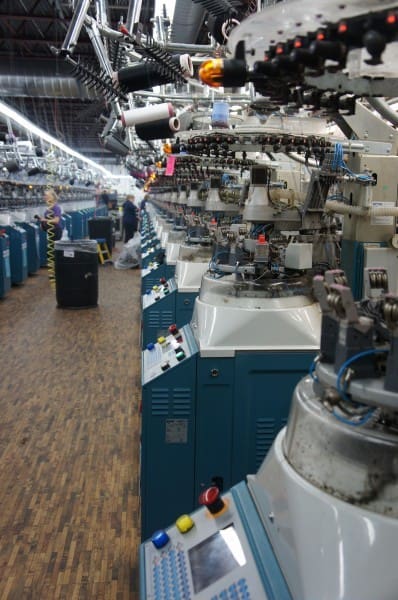
Don’t think it’s always been roses. They’ve had tough times. Ric went on to tell me, “Darn Tough Vermontâ„¢ is the mill, it’s not a name we put on a pair of socks. It’s my family. In an rural American environment, we’ve pulled ourselves from near bankruptcy to become the producers of the highest quality performance sock brand.”
“Anybody can build a Berry compliant sock, but it’s still not Darn Tough Vermontâ„¢”
-Shannon McKenna
Shannon knows many of the men and women who wear their socks. You’ll see her at trade shows, greeting everyone with a smile. She told me, “We perform best, when you don’t know we’re there.” But it’s more than a smile and a kind word. Their commitment to excellence shows through in so many ways.
Many of the workers at Darn Tough Vermontâ„¢ are veterans. In fact, the head of R&D served in 10th SFG(A) in the 1960s and we had a fun conversation reminiscing about the old Chippewa mountain boots and thick wool socks issued up into the 1990s. More still, have family who are serving overseas so there is a passion to ensure that they build the best product possible.
Additionally, Darn Tough Vermontâ„¢ listens to its customers. The Darn Tough Vermontâ„¢ Tactical footwear line is pretty broad and includes Tactical Boot, Tactical Dress and Tactical PT socks. With 23 styles ranging from True-Seamlessâ„¢ mesh, no-show PT socks to over-the-calf Extreme Cold Weather Mountaineering Boot socks, they’ve got one of the largest selection of Berry Compliant styles available in industry, covering all the bases. In fact, every style has been issued to one organization or another.
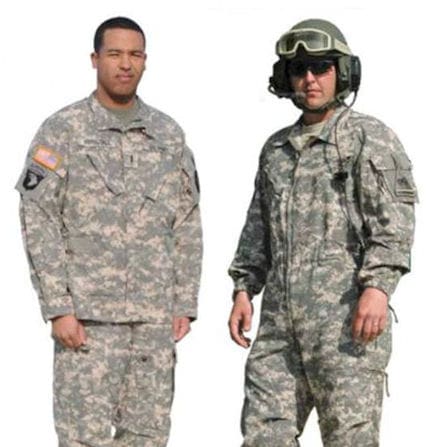
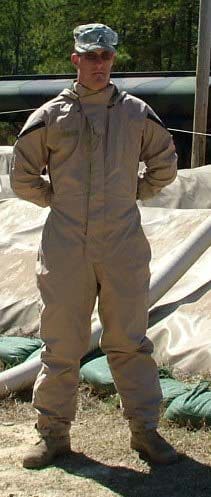
Take the FREE sock for instance. To satisfy the US Army’s requirement for a head-to-toe FR environmental clothing system system integrator ADS turned to Darn Tough Vermontâ„¢. They selected the “Merino Wool Boot Sock Cushion” due to its inherent no-melt no-drip, anti-microbial, and warm even when wet properties.
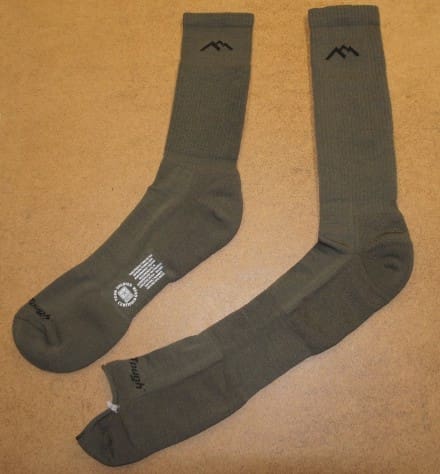
Here you can see a freshly knit FREE sock on the right and a fully finished version on the left. Remember that ruler? Quality assurance checks are made at each step in the process with gauges placed at various stations to verify measurements. But that trusty ruler still randomly comes out to make spot checks.
After the sock is knit, unless the sock is seamless, the toe seam is added and excess material trimmed. Then it heads over for a wash and dry which sets the size you see above. Commercial varieties are also dyed in this step. Then it’s off to packaging which includes the addition of any labels. A quick note on seamless sock technology. Yes, it’s cool and Darn Tough Vermontâ„¢ can do it. But they don’t include it on every style. It’s mainly because it isn’t necessary. For socks with a low nap, it makes a big difference, but for the thick terry nap socks like the mountaineering variety it superfluous. Sure, they could replace ALL of their machines to produce seamless socks and lay off the workers who finish the socks, but why do it? How does that best serve the community?
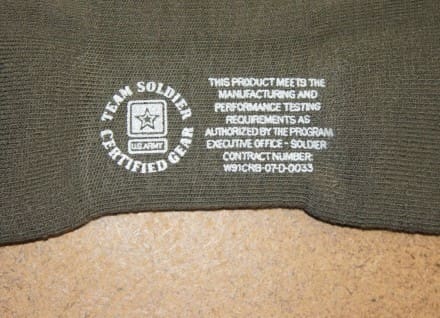
It’s important to note that everyone wears socks and Darn Tough Vermontâ„¢ recognizes this. They offer far more socks to the commercial market than they do for GIs. Interestingly, they don’t sell direct. There’s a reason for this. They don’t want to compete with their retailers.
I came away from my visit realizing that for this crew, making socks is a passion. There’s an investment of more than just money and materials. It’s an investment in community. To me, it’s an investment in America.
www.adsinc.com/darn-tough-socks