Aquaterro

Archive for the ‘Guest Post’ Category

Army Tests Arctic Shelter Program in Air Force Climate Lab

Friday, July 26th, 2024

EGLIN AIR FORCE BASE, Fla. — Team members with the U.S. Army Medical Materiel Development Activity braved the arctic cold and hurricane force winds as part of environmental testing held July 11-15, 2024, at Eglin Air Force Base.
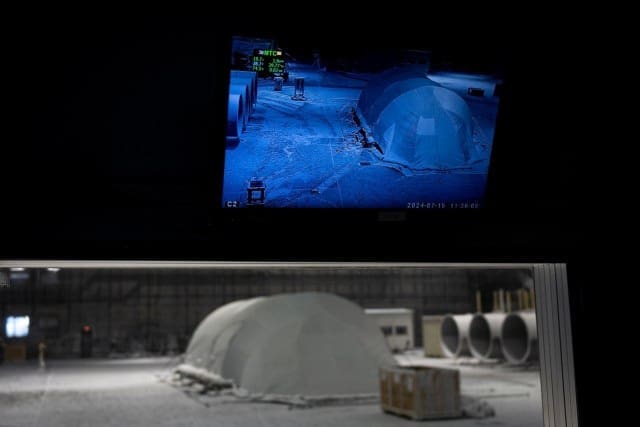
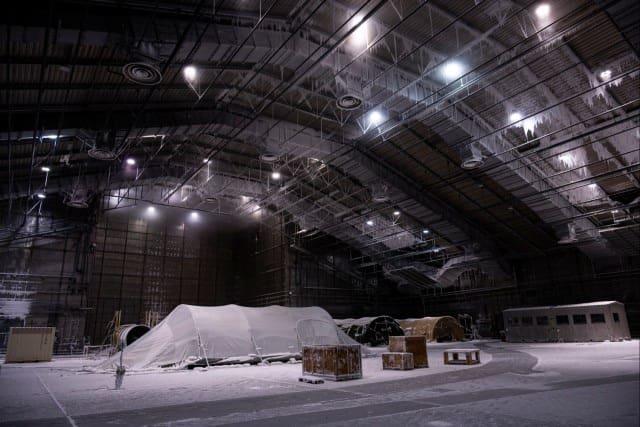
Working with industry partners and test engineers belonging to the U.S. Air Force’s McKinley Climatic Laboratory, the USAMMDA advanced developers put several arctic shelter kits and support systems through their paces. The equipment was exposed to a wide range of climate conditions in a lab setting to assess their ability to withstand some of the most brutal conditions found in an arctic environment, according to Jack Philpott, an assistant program manager with USAMMDA’s Soldier Medical Devices Project Management Office.
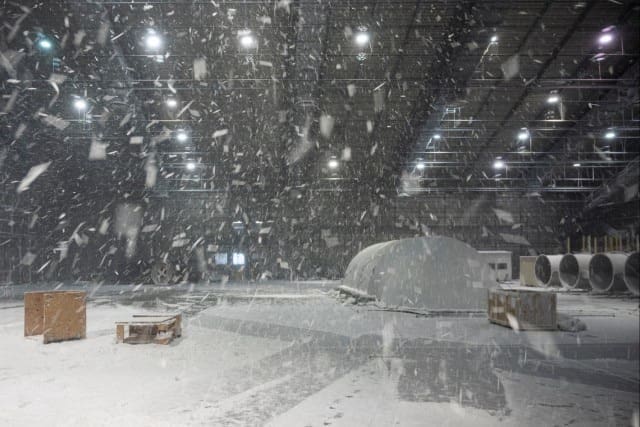
To assess the progress of the arctic shelter kit and support systems programs, the MCL test engineers and the SMD development team deployed four standard issue shelters inside the main test chamber, which is approximately 252 feet wide, 260 feet deep and 70 feet tall. The range of conditions across five days of testing — with temperatures as low as minus 60 F and winds as high as 80 mph — gave the development team precise data to measure the program’s strengths and areas for improvement, said Philpott.
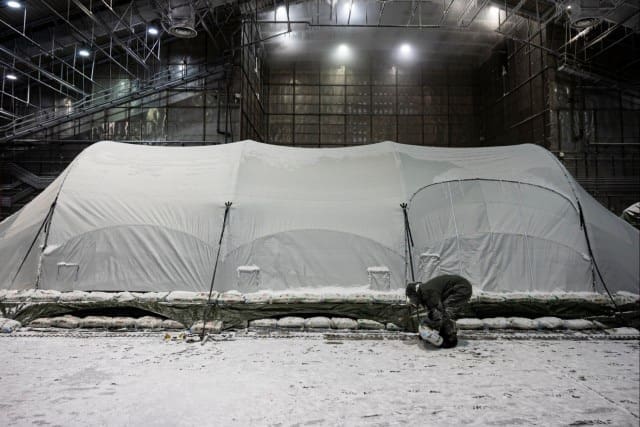
“We are testing to make sure that the systems will even work under these extreme conditions. At such cold temperatures, screens and fabrics can crack, water will flash-freeze, oils and adhesives can dry and fail, and engines can potentially freeze and not function,” said Philpott, who manages the acquisition, support sustainment and refurbishment of hospital center medical shelters and water systems for SMD. “We also captured temperature data on the shelters, determining how well the systems will keep personnel and casualties warm, looking for leaks, cold spots, and other potential weaknesses and limitations.”
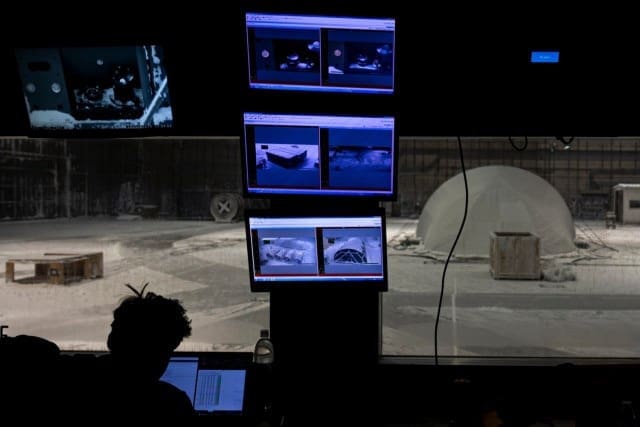
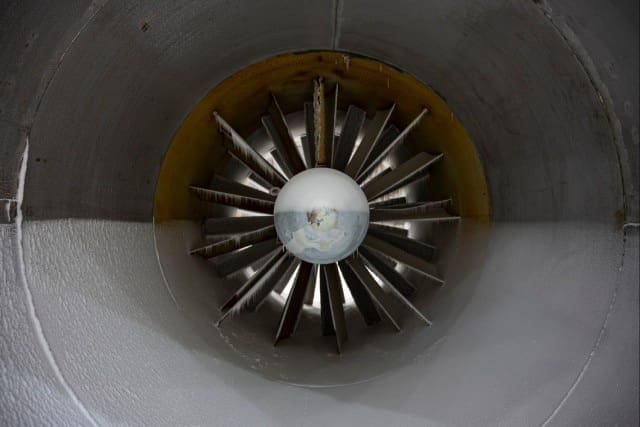
While the swampy Florida Panhandle in July may be an unexpected place for arctic testing, the McKinley lab is a key component of the U.S. Air Force 96th Test Wing’s capabilities in support of the U.S. Department of Defense. It comprises climate-controlled chambers that simulate nearly any weather and environmental conditions found around the globe, from temperatures as low as negative 80 degrees Fahrenheit to drenching monsoon rains to sandstorms with 60 knot winds.
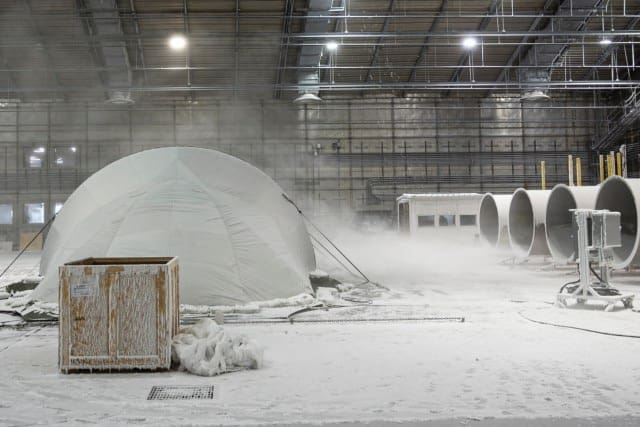
The lab’s unique capabilities make it a perfect place to vet developing military equipment — like the USAMMDA arctic shelter kit and support systems — and give advanced medical developers a better understanding of how the equipment will withstand even the harshest environments in a controlled setting, according to Philpott.
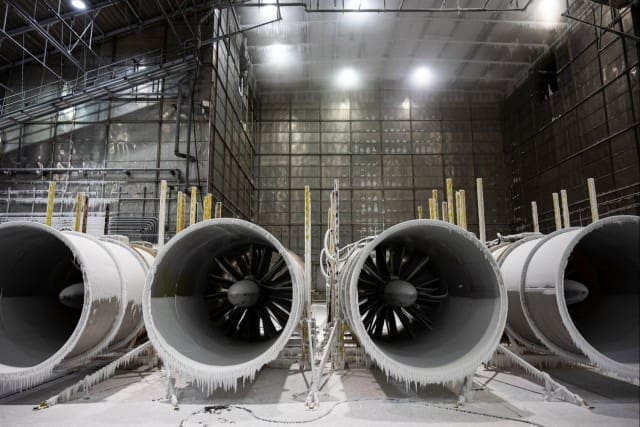
“[MCL offers] size and scale. It’s the only environmental chamber large enough to deploy several shelter systems [at the same time]. Some will hold a single shelter, but only MCL allowed us to deploy all four kits and systems and a legacy ‘control’ shelter at once under identical conditions,” said Philpott. “It is critical to know ahead of deployment whether a system is capable of operating in every environmental condition that it may be deployed to. The battlefield is not the place to discover that a system is not able to withstand the extreme cold. Finding any [system] limitations while still in development will avoid costly test-fix-test cycles later in the acquisition cycle and avoid having a system rendered inoperable in the field.”

The week of testing took months of planning and partnering with stakeholders across the DOD and development industry. During the assessments, MCL engineers conducted a series of tests in the main chamber while USAMMDA’s development team and commercial partners observed and tracked the shelter kits and support systems for structural and environmental integrity, while keeping warfighter safety top of mind.
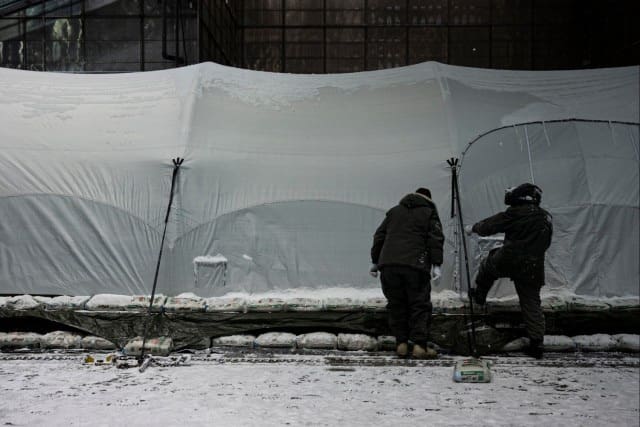
“We [also tested] to ensure that the shelters will not melt the permafrost under the tents, which could potentially create puddles that could leak into the shelters,” said Philpott. “Should a person step into a puddle at those temperatures, [it could] lead quickly to cold weather injury — frostbite can be instantaneous.”

As the DoD and U.S. Army continue to focus on modernization for future operations, including those in the arctic regions of the world, the USAMMDA SMD team is focusing on the unique challenges presented by extreme cold in austere environments. According to Philpott, the MCL test was an important step to ensuring the shelter kits and support systems are on track to meet the needs of frontline medical providers in the joint force.
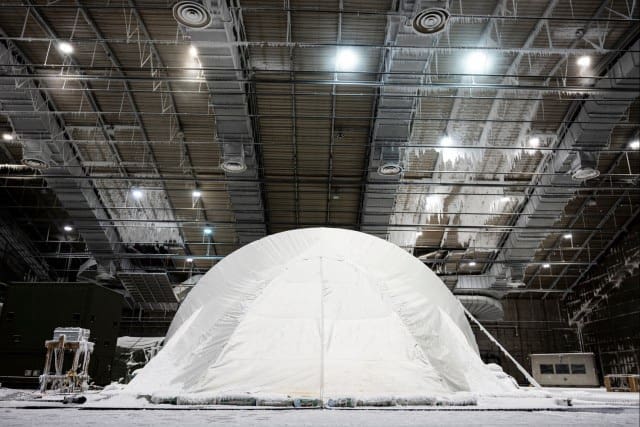
“The data received here will help identify limitations that can be addressed in future design turns and help inform training and doctrine for these systems should they eventually deploy.”
By T. T. Parish

US Army Receives First, Complete IBCS Delivery

Thursday, July 25th, 2024

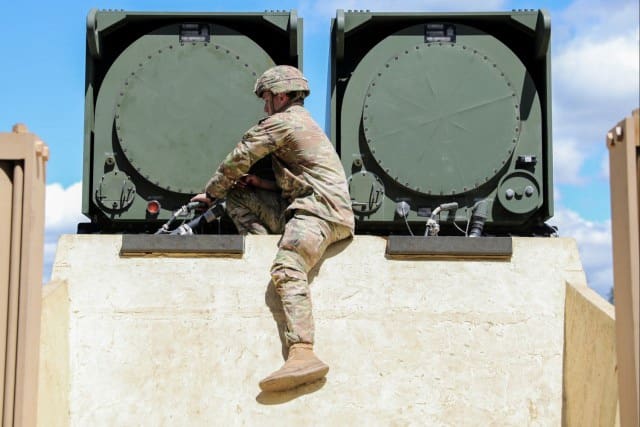
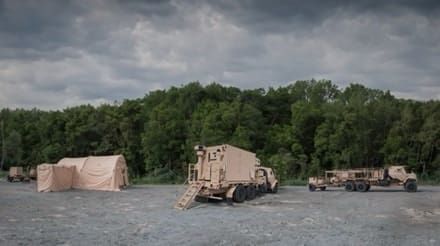
HUNTSVILLE, Ala. — The Integrated Fires Mission Command Project Office, under Program Executive Office Missiles and Space, received the first complete Integrated Battle Command System delivery as part of the low-rate initial production on April 22, 2024.

Integrated Battle Command System, or IBCS, is the cornerstone of air and missile defense modernization efforts, providing transformational mission command with increased capabilities to the battlefield faster.

“The completion of this first delivery is the result of unparalleled dedication from amazing professionals. It has been a privilege to lead a team with such a high level of skill and commitment,” said Army Col. Chris Hill, IFMC Project Office project manager. “This accomplishment is an excellent example of what we can achieve when our military, industry partners, government civilians and contractors successfully collaborate on our mission.”

The Integrated Air and Missile Defense program was among the first Army efforts to enter the DOD agile software pathway process. Agile software development, coupled with warfighter prioritization and hardware development, has enabled faster adaptation to new capabilities and threats, ensuring increased consistency across all aspects of production. The program is at the forefront of the Army’s renewed vision of digital transformation.

IBCS is comprised of three major end items: the Integrated Collaborative Environment, the Engagement Operation Center and the Integrated Fire Control Network Relay. The ICE is a modular shelter that provides a collaborative environment for battlefield mission command. The EOC is an integrated fire control center that provides the engagement operations function for IBCS. The IFCN Relay performs dual functions, providing the interface for the adapted sensors and weapons and serving as a communications relay to extend battlefield operations distances.

“IBCS is the critical mission command component of our Army’s modernized air and missile defense capabilities. It is the cornerstone of our efforts to integrate future components and qualify the architecture within our annual Integrated Fires Test Campaign,” said Army Brig. Gen. Frank Lozano, Program Executive Officer Missiles and Space. “This delivery is the result of excellent work by the entire team focused on modernizing our air and missile defense systems while getting this equipment to our Soldiers as quickly as possible.”

The IFMC Project Office is helping to modernize the US Army by integration, synchronization and collaboration between all air and missile defense components. Integration efforts leverage legacy and future sensors and shooters, allowing for a single integrated air picture and coordination between fielded assets.

The fusion between existing joint systems and future developmental programs with IBCS increases overall effectiveness, dramatically enhancing the ability to track, identify, engage and defend against diverse threats. These capabilities not only help modernize the Army’s AMD capabilities, but also the capabilities of our allies across the globe who modernize to the new IBCS architecture.

By NATHANIEL PIERCE

CSAF Leadership Library: July 2024

Wednesday, July 24th, 2024

Leadership and learning are indispensable to each other.

-John F. Kennedy

Airmen,

In this time of consequence, we stand at a critical juncture with the opportunity to shape the architecture of our current and future Air Force. As we reoptimize and adapt to the challenges of an evolving security environment, your leadership has never been more important. This next installment of the Leadership Library is intended to provide you with a collection of resources designed to educate, inspire, and provoke thoughtful discussion.

John Kotter’s Leading Change is a must-read for Airmen seeking to drive meaningful change and innovation. Drawing on real-life examples, Kotter outlines a multi-step process that enables leaders to navigate the complexities of change and overcome resistance. By understanding the nuances of change management, Airmen will be better equipped to create a more agile and adaptive force.

George Marshall: Defender of the Republic is a thought-provoking biography exploring one of America’s most influential military leaders and statesmen. By examining Marshall’s leadership style and decision-making process, Airmen will gain valuable insights into strategic planning and crisis management. This work will aid Airmen seeking to better understand the complexities of leadership and the importance of character in shaping outcomes. General Marshall was clearly an extremely effective leader in a time of consequence.

In this At the Table episode, Unveiling the Motivation Vacuum in the Workplace, the podcast offers practical strategies for leaders to enhance motivation, retention, culture, and productivity. The key to success lies in aligning individual and team goals while fostering resilience. This episode provides valuable insights into the challenges of maintaining motivation in the workplace and offers actionable solutions for leaders to create a more driven and productive team.

The recently released CNAS report, Evolution not Revolution: Drone Warfare in Russia’s 2022 Invasion of Ukraine, explores the transformative impact of drones on the battlefield. The report provides an insightful analysis of the changing character of war, focusing on the role of drones in modern warfare. As Airmen, it is crucial to stay informed about the latest technological advancements and their implications for the battlefield.

This library release is designed to empower Airmen at all levels by exploring advanced technologies, delving into the intricacies of leadership, and drawing parallels between historical and contemporary contexts. Through engaging with these selections, I am confident that you will be better equipped to meet the challenges we face today. These titles can be accessed and tracked through the E-Learning CSAF Library Journey.

Together, we will continue to ensure that our Air Force remains the most formidable and ready force in the world. Stay curious, stay engaged, and lead with confidence.

Editor’s note: The CSAF Leadership Library is a fluid set of media selected by Gen. Allvin that evolves as novel ideas are published, recorded and debated. New entries will be added periodically throughout the year.

Secretary of the Air Force Public Affairs

Tactical Tuesday: Save up to 40% on 4 New Sale Items!

Tuesday, July 23rd, 2024

Vertx dropped prices on 4 of their latest Men’s Shirts, giving you up to $37 in savings. These aren’t your average shirts; they feature unique pockets for EDC, high-performance fabrics, and versatile colors. Designed for comfort and functionality in any environment, they’re perfect for tactical problem-solvers like yourself. Check them out before they’re gone!

Recce Technical Shirt (Short Sleeve) – Now: $55.99 (Was: $92.99)

Recce Technical Shirt (Long Sleeve) – Now: $64.99 (Was: $97.99)

Flagstaff Shirt (Short Sleeve) – Now: $64.99 (Was: $92.99)

Flagstaff Shirt (Long Sleeve) – Now: $69.99 (Was: $99.99)

Once they’re gone, they’re gone – so stock up while supplies last!

Shop now at vertx.com.

US Army’s Long-Range Hypersonic Weapon Battery Debuts in Resolute Hunter Exercise

Tuesday, July 23rd, 2024

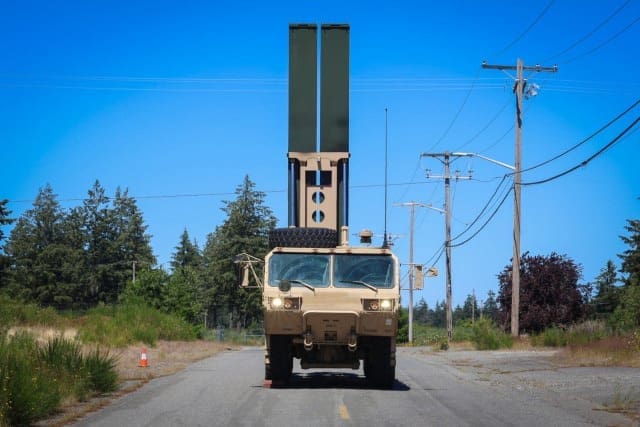
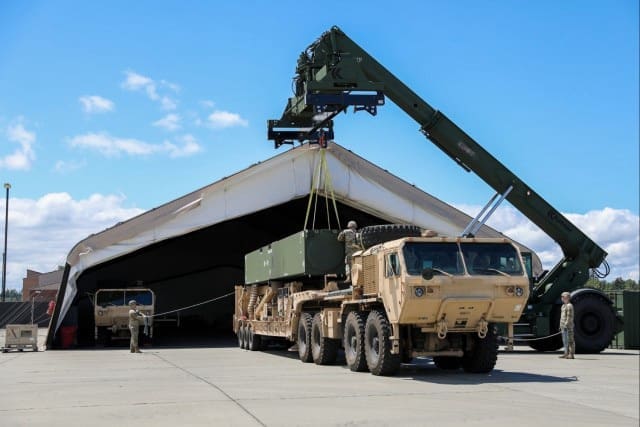
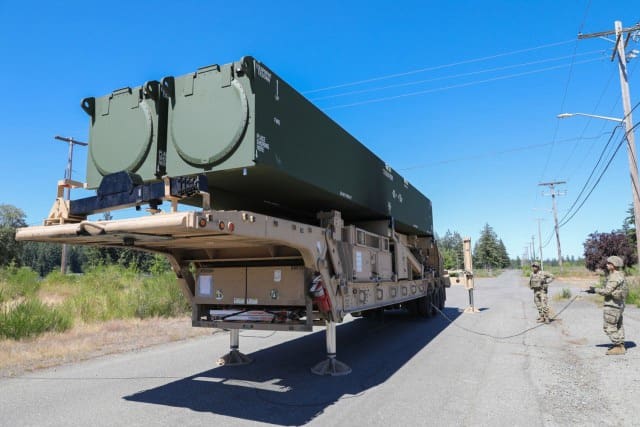
JOINT BASE LEWIS-MCCHORD, Wash. — The U.S. Army’s Long-Range Hypersonic Weapon Battery, part of the 1st Multi-Domain Task Force, made history by participating in Exercise Resolute Hunter 24-2, a joint, combined exercise on the base from June 25-27, 2024. This exercise marked a significant milestone, as it was the first time the Army’s hypersonic capability was integrated into the bi-annual joint training exercise.

Hosted by the Naval Aviation Warfighting Development Center at Naval Air Station Fallon, Nevada, Resolute Hunter 24-2 is the Department of Defense’s only dedicated battle management, command and control, intelligence, surveillance and reconnaissance exercise. This year’s event brought together three participating nations and four joint services for a three-week training exercise.

Building on this achievement, Col. Charles Kean, commander of the 1st MDTF, emphasized the importance of this exercise, stating, “these scenarios provide invaluable sets and repetitions that build upon and reinforce the steadfast integration of MDTF capabilities in the broader partnered joint all-domain construct.”

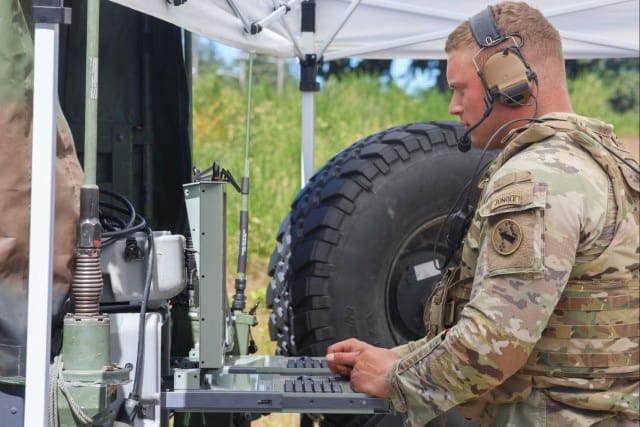
The exercise demonstrated the battery’s ability to integrate with higher joint echelons and sustain operations over an extended period. Bravo Battery, 5th Battalion, 3rd Field Artillery (Long Range Fires Battalion), 1MDTF, successfully employed its force package for over 72 hours, showcasing the long-range hypersonic weapon digital kill chain in collaboration with joint partners and providing real-time situational awareness to the joint command post.

Capt. Jennifer Lee, commander of Bravo Battery, highlighted the significance of the exercise, stating, “Exercise Resolute Hunter 24-2 demonstrated the critical role of landpower and the Army’s indispensable contribution to joint operations. I’m proud of our team’s commitment to excellence and their ability to adapt and innovate in a complex and dynamic training scenario.”

The Army’s long-range hypersonic weapon development has been a long-term effort, with Soldiers contributing to the prototyping process since 2019. After receiving the initial hardware delivery in March 2021, the unit initiated new equipment training in September 2021, which consisted of four three-week iterations. The fielding process was completed by the end of fiscal year 2023, enabling Soldiers to train on the equipment, create doctrine, and develop new tactics, techniques and procedures.

In February 2023, the unit deployed the capability more than 3,000 miles away to Cape Canaveral, Florida, in the system’s longest recorded overland movement to date, as part of Exercise Thunderbolt Strike, demonstrating the Army’s ability to rapidly deploy the hypersonic capability.

Since then, the unit has participated in several other named and joint exercises, with Resolute Hunter being the latest.

As a theater-level unit and joint force enabler, assigned to the Indo-Pacific, the 1MDTF plays a vital role in synchronizing long-range precision fires layered with long-range precision effects to create multiple dilemmas and neutralize adversary anti-access and area denial networks. The 1MDTF’s proven innovation, agility and lethality have led the Army to direct five full MDTFs in strategically significant locations worldwide.

By CPT Ryan DeBooy

MATBOCK Monday: Aceso Plasma

Monday, July 22nd, 2024

Aceso Plasma is a subsidiary under MATBOCK. Aceso is the greek god of healing and when you see this device you will understand why the team at MATBOCK named it Aceso.

We have developed a patented technology to deliver high concentrations of dry, low-temperature Reactive Oxygen Species (aka oxygen plasma) with no harmful bi-products such as ozone or UV light. The potential therapeutic effects of Oxygen Plasma have long been known and have been widely published, but existing vendors have struggled to achieve high concentrations of plasma (efficacy) as well as low temperature and low to no harmful byproducts (safety).

Here is a brief video on how it works:

Recent independent research has validated that Aceso Cold Plasma (ACP) is uniquely effective at killing viruses and bacteria in bench and animal models and is safe to both patients and users. ACP uses a mode of action that precludes development of antibiotic resistance in pathogenic organisms.

While initially applied to hemostasis, the company has pivoted to apply the technology to the much larger wound healing (trauma, general, surgical, burn, and chronic) and non-medical decontamination markets. The domestic Total Available Markets are $700b and $200b per year, respectively.

ACP may be deployed in many form factors, including a hand-held, portable, battery-powered medical device; a closed decontamination chamber; several forms of air purifiers; and others. Some use cases within our target markets – including some aspects of decontaminating military equipment – represent business problems with no current solutions.

If you have any more questions about Aceso, please contact Zach Steinbock or Sean Matson of MATBOCK.

www.acesoplasma.com/pages/contact-us

USecAF, CMSAF Visit F.E. Warren, Emphasize Essential Role of Ground-Based Nuclear Force

Monday, July 22nd, 2024

ARLINGTON, Va. (AFNS) —

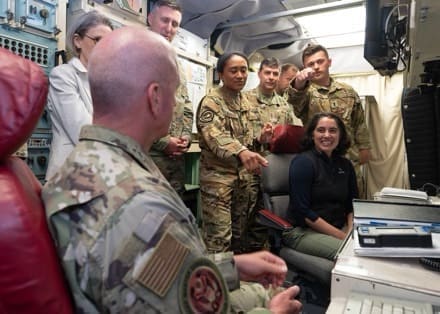
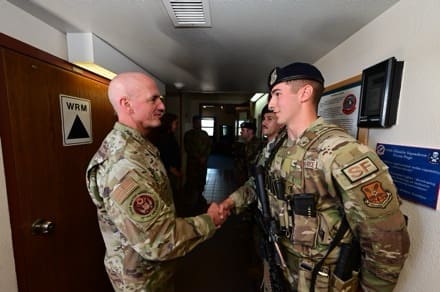
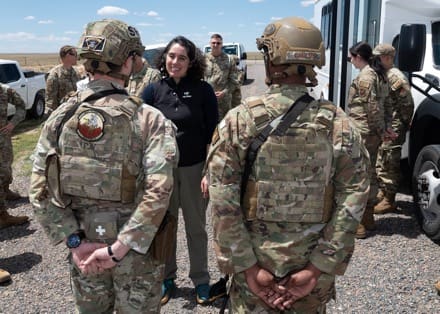
Under Secretary of the Air Force Melissa Dalton, Chief Master Sgt. of the Air Force David Flosi, and several other senior leaders visited F.E. Warren Air Force Base, Wyoming, July 1-2.

The group was immersed with Airmen from 20th Air Force and the 90th Missile Wing to discuss nuclear modernization and better understand the vital role of the Intercontinental Ballistic Missile force.

Four-hundred ICBMs form the most responsive leg of the nation’s nuclear triad alongside bomber and submarine-launched nuclear weapons. The geographically dispersed basing of the ICBM force, in addition to the range and speed in which it can be employed, complicates potential adversaries’ decision calculus.

“The ground leg of the triad is essential,” Dalton emphasized. “Its responsiveness deters potential threats by signaling that any attack on the U.S. would be impractical, self-defeating and met with severe consequences.”

During the trip, all leaders agreed that while the current weapon system is reliable for now, the Air Force must prioritize a replacement to ensure effectiveness and credibility well into the future.

“Our Intercontinental Ballistic Missiles are the most responsive leg of our nation’s nuclear triad. It requires sustained and fully funded investments,” Flosi added. “Without these resources, we risk leaving ourselves vulnerable to 21st century threats. We must continue to prioritize these investments in order to ensure our military remains the best in the world.”

The Air Force’s fleet of ICBMs have remained on around-the-clock alert since 1959 with the last major recapitalization occurring in the 1980s. The current Minuteman III missiles and 450 launch facilities are set to be replaced by the increasingly accurate, secure and reliable Sentinel program.

While the Sentinel program is one of the largest and most complex programs the Air Force has ever undertaken, it will drastically improve the overall effectiveness of the nuclear triad to counter current and future strategic risks.

“Modernizing the ground-based deterrent while sustaining the Minuteman III system is a challenge that demands significant, responsible investment and a holistic approach,” Dalton noted. “In the face of the nuclear modernization by our competitors, it’s imperative to modernize our own force to underwrite our nation’s defense and uphold our extended deterrence commitments to our allies.”

After a mission brief at 20th Air Force headquarters, the group was hosted at Missile Alert Facility A-01 by missileers, defenders and a myriad of Airmen who perform other critical support functions.

First Lts. Connor Tovey and Sydney Kongquee, 319th Missile Squadron missileers, talked through a day in their life during a 24-hour shift. After a lengthy drive to the facility, the pair travels 60-70 feet underground into a capsule where they monitor their assigned launch facilities and wait for an order they hope never comes, though it’s an order they’re determined to execute if necessary.

Maintaining and operating the 15 missile alert facilities and various launch facilities across F.E. Warren’s 9,600 square-mile missile field is a 24-hour, seven-days a week responsibility.

Flosi, who joined the Air Force in 1996 as a nuclear weapons specialist, is vividly familiar with the importance of the job.

“Our Airmen are critical to national security,” Flosi said. “They are on the front lines of deterrence every single day, working tirelessly to ensure our nation is protected from any threat. Dedicated and professional Airmen are what makes our Air Force the best in the world.”

Later, the group toured a launch facility, more commonly referred to as an underground missile silo. The senior leaders witnessed first-hand how a highly skilled, disciplined cadre of maintainers have kept the Minuteman III operational for more than 50 years.

Until the transition to the Sentinel program is made, the Air Force will continue to rely on these maintainers to ensure the Minuteman III remains a reliable and effective deterrent.

“After meeting these Airmen, and learning about their creativity and innovation, I’ve never been more confident in our military’s ability to deter threats to the U.S. and our allies,” Dalton said. “We owe it our Airmen to ensure that we modernize the force.”

Secretary of the Air Force Public Affairs

Petroleum Quality Analysis System-Enhanced | A Critical Enabler for the Army

Sunday, July 21st, 2024

The Army uses the Petroleum Quality Analysis System-Enhanced (PQAS-E) for analyzing and assessing the quality of petroleum products consumed in military operations. The system is typically deployed and operated at echelons below brigade level. It serves as a critical enabling asset for commanders at the tactical level, supporting their decision-making processes related to petroleum. The PQAS-E encompasses a range of advanced apparatuses that can detect impurities and contaminants in petroleum, ensuring only high-quality fuel is used. It also offers the capability to monitor fuel storage conditions, such as temperature and humidity, to prevent degradation and ensure optimal performance.

In 2018, the 590th Quartermaster (QM) Detachment petroleum liaison received official endorsement from the Army Petroleum Center to oversee the inspection of PQAS-E correlation testing within the 18th Airborne Corps. This endorsement granted the 590th QM Detachment the necessary authority and responsibility to conduct thorough inspections and evaluations pertaining to the PQAS-E system, its operators, and its correlation-testing activities.

The primary objective of correlation testing is to verify the results obtained by the PQAS-E and ensure their alignment with established standards. As a petroleum liaison, the 590th QM Detachment plays a critical role in facilitating effective communication and coordination between the Army Petroleum Center, U.S. Army Tank-automotive and Armaments Command, U.S. Army Forces Command, and 18th Airborne Corps units. They provide technical expertise, guidance, and support to ensure accurate and efficient correlation testing of the PQAS-E.

Through many years of correlation inspections, the 590th QM Detachment has found the PQAS-E to be a critical asset for the Army. The system enhances operational readiness by ensuring military equipment receives optimal-quality fuel, thereby maximizing performance and minimizing the risk of equipment malfunctions. This leads to increased combat efficiency and mission success. The PQAS-E also reduces maintenance costs by preventing fuel-related issues that can lead to engine failures, equipment damage, and increased downtime. By eliminating the use of degraded or contaminated fuel, the PQAS-E significantly extends the lifespan of military assets, saving valuable resources.

Issues and Recommendations

The PQAS-E system, while highly advanced, faces certain apparatus issues that can impact its effectiveness. Specifically, the apparatuses that commonly experience failures are the Jet Fuel Thermal Oxidation Tester, the viscometer, the analytical balance scale, the 25kW generator, and the environmental control unit. Although the Army is currently investing in research and development efforts to improve the design and durability of apparatuses, the following recommendations may mitigate some of the common challenges with them.

Regular and proactive maintenance schedules should be established for all apparatuses in the PQAS-E. This includes routine inspection, cleaning, and calibration to identify and address any potential issues before they lead to complete failures. Additionally, implementing redundancy measures by having backup apparatuses readily available can minimize downtime and ensure continuous operation in the event of a failure. Furthermore, comprehensive training programs should be provided to operators and should include knowledge of supply functions, the ordering process, proper handling, and maintenance of the apparatuses.

To achieve the optimal system performance, there must also be engaged leaders at all echelons who can prioritize the readiness of this vital piece of equipment. This includes not only 923A Petroleum Systems Technicians, but also chains of command at the company, battalion, and brigade levels. Essential players such as supply, maintenance, and supply support activity personnel are also critical to the operational readiness rate of the PQAS-E. Key personnel must ensure inoperable equipment is documented and reported on the equipment status report. This information highlights the immediate issue at hand and demonstrates the potential risks and consequences of neglecting the system’s maintenance and repair. This increased visibility promotes a sense of accountability and drives action toward allocating necessary resources, prioritizing repairs, training, and ensuring the operational readiness of the system.

During deployment, it is crucial to have personnel who are knowledgeable about the supply chain and who can efficiently manage the inventory of spare parts and apparatuses. These personnel should be well-versed in the ordering process for replacements and repairs. Operators with a comprehensive understanding of supply functions can anticipate and plan for potential apparatus failures, ensuring non-mission-capable apparatuses are swiftly addressed and minimizing system downtime. By implementing these measures, the PQAS-E system can effectively overcome its apparatus issues and maintain its accuracy and reliability in analyzing fuel quality.

The deployment/redeployment of the system also presents a challenge related to certifications/shipping methods that should be carefully considered. One significant issue is ensuring the system is certified and compliant with transportation regulations and safety standards. This includes obtaining the necessary certifications and documentation to transport the apparatuses, fuel samples, and associated equipment safely and legally. The apparatuses and fuel samples require specialized packaging and handling to ensure their integrity and functionality upon arrival at the deployment location.

Failure to comply with these requirements can lead to delays, logistical complications, and potential legal issues. In the current operating environment, units must deploy with their PQAS-E labs. Effective planning is critical to the successful deployment of this system.

Conclusion

The PQAS-E, with its advanced apparatuses and capabilities, serves as a critical asset for the Army. By ensuring the use of high-quality fuel, the PQAS-E enhances operational readiness, reduces maintenance costs, and extends the lifespan of military assets. However, overcoming the current issues associated with the system’s apparatus is crucial for large-scale combat operations. With continuous improvement efforts and investment in research and development, the PQAS-E will continue serving as a key enabler for the Army, ensuring reliable fuel-quality analysis and supporting mission success.

——————–

Staff Sgt. Shanice Walker is a 92F Petroleum Supply Specialist currently assigned to the 590th Quartermaster Detachment petroleum liaison at Fort Stewart, Georgia, where she serves as a petroleum surveillance NCO. She holds a Bachelor of Science degree in information technology from American Military University, West Virginia, and is a graduate of the Advanced Leader Course, the Joint Petroleum Course, and the Defense Logistics Agency Energy Supply Chain Course.

——————–

This article was published in the Summer 2024 issue of Army Sustainment.