XC3 Weaponlight

Archive for the ‘International’ Category

Lindnerhof-Taktik Sets 16 November for Launch of New Adapter Sets and Harnesses

Wednesday, November 16th, 2022

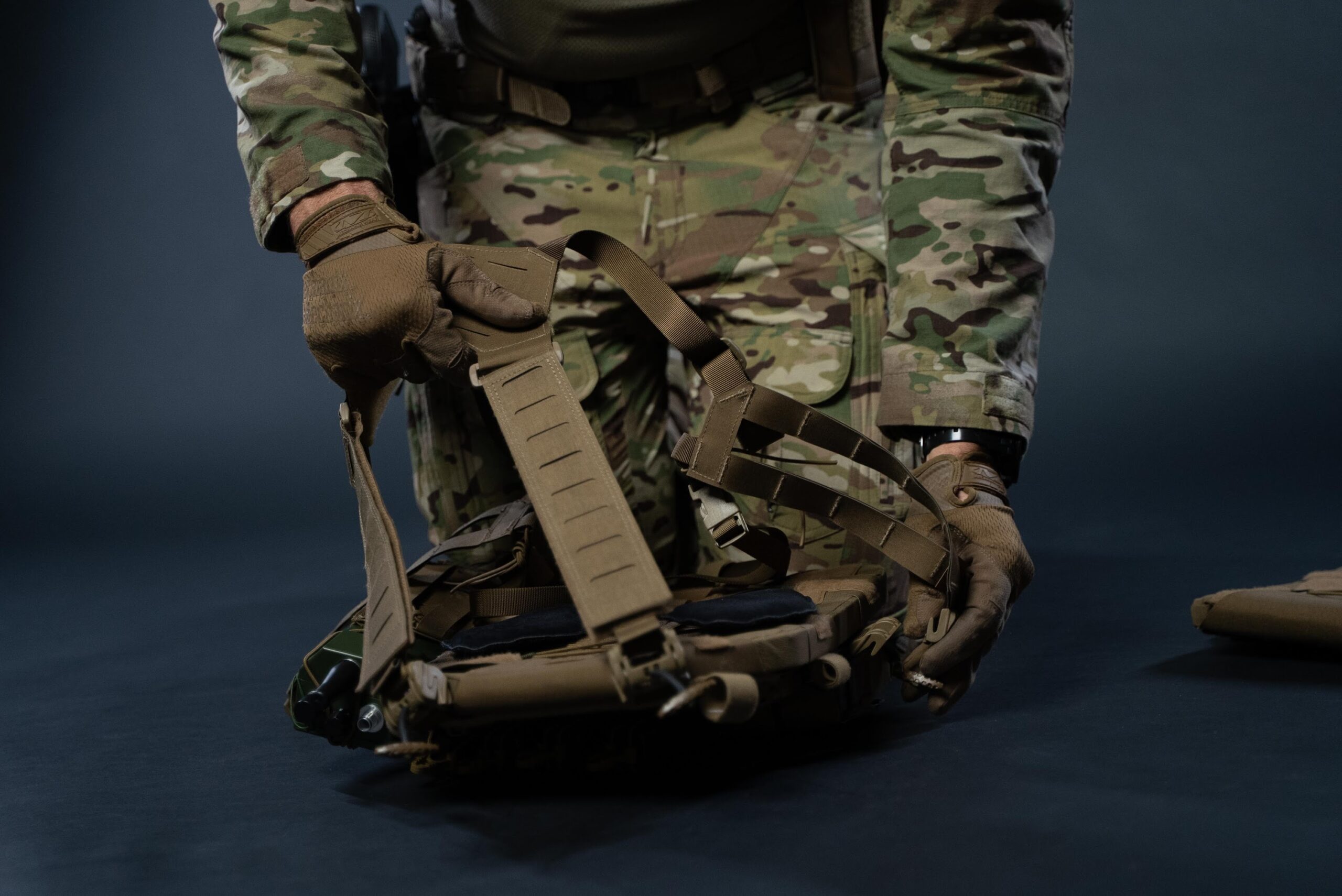
LENGGRIES, GERMANY (15 NOV 2022)—Lindnerhof-Taktik GmbH will tomorrow round out a remarkable year of product introductions with the launch of several innovative adapters and harnesses designed to make the brand’s earlier gear additions more versatile and combinable.
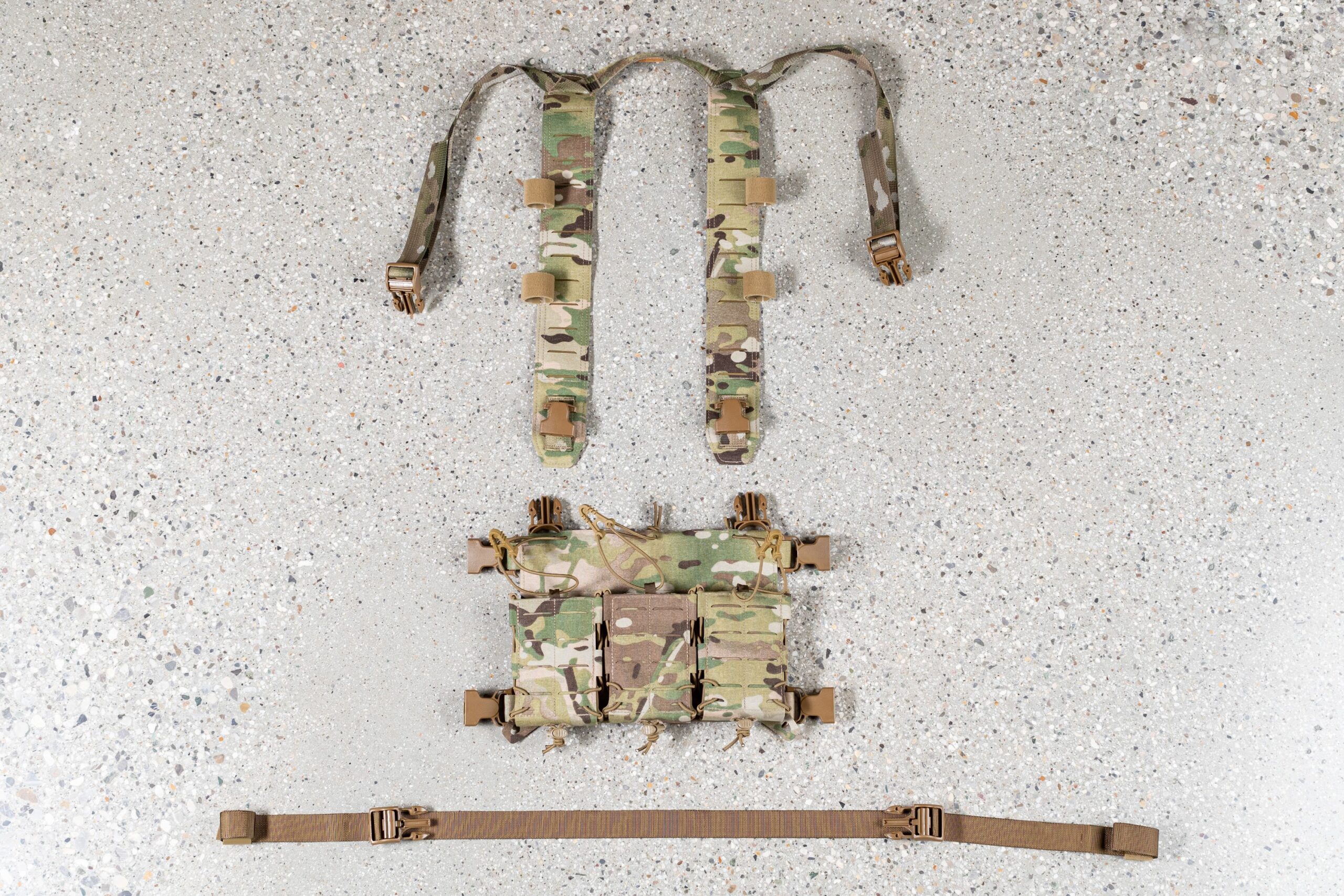
The new products are:

• Waist Belt MX129
• Waist Belt Adapter 3-Rows MX345
• Waist Belt Adapter Quick Release 3-Rows MX346
• Hook Buckle Adapter MX498
• Plate Rig Harness Set MX731
• Chest Rig Harness MX732
• Chest Rig Adapter Kit LT266
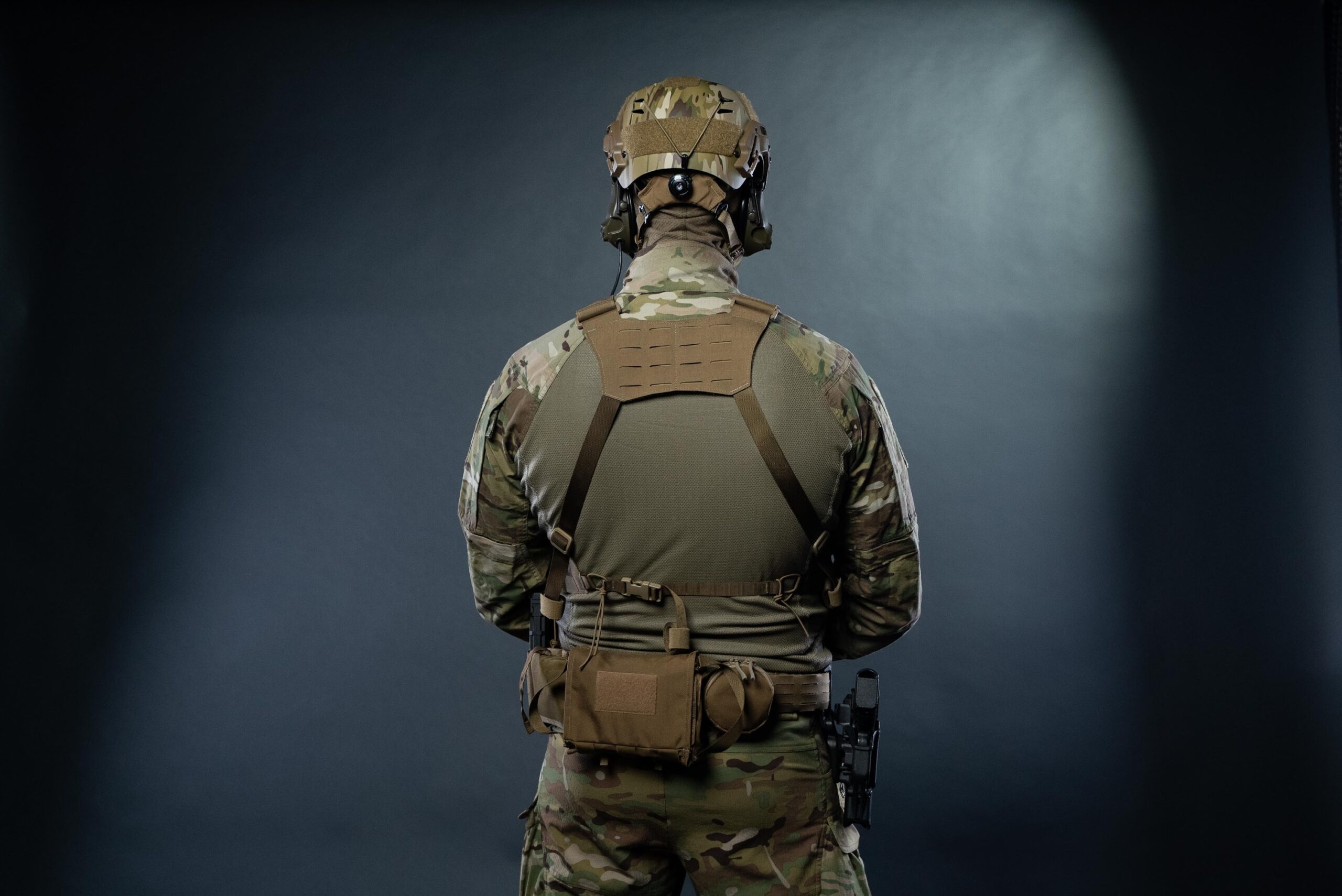
“We believe that users of our 2022 product lineup will love these additional accessories because of the way they permit fast and easy transformation of bedrock Lindnerhof setups into entirely new load-outs offering increased utility and functionality,” said Chief Executive Officer Jakob Kolbeck.

Kolbeck offered as an example the brand’s beloved classic Plate Carrier LT025/5. “With these new adapters and harnesses, we’ve opened the door to turning the LT205/5 into a plate carrier suitable for more types of missions, for more of the increasingly challenging kinds of missions operators are today being sent out on,” he said. “Now, with ease, the good old LT205/5 gains a super-lightweight skeletonised waist belt that’s closable using our patented, cutting-edge hook- buckle system. All you need for this is our new Waist Belt Adapter 3-Rows MX345, Waist Belt MX129, and Hook Buckle Adapter MX498.”
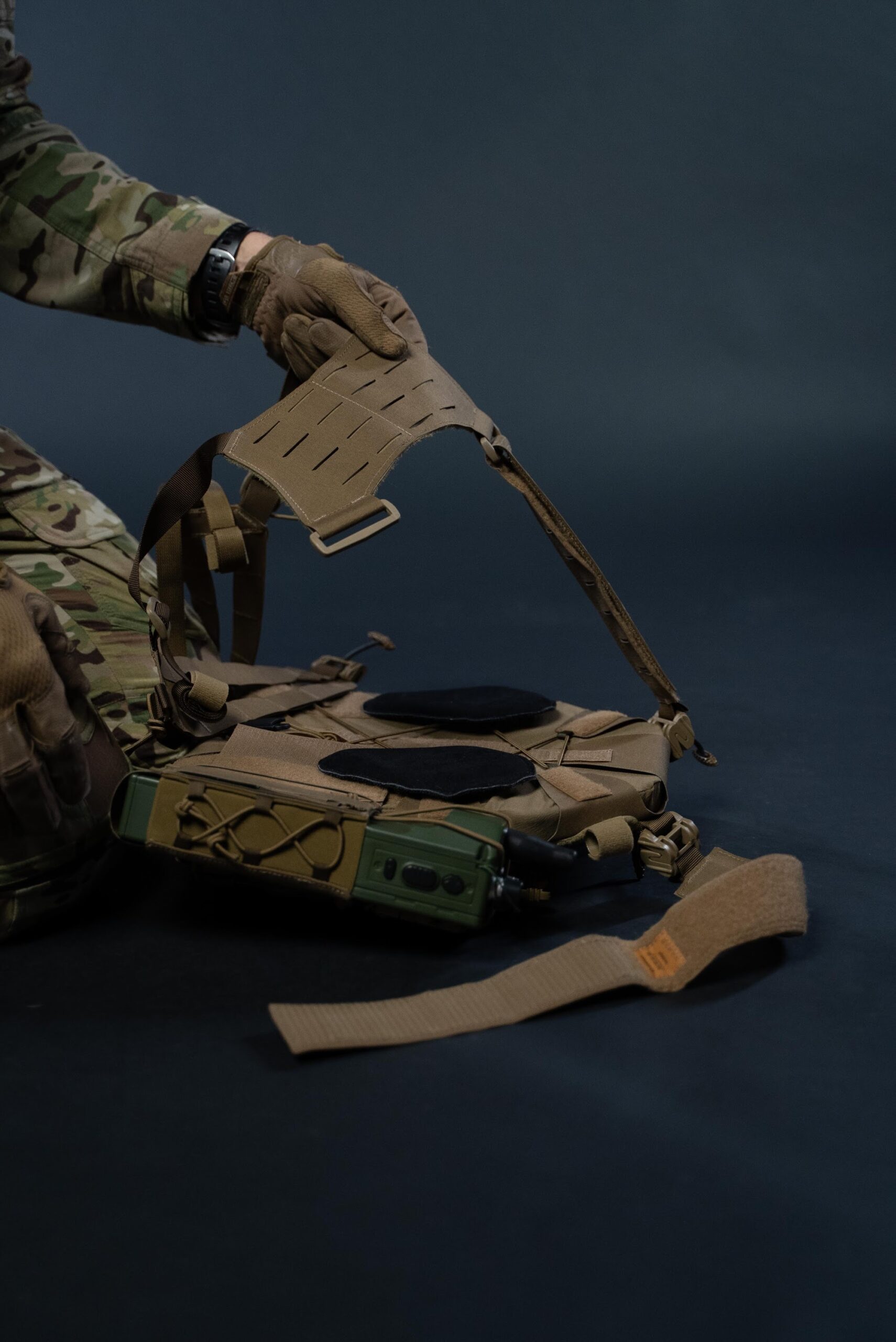
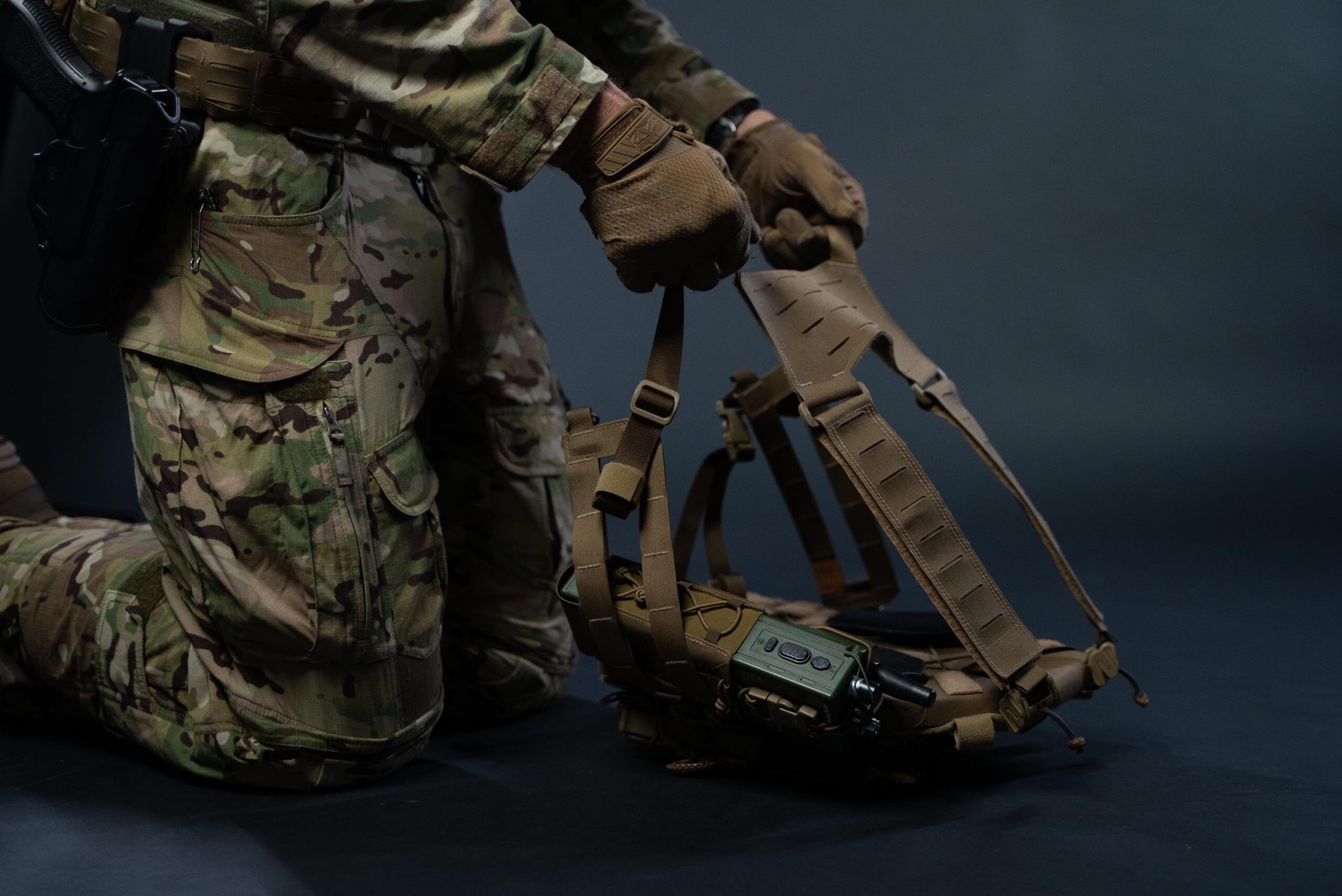
Kolbeck described how those items are utilised. “Loop the MX345 in a crisscross manner on each end of the waist belt, then affix the waist belt to the back part of the LT025/5 carrier, just as you are accustomed to doing,” he said. “To close your new waist belt, fix the MX498 Adapters via the supplied Velcro® fasteners on the front part and close the hook buckle. That’s all there is to it.”
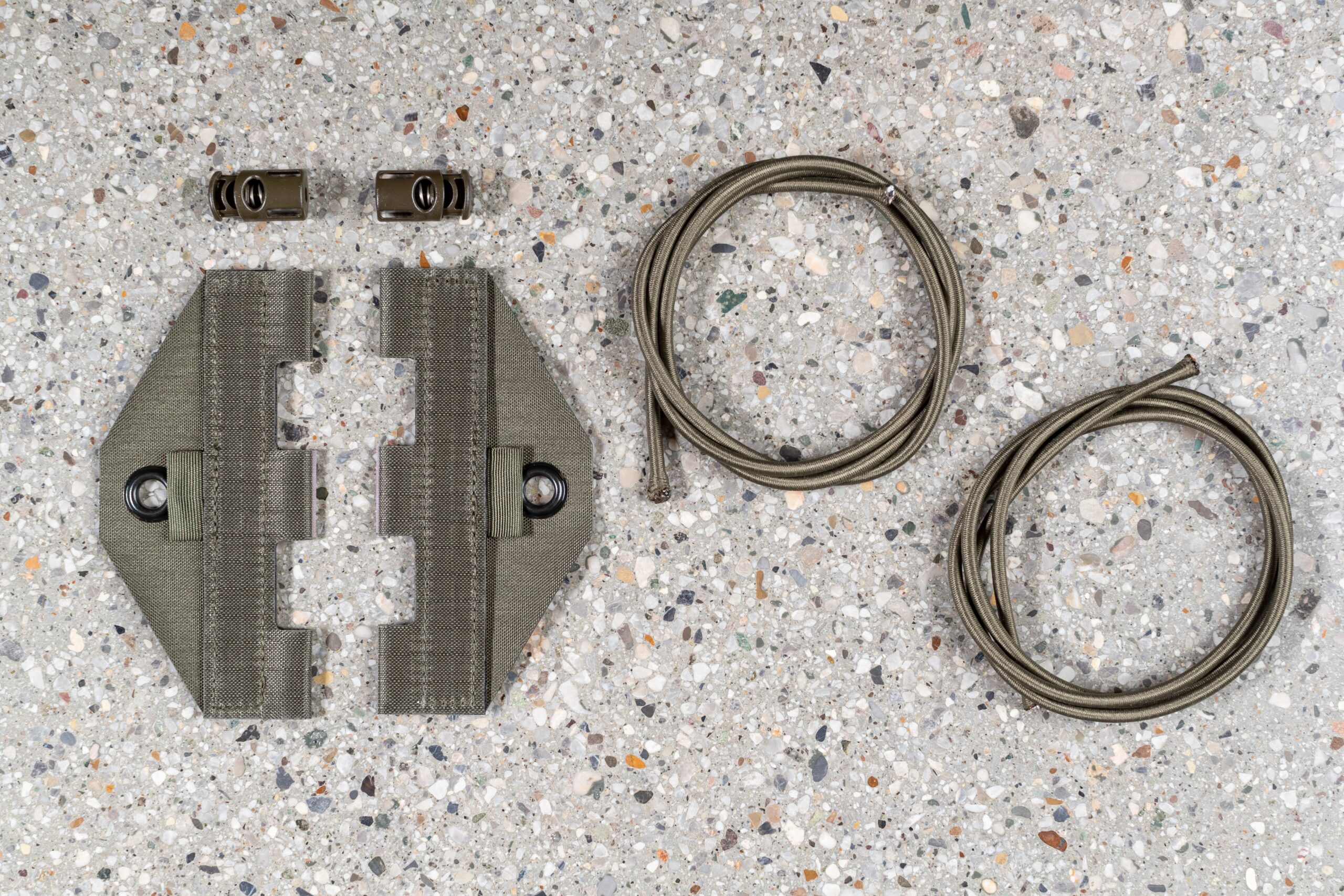
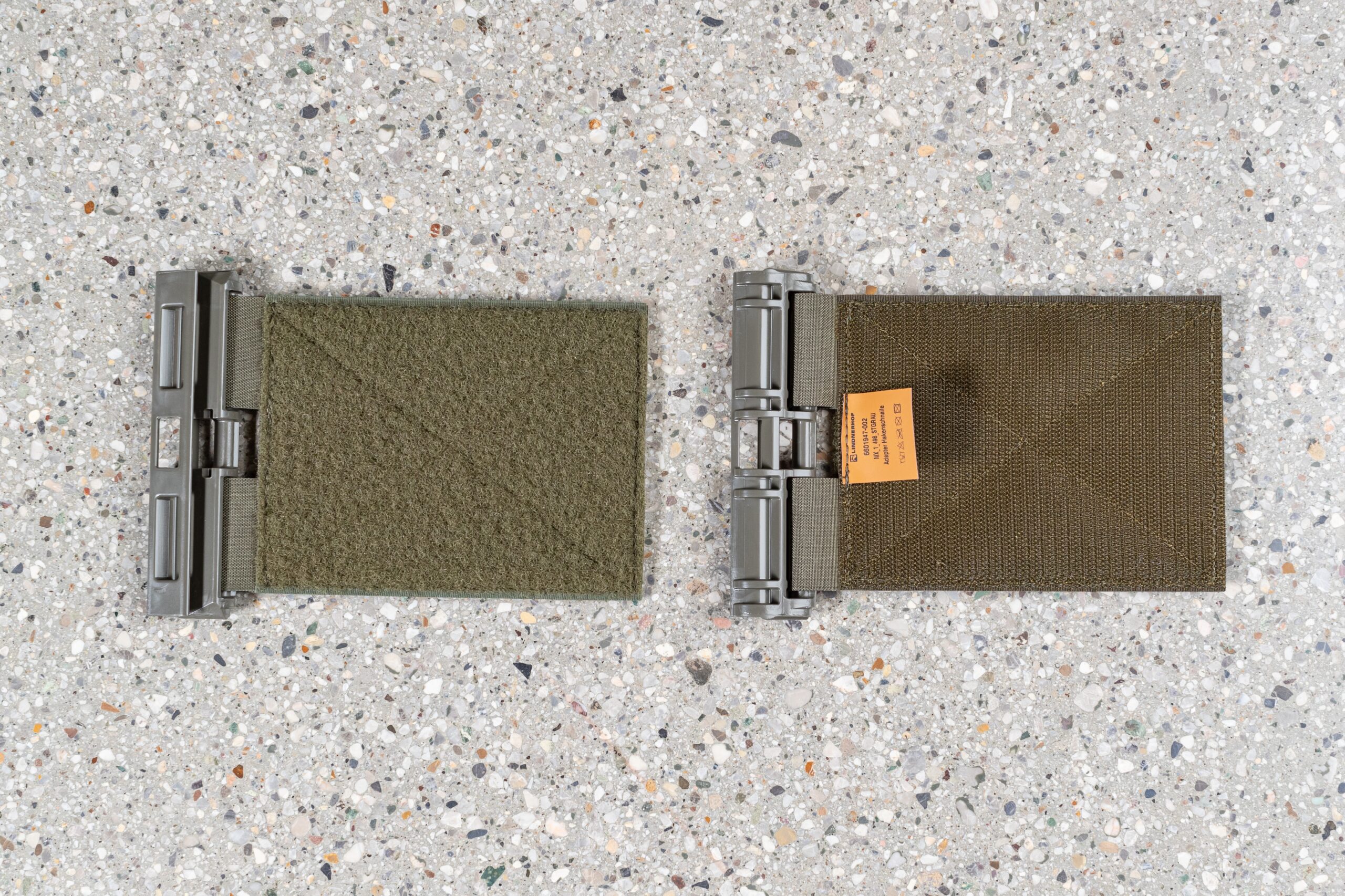
Each adapter is sold separately; however, there is also a special adapter available—Waist Belt Adapter Quick Release 3-Rows MX346—for use with the “Schutzweste Infantrie” protective vest from Mehler Vario System GmbH. Like the MX345, the MX346 skeletonises the waist belt.

“What we’ve attempted to do here is offer our users as much modularity as possible,” said Kolbeck. “Because we here at Lindnerhof are former end-users of tactical gear, our thinking about the development of products is guided by what we understand to be the needs of current end-users. However, that understanding does not come solely from our own past experiences but much more from feedback we solicit and receive from current end-users. We do not forget where we came from, but neither do we lose sight of where the current users are going—and that is on increasingly demanding missions.”

Beyond the new options for updating waist-belt systems into modern quick-release versions, Lindnerhof also is including in its product range several new harnesses.

Said Kolbeck: “If you already are using our Split Front Chest Rig MX266, you’ll know already the new Chest Rig Harness MX732, which is a classically designed, softly padded chest rig harness with extra MOLLE/PALS slots and loops to let you carry additional equipment, such as cable guides, hydration tube guides, and more.

“In combination with our newly released Chest Rig Adapter Kit LT266, you’ll be able to create and set up an individualised Lindnerhof Micro Rig. Also, this past April, we announced the availability of our new MX Panels—they have special loops that serve as attachment points for the Adapter Kit LT266 which, in turn, attaches to the new MX732 harness.”
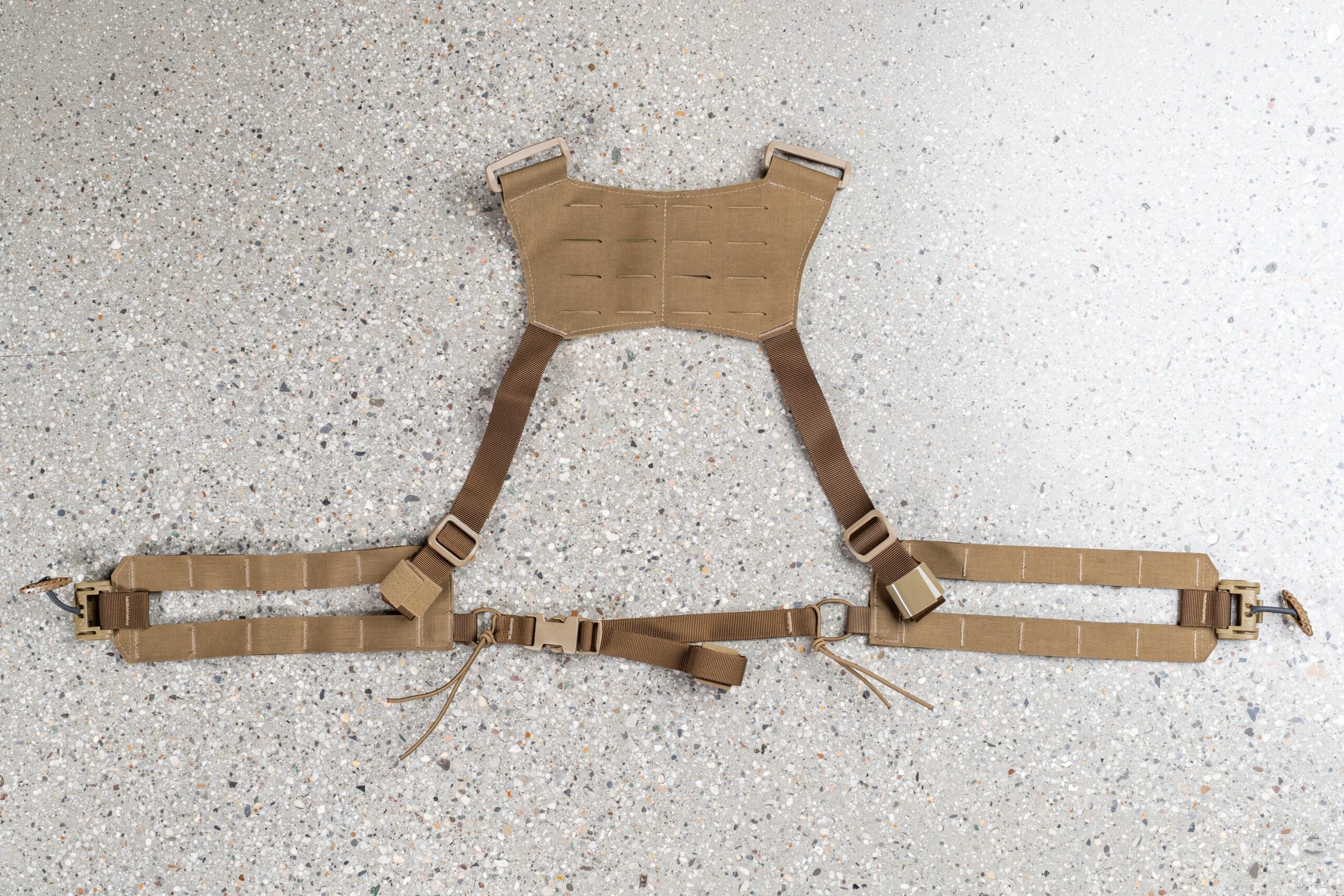
Of the MX732-related Plate Rig Harness MX731, Kolbeck said: “It completes our new product launch and is an essential accessory if you’re a sniper or just need to carry a heavyweight backpack, sit in a vehicle while attired in body armour, or plan to tote our Backpack HL334. The MX731 is intended for use specifically with our Ultralight Plate Carrier MX244, when you don’t need a ballistic plate in the back, the MX731 can take the place of the back part and transform the carrier into a sort of plate rig that gives you an ultra-low profile with no loss of comfort and release options.”
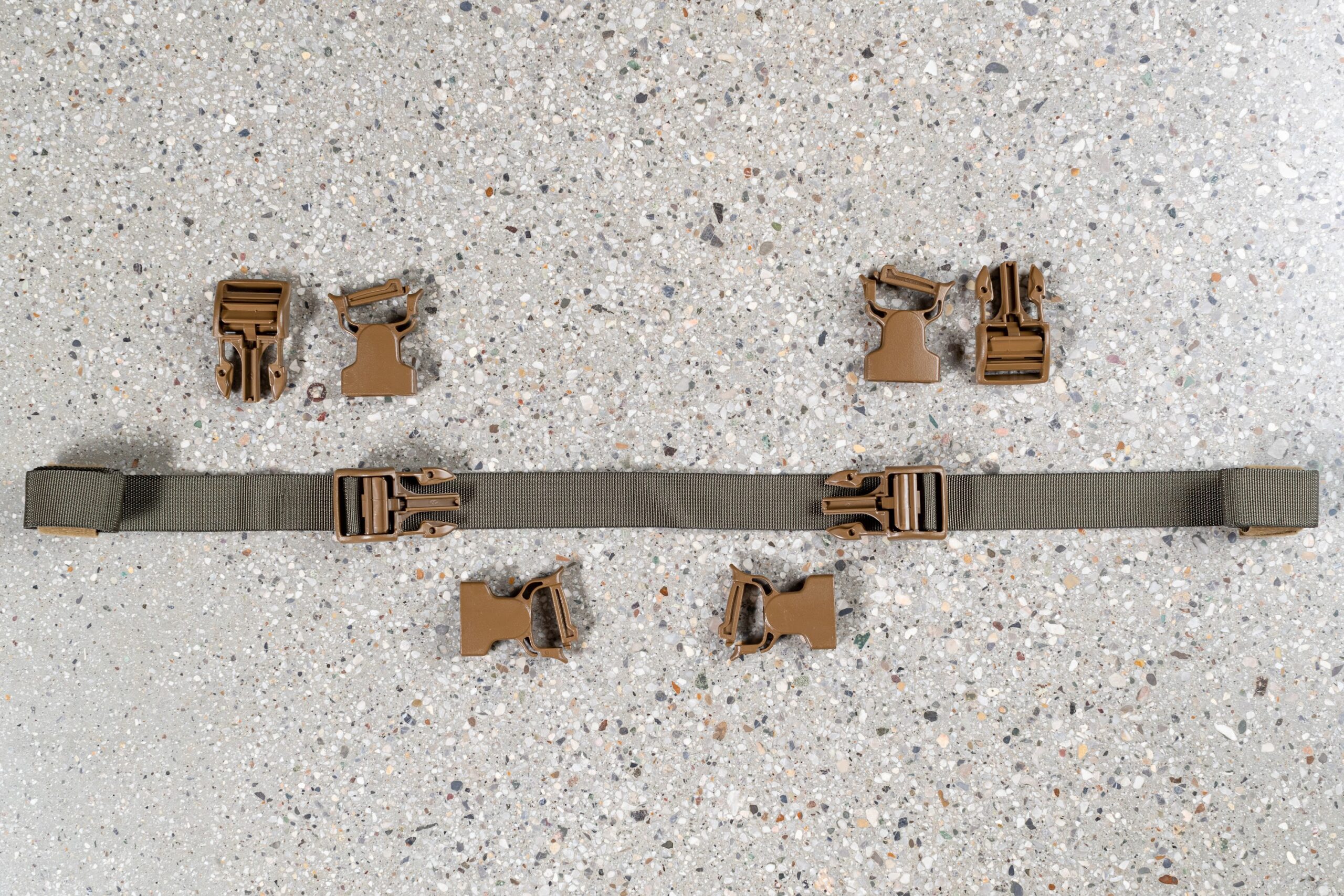
Kolbeck indicated that the MX731 also includes a skeletonised waist belt that precisely fits into the patented hook-buckle system at the front of Ultralight Plate Carrier MX244.

“We are very confident that these final additions to our 2022 product range are not an end- point but are in fact just the beginning of a strong, uninterrupted stream of creative ideas and options to give users of Lindnerhof gear still greater freedom to set up and load out exactly the way they need in order to meet the unique demands of each mission, so please stay tuned.”

For more information about the new adapters and harnesses as well as other Lindnerhof-Taktik products, please visit the company’s web shop at www.hqg.de

Rheinmetall Takes Over Spain’s Expal Systems S.A. – Move Brings the Group New Ammunition Production Capacity

Tuesday, November 15th, 2022

Rheinmetall AG today concluded a purchase contract with MaxamCorp. Holding S.L. of Madrid to acquire the entire share capital of Expal Systems S.A of Madrid, a globally renowned ammunition maker. Completion of the transaction, for which a closing date in summer 2023 is sought, is subject to approval by the competition authorities and other regulatory checks. The purchase price agreed between Rheinmetall and MaxamCorp., which is due after closing, is based on an enterprise value of €1.2 billion.

In making this acquisition, the Düsseldorf-based technology enterprise is seeking to bolster its core weapon, ammunition and propellant business in a sustained way, with increased spare production capacity and an expanded product portfolio the prime focal points.

In a dynamic market situation propelled by massive demand for military equipment in multiple countries, the acquisition provides Rheinmetall with swift access to significantly greater capacity. Given the expected large increase in demand from numerous nations, Rheinmetall wants to position itself as strongly as possible to address the anticipated inflow of new requests for tender for ammunition purchases. Of special strategic importance to Rheinmetall in this context is the resulting access to extra production capacity for propulsions and charges, which are subject to bottlenecks in Europe in the meantime.

Because the product spectrums of the two companies complement each other so well, the acquisition substantially augments Rheinmetall’s existing range of products, especially in the fast-growing market for artillery and mortar ammunition as well as mortar systems. The buyout also adds to Rheinmetall’s portfolio in the field of fuses and rocket propulsion systems, for example, as well as in medium-calibre ammunition and aircraft armament, while simultaneously reducing the Group’s dependence on suppliers for some industrial intermediates and ammunition components.

In important areas like purchasing and sales, synergies will have a positive impact on costs, which will also benefit customers.

Thanks to this acquisition, Rheinmetall is gaining a valuable strategic foothold in Spain, and thus direct access to this important market. Rheinmetall sees maintaining the company’s existing technology and staff as essential; all operational locations (Trubia, Burgos, Navalmoral, El Gordo, Albacete and Murcia in Spain as well as Texarkana, Texas in the USA) are therefore to remain open.

Expal Systems S.A. expects sales in FY 2022/23 to be around €400 million.

The company’s total capacity offers scope for potential annual sales of €700 to €800 million.

SORD Australia BDUs

Tuesday, November 15th, 2022

The all new Battle Dress Uniform is here! Made from 100% Invista Cordura Nyco Extreme in genuine MultiCam, the BDU ensemble has been expertly patterned to provide freedom of movement while eliminating excess baggy fabric.




Lighter, stronger, more breathable and faster drying than any uniform SORD has released before, the BDU is built for tactical professionals.

Coyote and Navy available soon.

www.sordaustralia.com

US, UK Explore Interoperable, Battlefield-Ready 3D Printing Capabilities

Saturday, November 12th, 2022

CAMP PENDLETON, Calif. — Warfighters from all branches of service and allied nations will need to work together closely on future battlefields to outwit and outperform adversaries. As the U.S. military and its partners take strategic steps to expand interoperability in theater, they are also evaluating how to maximize operational dexterity — including through the clever use of advanced manufacturing.

Encompassing everything from 3D printing to robotics, advanced manufacturing harnesses innovative technologies to improve traditional processes. The military’s application of advanced manufacturing in operational environments offers warfighters the ability to fix issues and make repairs on location and on demand, without needing to wait hours or days for key parts to arrive.

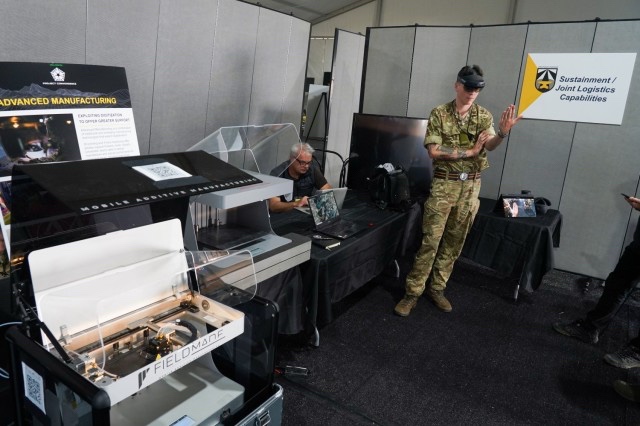
At Project Convergence 22, a U.S.-hosted all-service and multinational experiment designed to improve future force interoperability and readiness, U.S. and U.K. forces are assessing how they can strengthen interforce support through collaborative advanced manufacturing activities.

“It’s enjoyable, the integration,” said British Army officer Maj. Alex Shand of the experience.

As part of PC22 experimentation, Shand and his colleagues were able to successfully print — for the first time ever — U.S. Army materiel replacement parts using a British Army 3D printer.

This functionality is important because it shows how a multinational partner could potentially assist the U.S. military in making rapid equipment repairs on the battlefield, Shand explained. The increased flexibility could prove beneficial if a nearby unit lacked a 3D printer, for example, or if supply chain disruptions were preventing the timely delivery of missing parts.

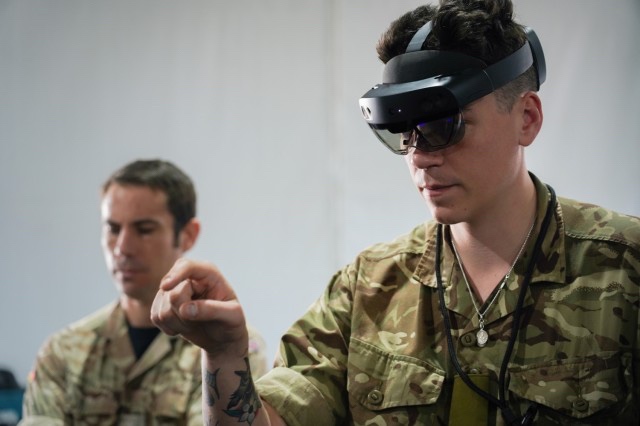
Aiding the ability of warfighters to execute on-the-ground repairs is the British Army’s development of extended reality goggles. The high-tech goggles can be worn by an individual tasked with making repairs and synchronized virtually with relevant subject matter experts. These experts can then view what the individual on the ground sees and offer detailed instructions on how to tackle complex repairs, including by sending files, drawing overlay pictures, or rendering 3D models.

While the technology is still in initial phases of development and has yet to be ruggedized for field use, its pairing with 3D printing capabilities and evaluation at PC22 shows promise for the future, offering what Shand described as “an understanding of the right mix of technologies and skills to conduct repair by repair on the battlefield as a joint force.”

By Maureena Thompson, Army Futures Command

InterRoC Research Project – Rheinmetall HX trucks Demonstrate Automated Driving Capabilities

Thursday, November 10th, 2022


On behalf of Germany’s Federal Office for Bundeswehr Equipment, Information Technology and In-Service Support (BAAINBw), Rheinmetall is currently conducting the InterRoC research and technology project. The abbreviation stands for Interoperable Robotic Convoy. In the last weeks, the impressive capabilities of this high-tech approach to autonomous driving were on display at two remarkable events.

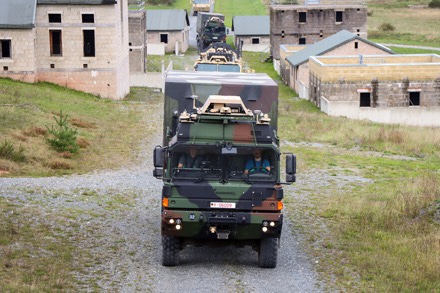
The InterRoC project encompasses two HX2 military trucks from Rheinmetall, each equipped with an autonomy kit, and which alternate in accordance with the leader-follower principle. With this principle, the first vehicle is always driven manually, while the pursuit truck (or trucks) drives autonomously in its path. These are manned only by a backup driver, who can intervene in case of a malfunction. Here, it is not just the so-called primary functions, such as steering and accelerating, that are controllable; secondary functions like starting the engine, the lights, differential locks, etc., are as well. The current project uses an autonomy kit (A-Kit) furnished by the German authorities, and originally provided by the US government under a project agreement. Rheinmetall’s role in the programme includes modifying the basic vehicles and integrating the autonomy function, together with commissioning and testing.

Proven interoperability: a US-German convoy
As part of its Autonomous Ground Resupply (AGR) project, the US Army uses the same A-kits in its Oshkosh trucks that Rheinmetall uses for InterRoC. This makes mixed US-German convoys possible. This was tested in an operational demonstration (OPDEMO) from 26 September to 7 October at the US Army’s Grafenwöhr Training Area in Bavaria.

The intensive preparations paid off, with the first two-vehicle convoy already on the move the second day. During these two weeks, a convoy consisting of five vehicles tested every conceivable operating mode of the system in multiple variants. In the process, 1,051 km were driven autonomously. It is worth noting that the entire convoy overcame a gradient of 40 percent, with the A-Kit operating the differential locks.

Furthermore, the vehicles were able to operate continuously for over 75 minutes without manual intervention. The maximum convoy length was 1,100 metres.

Dynamic reconfiguration of the convoy proved possible with minimal idle time.
All in all, the tests turned out to be a complete success for everyone involved, resulting in numerous valuable findings.

Success at ELROB 2022
In early summer 2022, in the presence of German government officials, InterRoC vehicles had already taken part in the international European Land Robot Trial (ELROB) event.

ELROB is Europe’s toughest field test for unmanned systems. It is an open, multinational competition in the realm of robotics, sensors and autonomy, drawing participants from universities as well as civilian industry and the defence sector. It takes place every two years at a military installation. This year’s event was held at an exercise area near Vienna, 30 May to 3 June.

Participants have to contend with various scenarios and overcome multiple challenges, conceived in close cooperation with military users. Completion of the tasks is evaluated by a team of experts.

Participating for the first time with the InterRoC research and technology project in the event’s Convoying category, Rheinmetall’s small team took second place, finishing behind the University of the Bundeswehr in Munich.

This year’s challenges strained the specified capabilities of the vehicles and A-Kit alike, but the creative Rheinmetall team, reinforced by colleagues from RMMV Austria, largely succeeded in overcoming these.

In addition to the evaluated scenarios, Rheinmetall also carried out an autonomous driving presentation for a throng of interested visitors at the test site. The vehicles clearly captured the crowd’s imagination and proved highly popular.

AirBoss Defense Group Receives $40.6 Million in Orders for Husky 2G Vehicles

Tuesday, November 8th, 2022

New Contracts Will Support User Survivability, Route Clearance and Threat Detection

JESSUP, Md., Nov. 07, 2022 — AirBoss Defense Group (“ADG”), a subsidiary of AirBoss of America Corp. (“AirBoss”) today announced that it continues to build business momentum with a $35 million order for ten (10) Husky 2G counter-improvised explosive device (“C-IED”) vehicles. The vehicles will be equipped with a full complement of detection systems and periphery subsystems including ground penetrating radar (“GPR”), M20 Interrogation Arms, Rollover Detection Systems, thermal cameras and RPG-defeat netting. ADG is also responsible for providing comprehensive operator and maintainer training as well as spare parts and sustainment supplies to the customer. Delivery of the vehicles will take place over the next 16 months.

Furthermore, ADG, through its partner, DCD Protected (“DCD”), will be providing three (3) Husky 2G C-IED vehicles, peripheral detection and survivability systems to support a customer in West Africa, valued at up to $5.6 million. ADG and DCD will also be providing spare parts and sustainment supplies as well as comprehensive operator and maintainer training. This contract, with deliveries taking place over the next six months, will provide a critical, best-in-class route clearance and threat detection and interrogation capability that will aid in the ongoing war on terror and efforts to counter a growing extremist threat in the region.

Patrick Callahan, CEO of AirBoss Defense Group said, “AirBoss Defense Group is growing its worldwide leadership in survivability solutions, ranging from IED detection to high-risk environment personal protective equipment. The Husky 2G is a cornerstone product in our portfolio of survivability solutions and is the most survivable vehicle available on the battlefield, providing unparalleled route clearance capabilities to U.S allies around the world. ADG welcomes the opportunity to continue our long partnership with DCD to provide the proven and tested Husky 2G vehicle in support of global route clearance missions.”

These new orders build upon previous U.S. and foreign government procurement from ADG of Husky 2G C-IED vehicles, equipment, spare parts, and training to counter growing IED and landmine threats around the globe. ADG and DCD vehicles enable a rapid response to the growing international demand for proven route clearance and survivability solutions delivered by ADG. Built with a unique V-shaped hull and modular design, the Husky 2G C-IED protects operators from blast impacts, small arms fire, and challenging terrain while supporting sensor systems for threat detection, identification, and mitigation.

The two-operator Husky 2G clearance vehicle was developed to meet the operational requirement for longer, more complex, mounted clearance missions and the employment of more sophisticated vehicle payloads. Recognized by the U.S. Department of Defense as a U.S. Army Top Ten Invention, the 2G platform addresses evolving explosive threats while applying operationally proven survivability capabilities.

For more information, please visit www.adg.com.

Aimpoint Awarded Fire Control Systems Contract for Canada

Monday, November 7th, 2022

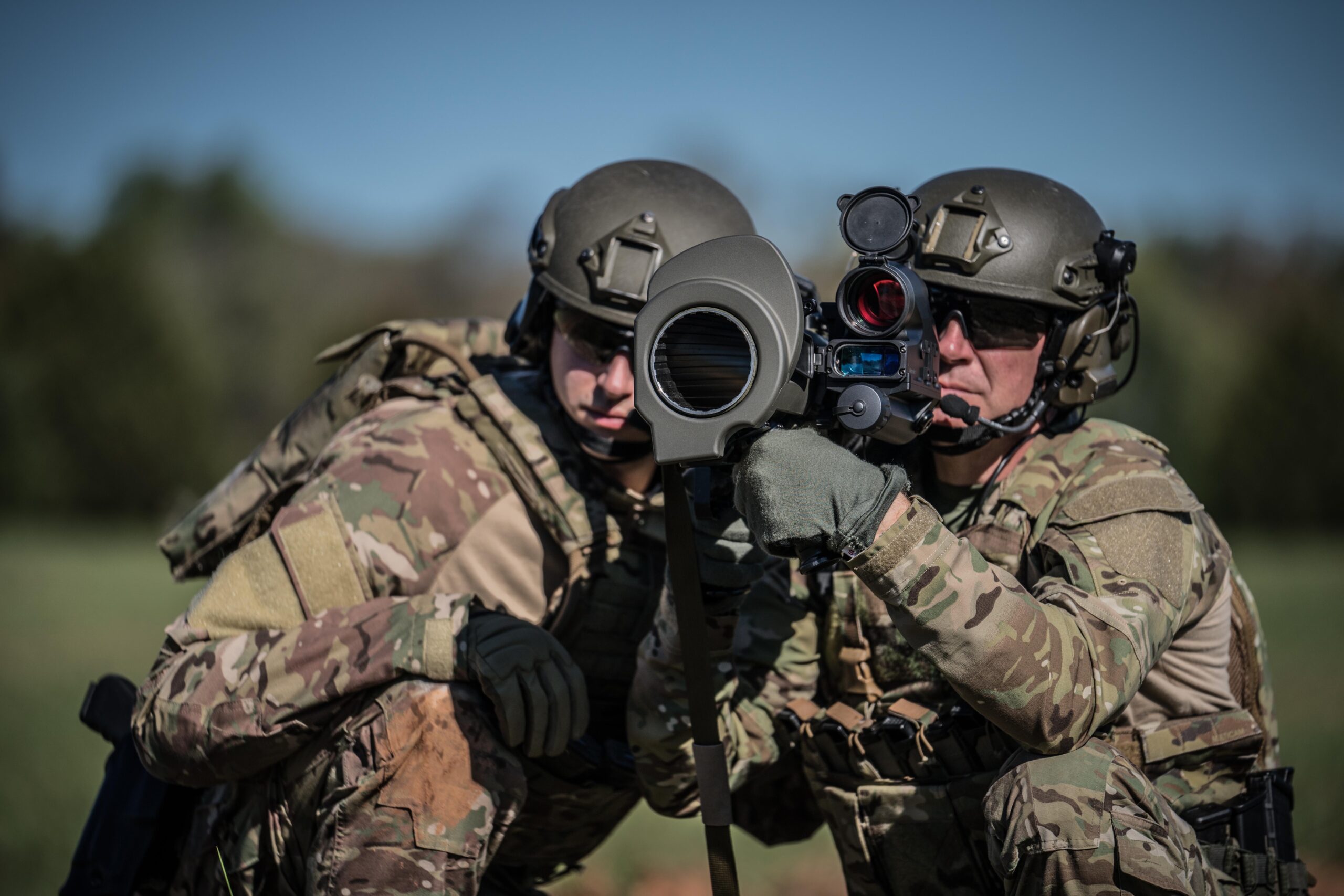
MALMÖ, Sweden – Aimpoint, the leading manufacturer and innovator of red dot sighting technology, has been awarded a contract for supply of the Aimpoint® FCS13-RE Fire Control System and TH-60 thermal sight systems to the Canadian military. The system will be used on deployed operations as the primary day and night Fire Control System (FCS) on Canada’s in-service M3 84mm Carl Gustaf produced by SAAB Dynamics. The contract was awarded through Twenty20 Insight Inc.

The FCS13-RE is a direct view, Dynamic Universal Reflex Sight, which utilizes an integrated laser range finder and ballistic computer to give the gunner an aiming point corrected for range, type of munition, terrain angle, and environmental conditions. The FCS13-RE provides a very high probability of first shot hit on both stationary and moving targets at extended ranges and utilizes a very intuitive user control interface. The system purchased by Canada MOD includes the TH-60 thermal imaging sight to allow full operational capability at night.

A proven system delivered to other NATO militaries, the Aimpoint FCS13-RE and TH-60 system was chosen for this program as it fully met or exceeded all of Canada’s strict technical performance requirements.

“The FCS13-RE with TH-60 provides Canada’s soldiers with huge increase in lethality. The FCS package being delivered will: more than double the effective range of the in-service M3 84mm Carl Gustaf; greatly increase first shot hit percentage; and make the weapon system fully day and night capable” said A.J. Lutes, Managing Director at Twenty20 Insight Inc.

Deliveries of the Aimpoint FCS13-RE and TH-60 are scheduled for 2023. The system will be fielded by the Canadian Army.

For more information, visit the company’s webpage: www.aimpoint.com.

German Armed Forces Conduct First Operational Tests of High-Energy Laser Weapon Against Drones

Thursday, November 3rd, 2022

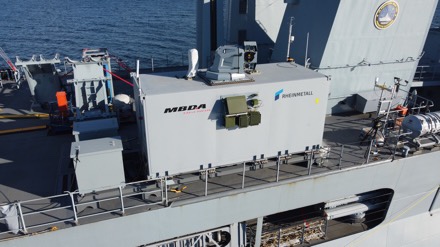
It was a big step in the direction of fully operational laser weapons. For the time ever, the German Armed Forces fired a shipboard laser weapon. On August 30th 2022, the German frigate Sachsen successfully engaged drones at short and very short range in the Baltic Sea near Putlos Major Training Area. The laser weapon demonstrator was developed by the High-Energy Laser Naval Demonstrator working committee (“ARGE”), consisting of MBDA Deutschland GmbH and Rheinmetall Waffe Munition GmbH.

Future high-energy laser (HEL) weapon systems for the Navy will be especially useful in defending against drones and drone swarms as well as engaging attacking speed boats at close and very close range. But the system can also be designed for greater output, enabling it to destroy guided missiles and mortar rounds.

The joint integration and test phase of the naval demonstrator started in November 2021, which the ARGE integration team concluded with a successful factory acceptance test at Rheinmetall’s Unterlüß proving ground. The demonstrator was then installed onboard the frigate Sachsen in Kiel. In July 2022 the first test campaign took place in Eckernförde Bay near the Bundeswehr’s Technical Centre for Ships and Naval Weapons, Marine Technology and Research, WTD 71, in Surendorf. During the trials, the capabilities of various sensors, including the electro-optical sensor suite from the ARGE and the radar, were verified. In addition, the interplay between all the components and procedures in the entire operational sequence from target acquisition to engagement was put to the test. The trials included multiple highly realistic engagement scenarios. The test planning and the provision of various types of targets on land, at sea or from the air were carried out and organised by the Federal Office of Bundeswehr Equipment, Information Technology and In-Service Support (BAAINBw). The test management was carried out by WTD 71.

Daniel Gruber, naval demonstrator project manager at MBDA Deutschland, and Dr. Markus Jung, in charge of laser weapon development at Rheinmetall Waffe Munition GmbH, were on hand to observe the test campaign with the frigate. Looking back on the integration and test phase, they drew a positive conclusion.

For everyone involved, the historic live fire test from a German Navy warship was a special moment. The team succeeded in proving the demonstrator’s capabilities in full. “Solid teamwork between the two ARGE partners played a key role in helping us integrate a fully functional, high-performance demonstrator onboard the frigate”, reports Gruber. “Close cooperation with the command team of the Sachsen enabled direct communication with the future user. This way, ideas from the Navy could be directly incorporated or implemented during subsequent development.”

Dr Thomas Baumgärtel, project manager for the naval demonstrator at Rheinmetall Waffe und Munition GmbH, was also satisfied with the outcome: “The principal components of the demonstrator are truly high tech. This is the result of long years of research at both the participating companies. Many of the demonstrator’s system components were developed specially for the project and combined in this form for the first time. Moreover, given the extremely short integration phase for a system of this complexity, we’re very proud of the results achieved thus far and of how well the trials went. The impressive performance of the HEL effectors in protecting surface combatants from short- and very-short range threats can be credited to the joint efforts of everyone involved in the project – defence industry experts, government officials, and of course the men and women of the frigate Sachsen.”

Both Doris Laarmann, head of laser activities at MBDA Deutschland, and Alexander Graf, in charge of programme management for laser weapons at Rheinmetall Waffe und Munition GmbH, emphasized how the current trials have now set the basic stage for introducing laser weapon systems and capabilities into the Bundeswehr – capabilities whose relevance is by no means restricted to the Navy. The defence industry is pressing ahead with laser systems that will help to protect troops deployed in harm’s way in multiple applications.

Testing of the high-energy laser weapon will continue until mid-2023. In subsequent test campaigns, new scenarios will challenge the demonstrator’s capabilities. Not least, the results will determine what still needs to be done on the path to a fully functional, operational laser weapon.

Effector-related tasks in the ARGE are basically evenly divided. MBDA Deutschland is taking care of target detection and target tracking, the operator console and linking the laser weapon demonstrator to the command-and-control system. Rheinmetall is responsible for the slewing system, the beam guidance, the demonstrator container as well as mechanical and electrical integration of the demonstrator onto the deck of the Sachsen, and finally for the high-energy laser source, including its periphery.