TYR Tactical

Archive for the ‘Medical’ Category

US Army Rolls Out New Medical-Training Mannequins

Sunday, March 22nd, 2020

CAMP BUEHRING, Kuwait — The U.S. Army is rolling out a new program for certified medical-personnel to borrow state-of-the-art medical-training equipment from the Training Aids Service Center on post, scheduled to be fully implemented by this summer.
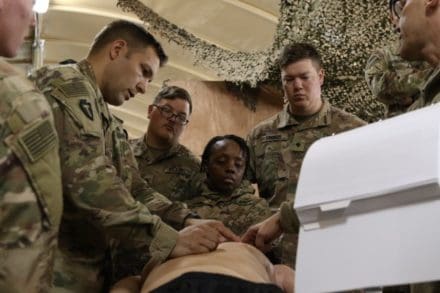
The medical-simulation unit is a mannequin that emulates many aspects of battlefield casualties to help commanders train their soldiers more effectively in Tactical Combat Casualty Care, in compliance with Department of Defense Initiative 1322.24: Medical Readiness Training (MRT).
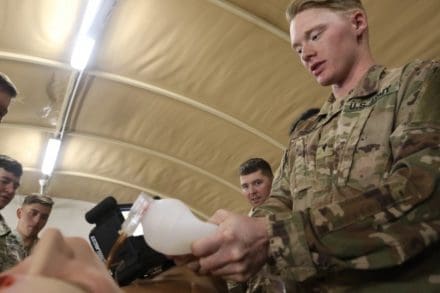
“The purpose of this device is for the commanders to employ collective training where a casualty is incurred, and the squad is supposed to react,” said Dr. Jerry P. Higman, Deputy Product Manager of Medical Simulation, U.S. Army Program Executive Office for Simulation, Training, and Instrumentation. “At present we have instruction to field 77 systems across 41 sites.”
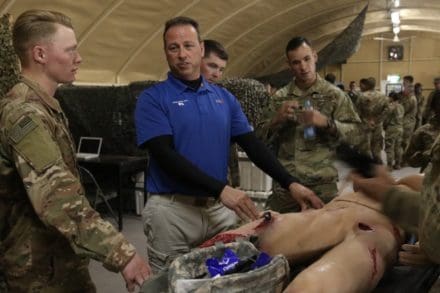
The mannequin, named the Tactical Combat Casualty Care Exportable, or TC3X, simulates the three main causes of death on the battlefield: airway obstruction, tension pneumothorax and blood hemorrhage, commonly referred to as the “ABC’s” — airway, breathing, and circulation. The TC3X is fully animatronic and effectively simulates the ABC’s through a heavily-monitored internal system, giving feedback to the soldiers through physical movements and vocalizations.
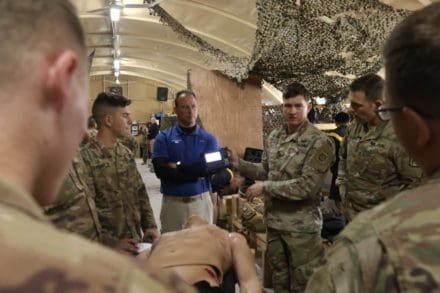
The movements and vocalizations can be set and controlled by an operator before the training takes place. The controller has a variety of scenarios built in with spaces for custom scenarios. Scenarios range from bullet wounds and shrapnel damage to head trauma and full amputations, requiring soldiers to act accordly in real time.
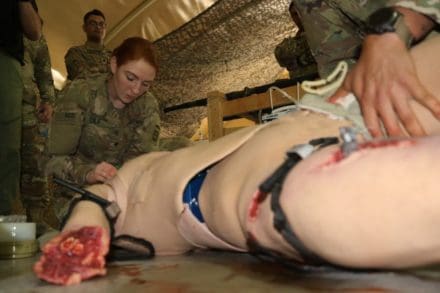
“You should definitely treat it like you would treat a human,” said Lt. Col. Rickardo Christopher, Product Manager of Medical Simulation, U.S. Army Program Executive Office for Simulation, Training, and Instrumentation. “If you don’t apply correct pressure to the wound, it’ll keep bleeding just like a real human being.”

The mannequin is built to withstand dust, dirt, mild moisture and variations in temperature, necessary for field-operations training.
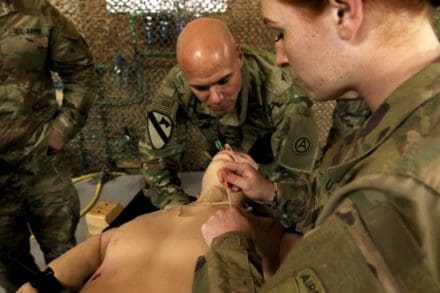
“You’re working with a high fidelity mannequin, but it is robust,” said Higman. “Do not be afraid to work with the mannequin, in terms of deploying it or taking it to the field. We do not want the medics to have any inhibitions on checking it out.”

“You have to use what you have to get better,” said Christopher. “This mannequin sets the condition for soldiers to increase their overall medical readiness.”

To check out a TC3X for use in training, see the TASC on post to see if and when they are available.

By PFC Andrew Zook

CRO Pharmaceuticals Announces the Launch of POLYSERP Next Generation Antivenoms

Wednesday, March 18th, 2020

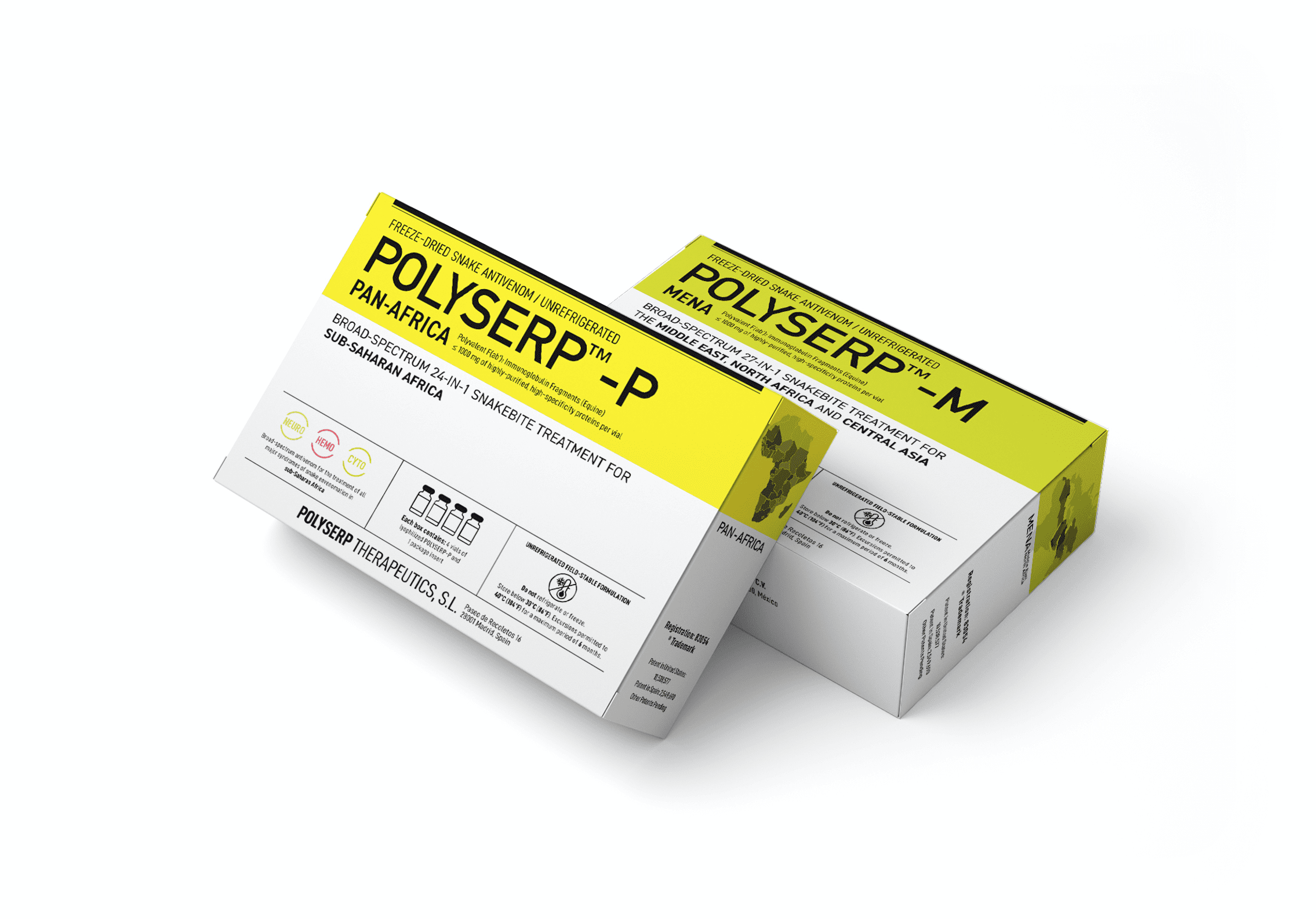
POLYSERP™ offers freeze-dried unrefrigerated snake antivenoms designed specifically for the treatment of envenomation casualties in operational and austere medicine environments. POLYSERP™ antivenoms come in two broad-spectrum, regionally-specific formulations that are indicated for the treatment of neurotoxic, hemotoxic, and cytotoxic snake envenomations by all of the critical threat species in a given area without the need to identify the snake. 

Safe For Field Use

Traditional concerns with antivenoms arose from the high risk of serious reactions such as anaphylaxis, which occurred in as high as 75% of patients treated in some studies on older products. The rate of serious reactions to POLYSERP™ has been reduced to ? 1% thanks to a patented multi-step process of fragmentation, purification, and lyophilization resulting in a product that is free of preservatives and safe enough to administer by direct IV push in a low resource environment.

Unrefrigerated, Freeze-Dried, Field Stable

POLYSERP™ has been designed from the ground up to meet the needs of austere medical providers. Each vial contains a minimum of 500 LD50 neutralization potency against the most dangerous regional snakes. The increased potency allows field providers to treat severe envenomations at the point of injury, reducing the amount of space and weight, while adding an invaluable medical capability.

No Cold-Chain

Snakes are abundant in warm climates due to their cold-blooded physiology, but most antivenoms require constant refrigeration. POLYSERP™ is a next generation product that can be carried in a backpack for 6 months at temperatures exceeding 100º F without any loss of potency, making it the first product that is specifically designed for use in the environments where snakes are most common and disaster is most likely to strike.

US GOVERNMENT SALES

POLYSERP™

228 Park Ave. S. Suite 29413

New York, New York 10003-1502

sales@polyserptherapeutics.com

United States Patent 10,538,577

Learn more at www.polyserptherapeutics.com

Purchase available with physician-sponsor. Please contact sales@polyserptherapeutics.com for ordering information.

ADS Talks Pandemic Response Preparedness: COVID-19

Wednesday, March 18th, 2020

ADS Inc has posted an article detailing the products they have available. Here’s a little bit of the article:

Through thousands of long-standing supplier relationships, we quickly find and deliver the equipment you need to do your job—safely. ADS, Inc. has compiled the following list of products geared toward military and first responder pandemic responses. This is just a sampling of the tens of thousands of products we offer. If you don’t see what you’re looking for, just ask.

Because these products are in high demand, ADS will quote and source these products to the best of or ability. Due to the strain on the supply chain, orders may be canceled. We will do our best to find an alternative.

ADS provides operational equipment exclusively to the U.S. and allied Armed Forces, first responders, vetted government contractors, emergency responders and officers. We cannot sell to civilians.

Whether you have funding or need it, ADS is a prime on over 65 contracts and has the power to move your requirement forward.

Check out the full details, including the list of products at adsinc.com/pandemic-response-preparedness-covid-19.

MATBOCK Monday – GRAVEROBBER Series

Monday, March 16th, 2020

Happy MATBOCK Monday! This week our focus is on the GRAVEROBBER Series.

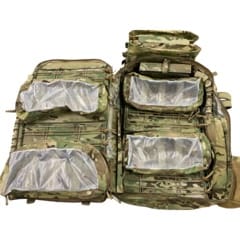
The GRAVEROBBER Series includes a combination of various bags and pouches that can be configured for your expeditionary and operational needs. All bags and pouches in the GRAVEROBBER Series are made using MATBOCK’s exclusive Ghost and Ghost Light material, making them the lightest and toughest bags on the market.

GRAVEROBBER Sustainment Kit

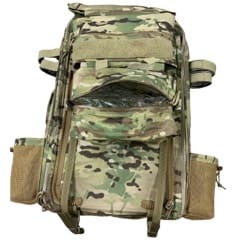
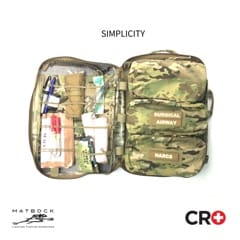
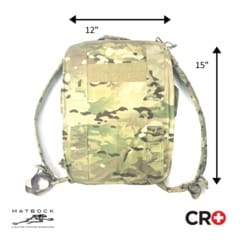
The GRAVEROBBER Sustainment Kit is a joint CRO Medical and MATBOCK project to bring a prolonged field care pack to the operational medic. It features the Sustainment bag, 4 x sustainment pouches, 4 x sustainment panels, and the GRAVEROBBER Drug Box.  All made from MATBOCK Ghost and Ghost Light materials.

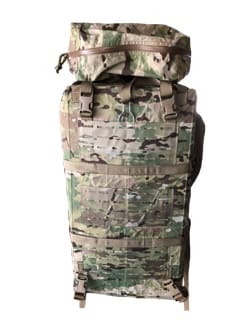
GRAVEROBBER Technical Mountain Ruck

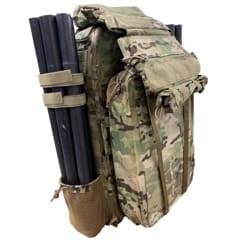
The Technical Mountain Ruck is a combination of the GRAVEROBBER Assault Medic (GRAM) Kit and the GRAVEROBBER Sustainment Kit. The GRAM easily zips to the outside of the sustainment bag to give the medic everything needed for both assault and prolonged medical operations. Made from MATBOCK’s Ghost and Ghost Light materials for superior water resistance, durability, strength and weight savings.

GRAVEROBBER Assault Medic

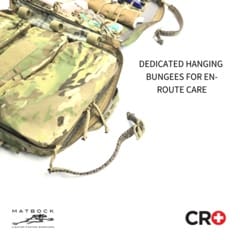
The GRAVEROBBER Assault Medic bag is the result of years of needed improvement in bags specifically designed for the team medic. CRO brings a multi-mission approach to the design with their well-thought-out adaptability, including a panel insert that converts to a skeleton med panel which can be clipped or slung using the thin padded shoulder straps. Remove to design a custom panel that is interchangeable for different packing requirements, or easily change bags with the versatility of a panel insert.

Lighter Faster Warriors, The MATBOCK™ ethos, is realized by the GRAM.

MATBOCK Ghost® material is used throughout with Tegris reinforcements, giving the inside contents protection to allow for narcotics to be set up using a soft case.

A few of the highlighted features include:
• Jumpable
• Waterproof
• Mounts on ALICE frame
• Hangs in vehicles
• Ultralight 2.9 lbs
• 1.2 lbs skeletonized setup (if you clip it on, less)
• Mitigates shrapnel hazards
• Thinnest med bag ever created

The GRAVEROBBER™ Assault Medic bag is designed to be mounted to an ALICE frame, giving the medic a slim assault bag that can be configured in many ways to enhance medical load carriage. This jumpable, water resistant bag bridges the gap between assault bags and en-route care, due to its expandable design and ability to hang.

This versatile, meticulously designed med bag was created with everyday medic load carriage in mind.

GRAVEROBBER Surgical

Lightweight ruck designed to carry surgical medical equipment for expeditionary and operational professionals. Available both with and without frame.

The complete kit includes:
• Ventilation Pouch
• Drug Roll
• IV Pouch
• Multifunction Pouch

Click the link below to see our full series!

www.matbock.com/collections/grave-robber

Tasmanian Tiger Partners with Team 5 Medical Foundation

Saturday, March 14th, 2020

Tasmanian Tiger’s Silver Sponsorship of the non-profit SOFMED veteran foundation helps provide medical care in remote areas of the world.

Miramar, Fla. (March 2020) – Tasmanian Tiger®, a tactical nylon line of products distributed exclusively for the US market by Proforce Equipment, Inc., proudly serves as a Silver Sponsor for the Team 5 Medical Foundation, a non-profit that brings critically needed medical relief to some of the most remote locations and indigenous populations on the earth. The Team 5 Foundation is certified by the World Health Organization to support its international healthcare efforts.

Launched in 2010 by founder (and chairman), Eric S. Linder, RMP, FAWM, with a mission to build a medical foundation that had no political or religious ties, Team 5 has grown to include special operations forces, ultra-athletes and survival experts who venture to these remote locations to educate healthcare workers, provide remote medicine and donate supplies.

Linder’s experience prior to the establishment of Team 5 includes Aerospace Rescue in the US Air Force, Operation Desert Storm Security Police, and Diplomatic Protection Agent. After his military service, Linder joined the Las Vegas Metro Police Department and served in various units including gang intelligence, fugitive detail, tactical medic, and crisis negotiator. During this period, Linder received an international fellowship to Israel for intelligence tactical medicine and counter-terrorism. He has worked with INTERPOL, Border Guard and INTERPOL’s Special Forces Combat Search and Rescue Team. After 9/11, he joined the Federal Air Marshal Program as an agent, tactical medic and instructor. Linder is an NREMT certified Tactical Medical Practitioner, an instructor of Medical Person-in-Charge for maritime and a lecturer at the School of Medicine at the University of Zagreb, Croatia.

It was during Linder’s Remote Medical Practitioner training at the Belize Institute of Tropical Medicine that he realized a vision for Team 5. Today, each team of five members includes one doctor/surgeon, two special forces medics, an oral surgeon and a pediatric intensive care nurse. Almost all members of each team are veterans, continuing to serve and utilize their expertise in working in austere conditions to bring much-needed relief to people living in hard to reach places.

Tasmanian Tiger’s partnership with Team 5 and Eric Linder also benefited from all of Linder’s tactical medical experience. Linder consults with Tasmanian Tiger on the development of the Medic Equipment line including backpacks, bags, accessories, IFAK pouches and tourniquet pouches.

The unique designs of Tasmanian Tiger’s medical equipment backpacks include the versatile TT First Responder Move On MKII pack, in which a large main backpack can be completely customized with medical equipment, and a smaller backpack zipped to the front, can be removed and used as a quick trauma pack.

Organization is key in medical emergencies or when packing for a remote medical mission. Linder and Tasmanian Tiger’s answer to organization comes in the TT Modular Medic Insert 30 and 45, each specific to the TT Modular Pack 30 or 45 and allows the user to configure the pack into a medic pack with pouches designed to be easily accessed and identified.

Tasmanian Tiger’s IFAK pouch is a quick-access, first-aid pouch for immediate care. Like many of Tasmanian Tiger’s medic equipment, versatility is key and items like the IFAK pouch can be used with the TT TACVEC systems such as the TT Modular Front Seat Panel or the TT Head Rest IFAK version which attaches to the back of a car seat headrest.

“Our medic equipment has consistently won high scores and praise from the National Tactical Officers Association Member Tested and Recommended Program and SWAT medics across the country,” Richard Lewis, President and CEO of Proforce Equipment, explained. “When you have someone with the kind of experience and passion that Eric Linder has for providing medical relief to less fortunate people on five continents, you know that the equipment has to meet his and Team 5’s most serious criteria for performance, durability, versatility, and ease of use.”

All sales inquiries can be directed to tt@tasmaniantigerusa.com.

MATBOCK Monday – Cobra Sled

Monday, March 9th, 2020

Happy MATBOCK Monday!  For the month of March we will be focusing on some of our favorite and most innovative medical products. We will start the month off with our Cobra Sled.

The Cobra Sled is Easy to assemble as well as being the lightest and smallest hoistable evacuation stretcher on the market.

Decontamination Ready – Ultra High Molecular Weight Polyethylene Material, Kevlar Stitching, Kevlar Webbing. All straps included and configured for both vertical and horizontal lift.

Hoist strapping is 5,500 lbs Tensile strength Kevlar webbing with Kevlar stitching and an integrated chest harness directly attached to both horizontal and vertical hoist straps. There are 4 front drag straps that can create 2 x 10 ft loops for operators to sling and drag forward in a “hands-free” configuration, as well as stabilizing straps in the back for uneven terrain.

The system can also be rigged for 4 operators to carry the patient hands-free with the straps slung across their shoulders.

When it is folded up, the stretcher is only 12in x 8in x 8in.

Total Weight – 8.5 lbs

Carrying Capacity – 600 lbs

Here is a brief overview of the Cobra Sled.

Order Yours Today: www.matbock.com/products/cobra-sled

COVID-19 and the DECON7 Tactical Decontamination Solution

Friday, March 6th, 2020

(Eagle, ID – Owyhee Group Companies) The world-wide spread of the coronavirus (COVID-19) is dramatically increasing the awareness of the biological and chemical threats to our military and civilian population. Owyhee Group Companies and Inert Products have teamed up to offer Decon7 (known as D7) solution to military and municipal protection forces throughout the U.S. to reduce the spread of COVID-19 and other biological and chemical threats. “D7 is effective in killing and neutralizing up to 99.9999% of bacteria, along with viruses like COVID-19 and other biological agents and chemicals”, notes Owyhee Group Companies CEO Doug Lodge.

The development of D7 came out of the U.S. government recognition of a need to combat bioterrorism after a nerve agent was released on a Tokyo subway, killing 12 and injuring another 1,000. D7 was developed to neutralize a wide spectrum of chemical and biological threats such as Anthrax, MRSA, COVID-19 and many more, without any corrosive or harmful effects to the surrounding environment. Unlike traditional disinfectants, D7 chemically cleaves the spore wall and neutralizes the mycotoxin inside. It also changes the osmotic pressure around the cell, which causes an imbalance in the internal cellular pressure resulting in the total collapse of the cellular membrane.

D7 is a 3 part solution that after mixing has a useful life of 8 hours. It can be applied using any traditional sprayer or fogging device and can be purchased in units as small a quart and as large as 500 gallons, depending on your application. One of the most popular options is the D7  BDAS+ Tacticial Spray, which is a 14 oz, self contained one time use application with about 40 seconds of spray. It’s pefect for use in emergency vehicles to neutralize pathogens from such things as blood, vomit, feces and toxins in the field.

Parties interested in learning more about D7, including a full list of the chemical, biological and toxic chemicals it can neutralize and how to apply it, can contact the Owyhee Group Companies at 208.938.6086 or visit a special feature page at owyheegroup.com/products/d7, which contains a full list of threats D7 can neutralize.

USAF Rescue Squadron Athletic Trainer Rehabilitates Airmen

Thursday, March 5th, 2020

MOODY AIR FORCE BASE, Ga. —

The 41st Rescue Squadron executes a physically demanding mission of personnel recovery, in doing so, rescue members require a recovery of their own.  

Lori Uretsky, 41st Rescue Squadron athletic trainer, provides these Rescue Airmen with preventative care and treatment for injuries to keep them mission ready.

“[Uretsky] does preventative maintenance,” said Tech Sgt. John Rosenberg, 347th Operations Support Squadron special missions aviator. ”She keeps minor injuries from becoming major injuries and sustains chronic injuries. Taking care of [injuries] on a regular basis keeps them from becoming major issues, which could take me off the flying schedule and have a direct impact on the mission.”

Uretsky has been working with the 41st RQS since October 2017 and has had more than 2,200 appointments and tended to 3,112 injuries.

“I see a lot of neck pain, upper back and lower back pain for the pilots and the special mission aviators usually have shoulders and knee pains because of their job duties,” Uretsky said.  “When I say neck and back pain that can range from muscle tightness to herniated disks to stress fractures in their back. I will say for the most part, a lot of neck pain [comes] from wearing helmets and night vision goggles because it adds weight to their head.”

Rosenberg, a patient of Uretsky’s, has been being seeing her for a leg injury for about a year.

“I’ve been having problems with scar tissue in my ankle” Rosenberg said. “We’ve been working on physical therapy with the ultrasound and sticks on my leg. It’s helping break all that stuff up. Yes, it hurts, but at the same time, I can actually feel it getting better. The prevented maintenance that she does is what enables me to still fly.”

In addition to treating injuries with dry needling, cupping and physical therapy, Uretsky provides annual and post-surgery rehabilitation services that help get wounded Airmen back in the game.

“I was unfortunately fortunate that we had someone get hurt downrange and sent back early for surgery,” Uretsky said. “I say unfortunate, because I never want that to happen, but I was able to do his rehab with him here in-house and get him cleared to return to fly. So, what we thought was going to be career ending, wasn’t. He’s back flying. So, I mean, that is really rewarding to see that.”

According to Uretsky, she has only had to deny seven Airmen from flight, which is lower than numbers seen in previous years because Uretsky is, not only on hand to provide her services here, but has the ability to travel with the unit.

“I’m going to the red flag exercise next month. This will be my second TDY,” Uretsky said. “This red flags a little shorter last year. [It lasted for] five to six weeks. They’d fly three, four times a week, have all their issues, then have to wait for when they come back [for treatment]. So even though I’m not there the whole time, I go in the smack dab of it, treat them and [which should] last until they can come back and see me again.

“I am able to do teleconferences if [Airmen] have issues. I’ve sent things downrange so that they would be able to take care of [issues] the best they could before they had to go to a major base to get treated.”

Uretsky believes being embedded in the squadron also makes a big difference in the relationships between her and her patients.

“I love my relationships with the patients,” Uretsky said. “I joke all the time and tell them that they’re a tad bit crazy for going into a bad scene probably getting shot at to go save others. Most people would go away from that kind of stuff. So, I think they’re very special. To be able to take care of them is awesome. My dad and my grandfather are vets. So, working with the military is my way of giving back.

“If I help one person and keep them in their career, then that makes me happy,” Uretsky said.

By Airman Azaria E. Foster, 23d Wing Public Affairs