FirstSpear TV

Archive for the ‘Medical’ Category

PAs Help Medical Personnel Hone Battlefield Skills

Thursday, May 2nd, 2019

FORT SAM HOUSTON, Texas — The Tactical Combat Medical Care Course (TCMC) began in April 2004 when several Physician Assistants (PAs) noticed that many medical Soldiers were being deployed to combat areas without being properly equipped or trained in medical combat readiness. The TCMC covers a wide variety of areas within a 5-day time frame to include trauma and wound care.

“Currently, the program is geared toward doctors, physician assistants, nurses and senior medics to prepare them for combat medical readiness at the point of injury,” said Shon Compton, an original founder of the program as well as an instructor at TCMC.

Compton added, “The course is presently taught at Fort Sam Houston and Camp Bullis in San Antonio, Texas, and includes didactic and hands-on field training. Although other Armed Services have been through the program, the course is geared towards active duty Army that can be centrally funded from their units. The priority is to those preparing for deployment.”

Presently, there is a waiting list to get in the course as they are targeting 1,500 to 2,000 students annually. The training is considered a sustainment course.

TCMC prepares the students with skills for medical events they may encounter while deployed, as well as sharpening the skills they already possess.

Bret Smith, an instructor and program manager with TCMC, said, “The course also covers trauma resuscitations that are geared toward the deploying provider.” He added, “We like to target those on orders about 180 days out. Over the years, we have realized that Soldiers should come through the course every 2-3 years to keep their skills up-to-par.”

While the students are already medically inclined, they are surprised at how much they learn from the program, as they are taken out of their comfort zone of the hospitals and put in situations such as working in a battalion aid station where the team works together in groups of four on traumatically injured casualties. The course is designed to force the students to improvise, think on their feet and take the lead in a trauma operation.

“Providers have to realize that during the course, there isn’t always assistance in the field and they must be able to learn to do a lot of the skills themselves, such as pushing medications, starting IVs or performing a cricothryotomy,” added Smith.

Over the past several years, the TCMC program has won several awards and is helping Soldiers achieve readiness in the field. “TCMC continues to be one of the best training programs in Army Medicine. It teaches our Soldiers about low or high intensity conflict in austere environments in the field of combat medicine,” said Smith.

CTOMS Exhibiting at SOMSA

Monday, April 29th, 2019

CTOMS has been in the Tactical Medicine business for 14 years now, and it has been incredible to be a part of the evolution since those earlier days.

Both 2019/2020 will be no exception with major projects on the horizon. We continue to bring solutions to the ever-changing problems faced by tactical medical and rescue practitioners.

These include evolving solutions in:
• Field medical procedure kits;
• Field medical equipment storage, transport, and carriage systems;
• Rope rescue, egress, and complex terrain negotiation equipment, systems, and training;
• Comprehensive CASEVAC suites;
• Expanded procurement channels;
• Increased training reach, bandwidth, and upgraded delivery and content;
• Improved international access to training and equipment;
• Improved customers purchasing experience;
• International rescue and critical care evacuation operations;
• And much more.

To learn more, visit us at the Special Operations Medical Association Scientific Assembly Exhibition, Booth 410P at the Charlotte, NC Convention Center on 08 and 09 May 2019, or on the web at ctoms.ca

NRAAM 19 – North American Rescue Sportsman Line

Friday, April 26th, 2019

North American Rescue is exhibiting their Sportsman Line of medical gear.

It’s the same quality, but you’ll notice new colors for use by outdoorsmen and the contents of IFAKs will be more focused on the booboos encountered during a weekend in the woods. But don’t fret, you’ll still have the gear you need to deal with trauma in the unfortunate incident it’s encountered.

IWA 19 – East Gear FASTres

Saturday, March 16th, 2019

At Enforce Tac, this Medical Pouch from East Gear caught my eye.

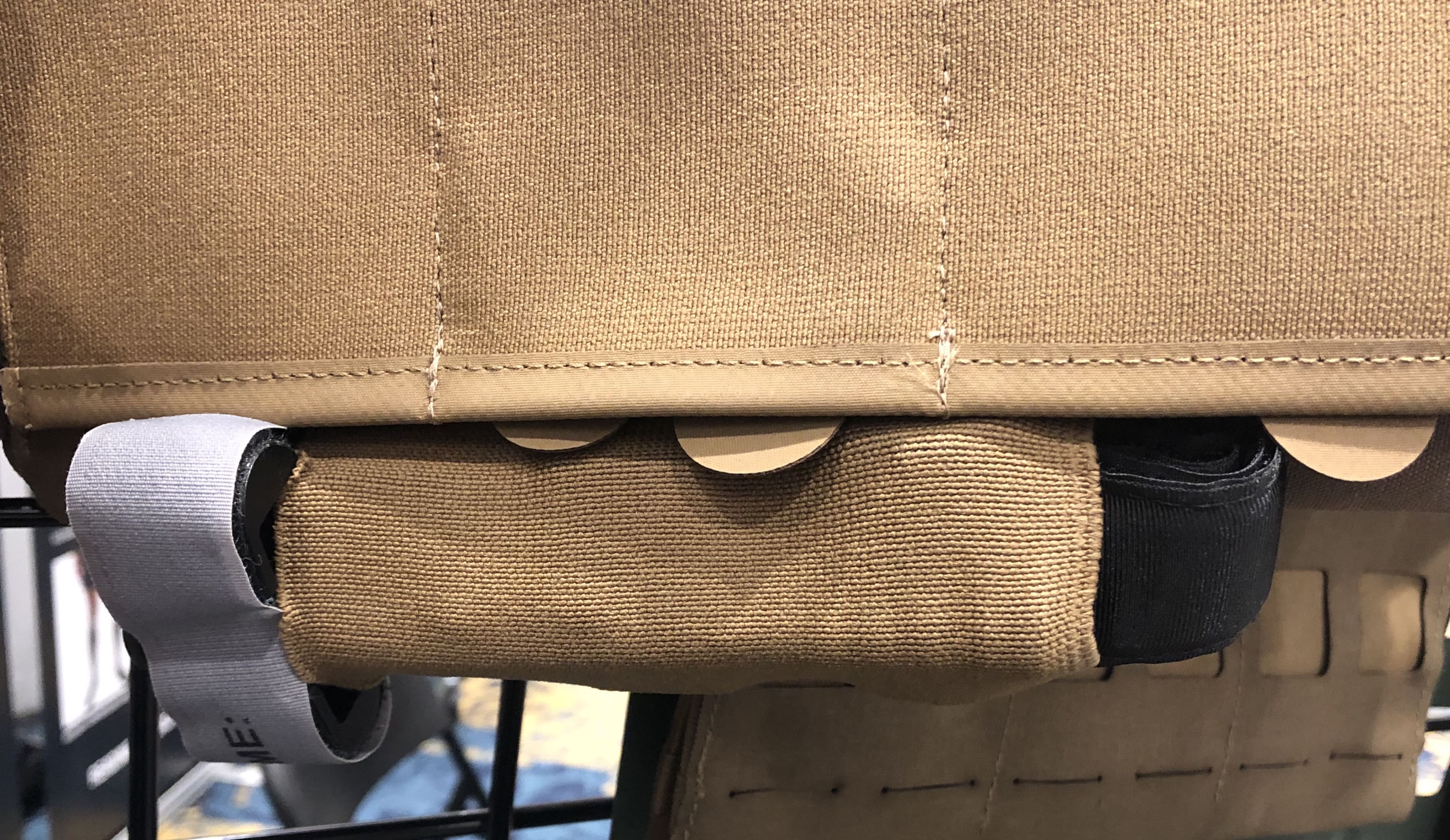
The FASTres (Fast Response) Pouch includes an outer pouch and removable inner panel which pulls out with a pull from one hand.

The rear and sides are PALS compatible.

Available in a variety of colors from www.eastgear-int.com.

Tasmanian Tiger TT First Responder Move On MKII Backpack System

Wednesday, March 13th, 2019

Designed for the medical professional in a military /SWAT unit or EMT, the Move On is the optimal medical emergency kit that offers two kits in one.

Miramar, Fla. (March 2019) – Tasmanian Tiger®, a tactical nylon line of products distributed exclusively for the U.S. market by Proforce Equipment, Inc., offers emergency medical professionals a complete line of medical packs and bags. The TT First Responder Move On MKII is a highly optimized carrying system that consists of a large main backpack with a removable front smaller backpack zipped to the front of it, that can also be used on its own. You get 2 packs in 1. This allows medical personnel to set up separate medical systems, and carry separately, or together, depending upon their medical emergency. It has a Padded Back Carrying System with laser cut MOLLE on the front and sides.

Inside, there is MOLLE hook-and-loop on the interior walls for customizing the configuration and there are internal fixation points for medical equipment. It includes 3 removable transparent pouches, detachable panels with elastic loops and a rain cover.

Made with CORDURA® 700d fabric and YKK zippers, the Move On, is designed to be durable, versatile and reliable. All of Tasmanian Tiger’s products are made to endure the toughest environments.

It holds 40 liters (2441 cubic inches) of medical gear. Measuring 20” x 12” x 9” (52 x 29 x 24 cm) and weighing 92 ounces empty or 131 ounces with accessories (2.6kg empty / 3.7 kg full), the TT First Responder Move On MKII is available in Black, Coyote or Olive. MSRP: $449.00.

All sales inquiries can be directed to tt@tasmaniantigerusa.com

Note: supplies in photo are NOT included.

IWA 19 – Orthos Med Pouch from FROG.PRO

Monday, March 11th, 2019

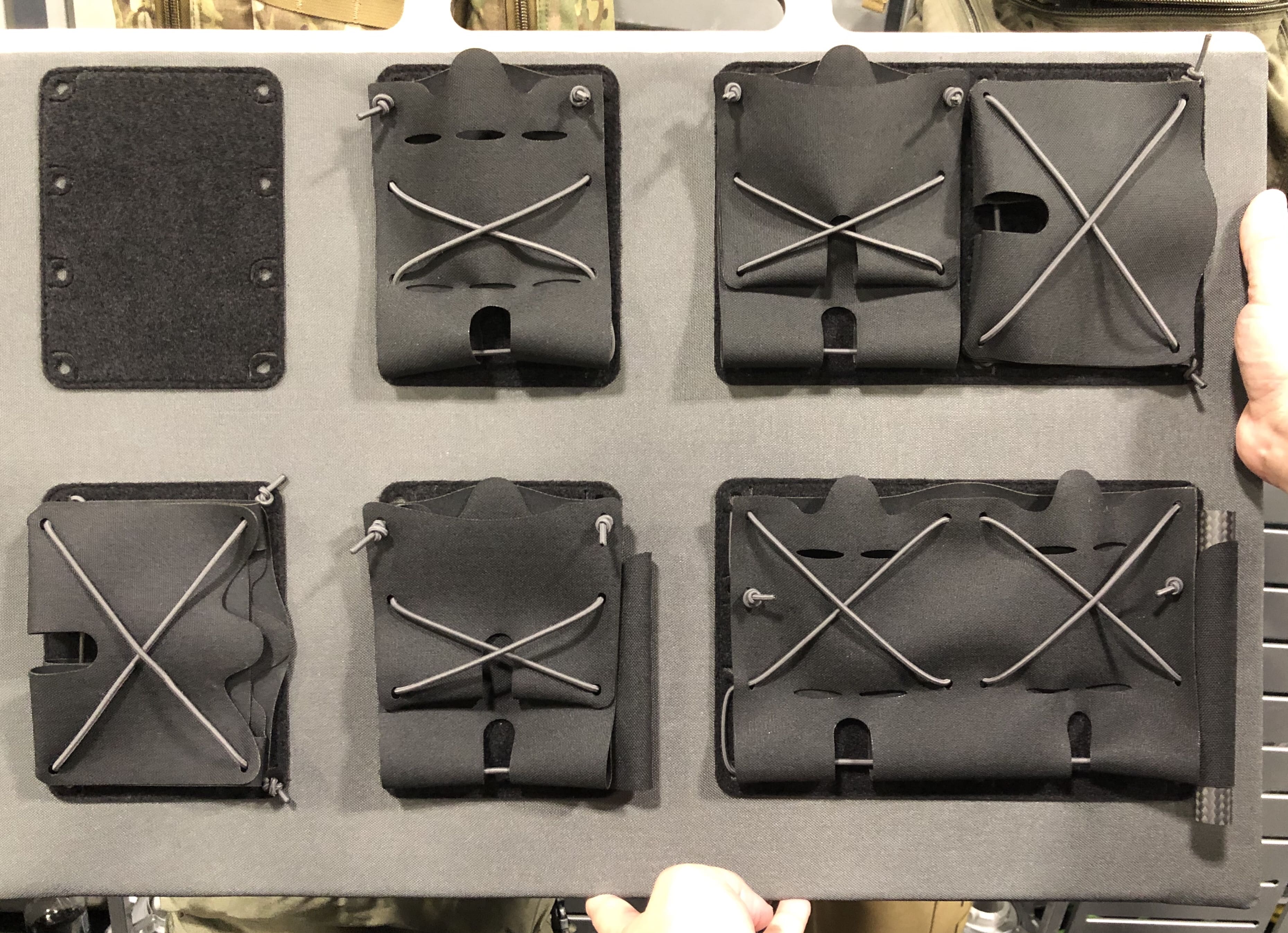
Italian manufacturer FROG.PRO showed their Orthos Med Pouch. Made from a laminate, it is laser cut to be both PALS and shock cord compatible. It incorporates a glove dispenser, TQ holder and the Medical Cross insert can be swapped out for Red, White, Black, GITD or IR.

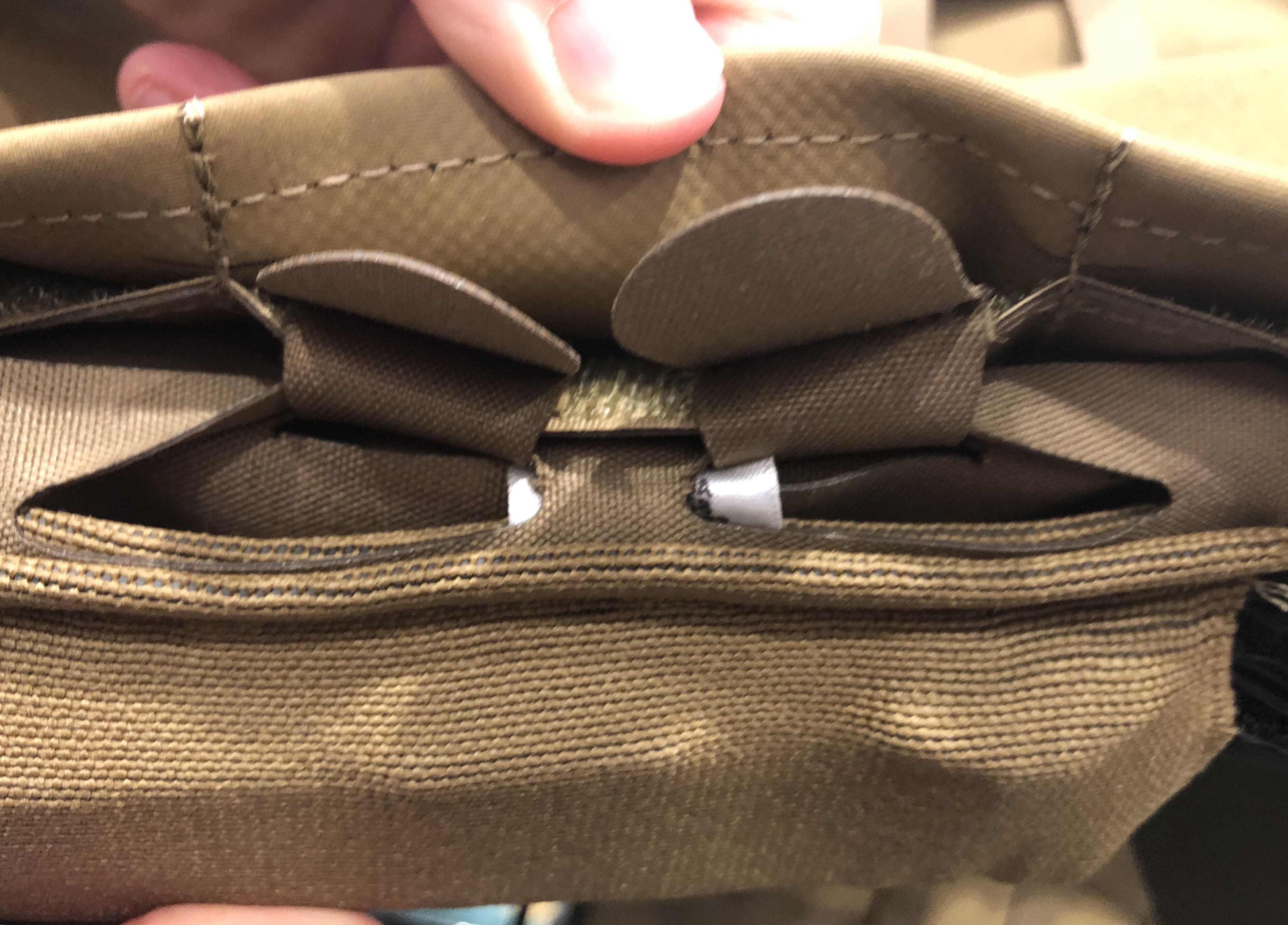
It’s a sleeve design which uses their Multi Purpose Organizers, which are both PALS and shock cord compatible, to organize the contents of the first aid kit. The Orthos will accept two, one inserted from either end, with the clearly marked Pull tabs visible. As you can see in the photo above, the Orthos features shock cord at the corners of the openings to keep the MPOs from falling out.


The Orthos can be carried one of three ways. It has built-in PALS compatible straps, 2″ belt wraps, or a zipper to attach below other platforms via their abdominal panel accessory.

Below, you can see it attached to the Modular Reconnaissance Task Bag set up as a chest rig. It will also fit their armor carriers.

frogpro.it

FirstSpear Friday Focus – IFAK Pouch, Non Stocking – Non Standard

Friday, February 22nd, 2019

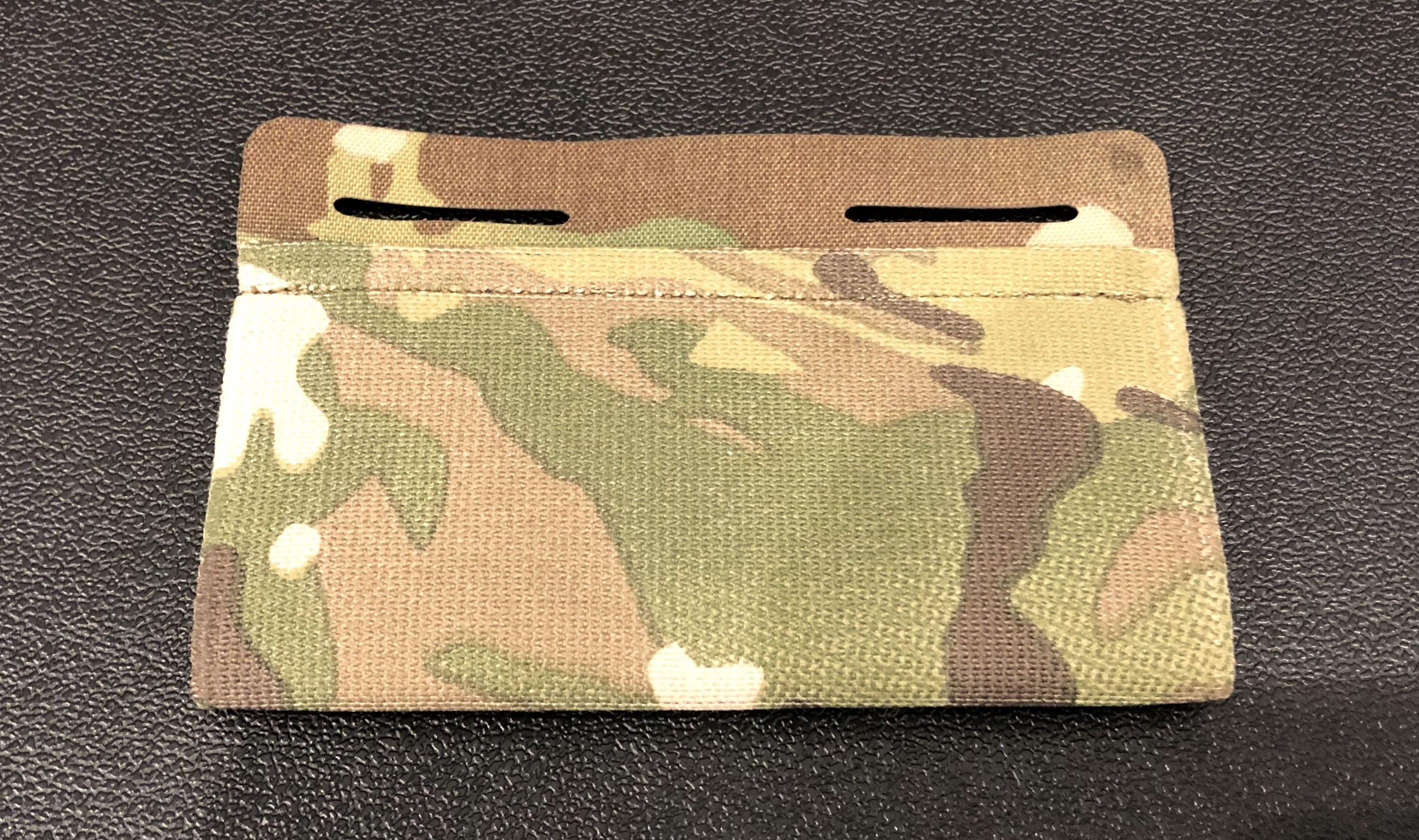
All new in the Non-Stocking Non-Standard section from FirstSpear is the IFAK Pouch. These are brand new first quality goods from a government overrun and only available in Multicam while supplies last. Features a large hook and loop flap and a side release buckle for secondary retention which can be removed by the user. 6/9 attachment style. Made in the USA.

Approximately 7.5×5.5×3

www.first-spear.com/non-stocking-non-standard/ifak-pouch

SCUBAPRO Sunday – Sea Sickness

Sunday, February 10th, 2019

  Many people suffer from seasickness, especially during your first couple of times being on the water. Once you learn some of the basic tips for dealing with seasickness, it will become more natural and help you to move past having to take anything. A lot of the time, these remedies will be the easiest to implement because they require moving around on the boat.

 First stay ahead of it by taking meds before you go out on the boat. There are a variety of medications that are available to help prevent or treat motion sickness. They need to be taking 1-2 hours before you go out so plan ahead. Medicines for nausea are called antiemetic drugs. They include antihistamines such as Dramamine and scopolamine drugs, which come in pill or patch form and require a prescription.  

Focus on the horizon. By focusing, many people experience the extraordinary power of the brain to overpower the feeling of the waves. Get horizontal and close your eyes. Your ears control balance, but your eyes can deceive you. By adjusting your balance by 90 degrees from standing to laying down and keeping your eyes from paying attention to the rolling motion, your brain can work through the motion more easily.

Keep the fresh air coming. If you are sitting there with the engines running the exhaust air can start to make anyone sick, so try avoiding it as much as possible.

Move to the center of the boat. The rocking motion is typically significantly reduced where the center of gravity for the boat is more defined, so the motion will tend to not be as dramatic in the center of the boat if you are sitting there and can get into the water that will help also.  

      Eat Small Meals and Stay Hydrated. Eating smaller, more frequent treats and drinking water / Gatorade type drinks, will help by putting something in your stomach and also gives you something to do to help take your mind off it.

      Tilt Your Head Into Turns. Synchronizing your body with the motion may help reduce motion sickness. Turns and rotary motion tend to cause more severe motion sickness than travel in a linear motion.

      Look at the Horizon. Looking at the horizon will help you avoid sudden head movements. People who are prone to motion sickness tend to have more body sway while standing. Try to widen your stance to help reduce body sway. This is why people that have mTBIs tend to get motion sickness easier.

      Press on This Pressure Point. The point is located on the inner side of the forearm, about two inches (or three finger widths) above the crease of the wrist in between the two tendons.

     Ginger Root A widely used remedy for nausea, ginger root is often taken in the form of lozenges, tea, capsules, tablets, crystallized root, candies, or ginger ale.

      If you have tried all the above and you still feel sick the last thing you can try is sticking your finger in your mouth as far back as you can get it. Throwing up does help, and the bright side is it might make other people do it also. So you won’t be alone anymore.

If you get motion sickness or thing you will, remedies may be worth considering, especially if you are not able to take medication. If you are going to take meds is to try them before you step on the boat. If you have never tried it, it might make it worse if it makes you sick or sleepy. Good Luck and I hope this helps.