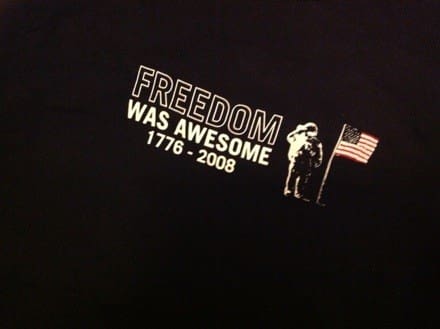
Each year Crye Precision sells a shirt during SHOT Show to raise money for military charities. This is 2013’s design. I’d say it speaks for itself.
FRONT
REAR
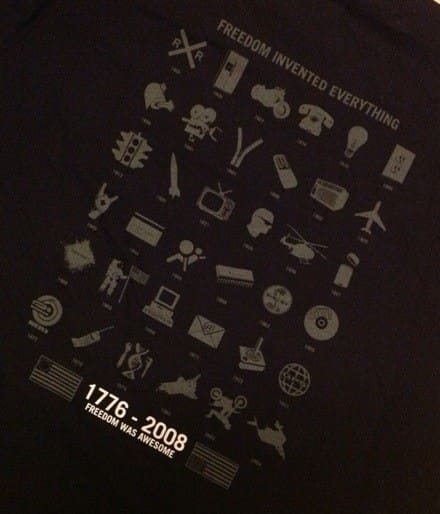


Each year Crye Precision sells a shirt during SHOT Show to raise money for military charities. This is 2013’s design. I’d say it speaks for itself.
FRONT
REAR
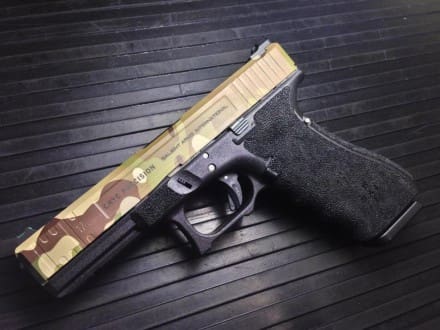
Salient Arms International Glock 17 Tier Two, Crye Precision/MultiCam Edition. This Weapon will be auctioned off at Shot Show 2013 at the Crye Precision booth. All monies will go to military charities. For more info visit the Crye Precision booth.
SHOT Show is a lot of work. It consists of long days of walking and dodging carts and crowds. But one of my favorite respites from teh long days is visiting AmericanSnipers.org. If you are unfamiliar, AmericanSnipers.org is a non-profit group (501-(C)3) staffed by volunteer former and current military and LE snipers. They raise awareness of the needs of our snipers as well as funds to supply equipment not supplied by the Government. They are extremely successful. From 2003-2010 they supported 675 different platoons. Additionally, they are well known for their raffles and innovative morale items such as patches, coins, and t-shirts.
This year, their main booth will be #L339. But AS.org will also have representatives at various “hide sites” with several major vendors to answer questions about their raffle and merchandise.
Raffle you say? That’s right. Every year, they put together one or more specialized firearm packages as well as memorial items and this year is no different.
31 Souls and Heads Down Rifle Package
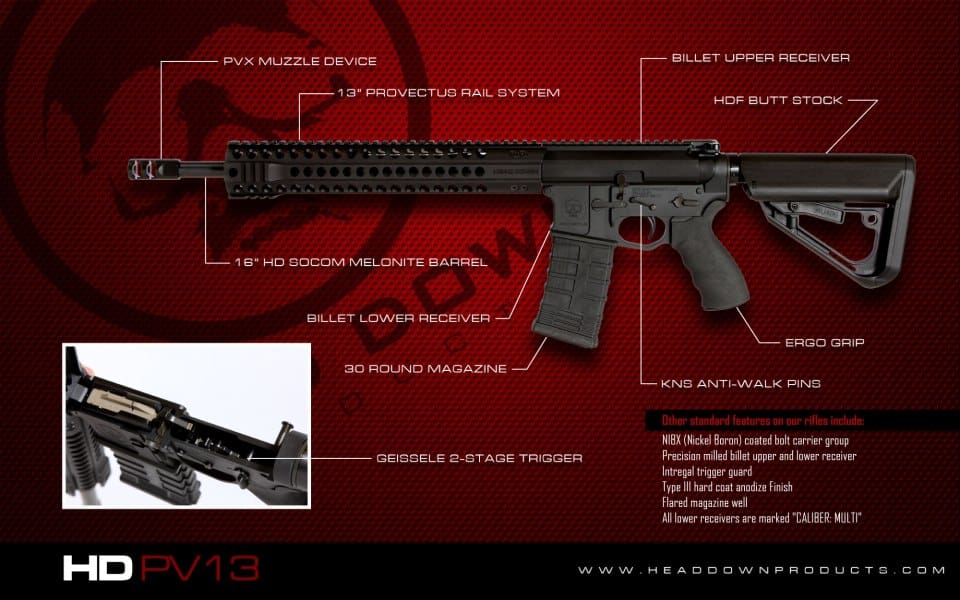
Here’s what AS.org has to say about this rifle.
Our good friends at 31 Souls and Head Down Products LLC have donated the following rifle package for our next raffle. The rifle is as shown along with a hardcase, 30 round magazine, Storm Tactical databook, SpyderCo folding knife, and other accessories as we put this package together. The rifle will be on display at booth L339 at SHOT 2013. The new PV13 is a complete rifle that is jam packed with some really nice features typically found on much higher priced AR-15?s. Some of these high end components include a Geissele 2-Stage Trigger, Billet Upper and Lower Receivers, NIBX (Nickel Boron) Bolt Carrier Group, KNS Anti-Rotation Pins and a 13? model of the new HD Provectus Rail System. The PV13 will be available in 5.56 .
The drawing for the rifle package will be held on March 31, 2013. Tickets are $10 each. Winner must be able to lawfully possess a firearm. Proceeds go to AmericanSnipers.org to purchase gear for deployed snipers and designated marksmen.
What’s cool is that you don’t have to be at SHOT Show to participate. Purchase your tickets On-Line Now at www.americansnipers.org
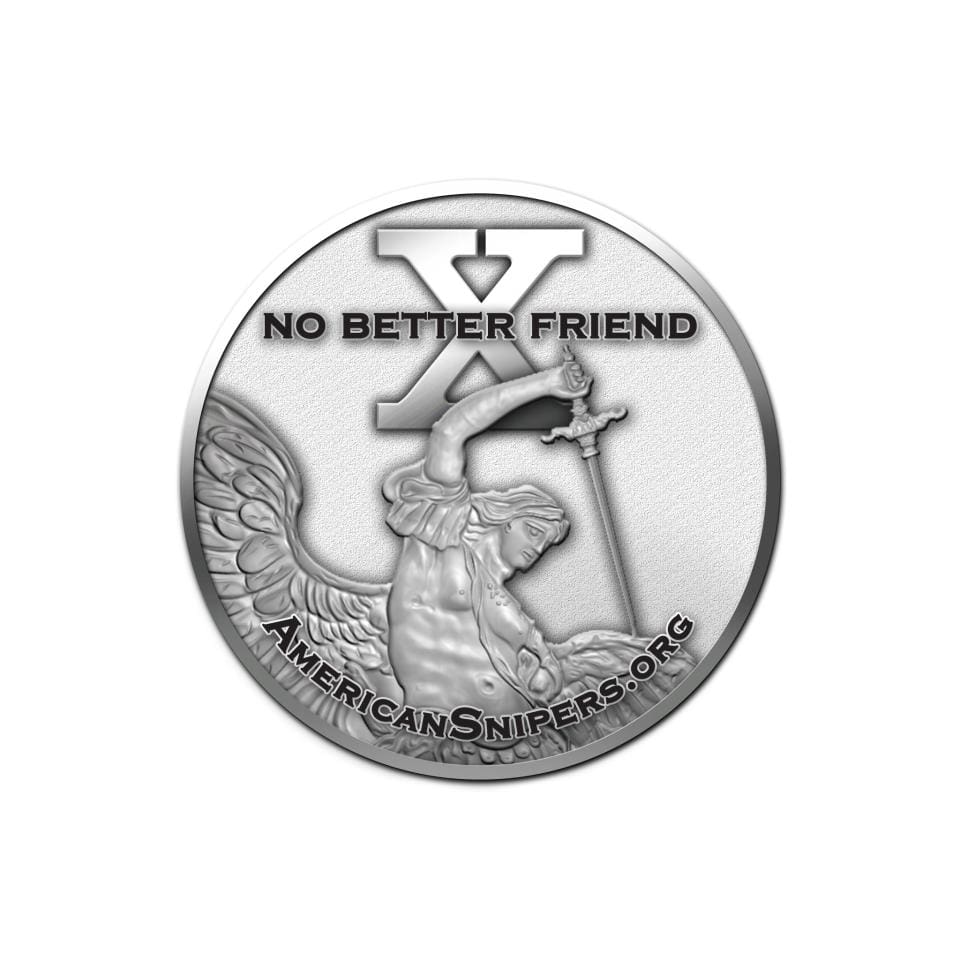
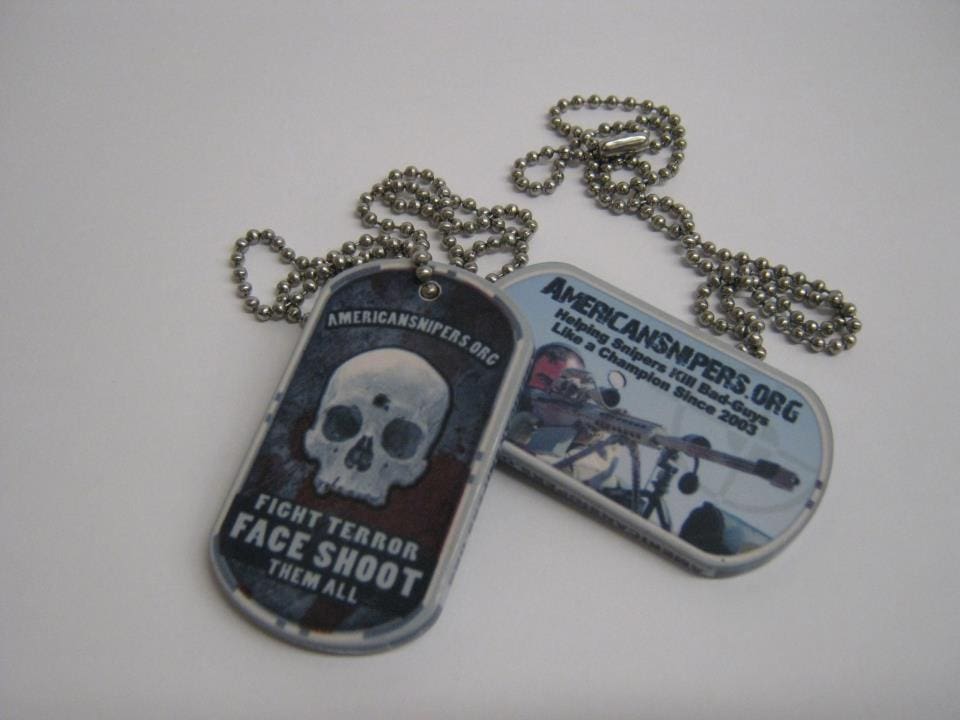
As always, AS.org also has some really cool swag which can be had for a modest donation. There are several patch designs courtesy of Combat Swag and z3ro Solutions as well as a new coin and ceramic dogtag:
– 10th Anniversary Coin
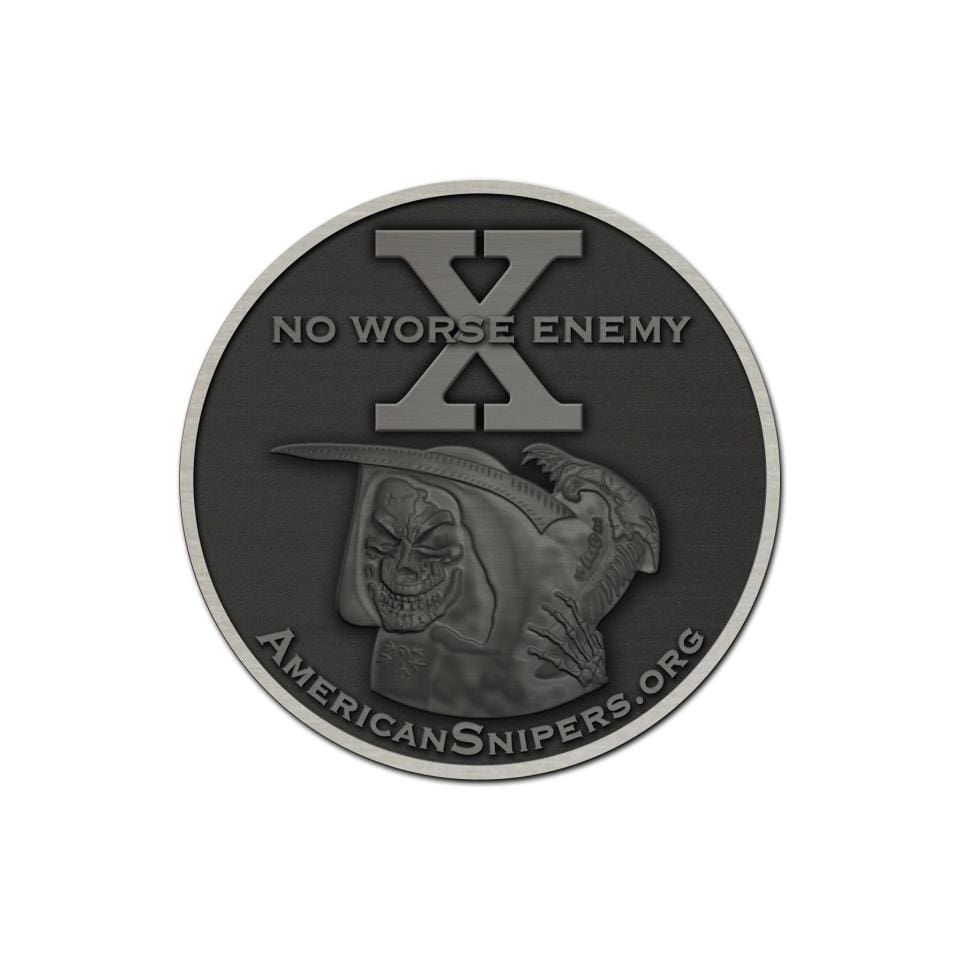
– Ceramic Dogtag (both Non-PC and PC versions) – limited numbers of this item and VERY limited numbers of the PC version.
Tactical Girls 2013 Cover Model Vanessa will be at the TEA Headsets Booth #7008 at the 2013 Shot Show next week in Las Vegas at the Sands Expo/Convention Center (Jan 15-18).

Make sure you stop by the TEA Booth to check out all of their latest products and meet Vanessa to get your 2013 calendar signed.
A portion of the proceeds from Tactical Girls Calendar go to AmericanSnipers.org which has supported snipers and designated marksmen in over 675 different platoons of the United States military and has raised hundreds of thousands of dollars in funds and gear for US snipers in all branches of the armed forces.
Support a sniper today through www.AmericanSnipers.org
POF (Patriot Ordnance Factory) recently commissioned Tactical Drawings to create a print for them. The result is “American Patriots – Defending the Homeland Since 1775”.
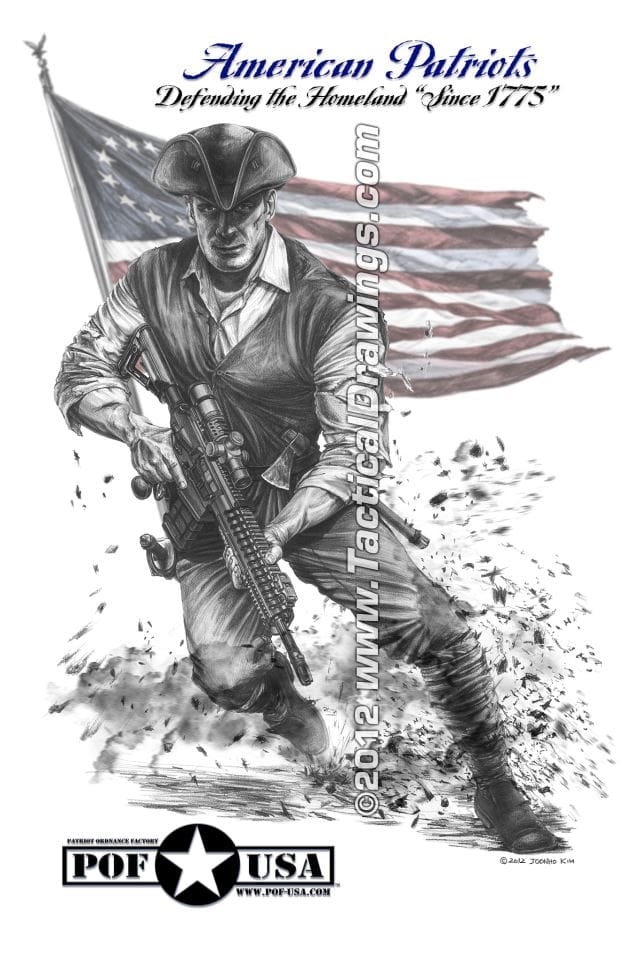
The goal of the drawing was to portray the Spirit of our American Patriots who will not bow down to tyranny – past, present, and future. The gun is a POF piston driven AR-10 .308 and the model is Craig Sawyer (former US Navy SEAL Team 6 sniper).
These will be available at the POF booth at SHOT Show.
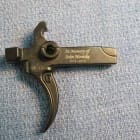
In memory of John Noveske, Geissele Automatics is doing a special run of their popular SSF triggers. There will be a limited run of 100 triggers, each with its own number. They will be available at SHOT this year at our booth #15159 and I expect them to go FAST. All proceeds will be donated to The Noveske Family. Graphics by TenPound Monkey.
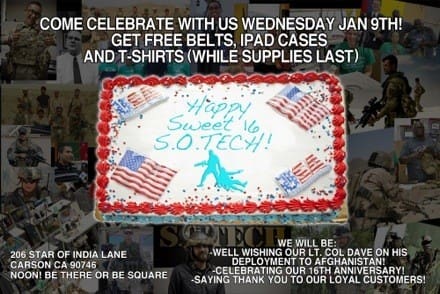
SOTech asked us to bass this note-
the Birthday party turned into a deployment farewell party for LTC Dave (leaving his name and unit out for OPSEC). After spending 6 months with us as our new Director of Operations he got mobed for 8 months!