Atrius Development Group

Archive for the ‘Packs’ Category

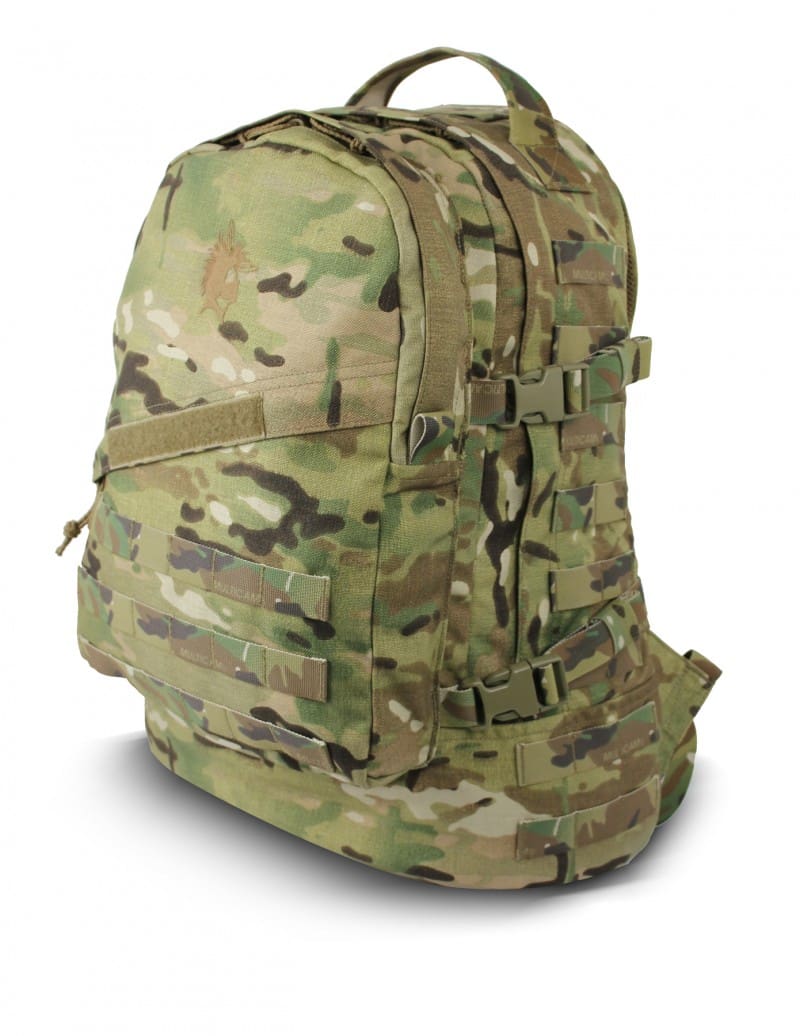
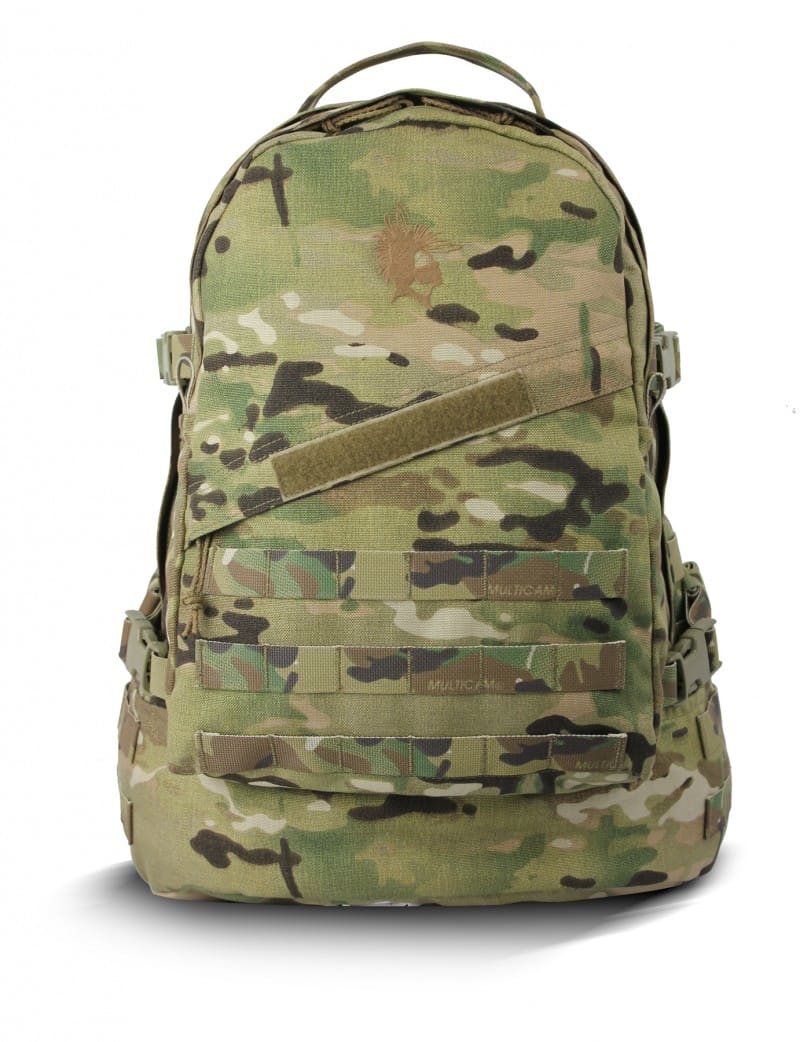
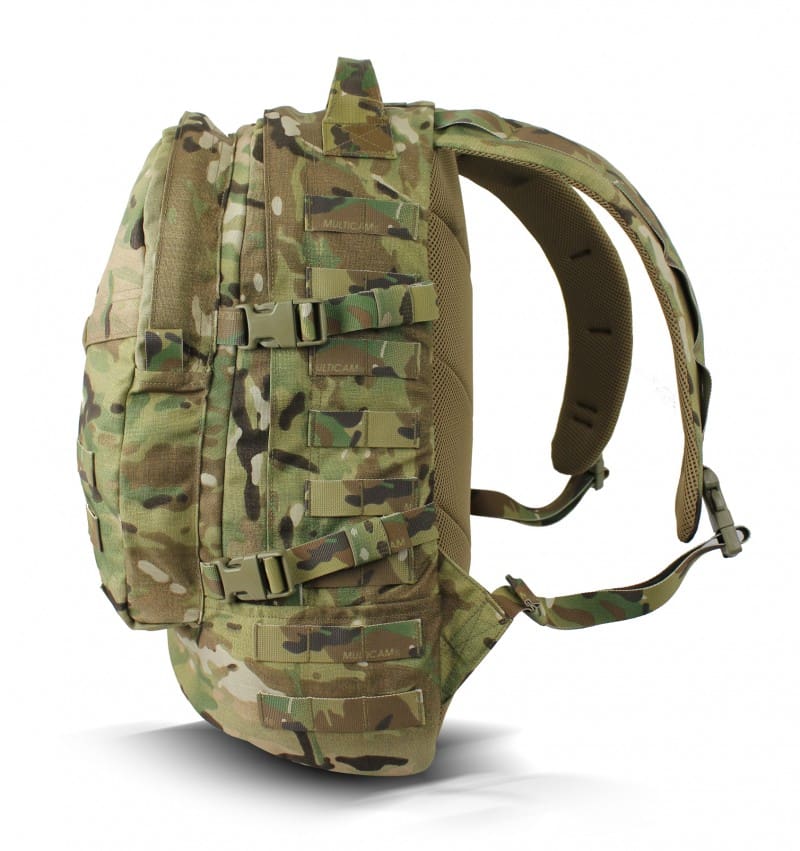
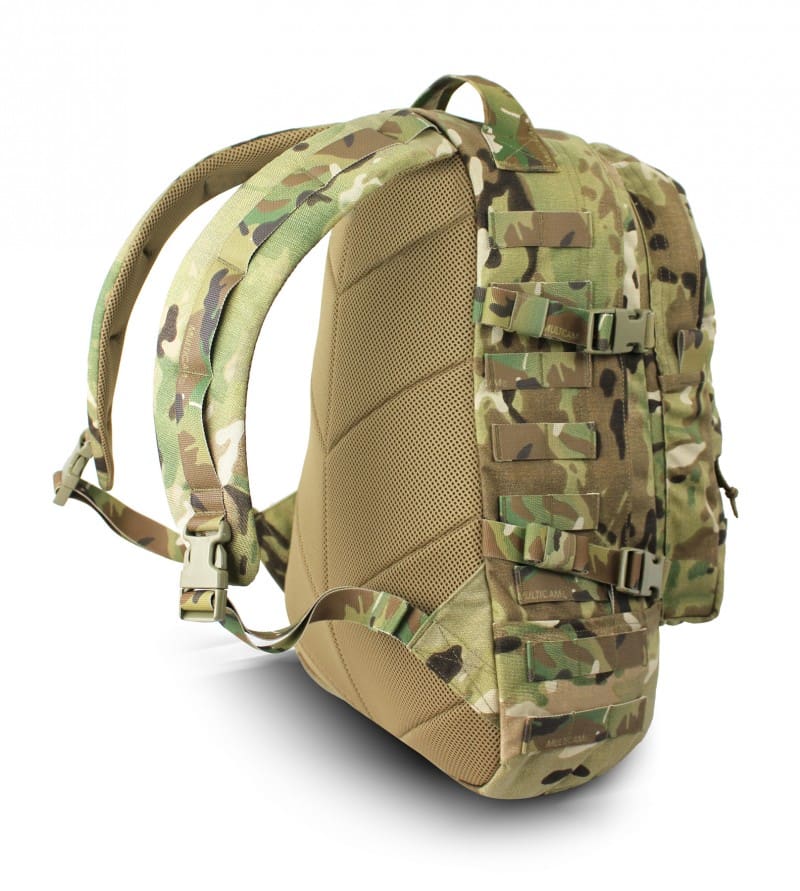
USMC Snipers Select Mystery Ranch Packs

Wednesday, October 21st, 2015

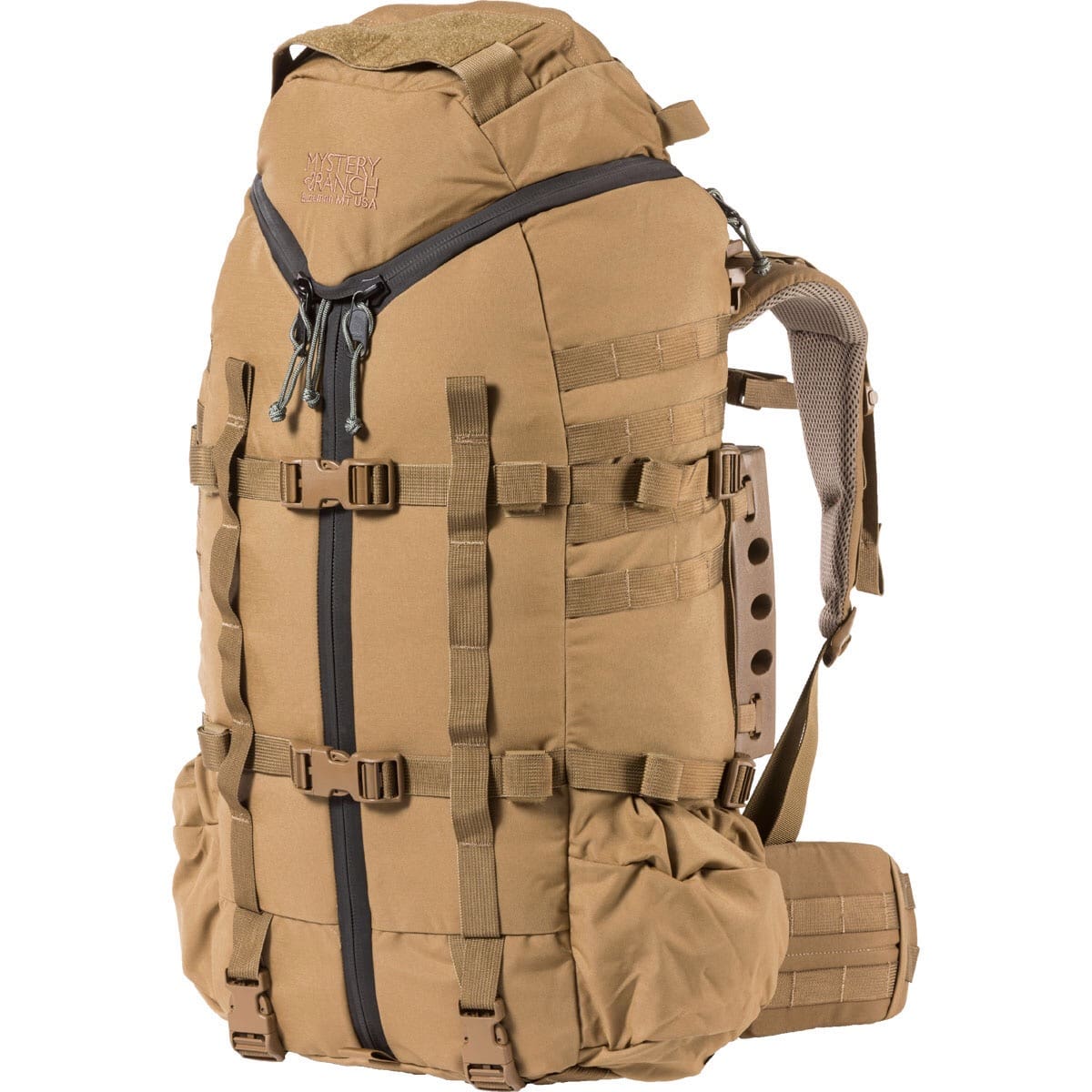
Marine Corps Systems Command selects Mystery Ranch by way of DLA’s Tailored Logistic Support Program to provide the Overload pack

  
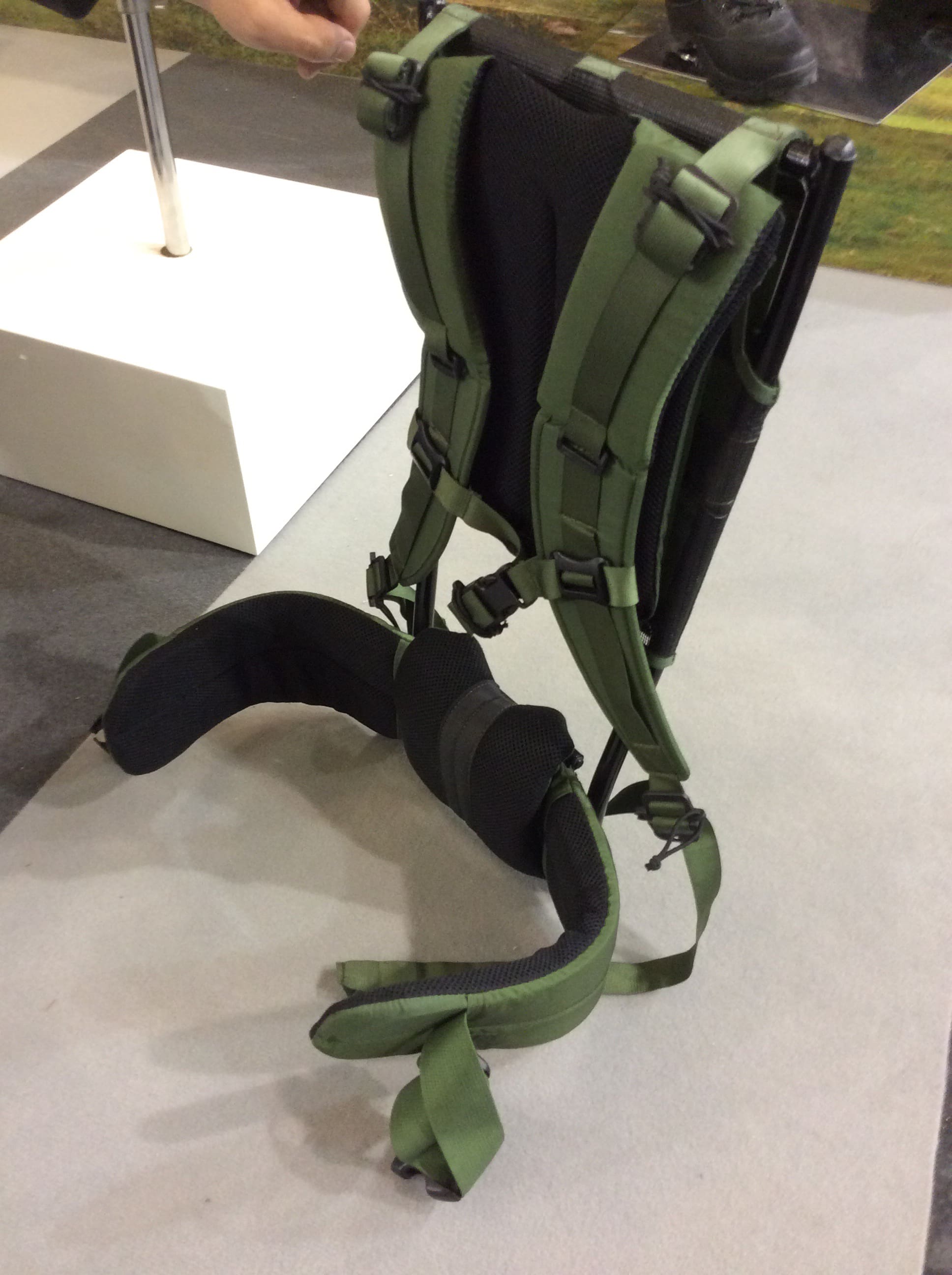
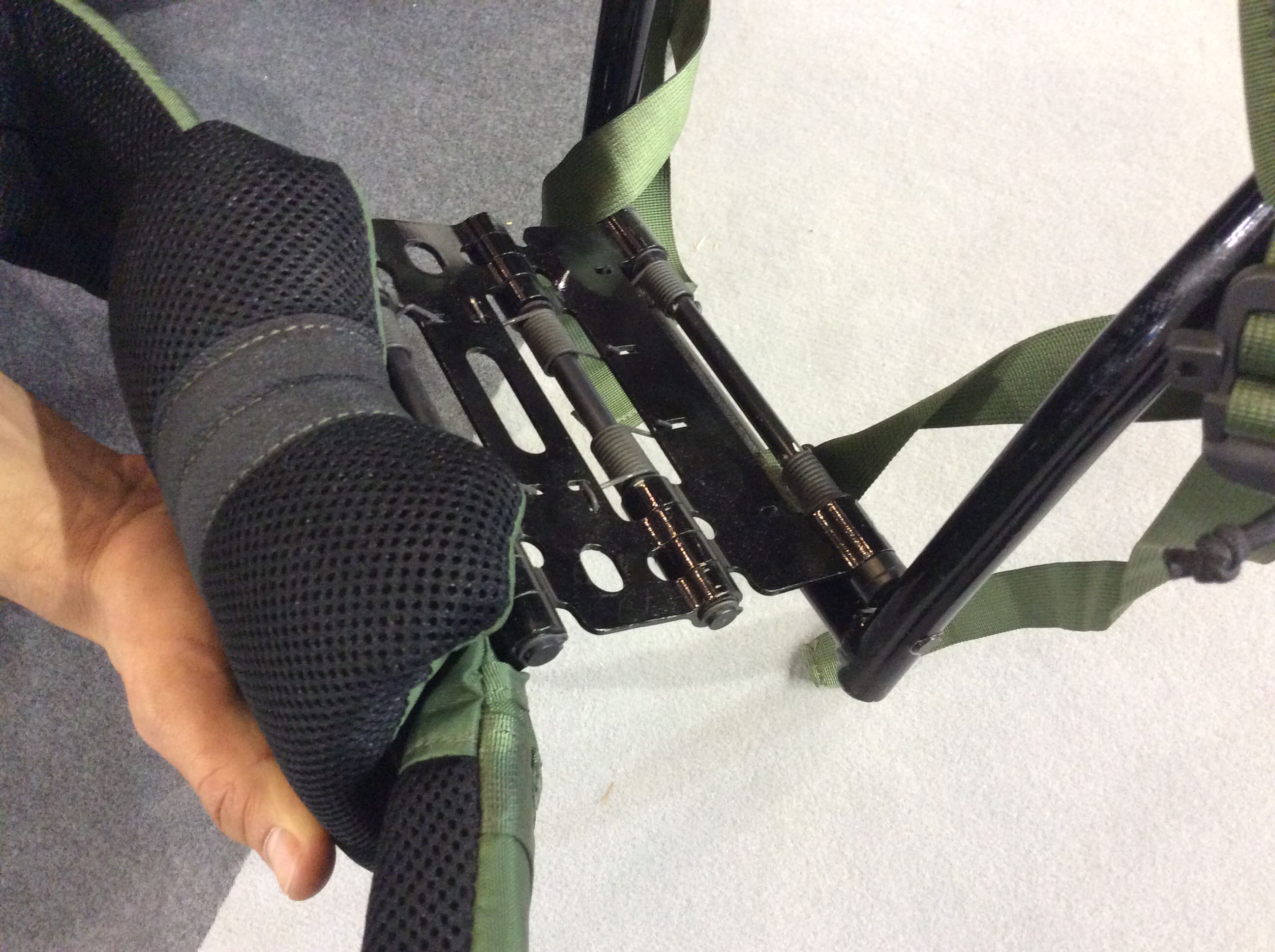
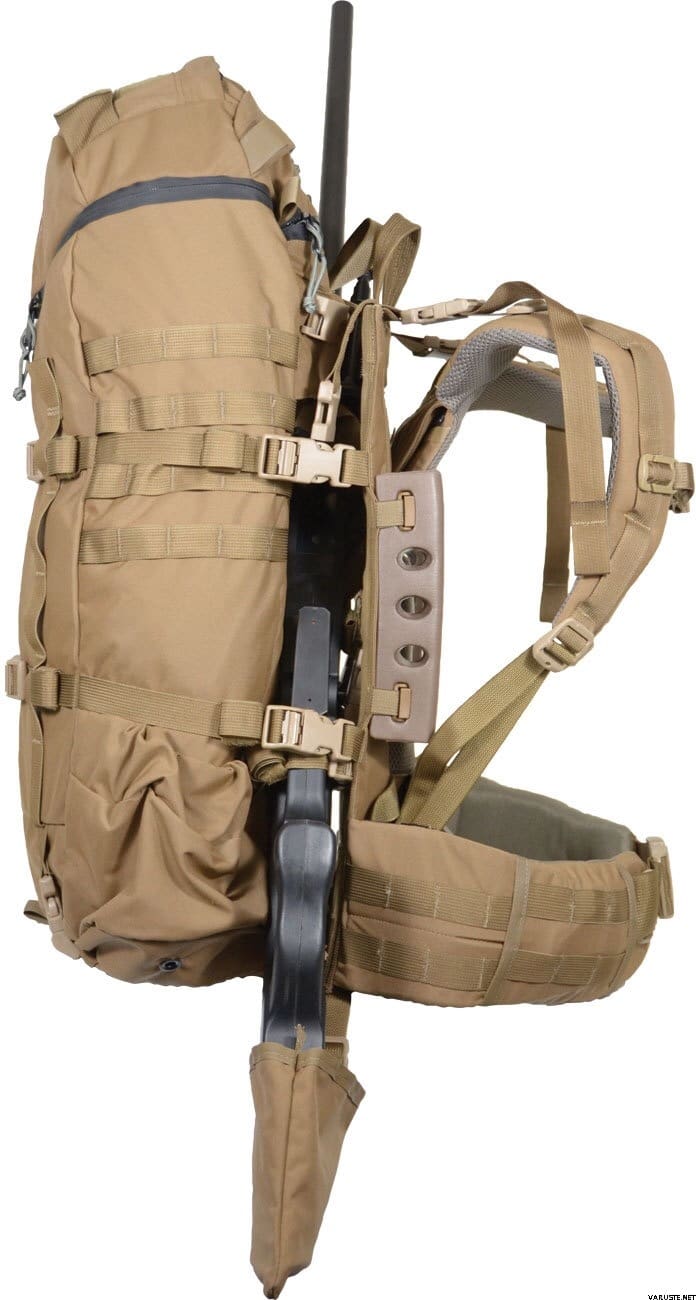
MYSTERY RANCH has been selected by Marine Corps Systems Command to provide their Overload pack for the Scout Snipers. The Overload pack is a unique carry system designed to securely transport all manner of crew-served weapons. Based on the carbon-fiber NICE frame, the pack folds away from the frame allowing weapons, etc to be attached close to the user’s back. Weapons are secured cross-carry, which allows for protection of a weapon’s optic while being transported and also helps conceal the sniper’s rifle from observation. Additionally, the pack can extend further to transport mortars, Pelican cases, ammo cans or larger gear.

  
“It’s great to see this come full circle for the Overload pack –its design began with the Scout Snipers. I’m proud that we’re able to help them be more combat effective.” said Kent Orms, Director of Gov’t Programs for MYSTERY RANCH.

The MYSTERY RANCH Overload has previous success with the Marine Corps; it and the 3-Day Assault pack have been the main issue packs for MARSOC since 2013.

www.mysteryranch.com/nice-overload-3zip-bvs-pack

The Baldwin Articles – ALICE Pack Trilogy: Part 3 of 3

Wednesday, October 14th, 2015

P1010006

In Part 2 we talked about modifications to the ALICE pack itself. In Part 3, I’ll focus on ALICE Frame and Suspension Upgrade options. It is fair to say that the weakest link of the ALICE pack system was the issue suspension system and the tubular aluminum frame. The LC-1 version of the frame was especially prone to breakage and Supply Sergeants had to keep a steady supply on hand for replacements. Especially in Airborne units where a number would be expected to be non-mission capable after each and every jump. The LC-2 version was reinforced and was indeed somewhat more durable but only to a point.

Arguably it wasn’t so much a flaw in the concept or the design but rather in the execution. It was the result of a deliberate compromise between strength, light weight and low cost. A couple of companies like Tactical Tailor and TAG make heavier duty metal frames for ALICE and ALICE clones. Both are welded rather than riveted like the issue frame. I have handled both and they do seem more robust and I have heard good things about them. However, as far as I know no Service has done any evaluations or issued any for rigorous troop testing. Nor have I used one personally. But if you prefer a metal frame to the newer non-metal versions then these would appear to be a significant improvement over the issue frame in terms of strength.

The search for a new frame for the ALICE packs goes way back. At least to the early 80s. Initiated not by the Army but rather by soldiers. The first candidate was the commercial Coleman pack frame. Individuals, myself included, experimented with using this frame in two ways. Some kept the frame intact. Instead modifying the ALICE pack itself with web tabs and grommets so that it could be attached to the frame just like the civilian Coleman backpacks. More of us actually cut the frame down with a hot knife so that it could be inserted into the envelope pad of the ALICE. This also reduced the length of the frame so that it was approximately the size of the issue frame. I used this cut down version for a couple of years. It was a little more comfortable than the GI frame. But it also tended to flex too much for my satisfaction when under load. So the search continued for a suitable replacement.

Other options were scarce for a long time. The Services began concentrating on internal frame designs like the CFP 90 in the late 80s. The tactical industry was quite small in those days. Some companies like Eagle made packs that utilized the ALICE frame but none were making modernized frames. And that didn’t change until the MOLLE System was developed in the late 90s. Some might not realize that, among other things, MOLLE was the last pack system that the USMC and the Army adopted concurrently. It also signaled at least a partial return to the external frame design. Although SOCOM’s SPEAR system was initially fielded about the same time. The first MOLLE pack frame had a ball and socket contraption that integrated the vest component to the pack component. That awkward innovation didn’t last long. MOLLE I was not well liked. And soldiers said so loudly in the AARs from the early engagements in Afghanistan in 2001-2. And the same was true of the SPEAR pack as well.

The initial reviews were so bad that shortly afterwards the USMC went a different way and tried the internal frame option one more time with the ILBE. The Army chose instead to issue a modified MOLLE II suite and has continued to update the base system ever since. The USMC eventually decided on an alternate external frame design called FILBE. MOLLE II now uses the DEI “GEN 4” 1603 frame and the FILBE uses their 1606 MC frame. I have a little personal history with the 1606 frame development. I was never issued the MOLLE rucksack but I did borrow one for a couple of days in early 2008 just out of curiosity. I immediately disliked the 1603 frame. I’m not a small guy but the frame was a little too wide to be comfortable for me and interfered with the natural movement of my arms. But I did like the concept and wondered if they had – or would be interested in producing – a smaller version. So I looked up the company and found they had just developed the 1606 which at the time came with a “hammerhead” rather than square top configuration. I asked if it would work on the ALICE? In response they sent me a sample. I think it was the only free piece of kit I ever received that I didn’t get from the government.

The hammerhead would not fit into the ALICE envelop pad. So I cut off and sanded smooth the ends so that it would fit. I provided a write up and some photos back to DEI explaining that if they squared off the head and made it compatible with ALICE and clones there would be a market IMO. They thanked me but said no thanks because they were concentrating on proprietary packs for the 1606 project and would continue in that direction. I kept using the 1606 I had modified and liked it a lot. Two years passed and I guess I wasn’t the only one that told DEI they were missing an opportunity. Because they started producing their 1606 AC (ALICE Compatible) version as well as the hammerhead 1606. Eventually they stopped production of the hammerhead all together. And, as they say, the rest is history. The 1606 was selected by the USMC for the FILBE and now for the Army’s Airborne 4000 pack as well as other commercial packs. The 1606 even works quite well on the Large MOLLE (top right). And of course the 1606 can be retrofitted to any ALICE or clone. If you still run one of those packs I would suggest the 1606 is well worth checking out.

After market shoulder straps or separate comfort pad sets started being produced and purchased by soldiers soon after the ALICE was fielded. The Army itself issued at least 3 different strap sets. The LC1 version had thin padding and only one quick release on the left strap. The LC2 had a thicker but shorter padded portion and dual quick releases. And finally, OD and woodland strap sets were produced that had better padding that extended the full length of the strap. However, inexplicably, that third set did not have sewn in attaching straps like its predecessors. A separate 1” strap was routed through a web bar on the shoulder strap to connect the padded portion to the ALICE frame. This arrangement was not an improvement. But that shoulder strap version did come with a sternum strap for the first time. Sternum straps are simple and very useful additions to any pack’s suspension and are ubiquitous on packs of any size today. Back then they were common on many of the after market strap sets or were fabricated by soldiers themselves for their ALICE packs.

HSGI used to produce what they called the Alipad (top center) and LBT still has a similar integrated suspension padding upgrade. I did not use the Alipad while on active duty because I liked having some open space between my back and the pack frame for ventilation. However, I have used it quite a bit in the last few years and have become more of a fan. Because it is a one piece design the Alipad “ties in” the suspension without adding too much bulk. In my experience there is a point of diminishing returns when it comes to added padding. Usually wider is better than thicker on the shoulders and lower back. However, this is an area when individuals definitely need to experiment themselves to find out what is right for them. One solution will not be right for all.

I’ll close by repeating some things I have already said. A “combat ruck” is any rucksack you have on your back when the shooting starts. A GOOD combat ruck is one that not only helps you carry the load but doesn’t make it harder for you to survive that encounter with the enemy. I again assure everyone that I am not, nor have I ever been, enamored with ALICE as issued. I have spent decades trying to improve ALICE for my own personal benefit if for nothing else. And I have eagerly tried every new wonder-pack that has come along in all those years. Always looking for something appreciably better for the direct combat role than ALICE. And I haven’t run into it yet.

Because despite its well cataloged shortcomings, I do believe the Large ALICE still represents the soundest design for a combat rucksack in terms of basic geometry. It does need modifications and modernization especially the frame and suspension as discussed in these last two articles. And I also believe that the Army would have been better served in the 80s if it had done what it has done with MOLLE. Concentrating on upgrading rather than fixating on replacing ALICE. CFP 90, SPEAR, ILBE and the other “better” packs didn’t fail because people were nostalgic or Luddites. Those packs failed because they weren’t really well suited to the mission. Much as the M16 has evolved over time into the M4 and countless individualized AR platforms. I would submit that ALICE is still a solid foundation or worthy template from which to build a truly better combat rucksack.

LTC Terry Baldwin, US Army (RET) served on active duty from 1975-2011 in various Infantry and Special Forces assignments.

Next: Cargo shelves and Pack Boards.

215 Gear – Enhanced Kit Bag, Large

Friday, October 9th, 2015

Enhanced Kit Bag, Large, Secondary, Web, White, Final

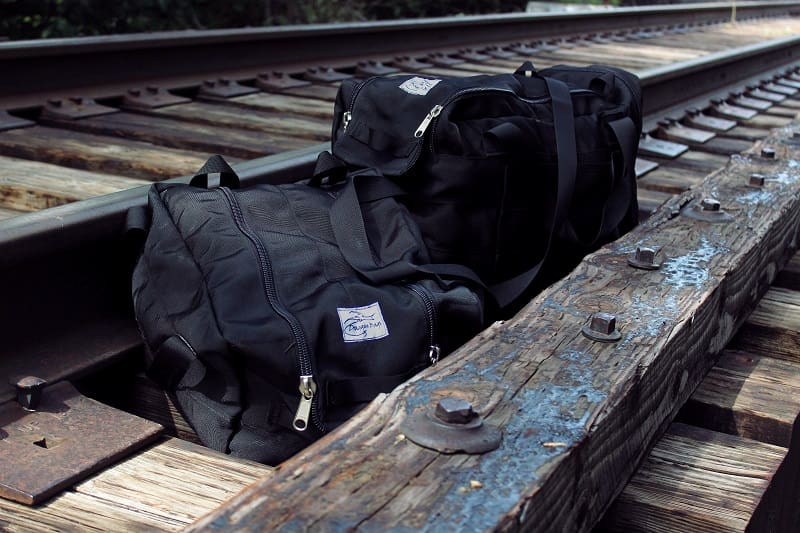
215 Gear’s Enhanced kit Bag, Large is a remake of the classic A3 US Aviator Kit Bag. Made from 1000D Cordura, the bag has been reinforced on all load bearing points with webbing and heavy #207 stitching. Large #10 coil zippers allow for ¼ top opening access, and the bag has full wrap around webbing handles, as well as fully reinforced side handles.

Bag dimensions: 21″ L x 20 1/2″ H x 11″ W

Available in Black, Coyote, and MultiCam. Made in the USA with a Lifetime Warranty.

www.215GEAR.com

The Baldwin Articles – ALICE Pack Trilogy: Part 2 of 3

Thursday, October 8th, 2015

Last time I talked about how functional a combat patrolling rucksack the Large ALICE pack was as issued. But at the same time it also certainly falls well short of being my idea of the perfect solution. So I’m going to cover some of the most common and useful tweaks, tune ups and upgrades that can be applied to make the pack itself better. I am limited in my visual aids for this portion since my personal ALICE packs only have a small number of bag modifications. Over the years I had experimented with some of the other options but I settled on those which were most useful for my needs and mission. This is definitely an area in which personal preference and your mission parameters will drive your decisions. If you live near a larger Military base there will likely be local sew shops that can do a professional grade job for you. Right now I think Tactical Tailor is the only place that provides Nation-wide mail in sewing service.

P1010003

I’m going to start with two additions that are probably the most universally useful. The first is the mounting of fastex buckles on the exterior pockets and the two long cinch straps. This is also probably the most common upgrade and makes getting in and out of the pack much easier. Not expensive and well worth the money. The Army probably would have put fastex on ALICE by the 90s if the emphasis had not been on replacing it with a new system. Instead we continued to purchase the metal buckle version until the contract eventually lapsed. The second addition is a carrying handle. Without a carrying handle people tend to grab the ALICE by the envelop pad and rip it loose. We used to fabricate handles out of 550 cord or better yet 1” tubular nylon and attach it to the top of the frame. Later those sew shops I mentioned stated putting even better webbing handles directly onto the bag itself for their customers. With ALICE, the one handle on top got the job dome. The Large MOLLE II also has a sewn in handle and the USMC’s FILBE even comes with handles on the sides as well.

Let’s talk about pockets. There are a number of high quality ALICE clones that come with 8-10-12 pocket options. Or you can have that many sewn onto your USGI ALICE pack. If you need that many pockets I say go for it. But if you want more pockets because you “want to carry more stuff”, I’d say think again. I would recommend adding only enough pockets to move critical or frequent use items from the interior to the exterior of your pack. I eventually settled on a total of five pockets. Two claymore pockets, one on the back and one on top as shown. A small pocket on top that I kept a survival kit in and two long hydration pockets which I had sewn on the inside on either side of the bag. It behooves you to keep the profile of your pack – any pack – in all dimensions as small as you can manage. And it is especially desirable if at all possible not to expand the flanks of the pack out much wider than your shoulders.

Sleeping bag extensions are a fairly popular option. I haven’t seen the need myself but then again I have not been working in extremely frigid environments for many years. A light bag and a bivy have been enough for my needs and didn’t take up enough space to justify the extension. However, if you expect or need to carry the full military sleep system or civilian equivalent then it would be worth it. And much better than strapping your sleeping bag underneath the pack. Or burying your sleeping gear at the bottom of the pack so that you have to unload everything to get to it. As readers may recall, the first generation of MOLLE was actually a two part system with main pack and a separate sleeping system carrier that could be strapped underneath. The MOLLE II combined the two and has a crescent shaped zippered opening on the bottom quarter for separate access to a sleeping bag. The FILBE has a similar arrangement.

Adding straps to secure 2-Quart Canteens and E-Tools to the sides of the ALICE (or MOLLE for that matter) is also helpful. I used these for many years and recommend them if you are routinely carrying those items. Besides providing additional security these straps keep the items from flopping around when moving. While I was in the infantry I used one of each. In Special Forces it was two of the 2-Quarts since I had much less use for an E-tool. Then eventually I transitioned to Camelbaks carried inside as I already mentioned. PALS webbing or panels are not as common a modification. But they are something that Tactical Tailor offers for the sides of the ALICE or their MALICE version. This will allow you to add MOLLE type pouches to the outside of the pack. As with the directly sewn on pockets I would caution anyone not to add pockets that are not essential for your mission.

Storm collars are common on most top loading rucksacks today, even the smallest. It is a useful modification to consider applying to your ALICE. All of the long packs I spoke of in Part 1 had storm collars. Oddly, the Large MOLLE I & II did not initially come with one. However, the latest version of MOLLE does now have a storm collar as does FILBE. Side compression straps are also common on most packs today whether side or top loaders. However, this has not been a very popular modification for ALICE packs. Partly because you can compress the ALICE down pretty small with the main pack straps. And perhaps also because many people chose to add pockets on the sides instead. MOLLE II had 2 compression straps per side but now comes with 3 per side. FILBE has 2 per side.

RTO zippers are an excellent mission enhancing alteration for any RTO or anyone carrying a larger radio. I tried it myself on one of my packs years ago. Not because I was performing RTO duties, but because I wanted quick access to the radio pouch inside. I used to keep star clusters, parachute flares and smoke grenades in there. That worked pretty well. Later, I added the claymore pouch on top and moved my pyrotechnics there. And that worked even better. As with storm collars, MOLLE did not have RTO zippers until the latest iteration was fielded. FILBR also has a zipper. Likewise, the addition of antenna or hydration tube ports has gained in popularity over the years. Primarily because more and more people started to carry hydration bladders in their packs as well as considerably more electronic gear. A note of caution here. As I mentioned earlier I settled on only a handful of the options that I considered mission enhancing. If you think you need to apply most or ALL of these adjustments to get the pack you want. Then I would say the USGI ALICE is not the rucksack you need to be spending your money on. Look at commercial clones or other quality manufacturer’s products instead.

Piggyback assault packs. For many years I have used the Patrol Pack from the CFP 90 (top left) as what I always called my “actions on the objective pack”. Not to carry more of my stuff. Rather, I used it to collect what we now call SSE material off an objective or prisoner. Otherwise it remained mostly empty but there if I needed it. It was common in the 90s and early 2000s for SFQC candidates to carry a variety of small after-market packs on top of their ALICE for similar purposes. I guess that is considered outdated TTP now. The SPEAR pack came with what could only be described as a full-fledged 3-Day pack that was supposed to ride on the back of the main pack. MOLLE II came with a somewhat more reasonably sized Assault Pack. The problem is that today each of these small(er) packs are usually filled to capacity. And are always additive to the weight and bulk of the main pack’s load.

Load planning and load discipline may need to be a separate topic for another day but I will touch on it now. There was a time when we didn’t have so many options and we organized our gear in three discrete echelons. The fighting load which involved only two ammo pouches for magazines and grenades, two canteens and maybe a buttpack with poncho and a meal. In the rucksack was the existence load which was mission essential gear: comms, ammo, water and some environmental clothing (wet weather and / or cold weather) and minimum sleep gear. Items “common to all” as we used to say. Everything else went into the duffel bag or kit bag to be delivered later because those items were NOT mission essential. I know that is an old school SOP and even then was violated on a regular basis. But the fact is we’ve long ago lost sight of load planning fundamentals. Now, everything and the kitchen sink has migrated onto the soldiers’ backs. Just in case. We’ve added the significant weight of body armor and we’ve removed nothing. And instead of addressing the problem we keep making the packs bigger! There is no commonsense in that and no sound tactical reason to allow that to happen.

iraq-loading-1006

I have included a fairly famous photo of a hard charging paratrooper from the 173d ABCT after the jump on an airfield not far from Irbil in Northern Iraq. Note that he is heavily overburdened. The irony is there was no compelling need for his leaders to load him up that way. He jumped onto an airfield already secured by Kurdish Peshmerga and US Special Forces. An airfield where US aircraft had already been airlanding in the nights prior. An airfield that additional US aircraft continued to utilize almost immediately after the jump, exactly as planned. So why did this soldier’s chain of command think he needed to carry all of this stuff on his back during the initial insertion? I don’t know. But I will tell you it is just one example of bad load planning and failed load discipline that was a daily occurrence for US Forces in Iraq and Afghanistan. And we damn well know better. We just can’t seem to muster the collective will to reverse this trend and actually manage the soldiers load. In the end, it’s not about what style of pack we issue, it is about leadership.

LTC Terry Baldwin, US Army (RET) served on active duty from 1975-2011 in various Infantry and Special Forces assignments.

Next: Part 3, ALICE Frame and Suspension Upgrades and Replacements.

Chase Tactical – Warrior Wednesday – Warrior Assault Systems X300 Pack

Thursday, October 1st, 2015

W-EO-X300-1

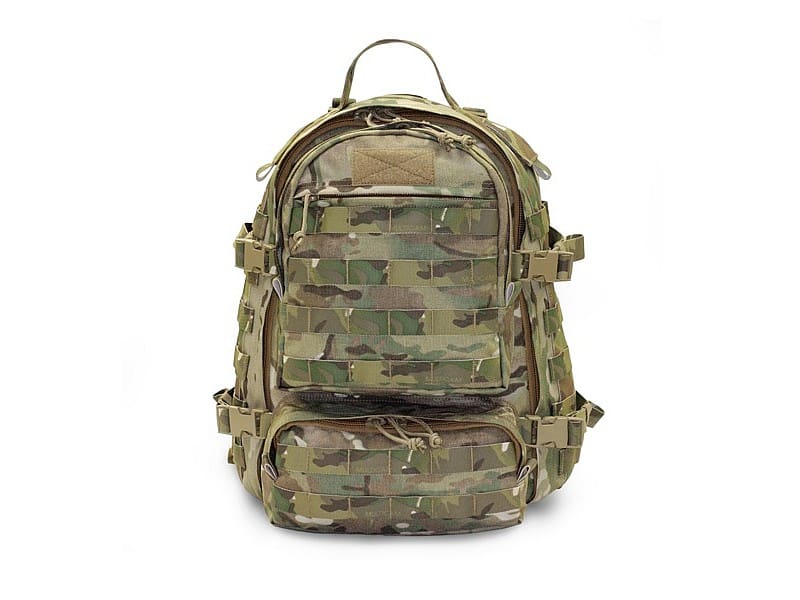
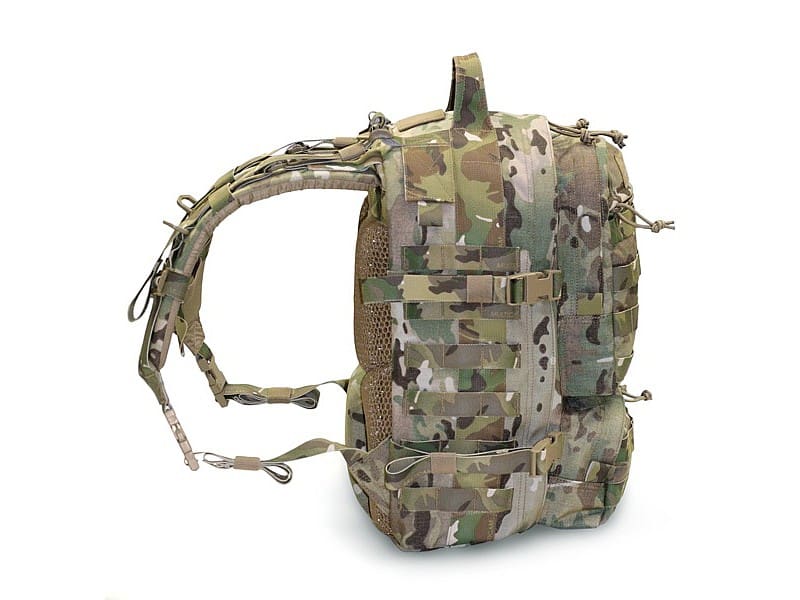
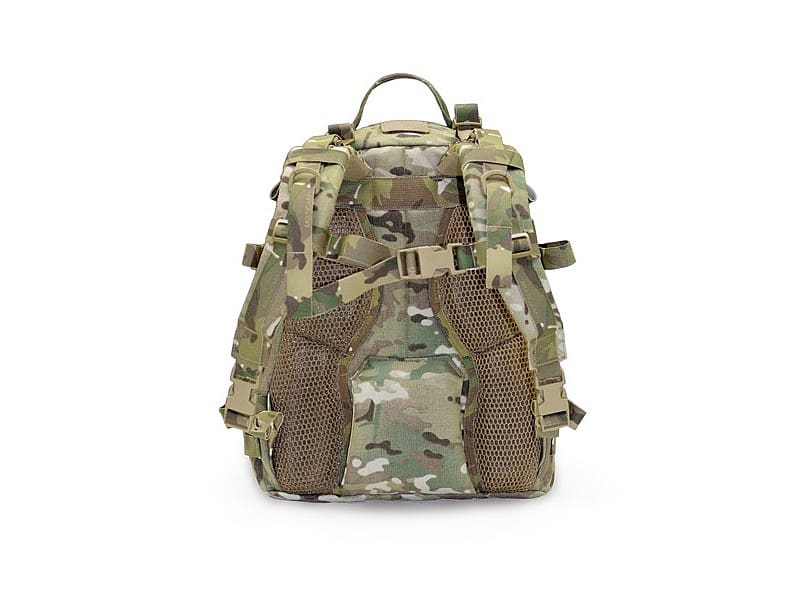
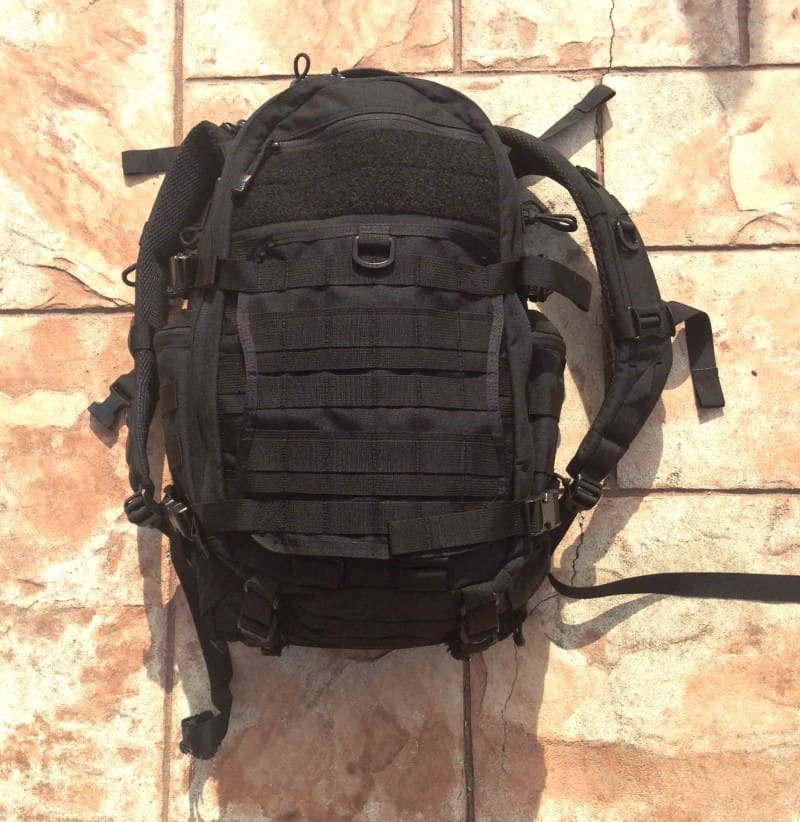
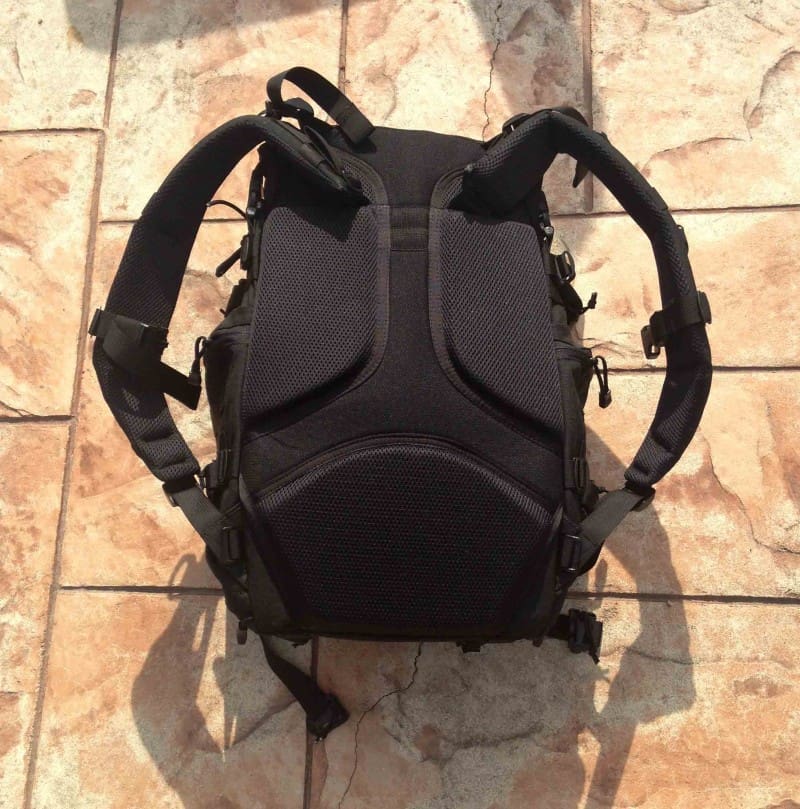
The X300 was designed with specific input from SF units with a requirement for a strong yet light weight versatile pack which allowed for compartmentalized storage with top and middle opening and exceptional comfort. The requirement was for features such as removable padded belt system, variable height harness adjustment, 5 external storage pouches with large main compartment.

W-EO-X300-2

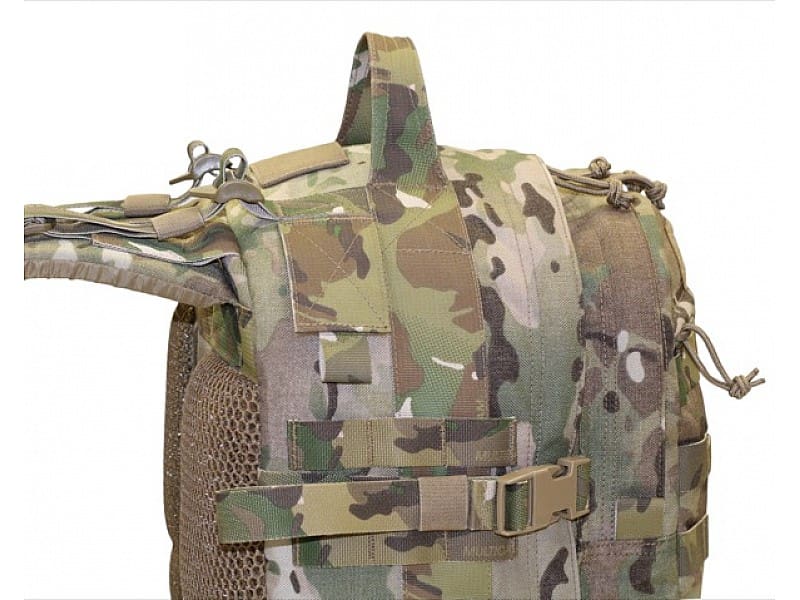
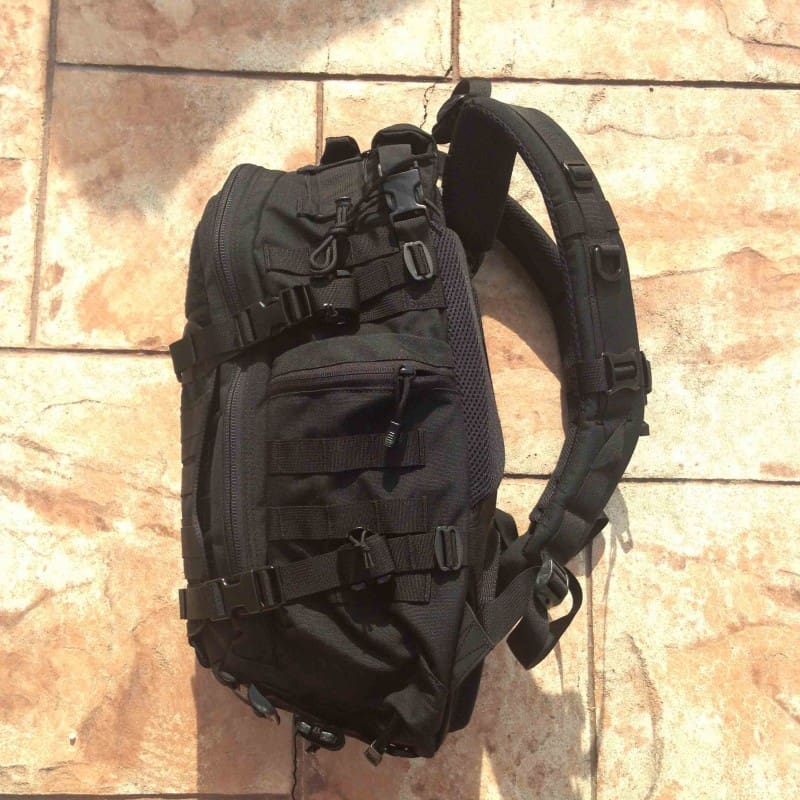
The X300’s narrow design allows for efficient movement in a wide variety of environments (excellent in Urban Environments, Narrow Streets, Door Ways, Houses etc). The X300 has 3 – Man Down handles (1 x Top Center 1 x left side, 1 x right side) which allows for 2 man rapid extraction of a casualty.

W-EO-X300-3

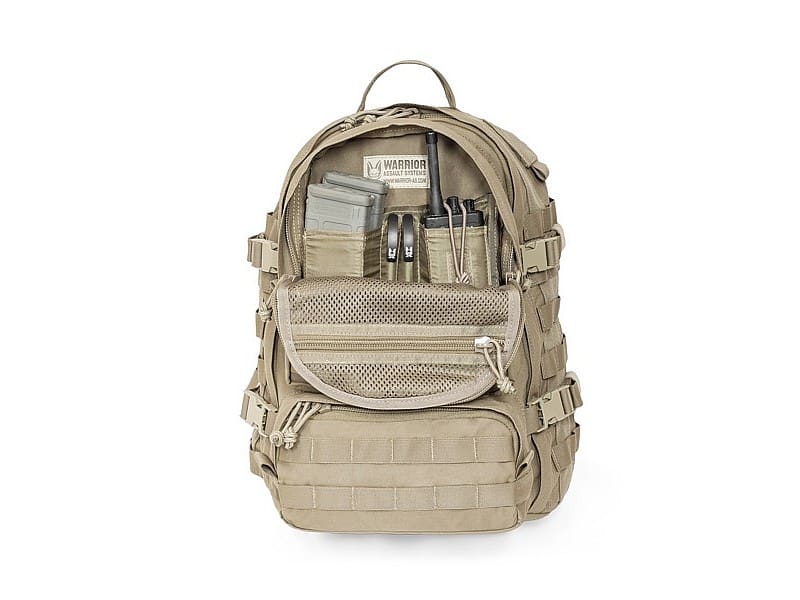
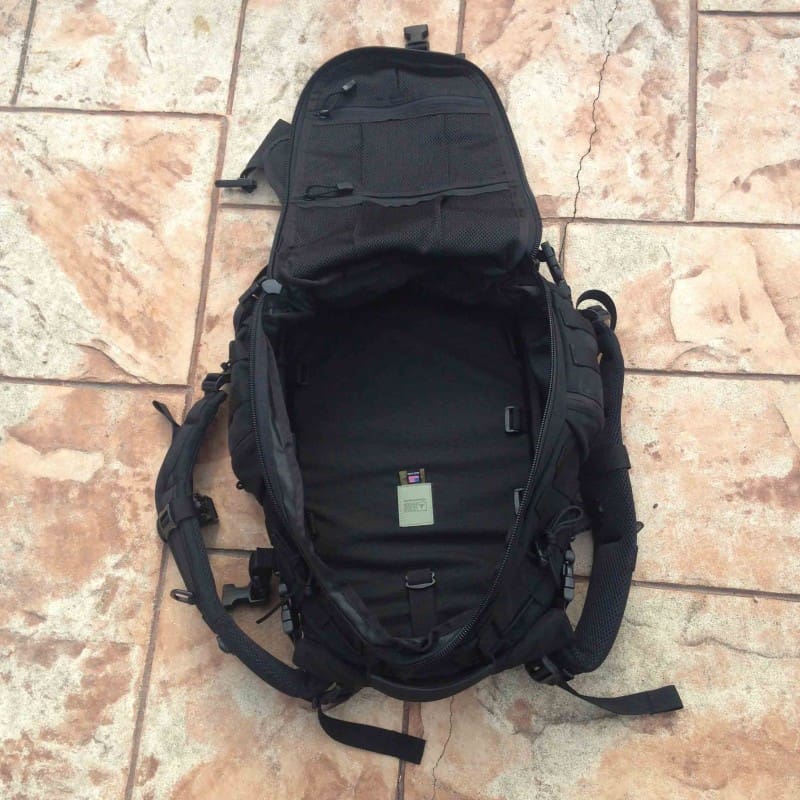
Pack access is via a Helmet friendly Top Opening lid with Claymore Style heavy duty zipped pouch on top side, also features map style pocket on the inside. Additional access is via the large reinforced center pocket, this features a heavy duty size 10 sealed seam zip which opens into a medium sized quick access pocket, (the flap opens top to bottom) this main external pocket is lined with a heavy duty air mesh fabric which has a similar zipper which opens (bottom to top) allowing convenient access to the middle and bottom of the pack.

W-EO-X300-9

Large MOLLE pouches run down both sides with internal compartments and pockets for storage. The X300 also features a lower horizontal pouch and the underneath of the pack accommodates a final zipper compartment with removable liner bag for separate storage of wet items of clothing etc. in a dedicated compartment.

The entire pack is covered in 1″ Murdock MOLLE Webbing which allows the attachment of various pouches to increase carrying capacity.

Size
Main Compartment
23″ x 11.5″ x 8.5″

No. 1 Outer Compartment
2″ x 11.5″ x 10″

No. 2 Outer Compartment
14.5″ x 10″ x 2″

No. 3 Outer Compartment
1″ x 11.5″ x 4.5″

Capacity
55 Litre (Approximately)

W-EO-X300-7

The Warrior Assault Systems X300 Pack is currently available in MultiCam and Coyote.

All Warrior Assault Systems products are made from genuine U.S. Mil Spec materials and hardware.

www.ChaseTactical.com

SOCOM Interested In Updating Rucksack Suite

Monday, September 28th, 2015

Natick’s Program Manager Special Operations Forces has issued a Request For Information seeking vendors of Assault, Patrol and Recce Packs (they’ve already selected a Jungle Pack). Specifically, they are interested in information and sample materials for test and evaluation purposes of available Rucksacks with an internal or external frame that are capable of meeting the following Key Performance Parameters (KPP’s): 

Overall backpack systems will adhere to the following table:
 
Failure to meet a KPP will eliminate the product for further consideration.
**ASTM F2153-07 Standard test method for measurement of backpack volume will be used as the baseline. 

1. Volume 

Volume does not to include removable exterior pouches or top flap. Volume measurement will include internal main up to the spin drift sewn to main bag. Exterior permanent pouches (sewn on) will be measured and added to the total volume of rucksack. 

2. Weight 

Weight will include main pack with top flap (whether removable or not) and radio retention system. Weight will not include any removable pouches. 

3. Must be acceptable and interface with current body armor (BA) and plate carriers: CRYE AVS and Eagle MMAC 2012 and legacy load carriage systems (LCS). 

4. Environmental conditions cannot degrade the system to the extent that is cannot be used for its intended mission. 

a. Must withstand the effects of the full climatic range of operations. (-50F / +185F) 

b. Must be rot, mildew, salt water, UV light and petroleum, oils and lubricant (POL) resistant. 

c. Must have a shelf life of not less than five years prior to issue. 

5. Color choices should be consistent with current Body Armor Load Carriage Systems (AOR 1, AOR 2, Multi Cam, and Coyote). 

6. The Assault, Patrol and Recce Packs will provide for a removable radio retention system capable of being mounted high against the internal pack capable of holding a suite of SOF radios to include but not limited to the AN / PRC 117 (3.2 in H x 10.5 in W x 13.5 in D). 

There are numerous other requirements in the full RFI located here.  As of right now, there is no requirement that a vendor must offer all three solutions to participate but Natick wants your sample packs by 5 Jan 2016.  You can deliver up to two entries per category but the samples must be void of any logos or other branding.  SOCOM wants the best technical solution rather than a popularity contest.  

The Baldwin Articles – ALICE Pack Trilogy: Part 1 of 3

Monday, September 28th, 2015

I am going to talk mostly about the ALICE Large Combat Field Pack (rucksack) (bottom right) because that is the version that I used almost exclusively during my time in service. But I didn’t always have one. During my tour in Germany (75-78) I never saw them. We were issued strictly M1956 Load Carrying Equipment (LCE). I discovered ALICE when I rotated to Ft Lewis in the fall of 78. In stateside infantry units at that time we were issued medium rucksacks with frames and only RTOs got the large rucksacks. However, the large packs were sold at Clothing Sales. I don’t remember the price, but it was cheap. So just about every NCO and Officer bought their own for the field. And that was basically how it worked on my next tour in Hawaii. But it seems to me that when I inprocessed at the 82nd in 1983 everyone in the infantry battalions got issued the Large. In any case, in Airborne and Special Operation units the large ALICE rucksack was the standard.

The Army and USMC experimented with various rucksacks in WW II including a “Jungle Pack” that looked a lot like some of the new jungle packs that are being tested today. There had also been a popular “Mountain Rucksack” issued to some specialized units. Versions of that ruck were used quite a bit by Special Forces in the 50s and early 60s. But conventional units in WW II and Korea mostly did without. Small packs carried the soldier’s fighting load and perhaps a minimal bedroll and everything else went into the duffel bag to be moved by transport. That worked after a fashion but usually left the foot soldier shivering in the cold in both conflicts. But even that less-than-satisfactory experience didn’t convince leadership to make a rucksack general issue to the troops. So the post-Korea M1956 gear was fielded without a rucksack component.

Then came Vietnam. The long movements and extended operations in the jungle terrain kept adding more and more weight onto the soldiers’ backs. So eventually two different rucksacks were fielded during that conflict with mixed results. One is the Tropical Rucksack also called a Jungle Rucksack that I have on display (bottom left). As you can see it is nearly identical in size and pocket configuration to the medium ALICE. It has a spring steel X frame that is longer but similar to the frame on the canvas ARVN Pack. The other issued pack was the Lightweight Rucksack which came with a tubular aluminum frame. I don’t have one but if you have seen Platoon or some of the other Vietnam War movies this is the one the actors usually carry. Neither was entirely satisfactory in service but features of both were eventually incorporated into the ALICE packs.


ALICE was very much a product of the hard lessons learned from extended infantry combat in Vietnam. It is what I would classify as an excellent combat patrolling rucksack. That is it was optimized to fight and live out of for long duration dismounted operations. Despite its origins, it was also definitely not just a jungle ruck. It was intended for worldwide deployments and functions equally well in the desert, mountains, jungle or artic. It is simple and adaptable and can readily meet the load carriage needs of the Paratrooper or the Marine and anyone from conventional riflemen to Green Berets and SEALs. The ALICE rucksack is probably the closest thing to a truly universal piece of kit the US Military has ever developed.

  
A number of packs have been tested or fielded in the interim intended to replace the ALICE. The first contender I encountered was the Lowe LOCO pack (top left) which came out in the early 80s. That eventually morphed into the CFP 90 (top middle) which in turn led to the Gregory SPEAR pack (top right) and the USMC’s Arc’teryx ILBE pack (not shown). All of these were high end backpacks designed by leaders in the civilian backpacking industry. They had suspension systems that were much more comfortable than the ALICE. Yet none remained in service very long or were ever very popular with troops who live, work and fight with a rucksack on their backs. And the reason for their rejection was simple. None of them were very good combat patrolling rucksacks. The very features that made them attractive to civilian outdoorsmen made them less than ideal for soldiers as compared to ALICE. Three common characteristics in particular were problematic. Their height, the internal frames, and the extended padded waist belts.

First, they were simple too tall. Extending above the shoulders as high or higher than the top of an individual’s helmet and blocking head movement and vision. Not necessarily a significant issue if conducting an administrative roadmarch for physical conditioning but a critical problem on a tactical Movement to Contact – even if just in training. Paratroopers probably disliked those long packs the most. None of them rigged very readily for airborne operations and because of their length they inevitably drag on the aircraft floor for even the tallest jumpers. And the shorter the jumper the more of a safety hazard the long packs became. I recall my ODA jumping the CFP 90s just one time not long after Desert Storm and that experience was so unpleasant that we went back to ALICE for good the next day.

The internal frames are also not as suitable for combat operations as an external frame. Soldiers routinely carry heavy and odd shaped loads like mortar bipods and baseplates secured to the outside of their rucks. Tying items like that off to a rigid external frame rather than just to the exterior of the rucksack bag keeps the load much more stable and manageable. And as with the height issue mentioned above, internal frames are not conducive to easily rigging these packs for jumping as compared to external frame designs. Internal frame packs intentionally hug the wearer’s body when worn and do not leave space between to facilitate ventilation. Although admittedly this criticism is perhaps not as relevant today when body armor is routinely being worn. The tall internal frame packs also do not naturally sit upright like the short and squat ALICE with its external frame. Soldiers have to find something to lean the long packs against in order to load or unload items or even to put the rucksack on or off. The internal frame packs are simply less user friendly and can actually make the job harder rather than easier.

The long packs all had extended padded waist belts that were intended to distribute part of the load onto the hips. Assuming an individual’s waist and hips were actually clear of fighting load gear. This wasn’t and still isn’t usually the case. In short, while well intentioned and sound in theory, wrap around padded rucksack waist belts always interfaced poorly with LCE / LBV or body armor and tended to get snagged or tangled up with the other gear. That made donning and especially dropping the backpacks much more complicated and troublesome than it had been with ALICE. And getting tangled up with a rucksack can be more than just an annoyance; it can be dangerous. Therefore most experienced troopers kept the waist belt / pad wrapped back around the frame or pack body and as much out of the way as possible. All the time. And from what I have observed that still remains true even today.

Lots of people look at older gear as clunky and unsophisticated…and therefore deemed to be less effective than newer kit. I prefer to think of the ALICE pack as a flexible, rugged, classic design. And like all classics it continues to enjoy popularity at least in some professional circles because it always functions reliably. It gets the job done. When I retired a few years ago ALICE packs were still a fairly common fixture in many Team Rooms (I expect they still are today). Not because there were not newer “sexier” alternatives available or that people were adverse to change. But rather something that works as well as ALICE just doesn’t go out of style until something that is proven to be much better comes along. So far that hasn’t happened. It is no accident that the USMC’s current FILBE pack clearly shows its ALICE roots. And many of the complaints I have heard about the MOLLE II Large Rucksack could be fixed if it were actually a little more like ALICE (something I intend to discuss another time).

Some might take umbrage if I called ALICE the gold standard of combat rucksacks. I agree that is probably too grandiose a characterization for the old girl. But I do think it is fair to say that the ALICE pack still remains the baseline standard by which all newcomers will have to be judged for many years to come. ALICE packs were obviously not perfect. That is also a fact. But I submit that if tasked to develop a single multipurpose or “full spectrum” combat rucksack today. One that could be versatile enough to effectively fill so many diverse roles for so many people in so many different combat environments. I have no doubt the resulting rucksack would look a lot like ALICE. And rightly so.

LTC Terry Baldwin, US Army (RET) served on active duty from 1975-2011 in various Infantry and Special Forces assignments.

Next: Part 2, Common ALICE Pack modifications.

Hatch Introduces Sling Carry Pack For Law Enforcement And Military Personnel

Wednesday, September 23rd, 2015

HAT_S7_Tactical_Sling_Bag

New S7 Sling Pack carries essential gear and offers ergonomic, efficient design

ONTARIO, California – Hatch announced today that it has released its S7 Sling Pack featuring three key design elements to create efficiencies in the field for law enforcement and military personnel. This new quick-action bag—designed to carry an officer’s essentials in a less bulky, easier-to-access, and more streamlined way—features a C-clip which attaches to the belt to reduce bouncing, a top flap that opens outward and away from the body, and a contrasting interior color.

“We study the movement and actions of officers and military in the field and constantly look for ways to innovate our products to make their jobs easier,” said Scott Carnahan, Vice President, Equipment. “The features in the new S7 Sling Pack achieve that goal by providing efficiencies designed to simplify tactical movements.”

The S7 Sling Pack allows the officer to carry extra magazines, a trauma kit, spare radio battery and a back-up firearm. Rather than a general-purpose bag, this action bag, constructed of heavy-duty 1000-denier Cordura nylon, features three key innovations:

· The C-clip allows the user to run without worrying about the pack bouncing. The C-clip can also easily be removed so the user can swing it around to the front for easy access when rendering medical help.

· The top flap of the pouch opens outward away from the body so it doesn’t fall in the way when an officer needs to access something quickly.

· The interior color is also designed to contrast with the exterior black color making the contents easier to identify and secure.

The bag contains numerous compartments: three exterior, eight interior and multiple magazine/clip holders. MOLLE loops cover the front of the bag for easy attachment of accessories and the S7 is also designed with heavy duty hardware for significant durability.

The S7 Sling Pack, offered in black, is available now with an MSRP of $49.99.

www.safariland.com/hatch