SIG SAUER - Never Settle

Archive for the ‘PEO-Soldier’ Category

US Army Seeks M110 Compact Semi-Automatic Sniper System

Tuesday, July 31st, 2012

Project Manager Soldier Weapons has released a Sources Sought Notice for a Compact Semi-Automatic Sniper System (CSASS). A Sources Sought Notice is a tool used by acquisition officials to query industry on their ability to satisfy a requirement before it is finalized. It serves as a sanity check for a requirement from an industry standpoint as they provide feedback on their capabilities and their capacity to satisfy the need. Additionally, it may uncover a capability that was unknown to those in Government.

In this case, they are conducting a “market survey to identify potential sources for manufacturing a complete system or reconfiguring some or all of the existing 7.62 x 51mm M110 Semi-Automatic Sniper System (SASS).”
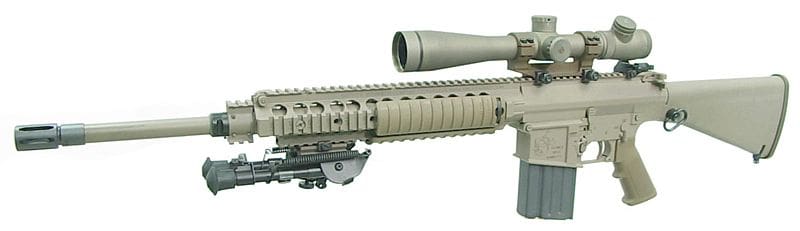

The current M110 is a lightweight, direct gas operated, semi-automatic, box magazine fed, 7.62 x 51mm rifle intended to engage and defeat personnel targets out to 800 meters.

Specifically, the are looking for the ability to reconfigure existing M110s or, manufacture new complete systems to meet the following criteria:

1. Operation: Semi-automatic
2. Caliber: Compatible with 7.62x51mm NATO cartridges
3. Accuracy: Capable of 0.60″ AMR at 100m or better with match ammunition.
4. Size: Overall length shall be reduced using a shorter barrel and/or collapsible buttstock. Maximum overall assembled length of the rifle shall be not greater than 36 inches with the stock at its shortest position and no sound suppressor mounted.
5. Weight: Weight shall be no more than 9.0 lb for the unloaded rifle without optics and accessories.
6. Grip: A modular, adjustable pistol grip.
7. Trigger: A non-adjustable match style trigger.
8. Hand guard: A fore-end that includes a fixed 12 o’ clock rail with configurable 3, 6, and 9 o’ clock rails.
9. Sound suppressor: A muzzle mounted, detachable sound suppressor.
10. Muzzle device: A compensator/muzzle break compatible with the sound suppressor.
11. Bipod: Tool-less detachment featuring cant and pan/track capability.
12. Day optic: An Army specified variable power day optic and compatible rings.
13. Back up sights: Iron sights offset 45 deg from the DOS.
14. Sling attachment: Flush cup, quick detach sling attachment points.
15. Barrel and Receiver Life: Significant improvement from M110 requirements while enduring higher rates of fire.

In addition to the above listed enhancements, the CSASS must meet the operational and environmental requirements that were fulfilled by the original M110 SASS.

This means that the Army could be opening up the Compact Semi-Automatic Sniper System or M110 Carbine, as a free and open competition. There are some major implications here as Knights Armament Corp is the current incumbent for the M110.

The Government envisions the production requirement for CSASS is at an estimated range of 125 per month with a capability to ramp up to 325 per month.

For interested parties, the response date is 14 August, 2012.

www.FBO.gov

US Army to Field 100 Female Cut Gen III IOTV for 101st Female Engagement Teams

Saturday, July 21st, 2012

Early this Fall, the US Army will field 100 Female Cut Gen III IOTV for the 101st Airborne Division’s Female Engagement Teams serving in Afghanistan.

The female version features a slightly different cut to accommodate differences in body shapes.

US4CES Camo Preview

Tuesday, July 10th, 2012

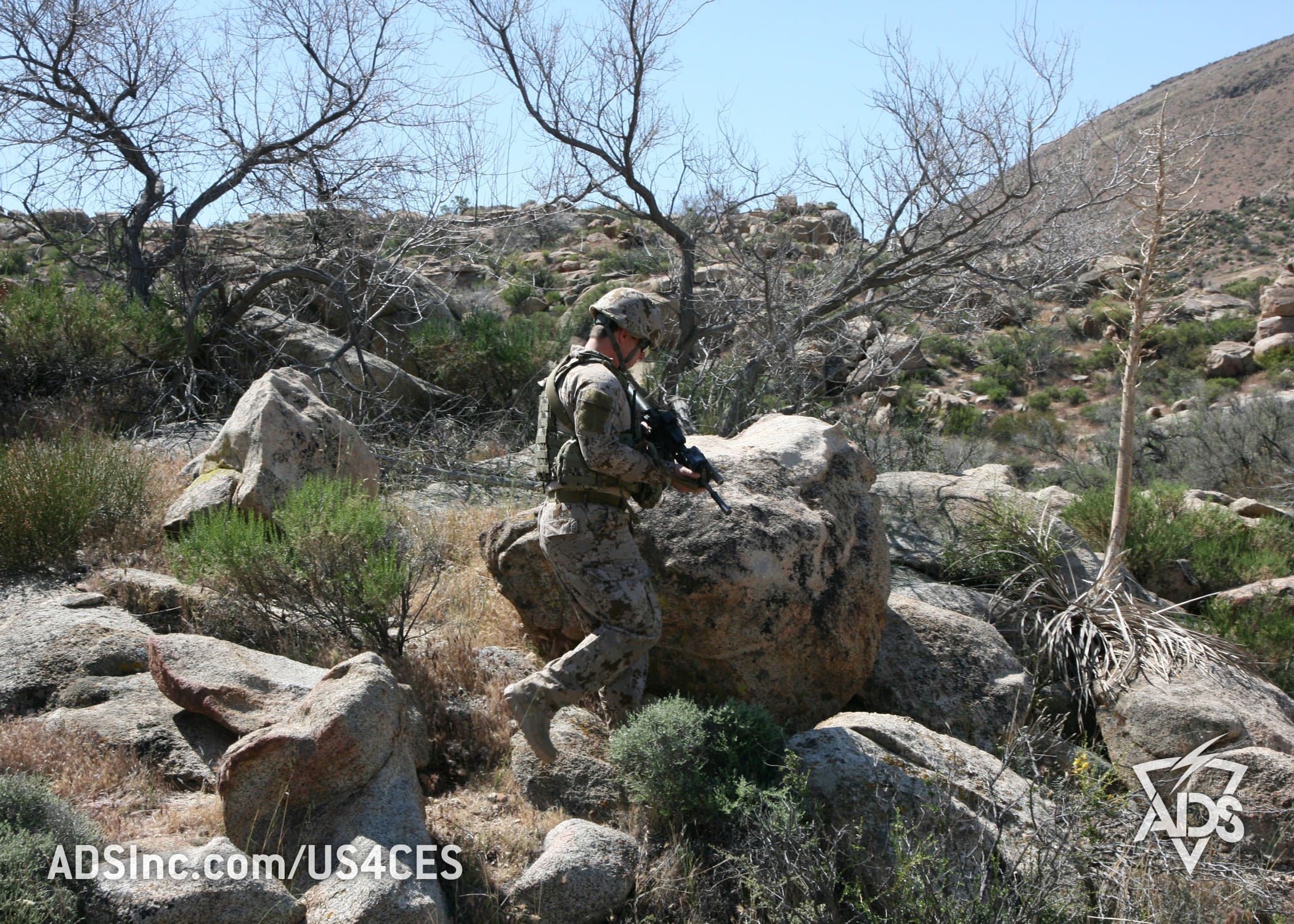
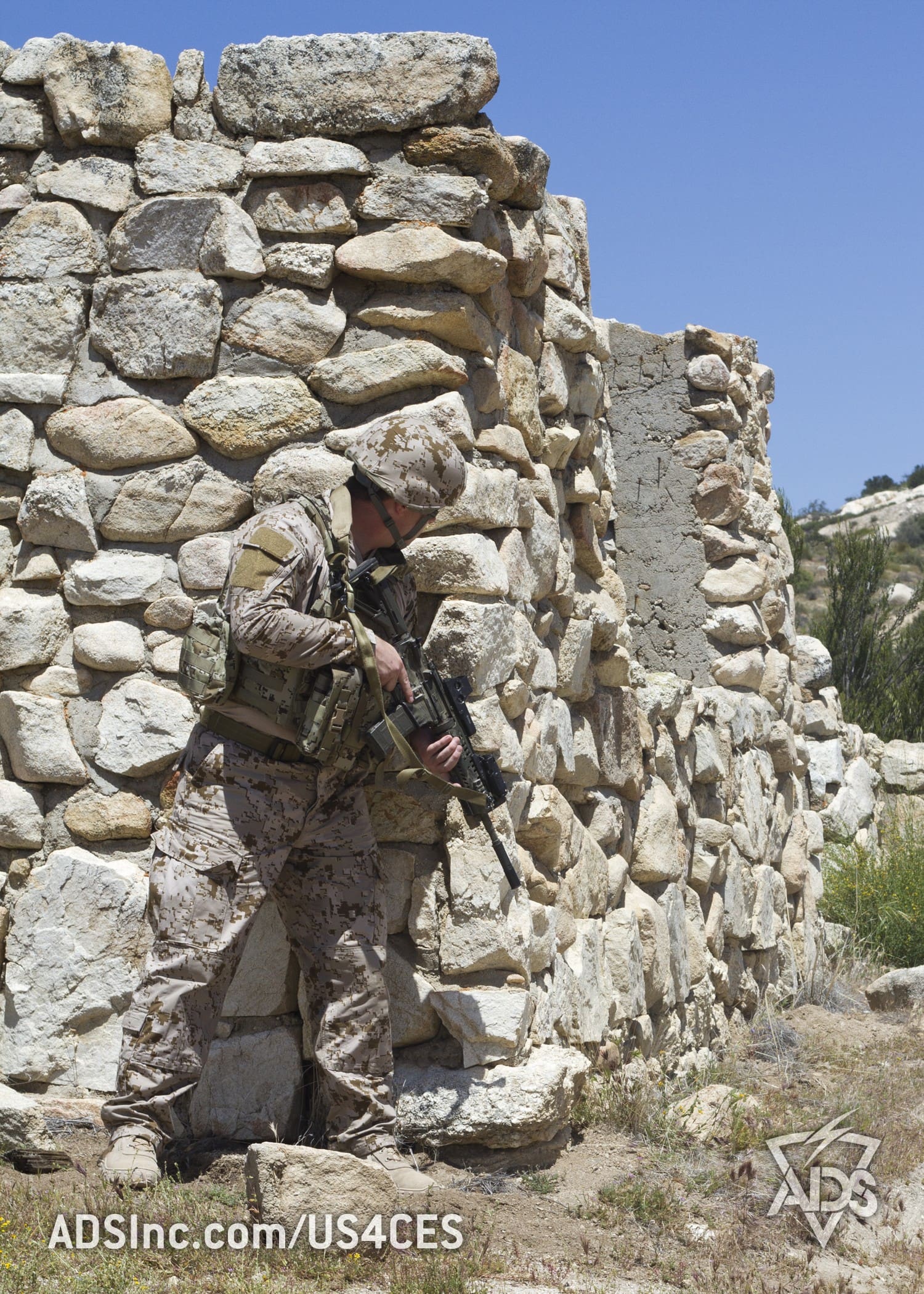
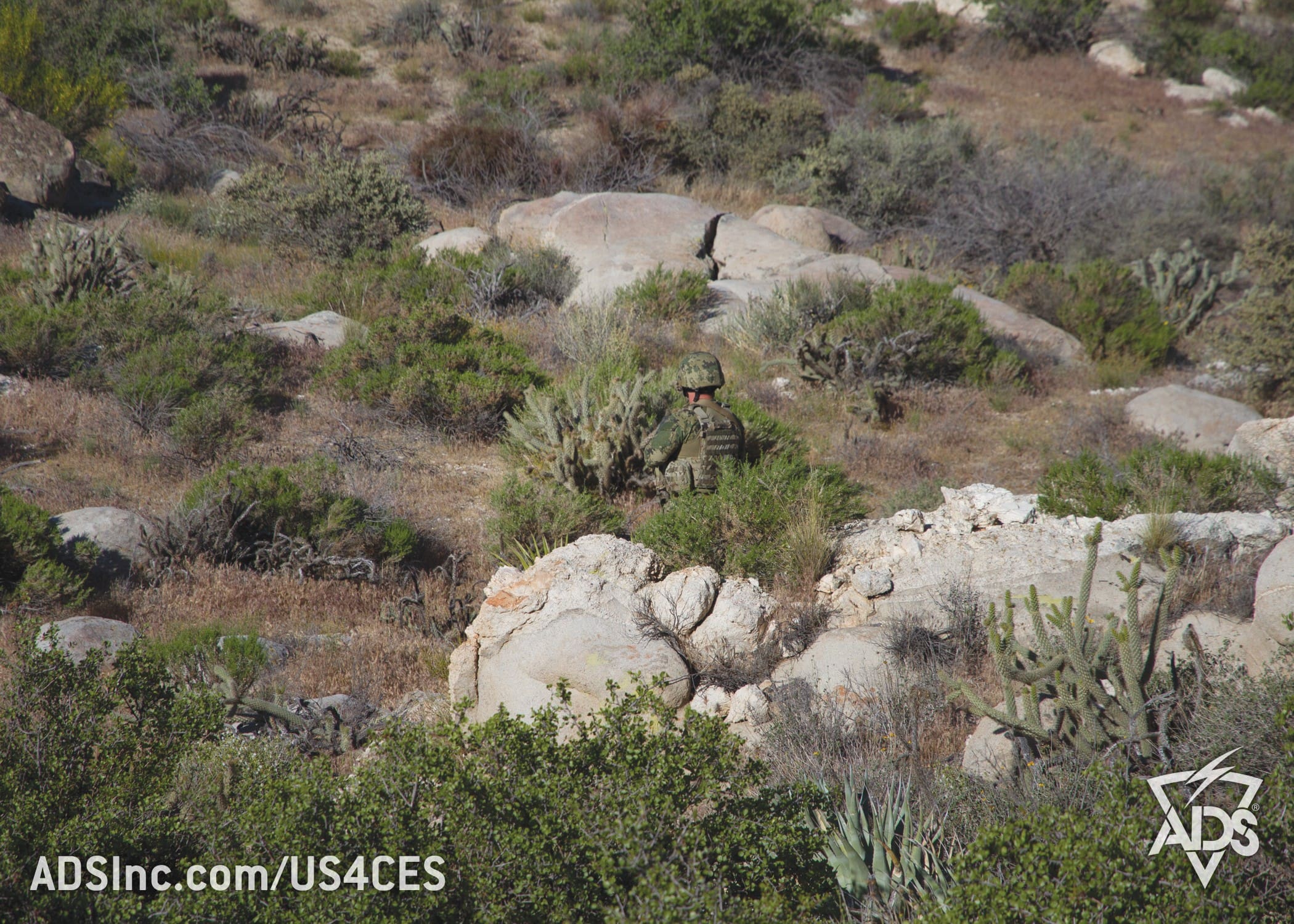
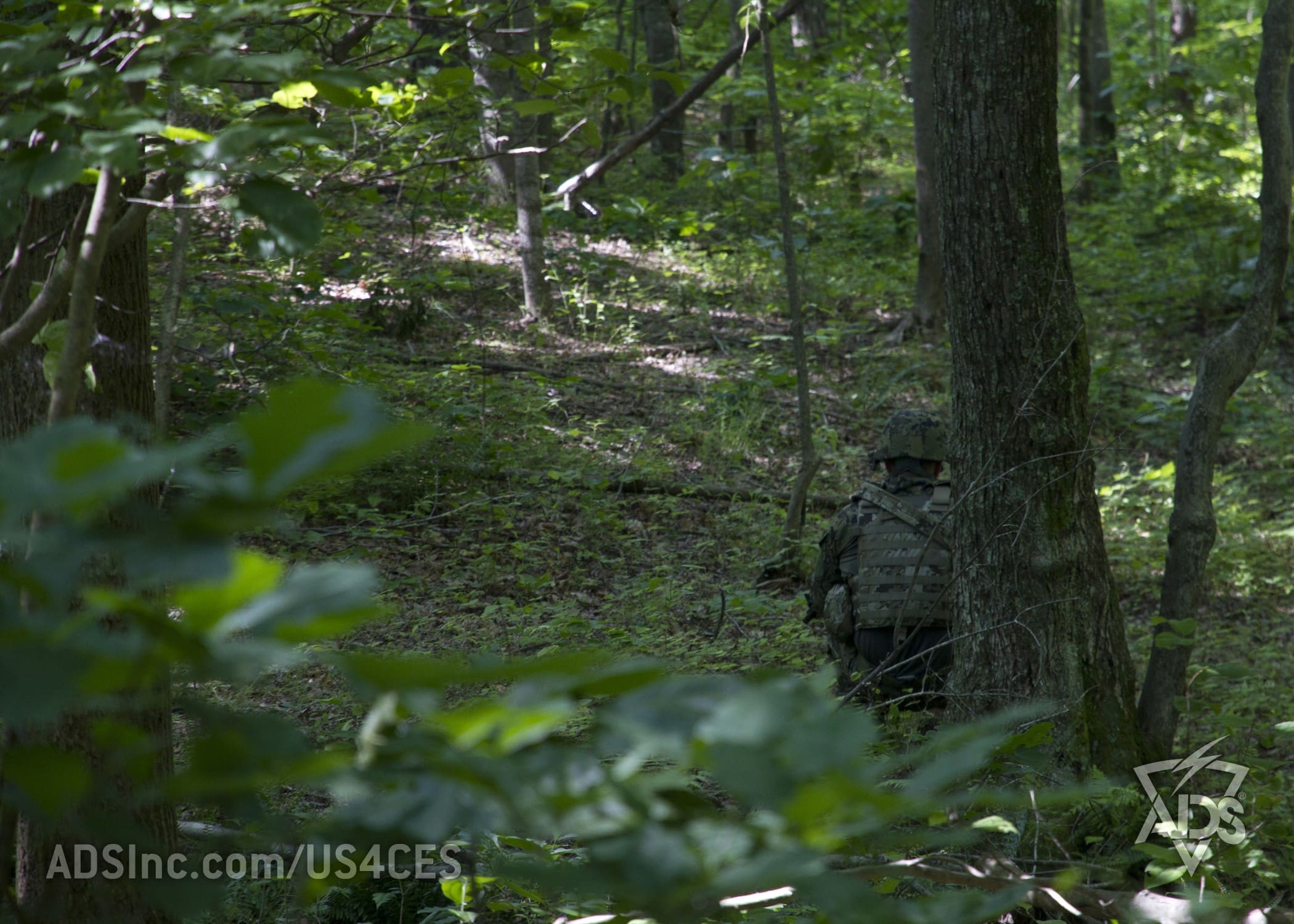
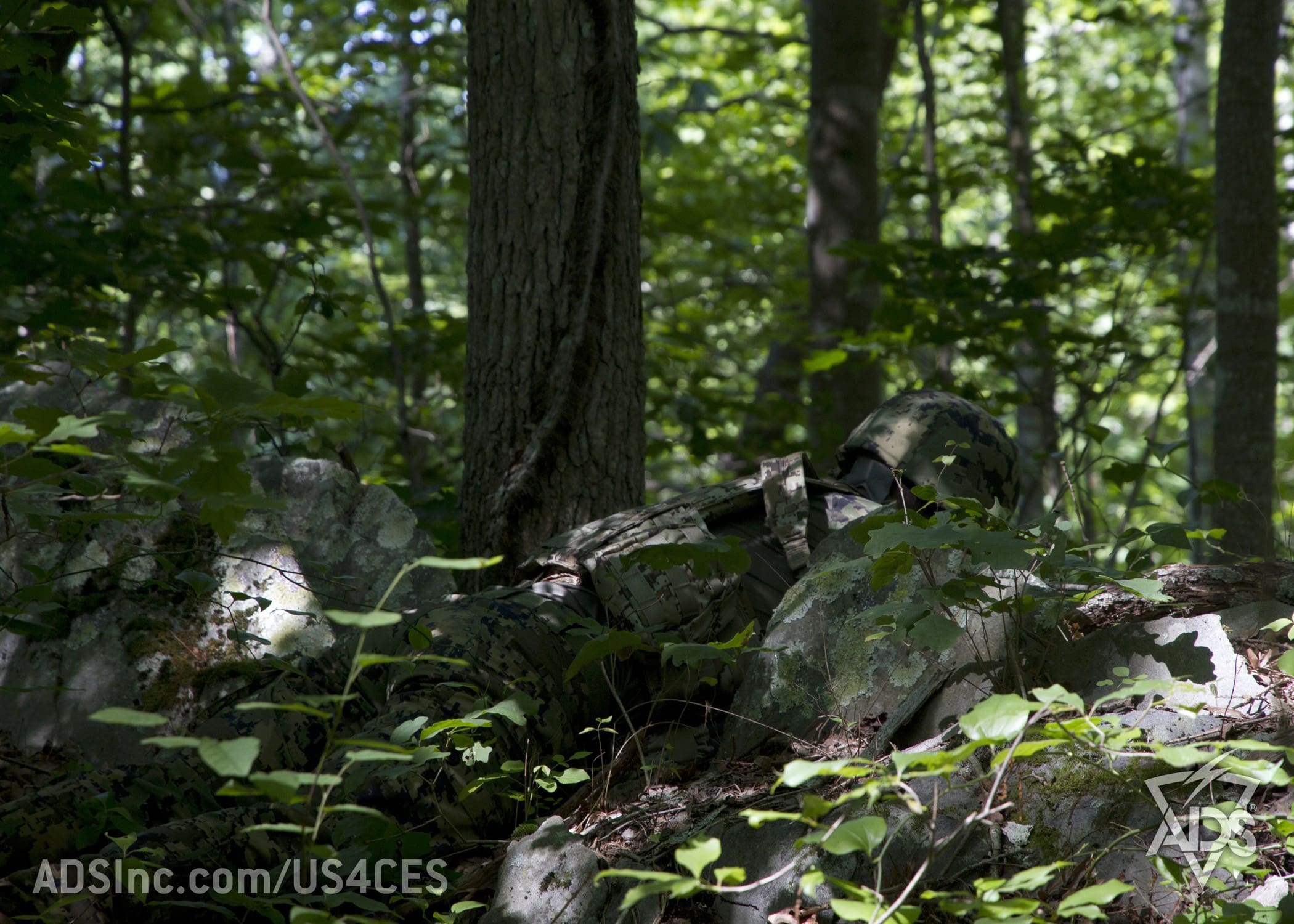
ADS Inc has released a few new photos of their US4CES family of camouflage, selected by the US Army as a finalist in their Camouflage Improvement Program. US4CES camouflage patterns share a common shape geometry and are offered in colorways developed specifically for Woodland, Arid, Transitional environments. Additionally, ADS and their partner Guy Cramer have introduced a specific color option for use with Organizational Clothing and Individual Equipment that is complimentary to the three environmental patterns. All four of these patterns are currently undergoing the most intensive camouflage testing ever conducted by the US Army or for that matter, anyone. In these photos you can see the various patterns in live environments.

www.ADSinc.com/US4CES

Check Out PEO Soldier’s New Look

Friday, July 6th, 2012

PEO Soldier’s new website offers a streamlined look with ready access to their latest news.

peosoldier.army.mil

Camouflage Gets Its ‘Keep Government Out of My Medicare’ Moment

Sunday, July 1st, 2012

I literally live for irony. I can write and write and write all about the camo wars and the various services’ quest for a better camouflage but I just can’t force people to READ. Regardless of the topic, folks love news by headline and they form opinions around phrases designed to titillate rather than inform.

Most recently, I had a reader comment that the Army should look to the private sector to solve their camouflage woes. Classic. They have. The US Army Camouflage Improvement Effort is investigating families of camouflage patterns developed by industry. And, PEO Soldier and their scientific arm, The Natick Soldier Systems Center are embarking on the most extensive test and evaluation undertaking ever conducted. When this is over, the Army will truly be able to say that they have thoroughly considered the latest that industry has to offer.

Commercial finalists currently undergoing field trials include

ADS Inc as Prime, partnered with Guy Cramer
Brookwood Companies
Crye Precision
Kryptek

US Army Camouflage Improvement Effort STILL Going Strong

Saturday, June 30th, 2012

Despite anything you might have read elsewhere, the US Army has not abandoned their Camouflage Improvement Effort. If you haven’t heard of this before, then do a search for the term ‘effort’ here on SSD and catch up.

Here is the latest update from PEO Soldier –

As part of the ongoing effort to improve Soldiers uniforms, the Army continues to research new camouflage patterns to be printed on the existing Army Combat Uniform (ACU) design.

The ACU was presented to Senior Army leadership in December 2003 for potential Army fielding. The ACU was developed based on many months of research and development. It decreased the out-of-pocket cost burden on our younger Soldiers by replacing the three types of Battle Dress Uniforms with a one-weight, wash-and-wear uniform with improved functionality and ergonomics.

In 2009, the Secretary of the Army approved a four-phase approach to provide uniforms for personnel deployed to Afghanistan with a camouflage pattern suited to the Afghanistan environment and to evaluate an Army long-term uniform camouflage plan. Phases I-III were focused on improving Army uniform camouflage in Afghanistan. These phases are complete and culminated with the fielding of the Operation Enduring Freedom (OEF) Camouflage Pattern to Soldiers in and deploying to Afghanistan.

The Phase IV Camouflage Effort seeks to select a family of three patterns comprising the woodland, arid, and transitional environments, which will allow the Army to operate in different terrains and conditions around the globe. The Phase IV patterns are undergoing field trials and the data from those trials will be taken to Army senior leadership for review. This will be followed by a cost-benefit analysis to determine if the Army will adopt a new camouflage pattern. The Army understands the financial constraints on the DoD and the nation, and we are committed to conducting this research and making any future camouflage uniform changes in an affordable and fiscally responsible manner.

The cost of adopting a new family of camouflage patterns will depend on many factors, including how widely the new uniform pattern would be fielded and how fast it would be adopted. If a new camouflage pattern uniform is phased in to replace existing uniforms as they are worn out, the program would either issue new uniforms to incoming soldiers or would replace older uniforms that would need replacement anyway. The uniform’s only change would be the camouflage pattern, with no changes to existing materials or design (i.e., fabric, pocket location, number of pockets, etc.).

Soldiers are our strength and purpose and deserve the best we can offer. The Army will enhance the survivability, safety, mobility, and sustainability of Soldiers by providing state-of-the-art, operationally effective individual clothing and equipment. The Army has applied the lessons learned during development, testing, and fielding of the UCP and OCP patterns to devise a better scientific testing program for evaluating camouflage.

Replacing UCP – The Truth of It All

Tuesday, June 26th, 2012

I think one thing needs to be made crystal clear. The main stream media is beginning to pick up on the story that the Army is evaluating camouflage as part of the PEO Soldier sponsored Army Camouflage Improvement Effort. It must be made brutally clear that this effort may not result in a new family of camouflage patterns at all for the Army and the sponsor has not made any claims to the contrary.

What is supposed to happen is that the effort should result in a set of recommendations for Army leaders. It’s up them to decide the Army’s course of action. In fact, earlier this year I had the opportunity to ask a single question of MG Tony Cucolo, the Director of Force Development at the G8. Naturally, my question involved the replacement for UCP and whether the Army was ready to program $5 Billion over the FYDP to recapitalize camouflage. The answer didn’t do much to instill confidence. “They’re working on something down there at PEO Soldier,” came the reply.

Think about that.

Protective Overgarment Garment Instructional Videos from PEO Soldier

Thursday, June 21st, 2012

PEO Soldier has released instructional videos for the various models of Protective Overgarment Garment designed to protect the wearer’s pelvic region from blast and frag associated with IEDs. The videos do a good job of demonstrating how to don and doff the systems.


Hawk Model


Crye Precision Model