SIG SAUER - Never Settle

Archive for the ‘weapons’ Category

SSD Exclusive! 5 Questions on Next Generation Squad Weapons with SIG CEO Ron Cohen

Tuesday, May 10th, 2022

During last weekend’s SIG Freedom Fest in Phoenix I had the opportunity to ask SIG SAUER CEO Ron Cohen five questions about the US Army’s Next Generation Squad Weapons Program.

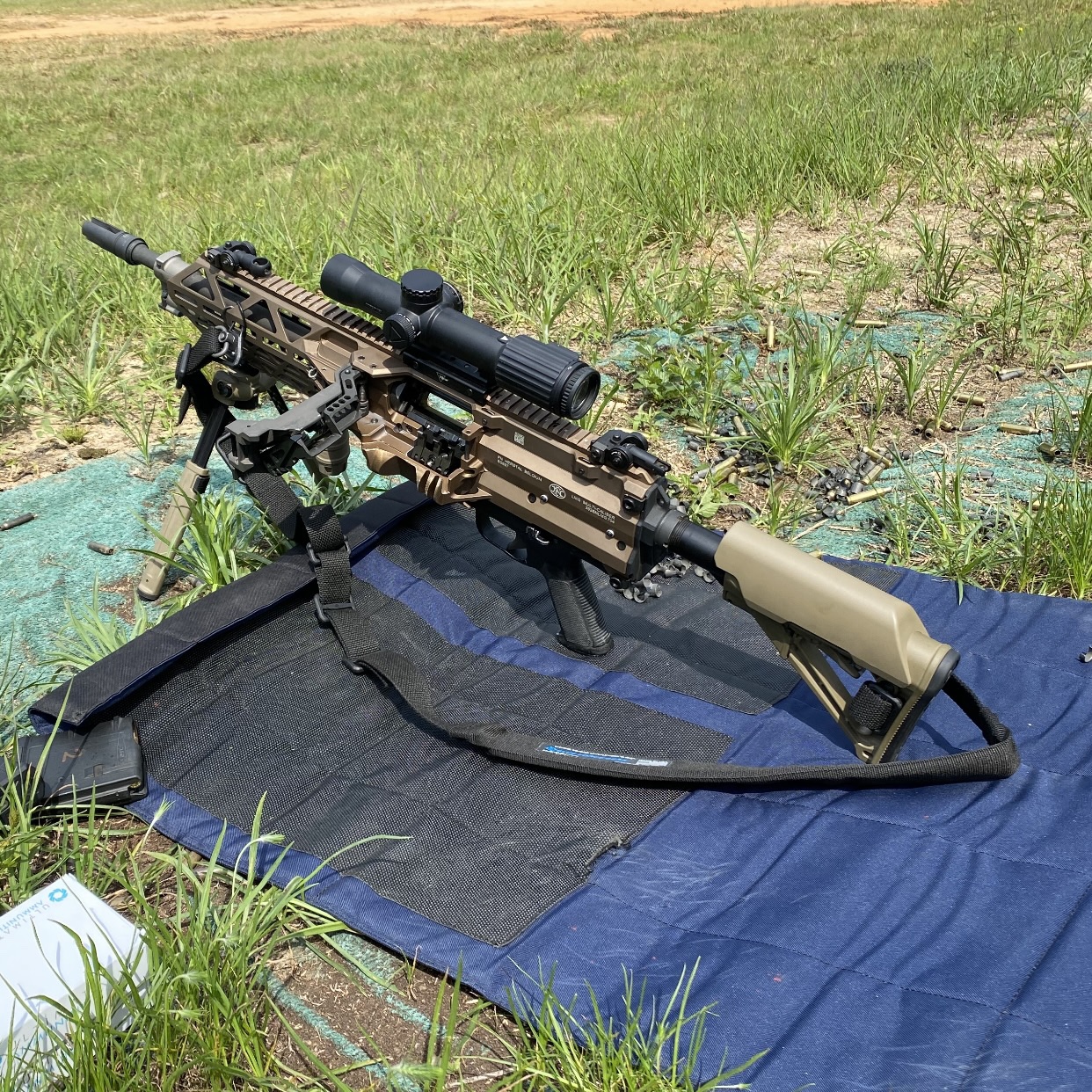
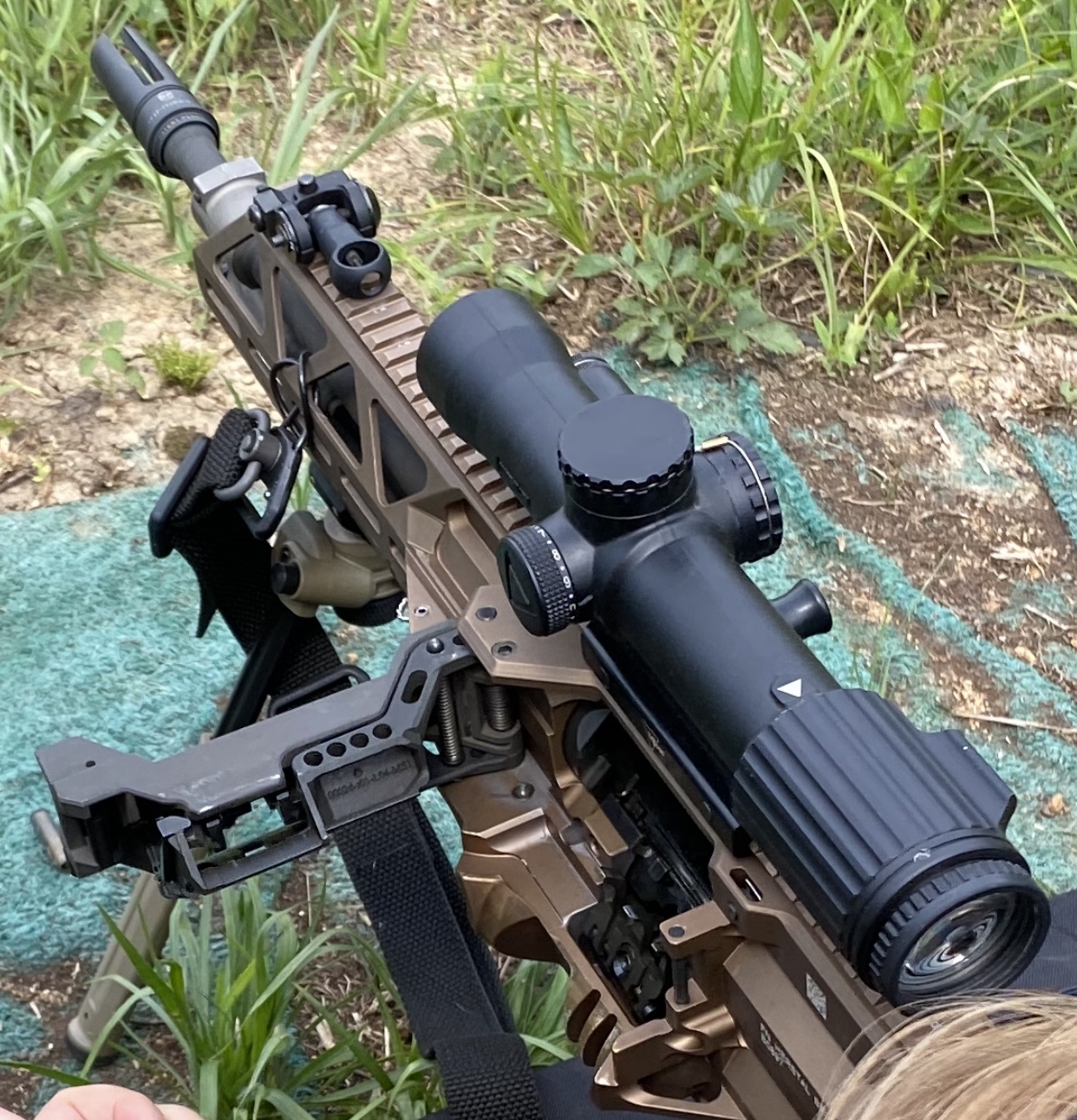
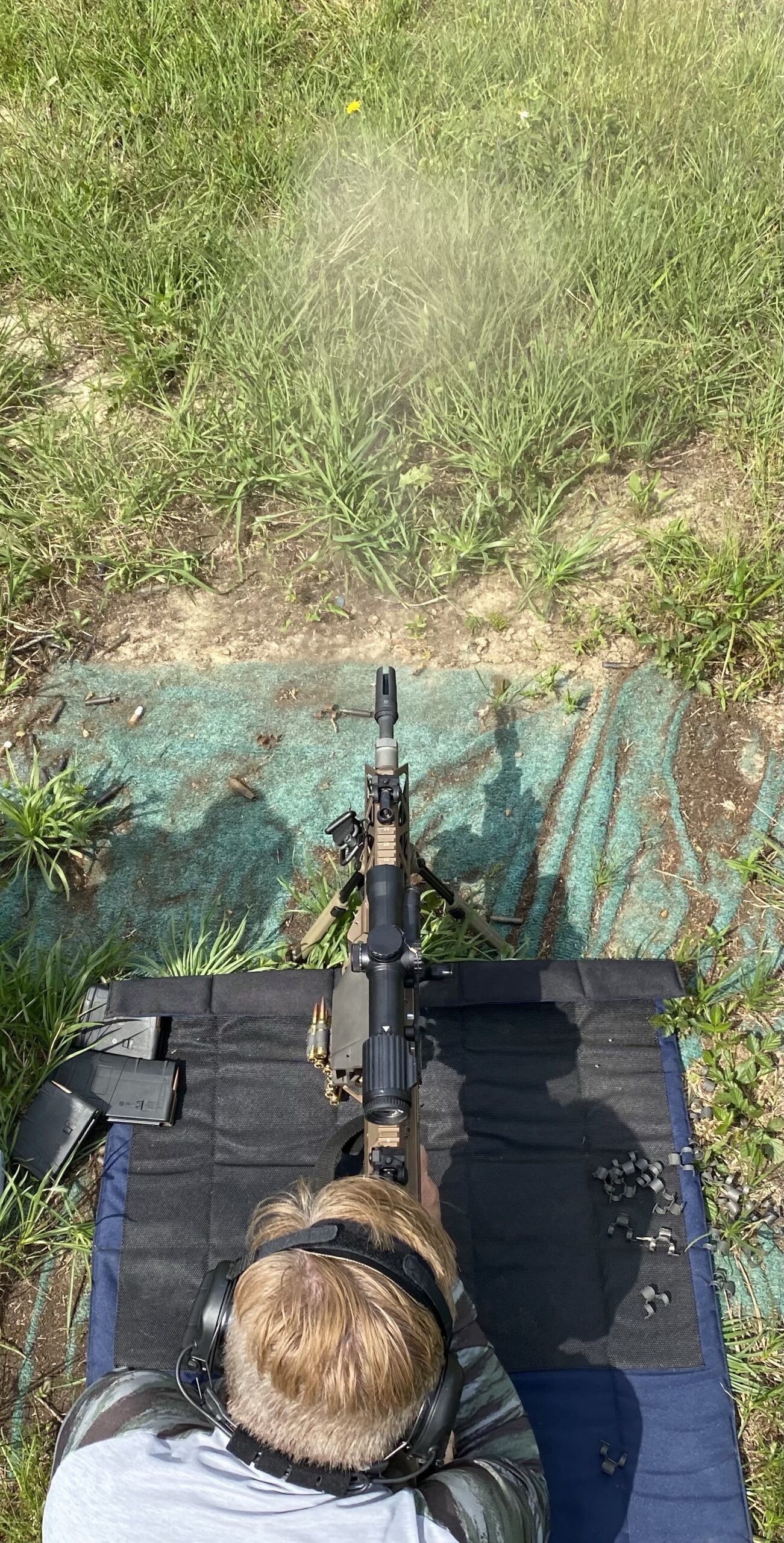
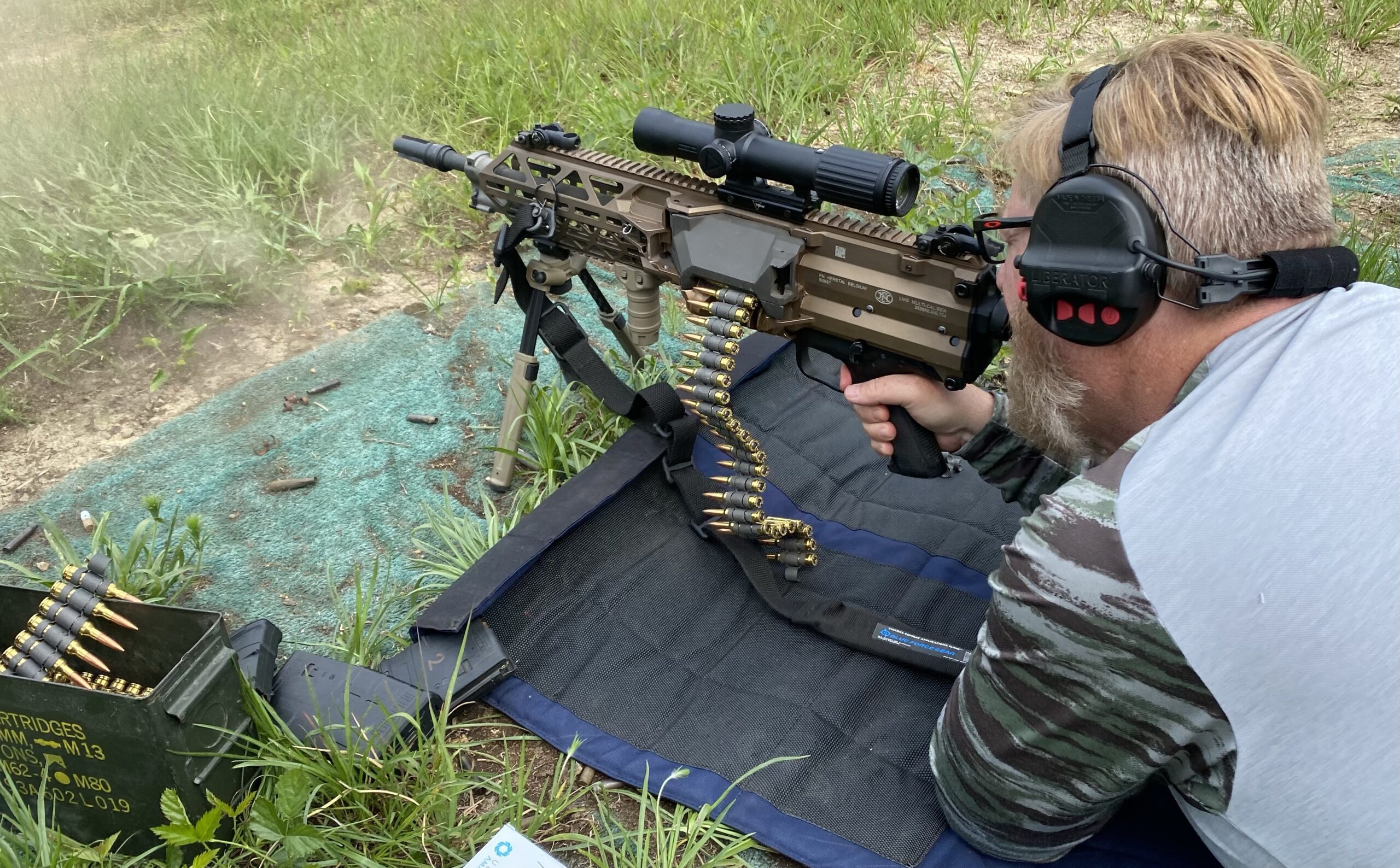
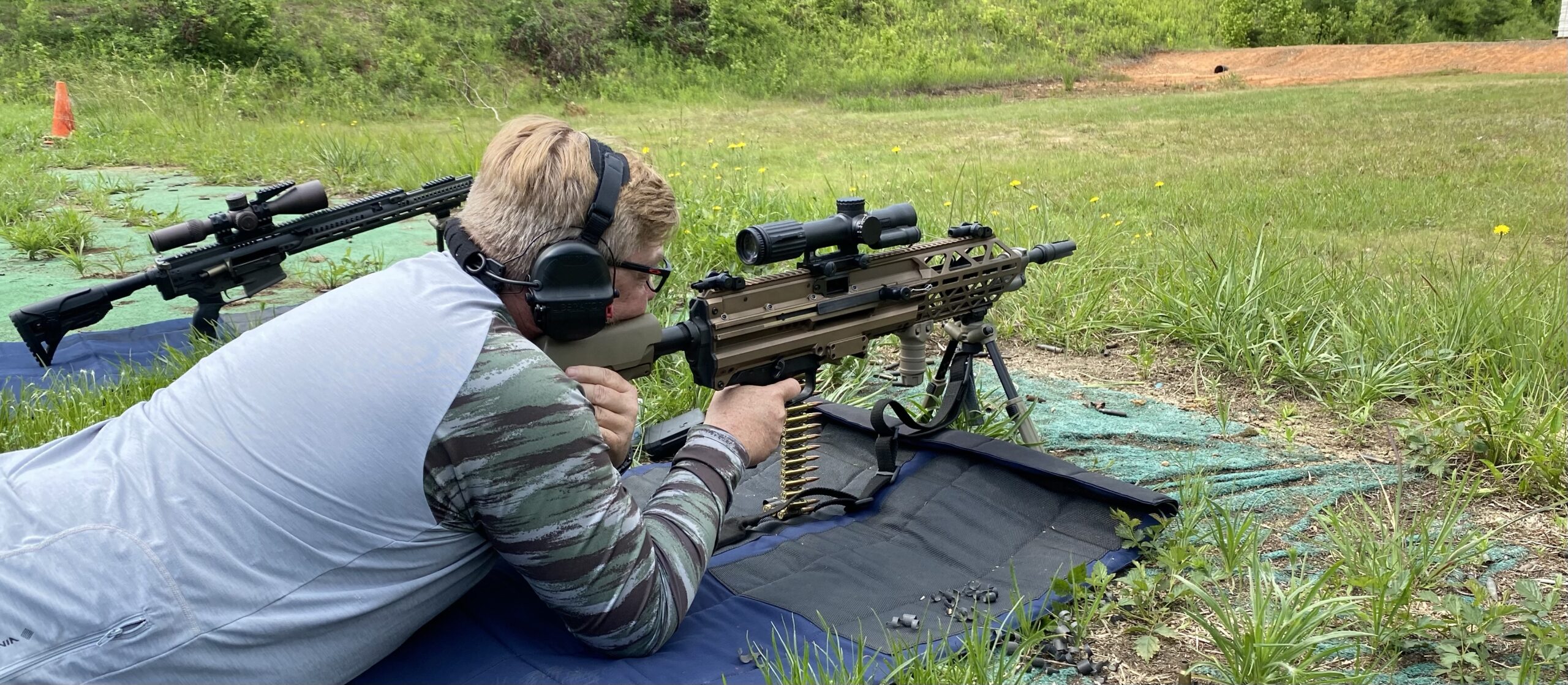
The Army recently awarded SIG a 10-year IDIQ contract worth up to $4.5 billion for 6.8mm Common Cartridge Architecture Ammunition and two weapons, the XM4 Rifle and XM250 Automatic Rifle to replace the 5.56 NATO M4 Carbine and M249 Squad Automatic Weapons in its close combat formations consisting of infantry, armor and engineers.

SSD: The biggest question on everyone’s lips is performance. The Army hasn’t released any specifics on what the XM5 and XM250 are capable of and SIG has remained silent as well.

RC: This is Day 16 of this program award for us. As far as velocity, range and energy delivered on target, that’s the Army’s story to tell when they are ready. SIG built a system based on what the Army wanted. It works.

SSD: Can I follow up on that a bit? There is a lot of rumor out there that your 6.8×51 high pressure hybrid round is eating barrels. What kind of barrel life are you getting out of the weapons?

RC: Barrel life has been a major challenge since day one. We fought with barrel and component life three years ago. Now, I’m not nervous about barrel life. The M4’s barrel life is set at 6,000 rounds. We started at meeting the Army threshold for NGSW of 5,000 rounds and now we’re getting in excess of 10,000 rounds thanks to metallurgy and proprietary coatings.

A lot of people are fixated on barrels, but it’s not just barrels that are stressed with these high pressure rounds. What about the bolt? The carrier? The extractor?

Over the past two-and-a-half years we’ve used analysis of our guns and ammunition and integrated new materials and coatings to exceed what the Army spec’d in NGSW.

SSD:Why do you think the Army selected SIG?

RC: Our biggest strength is that both the ammo and guns are made by the same company.

None of this would have been possible without winning Modular Handgun System and the Mk 248 Mod 1 sniper ammunition contract. We learned a lot and were able to make infrastructure and personnel investments.

I believe the Army also sees our team and knows that we will listen to what they want and give it to them. We don’t overprice and we don’t pull any “gotcha’s”.

SSD: Now that you’ve won, do you feel that SIG has everything it needs to fulfill the contract?

RC: My job everyday is to ask, “what do you need?” It’s also my job to give it to them when they ask.

We are a defense company. Back in 2014 I decided we needed to become a company that combined weapons and suppressors with ammunition and optics. We’ve since created a holistic system under one brand.

We won’t have any problem scaling along with the pace of the program. We’ve already done it once with MHS.

SSD:What was the biggest challenge during development?

RC: It wasn’t just a single challenge, there were multiple hurdles to overcome. When I first looked at what the Army was asking for, I thought they weren’t serious. It was science fiction. They wanted to decrease weight yet increase range and energy. I thought there was no way, but we took a look at it.

We had an MCX variant we had created for the Army’s Compact Semi Automatic Sniper System program. That was a starting point.

We picked up the phone to our ammunition team and Jason Imhoff had been working on a high pressure round for long range shooting which became our hybrid case technology. If we hadn’t had both weapons and ammunition in the same company this never would have happened. When the gun guys heard the hybrid case produced upwards of 80,000 psi, they said “no way!” We needed extreme cooperation. The weapons side of things and the ammunition developers had to work collaboratively and trust one another.

The brass case in common use today dates from 1840. It’s cheap, plentiful, ductile and deals well with both cold and heat. But you pay for that in strength. There are limits to what it can do. Our hybrid case is stronger and lighter.

I had already set the defense team to work on a belt-fed machine gun so we brought that into the project. I was in the Israeli Defense Force and carried a MAG58. My father had carried a MAG58 in the IDF and my son does so as well. I made a vow that my grandchildren wouldn’t have to carry that same gun. I knew that designing a machine gun was going to take awhile but that it was worth the investment in the company’s future. Initially we worked on .338 Norma Mag, but the pace quickened due to this opportunity.

On top of all that I have a great bunch of former NonCommissioned Officers on the Defense team. Many of them come from the tip of the spear. They not only bring decades of experience but they want to give the end-user what they want and need. They listen and they also translate the Army’s needs into something our engineers understand. They don’t mind jumping and pitching a hand. We’ll have Vice Presidents loading magazines for a demonstration. They are our secret sauce.

Have I told you about our engineers? SIG has has made a massive investment in engineering and has more engineers than any other firearms manufacturer. SIG has over 2800 employees and about one in nine is an engineer, spread across dedicated engineering and product development as well as the manufacturing floor. This has allowed us to solidify our process.

We’ve also increased our investment in robotics, even while growing our number of employees. That’s because we use robotics to ensure consistency and quality rather than a replacement for human labor. That has been crucial to us during the MHS contract.

So we’ve got all these people and we empower them to do what we pay them to do and we’ve achieved a great result from it.

SSD:What does winning NGSW mean for the future of SIG?

RC: Opportunity. We are just starting out on seeing where our hybrid case will take us and what we can do with our weapons.

Just like MHS we expect the Army to accelerate production and fielding and we’ll scale with it.

I believe that within the next five years the Army will rethink weapon length and go even shorter. It’s been the trend for the past few decades and we can still give them increased range and penetration in even shorter packages than now.

At it’s heart NGSW is an ammunition program. I keep coming back to it, but the Army wants increased range and penetration. We’re giving them that and can do even more. It comes down to our case technology. We can take any caliber and make it “super” with any barrel length adding up to 350 fps in velocity. We’re just starting the conversation on what this means.

I’d also like to mention that this is the first time in history that an Army has wanted to suppress 100% of its guns. They are not just concerned about flash and sound, but also particulate contamination of the shooter. We’ve spent three years optimizing our suppressors to decrease the amount of particulate at the shooter yet still provide sound and visual suppression.

A challenge is that USSOCOM and the Army measure toxic particulates differently. For example, SOCOM’s primary measurement is Carbon Monoxide while the Army is looking at HCN and other toxic fumes. However, I can tell you that an M4 unsuppressed is 100 parts per million at the shooter and a Mk18 produces 395 ppm. Our Suppressed Upper Receiver Group final configuration which we are currently delivering to SOCOM measures 70 ppm.

For NGSW, the Army’s threshold requirement is 20 ppm and we are measuring 6.1 ppm for the XM5 and 13.1 ppm for the XM250.

We continue to work on it. Suppressor customers will benefit from this work as well. Safety of the shooter from toxic particulates is currently our primary concern in suppressor development.

SSD: Thanks for your time and allowing me to sneak an extra question in there.

RC: My pleasure. I love talking about SIG.

Sneak Peek – SIG CROSS PRS

Sunday, May 8th, 2022

Attendees at this weekend’s SIG Freedom Days in Phoenix got the chance to check out the upcoming CROSS PRS built for out-of-the-box competition use.

SIG Pro Shooter Daniel Horner showed me his personal gun and gave me the chance to shoot a magazine through it. He had just picked it up the day before and only had seven rounds through it. It’s a hammer. At 15.4 lbs it’s not moving when you shoot.

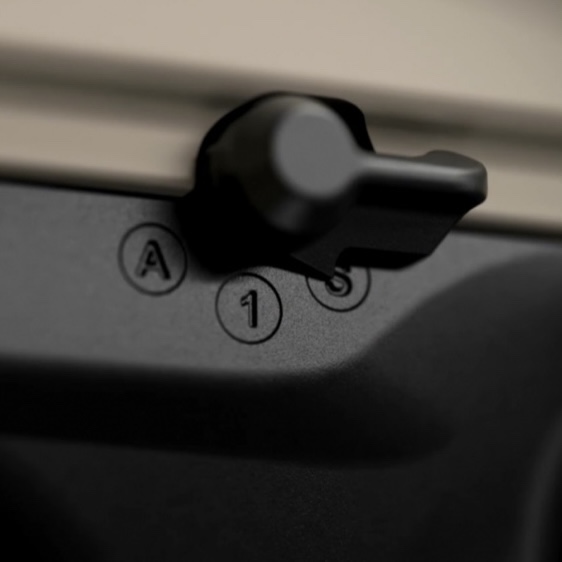
It features 24″ barrel, enlarged safety, full-length removable steel ARCA rail and steel bag rider at the stock.

His rifle is equipped with a SIG Optics BDX 5×25 scope and SLHC Ti suppressor.

Coming soon for $2499 in 6.5 Creedmoor from SIG SAUER.

Denmark Becomes 15th Carl-Gustaf M4 Customer

Friday, May 6th, 2022

Saab has received an order from the Danish Ministry of Defence Acquisition and Logistics Organisation (DALO) for the multi-role, man-portable Carl-Gustaf® M4 weapon, making Denmark the 15th customer for the M4 version. Deliveries will take place in 2022.

The recoilless Carl-Gustaf M4 weapon increases tactical flexibility. Built to satisfy future requirements, it is compatible with advanced fire control devices and prepared for specialised ammunition, putting advanced technology at forces’ fingertips.

“We are ready to supply Denmark with Carl-Gustaf M4. The user-focused design of the Carl-Gustaf M4 will ensure the Danish forces that they will have what they need, when they need it,” says Görgen Johansson, head of Saab’s business area Dynamics.

The Danish Armed Forces has been using Carl-Gustaf, which is designated Dysekanon in the country, since the 1970s.

Marine Corps Snipers Test New Rifle

Friday, May 6th, 2022

MARINE CORPS BASE QUANTICO, Va. – Marine Corps snipers will soon be equipped with a longer-range, more versatile rifle designed to increase lethality and establish threat overmatch on the battlefield in support of Force Design 2030.

Selected through a joint effort between Marine Corps Systems Command, Marine Forces Special Operations Command, and U.S. Army Special Operations Command, the Mk22 Mod 0 Advanced Sniper Rifle is a bolt action, precision rifle system. It incorporates the caliber agnostic 7×35 power Precision Day Optic and is fed from a 10-round detachable magazine.

The Mk22 incorporates a caliber-agnostic flash and sound suppressor. It allows users to customize the weapon to fit individual mission needs such as changing barrels and ammunition calibers at the operator level.

The Mk22 will replace all legacy M40A6 and Mk13 Mod 7 rifles, reducing the sniper rifle inventory from four to three, said Infantry Weapons Program Manager Nick Berger. The option provided by the Mk22 to switch barrels will give Marines the ability to configure the rifle to fire either the .338 Norma Magnum or .300 NM caliber rounds.

The new 7×35 PDO also provides greater magnification and observation capabilities over the currently fielded 5×25 optic, said Sgt. Christopher Frazier, a Marksmanship Instructor with Scout Sniper Instructor School and liaison to Marine Corps Systems Command.

Frazier said the increased range provided by the Mk22 and accompanying PDO will give snipers greater standoff distance from their targets, allowing greater survivability.

The Marine Corps’ investment in the Mk22 to replace legacy equipment makes Marine snipers more lethal and provides increased flexibility.  Lightening the load for Marines, the Mk22 is an ideal addition to sniper arsenals to support Littoral Operations in Contested Environments and Expeditionary Advanced Base Operations.

“Instead of having to learn multiple weapon systems, we just have one,” said Staff Sgt. Cruz Nuanez, a Scout Sniper Instructor with the Advanced Infantry Training Battalion, School of Infantry-East.

Nuanez said, reducing the number of rifles to learn about helps Marines better hone their skills. Reduced training requirements also allow Marines more time to focus on crucial tasks such as the interoperability of the different barrels, bolt faces, and the ballistic calculations between each caliber.

Sustainability

While the Mk22 rifle is heavier than the Mk13 and the M40A6, the consensus from test shooters was cutting down to one rifle has significant tactical and logistical advantages when carrying out missions.

Force Design 2030 places emphasis on the need for stand in forces to be frugal with logistics requirements, particularly inside enemy weapons engagement zones. The Mk22 provides the Marine Corps sniper community with a reduced logistical footprint.

“It’s definitely more efficient,” said Frazier. “Rather than putting one gun away and getting the next gun out, we can quickly change the barrels, and then we only have to carry ammunition and that extra barrel, not an entire extra gun and extra magazines.”

Mk22 kits will come with upgraded optics and advanced suppressors. In addition, the kits will include items like the visual augmentation systems and a one-time issue of a .300 Winchester Magnum barrel to ensure a smooth transition between current missions and training requirements, said Berger. Some Mk22 kits will come with a sniper-shooting tripod and laser filter.

Refining the system with instructor feedback

To ensure the new system fits the needs of Marine Corps snipers, MCSC held an integration assessment range aboard Marine Corps Base Quantico. The program office invited instructors from all three Marine Scout Sniper schools and MARSOC, to test the new rifle, optics, suppressors, tripods, and other accessories for the Mk22.

While this is not a typical step in the process, Berger viewed the event as an opportunity for the participants to provide input before fielding.

“This event is a bit unusual for a program to do at this point,” Berger said. “However, it is important for us to make sure the sniper community has what it needs to be successful, and the timing of this event allows us to identify issues before fielding and to correct as necessary.”

During the integration assessment, shooters, project managers and support staff took detailed notes for data collection and refinement needs. Shooters kept logs detailing how the rifle handled with each barrel and caliber of ammunition. Data was also collected from chronographs, a tool that measures the round’s velocity as it leaves the barrel. Combined, the collected information will be utilized for making any alterations to the kits prior to dissemination.

Early feedback is positive for both the new gear and the ability to transition schoolhouse instruction to the new system seamlessly. Nuanez said course qualifications will remain the same and sniper students will be able to pick up on the new requirements easily.

“They are very user-friendly.  It comes with all the tools you need and the tools are also user-friendly,” Nuanez explained. “Taking the barrels off and putting them back on, as well as the bolt faces- there should be no issue.”

Additional firing tests are scheduled through the end of the calendar year, with initial fielding slated for fiscal year 2023.

– MARCORSYSCOM PAO

Cold War Capabilities – Special Atomic Demolition Munitions

Saturday, April 30th, 2022

Special Atomic Demolition Munitions, or SADM were a class of man portable nuclear weapons developed during the Cold War. They were intended to be hand emplaced and used to deny, block, and canalize the enemy. Deployed primarily in Western Europe, the thinking was that they could be used to cut off high speed avenues of approach for Warsaw Pact forces. The US Army created a Military Occupational Specialty, 12E (SADM Specialist) that’s sole function was to employ those devices along with an associated MOS 55G to maintain them. They were expected to hand emplace the XM129 and XM159 Atomic Demolition Charges with yields ranging from 10 to 1,000 tons of TNT. Although the devices could be left unattended after it was set via a timer, there was also a Field Wire Remote Control System (FWRCS) to send safe/arm and firing signals to the weapon via a wire for safe remote detonation of the weapon. But as you can imagine, thats an awful lot of wire.

12E which was an Engineer MOS was eliminated in 1986 and the Soldiers reclassified into new MOSs as the devices were removed from service. I attended DLI with quite a few of these NCOs.

Additionally, both Navy SEAL and Army Special Forces teams were trained in their emplacement in denied areas although particulars of these mission sets remain sensitive. For example, the SFOD-As were known as Green Light Teams with many of the members having the so-called “dual cool” qualification of MFF and SCUBA. Interestingly this declassified film featuring NSW personnel features Para-SCUBA operations.


ZEV Technologies Announces Their Official Partnership With Christian Craighead

Friday, April 29th, 2022

ZEV Technologies announces their official partnership with Christian Craighead, the famed SAS veteran known for saving lives and leading the offensive against a terrorist attack in Africa in 2019. The partnership will consist of critical feedback from Craighead in developing the newly released Core Combat line of handguns and the soon-to-be-released line of Core Combat Rifles. Craighead himself will be receiving a special signature line of products, the first of which will be the Craighead OZ9.

“Team ZEV is more than excited to have Christian on board to help us develop our Combat line of firearms. Being a master at his craft allows us to transfer that knowledge and apply it to design, resulting in industry-leading innovation.”

– Dan Groce, Director of Brand Engagement

www.zevtechnologies.com

Successful Live-Fire Demo in Sweden of Rheinmetall Mission Master SP and Thales 70mm Guided Rockets

Friday, April 22nd, 2022

Rheinmetall’s Mission Master Autonomous Unmanned Ground Vehicle has once again proved its versatile capabilities in a demonstration conducted for six European allies. The Rheinmetall Mission Master SP used laser-guided FZ275 rockets from Thales in a live-fire exercise. The demonstration took place at the Trängslet base of the Swedish procurement agency Försvarets Materielverk (FMV) near Älvdalen. Delegations from Belgium, Denmark, Sweden, Norway, the Netherlands and Poland were present. The Rheinmetall Mission Master SP is part of the Autonomous Unmanned Ground Vehicle (A-UGV) family developed by Rheinmetall Canada.

The Rheinmetall Mission Master SP – Fire Support was equipped with a Rheinmetall Fieldranger Multi remotely controlled weapon station armed with two seven-tube 70mm rocket launchers from Thales Belgium, an important partner of Rheinmetall. For the demonstration, the A-UGV fired Thales FZ275 70mm laser-guided rockets (LGRs) at a 4×4 vehicle located 4 km away from the firing point. The FZ275 LGR is the lightest and longest range 70mm/2.75-inch LGR in its class, delivering metric precision and accuracy, hence providing unfailing fire support to armed forces.

The demonstration marked the culmination of the successful qualification process for the Fieldranger Multi equipped with the Thales 70mm rocket launcher. Previously limited to aircraft, these area saturation and precise strike applications can engage stationary and mobile targets at ranges of up to 7 km with minimal collateral damage. They are now qualified for use with the Mission Master A-UGV. Moreover, this new configuration is now ready to be integrated into other types of platforms and armoured vehicles.

This only represents one of many possible configurations for the Mission Master SP – Fire Support. Featuring a fully modular architecture, this A-UGV can also be equipped with other weapon systems: 12.7mm calibre machine guns, a Dillon Aero M134D gun, or 40mm grenade launchers.

The demonstration at Trängslet was performed using a secure, customized, remotely controlled tablet operating in a fully digitized scenario. Firing was controlled using Rheinmetall command and control software. Rheinmetall and Thales both stressed the critical importance of the human-in-the-loop configuration, meaning that the operator has complete control of the weapon system from target acquisition to final fire authorization.

DoD Announces Next Generation Squad Weapon Award to SIG SAUER

Friday, April 22nd, 2022

The Department of Defense has posted this announcement:

Sig Sauer Inc., Newington, New Hampshire, was awarded a $4,500,000,000 firm-fixed-price contract for the manufacture and delivery of the XM5 Next Generation Squad Weapon Rifle, the XM250 NGSW Automatic Rifle and the 6.8 Common Cartridge Family of Ammunition, as well as accessories, spares and contractor support. Bids were solicited via the internet with two received. Work locations and funding will be determined with each order, with an estimated completion date of April 18, 2032. U.S. Army Contracting Command, Newark, New Jersey, is the contracting activity (W15QKN-22-D-0008). (Awarded April 19, 2022)