Colt

Wild Things – Survivalist

Friday, September 30th, 2016

Made from PU coated 70D Nylon, the Wild Things Survivalist is a multipurpose item. It can be used as a poncho, shelter, ground cloth, etc. Yep, it’s an old school design, but it works.

The Survivalist measures 56″ x 87″ with the same corner grommets and snaps you remember from the old GI Poncho.

www.wildthingsgear.com

Blackhawk Introduces The Omnivore Holster

Friday, September 30th, 2016

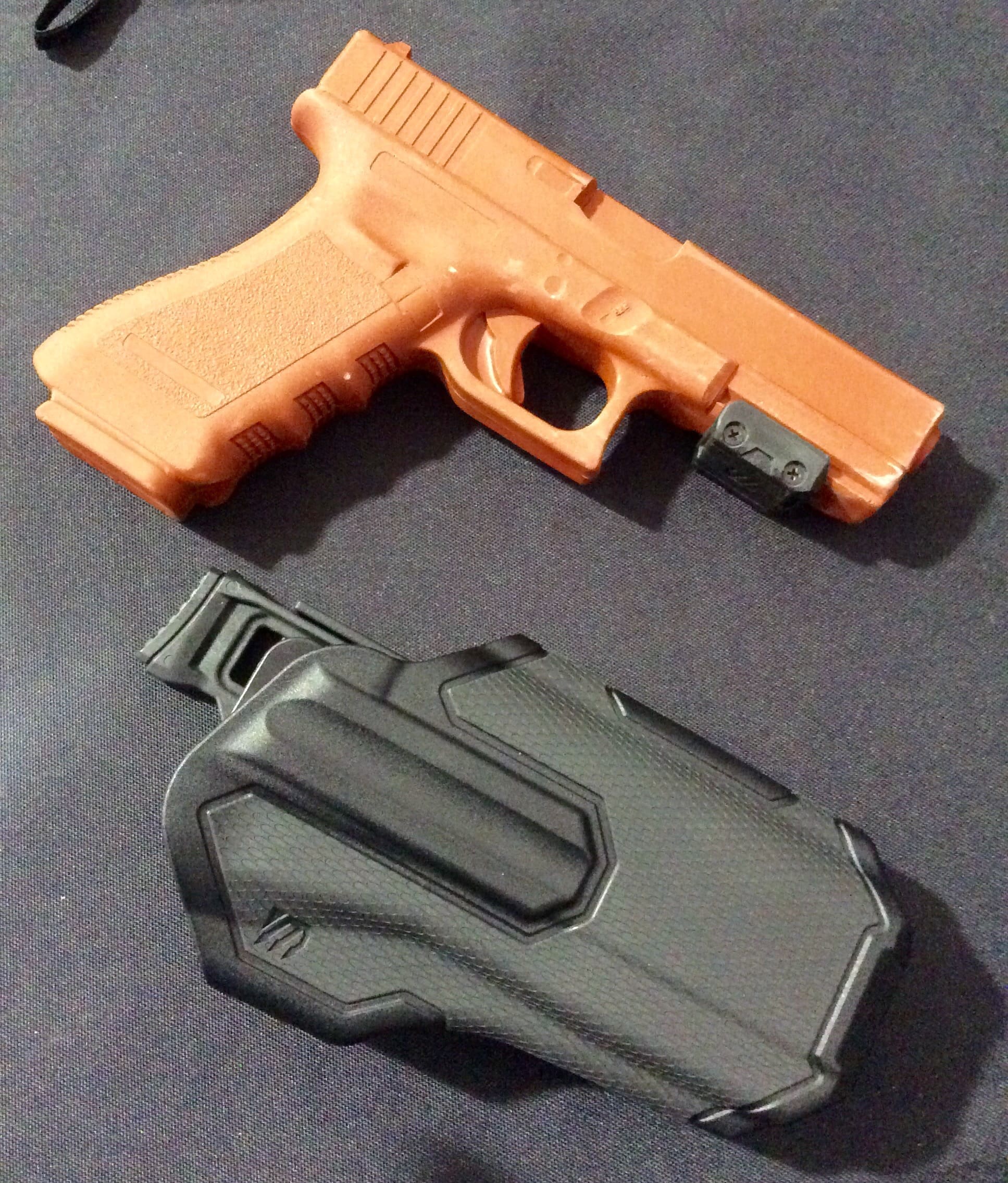
I got to check out the new ‘Omni’ during Modern Day Marine and I am impressed. It’s nothing like the Serpa, a holster which is synonymous with Blackhawk. Named because it will accept virtually any pistol you put in it, the Omnivore offers Level 2 retention ans fits more than 150 styles of semiauto pistols. Unofficially, it will fit almost three times that, but right now they are only claiming 150.

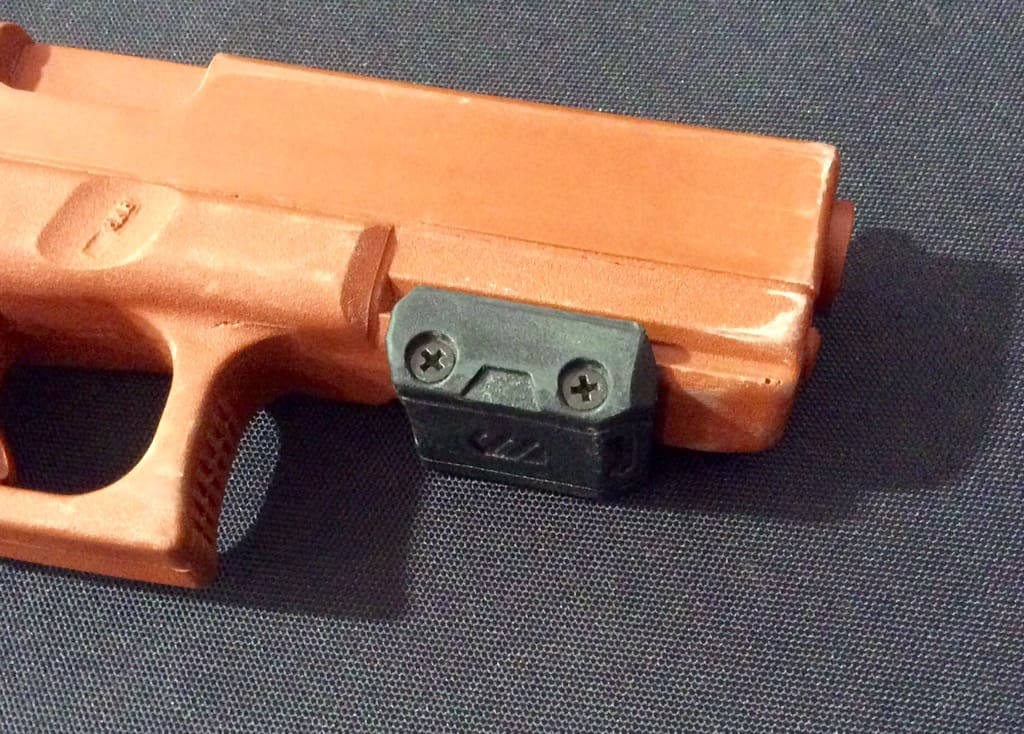
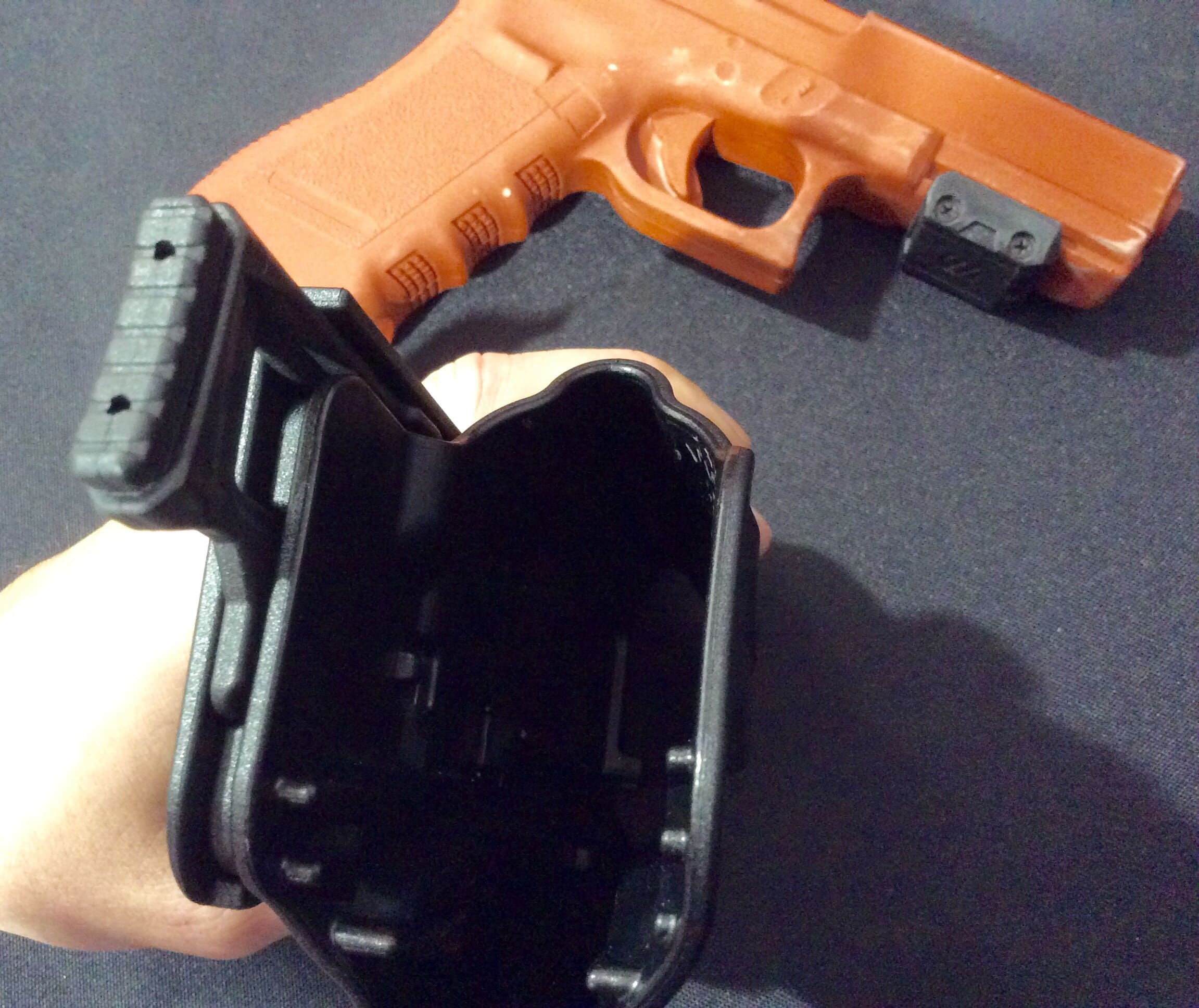
The secret sauce is their proprietary Rail Attachment Device. The Omnivore’s active retention mechanism locks onto RAD, not the frame of the handgun. It doesn’t wear the pistols frame or slide. A 3-position adjustable height thumb release disengages the locking mechanism when drawing the handgun. In the case of lightbearing models, the holster locks unto the weapon light.

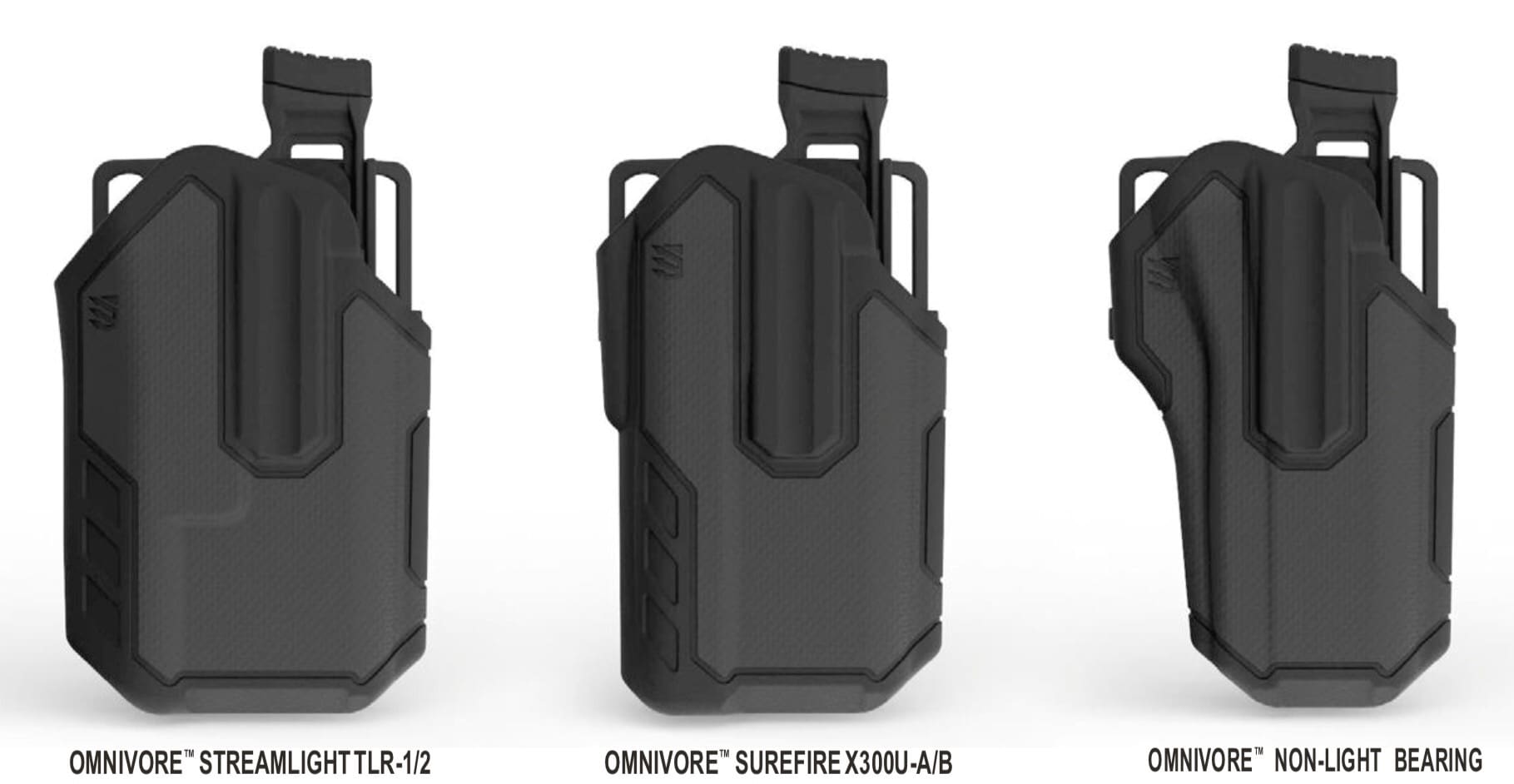
This graphic depicts the three initial models. Light bearing versions include the Streamlight TLR-1/2 and the SureFire X-300U.

One final note; the Omni is designed to acceot all of Blackhawk’s holster mounting options.

www.blackhawk.com

MDM – TCI Bluetooth Module

Friday, September 30th, 2016

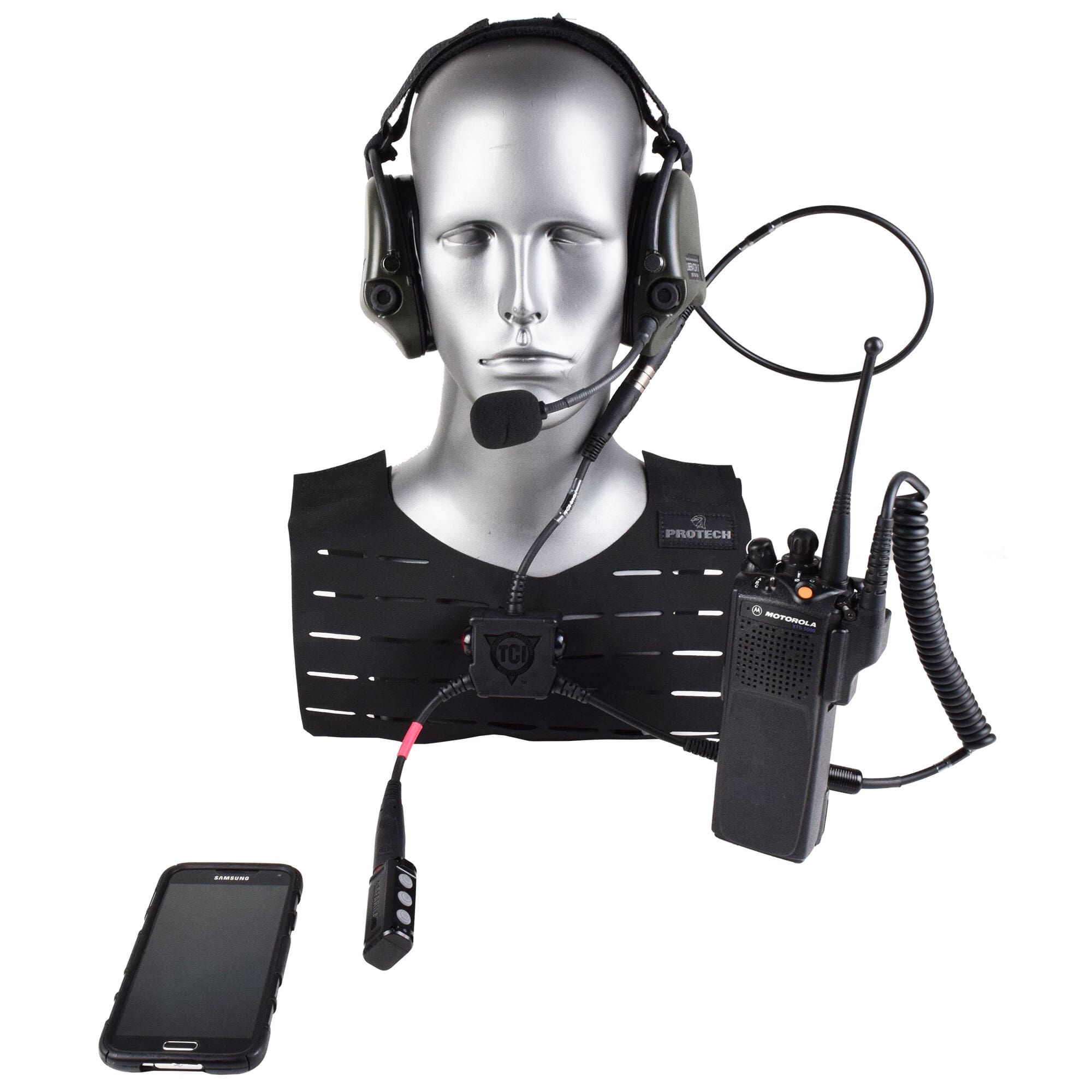
I was walking through the aisles at Modern Day Marine when I ran across the Quantico Tactical booth. It was like a mini trade show in itself, but one thing I wanted to get out right away was this Bluetooth Module for tactical comms headsets from Tactical Command Industries. It was set up as a component on a rig like you see below and was so unobtrusive I probably wouldn’t have even noticed it if Retired TACP Jim Price hadn’t pointed it out to me.

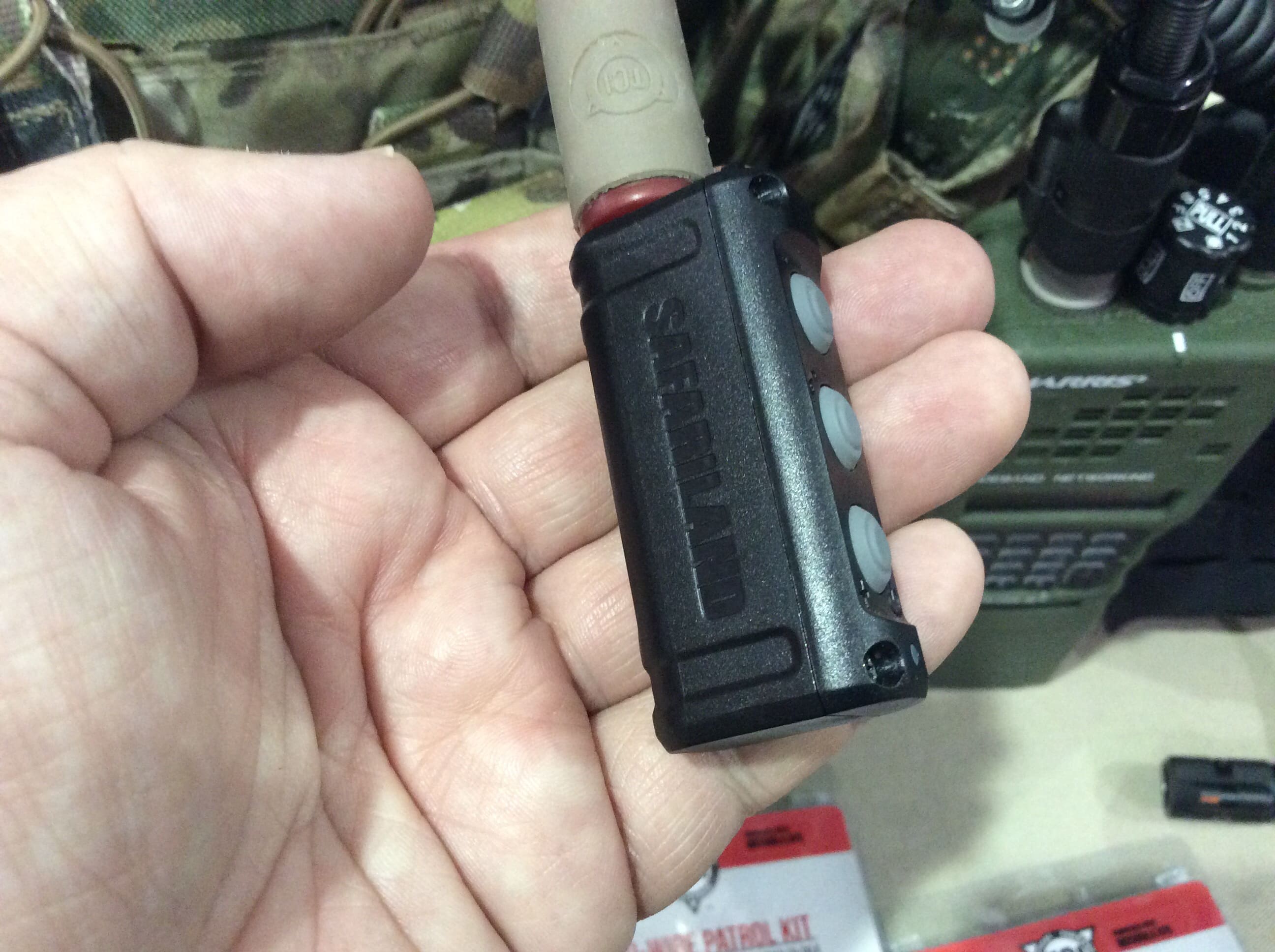
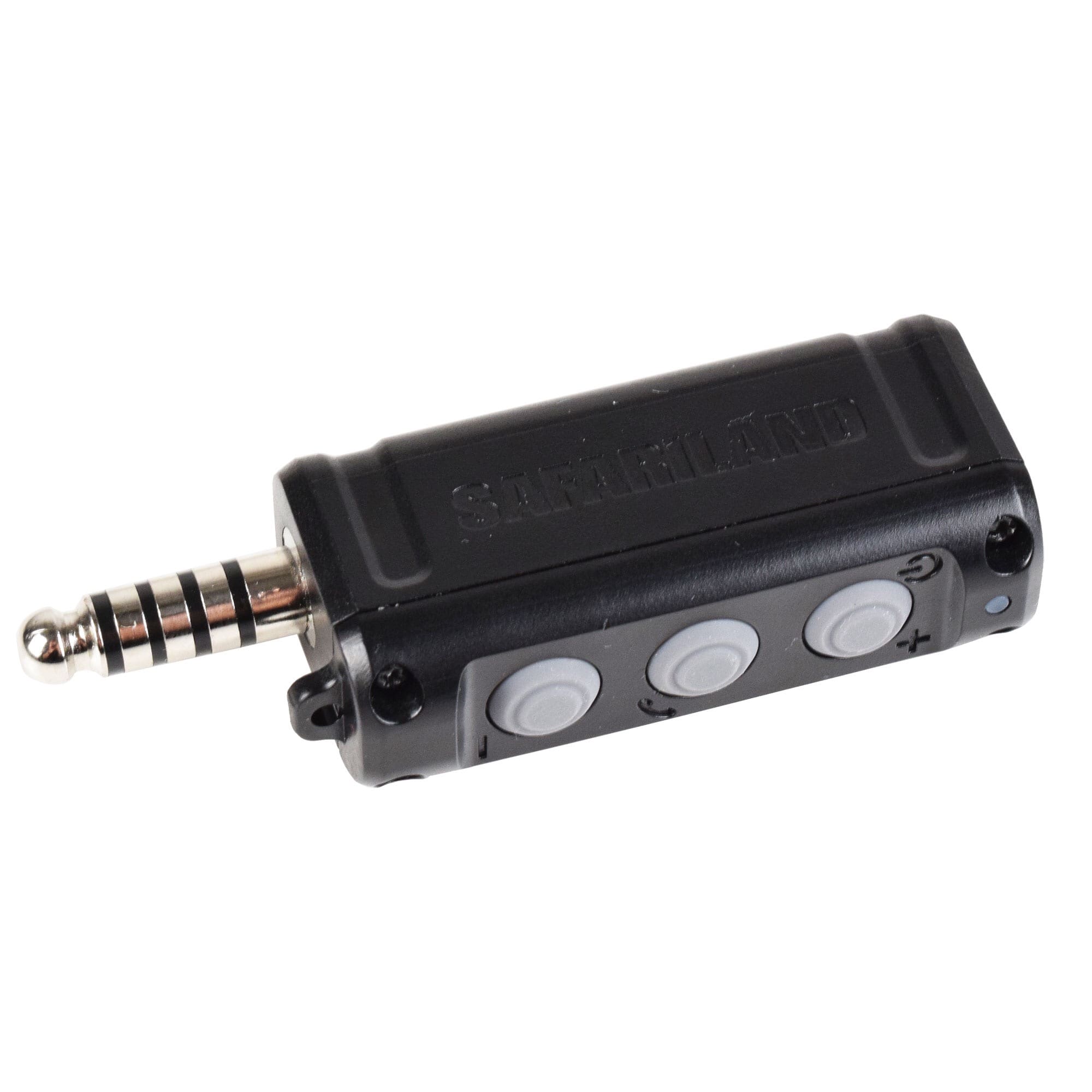
I picked it up to check it out. It’s super simple, connecting to the switch via a pigtail with just a few buttons to conncet your Bluetooth enabled device to the rest of your comms. The hardened three button design is standard with many commercially available Bluetooth headsets and earpieces and the buttons are large enough to be used with gloves on. It is rechargeable via mini USB.

Think about how often you use a cell phone. Now, you can integrate it into your gear, when needed. For some, it will be your primary comms. Others will fit it into the PACE structure somewhere. Shoot, some guys will connect their cell just so they can listen to music through their headphones.

Granted, this isn’t the first deployment of a means to integrate cell service. But this was designed by TCI to work specifically with their widely deployed dual communications architecture found in the later R.3 and the new R.4 dual push-to-talk systems. TCI’s dual communications system is specifically designed to separate the two audio channels so there is no shared connections and no physical or electronic way for audio from one channel to bleed into the transmission on the other. Additionally, their PTT’s incorporate a lock out feature that disables the opposite PTT switch from the one that is in use. Because of these features, a cellular device, which requires no PTT as the microphone is active once a call is placed/accepted, has its audio in mute mode while the other channel is in active use. This prevents radio traffic, either received or transmitted, from being heard on the cell phone. This feature keeps radio transmissions, which may be encrypted, off of the cell phone audio. That would be a major problem, enabling threats to work to undermine our encryption. This system is by far more secure than the common practice of using a cell phone by lifting up an earcup to talk on it. This may actually expose the phone to radio traffic that is not cleared for cell phone transmission resulting in inadvertant disclosure.

Finally, the module is impedance agnostic. It will work with both high and low impedance headsets. There is no need for an extra cable or impedance matching hardware to be incorporated.

The Blue Tooth Adapter from Tactical Command Industries is available for unit and agency purchase through Quantico Tactical.

What Could This Be?

Friday, September 30th, 2016

LBT – Coyote Brown Weekend Promo

Friday, September 30th, 2016

lbtinc.com/cb16

MDM – Gore CHEMPAK

Friday, September 30th, 2016

At Modern Day Marine the WL Gore & Assoc booth has traditionally been about organizational clothing and individual equipment but with an ever increasing emphasis on CBRNE, Gore brought out its latest CHEMPAK technologies. Created as an alternative to traditional carbon fabric suits, Gore has incorporated not only new, breathable membranes, but also innovative design features to enhance the garment’s functionality and by extension, the comfort and endurance of the wearer.
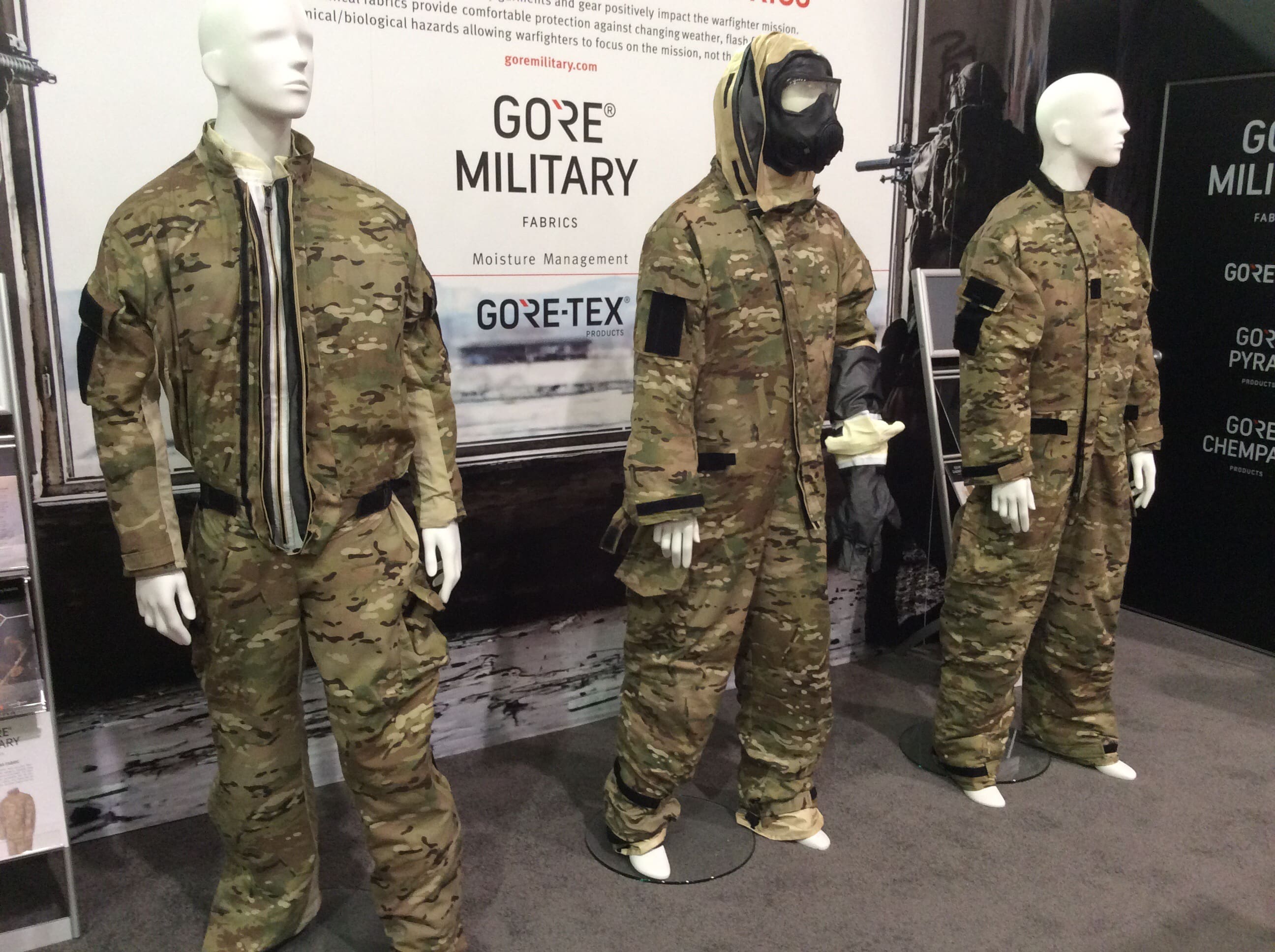
They displayed three different suits. Although they all look similar, and are based on the same technology, they offer different sets of features. Named the CPCSU-2 Chemical & Biological Protective Combat Suit family, they are based on work done for SOF Chem-Bio suits and designed for a wide range of mission sets including combatting WMD, military humanitarian support operations and military support of civilian authority operations.

CPCSU-2 with Integrated Optional MOPP Scale Hood & Gloves
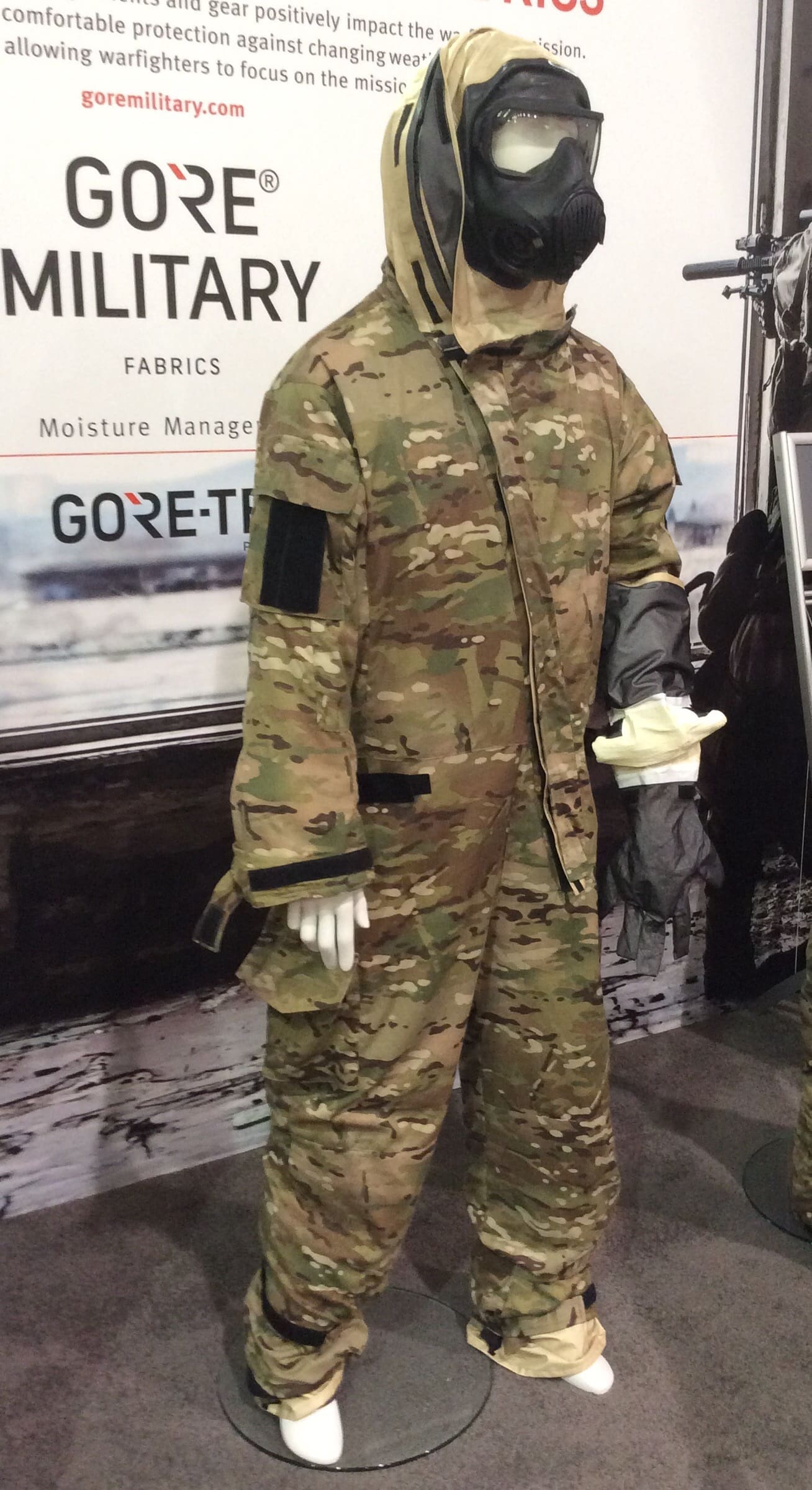
Providing durable, broad protection, it is easy to don and offers MOPP interfaces to the suit. When compared to traditional carbon suits, the CHEMPAK material improved heat loss by more than 20 percent.

CPCSU-2 Flex Fit Design
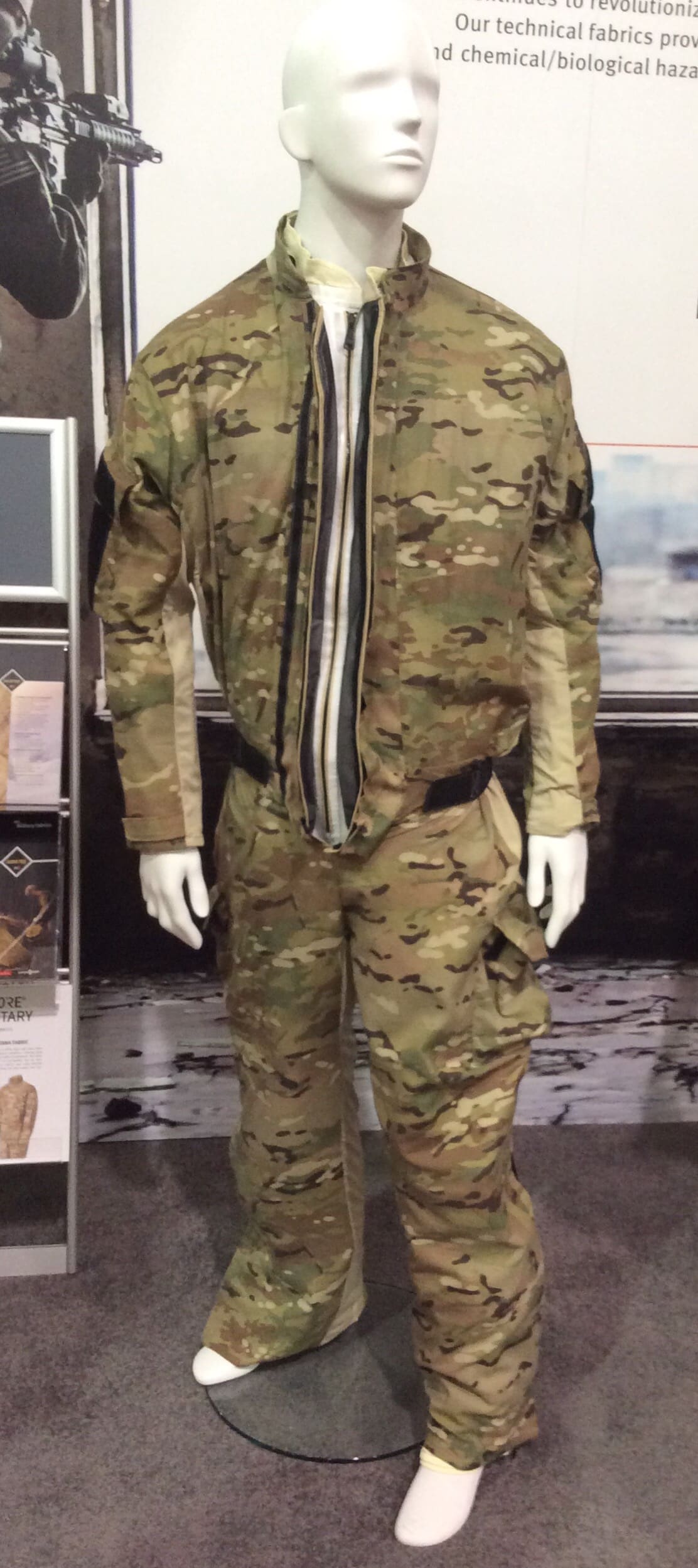
This Flex Fit design was created for increased range of motion and lower audible signature. The thermal burden in this suit is also lower than others.

CPCSU-2 Jumpsuit Design
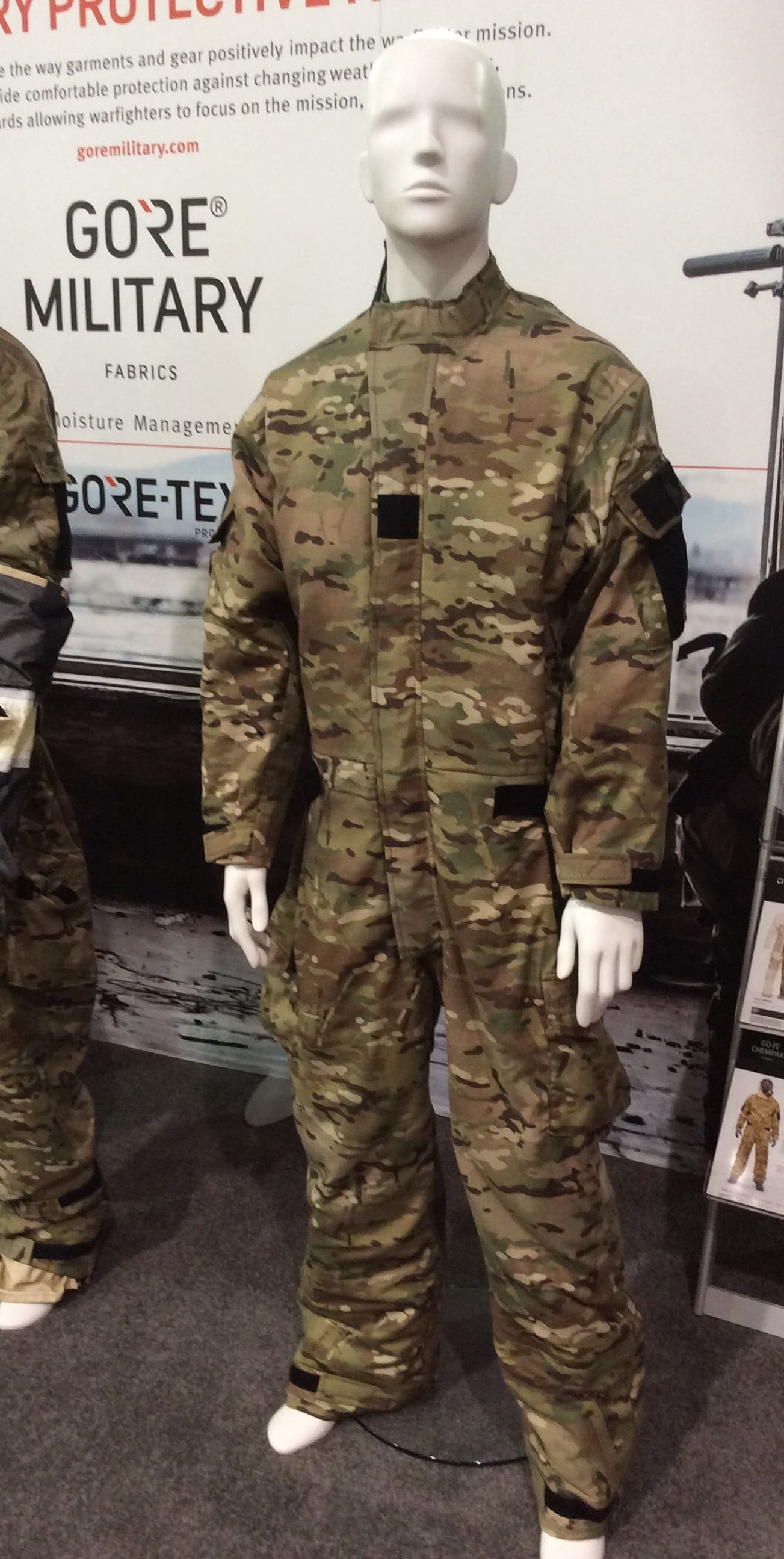
This suit was designed for affordability. Consequently, it doesn’t incorporate some of the features of the other two suits. However, thanks to the CHEMPAK membrane, the thermal burden remains lower than carbon suits.

Design Features

Gore has done some great work on these suits. Those of you who are divers may see some familiar concepts from dry suits. However, the features below may not be available for all of the suits.

Many of you are familiar with Gore-Tex TOPO fabric, a recently introduced stretch membrane for protection from the elements. The CHEMPAK suits integrate a similar stretch technology. These are incorporated as panels into key areas of the coverall to ensure flexibility while maintaining integrity of the suit’s environment.  In all three cases, these are coverall designs which decrease the possibility of contamination via a compromised suit. 
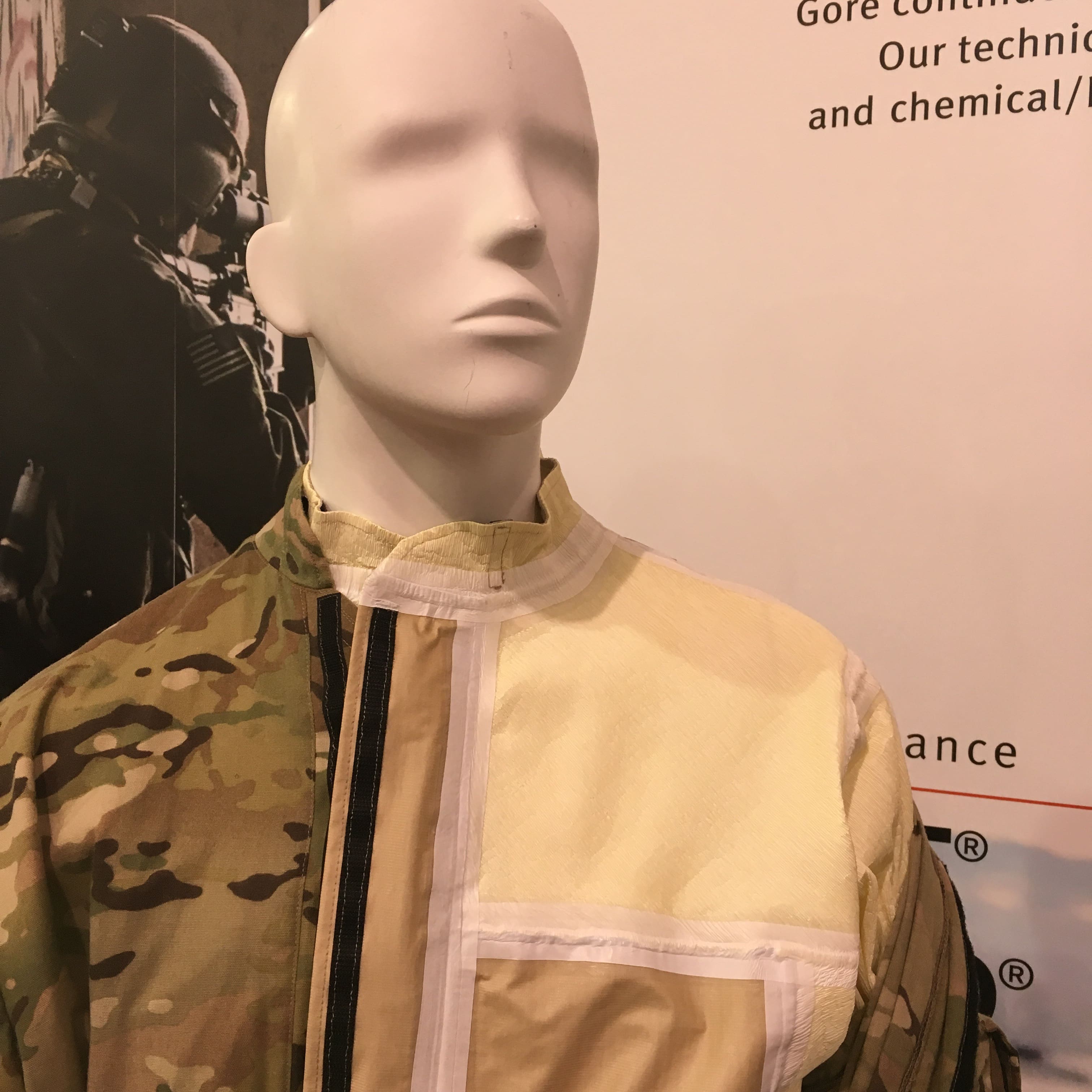
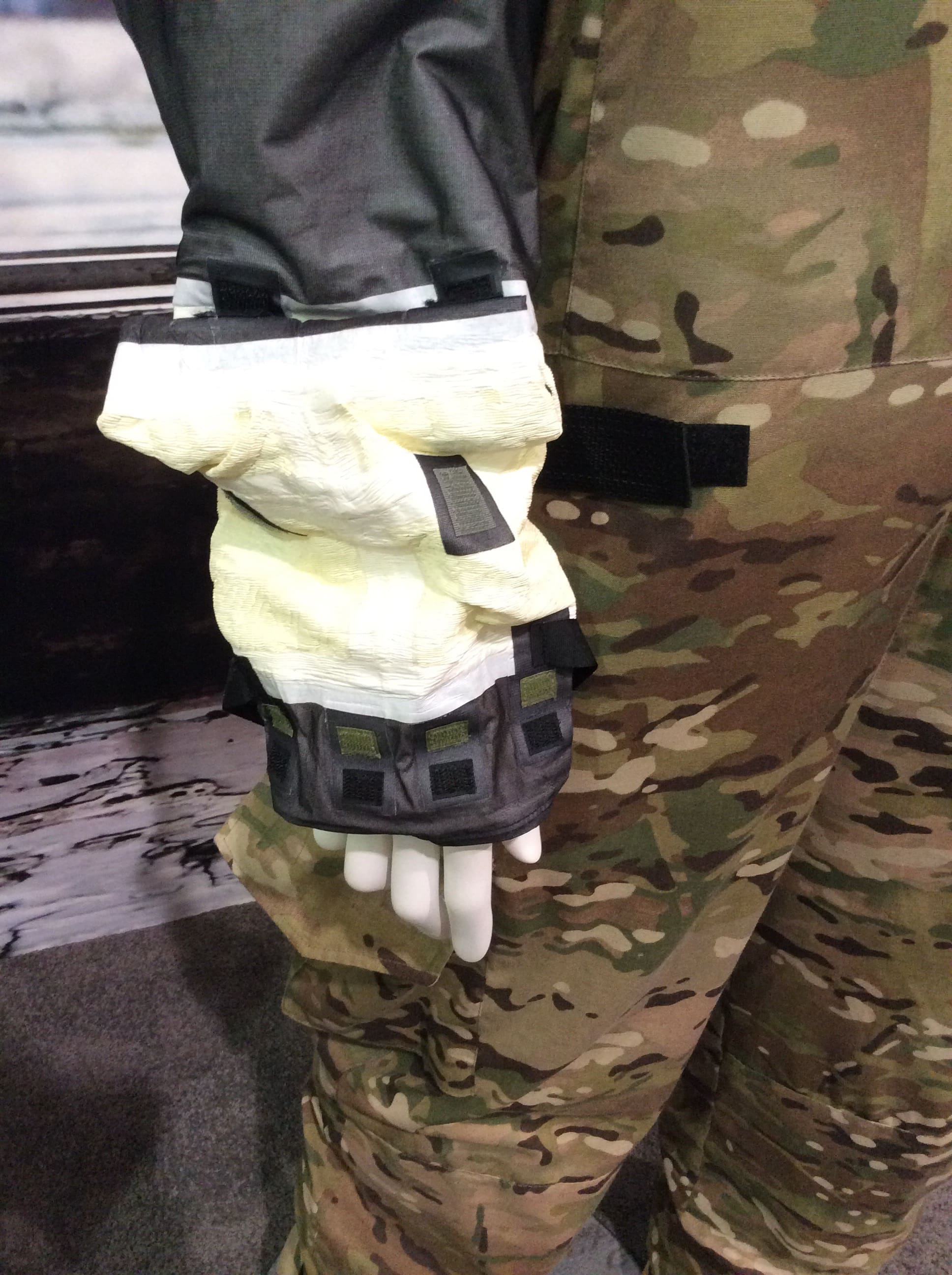
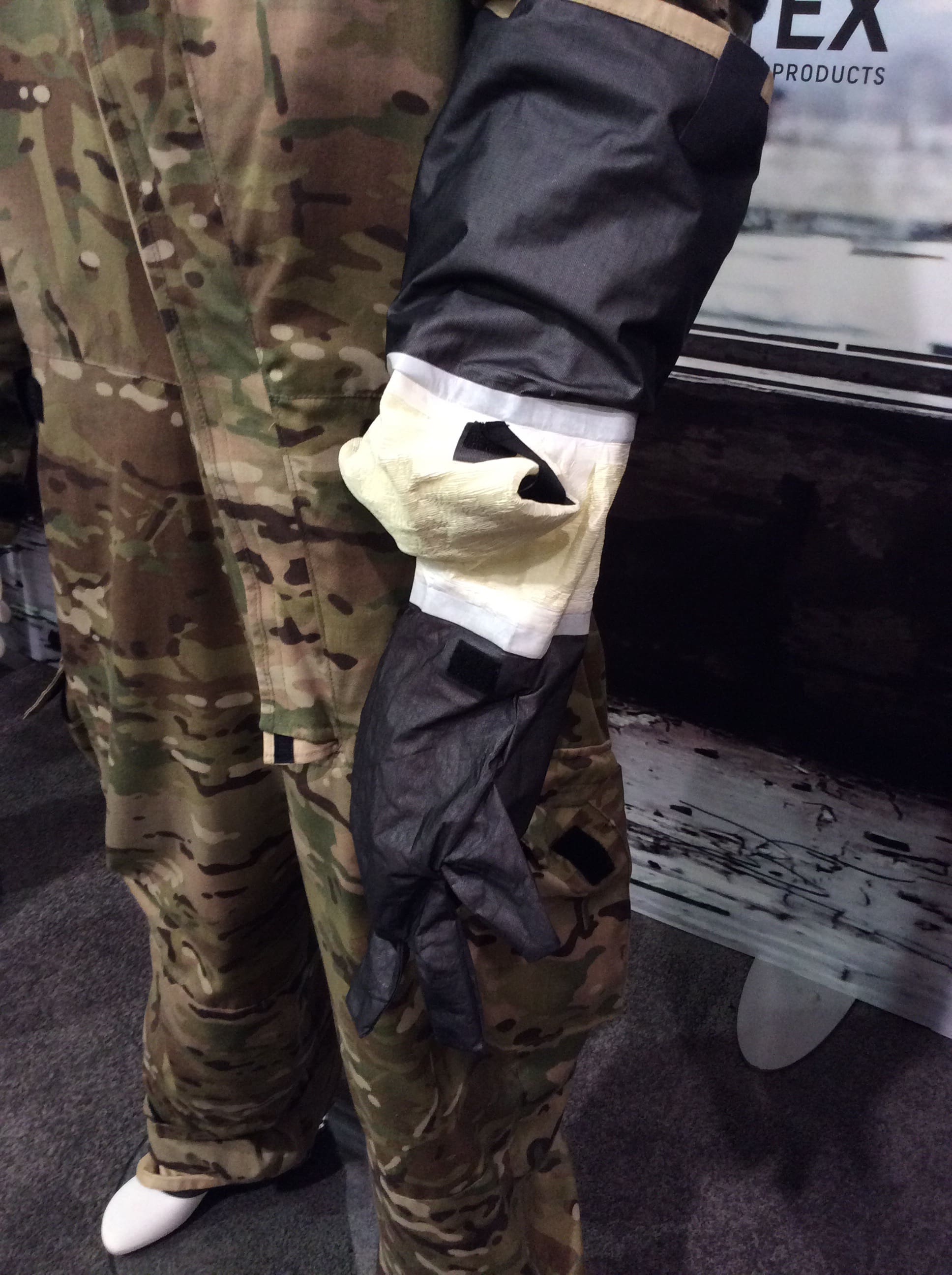
Another example is this glove interface which allows the wearer to quickly transition from MOPP 3 to 4 by pulling his hands in and inserting them into the attached gloves. Then, the user simply rolls up the opening and secures it with Velcro to seal it off and stows it under the cuff.

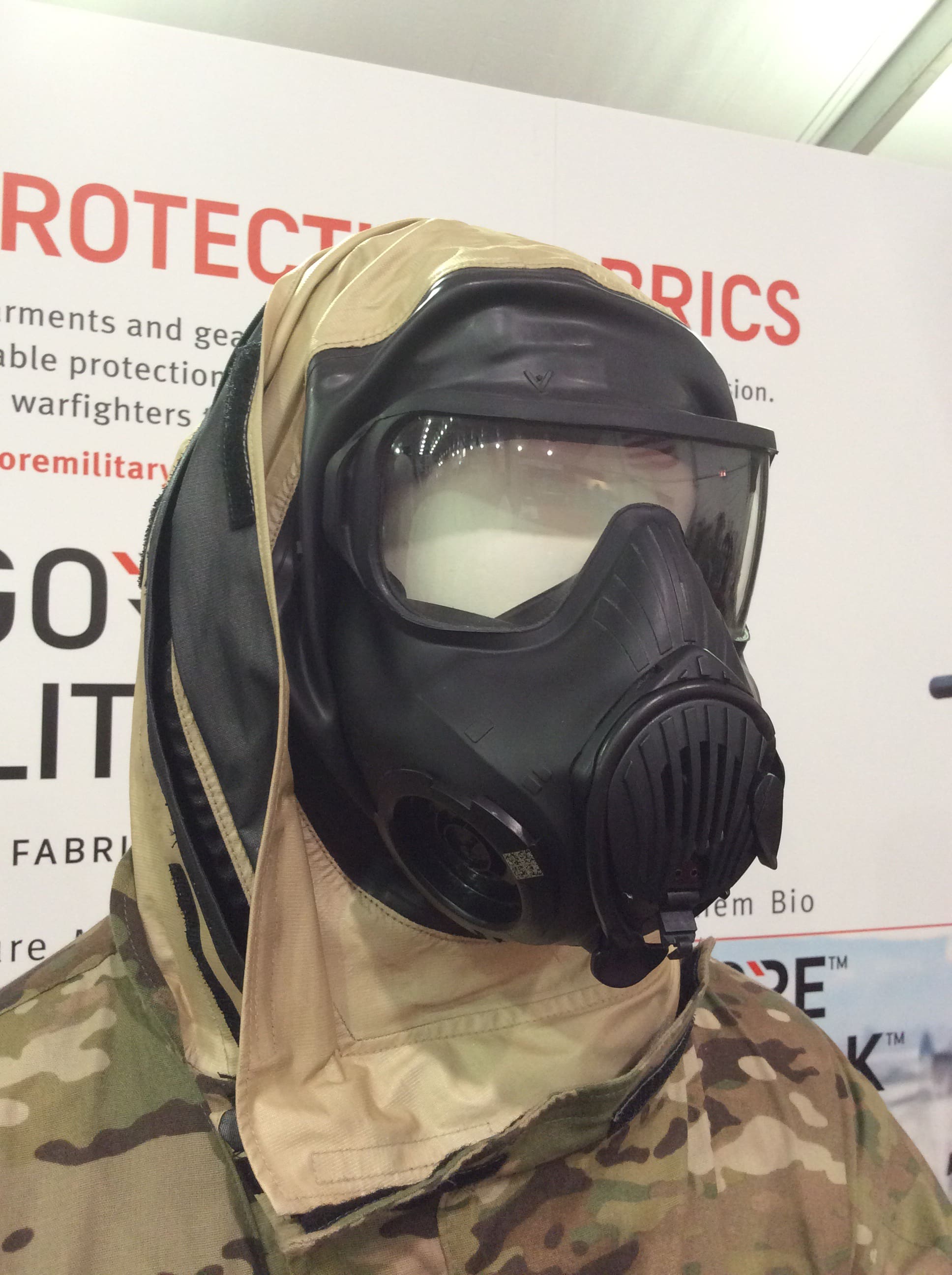
The CPCSU-2 also offers a removable hood which integrates into the suit as well as the mask. The advantages here are obvious; there’s no entry of outside air under gaps in the skirt of the traditional external hood. The membrane will also breath better than the rubber hood traditionally used with protective masks.
Finally, the legs of the CPCSU-2 open up to facilitate donning, yet close easily. Here, you can see the stretch material.
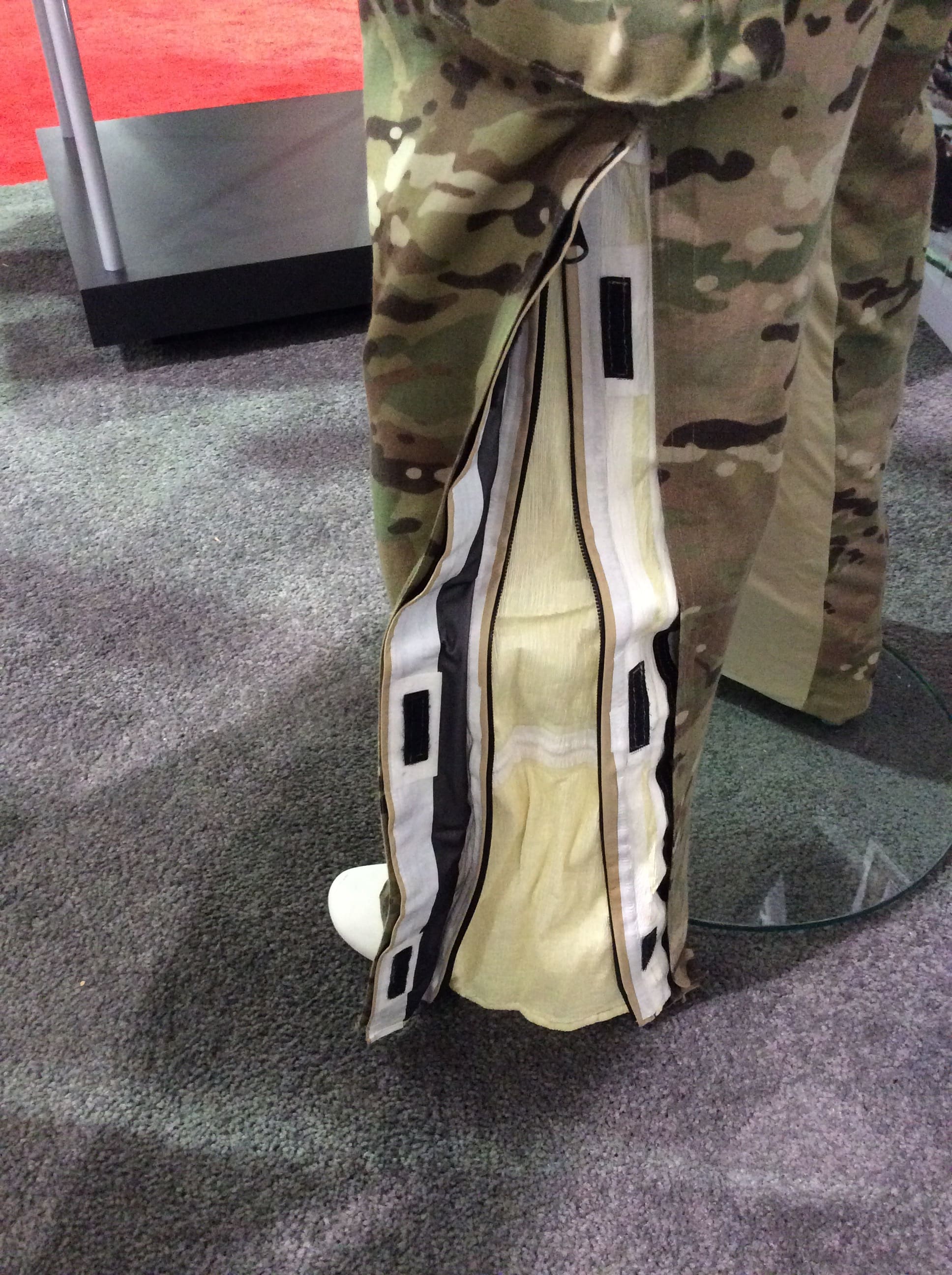
You may notice that the outer shells are removable. This is for maintenance as well as allowing the user to change his ‘paint job’ based on the environment he will be working in. In addition to environmental camouflage patterns, the user can select solid colors for low profile work or high visibility hues for disaster relief. Additionally, the user can specify different face fabrics for the shell. For example, full FR protection, no melt/no drip or anti-static are different shell fabric options.

Finally, independant testing shows that the CPCSU-2 family is lighter and lower unpacked volume than carbon-based suits.

For more information, visit www.goreprotectivefabrics.com.

FirstSpear Friday Focus – OEM Partner Series – SureFire

Friday, September 30th, 2016

Occassionally, we use the FirstSpear Friday Focus to highlight one of their OEM partners. This is one of those occassions, and this week we are looking at the work FS does for SureFire.


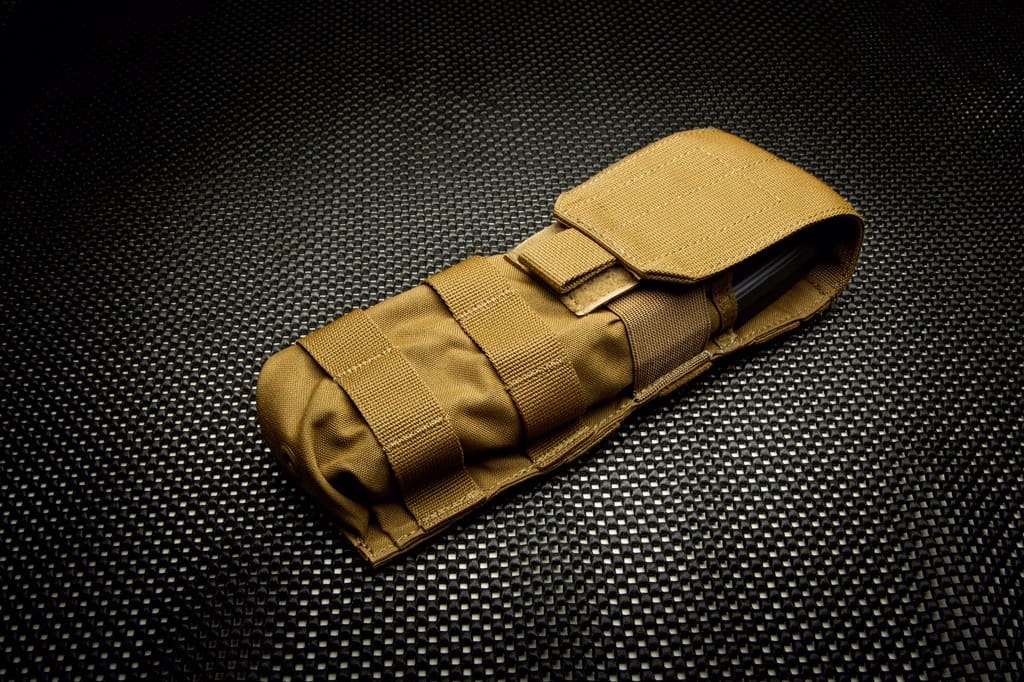
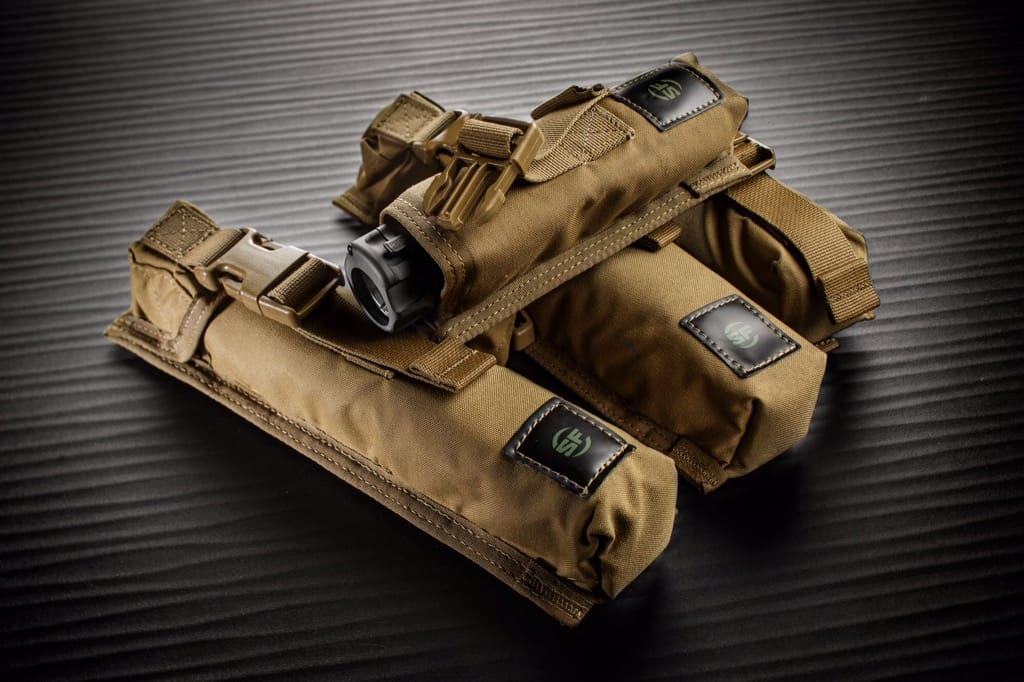
For quite awhile I’ve known that FirstSpear manufactured the SureFire High Capacity Magazine Pouches but what I didn’t realize is how long the two brands have been working together. They’ve been cooperating steadily since 2011.

Why did SureFire ultimately go with FirstSpear manufacturing?
First and foremost, we chose FirstSpear due to the high quality of product they produce. FirstSpear constantly innovates, and never cuts corners, which are attributes we at SureFire relate to closely. Additionally, their fast pace of manufacturing and competitive pricing made the decision easy. We feel the collaboration between SureFire and FirstSpear works well, as both companies simply want to build the best products possible for our customers and warfighters.

Why is it important that the Suppressor Pouches were “Made in the USA”?
SureFire SOCOM suppressor pouches need to be “Made in the USA” due to The Berry Amendment. We are required to comply with The Berry Amendment to be eligible for certain government contracts, specifically the SOCOM contract we currently hold. The Berry Amendment is a statutory requirement that restricts the Department of Defense (DoD) from using funds appropriated or otherwise available to DoD for procurement of food, clothing, fabrics, fibers, yarns, other made-up textiles, and hand or measuring tools that are not grown, reprocessed, reused, or produced in the United States.

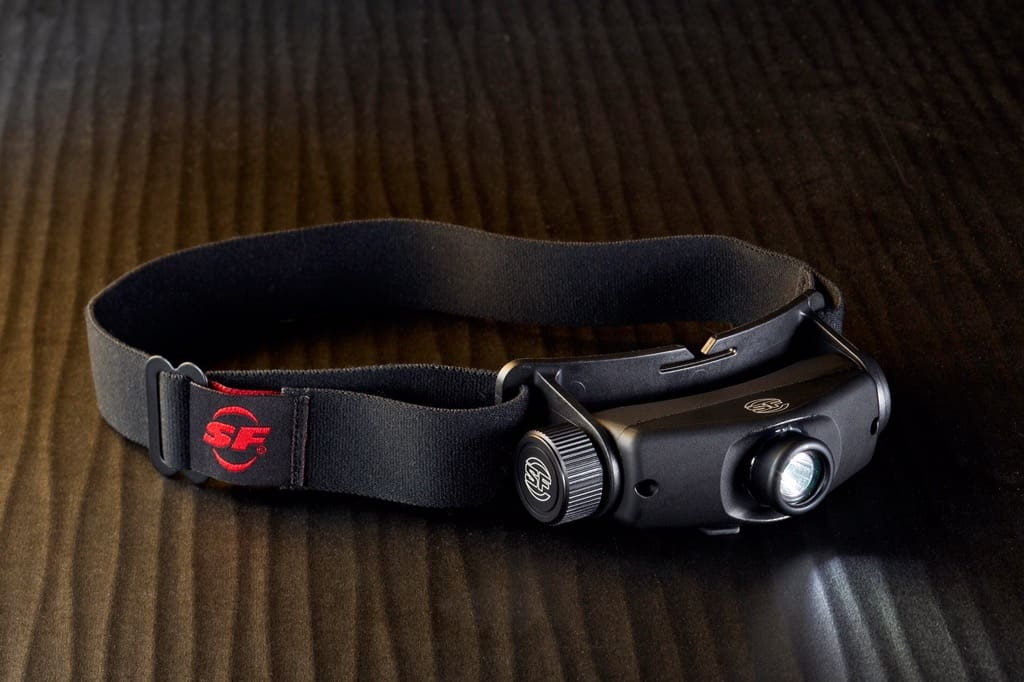
Interestingly, FS also provides the headbands for the Maximus Head Lamp.

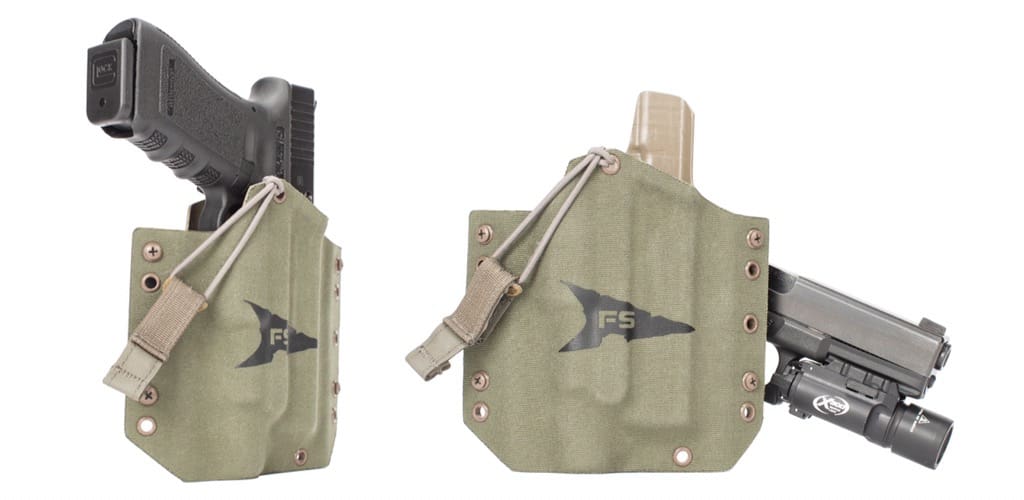
While the SSV line of holsters isn’t manufactured for SureFire, FS does offer models compatible with the X300 series weapon lights. Soon, they’ll be introducing versions which will accept the SureFire XC1.

FirstSpear www.surefire.com

Probably the Coolest Thing at Modern Day Marine

Friday, September 30th, 2016

Granted, it’s not very Marine, but it’s poignant nonetheless.