Way to go Newsweek. There’s already a legitimate magazine named “Off Grid”.
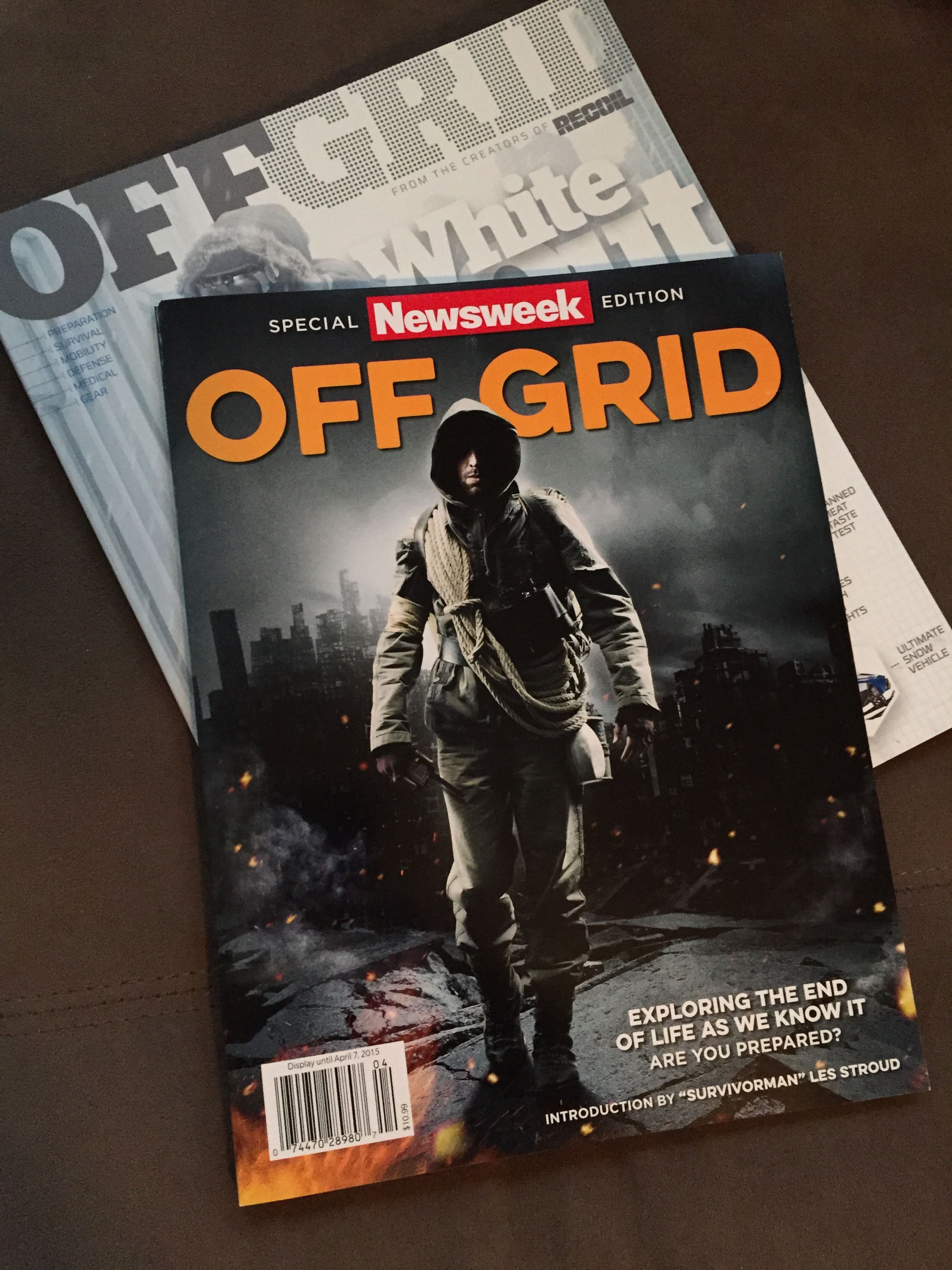
On the upside, Newsweek did get the former USAF SERE Instructors from Mountain Shepherd to weigh in on a few subjects.


Way to go Newsweek. There’s already a legitimate magazine named “Off Grid”.
On the upside, Newsweek did get the former USAF SERE Instructors from Mountain Shepherd to weigh in on a few subjects.
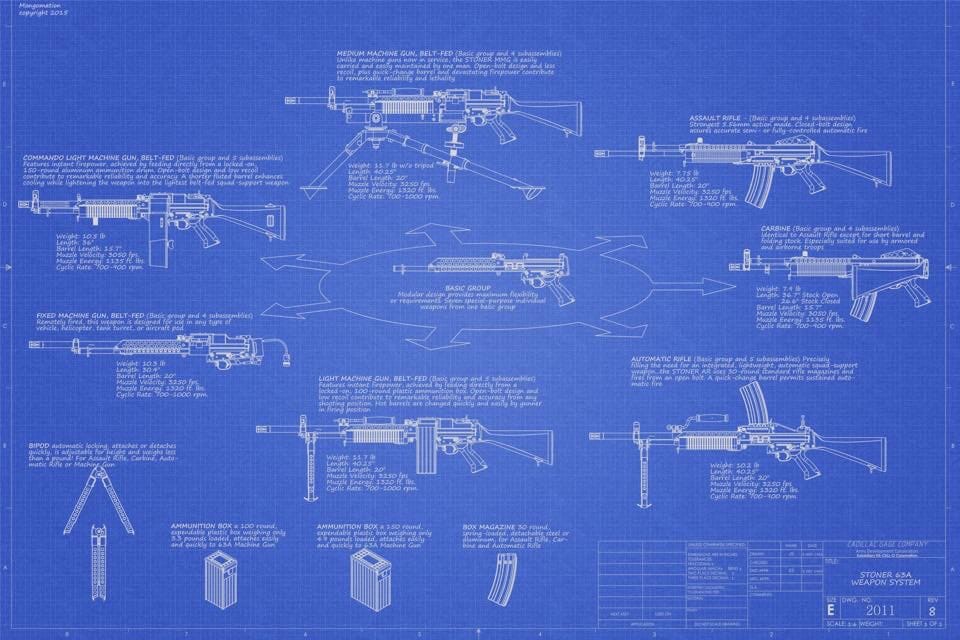
Larry Vickers shared this graphic depicting the Stoner 63A and its variants he got from his friend Mongo.
The Rapid Onset Violence Emergency Response kit, or ROVER, provides first responders with a deployment-ready, suitcase-sized toolkit to efficiently coordinate information, rapidly treat life-threatening injuries and quickly remove the injured. It also fosters increased cooperation between LE and EMS.
“We’ve seen hundreds of active shooter incidents where EMS/fire and law enforcement each set up separate command posts, essentially working in different silos,” says Kingfisher Medical Vice President Bob Otter, a 20-year veteran of the fire service himself. “This scenario can create dramatic and unnecessary delays in getting to these critically injured patients.”
The toolkit lid opens to the whiteboard with pre-printed cues for command staff, as well as information gathering. This keeps all emergency responders on the same page with the number of victims, victim location and other vital treatment information.
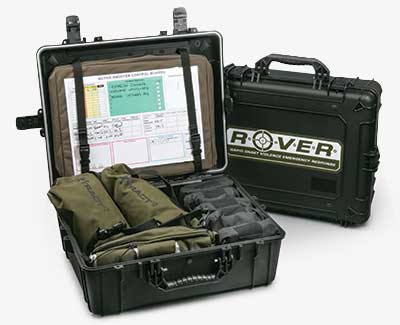
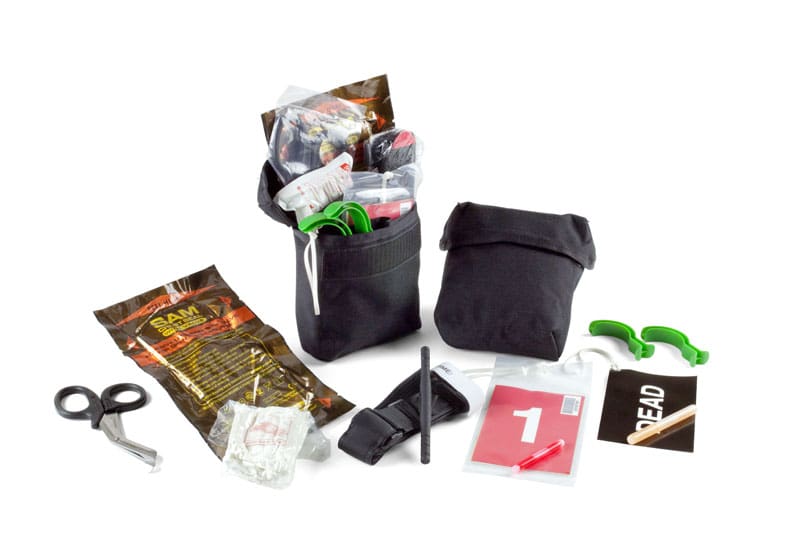
It also includes a number of IFAK trauma kits with rapid intervention supplies to treat those most seriously injured. The compact kits are PALS compatible and pre-stocked with life-saving devices, or can be custom configured to the agency’s needs or protocols.
Additionally, ROVER includes the military grade Xtract, a lightweight device that cocoons victims for a faster and safer extraction from the scene. The Xtract folds to the size of a bread loaf, yet is strong enough to lift or drag victims away from the scene with fewer emergency personnel. The Xtract reduces first responder exposure because victims can be rapidly removed from dangerous areas.

Several countries (including the US) have worked on future weapon systems that combine an air burst subcomponent and a personal defense weapon subcomponent. Soldier Integrated Precision Effects Systems is Canada’s effort. Working with Colt Canada, they are going all out, incorporating telescoping cased ammunition as well as a powered rail system.
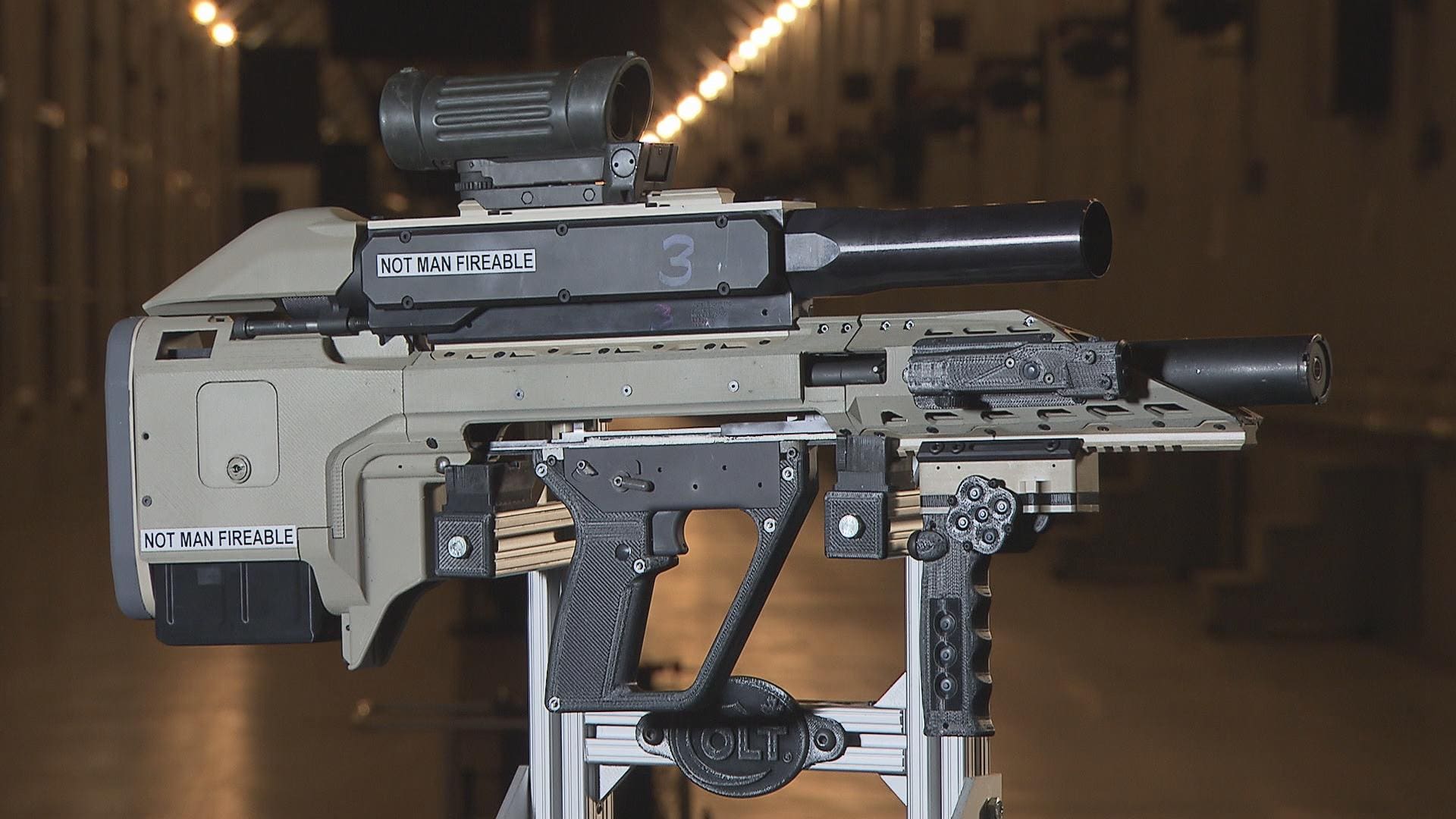
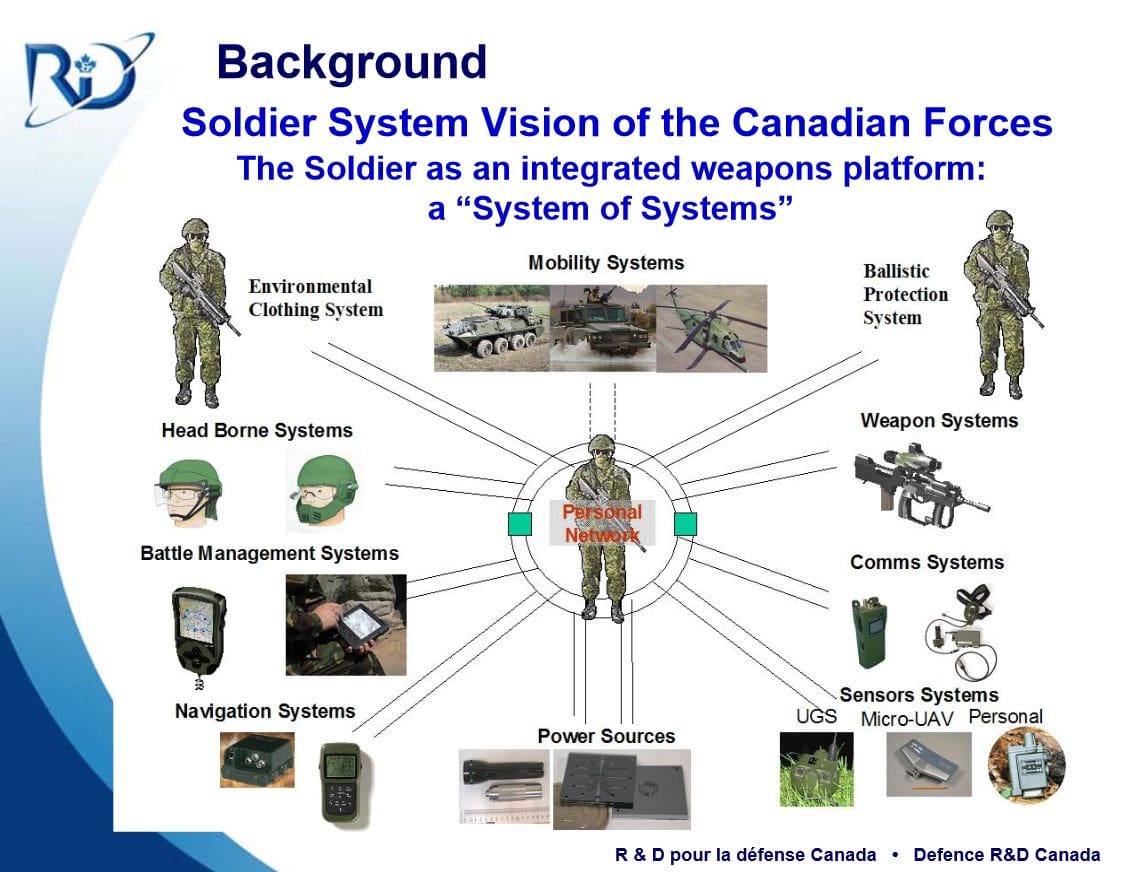
The SIPES demonstrator you see here isn’t the actual weapon that will be fielded but more of a tech development effort. In fact, you’ll notice in the photo above that this particular example is meant for firing from a test fixture. SIPES is latest effort of the Small Arms Replacement Project II which began in 2007 and overall, Canada expects to spend about $1 Billion to upgrade its small arms capability. As you can see, small arms is an import system in the Canadian Soldier ‘System of Systems’.
Below is the Defence Research and Development Canada press release.
More firepower, improved accuracy and smart integrated accessories that connect to command and control networks are the headline features of the new integrated assault rifle concept that Defence Research and Development Canada (DRDC) and Colt Canada have developed for the Canadian Armed Forces (CAF).
The prototype, in development since 2009 through the Soldier Integrated Precision Effects Systems (SIPES) project, includes a firing mechanism to shoot lightweight cased telescoped ammunition, a secondary effects module for increased firepower and a NATO standard power and data rail to integrate accessories like electro-optical sights and position sensors.
In order to support the multi-role nature of the weapon, the prototype’s secondary effects module features the ability to install either a three round 40 mm grenade launcher, or a 12-gauge shotgun. When optimized, the integrated weapon prototype could weigh less than a C7 equipped with a M203 grenade launcher, reducing the burden on soldiers.
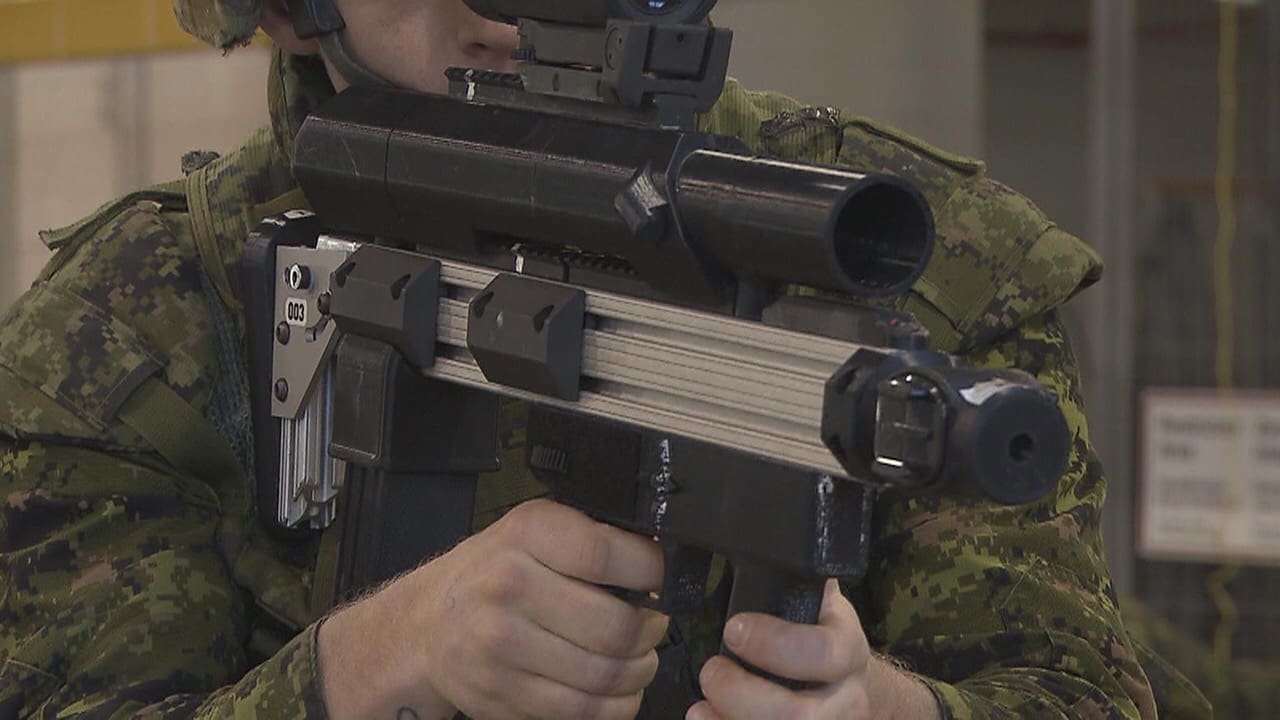
“In the medium term, this weapon concept represents a lethal, flexible general-purpose platform,” said Lieutenant-Colonel Serge Lapointe, from the Soldier Systems group in Director Land Requirements – Soldier Systems (DLR 5) of the Canadian Army. “It will be able to operate in all theatres of operations in the most complex terrain including urban areas, mountains, jungles, deserts and the Arctic.”
The development of the weapon prototype posed a considerable challenge. DRDC scientists analyzed advanced material technologies that could replace the metal used in heavy components. The lightweight case telescoped ammunition was tested extensively with the support of the Munitions Experimental Test Centre in Valcartier, Quebec to assess its long-term aging behaviour.
Scientists also studied how to increase the rifle’s accuracy using technology that can automatically detect targets and assist with engaging them. Questions related to the sensors needed to accurately geo-locate targets for target data sharing were also investigated.
How the soldier interacts with the weapon was also the subject of numerous human factor trials. Ergonomic and weapon prototype handling tests were performed by Human Systems Inc., under the supervision of DRDC scientists, with CAF soldiers from military bases in Petawawa and Edmonton. The testing was crucial to developing optimal design criteria to meet the CAF’s needs for the Small Arms Modernization project.
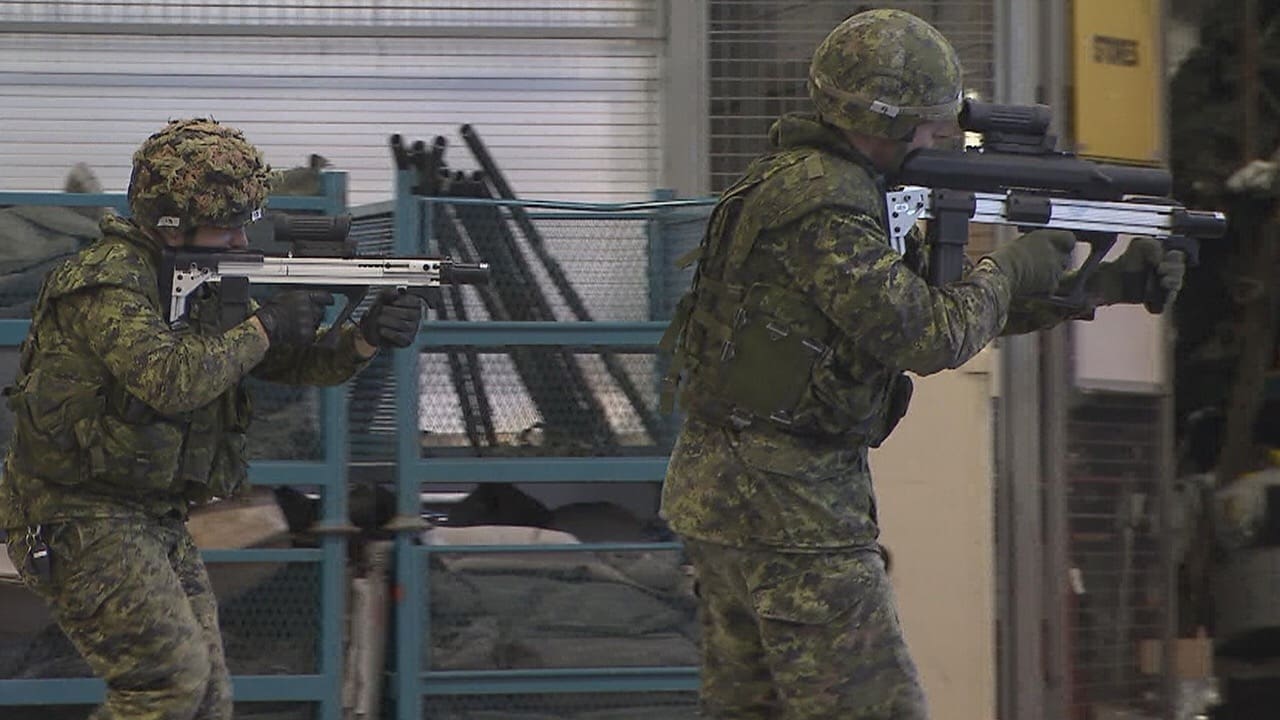
In addition, lessons learned by both DRDC personnel and the CAF during their deployment in Afghanistan revealed critical elements that informed the prototype weapon development process with respect to its design and functionality.
“The results of the first phase of the project have shown that DRDC expertise can be used to provide the Canadian Armed Forces with solid scientific data so they can make more informed decisions for their major acquisition projects,” said Dr. Guy Vézina, the Director General for S&T Army, DRDC.
The new weapon prototype is a promising development for the soldier of the future. The integration of electronic components will allow soldiers to generate or receive data from the command and control network. In the next phase of development, automated target detection and assisted target engagement will be the subject of an in-depth study in the Future Small Arms Research (FSAR) project.
Finally, the development of the integrated weapon prototype and the continuing analysis of promising technologies should facilitate the acquisition of the next generation of small arms by the CAF. The data collected and the analyses documented so far by DRDC scientists will be used in conjunction with the data and analyses that will be generated in the FSAR project to develop the technical criteria that will form part of the statement of operational requirement documentation for the CAF Small Arms Modernization project.
Photos by Jocelyn Tessier DRDC
Normally you have to reenlist to get your hands on one of these hats!
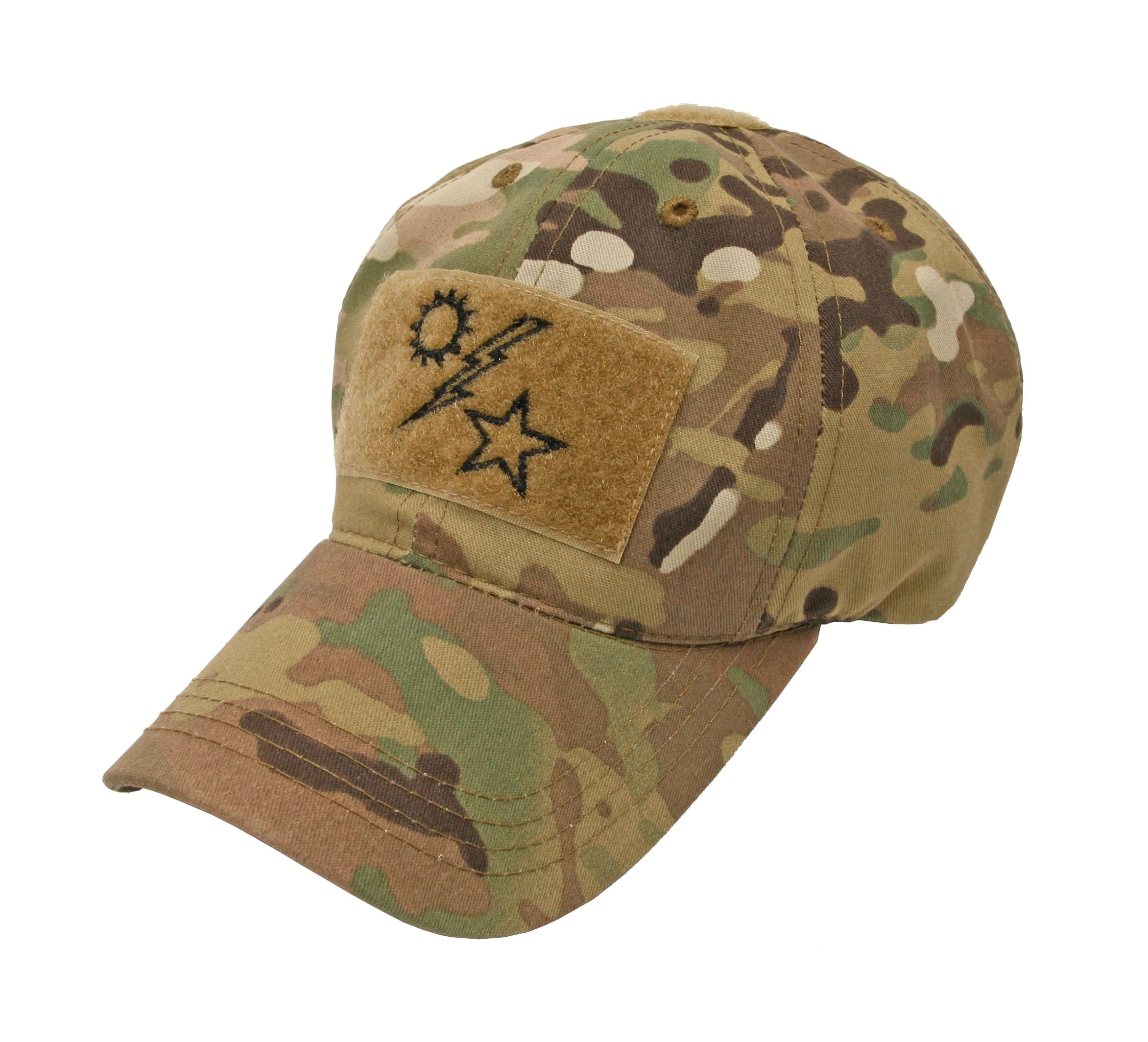
The Scroll Factory out of San Diego, CA, a Ranger veteran owned and run business, has teamed up with the Ranger department at Tactical Tailor to produce a limited run of signature series DUI cut out TT Operator Hat.
The 75th Ranger Regiment Distinctive Unit Insignia is symbolic of the 5307th Composite Unit Provisional, commonly referred to as Merrill’s Marauders from which the modern Ranger Regiment draws its lineage. The unit’s close cooperation with the Chinese forces in the China-Burma-India Theater is represented by the sun symbol from the Chinese flag. The star represents the Star of Burma, the country in which the Marauders campaigned during World War II. The lightning bolt is symbolic of the strike characteristics of the Marauders’ behind-the-line activities.
The Scroll Factory TT Operator Cap gives you classic ball cap styling combined with useful tactical features. Constructed to last from 100% cotton and features a rivetless top design, loop fastener panels on the front and top and heavy duty webbing with an adjustable slip lock buckle in the back. This hat is available exclusively from the Scroll Factory.
www.scrollfactory.com/products/hat-tactical-taylor-multicam
We first mentioned Solace Power at last year’s AUSA. Their wireless power transmission technology has lots of potential and now they’ve partnered with Boeing to use it to recharge UAVs.
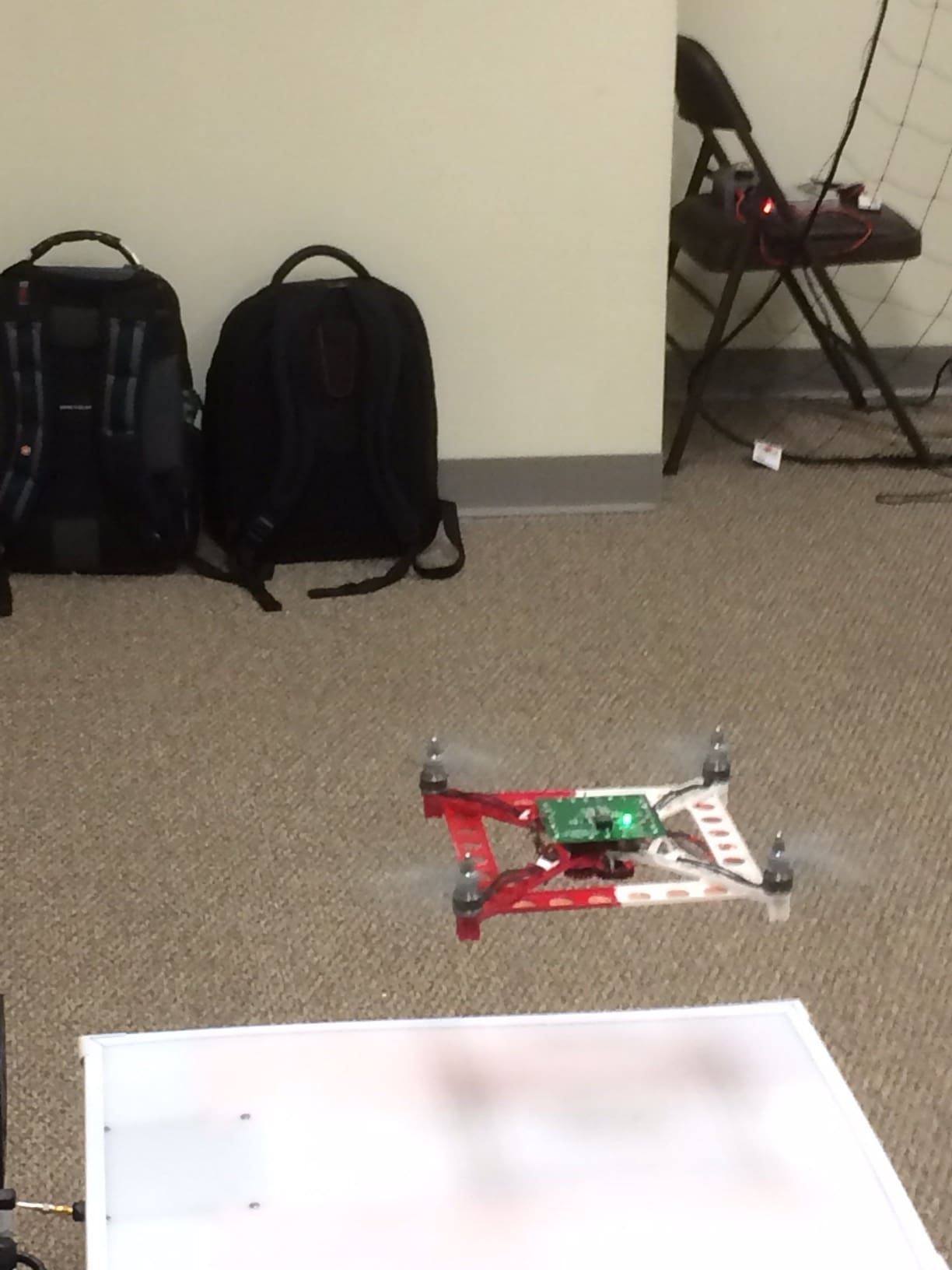
(The green light in the photo denotes that it is charging. )
New investments created in Newfoundland and Labrador-based company specializing in wireless charging technology
February 17, 2015 – Ottawa – Industry Canada
The Government of Canada’s military procurement policies have led to investment in a small Newfoundland and Labrador firm.
Solace Power Inc. of Mount Pearl, Newfoundland and Labrador, will receive financial and technical support from The Boeing Company to develop and demonstrate its wireless charging technology. Solace has developed the capability to recharge unmanned aerial vehicles (UAV) in flight through wireless electrical energy. This will enable UAVs to travel further from station and stay in the air for longer periods of time.
Boeing is making this investment as part of its Industrial and Technological Benefits Policy obligations resulting from the Government’s December 2014 purchase of a C-17 Globemaster III aircraft.