SIG SAUER - Never Settle

Archive for January, 2017

ASA Announces Reintroduction Of Hearing Protection Act: A Bill To Remove Suppressors From The NFA

Monday, January 9th, 2017

WASHINGTON, D.C. – The American Suppressor Association (ASA) is pleased to announce the reintroduction of the Hearing Protection Act (HPA) by Rep. Jeff Duncan (SC-03) and Rep. John Carter (TX-31). This historic piece of legislation, which was originally introduced by Rep. Matt Salmon (AZ-05) in the 114th Congress, will remove suppressors from the purview of the National Firearms Act (NFA), replacing the antiquated federal transfer process with an instantaneous NICS background check. The HPA also includes a provision to refund the $200 transfer tax to applicants who purchase a suppressor after October 22, 2015, which was the original date of introduction.

“The American Suppressor Association believes that citizens should not have to pay a tax to protect their hearing while exercising their Second Amendment rights,” said Knox Williams, President and Executive Director of the ASA. “We are thrilled for the opportunity to work with Representatives Duncan and Carter, who have reintroduced the Hearing Protection Act in this new Congress. Although we recognize that introducing this bill is the first step in what will be a lengthy process to change federal law, we look forward to working on the Duncan-Carter bill, alongside the Congressional Sportsmen’s Foundation and the NRA to advance and ultimately enact this common- sense legislation.”

Also known as silencers, suppressors are the hearing protection of the 21st century sportsman. Despite common Hollywood-based misconceptions, the laws of physics dictate that no suppressor will ever be able to render gunfire silent. Suppressors are simply mufflers for firearms, which function by trapping the expanding gasses at the muzzle, allowing them to slowly cool in a controlled environment. On average, suppressors reduce the noise of a gunshot by 20 – 35 decibels (dB), roughly the same sound reduction as earplugs or earmuffs. In addition to hearing protection, suppressors also mitigate noise complaints from those who live near shooting ranges and hunting lands.

Unfortunately, suppressors have been federally regulated since the passage of the National Firearms Act of 1934. The NFA regulates the transfer and possession of certain types of firearms and devices, including suppressors. Currently, prospective buyers must send in a Form 4 application to the ATF, pay a $200 transfer tax per suppressor, undergo the same background check process that is required to purchase a machine gun, and wait months for the ATF to process and approve the paperwork. In stark contrast, many countries in Europe place no regulations on their purchase, possession, or use.

The Duncan-Carter Hearing Protection Act will fix the flawed federal treatment of suppressors, making it easier for hunters and sportsmen to protect their hearing in the 42 states where private suppressor ownership is currently legal, and the 40 states where hunting with a suppressor is legal. This legislation will remove suppressors from the onerous requirements of the NFA, and instead require purchasers to pass an instant NICS check, the same background check that is used during the sale of long guns. In doing so, law-abiding citizens will remain free to purchase suppressors, while prohibited persons will continue to be barred from purchasing or possessing these accessories.

www.AmericanSuppressorAssociation.com
Check Out The Latest From TNVC At SHOT Show

Monday, January 9th, 2017

Vectronix and Optics 1 Combine to Create Safran Optics 1

Monday, January 9th, 2017

BEDFORD — Vectronix Inc. has merged with its U.S.-based research and development subsidiary, Optics 1 Inc.

The newly combined company will operate under the Optics 1 corporate trade name — Safran Optics 1.

Optics 1 Inc. will continue to be a wholly-owned subsidiary of Vectronix AG and a part of Safran Electronics & Defense, a Safran group company.

Optics 1 has been housed at 2 Cooper Lane in Bedford since 2013, and previously operated in Manchester. The defense group, which employs 65 people in Bedford, started in the 1980s and has been based in New Hampshire for about 15 years. It has shared its current location with Vectronix.

Colt Launches Tactical Lighting

Monday, January 9th, 2017

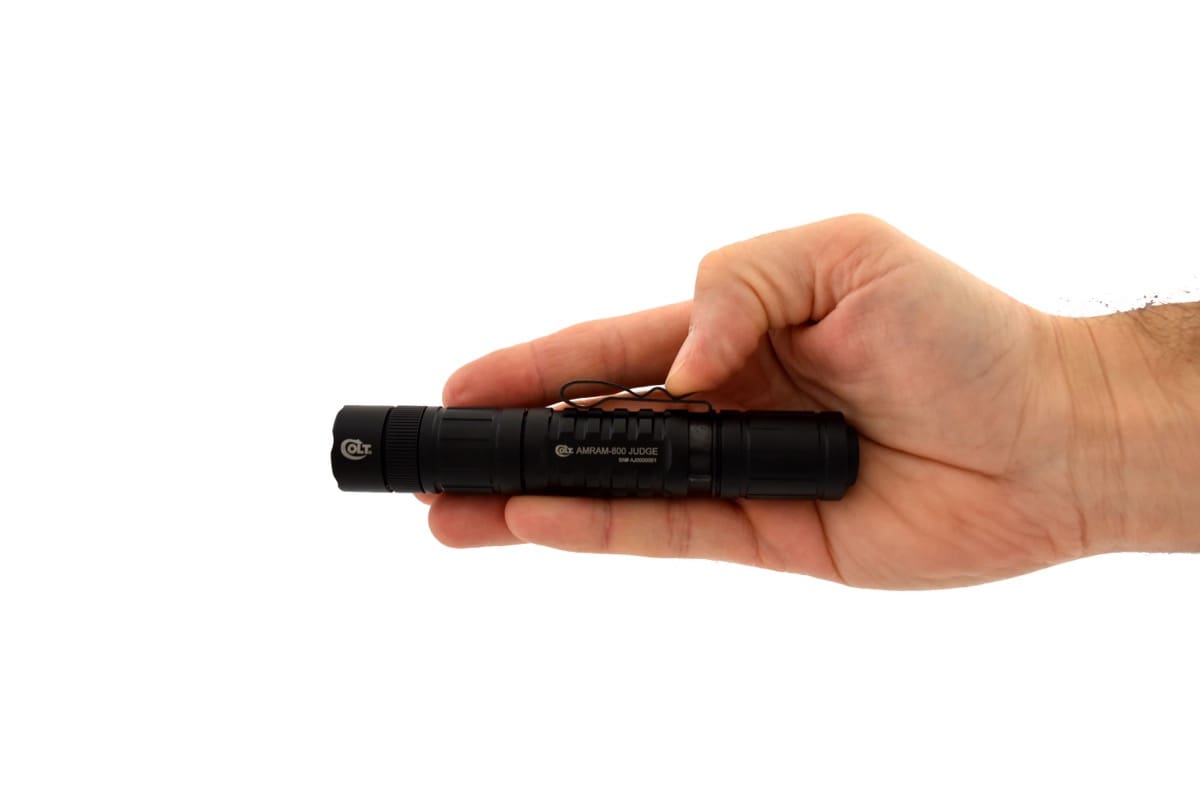
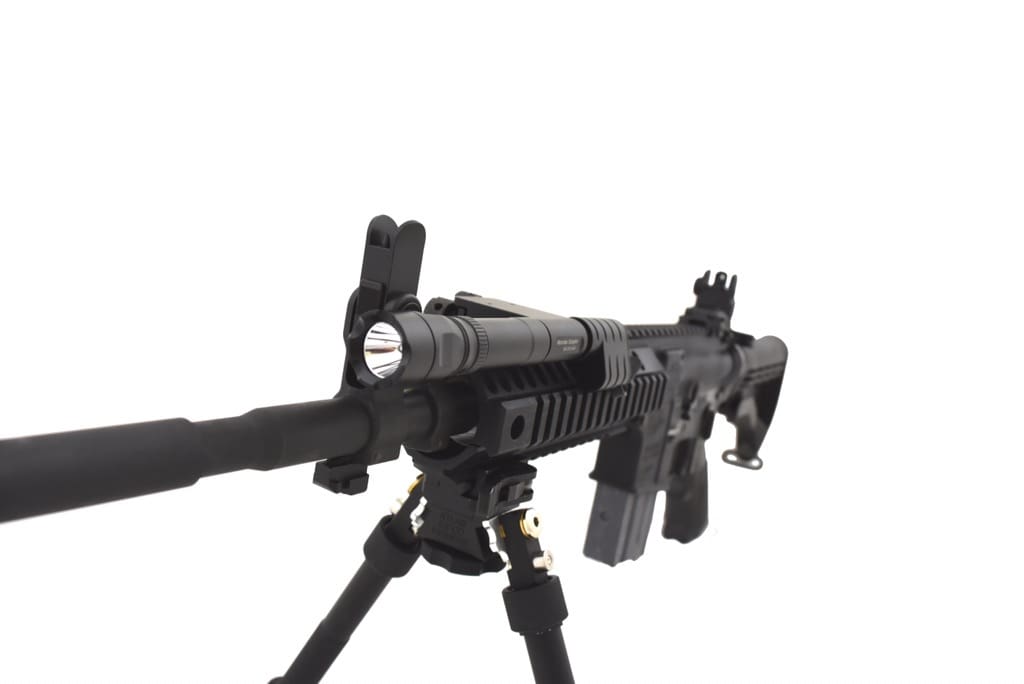
WEST HARTFORD, Conn. (January 06, 2017) – Legendary firearms manufacturer Colt is excited to announce the release of its first line of integral-mount weapon lighting and handheld tactical lighting systems. The product line includes four tactical flashlights and four weapon-light systems, featuring up to 1200 lumens of high intensity power.

The new line of tactical and weapon lights are designed with the quality and performance Colt customers have come to expect from all of its product lines. “They are a new standard in portable mountable lighting,” said Tan Woo, lead design engineer for Colt Lights. “Now Colt enthusiasts have an answer for their illumination needs – be it for hunting, training, or law enforcement and security duty. These robustly designed lights can withstand the rigors of daily use while providing superior visibility when environmental light is low to extremely dark.”

The Colt weapon light models includes the slim, rail-hugging integral-mount Microtac® MS white light and Predator™ green models. All of the integral-mount models are built with high performance, low-profile bodies and reversible heads and tails for optimal on-rail customization. They are efficiently powered by AA or AAA battery power systems (depending on model) for up to 400 lumens of output. “We wanted to make sure that our mountable lights were recoil-resistant for nearly all hunting rifle calibers,” said Woo. “And for flexibility, we designed them to mount on both Picatinny and Weaver rail systems, so sportsmen can easily use them with their existing equipment.” The light mounting system supports multiple ambidextrous mounting options. Predator™ models ship with both white and green LEDs.

The four new handheld tactical lights offer the same professional grade quality as the weapon light series. Tactical lights include the 1200 lumen high-intensity PeaceMaker® which is powered by four CR123 cells, the 800 Lumen compact slim-line Judge® powered by two CR123 cells, and the AMRAM® Microtac® AM100 and AM200 Backup Series. “When something goes bump in the night, these handheld flashlights offer the kind of illumination you need to inspire confidence,” says Woo.

Colt Lights will be available through Shop.Colt.Com and ColtLights.com.

Ops-Core Special Operations Tactical Respirator

Monday, January 9th, 2017

There was a time when helmets were only worn by SOF for airborne operations. Now, it’s standard practice to wear both helmet and body armor in both live-fire training as well as operations. Similarly, when I joined the Army in the mid-80s, the only eye pro were crappy Sun, Wind and Dust Goggles. By the late-90s, effective eye protective glasses and goggles were standard issue and wear in garrison, as well as deployed. The same can be said for active hearing protection. While it’s still not universal, most service members have access to hearing protection with active noise reduction features in addition to their ear plugs. We’ve adapted to the realities of the threat environment and driven technology solutions to the point of protecting head, eyes and ears. Now it’s time to get serious about protecting our service members’ respiratory system.

I first saw the Special Operations Tactical Respirator in the Gentex booth at Warrior West and was immediately impressed. There is no active requirement for this product. Gentex saw an unstated need and spent internal R&D Dollars to create a solution. I have a lot of friends with heavy metal poisoning from years of operating in threat environments as well as training in shoot houses. You’ll pick up a lot of lead just breathing during training, but being deployed exposes folks to a lot of residual, environmental threats as well. In the case of heavy metals, they collect in your body and left untreated, poison for the rest of your life. Naturally, it’s best to avoid altogether, or at least mitigate exposure. That’s where the SOTR comes in.

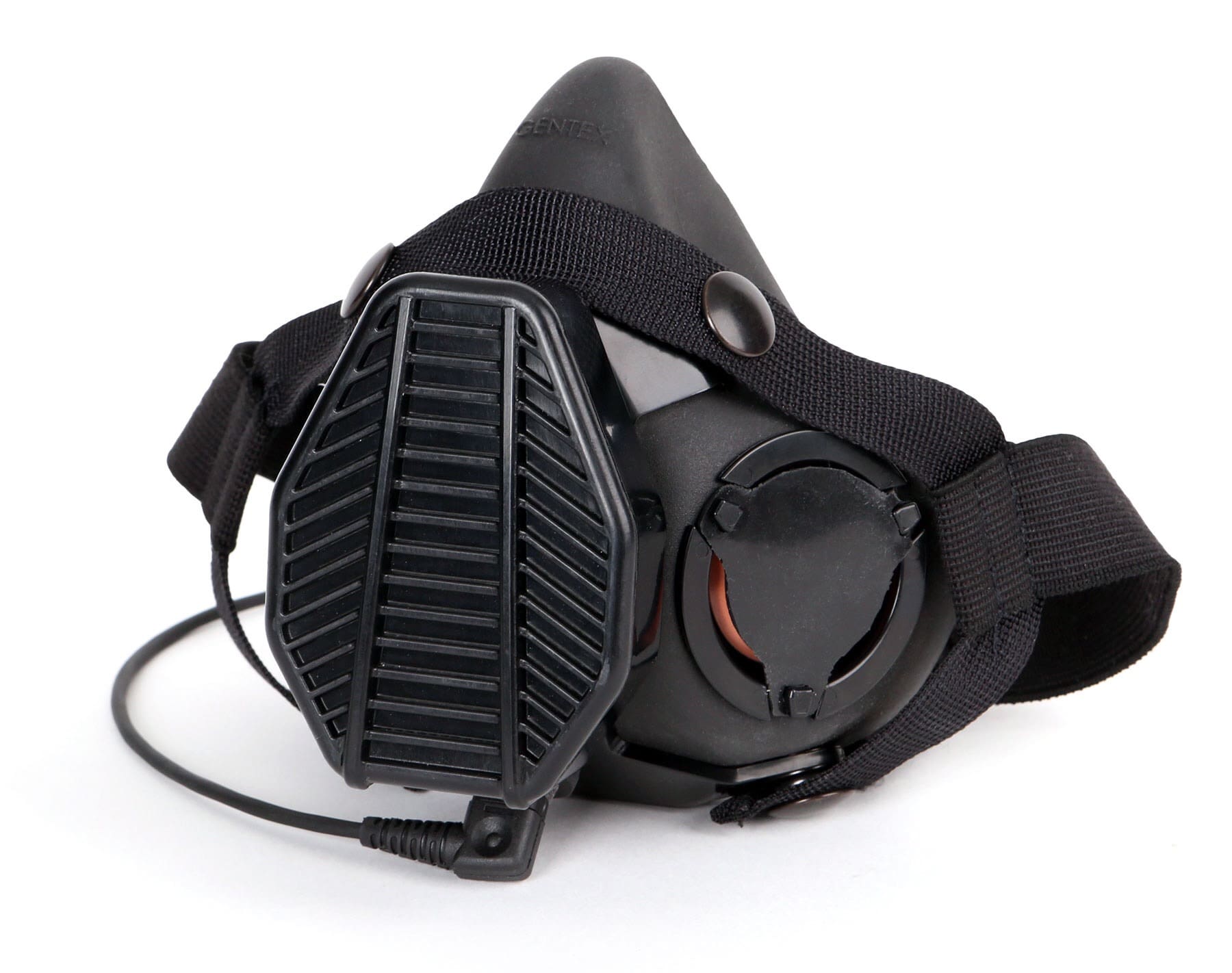
Adapted from technology created for use in the F-35 Lightning II Program (also known as the Joint Strike Fighter Program) and leveraging over 35 years of other experience in the development of oxygen masks and CBRN equipment for aircrew and aircraft maintainers, Gentex Corporation designed its first respirator for ground applications, the Ops-Core Special Operations Tactical Respirator (SOTR). The new half-mask respirator will provide protection against a wide range of oil and non-oil based particulate contaminants encountered by Special Operations Forces, tactical operators or specialized law enforcement officers.

The half-mask respirator filter offers at least 99.7% filtration efficiency against airborne particulates including lead, asbestos, lubricant mist, and explosive gunfire residue. If it catches on, I can see future development of a filter for use against riot control agents and even CBRN threats for in-extremis use.

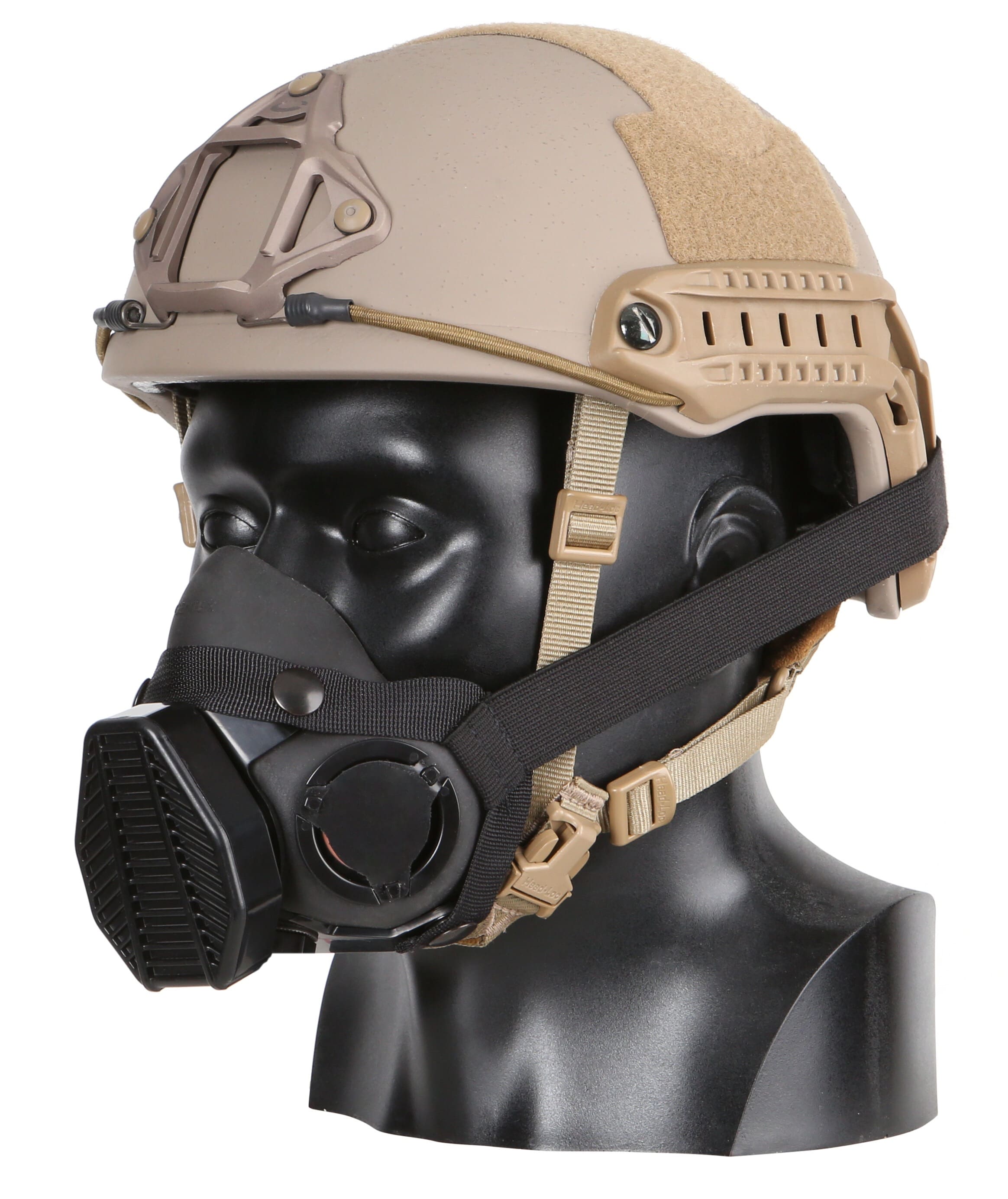
Key customer input driving the development of the respirator was that existing respiratory masks were excessive for the current threats they faced and that they did not integrate well with helmets or weapons systems. Employing their streamlined systems approach to design, Ops-Core developed the new respirator to provide protection without interfering with operator’s tactics, techniques, and procedures (TTP), and to seamlessly interface with weapon systems for optimal effectiveness.

Other key features of the low profile half-mask respirator include a microphone, compatibility with standard ground communications headsets, two exhalation valves for easier breathing, easy-to-adjust suspension straps for both helmet worn and helmetless wear, a flexible and lightweight silicone face piece to enable fit to a large variety of facial types, front mounted inhalation valve and cartridge ports for enhanced field-of-vision, and a quick, one-handed filter change. In addition to the strap seen here for stand-alone use, the SOTR will also attach to the FAST helmet in a similar fashion to the O2 mask used for MFF parachuting operations.

Available in early 2017, the Ops-Core Special Operations Tactical Respirator was developed at the company’s facility in Rancho Cucamonga, California, which is dedicated to the research, development, and manufacture of respiratory protective products for military and law enforcement professionals.

www.ops-core.com

S&S Precision Maker Monday – Manta Strobe

Monday, January 9th, 2017

We’re happy to present the return of S&S Precision’s Maker Monday. This time, we’ll give you a tease of the Manta Strobe which has received some really cool updates. This year also marks an important milestone for S&S Precision as they celebrate their 10 year anniversary.

One of the first products developed at S&S Precision was the Manta Strobe. This year, they’re bringing you new features and enhanced functionality. More to follow.

www.sandsprecision.com

TYR Tactical – New Product in Development: Huron Wet Weather Uniform Pant and Jacket

Monday, January 9th, 2017

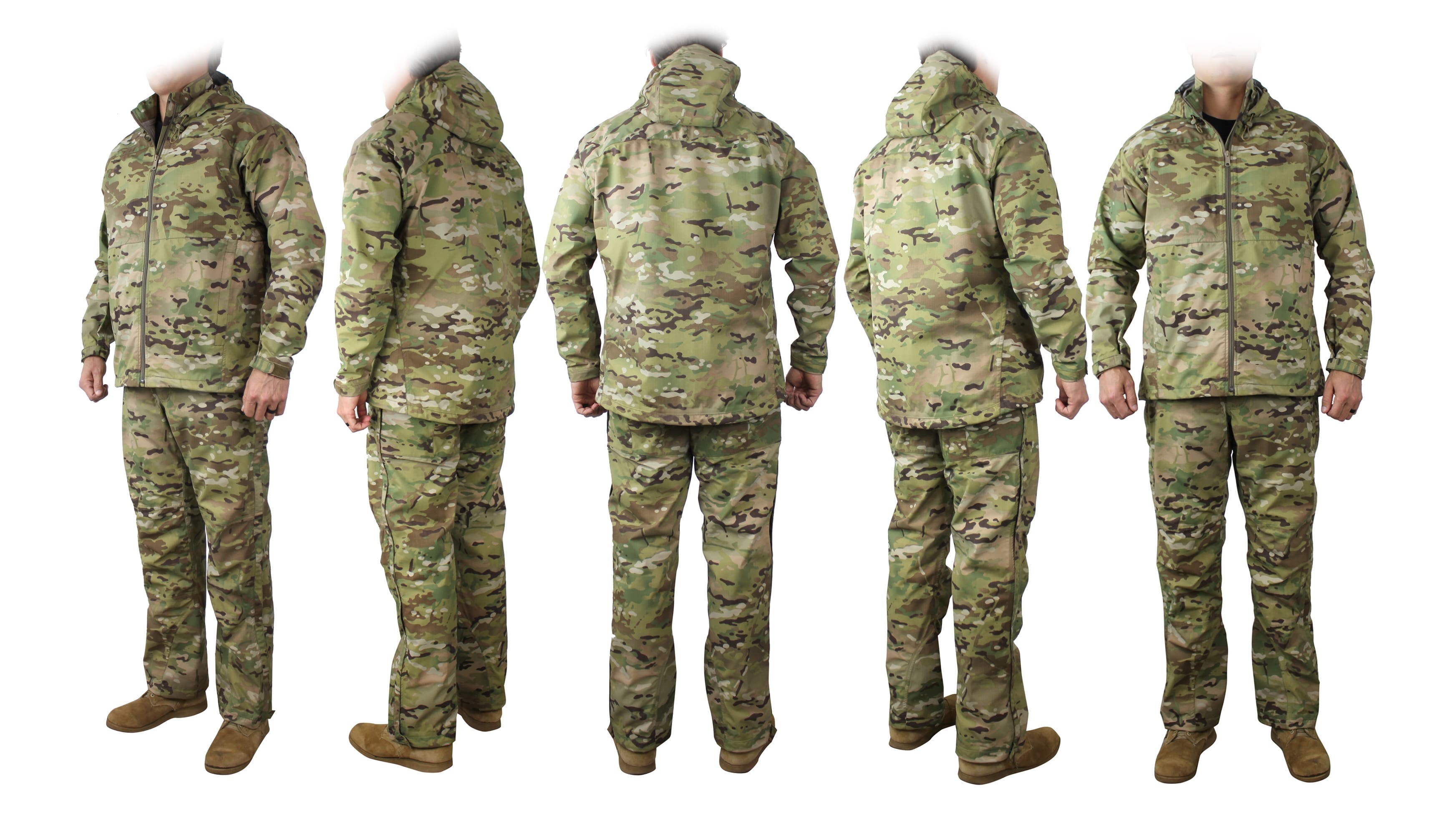
Today, TYR Tactical premiers a new web series on their YouTube channel called, “New Product in Development” which offers exactly what the name implies, a peak behind the curtain of new their devolopment efforts.

This first installment focuses on the Huron™ Wet Weather Uniform Pant and Jacket.

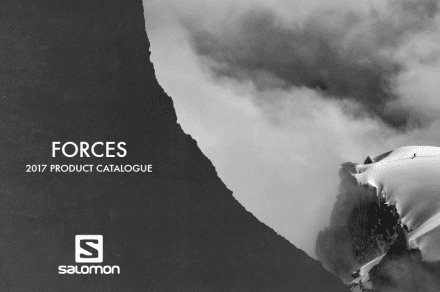
2017 Salomon Forces Catalog

Monday, January 9th, 2017

Check out the full 2017 Salomon Forces line.

forces

Click to view .pdf

During SHOT Show, the 2017 Salomon Forces line will be on display in ZENO #4803 Level 4 of the Sands Expo.

www.salomon.com/us/forces