Phantom Lights

Archive for the ‘SOF’ Category

Duke Field Airman Among Newest DAGREs

Saturday, March 19th, 2022

DUKE FIELD, Fla. —  

A lone security forces Airman ran through plumes of purple smoke while fighting off opposing forces before taking cover behind a building with their own ammunition flying through the streets of the mock village.
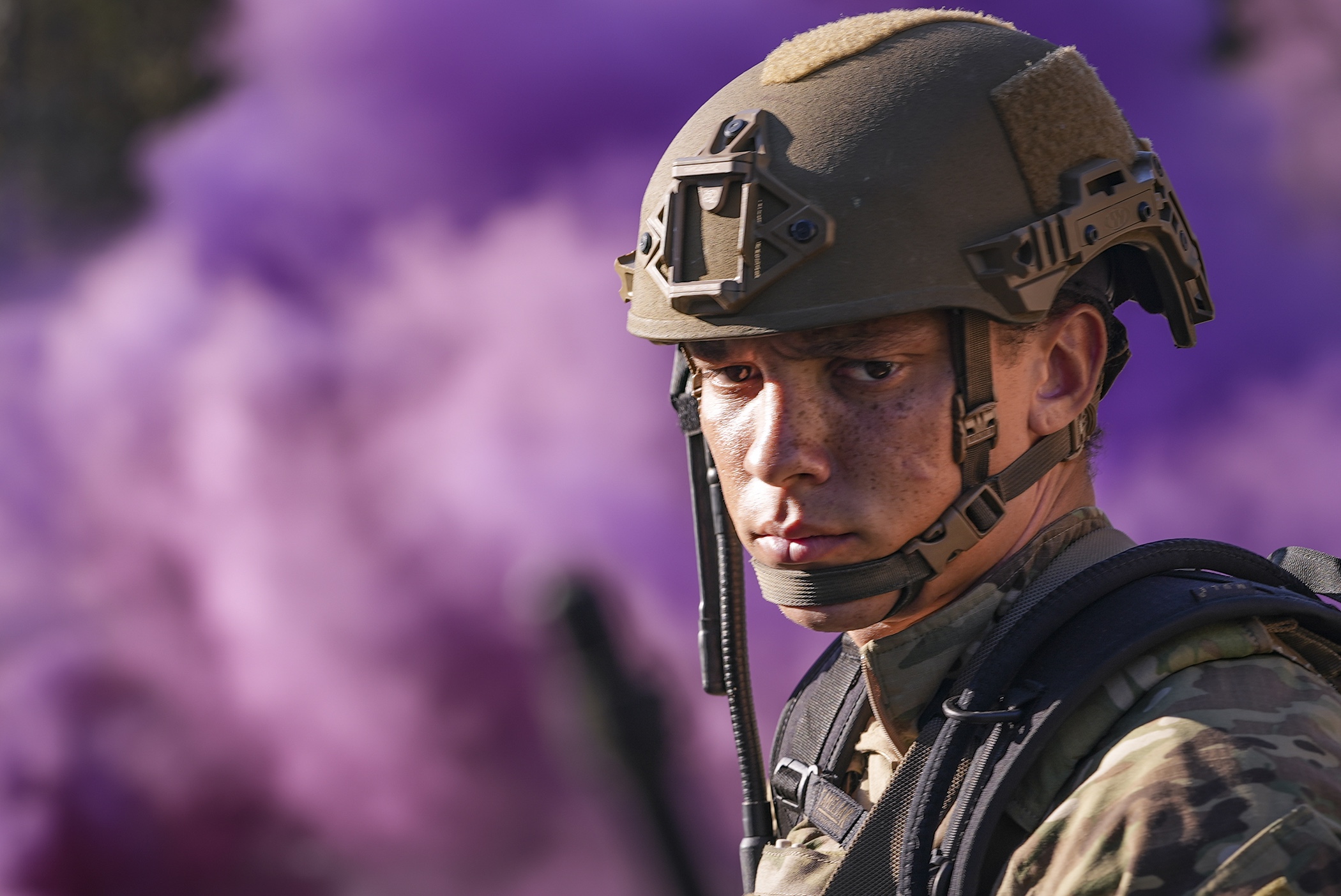
The sound of gunfire consumed the “city” comprised largely of shipping containers while the determined service member rejoined his wingmen to get a wounded Airman to an evacuation point. This was a small taste of what any DAGRE needs to be prepared for in a contingency environment.

Deployed Aircraft Ground Response Elements provide security for Air Force Special Operations Command assets and personnel in environments where security is unknown or deemed inadequate. They are highly specialized security forces members that receive more training than their counterparts and can perform a variety of defensive operations in remote environments.
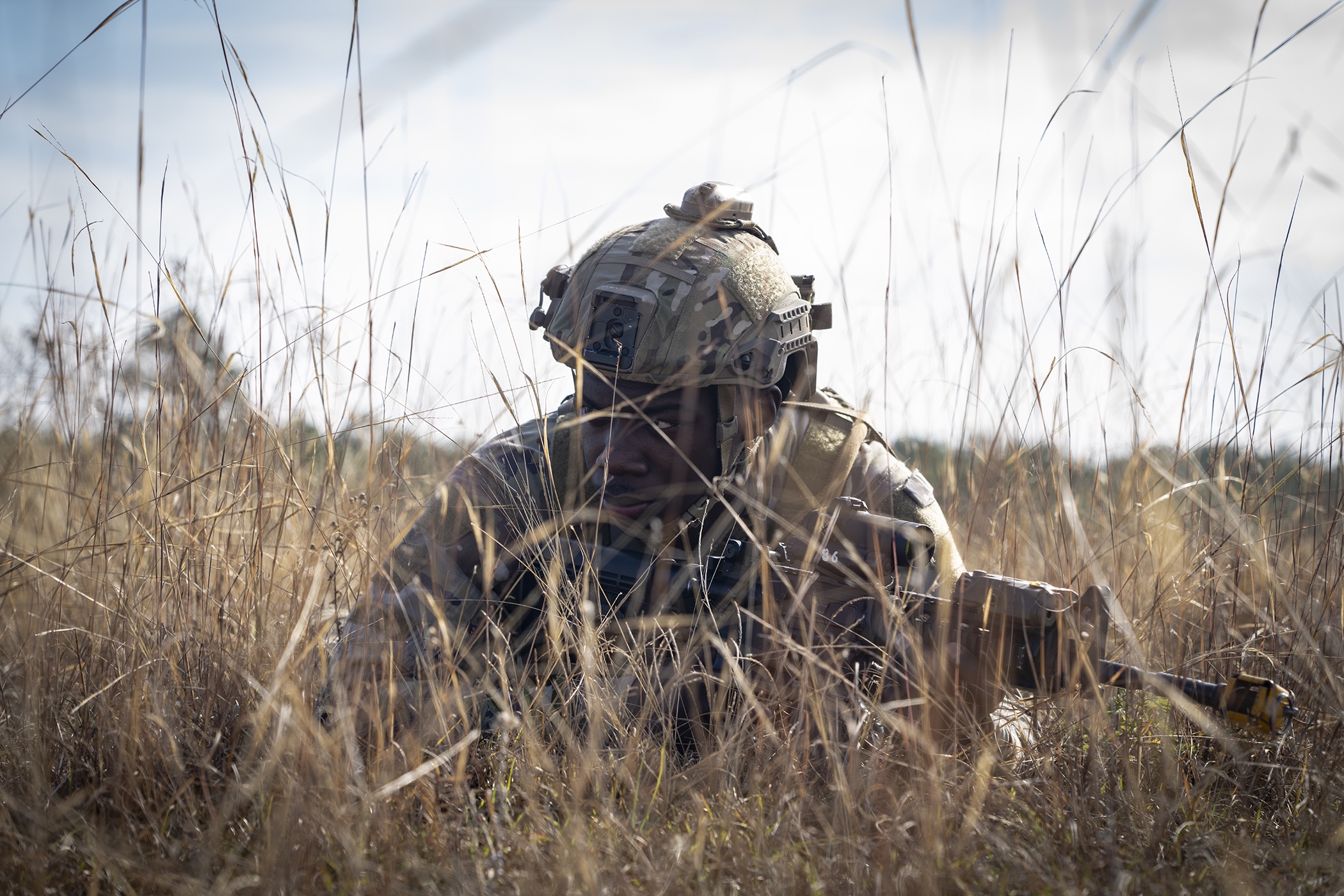
“I joined initially because I thought it was one of the coolest slots in my unit,” said Senior Airman Amahd Rasheed, 919th Special Operations Security Forces Squadron member. “Everybody wanted to be ‘that guy’ so they could do those missions and wear that DAGRE tab.”

The first step for Rasheed in achieving his goal was passing the 919th SOSFS assessment. In this phase of training, DAGRE candidates learn and perform many of the tasks they will have to demonstrate during their qualification course. The assessment involves ruck marching, sleep deprivation, shooting, land navigation, and a multitude of other tasks and skillsets.
He pulled through and advanced to the next step of his DAGRE training at Hurlburt Field with the 371st Special Operations Combat Training Squadron. Here, Rasheed went through the Air Commando Field Skills Course, the first stop for all Airmen supporting Special Operations Forces.

“Most of the Airmen in this course are learning how to hold their own while supporting special operations,” said Dirk Baier, course director for ACFSC. “In this course, they’re learning how to go downrange, shoot, move, communicate, and get themselves out of a bad situation.”
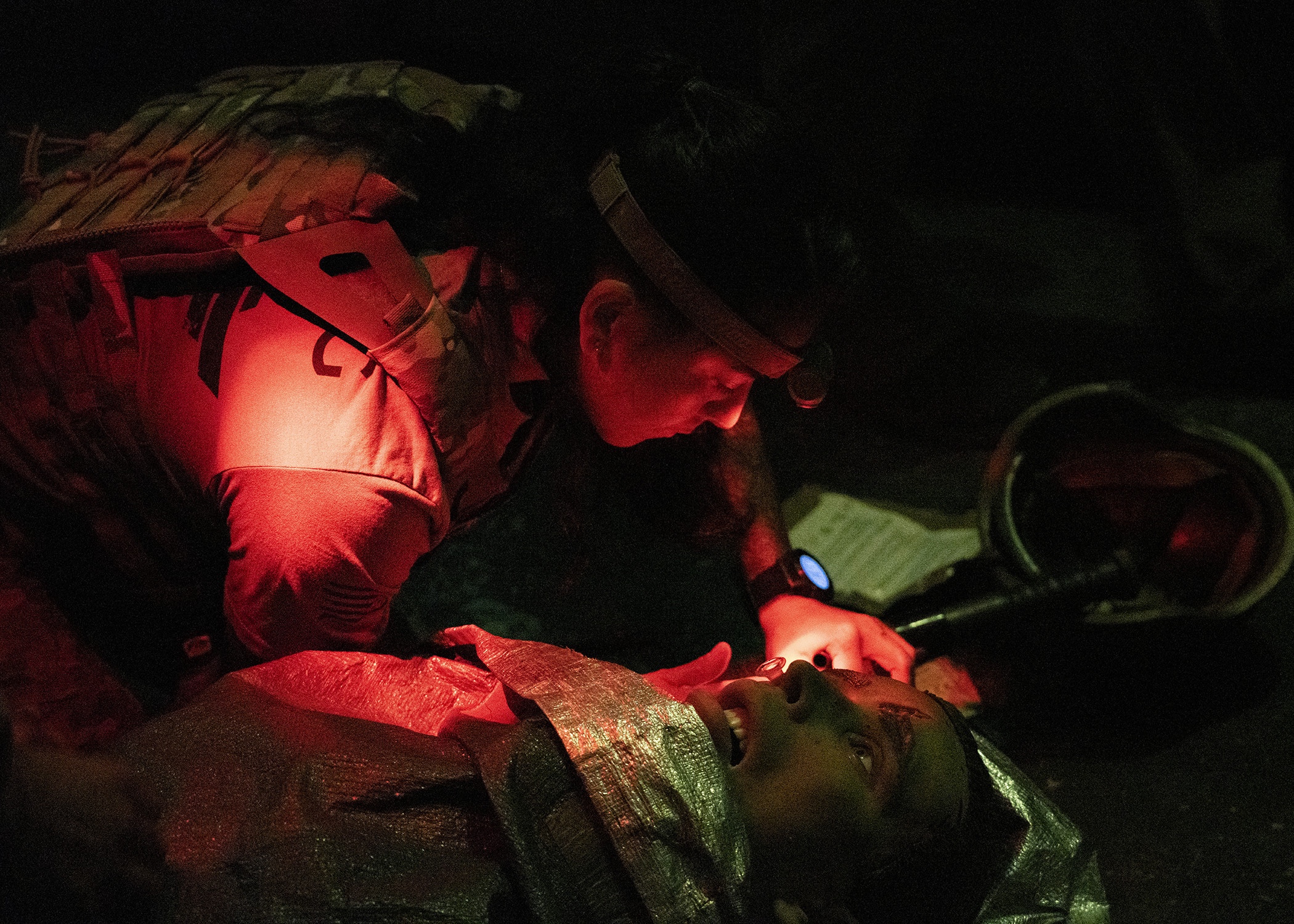
The Airmen in this course work in support functions such as medical, communications, logistics and other career fields that provide for AFSOC’s special operations forces.
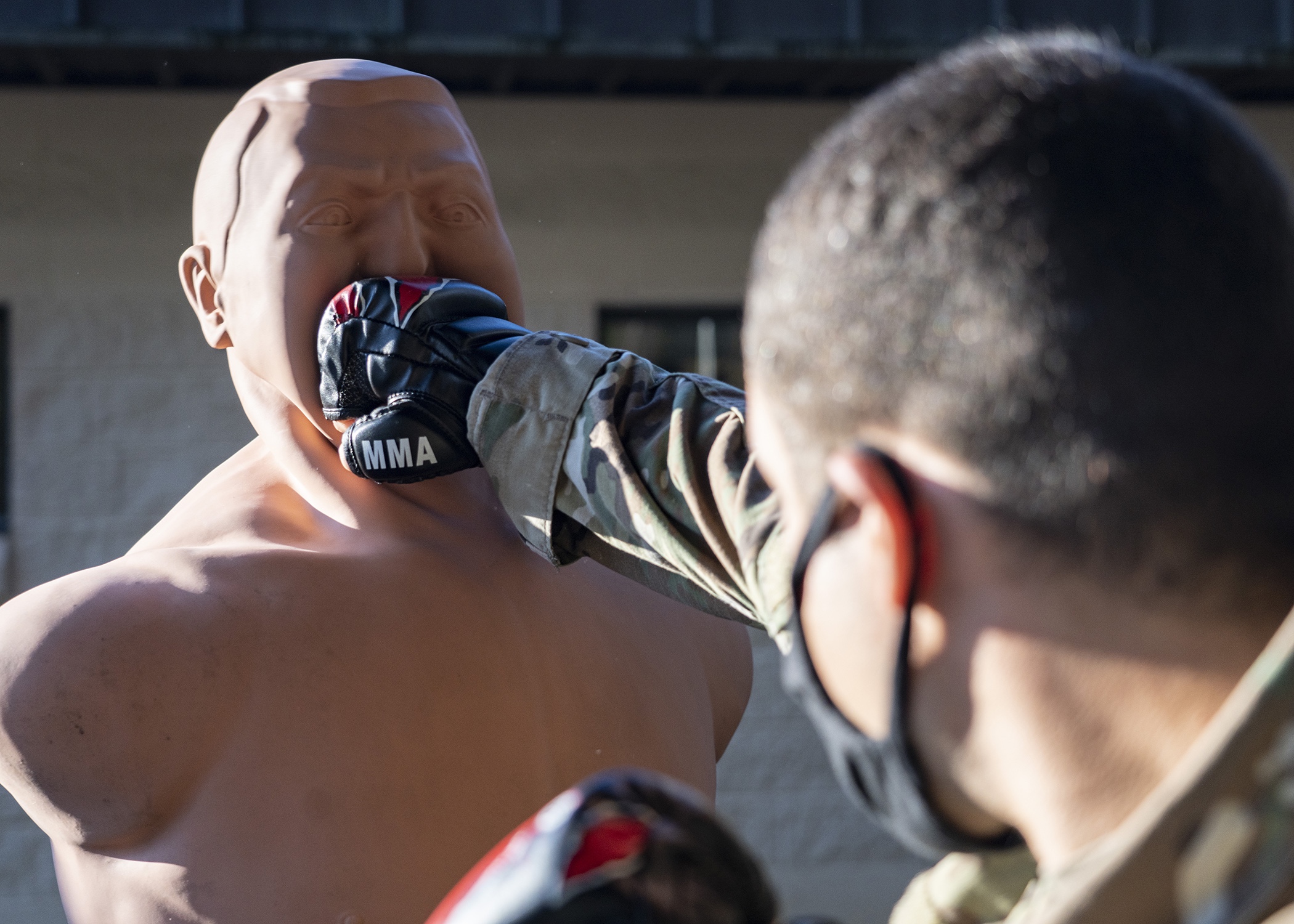
At ACFSC, Air Commandos from bases around the command learned advanced weapons tactics, participated in Tactical Combat Casualty Care training with robotic lifelike dummies, learned Defensive driving, practiced combatives, and mastered some security techniques.

“This course is geared towards on-the-ground tactics,” said Baier. “It gets them used to remote locations typical to DAGRE.”
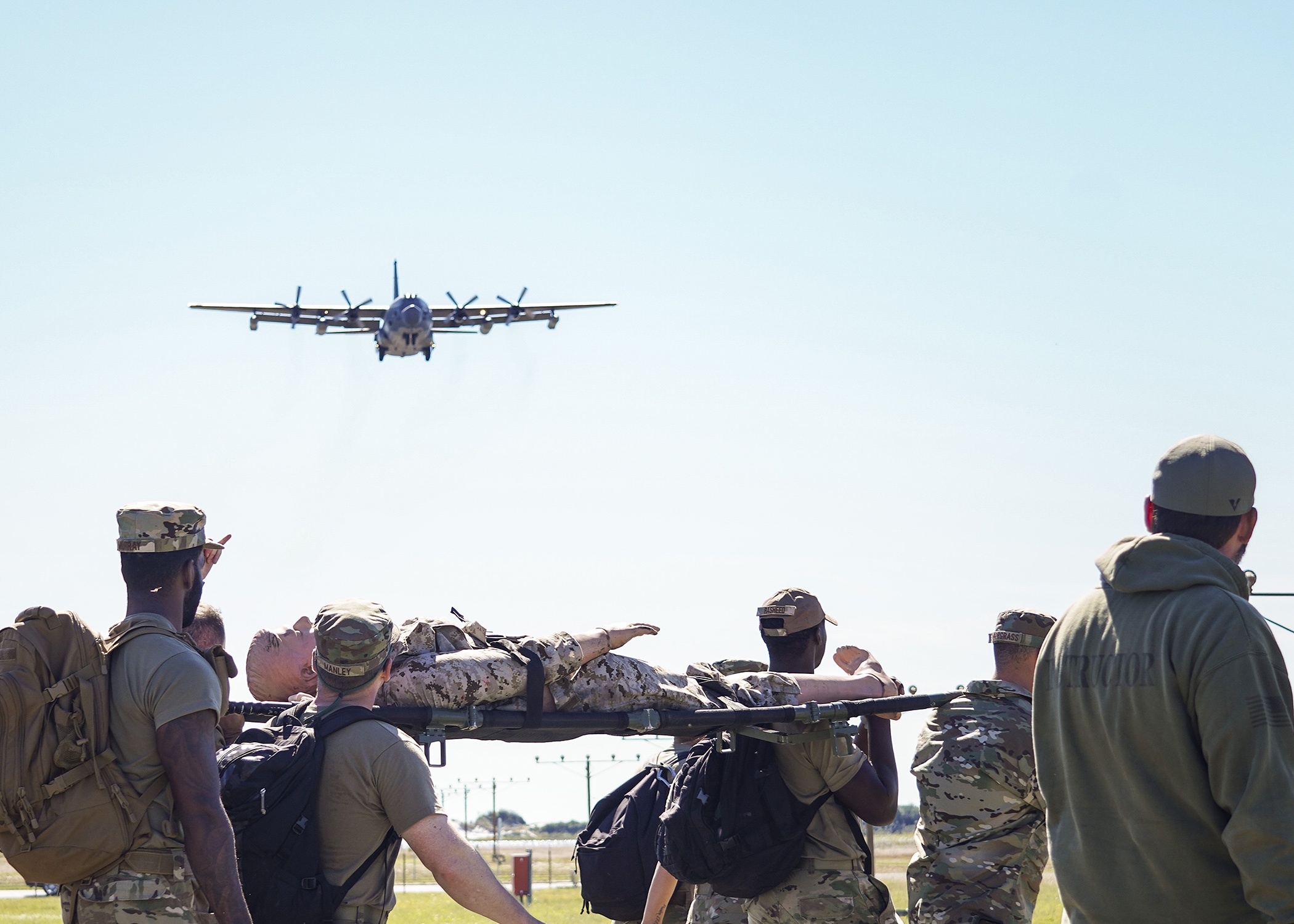
According to Baier, the DAGRE program is relatively new. Leadership recognized the need for a capability similar to the Ravens (a team that provides security for Air Mobility Command airframes) to protect AFSOC assets and personnel.

“The difference is our security teams tend to operate in more remote environments,” said Baier.
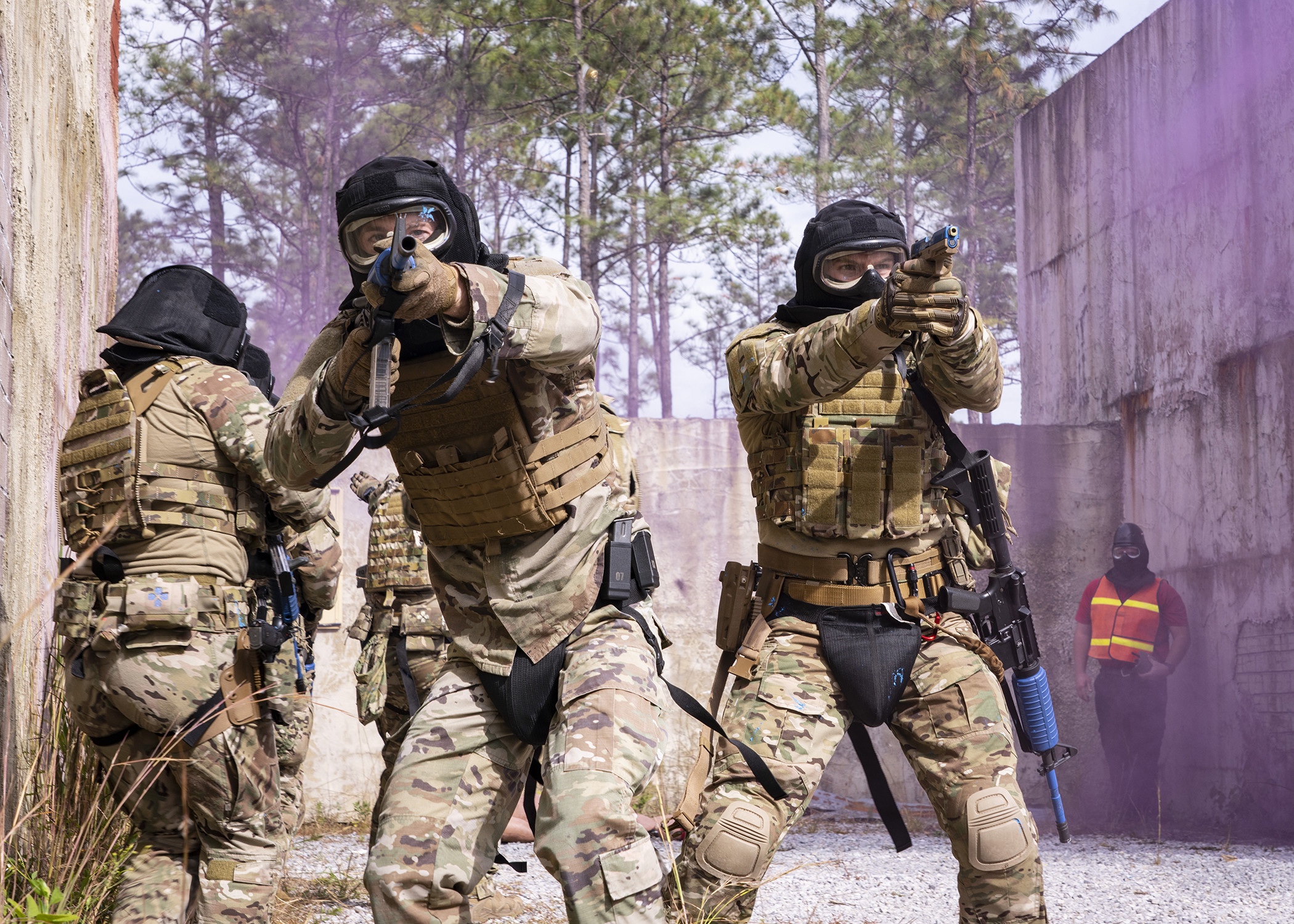
For Rasheed and his fellow DAGRE candidates, they combined the skills they learned from the ACFSC course with their DAGRE qualification training.

“When they come to us, we sharpen the skills they learned in ACFSC and their time in security forces,” said Tech. Sgt. Thomas Geerts, NCO in Charge of the DAGRE qualification course. “We expect a lot from them and train them in a whole new range of skill sets.”
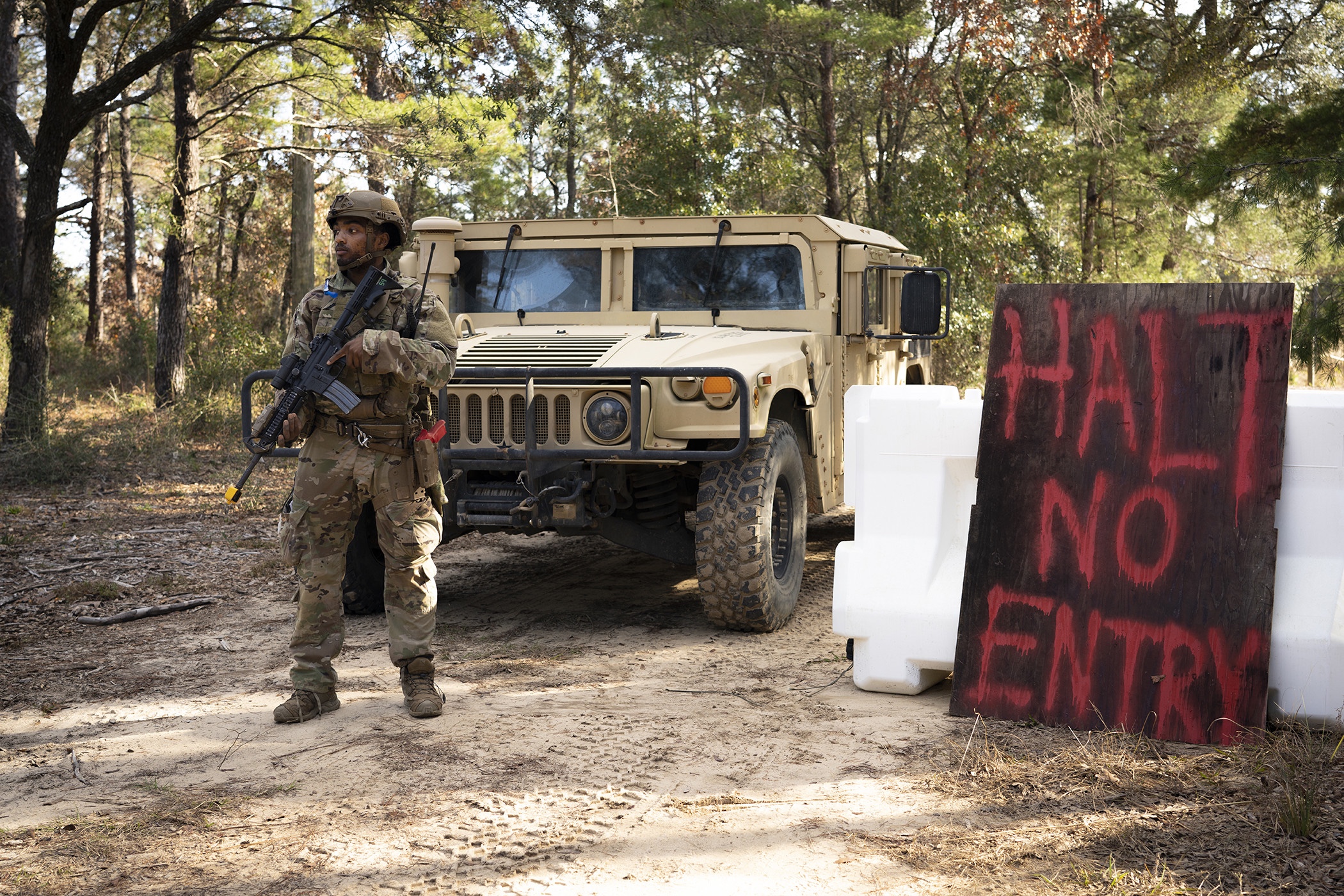
The qualification course moved the trainees to various locations across the Eglin Range over the course of five weeks. Some days are devoted to academics and some days they covered their combat boots with Florida’s red clay.

“Every day was like the night before Christmas where you just stayed up all night,” said Rasheed. “I never knew what to expect next with all the different classes and training that was planned for us.”

Students learned advanced tactics on weapons many had never used before and were required to complete tasks associated with higher skill levels such as mission planning.

The DAGRE trainees took on close quarter battle exercises, small unit tactics, tactical security details, and incorporated some of the lessons of their experienced instructors into their operations.

“They spent a lot of time doing urban operations and recovery, normal security forces also possess these skills but we sharpen them,” said Geerts. “As we transition into a new style of warfare, these small specialized teams are going to become more important.”

Rasheed and his wingmen’s training culminated in a field exercise, where instructors validate the knowledge students were expected to retain over the past several weeks.

During the exercise, they defended airframes from oppositional forces, de-escalated tensions with local nationals, and secured a Forward Operating Base tucked in the woods where they planned their mission.

At one point, they had to secure and protect the encampment from enemy fire while providing emergency medical care to a wounded local.

After the team successfully completed their culmination exercise, instructors decided who went on to graduate and wear the DAGRE tab, and who went back home to their units without one.

Two months of training, demonstrations, and academics for the team going through the courses culminated with a graduation ceremony December 2021. Rasheed was the first 919th Special Operations Wing Citizen Air Commando to graduate the full course and earn the tab in four years.

“My family and my team motivated and pushed me through the training,” said Rasheed. “I felt like I was cloud nine, I was so excited to have pushed through and finally graduated. I would highly recommend this training course to others”

While one journey ended here, another one began for Rasheed and other newly minted DAGRE team members who are fully trained and ready to defend AFSOC assets and SOF members wherever the Nation needs them.

By Senior Airman Dylan Gentile, 919th Special Operations Wing
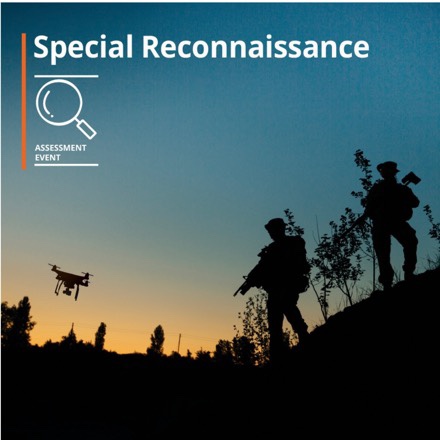
SOFWERX – Special Reconnaissance Virtual Assessment Event Series

Friday, March 18th, 2022

SOFWERX, in collaboration with SOF Acquisition, Technology, and Logistics (SOF AT&L) Special Reconnaissance (PEO-SR), will host a series of Virtual Assessment Events (AEs) 31 May – 03 June 2022, to identify technologies and techniques to aid two (2) Program Management (PM) Offices with four (4) Technology Focus Areas (TFAs).

1 PM Integrated Sensor Systems (ISS): Tactical data exfiltration (SR-FY22-01)

2 PM Remote Capabilities (RC): Articulating small-UAS legs and motors paired with obstacle avoidance capabilities (SR-FY22-02)

3 PM Remote Capabilities (RC): Rucksack-portable small-UAS charging hive (SR-FY22-03)

4 PM Remote Capabilities (RC): UAS Signature Reduction Techniques (SR-FY22-04)

Submit NLT 15 April 11:59 PM ET

Learn more at events.sofwerx.org/srae.

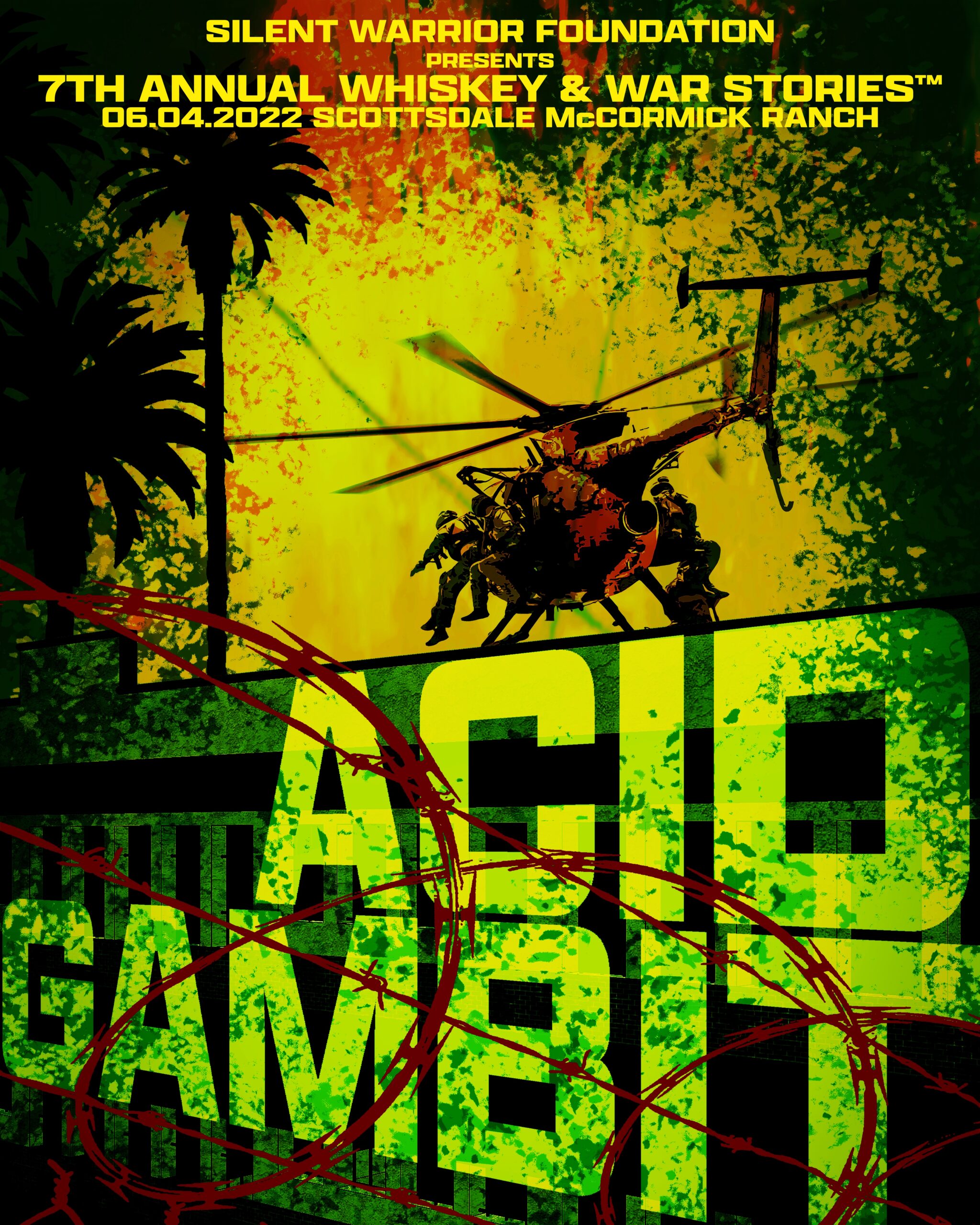
7th Annual Whiskey & War Stories “Operation Acid Gambit” on 4 June, 2022 in Scottsdale

Tuesday, March 15th, 2022

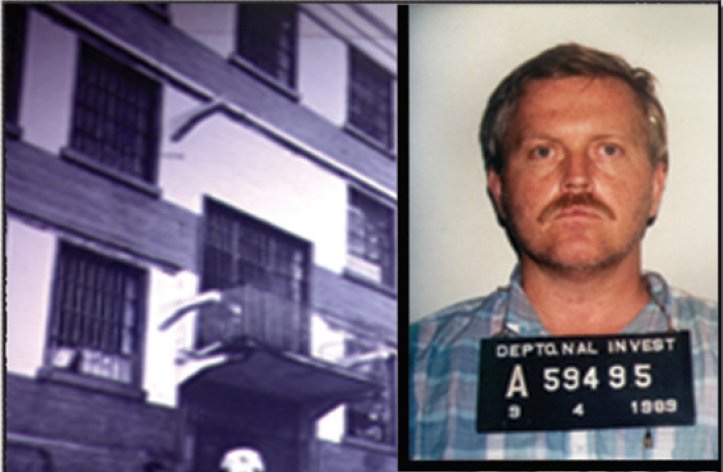
The Silent Warrior Foundation would like to announce their next Whiskey & War Stories™, “Operation Acid Gambit”, to be held at the Scottsdale Resort at McCormick Ranch, Scottsdale, Arizona on June 4th, 2022.

Today is the 32nd Anniversary of the first successful hostage rescue by “The Unit” which was conducted on December 20, 1989.


The Silent Warrior Foundation will host participants of Operation Acid Gambit including:  

Kurt Muse 

Annie Muse 

Kimberly Muse 

COL Jim Ruffer, USAF, Ret. 

CWO4 James Dietderich, USA, Ret.  

MSGT Larry Vickers, USA, Ret. 

SGM Kelly Vendon, USA, Ret.  

SGM Steve Dawson, USA, Ret.  

Special auction items are being prepared relating to the operation, including two period correct clones of 1989-era Unit weapons, including a Colt 723 clone with period correct Aimpoint and a custom 1911 with 1989-era features. A shooting adventure package is also being constructed involving MD helicopters and Dillon Aero for the auction.




Individual tickets and table sponsor tickets are on sale now at:

7th Annual Whiskey & War Stories | Auction Frogs (afrogs.org)

Individual tickets are $175 per person

Patriot Tables are $3750

Freedom Tables are $5500

To book rooms at the resort for the event ( A Daily Resort Charge WILL NOT BE ADDED )

1st SFC(A) Stands Up Special Operations Forces Training & Experimentation Center at White Sands Missile Range

Friday, March 11th, 2022

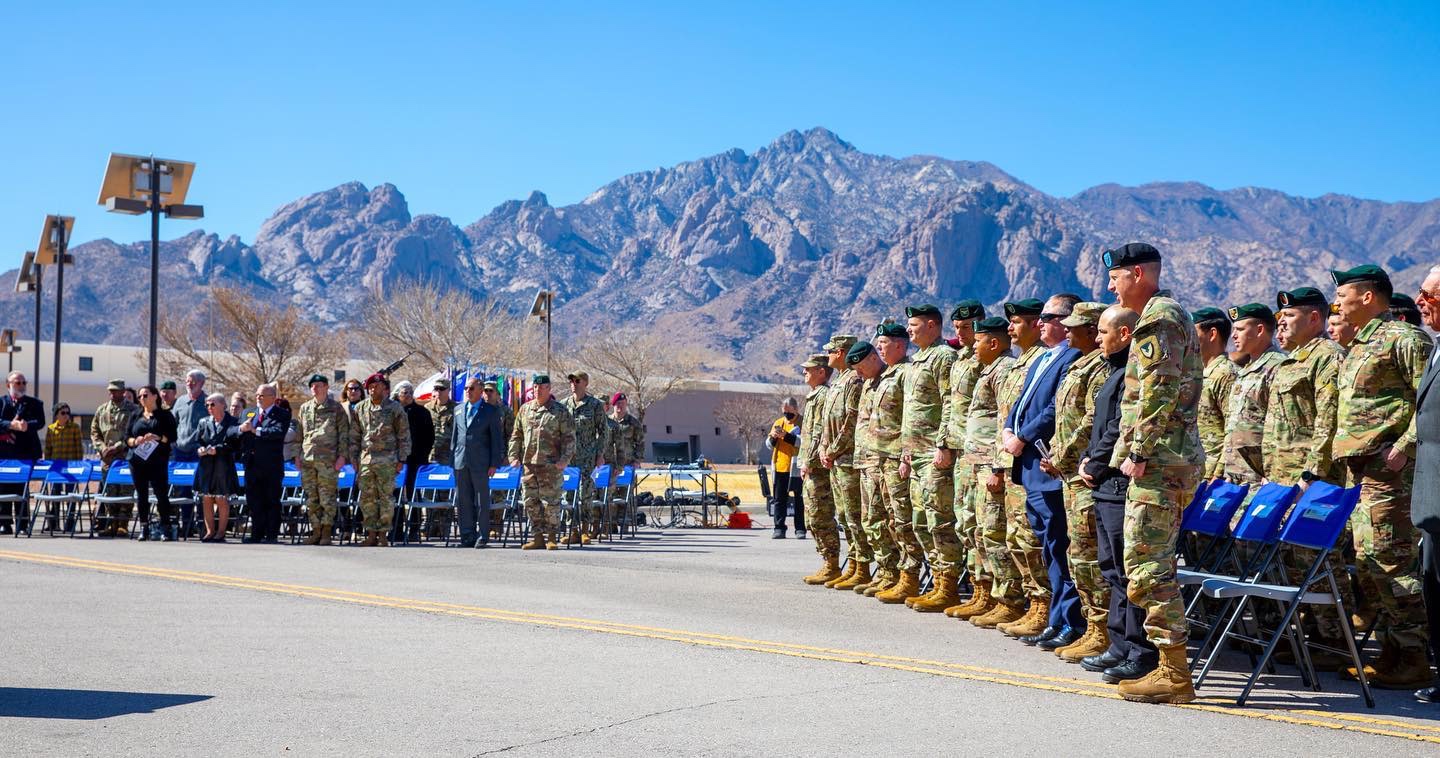
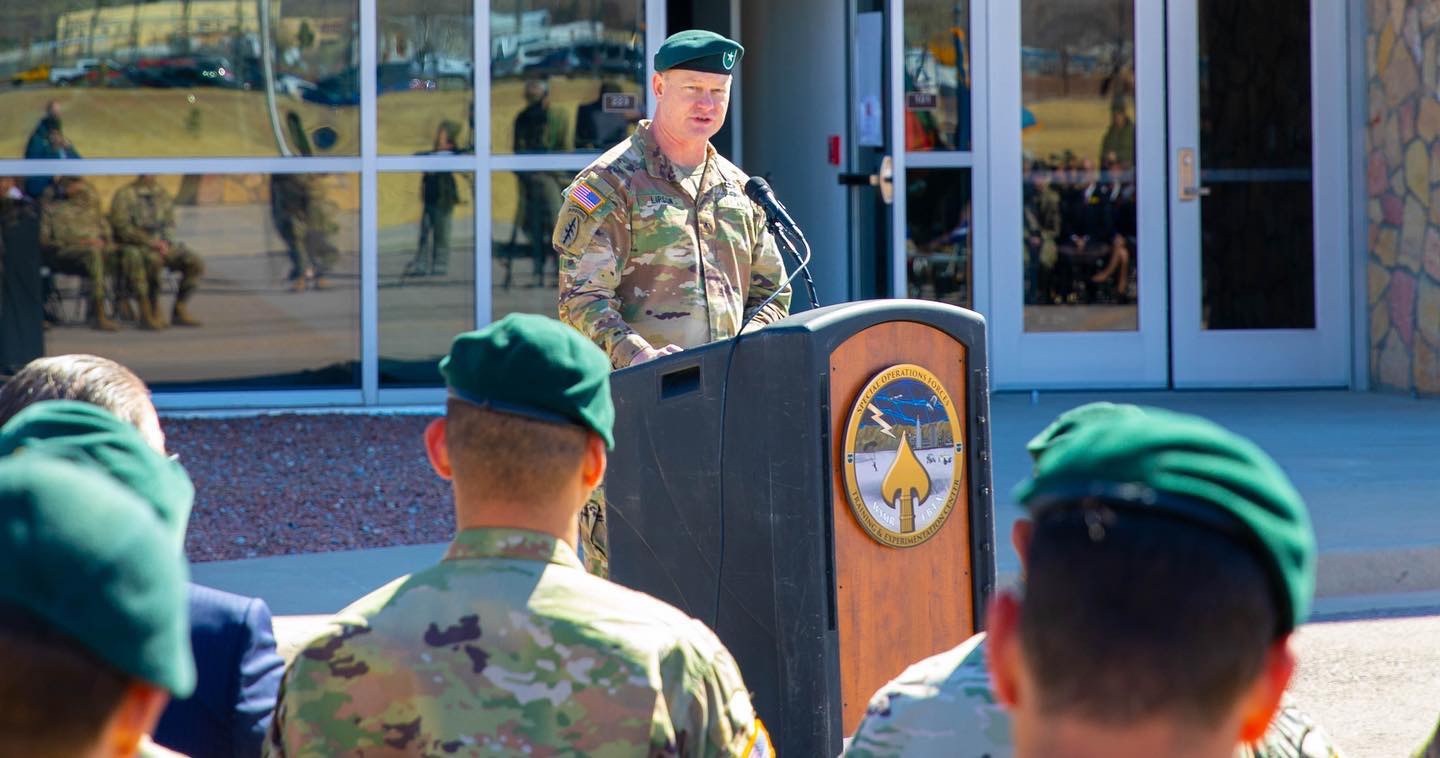
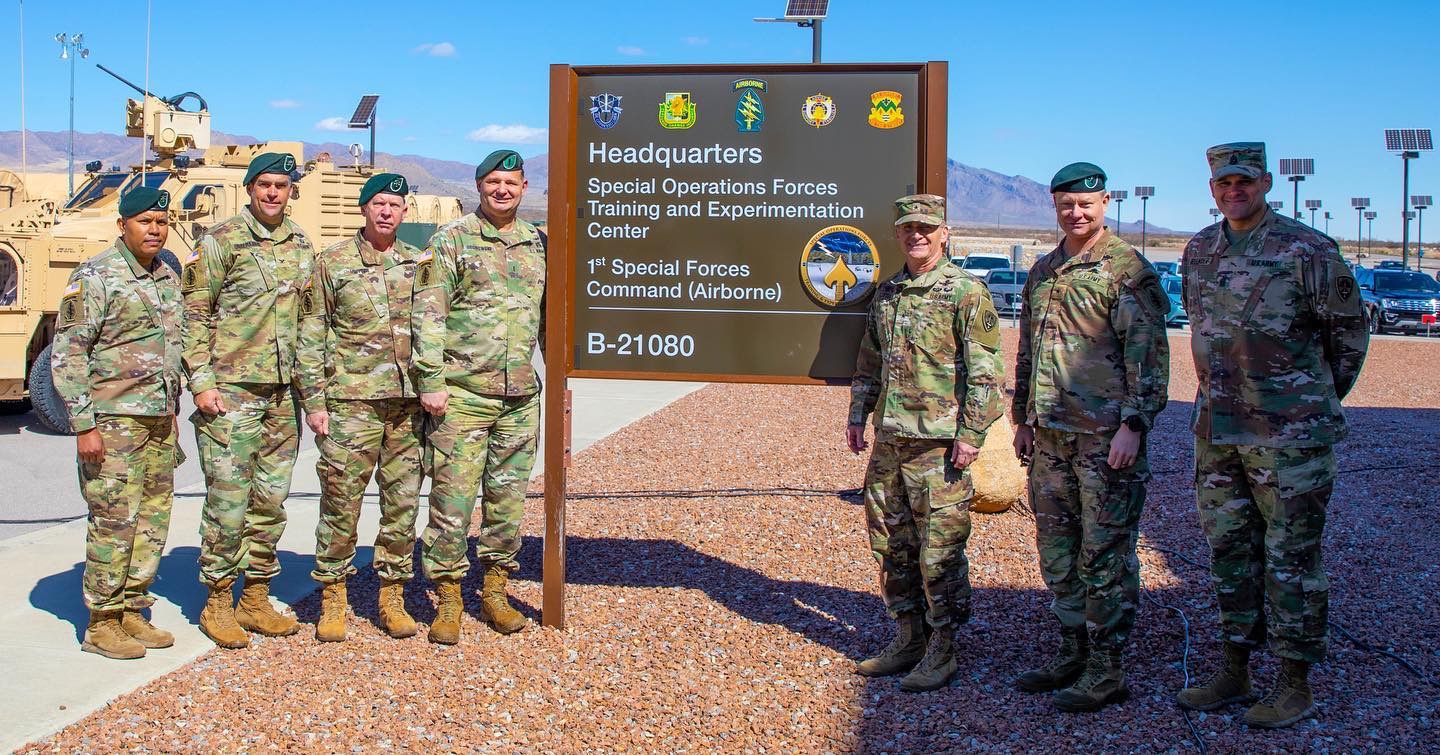
1st Special Forces Command (A) officially activates SOF-TEC as a formal command directorate, March 8, 2022, at White Sands Missile Range, New Mexico.

The Special Operations Forces Training & Experimentation Center will serve as a leading installation for irregular warfare readiness for both USSOF and our partners around the world.

SOF -TEC will test cutting edge designs, equipment, and techniques, and facilitate cyber, electronic warfare, and Space training.

SOF-TEC is headed by Special Forces Colonel Theodore Unbehagen.

Army Special Operations Forces Use Project Origin Systems in Latest Soldier Experiment

Friday, March 11th, 2022

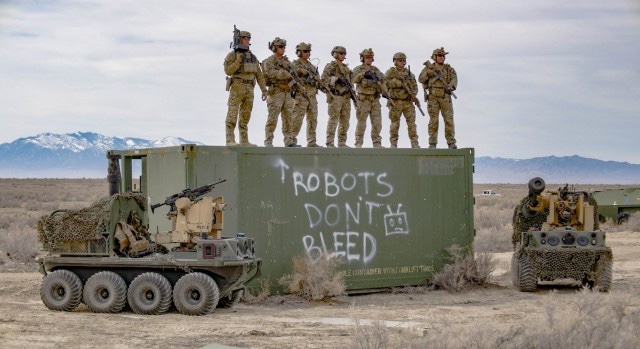
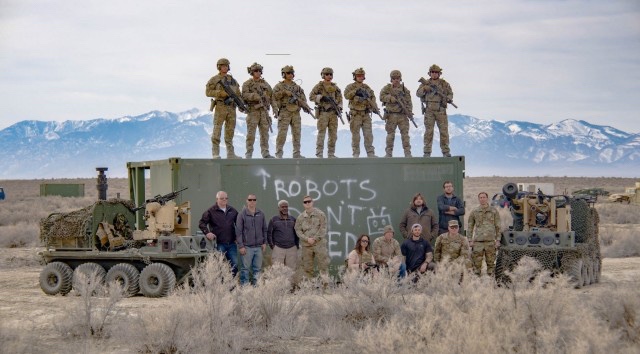
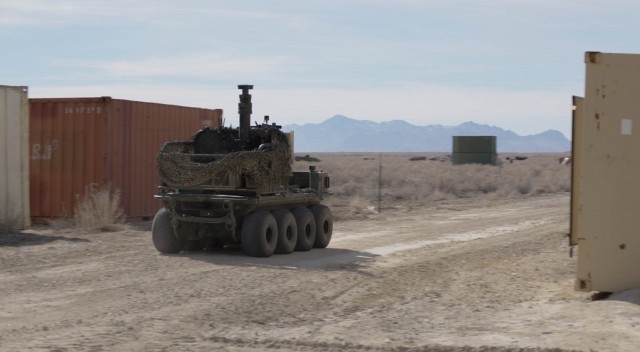
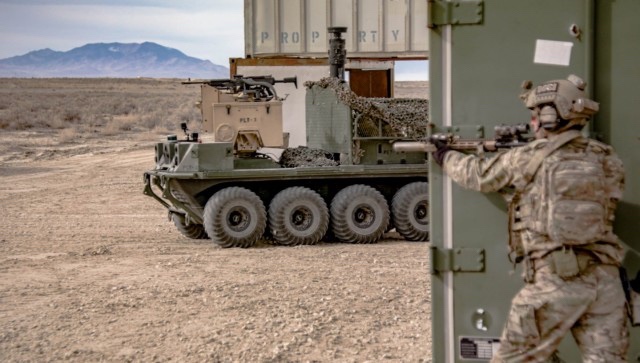
DUGWAY, Utah — Army Green Berets from the 1st Special Forces Group conducted two weeks of hands-on experimentation with Project Origin Unmanned Systems at Dugway Proving Ground. Engineers from the U.S. Army DEVCOM Ground Vehicle Systems Center were on site to collect data on how these elite Soldiers utilized the systems and what technology and behaviors are desired.

Project Origin vehicles are the evolution of multiple Soldier Operational Experiments. This GVSC-led rapid prototyping effort allows the Army to conduct technology and autonomous behavior integration for follow-on assessments with Soldiers in order to better understand what Soldiers need from unmanned systems.

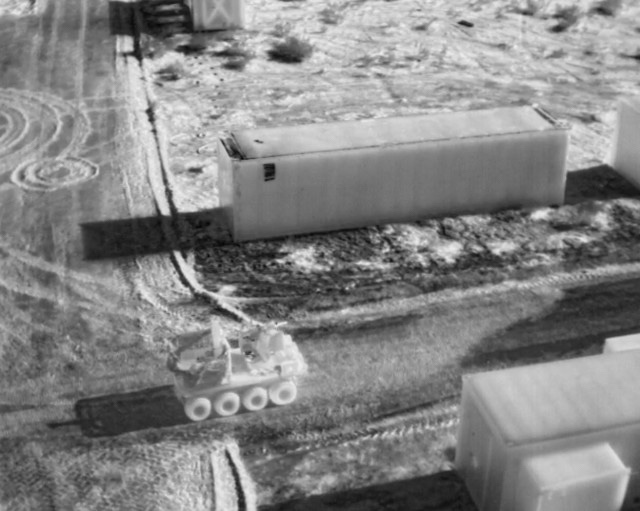
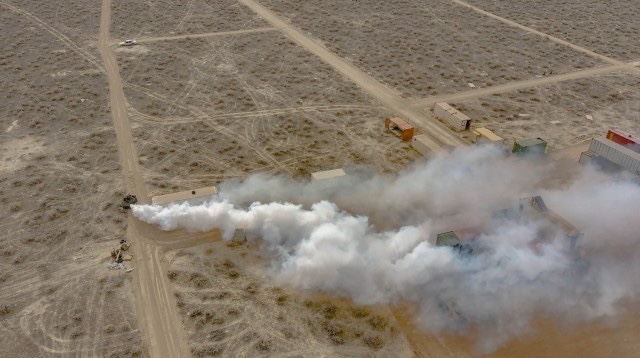
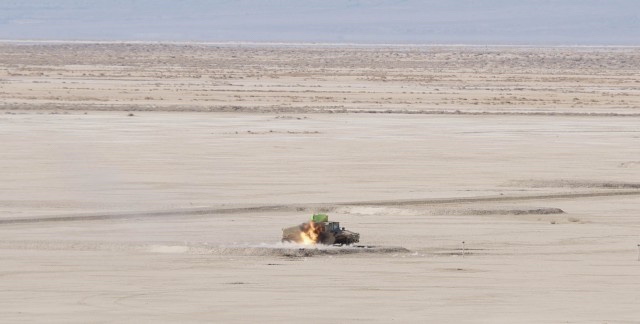
For the two-week experiment, Soldiers with the 1st Special Forces Group attended familiarization and new equipment training in order to develop Standard Operating Procedures for Robotic Combat Vehicles. The unit utilized these SOPs to conduct numerous mission-oriented exercises including multiple live-fire missions during the day and night.

The live-fire operations employed the M240 and M2 machine guns and the MK19 automatic grenade launcher.

“These live fire operations were critical to determining the military utility of the Robotic Combat Vehicle unmanned technology,” said Todd Willert, GVSC’s project manager for Project Origin. “The unit was successful with integrating the systems into their formation for both offensive and defensive operations.”

The Green Berets incorporated numerous Origin modular mission payloads to assist with long-range reconnaissance, concealment, electronic warfare and autonomous resupply operations.

A senior medical sergeant with the 1st Special Forces Group said the modularity of payloads provides flexibility for use in a variety of mission sets: “The upscaling of capabilities for a direct heavy-weapon system gives us the advantage we’ve never had before in typical dismounted roles.”

Willert stated the inclusion of Special Operations Forces into technology assessments provides more depth in understanding what is needed to mature unmanned systems for the Army’s Operating Force.

In addition, this experiment supports the continual development of the Army’s Robotic Technology Kernel — the Modular Open System Architecture-based library of software that can be used for ground autonomy — along with the Warfighter Machine Interface, the Army’s library of modular software used by Soldiers to control robotic vehicles. This open systems architecture approach will enable common unmanned maneuver capabilities across the ground vehicle fleet.

“We are in the process of tailoring software packages to meet the needs of end users,” Willert said. “Autonomy — at various levels — offers great opportunities for different mission sets that improve Soldier safety and reduce cognitive burden. The professional and thoughtful comments from these Soldiers will greatly assist us with developing behaviors for future unmanned systems.”

1st Special Forces Group Detachment Commander added, “The robots are best employed to maximize the standoff between Soldiers and enemy threats.” He went on to say, “The Project Origin system, for any type of dismounted operations we conduct, would provide us increased capabilities to recognize and identify individuals on target from a much greater standoff while decreasing the risk to the force as our Soldiers accomplish their mission.”

Maj. Cory Wallace, the RCV Requirements Lead with the Next Generation Combat Vehicle Cross Functional Team, said: “Working with an Operational Detachment Alpha enabled us to understand new use cases and consider new approaches to integrating robotic and autonomous systems into future experiments.”

“The feedback from the operators gave us a completely new perspective as to how we need to shape our future development efforts in order to provide the most effective unmanned systems possible to Army formations, Wallace said.

A senior weapons sergeant summed up the event by saying, “The Project Origin system allows us an ability to operate the system outside of enemy fire. This allows an ability to focus on advanced tasks such as terrain analysis, developing enemy courses of action, and thinking ahead of the now, rather than seeking cover and returning fire.”

By Jerome Aliotta

SOFWERX – Security at the Edge Virtual Collaboration Event

Thursday, March 10th, 2022

SOFWERX, in collaboration with SOF Acquisition, Technology, and Logistics (SOF AT&L) Science and Technology (S&T) Directorate Network and Data Management Capability Focus Area (NDM CFA), will host a series of events starting 5 April 2022, to identify technologies with automated capabilities that provide edge device endpoint security, cloud security to protect data at the edge, and network edge security within SOF operational environments.

In austere environments, edge computing devices provide the ability to handle processing on the device or local server and transmit only the relevant data by eliminating latency, which is essential for SOF Operators. Unfortunately, edge computing devices are designed to prioritize functionality and connectivity over security. This makes SOF Operators’ edge computing devices extremely vulnerable to sophisticated nation state threat actors’ cyber attacks. Edge computing devices can take essentially any form and endpoints are everywhere due to the proliferation of Internet of Things (IoT) devices. The SOF Operator needs to ensure they are making decisions based on trusted data and have protections against zero day attacks. The need for protection against advanced persistent threats (APTs), nation state sponsored cyber attacks, data integrity capabilities, and overall zero trust solutions for the main three components of edge computing devices are critical for the current and future SOF operational environments.

RSVP NLT 29 March 11:59 PM ET.

Find further details at events.sofwerx.org/security

SOFWERX – Innovation Foundry Event

Monday, March 7th, 2022

SOFWERX, in collaboration with USSOCOM’s Directorate of Science and Technology (S&T), will host the tenth Innovation Foundry (IF10) Event 03-05 May 2022. S&T Futures seeks to bring together U.S. and International Special Operations Forces (SOF), Industry, Academia, Government and futurists in an exploration design thinking facilitated event to assist USSOCOM in decomposing future scenarios and missions to develop concepts for future SOF operator skillsets and traits in a 2040 timeframe. The theme of IF10 is “Future SOF Teams: Diversity of Skillsets and Traits.”

IF10 participants will explore the impact of future missions, operating environments, and social and technological changes to SOF Operators, the people who are the core of the SOF enterprise.

To ground the discussion, IF10 participants will use a fictional mission scenario that reflects the complex interplays of social, technological, political, and cultural factors as they might play out in 2040 to explore the human dimensions of the challenge, the skillsets and traits needed for SOF operators in 2040 and beyond.

U.S. Citizens Only

Submit NLT 27 March 11:59 PM ET. Visit events.sofwerx.org/if10 for details.

AFSOC’s 137th CTF Teaches Land Nav Skills During MST Training

Thursday, March 3rd, 2022

WILL ROGERS AIR NATIONAL GUARD BASE, Okla. —  

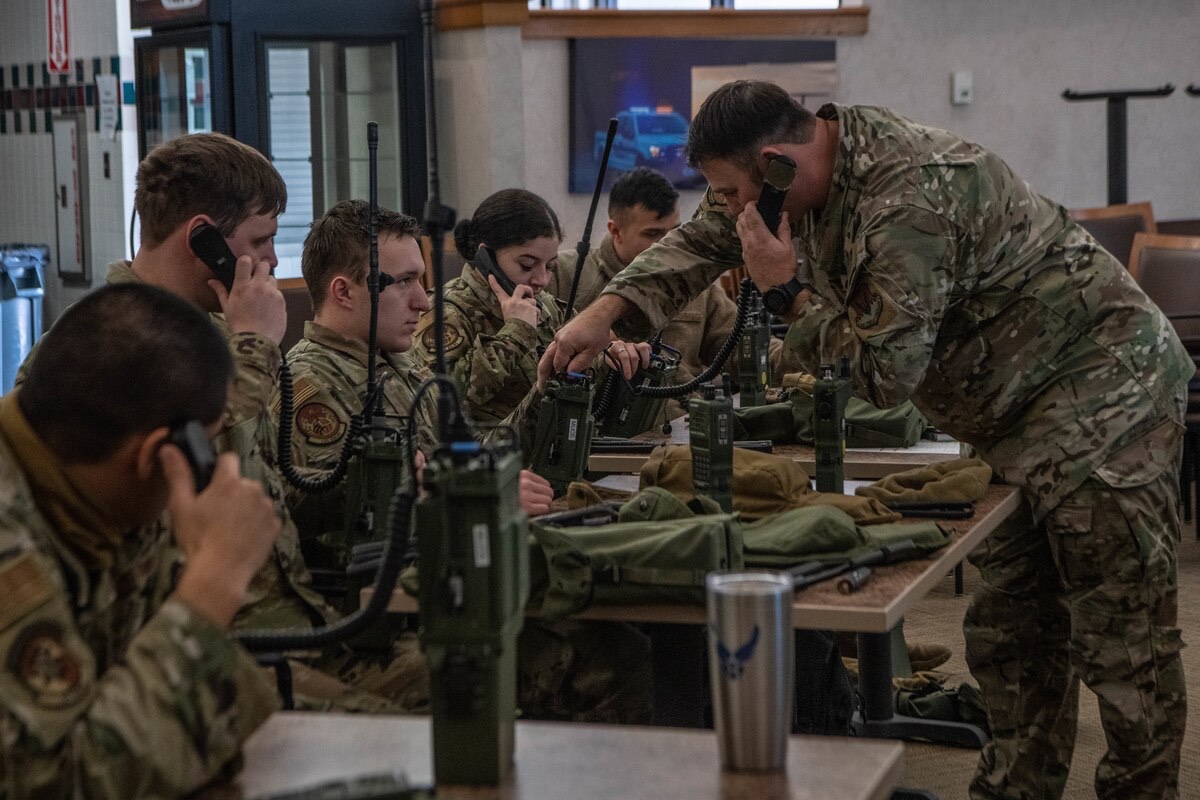
The 137th Combat Training Flight (CTF) taught 33 students land navigation, radio communication and radio programming skills during Mission Sustainment Team (MST) training held at Will Rogers Air National Guard Base, Oklahoma City, Feb. 7-10, 2022.

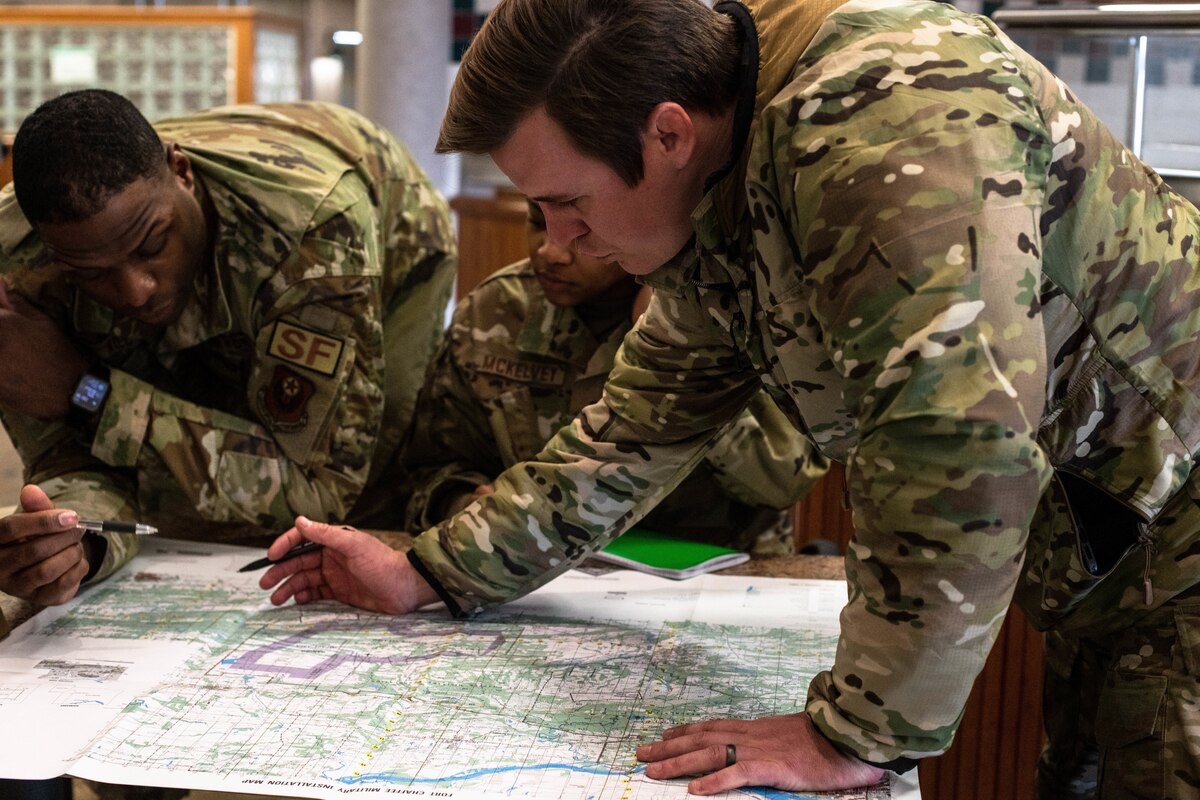
The students, from squadrons around the base, were divided into two teams and learned from four 137th CTF instructors throughout the week. The MST members worked with specialized equipment and learned how to read maps, find a grid coordinate, and use compasses to navigate over terrain.

“With this training we are taking a skill set we have built specifically for joint terminal attack controller qualification and are transferring that to the rest of the force,” said Maj. Jeffrey Hansen, 137th CTF director of operations. “Using our instructors’ teaching experience means we are more effectively tailoring the classes to the students, who range from tactical backgrounds like security forces members to technical backgrounds like civil engineers.”

Learning skills outside of regular training will ensure long-term mission sustainment in austere locations, making Airmen more capable to operate in diverse deployed environments. 

“It was good going back to basics as far as land navigation, moving as a team with a weapon and pulling security,” said Tech. Sgt. Justin Davis, 137th CTF joint terminal attack controller (JTAC) qualification course manager. “These skills — for our Air Force specialty — are some of the first we learn because they are how we get to work. It was interesting finding the cutoff of what we needed to teach these students to help them understand basic land navigation and radio operation without getting into the weeds of the specific skills we instruct that help a JTAC drop bombs.”

One day of training consisted of land navigation skill development in the field. Instructors set up points and gave students a grid location. Students then plotted a trail to find and report those points using maps, compasses and protractors. Once they reported their first checkpoint, the Airmen were given the location for the next one. 

“All of the skills we learned were brand new to me, so it was difficult to learn it all in the span of a week,” said Senior Airman Andrea Kuzilik, a services specialist with the 137th Special Operations Force Support Squadron. “The instructors were great, and super hands-on. It definitely got better the more we ran through it, and the field day really helped put everything together.” 

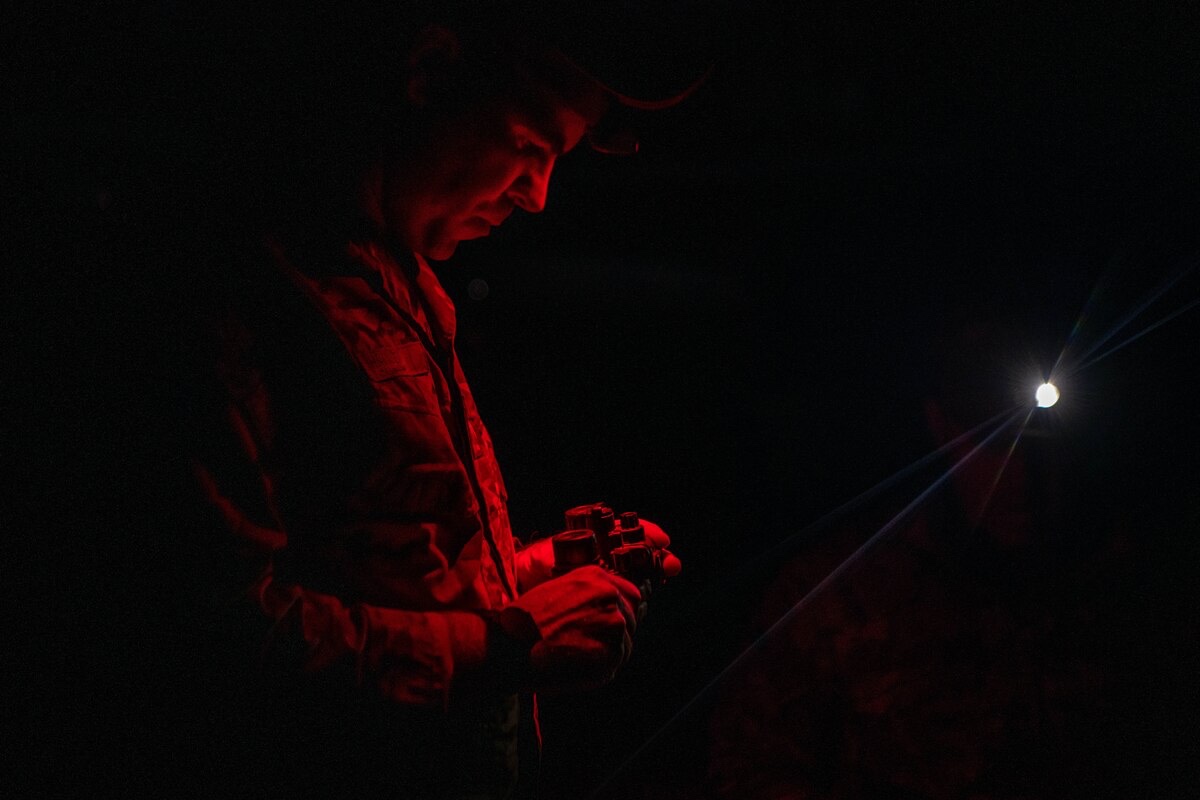
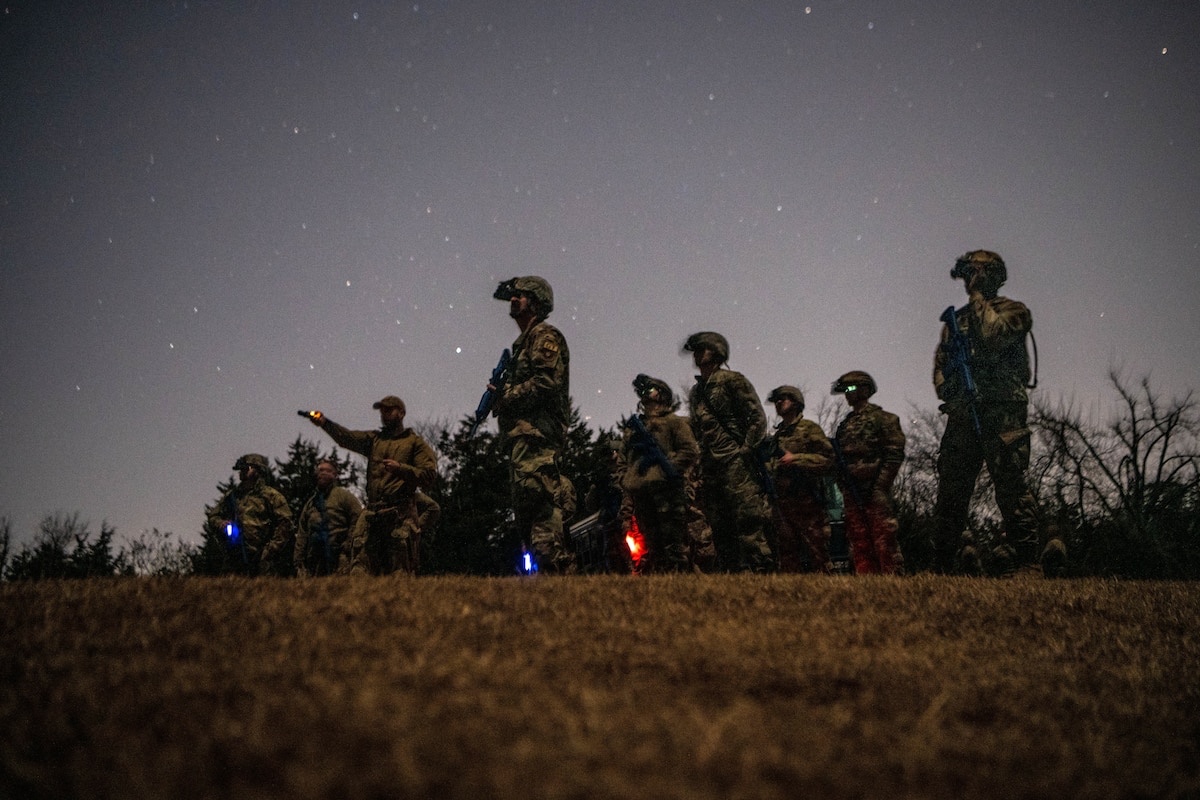
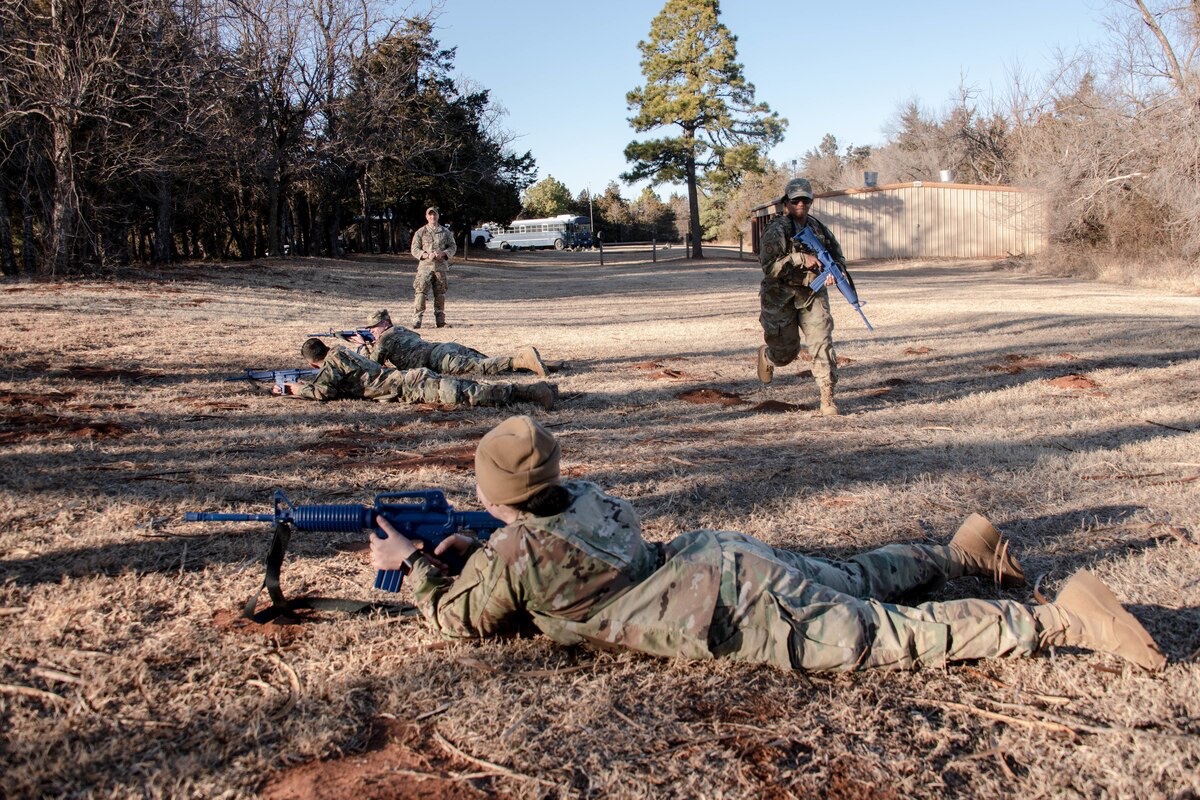
This exercise tested students’ radio programming and communication skills in addition to navigation. Students also learned how to move in a formation, react as a team to a direct contact with an adversary, and use night vision goggles to move in the dark and drive a Humvee.

“It was good to see the different Air Force specialties come together for a common purpose during the training,” said Davis. “I think we as instructors are also excited to improve and streamline the course with each training iteration, especially because we saw a successful end result with this initial class using these skills in a practical setting versus a classroom setting.”

By TSgt Brigette Waltermire, 137th Special Operations Wing