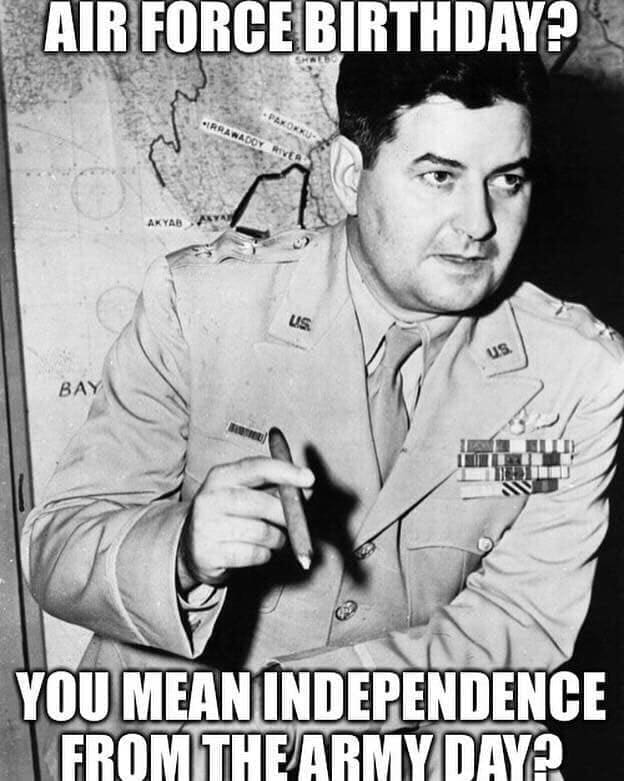
Please enjoy this recruiting song from the 1950s.


Please enjoy this recruiting song from the 1950s.

Aberdeen, North Carolina – September 2, 2020 – Quantico Tactical is pleased to announce the award of up to $950,000,000 as part of the United States Air Force Special Warfare – Multiple Award Contract, SW-MAC, for the Special Warfare Acquisition Group and Refresh (SWAGR) program. The contract was approved by the Air Force Life Cycle Management Center to provide a convenient contract vehicle for Air Force Special Warfare.
“We have an extensive history of supporting the U.S. Air Force with our rapid and simplified procurement processes,” said Sam Lerman, Vice President of Sales & Marketing. “This contract award demonstrates our unwavering customer commitment and support for the varying mission requirements within Air Force Special Warfare.”
“This contract award is a result of the reputation Quantico Tactical has developed throughout the U.S. Military and federal agencies for providing on-time worldwide delivery of high-quality products from leading manufacturers. We value our relationships with customers, suppliers, and contracting professionals,” said David Hensley, Founder and CEO.
The contract is a 10-year Indefinite Delivery/Indefinite Quantity (IDIQ) award to provide equipment, training, and product support to approximately 3,500 Air Force Special Warfare operators, as well as authorized users in support of Special Warfare mission requirements. The contract’s overall objective is to rapidly procure supplies, provide supply chain management, product training, and support, and integrate into larger systems in support of mission requirements.
This contract provides support in the following areas:
Assault Zones (AZ): Capabilities supporting tactical zones of action, including drop zones and fixed-wing and rotary-wing landing zones supporting the forward projection of a force by air. AZ capabilities to be equipped under this contract include survey equipment for data collection and analysis, assessment of runway surface distress, and airfield geometrics to include obstacles and approach paths. Also required is airfield control equipment, including airfield markings/lighting, signaling devices, airspace de-confliction tools, and navigational aids.
Fires: Equipping operators for close air support, surface-based and air-to-surface fires, communications architecture, weapons data, digital fire support, and target designation and marking. For the contract’s purposes, this may include support to ACC-assigned Joint Terminal Attack Controller (JTAC)s.
Weather: Equipping operators to collect, analyze, tailor, and report critical meteorological and oceanographic information. Additional capabilities include environment analysis and forecasting, vertical atmospheric data collection, processing externally produced weather data, portable environmental observation, and unattended ground-based weather collection.
Personnel Recovery (PR): Equipping Pararescue Jumpers to prepare, recover, and reintegrate isolated personnel. PR capabilities include, but are not limited to, PR information management, locating survivors, rescue and recovery tools, analyzing environmental conditions, mass casualty management, recovery support, and reintegration. For the contract’s purposes, this includes the Guardian Angle Mission.
Enabling Capabilities: Common across all mission sets and career fields; include mission management, friendly force detection, geo-locating and range finding, visual augmentation, communications, unmanned capabilities, infiltration/exfiltration, and enhanced training.
In spite of starting my career in the Army, I retired from the Air Force. Although I worked primarily in the intelligence business, I served on jump status during various SOF assignments in both services.
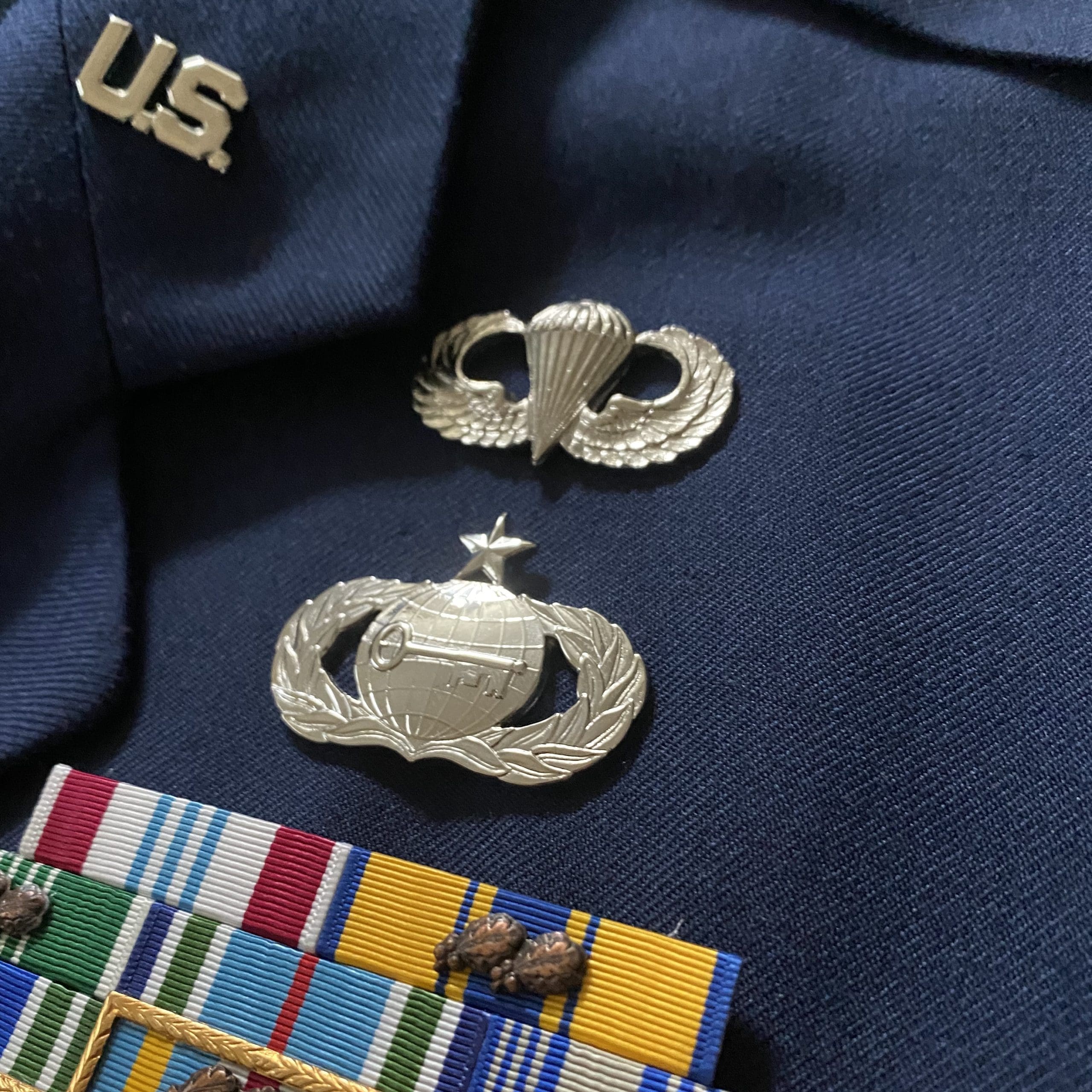
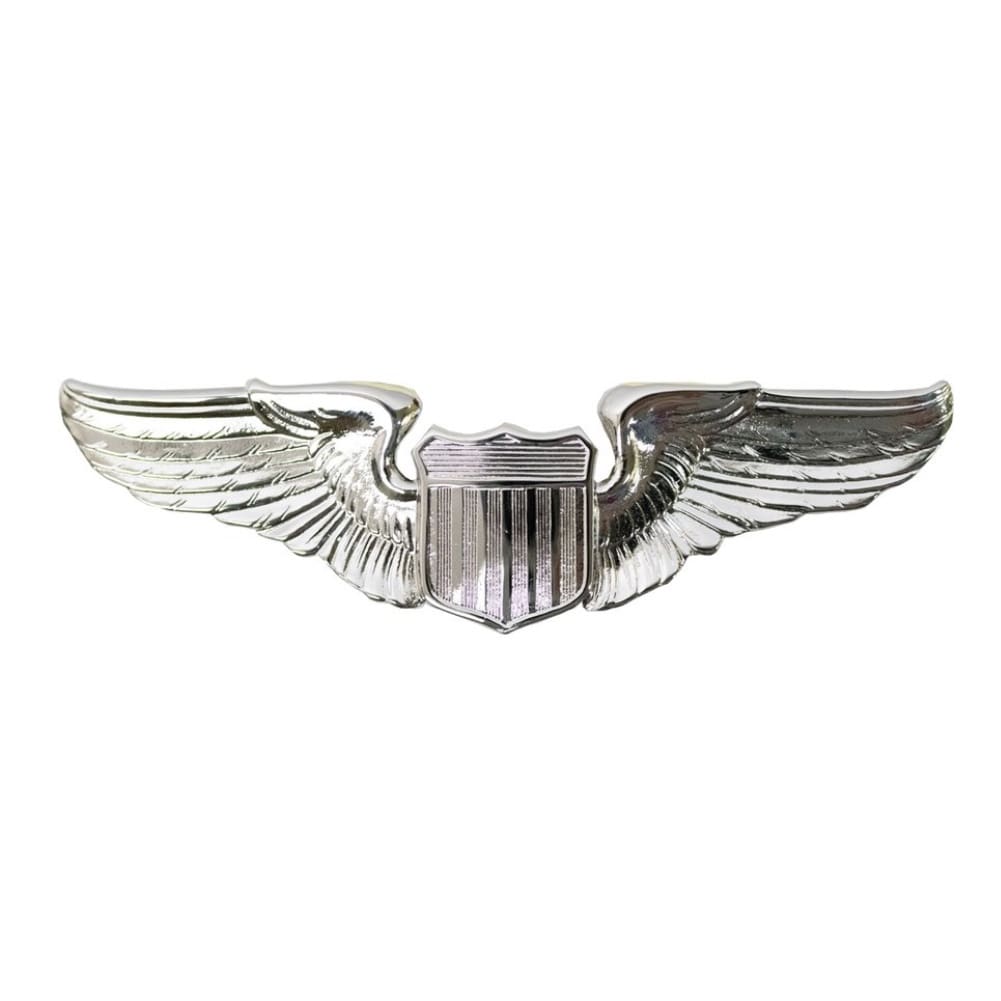
One of the easiest ways to deduce if an Air Force Officer is an Academy graduate is that they have jump wings (that is if they haven’t already told you). That’s because the AFA offers a course in skydiving.
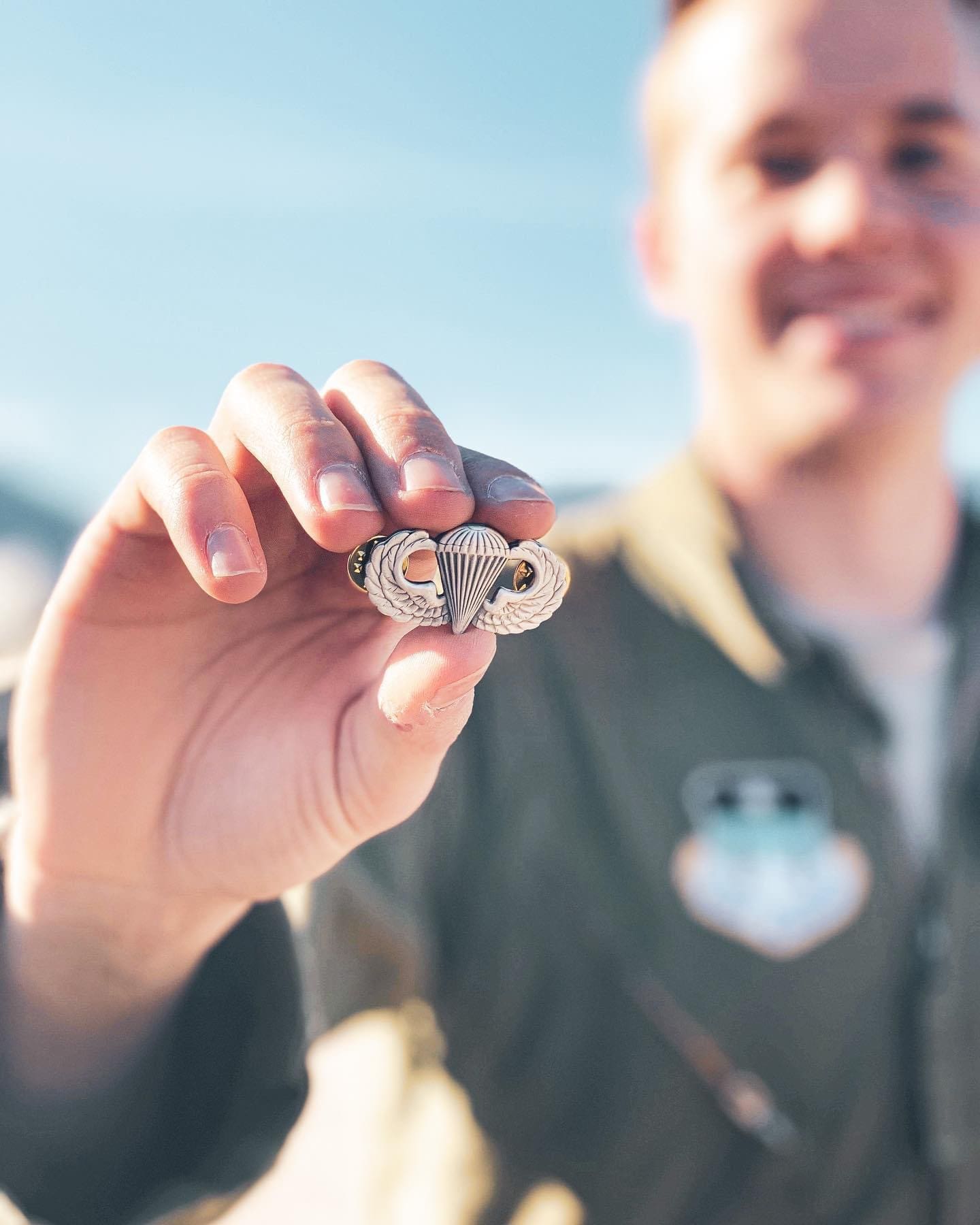
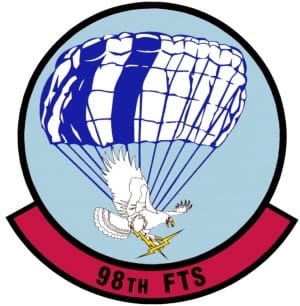
The AFA’s Basic Freefall Parachuting course, known as Airmanship 490 (AM-490), is run by a cadre of Cadets who make up the Academy’s free fall team, the Wings of Blue. The team and course operate as the 98th Flying Training Squadron, 306th Flying Training Group, Air Education and Training Command.
The course website boasts:
Each year, over 700 cadets take the AM-490 course, “Stand In The Door”, and earn their jump wings.
Here’s an example of the instruction:
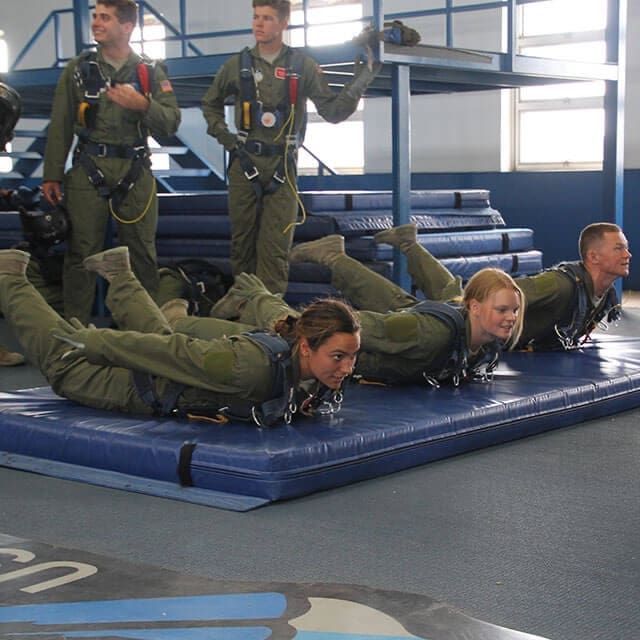
If you’re a static-line parachutist, you’ll wonder what they’re up to and how this translates into jump wings.
While it’s true that there are many members of the Army who attend Basic Airborne Training early in their service, but never jump again, many others are assigned to jump billets later on their careers and use the skills that they were taught as Privates or Lieutenants. But that’s not what happening at the Air Force Academy, because it’s impossible to serve as a parachutist after graduating form the Academy’s AM-490 course of instruction.
The most important issue at hand is that Cadets who complete the program do not learn a military skill, despite being awarded a badge which indicates otherwise.
AFI 11-410 (Personal Parachute Operations) governs management of the Air Force parachuting program. It states:
6.3.2. USAF Academy Parachutist Qualification. Members on active parachute status who are quali- fied as USAF Academy parachutists are authorized to fill validated parachute positions and student authorizations at the USAF Academy. These parachutists are not authorized to fill parachute positions elsewhere (emphasis added) unless qualified through paragraphs 6.3.1. or 6.6. This qualification requires completion of one of the following formal training programs:
6.3.2.1. AM-490, USAF Academy, CO. AM-490 satisfies the qualification requirement for assignment to parachute positions and student authorizations at the USAF Academy and may be completed after assignment selection provided the member is a parachute volunteer.
6.3.2.2. AM-492, USAF Academy, CO. Completion of the jumpmaster curriculum in AM-492 qualifies members to serve as jumpmasters for USAF Academy operations only.
To reference back to paragraph 6.3.1 which covers S/L training:
6.3.1.1. US Army Basic Airborne Course, Ft. Benning, GA.
6.3.1.2. S/L courses or programs of instruction, including Mobile Training Teams (MTTs), approved by the US Army Infantry Center (USAIS).
6.3.1.3. US Navy Special Warfare Command (NAVSPECWARCOM) Naval Parachute School (S/ L Course).
6.3.1.4. AM-490, USAF Academy, CO, when the diploma was earned prior to August 1994. (emphasis added)
To reference back to paragraph 6.6 which covers MFF training:
6.6.1. US Army John F. Kennedy Special Warfare Center and School (USAJFKSWCS) Military Free Fall School, Yuma Proving Grounds, AZ.
6.6.2. MFF courses or programs of instruction, including MTTs, approved by USAJFKSWCS.
6.6.3. NAVSPECWARCOM Naval Parachute School (MFF Course), Naval Air Weapons Station China Lake, CA.
To summarize what those paragraphs mean for graduates of AM-490; to actually serve as a military parachutist, they have to attend one of the courses of instruction mentioned above.
As you can see, Cadets can’t earn advanced ratings. They aren’t filing J-coded billets. They aren’t static line parachutists and they aren’t military free fall parachutists. So what are they? That’s simple; they’re skydivers. The USAFA is creating about 700 new skydivers per year.
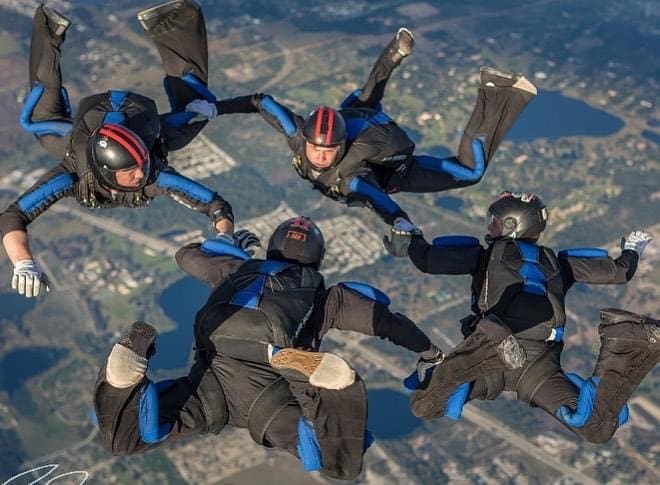
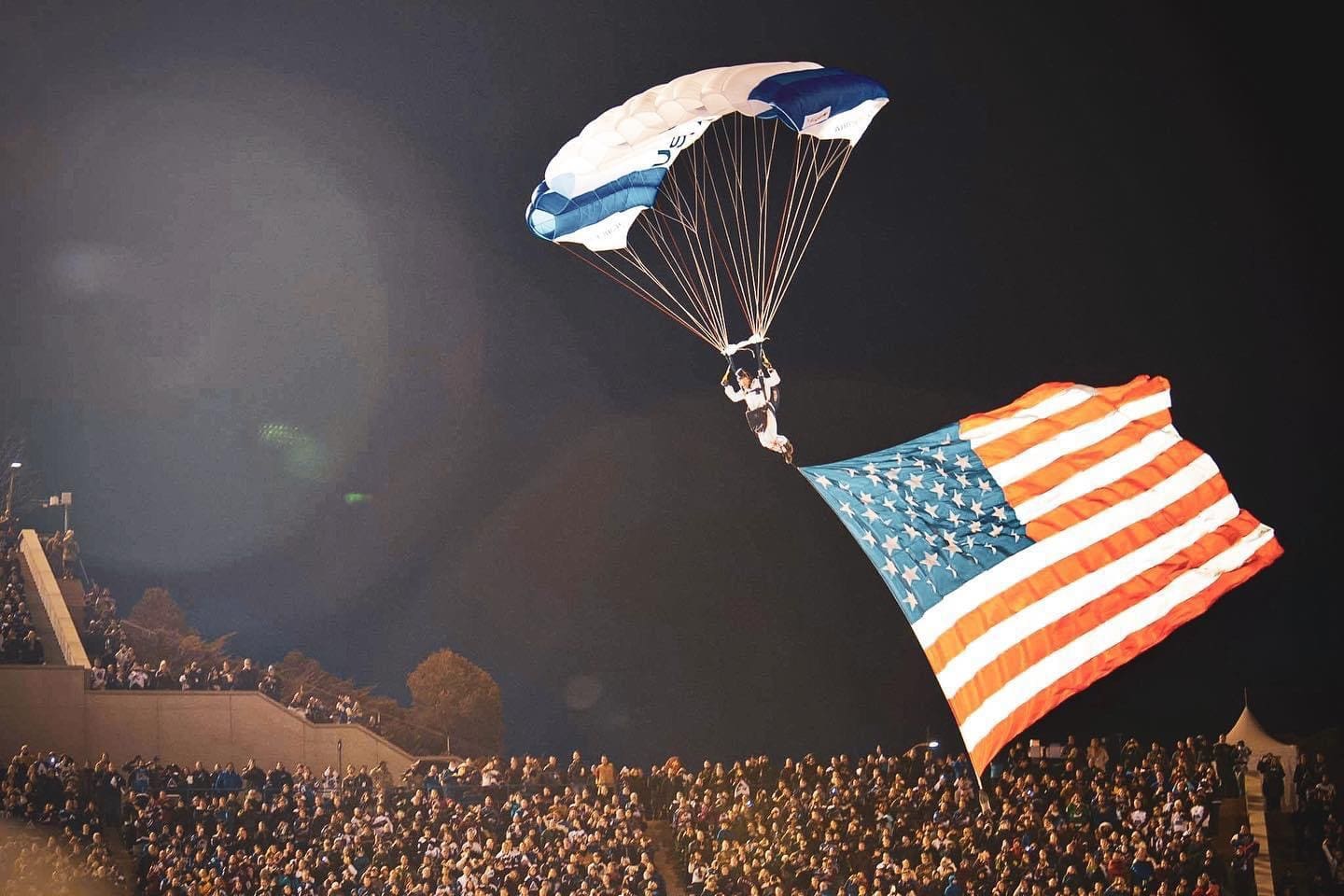
Although it hasn’t been the case for quite some time, over two decades ago Cadets were even allowed to earn Senior and Master parachutist ratings, based on skydives (see above). They selected their own jumpmasters and considered wearing smoke canisters or the flag during demonstration jumps as “combat equipment” jumps.
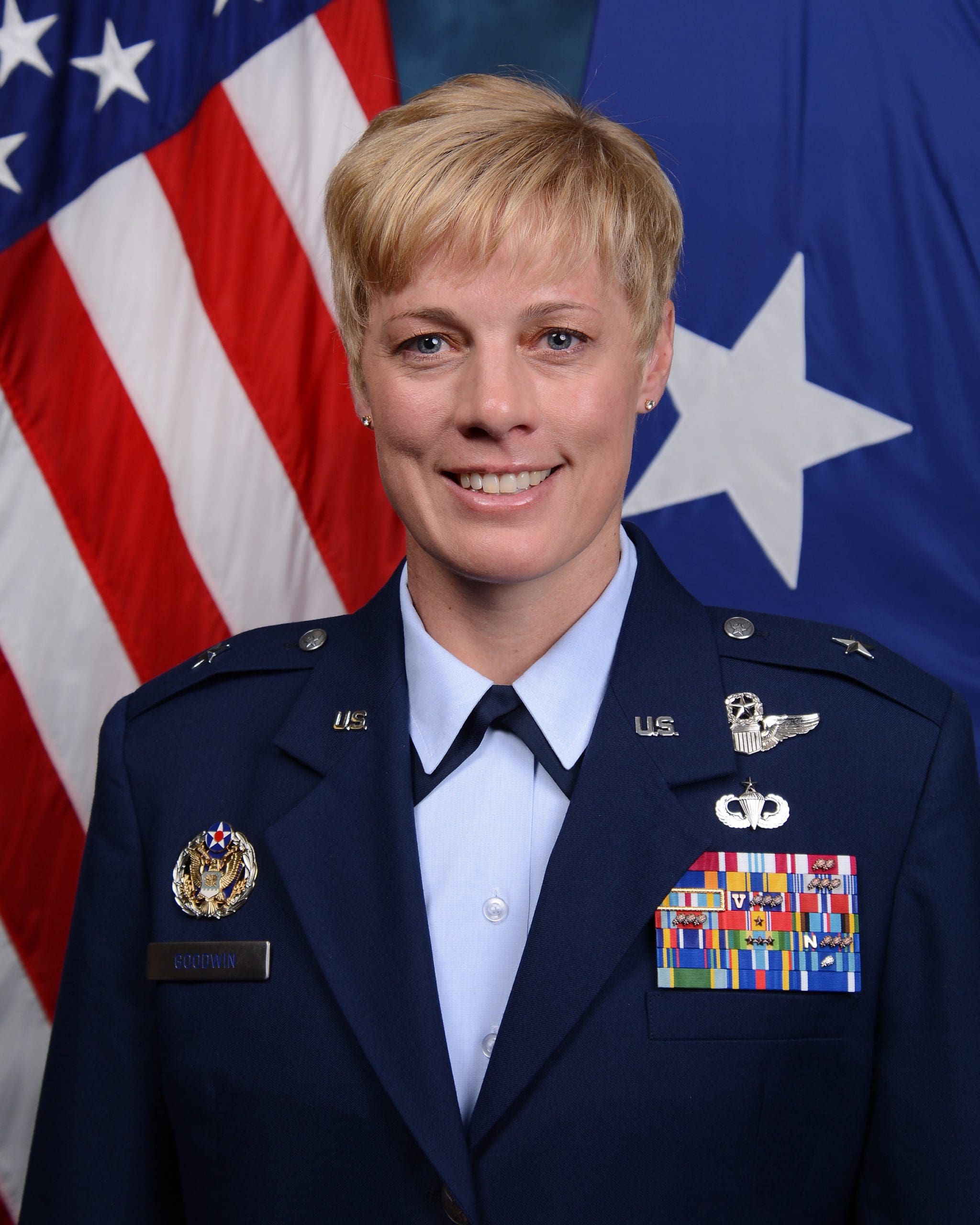
A few years ago, BG Goodwin, an AFA Commandant, wore Senior jump wings which she had been awarded as a Cadet. It caused a bit of confusion for actual parachutists who questioned her qualification, considering she had never served on jump status.
Even today, there are still a few senior officers running around wearing badges they were awarded, but didn’t earn in the way parachutists would expect. That same argument could be made about those current and former Cadets wearing Basic wings. They aren’t qualified as parachutists.
Instead of awarding the basic parachutist badge, Cadets who complete the course should be awarded a cadets-only badge. There is already plenty of precedent for the concept. Cadets learn to fly gliders and even powered aircraft while at the Academy, but they aren’t awarded USAF pilot wings once they complete training. Why even the Space and Cyber communities have clubs for perspective members of their careerfields, but they don’t award actual careerfield badges. Instead, Cadets earn badges they only wear while at the Academy. Many of these are shared with Air Force ROTC.
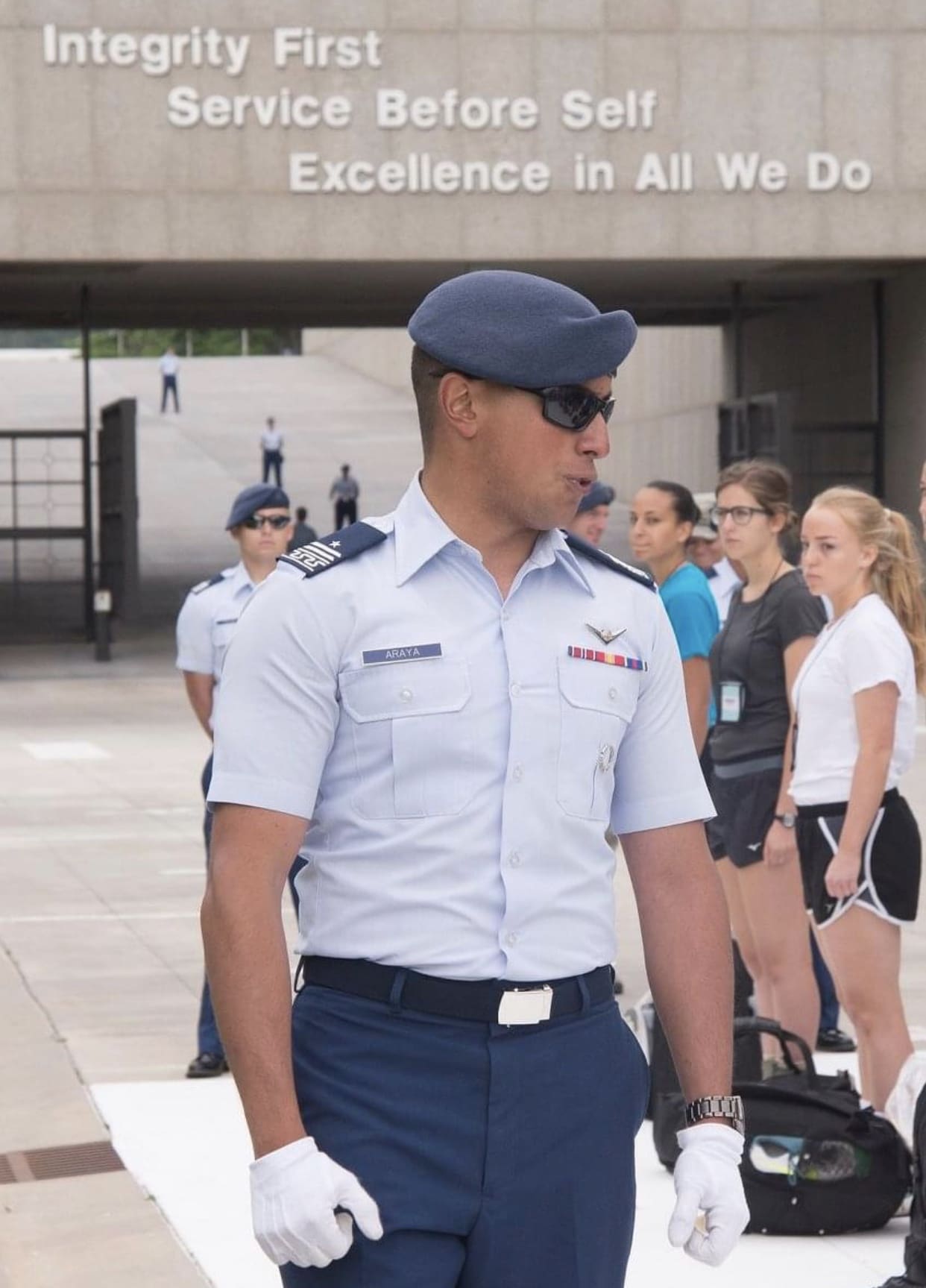
Here’s a list of the many badges which can be earned by Air Force Academy Cadets:
Superintendent’s Pin: Worn only by those cadets whose name appears on the Superintendent’s list for obtaining the Commandant’s Pin, Dean’s Pin, and Athletic Director’s Pin for the previous semester.
Commandant’s Pin: Worn by those cadets whose name appears on the Commandant’s List. The Commandant’s List is reserved for cadets in the top one third in military performance by class. They will retain this status until the end of the next academic semester.
Dean’s Pin: Worn by those cadets whose name appears on the Dean’s list for obtaining a Grade Point Average of a 3.0 or above for the previous semester.
Athletic Director’s Pin: Athletic Director’s Pin: Worn by those cadets who obtain a semester Physical Education Average (PEA) of at least 3.00 during the academic year. The PEA is based on 50% Physical Fitness Test score, 15% Aerobic Fitness Test score and 35% P.E. class grade. Cadets on any probation do not qualify for the Athletic Director’s pin.
Combinations of the Commandant’s Pin, Dean’s Pin, and Athletic Director’s Pin are worn to signify attainment of placement on multiple lists the previous semester.
Soaring Instructor Pilot Wings: World War II glider pilot wings awarded to cadet soaring instructor pilots upon completion of AM-461. A star and wreath are added as cadets progress through the soaring program.
Flying Team Wings: Approved in October 2012, these wings are worn by members of the Flying Team, a select group of cadets who were selected after arriving at the Air Force Academy with a Private Pilot’s license. A star and wreath are added as cadets progress through the soaring program.
Cadet Flight Wings: Flight wings with star are worn by cadets who have soloed a USAFA glider or a powered aircraft. Wings without star are worn by cadets who have completed at least 10 flights in a USAFA glider but have not soloed.
Cadet Aviation Club Wings: Worn by cadet aviation instructors. A star is added for a senior cadet aviation instructor.
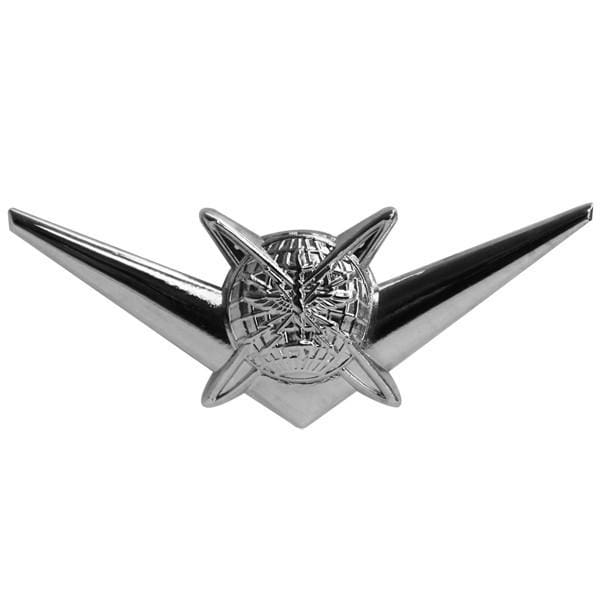
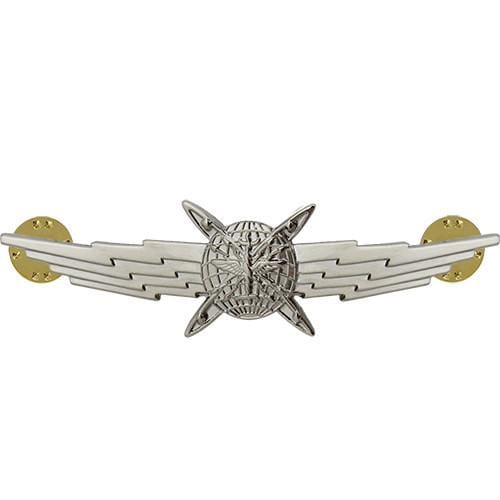
Cadet Space Wings: Worn by cadets who are involved in space activities. A star and wreath are added as cadets progress through the space program.
Cadet Cyberwarfare Badge: Worn by cadets to acknowledge the achievement of cadets who are involved in the cyberwarfare program. A star and wreath are added as cadets progress through the cyber program.
Parachutist Badge: Worn by those cadets who have successfully completed either the Airmanship 490 Basic Parachuting course taught by the 98 FTS or graduates of the US Army Basic Airborne Course, Ft. Benning, GA. Senior and Master Parachutist badges require operational experience and are awarded as authorized in AFI 11-402.
Air Assault Badge: Worn by those cadets who have successfully completed US Army Basic Air Assault School.
Bulldog Badge: Worn by those cadets who have completed the Marine Corps Bulldog program at Quantico, VA.
UAS Wings: Worn by cadets who have completed Small UAS (SUAS) certification. A star and wreath are added as cadets progress through the UAS program as instructors and evaluators/test pilots.
Here are a couple of examples.
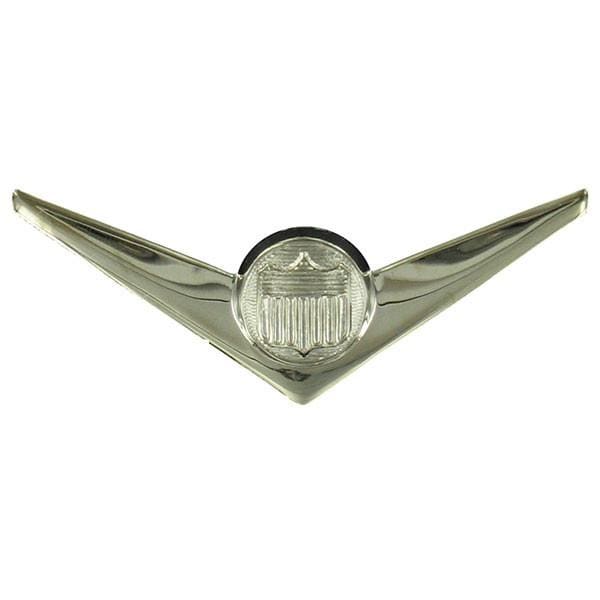
The choice for a Cadet Skydiving Badge is easy. From 1956-1963, the USAF awarded a distinctive badge for Air Force parachutists. Based on the shield now worn by medical personnel, it featured a light blue background emblazoned with a white parachute.
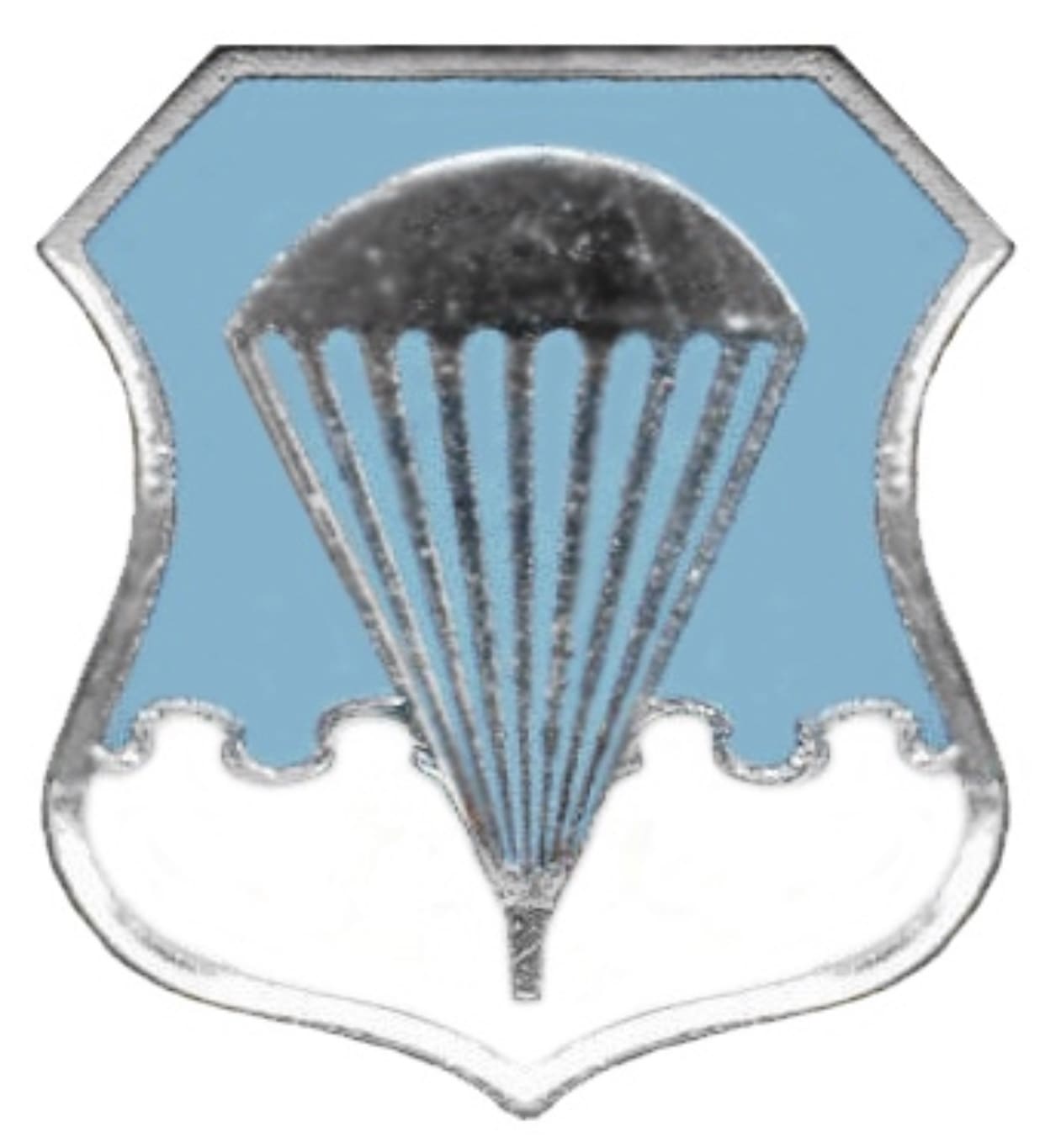
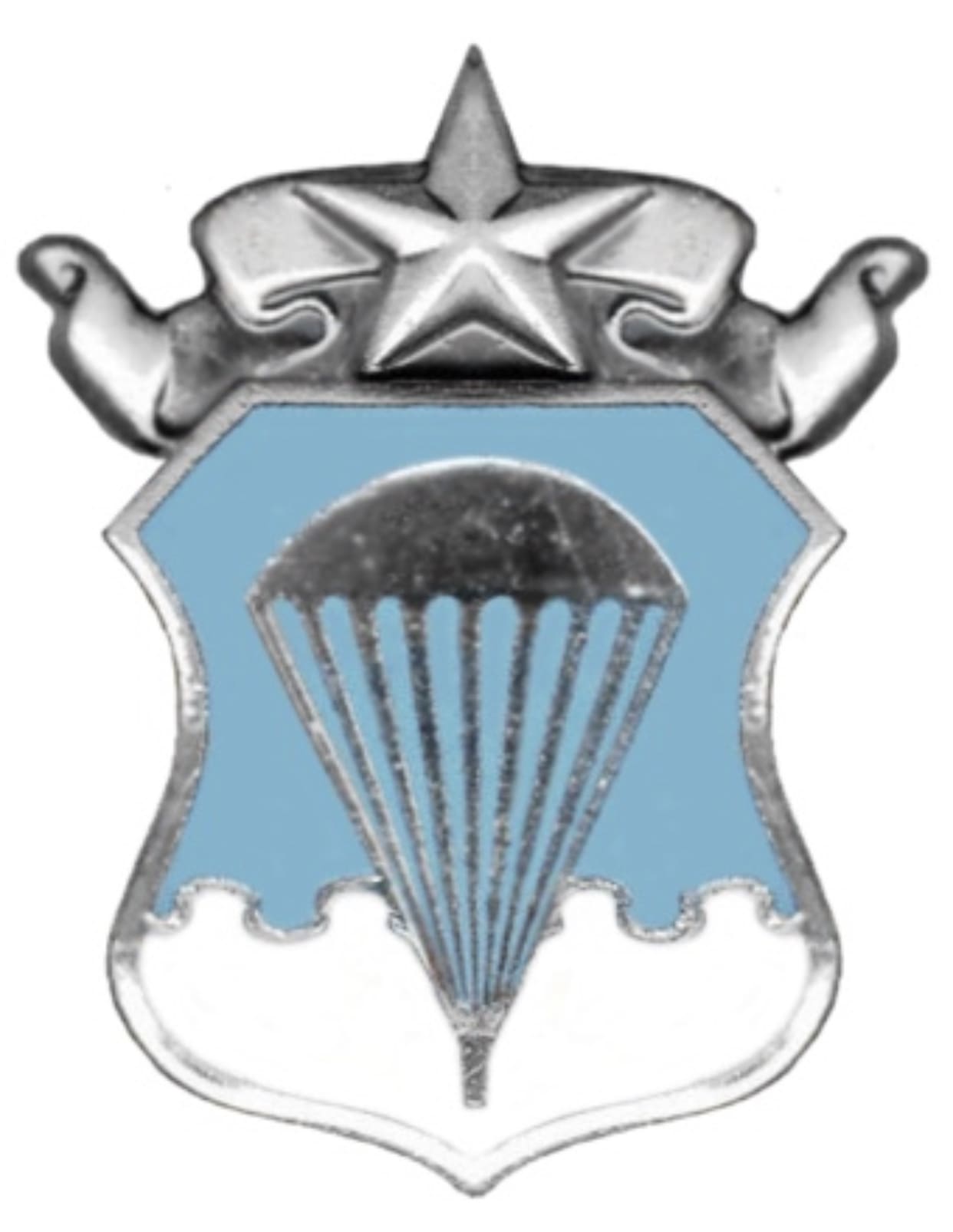
Not only is this design distinctive, but it’s no longer used by the Air Force yet supports the service’s heritage. It’s the perfect design for our skydiving cadets. There are even Senior and master versions. The master variant is seen below.
In 1963, the Air Force switched back to the basic parachutist badge used by the other services.
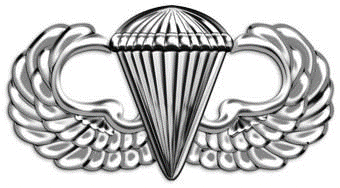
As you can imagine, some AFA cadets do in fact attend the three-week BAC at Fort Benning, Gerorgia. That course teaches a military skill and graduates are awarded basic airborne wings. Just like cadets who attend Air Assault school, they earn their wings.
It’s not that the training isn’t valuable. It should continue. There’s no operational requirement to pilot a glider, but the skill does teach airmanship. Likewise, skydiving teaches Cadets about aviation and instills confidence. As an airmanship course of instruction, it should continue.
This isn’t the fault of the Airmen, but rather the institution. The Air Force is failing to prepare them for the mission. Recently, AETC attempted to set up its own MFF training program to help streamline its Special Warfare training pipelines with the eventual goal of adding S/L as well. The Air Force scrapped the project when it realized it couldn’t adequately replicate the exacting conditions and standards of the formal courses of instruction already mentioned.
Even the Academy has halted training that didn’t adequately prepare its students for operational roles. At one time, Cadets participated in Survival Evasion Resistance and Escape training run by Cadets at the Academy. When it was determined that it didn’t adequately prepare students for operational requirements, the Resistance portion of the the training was halted and Cadets who required it, received the training as part of the formal course at Fairchild, once commissioned. The Survival and Evasion training continues as part of Basic Cadet Training as it instills confidence and teaches basic outdoor living skills.
Creation of a Cadet Skydiving Badge aligns with other aeronautical programs at the Air Force Academy, recognizing unique skills taught at that institution, while reserving the parachutist badge for those who are actually qualified to fulfill operational duties as parachutists in the operational Air Force.
Very recently, the Air Force asked for feedback regarding dress and appearance, but as I am now retired, my input is understandably not wanted. However, this issue continues to affect the active force. Perhaps others who continue to serve, will make similar suggestions.
HURLBURT FIELD, Fla. —
Editor’s note: This commentary was written by a career Air Force Special Tactics operator and expresses his personal opinions based on his experiences.

In the Air Force Special Tactics community, we live our lives by certain immutable truths. You may have heard of them – “SOF forces cannot be mass produced”, “Slow is smooth; smooth is fast”, “Two is one; one is none.”
To the initiated, these (and many more) are repeated so often that you learn to recite them without even blinking. They become part of your own self-talking training, in mission preparation and in combat. Almost like a mantra, you find yourself repeating these things to yourself. “Calm down – when we break the plane of the door, go opposite the guy in front of you. Watch your muzzle. Protect the team. Bleeding, airway, get them out. De-conflict fires from friendly positions. Sights, slack out, press. Be aggressive.”
After nearly two decades in the Air Force, I have trained, tried and failed so many times that I’ve accumulated a near endless stream of consciousness that is simultaneously conscious and muscle memory. All of these lessons- hard learned and through both failure and victory- came to light during the After Action Report process. We commonly refer to the information gleaned in these sessions as “lessons learned”. Get done with the mission, take care of weapons, sensitive items, and reset. Then, when everything is fresh in your mind, explore what was good, bad, ugly and perfect. Formalize those lessons and most importantly, don’t allow the same mistakes you made last time.
I value that process. A saying I’ve gotten used to using is that “Our [standard operating procedures] are written in blood.” Meaning- we have lost many, and we owe it to those men and women to make ourselves better, every single rep. I’d like to share my three ‘“lessons learned”. I won’t claim to be an expert. What I can say, is that I wish someone would have taken me aside as a younger Airman and told me these things. If anything, I hope that my failures and missteps can help someone avoid my mistakes.
Failure is always an option.
While I understand the intent behind the cliché phrase, “Failure is not an option”, it’s simply false. I have failed many times in my career. I’ll fail many more. I expect my team to fail. In training and unfortunately, in combat. I wish it was different. If it was, I would have friends back, less regrets, less “I wish that day didn’t go like that” statements in my life.
In the end, you must try to avoid failure; but at the same time you have to accept and strive to train so close to your limit that sometimes you fall short. You must test and sometimes exceed your limits to know what your limits are. And sometimes you’ll fail.
What’s my lesson learned? How you lead through failure is far more valuable to me and my teams than a perfect run. How we deal with failure, with tragedy, with heartbreak and boredom and disillusionment and being unmotivated- in those times we find out what our mettle really is. If you’re going to fail, make it count. Learn from it. Avoid that failure in the future, and don’t be afraid to fail. Always learn, always grow … and always continue to push your limits for the better.
You can still be unique and part of a highly functioning team.
Air Force Special Tactics attracts the widest range of all personality types, hands down. We actually select out for individuals, capable of making individual decisions that further the mission of the team, the squadrons and entire organizations.
Tree hugging, slack lining, hackey sack playing ‘hippies’. Death metal listening, big weight moving, aggressive hyper alpha males. Quiet graduates of Ivy League schools that have diverse stock portfolios. Ultra long distance runners. Powerlifters that hate cardio. Guys and gals that sold everything they own and lived in their van prior to joining and becoming part of the ST team. We value ALL of these personalities.
Often times, people have approached me and said, “I don’t feel like I fit in” or even worse, “I’m not getting along with so and so- we are so different.”
On my first deployment, I was in exactly such a scenario. I attended two weeks worth of training with a fellow operator; we just couldn’t get along. It got heated multiple times. Months after the initial training, a very wise Team Leader of mine called me out when I was lamenting my interactions with that other operator.
He drew a small box, about 3 inches by 3 inches wide on a huge whiteboard. He then drew two dots, in opposing corners.
“So,” he said, “You’re these two dots. Couldn’t be further apart. Diametrically opposed, yeah?”
I don’t remember my exact response, but it was a pretty solid, “Exactly.”
“That box you’re both in contains all the people that have volunteered multiple times and have wanted nothing more than to support and defend the Constitution and have willingly accepted the possibility they might die doing so. Outside of this box, the entire 15 foot by 5 foot white board, represents the rest of humanity. You have more in common with this person you dislike for no good reason than you do with 99.9% of humanity. Maybe grow up.”
What’s my lesson learned? It’s ok to be yourself and to be a valued member of Special Tactics. Whether it’s as an operator, Combat Mission Support, a surgeon on a Special Operations Surgical Team, a First Sergeant, a chaplain- we all make the team of professionals we have today, together. We value and foster our differences. Embrace that and don’t let a preconceived notion about someone else- or even worse, yourself- get in the way of what’s important. The team. The mission.
Keep an even keel.
I was about six months out of completing my two plus year training requirements to earn my beret. We were doing some training, but got the call that a Philippine sailor was gravely ill at sea, and I was going to be part of the rescue team to go get him. After multiple mid-air refuelings, I was hoisted from an HH-60 onto a moving super tanker, assessed and stabilized my patient, packaged him in a litter and we were both hoisted back up. I then cared for my patient until we transferred care to a waiting team in Ireland, about 4-5 more hours in the aircraft. My patient lived.
The sense of pride and accomplishment I had was undeniable. It was a lifetime of effort justified in one 24-hour period. The rescue was given an award that year.
Fast forward to 2015, somewhere in a combat environment.
In support of a huge operation, my team learned that a U.S. Army special forces soldier had been severely wounded by small arms fire. We immediately transferred him to the far-forward operating room- which was just a building close to the fighting- and the surgeons did everything they could do. Unfortunately, it was just one of those ‘perfect’ wounds that was unsurvivable.
My close friend and element leader and I knew what had to be done. We had to prepare this fallen soldier for his Angel Flight and it had to happen before his team came back. We placed the flag appropriately and did everything we could to honor him.
That event haunts me to this day. I can still feel that emotion and smell those smells when I think about it. I told the trauma surgeon at the time, “I think this one might have really done some damage. I’m not real sure how many more of those I got left.” I have never been so devastated; the whole team took it very, very hard.
What’s my lesson learned? This career- this life- holds the highest of highs and the lowest of lows. In order to be successful, you can’t swing too hard in either direction. hubris and complacency lies on one end of the spectrum; inescapable darkness lies on the other end. It’s not advisable to spend too much time at either end.
As it stands, I’m still learning now. While my team position has changed, so have I. Some pitfalls I can avoid thanks to a lifetime of “lessons learned”, but the reality is, there are still more to learn. More importantly, the only way we can move forward as an entire enterprise is to share these lessons learned with one another and learn from each other. Good, bad, ugly, perfect.
There is no better job in the Department of Defense than Air Force Special Tactics, I firmly believe that.
But even if you find yourself in a different career, branch, command, profession- I hope that you’re taking your own “lessons learned” and making yourself a better human, citizen, or member of your team.
“First There, That Others May Live.”
Commentary by Special Tactics operator, 24th Special Operations Wing, 24th Special Operations Wing
Photo by TSgt Sandra Welch
HURLBURT FIELD, Fla. — Air Force Special Operations Command’s 2020 Strategic Guidance called for a change in developing and providing unique capabilities valuable to the broader joint force while remaining an integral part of the joint special operations forces team.
Those priorities brought an aviation background into the Special Tactics ranks.
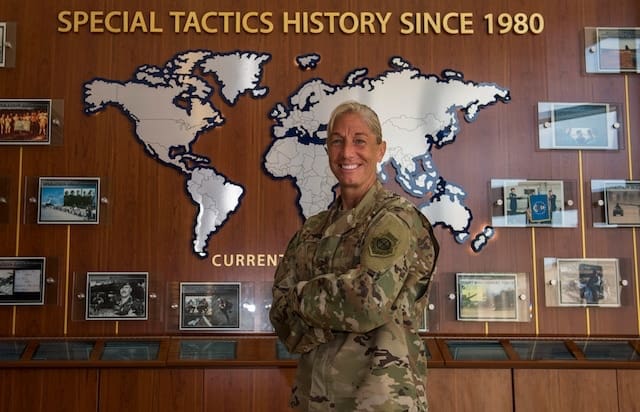
Earlier this summer, U.S. Air Force Col. Allison Black made history as she joined the Special Tactics leadership team and became the vice commander of the 24th Special Operations Wing.
“With any leadership team, you want to have people that cover each other’s blind spots and are able to bring the best out of the organization,” said U.S. Air Force Col. Matt Allen, commander of the 24th SOW. “Not only does Col. Black have a rich history as an aircrew member within AFSOC, but she also has key insights working on staffs within U.S. Special Operations Command and she is a female colonel, which provides really good insight as we look at our diversity and inclusion aspects of the force to make sure that we’re making good organizational decisions on bringing in the first wave of female operators onto the line.”
Black’s commissioned background entails being a navigator on the AC-130H Spectre gunship. She was known as “The Angel of Death” as she was the first female Spectre navigator in combat operations during Operation ENDURING FREEDOM.
“When I was in Afghanistan, she was certainly popular because she was the only female voice you would hear when you’re out in the field as a [joint terminal attack controller],” said U.S. Air Force Chief Master Sgt. Jeff Guilmain, former command chief of the 24th SOW.
Black credits working on the gunships supporting the ground forces, to her gaining a better understanding of the Special Tactics community and their mission.
“When you talk about diversity of thought, I think it’s great having an individual come in with a long standing, very successful career in AFSOC, who has been around Special Tactics and worked with us as joint partners forward in Afghanistan directly in the fight,” said Guilmain. “It’s powerful to have her experience as an outsider looking at us both operationally and in garrison to help us look at hard problems to build the force of the future.”
When asked how she felt toward this milestone position, Black said she was “honored, humbled and little-kid excited.”
“It’s a great honor to serve the Special Tactics community as their vice wing commander,” said Black. “I’m now a direct part of the machine that I’ve directly supported my entire aviation career from the air. I couldn’t ask for a better teammate than Col. Matt Allen. He’s a dedicated leader and consummate professional who deeply cares about our people. As Col. Allen’s vice, it’s my role to follow his lead and drive the organization toward a successful future.”
The Long Island, New York, native enlisted in the United States Air Force in 1992, originally expecting a job in radiology.
Little did Black know what the next 28 years would entail.
During the first week of basic military training, all of the flights were briefed on what is now called Special Warfare career fields. Survival, evasion, resistance and escape caught Black’s attention – a predominantly male career field.
SERE specialists train Airmen on how to survive in the most hostile and remote environments.
“For me, overall, it was the challenge,” Black said. “As hard as it was going to be, I just wasn’t going to quit.”
Breaking through barriers, Black graduated and became a SERE specialist where she excelled for the next six years.
In 1998, Black sought out yet another challenge and commissioned through Officer Training School and became a navigator on the AC-130H Spectre gunship with the 16th Special Operations Squadron, which landed her at Hurlburt Field in early 2000 where she would remain for the next decade.
As a navigator, now known as a combat systems officer, Black acted as the eyes for the ground forces below her. In communication with Special Tactics operators, Black also assisted bringing airpower down on the enemy.
As Black advanced through the ranks, she took a brief break from the AFSOC community and headed on to be the Chief of the Operational Integrated Communications Team at the Pentagon in Arlington, Virginia, from 2010-2012.
She quickly returned to Hurlburt Field and was integrated as the Director of Operations into the 319th Special Operations Squadron, an intelligence, surveillance and reconnaissance unit that operates U-28s, which she later commanded from 2015-2017.
Black then moved to USSOCOM headquarters at MacDill Air Force Base, Florida, before returning to Hurlburt Field as the vice commander for the 24th SOW.
Black’s unique background, involving SERE and navigating a gunship, has left her with an extraordinary knowledge set to bring to the Special Tactics community.
“Let’s just make a difference. Let’s exploit what I have learned throughout my career on operations, risk management, and regulations,” Black said. “Let’s uncover all of that and let’s roll up our sleeves and use that to make our community stronger and more effective. Let’s exploit technology and work to define what the future holds. We need to determine what niche capabilities our current Special Tactics force must bring to the future fight.”
Black is hopeful that her presence makes a difference and inspires others to “work hard and continue to take the risk to try.”
“I hope that my perspective makes our team stronger,” Black said. “Even though I look different than most of our force… and even though I don’t wear a beret, I’m confident that my background in AFSOC, and in the Air Force, will be seen as a positive.”
By SSgt Rachel Williams, 1st Special Operations Wing Public Affairs
The Department of the Air Force launched a new crowdsourcing campaign to solicit ideas for dress and appearance improvements on the Air Force Ideation Platform, IdeaScale.
Airmen and civilians are invited to submit ideas beginning Sept. 3.
“If we want an environment in which Airmen feel valued, we need to create transformative opportunities to foster a culture of innovation and then listen to their ideas,” said Lisa Truesdale, Air Force military force policy deputy director. “Additionally, wearing the uniform and having pride in your personal appearance enhances esprit de corps.”
Dress and personal-appearance ideas submitted to IdeaScale may be presented to the Air Force Uniform Board after review by Air Force personnel subject matter experts. The uniform board will make recommendations to the Air Force chief of staff.
All CSAF-approved ideas will be implemented within AFI 36-2903, Dress and Personal Appearance of Air Force Personnel. If an idea does not meet the Air Force Uniform Board, a notice with rationale will be sent to the submitter.
“We want our dress and appearance guidance to be inclusive,” Truesdale said. “We are committed to considering the views of all members. Individuals contribute their highest levels of creativity when they are cared for and feel a sense of belonging.”
The following categories are available for idea submission:
GROOMING AND APPEARANCE STANDARDS (e.g. hairstyles, beards, shaving, etc.)
DRESS UNIFORMS (Service Dress, Mess Dress and accessories (e.g. hat, shoes, shirt, belt, tie, ribbons, medals, insignia, etc.))
UTILITY UNIFORM (Operational Camouflage Pattern Uniform and associated accessories (e.g. hat, boots, belt, T-shirt, insignia, etc.))
ACCESSORIES (e.g. jewelry, earrings, rings, purses, backpacks, gym bags, phone, headphones, etc.)
OUTER GARMENTS (e.g. pullover sweater, cardigan sweater, lightweight blue jacket, fleece, etc.)
PHYSICAL TRAINING GEAR (e.g. shorts, pants, jacket, shoes, socks, shirt, etc.)
FLIGHT DUTY UNIFORMS (Two-Piece Flight Duty Uniform, Flight Duty Uniform, Desert Flight Duty Uniform and associated accessories (e.g. hat, boots, T-shirt, patches, insignia, etc.))
BADGES AND SPECIALTY INSIGNIA (e.g. organization badges, unit patches, duty identification patches, tabs, etc.)
MATERNITY UNIFORMS (e.g. Service Dress, Utility, accessories, etc.)
To submit an idea or engage in this campaign visit usaf.ideascalegov.com.
If you are new to the platform, register using your Common Access Card. From the homepage, scroll to the “Dress and Appearance” tile to submit your ideas.
Previous dress and appearance ideas submitted to the Airmen Powered by Innovation campaign will be transferred to this new campaign.
Story by Secretary of Air Force Public Affairs
Photo by Sarayuth Pinthong
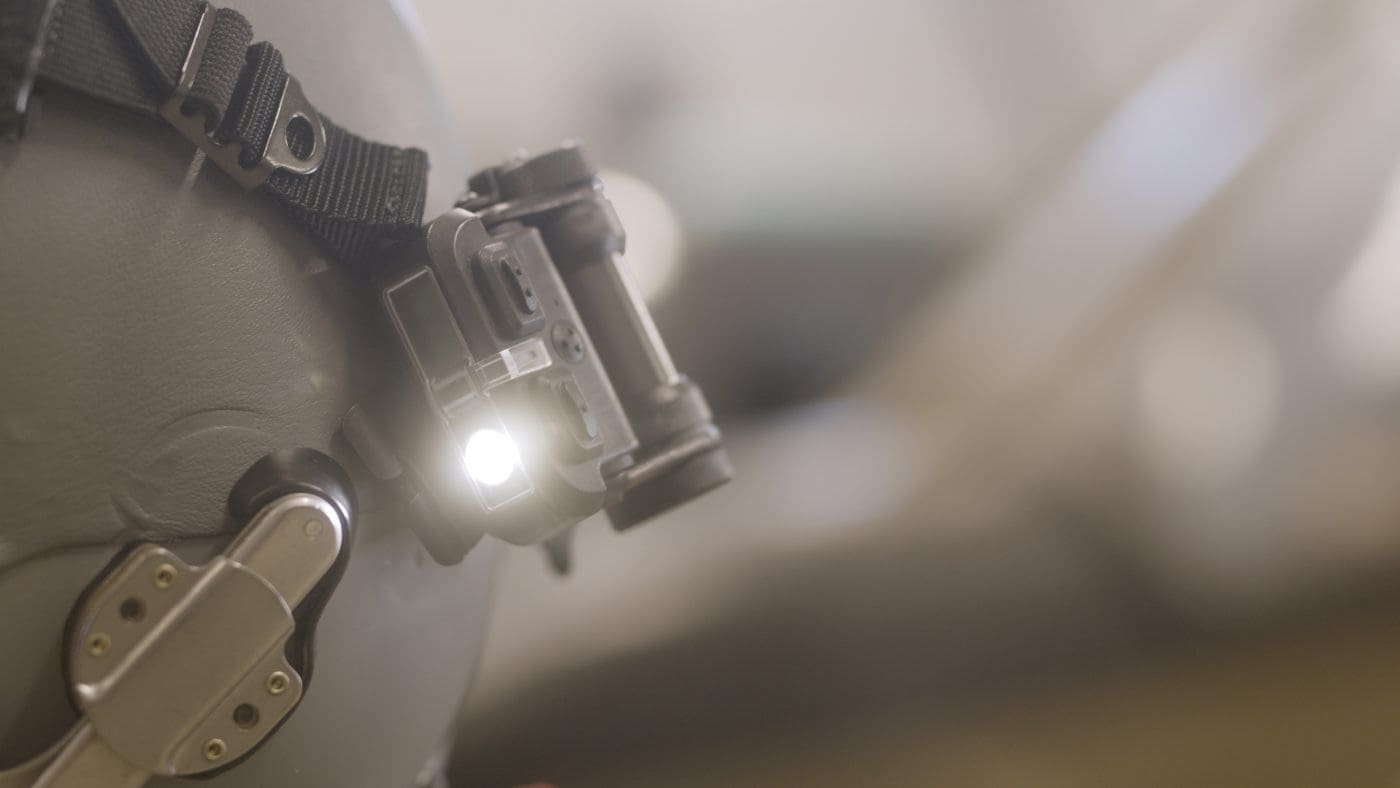
Coming this November, the First-Light GLIDR was developed under an AFWERX SBIR (Small Business Innovation Research) contract to create the ultimate aircrew light.
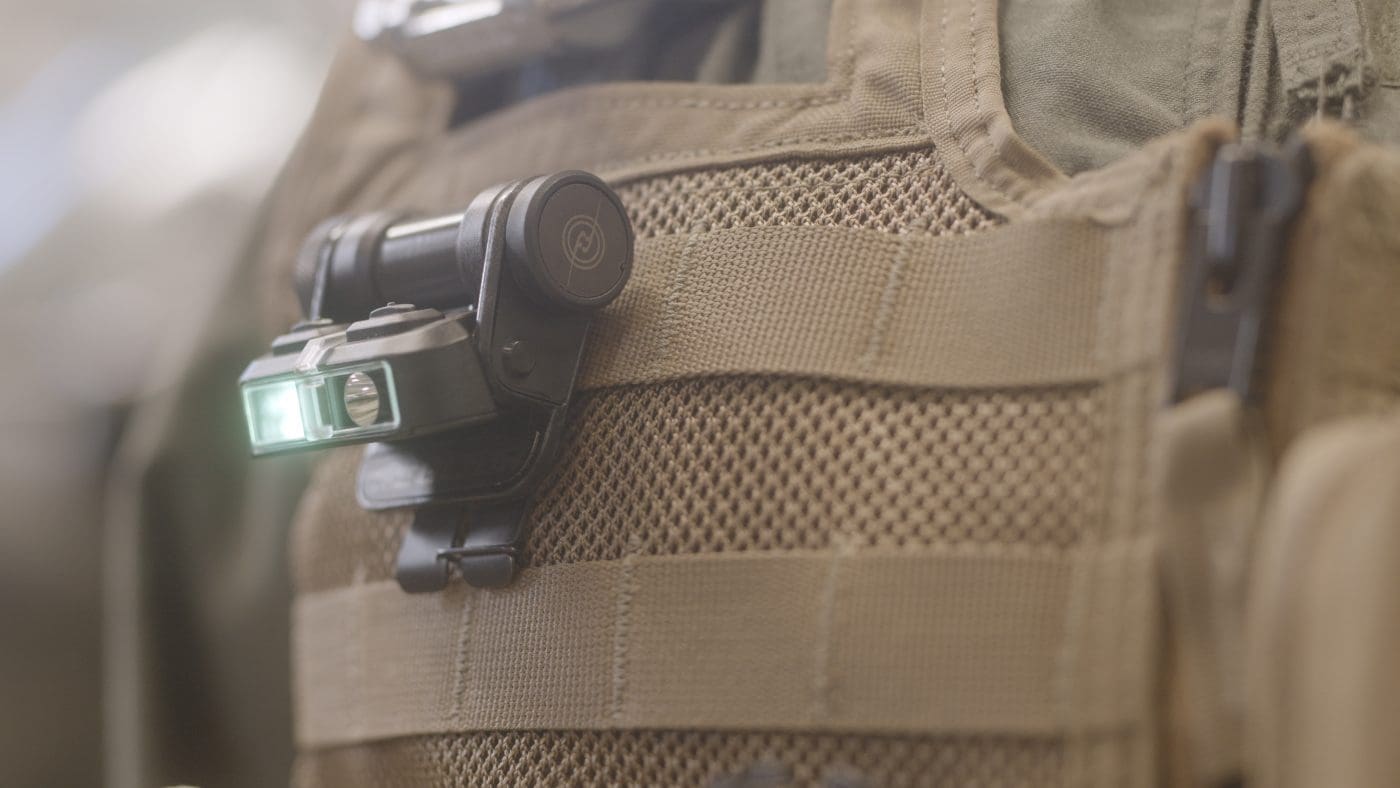
This PALS compatible light can also be mounted to clothing and helmets thanks to the 360-Degree, rotating steel clip.
There’s even a headlamp band.
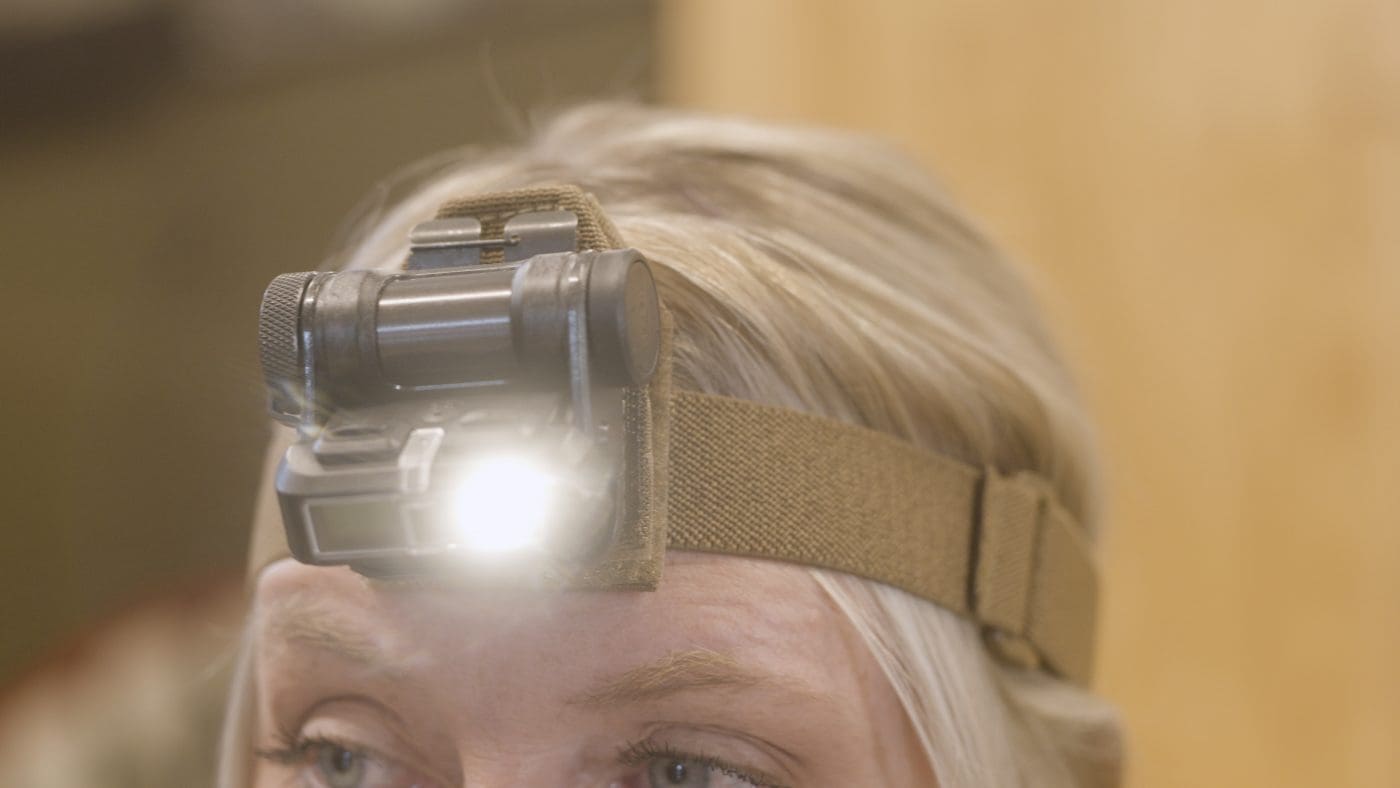
It’s compact (60 x 53mm or 2.37 x 2.09 in) and lightweight (2.7oz with battery, 2.2oz without battery) and is powered by a single AA battery.
It offers White Light, NVIS (Mil Spec 3009) and IR (880nm).
Light Specs:
High White: 100 Lumens
Medium White: 40 Lumens
Low White: 10 Lumens
White Constant-On:
High: 5 Hours
Medium: 18 hours
Low: 30 Hours
White Beacon:
50 Hours
NVIS (Mil Spec 3009):
High: 5 Hours
Medium: 20 hours
Low: 40 Hours
Infrared Constant-On:
High: 10 Hours
Medium: 25 hours
Low: 40 Hours
Infrared Beacon: 60 Hours
Infrared and White-Light Beacon Flash Rate: 60/minute
Light Dispersion
White: Foucused Beam
NVIS: Flood Beam
Infrared: Omnidirectional
Waterproof 1 meter for 30 minutes (MIL-STD-810H / IPX7)
Offered in Midnight Black and Dark Gray.
JOINT BASE MCGUIRE-DIX-LAKEHURST, N.J. (AFNS) —
U.S. Air Force Expeditionary Center instructors executed the first Phoenix Raven Qualification Course of the year from July 27 – Aug. 19.
Due to the constraints of COVID-19, Phoenix-Raven instructors from the 421st Combat Training Squadron had to completely redesign the PRQC in order to maintain the health and safety of the students and instructors, while also meeting all the training requirements to produce fully qualified Air Force security forces Airmen.
Typically the course is very hands-on, said Staff Sgt. Melida Diaz, 421st CTS Phoenix Raven Qualification Course instructor. “We had to think outside the box and figure out how we can train the students; including combatives and (Armament Systems and Procedures) baton training where they can still receive the training that they need with no contact with the instructors.”
The solution was to divide the course into two parts. The first part required 14 days of restriction of movement, or ROM, of the students in Joint Base McGuire-Dix-Lakehurst lodging. During this two-week period, the students were monitored for any symptoms or signs relating to COVID-19.
While the students were restricted to their rooms in lodging, they also had 14 days of virtual training with instructors being available, so they were able to complete most of the academic classes prior to the second part of the training, said Staff Sgt. Alonzo Piper, 421st CTS PRQC instructor.
The PRQC academics covered multiple subjects, such as warrior mindset and comprehensive Airman fitness, arming and use of force, cross-cultural communication, individual protective measures, anti-terrorism, surveying airfields, aircraft familiarization, embassy operations and legal considerations.
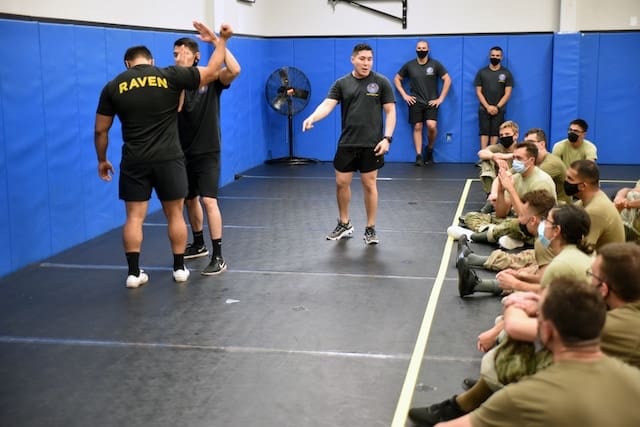
Upon completion of the ROM, the students transferred to the 421st CTS student dorms and started 10 days of physical training where they learned verbal judo, various Air Force combatives, weapons defensive principles and the use of the ASP baton.
“We teach Air Force combatives at a comprehensive level,” Piper said. “Air Force combatives are self-defense techniques from the ground or standing positions. The standing position is where we teach different strikes, takedowns and different grip techniques to control an individual; and then we go into a ground portion to show how to defend yourself on the ground with the different fighting positions that you can end up in, different submissions or chokes that you can use if you need to use them to defend yourself.
“We teach weapon takeaways and weapon defensive principles as well, it allows us the ability to defend ourselves if we are threatened with weapons when we don’t have a weapon to defend ourselves.”
Implemented in February 1997 and launched at the then Air Mobility Warfare Center, at Fort Dix, the Phoenix Raven Program ensures protection for Air Mobility Command aircraft operating out of airfields where security is unknown or inadequate. Teams of specially trained and equipped security forces personnel, known as Ravens, deploy aboard AMC aircraft.
“The Ravens are specialized security that go with different aircraft to austere environments. These airfields don’t have adequate security and we are there as the insurance policy to get the mission done. The jet, personnel, cargo and everything with it; we’re there to secure it, and at the end of the day, that’s what it’s all about,” said Staff Sgt. Tanner Hall, 421st CTS PRQC instructor.
Explaining what distinguishes a Raven, Hall noted the ability to use verbal judo and the ASP baton “are kind of the bread and butter of what makes a Raven, because a lot of these environments we don’t necessarily have the capability of taking weapons off the jet, and being able to verbally de-escalate a situation is the key to most of these interactions. However, we have our ASP baton that we drill to perfection as a secondary means of gaining compliance where we might not be able to by other means.”
The term “Phoenix Raven” is a combination of the word “phoenix,” a standard AMC program prefix and the word “raven,” an intelligent bird with keen eyesight.
To become a Raven, students must “pass the evaluations that we have here at the course such as the baton training as well as use of force,” Diaz said. “The students also have different types of tests such as the end-of-course exam and a written test for the baton.”
She also noted that it was important for the students “to show that they have heart, dedication, a positive attitude and that they are going to be ambassadors for not only security forces but the Air Force.”
Upon completion of the qualification course, Phoenix Raven graduates earn an individual Raven Number, owned by them forever.
Raven candidates can volunteer though their unit where they are vetted through their chain of command and selected by their commanders.
By Maj George Tobias, U.S. Air Force Expeditionary Center Public Affairs