ANOKA, Minnesota – January 13, 2022 – Federal Ammunition will announce a number of new product offerings during the 2022 SHOT Show (Booth No. 11838), January 18-21 at the Sands Expo Center in Las Vegas, Nevada.
“Being the largest ammunition manufacturer isn’t just boasting. It matters, because it allows Federal to deliver the widest range of new products to our customers every year,” said Federal’s President Jason Vanderbrink. “This year, Federal will continue to introduce new loads and components to the marketplace. This means hunters and shooters of all stripes can get the new products that best meets their needs and interests.”
New for 2022 product launch highlights include:
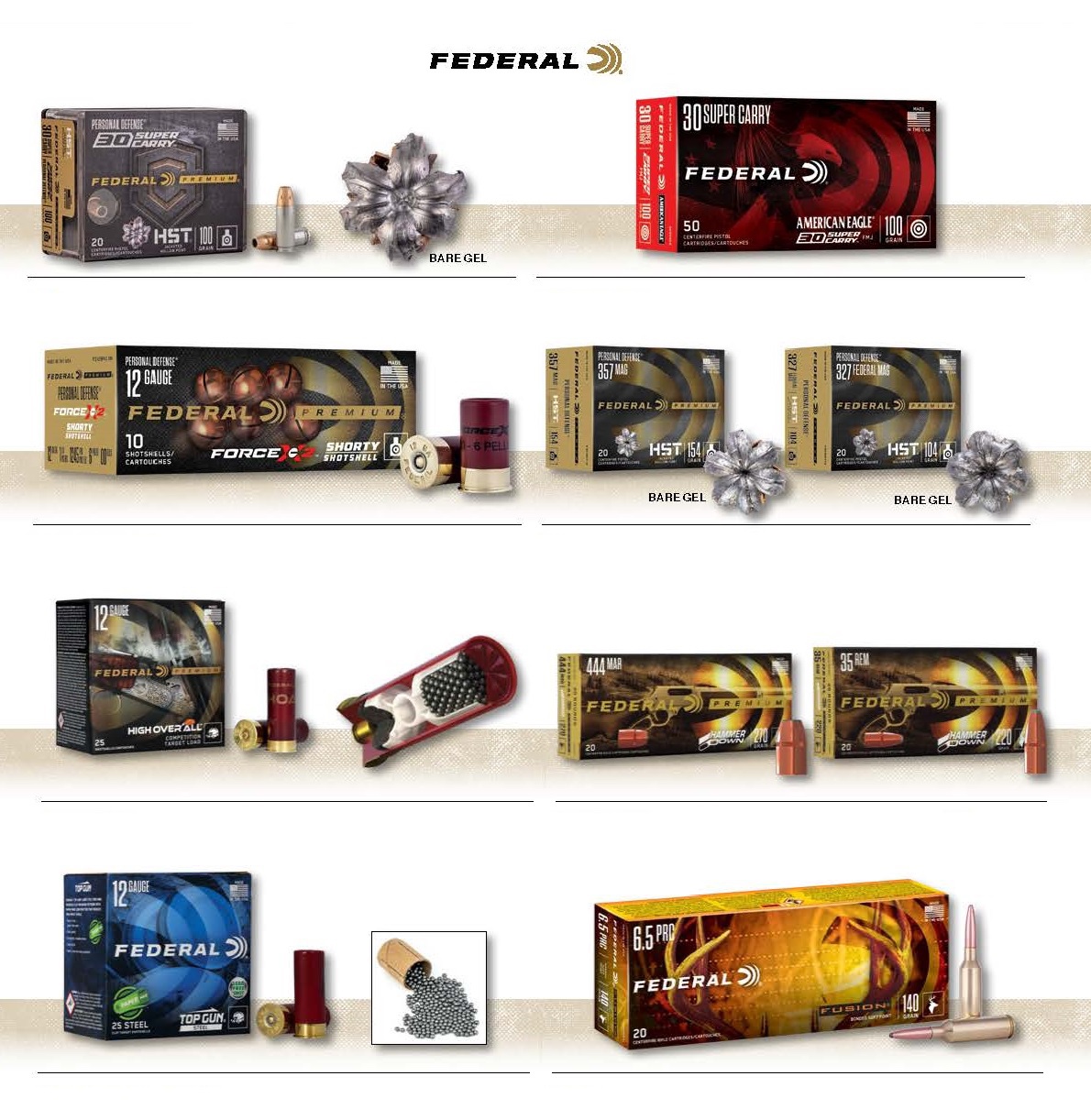
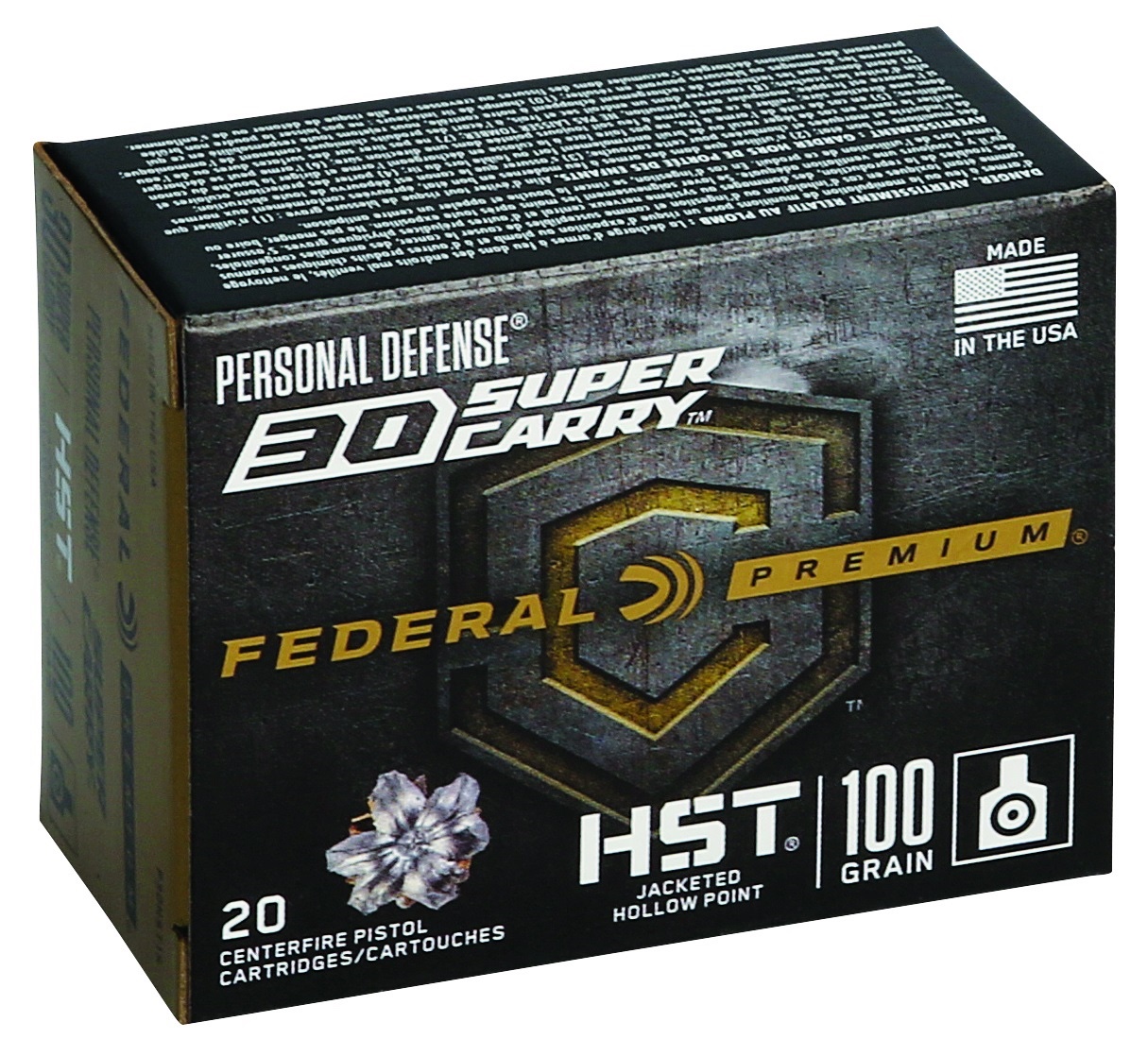
30 Super Carry – Shooting’s biggest cartridge introduction in decades is getting off to a powerful start with Federal Premium HST Personal Defense ammo and American Eagle training rounds.
High Over All – Engineered for the most elite trap, skeet and sporting clays shooters, Federal Premium High Over All leaves a trail of shattered targets in its wake and more reloads per shell. It’s the ultimate competition load for the world’s best shooters.
Force X2 Shorty – Federal has combined the power of two new technologies to create a shotshell option that changes the nature of self-defense. Force X2 Shorty shells measure just 1 ¾ inches but hold a payload of six 00 segmenting buckshot engineered to split into two equal pieces on impact.
HammerDown – Federal is opening up the performance and power of HammerDown to hunters who shoot 35 Rem. and 444 Marlin. The geometry of each round’s case, bullet and cartridge ensures flawless cycling through tubular magazine and typical lever-action feeding systems.
Top Gun with Paper Wad – Experience the clay-crushing performance of one of our most trusted target loads and leave less plastic downrange. Select Federal Top Gun offerings combine the new Paper Wad, cellulose-based filler and a paper gas-sealing over-powder wad to maximize patterns while reducing shooters’ impact. Available in both lead and steel payload options.
HST – Fuel magnum revolvers with the power of Federal Premium HST thanks to new offerings in 357 Magnum and 327 Magnum. The proven bullet design fully utilizes the magnum performance of these cartridges to maximize expansion and hit critical penetration depths.
Punch – Shooters who choose to protect themselves with the powerful 44 S&W Spl. can now opt for the versatility of Federal Punch. Like all loads in the line, the 180-grain offering was developed using Federal Ammunition’s decades of experience designing the world’s finest defensive handgun loads.
All these new products, and many more will be on display at Booth No. 11838 for customers to view and learn full details. Learn more at Federal and all its ammunition products at: www.federalpremium.com.
Posted in Ammo, Press Release | Comments Off on Federal to Launch New Products at the 2022 SHOT Show
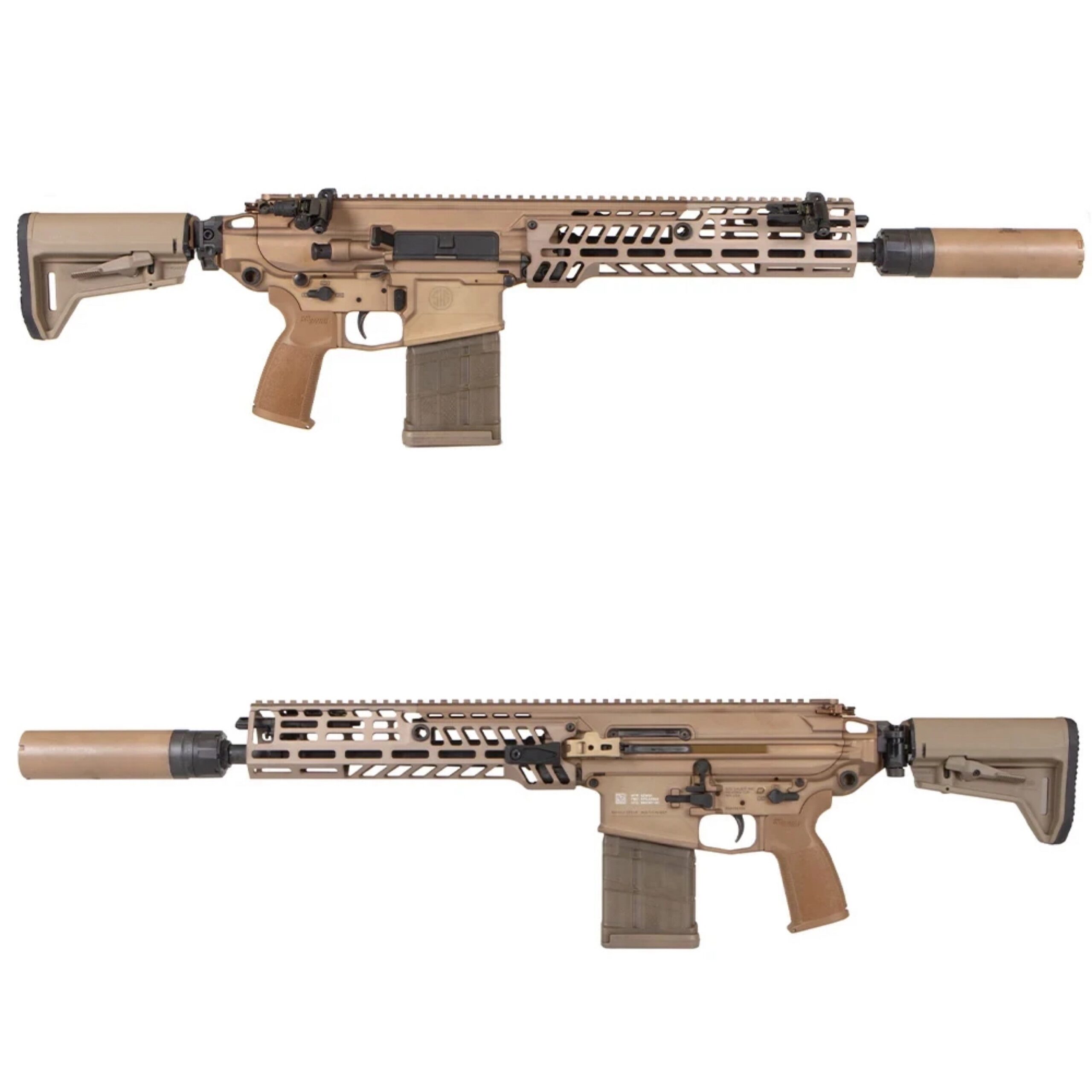
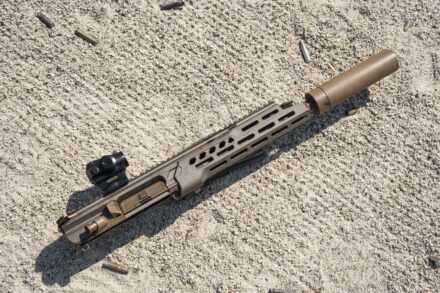
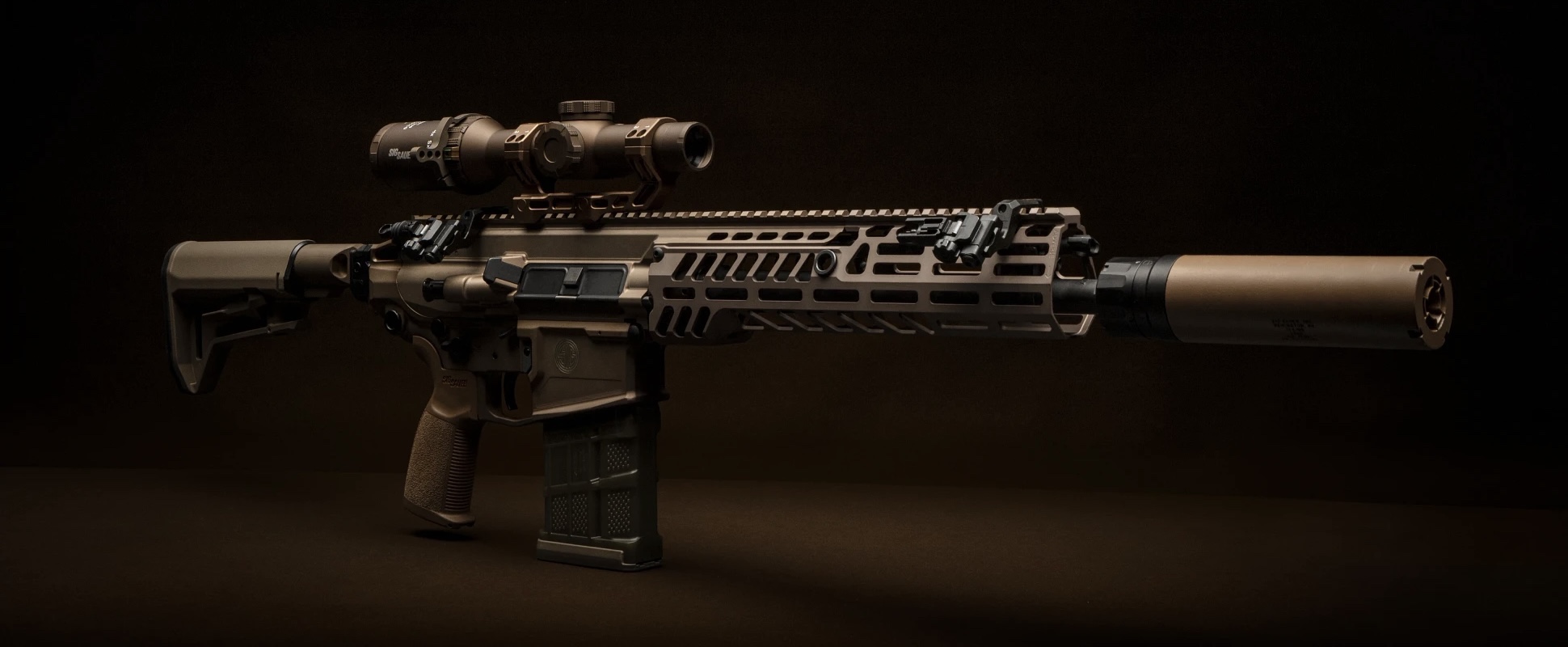
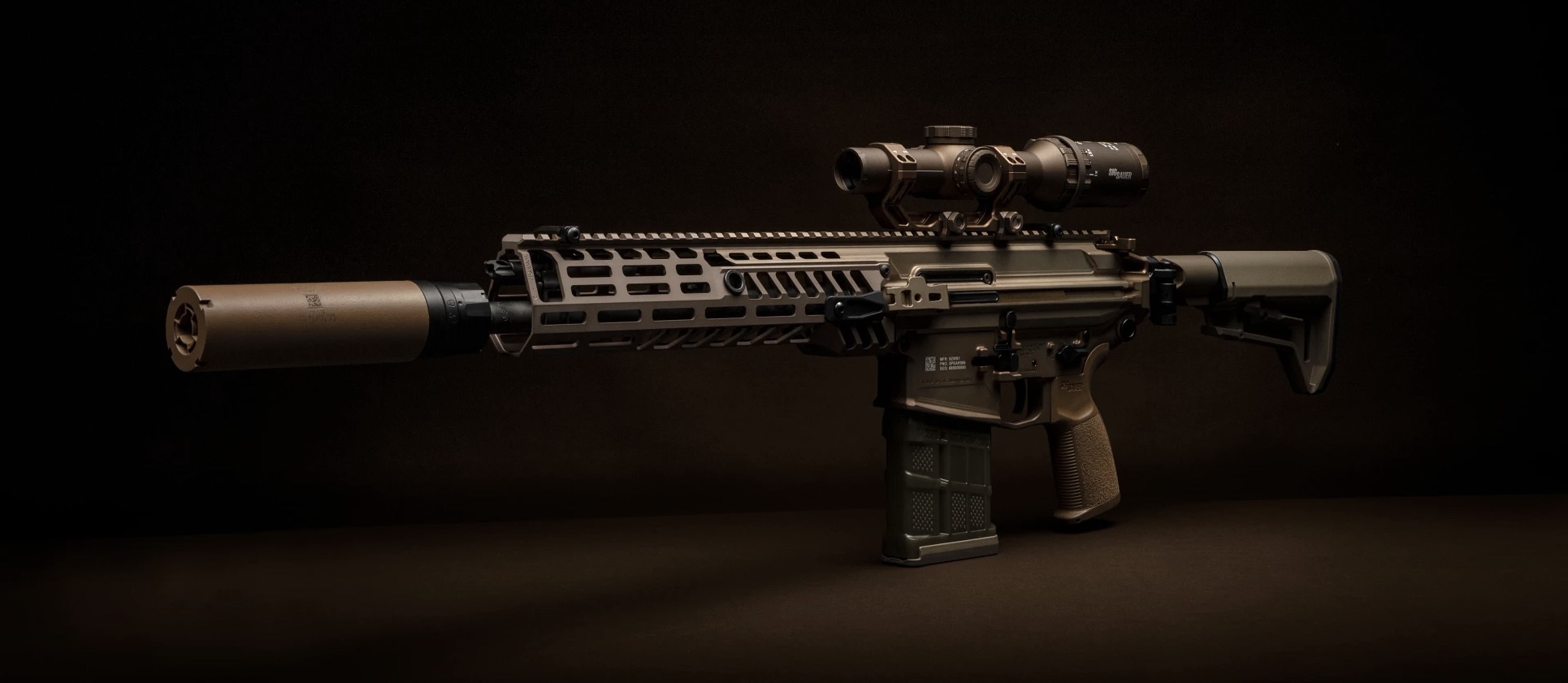
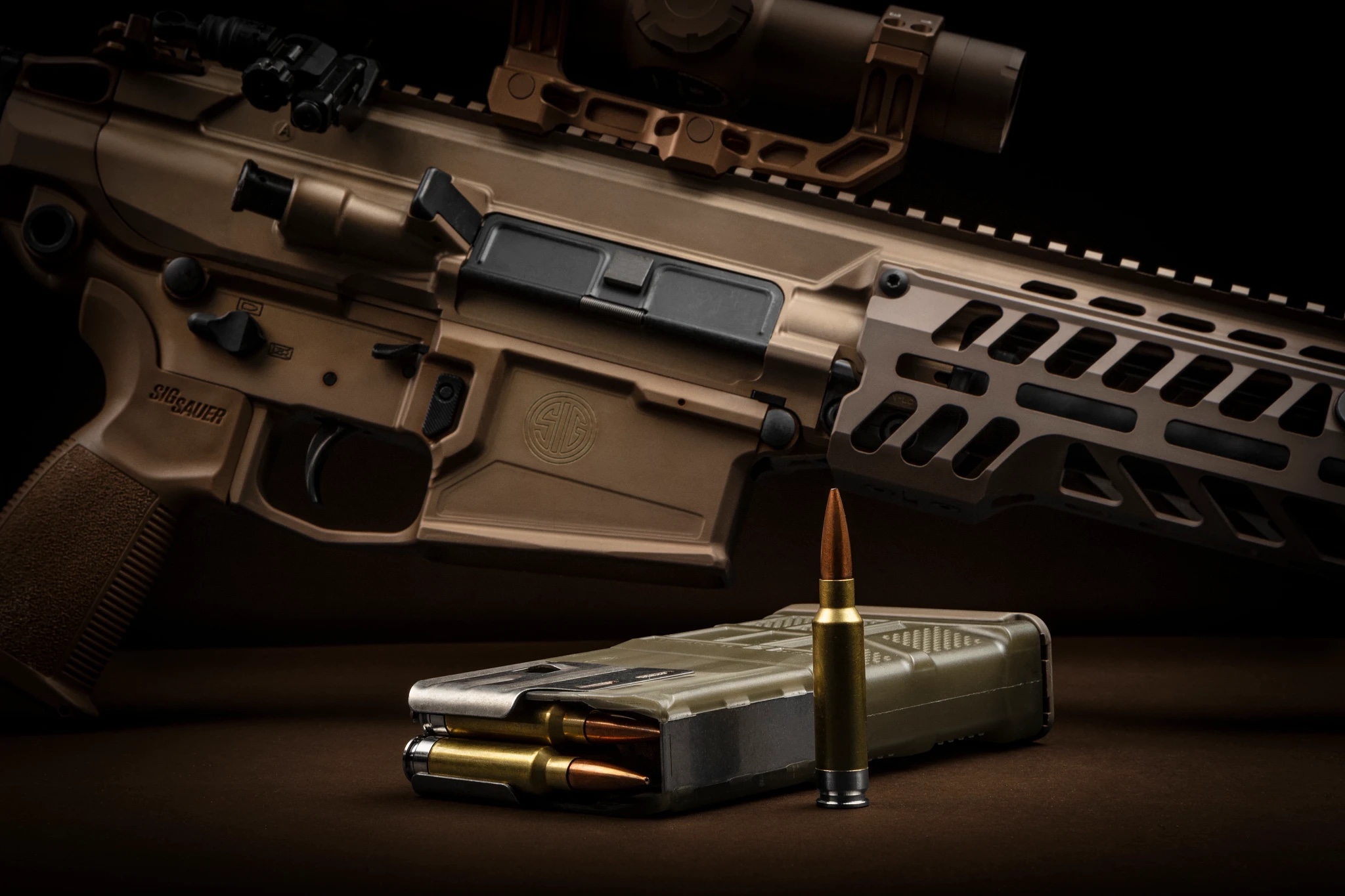
SIG SAUER has just announced the commercial sale of the MCX-SPEAR in .277 SIG FURY. This is a very cool opportunity. Aside from full-auto capability, you’re able to buy the very same rifle currently being offered to the US Army, and the Army should make its decision soon on a new suite of weapons to replace the M4 Carbine and M249 Squad Automatic Weapons currently used by its close combat forces.
One of only two contenders left in the US Army’s Next Generation Squad Weapons program, the MCX-SPEAR is also currently under evaluation by numerous friendly foreign forces in .277 SIG FURY (6.8x51mm), 6.5 Creedmoor, and 7.62x51mm NATO.
It combines the modularity of the AR-style firearm you are already familiar with, with a piston-driven operating system, allowing the user to quickly reconfigure the weapon between the three calibers already mentioned via barrel swap. There’s also the original version of the MCX in circulation, having already been adopted by forces around the world in 5.56mm, 7.62x35mm (.300 BLK) and 7.62x39mm.
There are nearly one million M4 Carbines in the US Army inventory, and the NGSW program’s stated goal is to field just over 100,000 weapons, so there are going to be a lot of troops still carrying the legacy gun. With the versatility of the MCX family, it’s not hard to imagine additional upper receiver groups in 5.56mm NATO helping to modernize the Army’s entire inventory of Carbines to a piston-driven system. Already, USSOCOM has adopted an MCX upper variant to satisfy its 5.56mm Suppressed Upper Receiver Group program which began fielding last year.
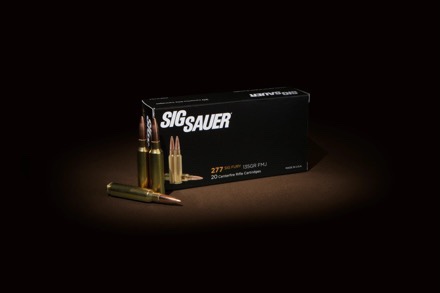
The .277 SIG FURY cartridge fired by the MCX-SPEAR is a commercially available version of the same hybrid case round SIG Ammo developed to satisfy the Army’s requirement to propel a 6.8mm projectile at a high velocity in order to provide America’s Soldiers overmatch against threat small arms.
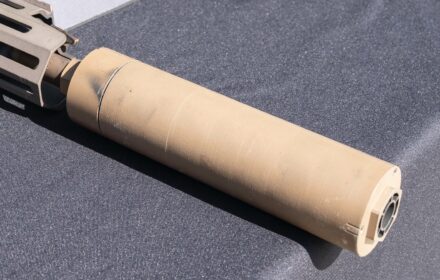
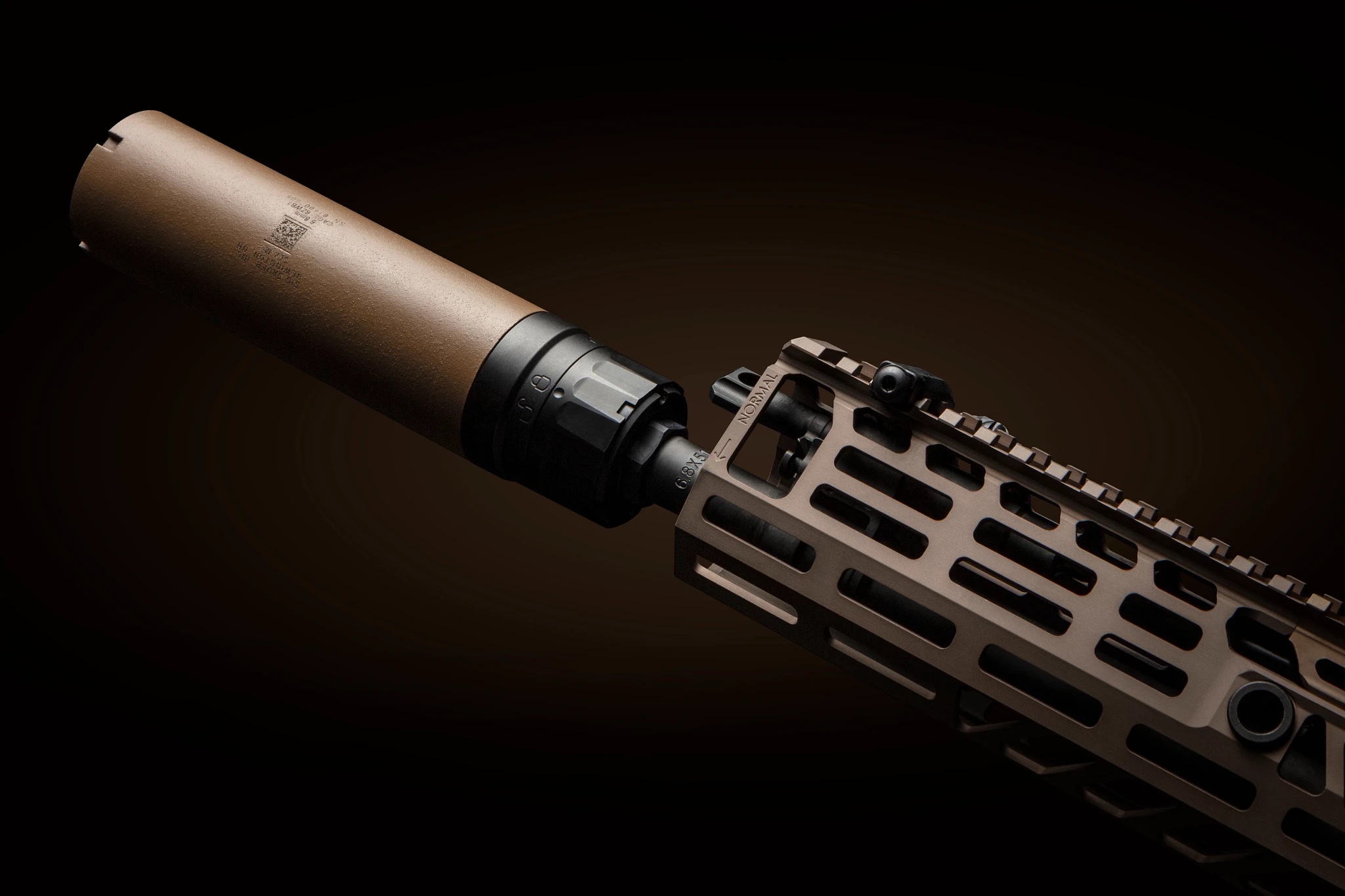
Additionally, you’re getting their latest SLX Suppressor. Between the 13″ barrel and suppressor, this is a two-stamp gun.
If you want to keep it as currently in use, you can easily pair it with the SIG Optics TANGO6T which has been adopted by the US Army for use with both the M4 Carbine and M110A1 Squad Designated Marksman Rifle as well as by USSOCOM as part of their Squad Variable Power Sight program. It has also been used on NGSW candidate weapons during Soldier Touch Points.
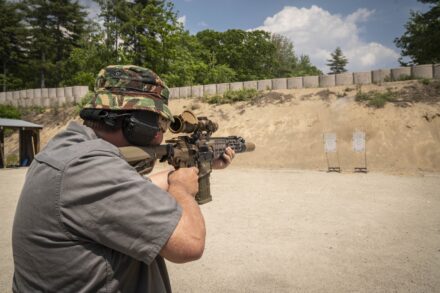
Along with the photos above, here’s a clip from a range session with the MCX SPEAR shot last year during a writers event at SIG Academy.
As you can see, it packs some oomph but is controllable, even during full-auto fire.
Here is SIG’s full press release:
NEWINGTON, N.H., (January 13, 2022) – SIG SAUER is proud to announce the official expansion of the MCX series of rifles with the new MCX-SPEAR chambered in 277 SIG FURY. The MCX-SPEAR was developed with direct input from U.S. warfighters to provide more power, distance, and accuracy to replace the current M4 rifle platform. The MCX-SPEAR is now the most innovative and advanced AR platform in the world.
“This is a rare opportunity for passionate consumers to own a piece of history,” began Ron Cohen, President & CEO, SIG SAUER, Inc. “This first production run MCX-SPEAR, and all of the revolutionary technology behind its development, is being offered to the commercial market in a configuration that is a near match to our NGSW-R submission. Further, this is the only rifle submission to the program that is designed and engineered in the United States by a company with the manufacturing scale and proven adherence to military-grade quality requirements – which is a tremendous source of pride for everyone at SIG SAUER.”
The MCX-SPEAR is an adaptable multi-caliber rifle (277 SIG FURY, 6.5 Creedmoor, 7.62 NATO, with barrel change) featuring rear and side non-reciprocating charging handles, 6-position folding stock, ambidextrous fire control, bolt-catch, and mag release, 2-stage match trigger, 2-position adjustable gas piston, a lightened free-float M-LOK™ handguard, a full-length picatinny rail, and ships with (2) 20-round magazines.
“The revolutionary SIG FURY ammunition is the most technically advanced leap in smalls arms ammunition in over 150 years, this turns your intermediate rifle platform into magnum performance without the added weight or length while still using 20-round magazines,” added Cohen.
The 277 SIG FURY ammunition is the commercial variant of the 6.8 x 51 hybrid military round available in the hybrid case technology submitted to the U.S. Army NGSW program. Also available is a 277 SIG FURY FMJ traditional cartridge round available.
“The final component of this special-edition offering includes the SLX Suppressor. The design of the SLX suppressor is optimized to dramatically reduce harmful toxic backflow and features our patented QD attach/detach system making installation of the suppressor a game-changing level of ease,” said Cohen.
The SIG SAUER SLX Series of suppressors are designed to drastically reduce toxic fume inhalation by the end-user and sound reduction and are available commercially for 5.56, 7.62 NATO, and 277 SIG FURY calibers. The SLX suppressors feature a monolithic core construction in Inconel, an internal multi-flow path to exhaust gases at a higher rate resulting in lower toxic fume inhalation, a sound reducing baffle design, a flash reducing end cap, and are available with either the new Clutch-Lock QD mounting system for easy install and removal that offers an intuitive tactile locking ring with infinite radial locking positions, or direct thread.
277 Sig FURY 135 Gr FMJ Bullet – Standard Brass Case
277 Sig FURY Elite Series Accubond® 150 Gr Nosler Accubond Bullet – Hybrid Brass/Stainless Steel Case
SLX Suppressor:
Caliber(s): 5.56 or 7.62 NATO
Finish: High Temp Cerakote
Core Material: Inconel
Diameter: 1.67in.
Overall Length: 5.24in./7.49in.
Weight: 8.8oz -19.4oz.
Attachment Type: Clutch-Lock QD™ or Direct Thread
The MCX-SPEAR, 277 SIG FURY Hybrid Ammunition, and SLX Series Suppressors are now shipping and available at select commercial retailers. To learn more about the SIG SAUER submission to the U.S. Army’s Next Generation Squad Weapons Program or the products visit sigsauer.com.
Saab has signed a framework agreement with the Lithuanian Ministry of Defence for the Carl-Gustaf® M4 weapon and ammunition. A first order for ammunition with a value of approximately SEK 150 million was placed by the Lithuanian Defence Materiel Agency in connection with the signing of the framework agreement.
The signing means that the Lithuanian Armed Forces will join the same Carl-Gustaf framework agreement as Sweden, Estonia and Latvia.
“It’s a great milestone to have Sweden and all the Baltic countries in the same agreement for the Carl-Gustaf system. Now we look forward to delivering this ammunition and providing Lithuania with the fantastic Carl-Gustaf M4 system,” Görgen Johansson, head of Saab’s business area Dynamics.
Since the Carl-Gustaf M4 launch in 2014, Saab has signed contracts with fourteen different nations for the system. The wide range of ammunition provides extreme tactical flexibility, ready for any combat situation, delivering faster engagement, increased hit probability and greater effectiveness.
Lithuania has been a user of the Carl-Gustaf system since the mid-1990’s.
ANOKA, Minnesota – January 12, 2022 – Federal Ammunition is proud to announce its all-new 30 Super Carry cartridge and will showcase this new product launch at the 2022 SHOT Show (Booth No. 11838), January 18-21 at the Sands Expo Center in Las Vegas, Nevada.
Federal Ammunition has 100 years of experience producing ammunition and is the ideal company to develop a better concealed carry cartridge for the next generation of self-defense pistols, and that’s exactly what the company has accomplished with this introduction. With so many advantages over existing cartridges, 30 Super Carry stands to revolutionize self-defense.
The new 30 Super Carry cartridge provides the power of the 9mm Luger with comparable felt recoil. The .312-inch diameter projectile carries the same energy as 9mm Luger at the muzzle, with better ballistics than 380 Auto. In addition, it could be chambered in smaller, easier to conceal handguns, once gun manufacturers start to offer guns designed and built specifically for this cartridge.
“The self defense market is a driving force behind new gun ownership. When considering what the market is looking for when it comes to self-defense, they have told use that concealability, comfort in carrying and ability to shoot, 9mm performance, and the ability to carry more rounds,” said Federal’s Handgun Ammunition Product Director Mike Holm. “There is a lot here, and that is what drove the development of 30 Super Carry.”
With a higher capacity and smaller frame size than the 9mm but with similar muzzle blast, recoil and terminal performance, 30 Super Carry offers a decided advantage.
“Our 30 Super Carry cartridge hits like a 9mm, which means shooters can increase capacity without sacrificing performance,” continued Holm. “With ballistics that mirror the 9mm, there’s no doubt regarding the 30 Super Carry’s effectiveness for self-defense.”
30 Super Carry’s introduction is truly unique. While most new cartridges struggle with availability for years before production catches up with growing demand, 30 Super Carry will hit the ground running with not only loads from Federal but also sister brands Speer, CCI Blazer and Remington. In fact, it’s the first time in history so many manufacturers have offered loads for a new cartridge on “day one” of a new product introduction.
Federal Ammunition can be found at dealers nationwide or purchased online direct from Federal. For more information on all products from Federal or to shop online, visit www.federalpremium.com.
ANOKA, Minnesota – January 4, 2022 – The FBI awarded Federal and Speer Ammunition in all four categories of its handgun ammunition bid. This prestigious award keeps35,000 employees trained and ready for duty. Three of the rounds will be manufactured in the Anoka, Minnesota facility and the other will be built in Lewiston, Idaho.
Federal and Speer were the only brands to be collectively awarded in all four ammunition categories: Service (Full Size), Service (Micro), Reduced-Lead Training, and Frangible. Federal and Speer were the primary for the Training and Frangible rounds with secondary designations for the full size and micro service rounds.
“It is an honor that our brands continue to be selected for use by the most trusted law enforcement agency and value the products we make,” said Federal’s President Jason Vanderbrink. “The ongoing validation of the technology and performance found in every round of ammunition made by our highly skilled American workforce brings great pride to our company.”
This Indefinite Delivery, Indefinite Quality contract is a one-year base contract with four possible option years. “We are excited to build the FBI the best bullets on the market for both duty and training,” said David Leis, Federal and Speer’s Vice President of Law Enforcement, Government and International Sales. “This is a win for our engineering team as the FBI will be utilizing new as well as refined bullet technology in their firearms for both service and training.”
Federal ammunition can be found at dealers nationwide or purchased online direct from Federal. For more information on all products from Federal or to shop online, visit www.federalpremium.com. For information on Speer visit www.speer.com.
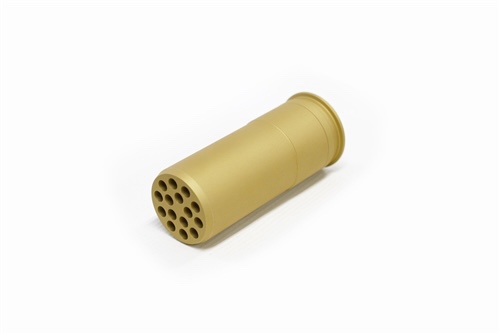
The AU Beehive holds fifteen .22 LR rimfire rounds that fire simultaneously from your 37mm or 40mm launcher with the use of one large pistol primer. The Beehive is reusable and is reloaded by hand.
Built to last, the Beehive is manufactured from aerospace grade aluminum with a hard coat anodize finish. Firing pins and components manufactured from 4140 Chrome Moly Steel. A removable primer pocket is used to detonate the round by using a large pistol primer that is installed by simply press-fitting.
The Beehive is NOT live ammunition, and no .22 LR rounds are included.
Columbus, Miss. (January 4, 2022) – APEX Ammunition, makers of handloaded, ultra-high-density Tungsten Super Shot (TSS) shotshells, will showcase its ammunition offerings at the 2022 SHOT Show in Las Vegas, January 18-21 (Booth # 71104).
APEX pioneered the commercial use of 18.1 g/cc density TSS in 2017, and today offers a comprehensive line of shotshells for Waterfowl, Upland, and Predator and Deer hunting, in addition to its renowned Turkey TSS loads.
Waterfowl
APEX offers a variety of waterfowl loads to meet the needs of discerning hunters who value superior performance and craftsmanship. Waterfowl TSS shotshells are meticulously handloaded for ultimate knockdown power. The TSS/S3 Steel™ Blend duplex loads feature No. 7.5 or 9 TSS combined with No. 2, 4 or BB S3 Steel shot in 12-gauge and No. 4 shot in 20 gauge. The APEX S3 Steel™ line features premium-grade zinc-coated steel and the same Tungsten-grade wad system used in the APEX TSS loads for superior patterning and consistency.
28-gauge, 16-gauge, and 410 bore waterfowl loads are available upon request.
Upland
Whether you are hunting grouse or Huns out West, quail in the South, or late-season roosters across the Great Plains, APEX Upland Bird TSS helps you put more birds in hand. Available in 3-inch 12-and 20-gauge loads.
Upland Bird 3-inch 16-gauge, 2 ¾-inch 28-gauge, and .410 bore 2 ½ and 3-inch loads are available upon request.
Predator
Shotshells for predator hunting typically meant low pattern count and massive lead pellets leading to limited performance. APEX Predator TSS, offered in shot sizes 4, 2 and BB, capitalizes on superior density to deliver extended range and penetration while maximizing pattern retention for ultimate knockdown power on coyotes, hogs and deer.
Turkey
APEX’s legendary Turkey TSS offerings bring a new level of performance to sub-gauge shotguns. Now available in 20-gauge No. 9s, 28-gauge (No. 9 and 9 ½) and .410 bore (No. 9 ½), APEX Turkey TSS shotshells are designed for maximum penetration at extended ranges. Handloaded for ultimate consistency and quality control, APEX TSS allows the use of smaller shot sizes and larger payloads for maximum pattern density and downrange energy. Also available in 10-gauge, 12-gauge and 16-gauge loads.
APEX also offers Smalltown Hunting Blend loads which feature a combination of No. 7 1/2 and No. 9 shot TSS as well as Ninja Turkey TSS loads.
The 2022 APEX Ammunition Catalog is now available online at ApexAmmunition.com.
Bill Wilson is proud to announce the acquisition of Pennsylvania-based ammunition and bullet manufacturer Lehigh Defense.
Lehigh Defense will join other Wilson-owned companies Chip McCormick Custom, Circle WC Ranch, Khumba Bush Camp, Scattergun Technologies, Wilson Custom Ammunition and Wilson Combat to expand the group’s presence in the firearms and hunting marketplace.
Lehigh Design, originally founded by Dave Fricke later expanded to Lehigh Defense with the addition of Pete Vogel and Mike Cyrus and has been designing and manufacturing solid brass and copper bullets using the latest technology since 2004. In 2009, Lehigh started working with Black Hills Ammunition in developing unique military projectile designs. Years of collaboration later, the Fluid Transfer Monolithic design culminated with the release of the Black Hills Honey Badger line. Another patented design is the Maximum Expansion 300 Blackout subsonic bullet used by US and many NATO special operations groups throughout the world with over 7 million sold to date.
Lehigh Defense currently operates two manufacturing plants, one in Pennsylvania and one in South Dakota. Once a new purpose-built facility in northeast Texas is completed in Q3 2022 some operations will begin the move to their new home in Texas. There are immediate plans to increase production and some products are already in production in Arkansas at the Wilson Combat facility to rapidly increase production capacity. Lehigh will have a substantial increase in manufacturing capacity and a state of the art testing facility once the Texas plant is operational. Our goal is to meet product demand, add exciting new products and build brand awareness.
To add stability to these changes we’re proud to announce Dave Fricke will retain minority ownership and continue to work with Lehigh for several years into the future.